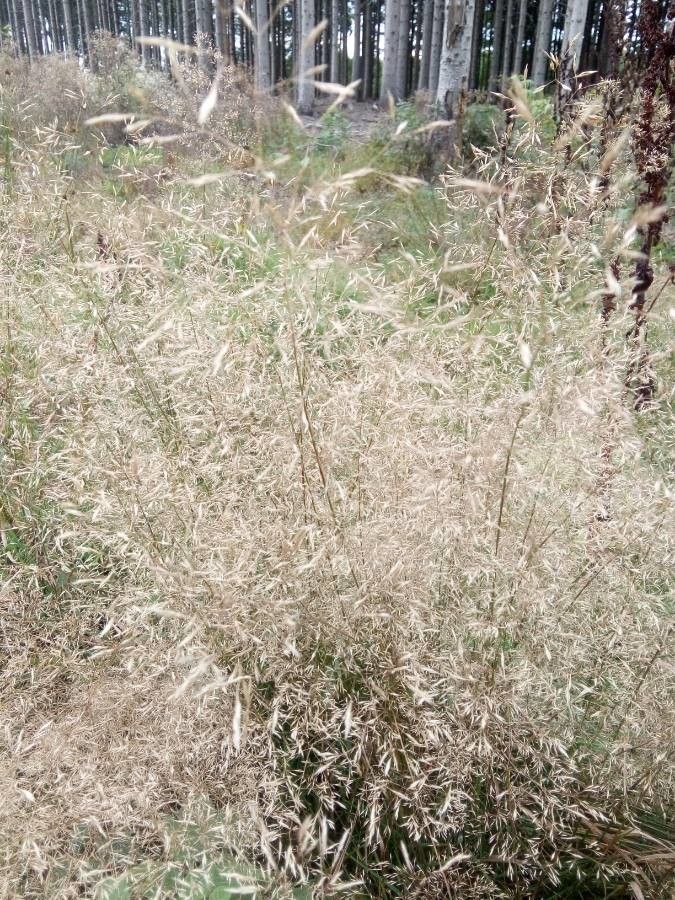
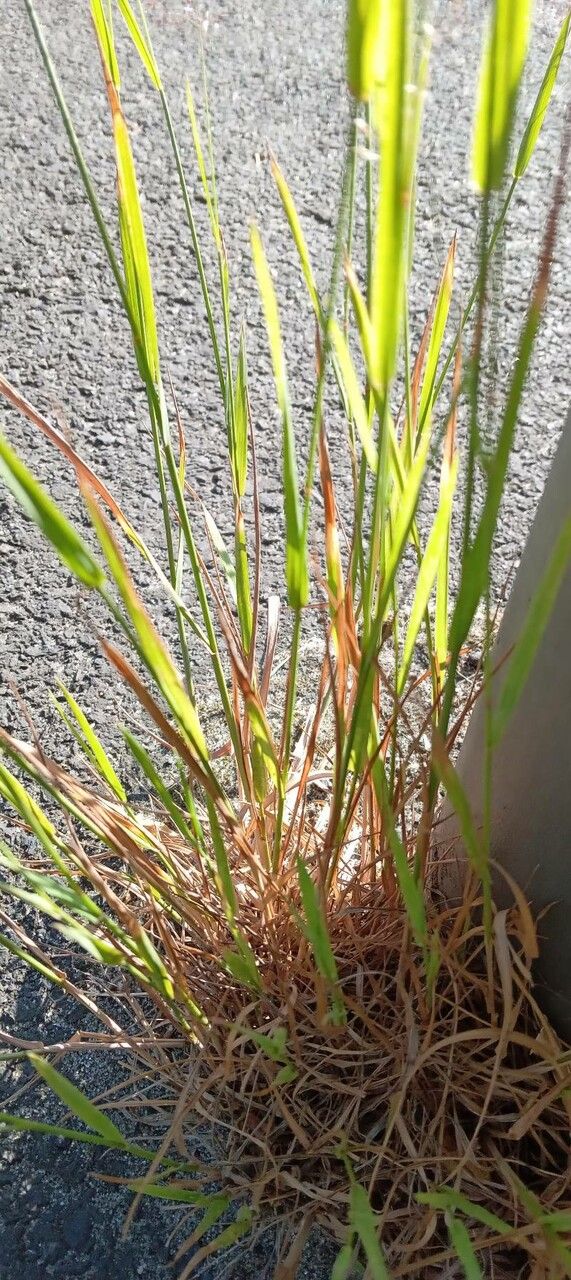
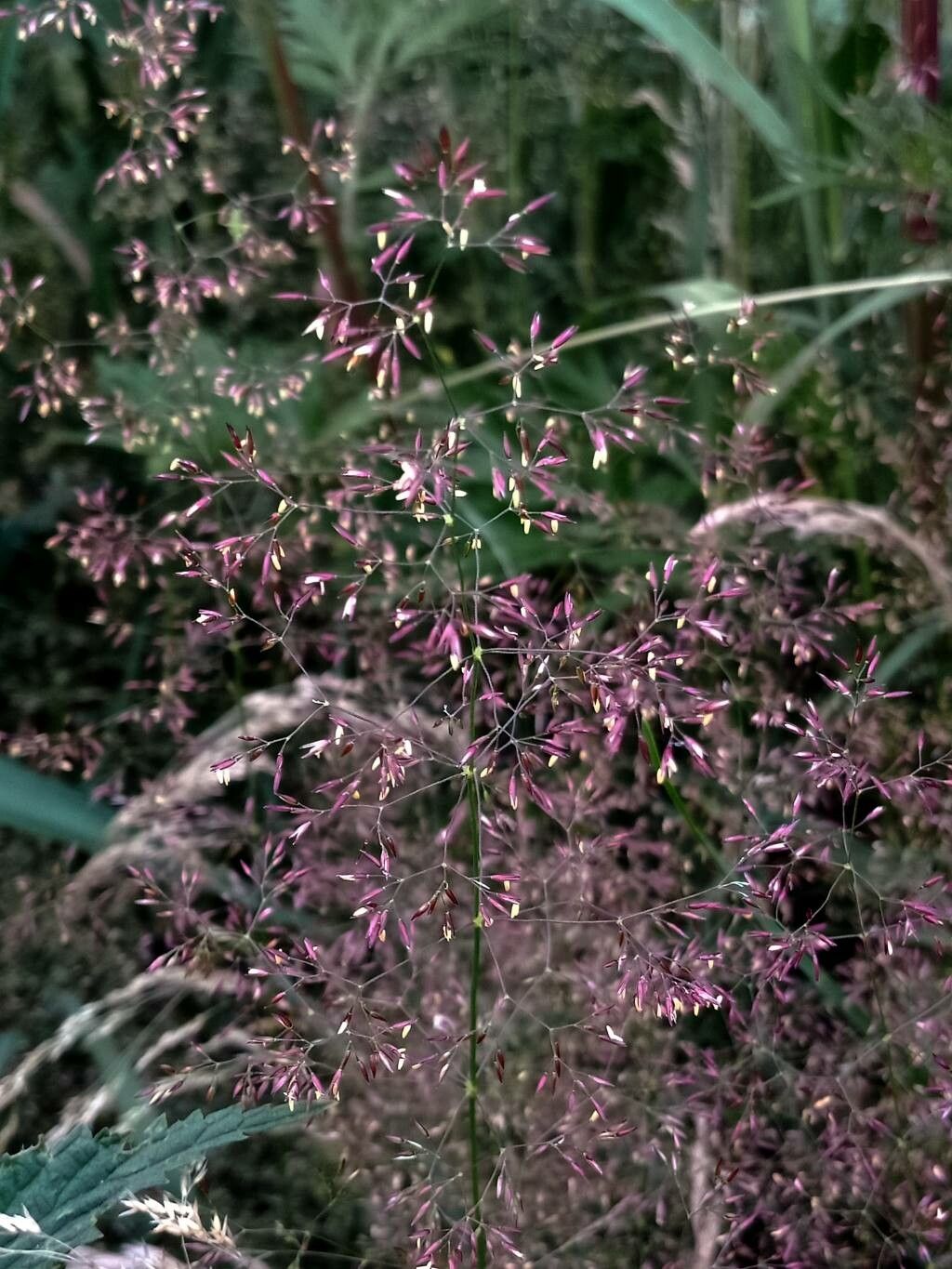
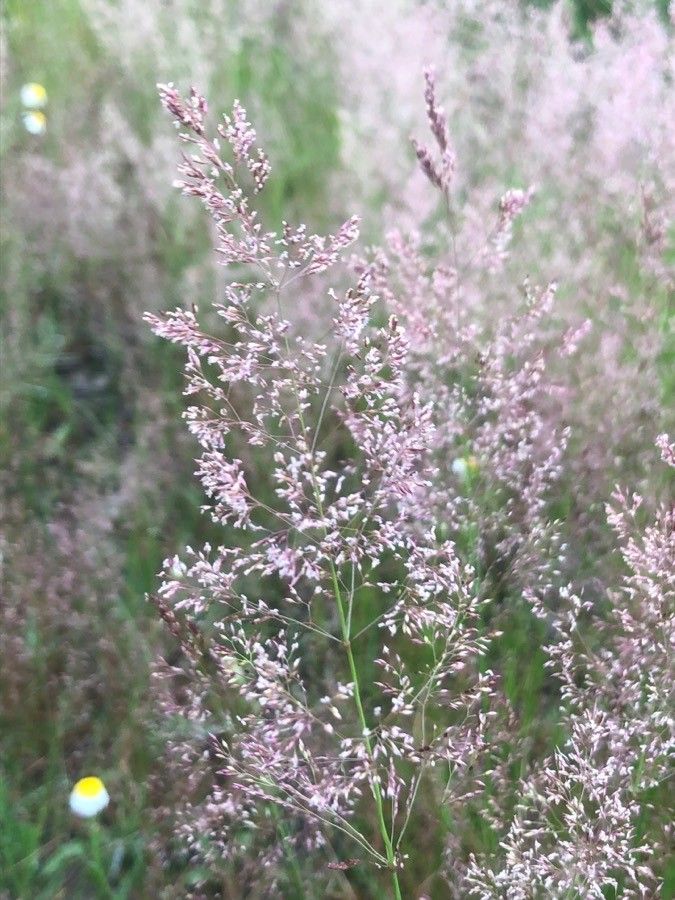
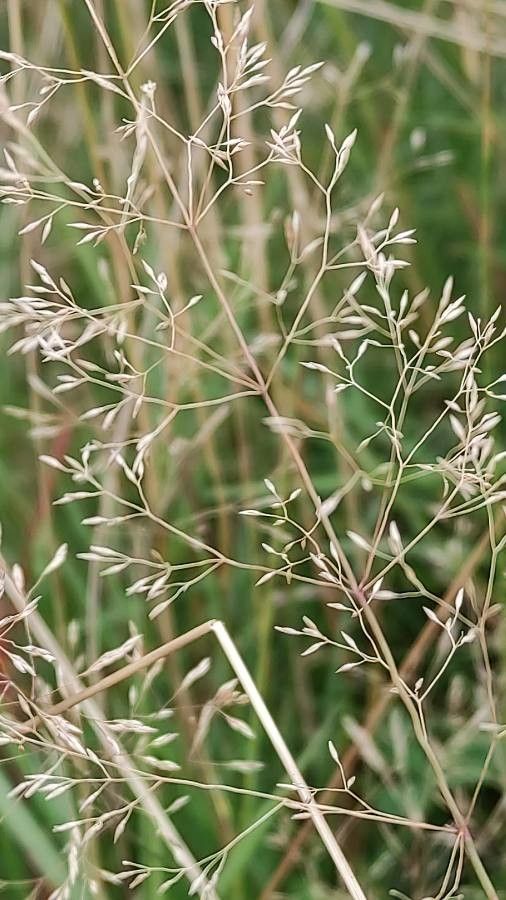
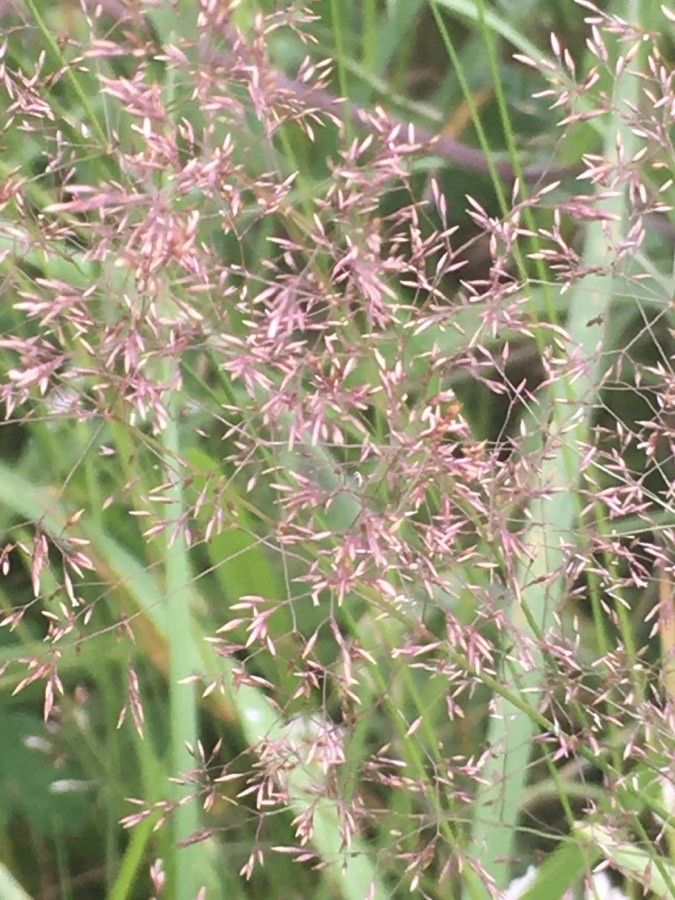
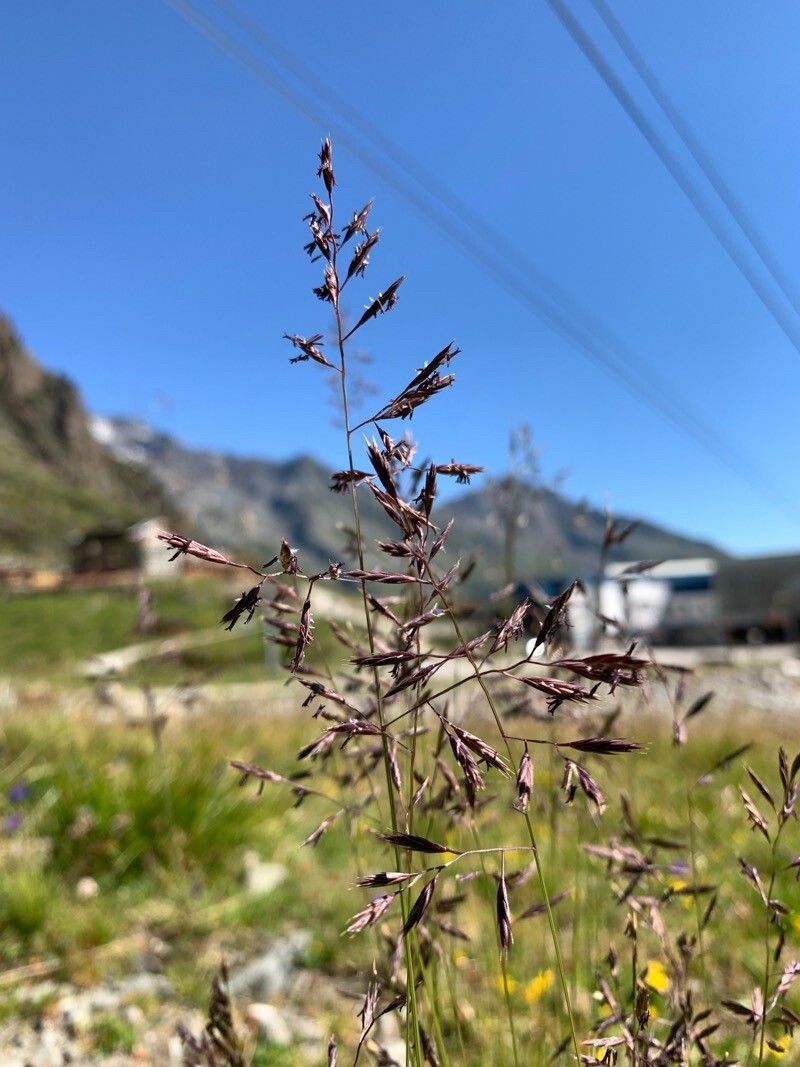
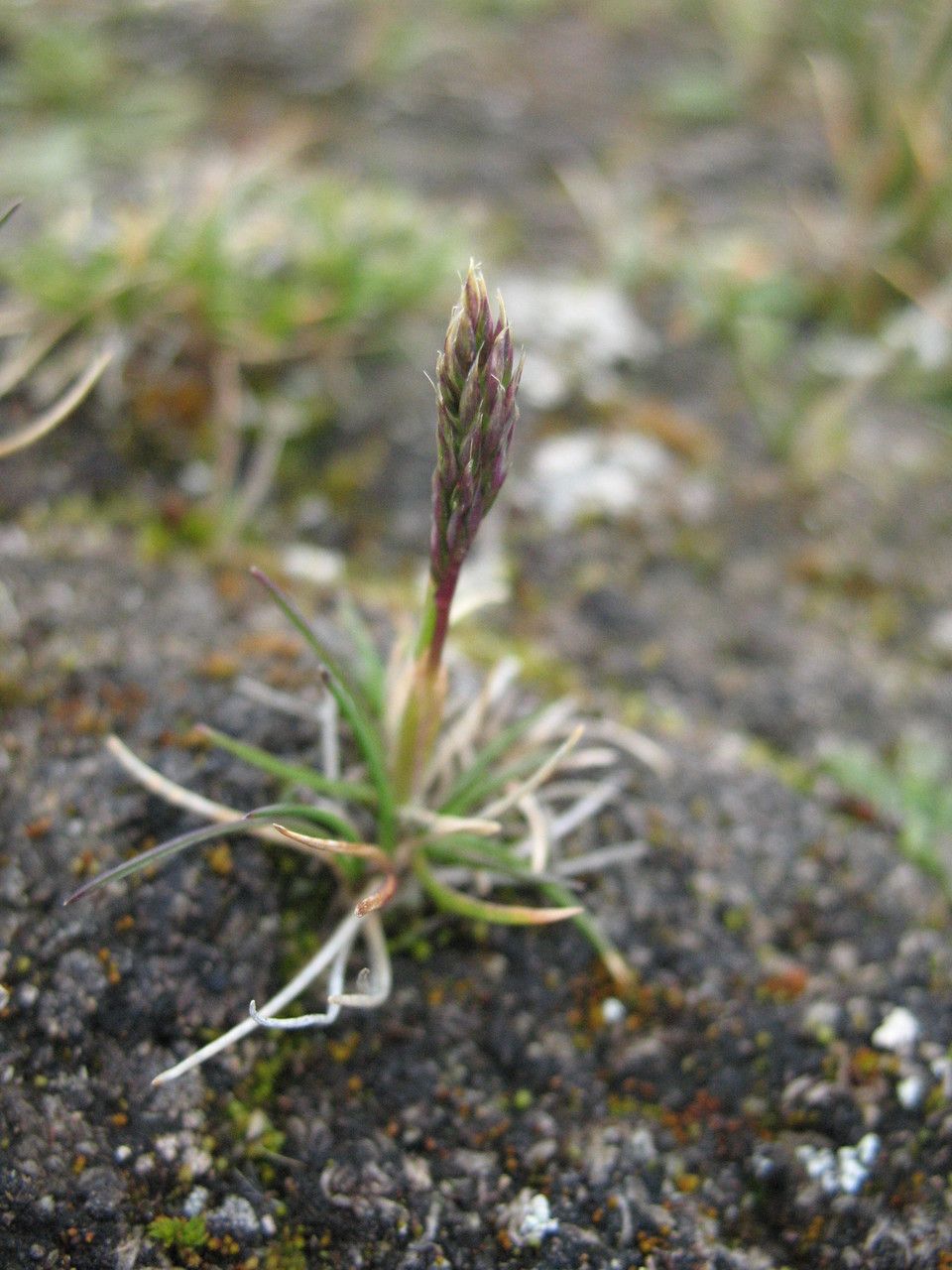
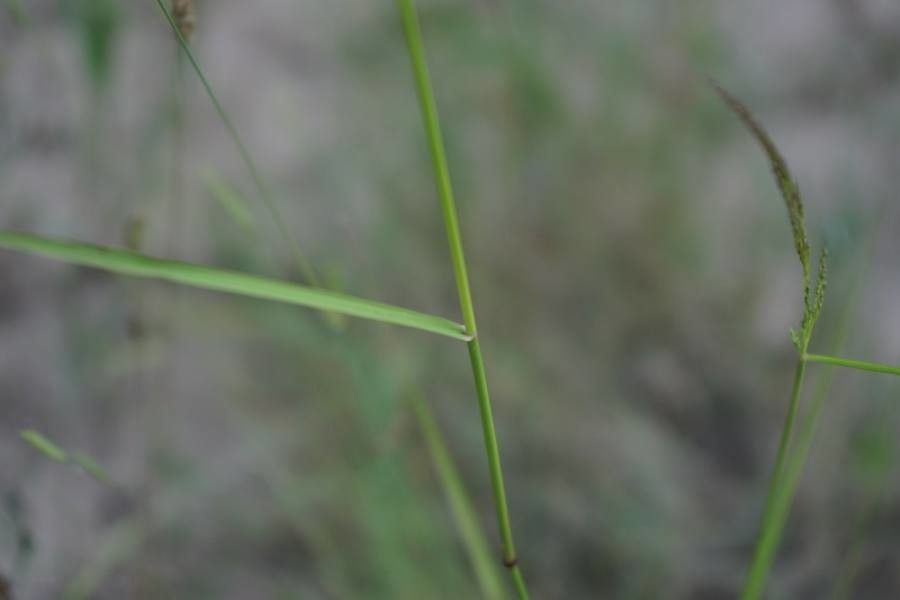
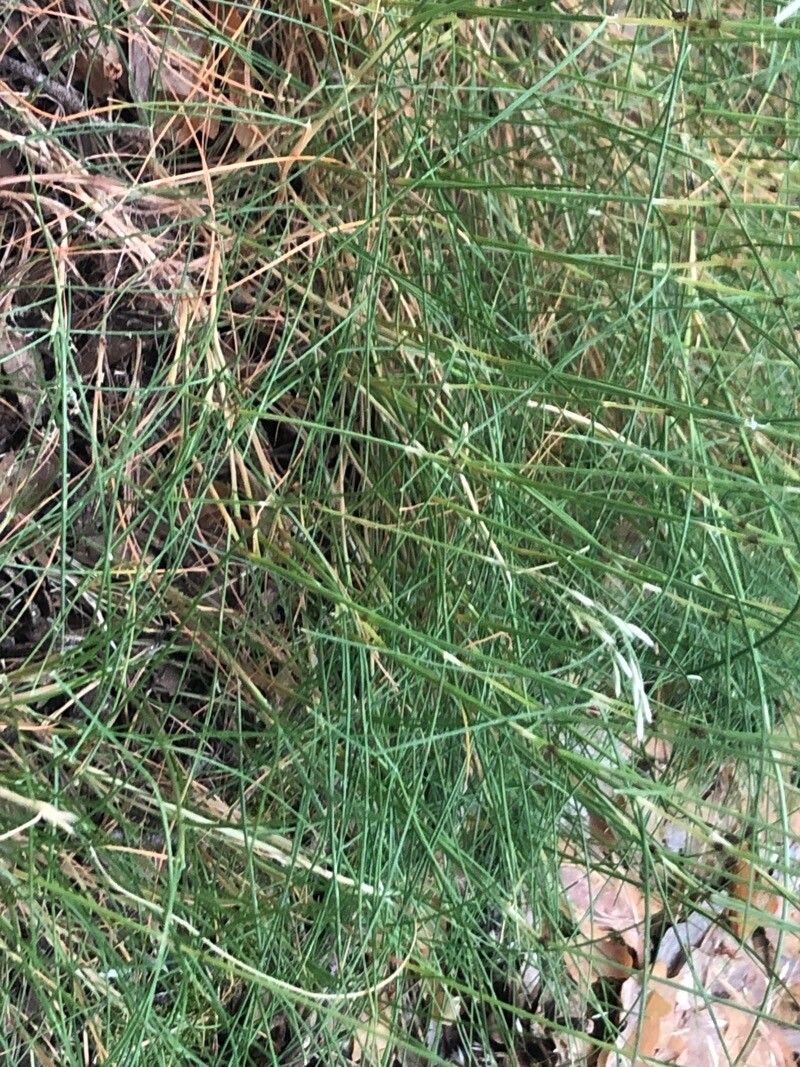
Agrostis capillaris, commonly known as common bentgrass, is a perennial grass species belonging to the family Poaceae. Native to Europe, it has been introduced to other regions, including North America, Asia, and Australia. This grass features a fine texture and slender stems that can reach up to 60 cm in height. Its leaves are narrow, flat, and have a glossy green color. The inflorescence of Agrostis capillaris comprises small spikelets arranged in panicles at the tops of the stems. Agrostis capillaris is frequently found in meadows, pastures, lawns, and golf courses due to its ability to withstand close mowing and heavy foot traffic. It also boasts good drought tolerance, making it suitable for areas with low rainfall. This plant species plays a crucial role in soil conservation, forming dense mats that help prevent soil erosion on slopes or other erosion-prone areas. Additionally, Agrostis capillaris serves as an important food source for livestock such as cattle and sheep due to its high nutritional value. Overall, Agrostis capillaris is a versatile plant species that provides numerous benefits, including soil conservation and serving as a valuable food source for livestock.
Colonial bentgrass has strong disease resistance and is generally not prone to disease. Regarding care, this plant is fairly low-maintenance. When grown outdoors it needs minimal watering, and larger plants typically do not require pruning. Smaller plants, however, should be pruned after they finish blooming. Colonial bentgrass is suitable for anyone with an outdoor area, such as a garden or deck, and does not demand much care experience.
How to keep Agrostis Capillaris.
Light
Colonial bentgrass flourishes best in environments with full sunlight for optimal development. It can also withstand limited sun exposure. This plant is native to open habitats where plentiful light is expected. Its growth may be stunted by inadequate light, while too much exposure can result in dehydration.
Water
Colonial bentgrass thrives best in environments similar to its native temperate regions. It requires consistent moisture and should ideally be watered weekly for optimal health. Although it has moderate drought tolerance, it truly flourishes outdoors. Its hardiness and adaptability allow it to benefit from natural rainfall, but it may also need additional watering during dry periods.
Temperature
The natural habitat of Colonial bentgrass tends to exhibit temperatures ranging from 32 to 95°F (0 to 35°C). This type of grass is vulnerable to hotter climates, necessitating changes to ensure its wellbeing throughout periods of elevated temperature variation.
Fertilizer
Colonial bentgrass is a grass species that predominantly grows in the cooler seasons of spring and fall. Its growth rate declines during the summer and it becomes dormant in the winter months. Supplying it with suitable fertilizers in the springtime can enrich its nutritional intake and enhance robust and compact growth. Lawns that receive proper nourishment are fuller in colour, more durable, and have a higher resilience against pests and weeds.
Botanical profile.
- Plant Type
- Grass
- Life Cycle
- Perennial
- Genus
- Agrostis
- Family
- Poaceae
- Hardiness Zone
- 3-10
- Mature Height
- 20 cm to 25 cm
- Mature Spread
- 10 cm
- Leaf Color
- Green
- Leaf Type
- Evergreen
- Flower Color
- Brown, Yellow, Purple, Red
- Flower Size
- 1.02 cm to 11.43 cm
- Bloom Time
- Late spring, Early summer, Mid summer
- Planting Time
- Spring, Summer, Autumn
- Harvest Time
- Mid summer
- Native Area
- Turkey, Sweden, India, Austria, Slovakia, Montenegro, Pakistan, Slovenia, Croatia, Belarus, Russia, Germany, Iceland, Estonia, Romania, Latvia, Belgium, Moldova, Portugal, Netherlands, France, Tunisia, Czech Republic, Bulgaria, Armenia, Poland, Greece, Ukraine, Serbia, China, Lithuania, Norway, Afghanistan, Italy, Kazakhstan, Spain, Switzerland, Denmark, Finland, Bhutan, Iran, Albania, Ireland, United Kingdom, Hungary, Azerbaijan
Other names.
Reader questions.
How should I water my Colonial bentgrass?
Most people grow Colonial bentgrass as a lawn, and there are specific ways to water it effectively. One option is using a hose with a spray nozzle attachment, but the best method is setting up a sprinkler system. For optimal results, it's recommended to have a timer-controlled sprinkler system, ensuring the grass receives the correct amount of water at the right time. When watering, it's advisable to use cool or room temperature water and to do it in the morning. This allows the water to soak into the soil, while the sunlight can evaporate any extra moisture throughout the day.
What are the sunlight requirements for Colonial bentgrass?
Colonial bentgrass requires full sun exposure, which means it needs above 6 hours of sunlight daily, to thrive optimally. It can also tolerate partial sun, needing about 3-6 hours of sunlight. Insufficient light may stunt its growth, while excessive exposure can lead to drying out. It is essential to watch how sunlight moves through your garden, selecting spots that provide a perfect balance of light and shade to ensure your plants' happiness.
What are the ideal temperature conditions for Colonial Bentgrass?
Colonial bentgrass thrives in environments where temperatures range from 32 to 95°F (0 to 35°C). It is resistant to cold and can generally survive without special frost protection measures, thanks to its strong cold resistance. However, in temperatures warmer than its ideal range, the grass requires adjustments to maintain its health due to its susceptibility to higher temperature fluctuations.
What do I do if I give too much or too little water to my Colonial bentgrass?
If you have overwatered your Colonial bentgrass and want to bring it back to health, there are a few steps you can follow. To start, aerating your lawn will help fix compacted soils and improve drainage. Additionally, consider dethatching your Colonial bentgrass if necessary. On the other hand, if you have underwatered your lawn, the remedy is different. Allow the grass to grow a bit longer before mowing it and make sure to provide it with a bit more water than before.
How does artificial lighting support the growth of indoor Colonial bentgrass?
For indoor Colonial bentgrass, artificial lighting is crucial for optimal growth, especially when natural sunlight is insufficient, such as in winter or less sunny spaces. Choosing the right type of artificial light, such as LED lights, is vital because these can be customized to provide specific wavelengths needed by the plants. For full sun plants, 30-50W/sq ft of light is recommended, partial sun plants need 20-30W/sq ft, and full shade plants require 10-20W/sq ft. The artificial light source should be placed 12-36 inches above the plant to mimic natural sunlight and be left on for 8-12 hours per day, depending on the plant species.
How should Colonial Bentgrass be cared for during winter?
During winter, Colonial Bentgrass usually does not require special frost protection measures due to its strong cold resistance. However, if temperatures are expected to fall below -35°C, cold protection measures should be taken, such as covering the plant with soil or straw. Additionally, before the first freeze of autumn, it's recommended to water the plant abundantly to ensure the soil remains moist and enters a frozen state, which helps prevent drought and water scarcity for the plant during winter and early spring.
How frequently should I water my Colonial bentgrass?
The frequency of watering for your Colonial bentgrass depends on the region, climate, and season. In cooler northern regions, watering every 1-2 weeks is sufficient, while in southern regions, watering once a week is usually necessary. However, both regions should adjust their watering schedule when there is regular rainfall. It's important to note that rainfall alone may not be enough to keep the lawn alive. During the summer, when the grass goes dormant, water is still needed to prevent it from drying out, but not for new growth.
What are the symptoms of inadequate lighting on Colonial bentgrass?
Colonial bentgrass shows various symptoms when exposed to inadequate lighting, including smaller new leaves, leggy or sparse growth, faster leaf drop, slower or halted growth, and lighter-colored new leaves. These symptoms indicate that the plant is straining to conserve resources and unable to produce chlorophyll effectively, leading to reduced photosynthesis. Additionally, excessive sunlight can cause chlorosis, sunscald, leaf curling, wilting, and leaf scorching, damaging the plant's ability to maintain health.
What are the symptoms of Colonial Bentgrass being affected by low temperature?
Colonial Bentgrass is cold-tolerant and fares best in temperatures above 0°C, ideally keeping above -30°C during winter. If the temperature drops below -35°C, there might not be noticeable changes during winter, but there could be a decrease in sprouting or even no sprouting during spring. The recommended solution for these symptoms is to remove any parts that have failed to sprout in spring.
How much water does my Colonial bentgrass require?
Understanding how much to water your Colonial bentgrass is simple. Whether you live in the cooler north or the warmer south, you should water it with one inch of water each time. The exception is during the summer when the grass goes dormant, in which case you should provide light but appropriate waterings to protect it from the hot sun. The amount of water you give depends on the size of your Colonial bentgrass area. For a large area, you will need more water compared to a small lawn.
What solutions exist for optimizing light exposure for Colonial bentgrass?
To optimize light exposure for Colonial bentgrass, gradually move plants to sunnier locations each week until they receive at least 6 hours of direct sunlight daily. For indoor plants, consider using a south-facing window or artificial lighting like desk or ceiling lamps for at least 8 hours daily, or invest in professional plant grow lights. Outdoors, avoid sudden light intensity changes to prevent sunburn. Minimize obstructions by pruning or transplanting to areas with ample sunlight and good drainage. Note that parts of the plant affected by insufficient sunlight may not recover, but new growth will be healthy after adjusting light exposure.
What are the symptoms of Colonial Bentgrass being affected by high temperature, and how can they be addressed?
In high temperatures, particularly above 35°C, Colonial Bentgrass may show symptoms like leaves becoming lighter in color, prone to curling, susceptible to sunburn, and in severe cases, the entire plant wilting and drying up. The solutions include trimming away sunburned and dried-up parts, moving the plant to a shaded location especially during midday and afternoon sun, or using a shade cloth. It's also advisable to water the plant in the morning and evening to keep the soil moist.