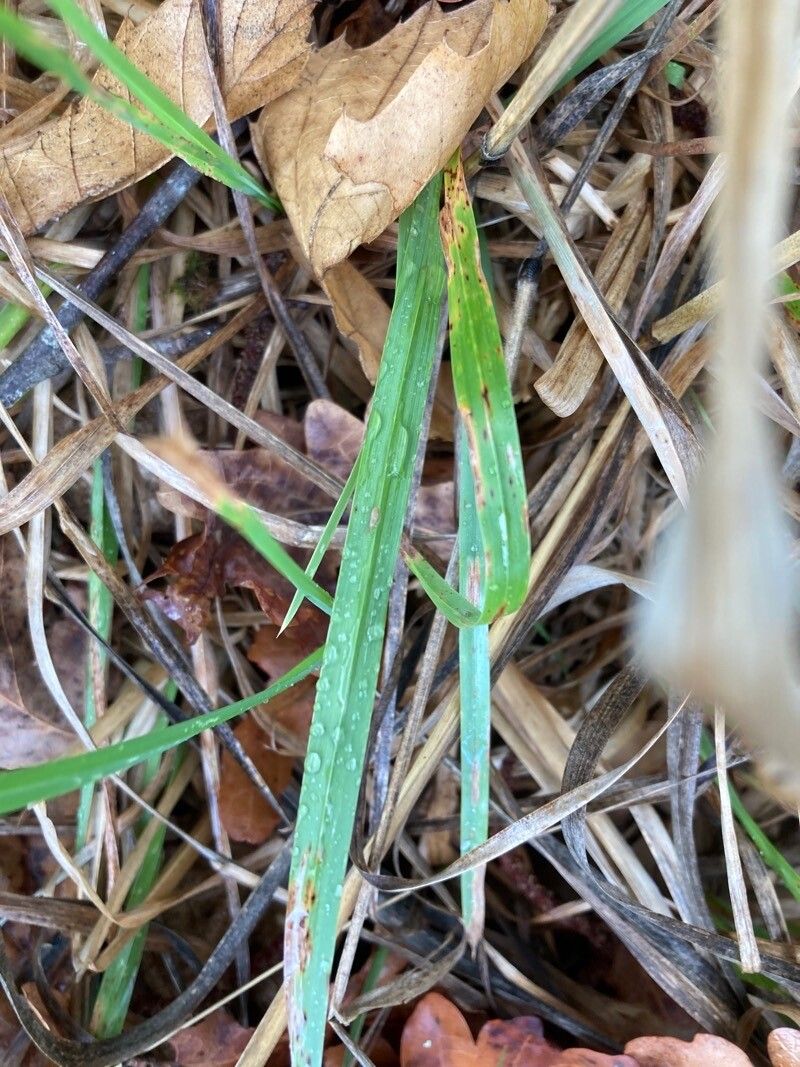
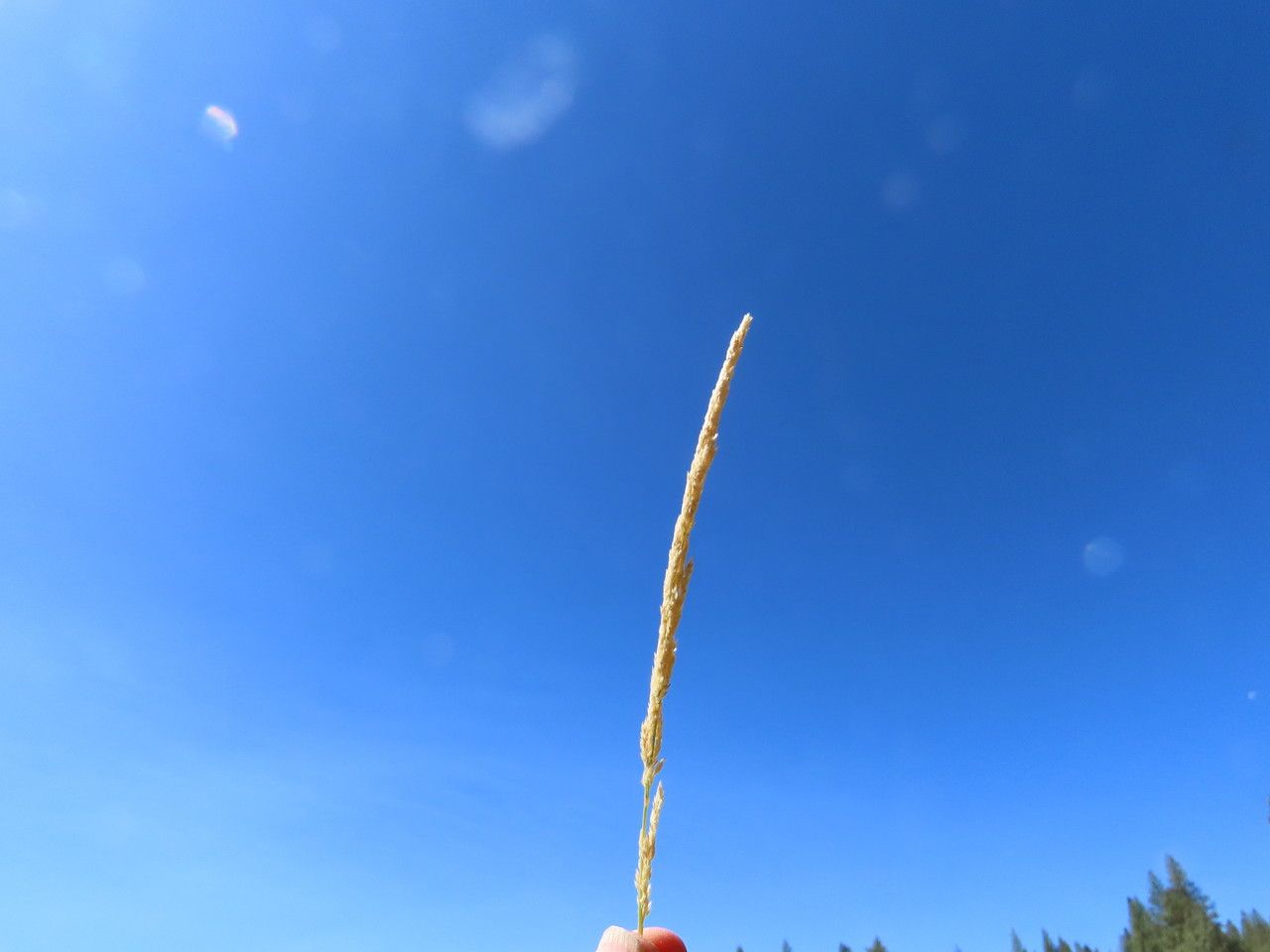
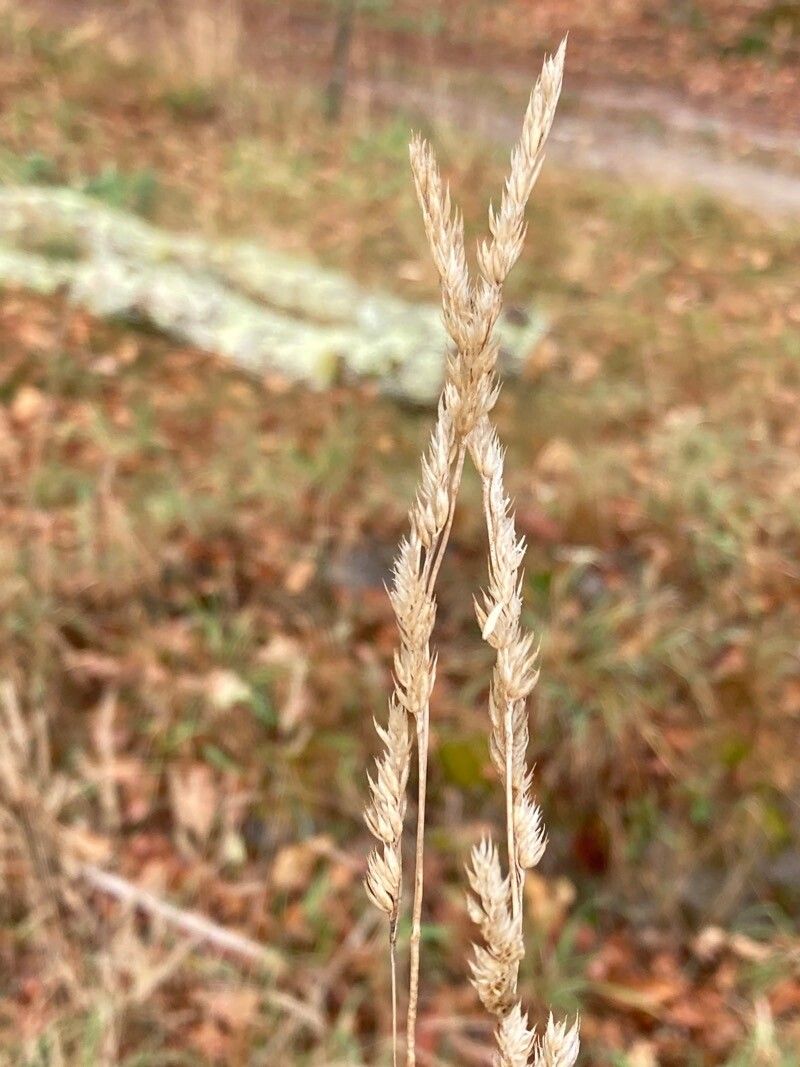
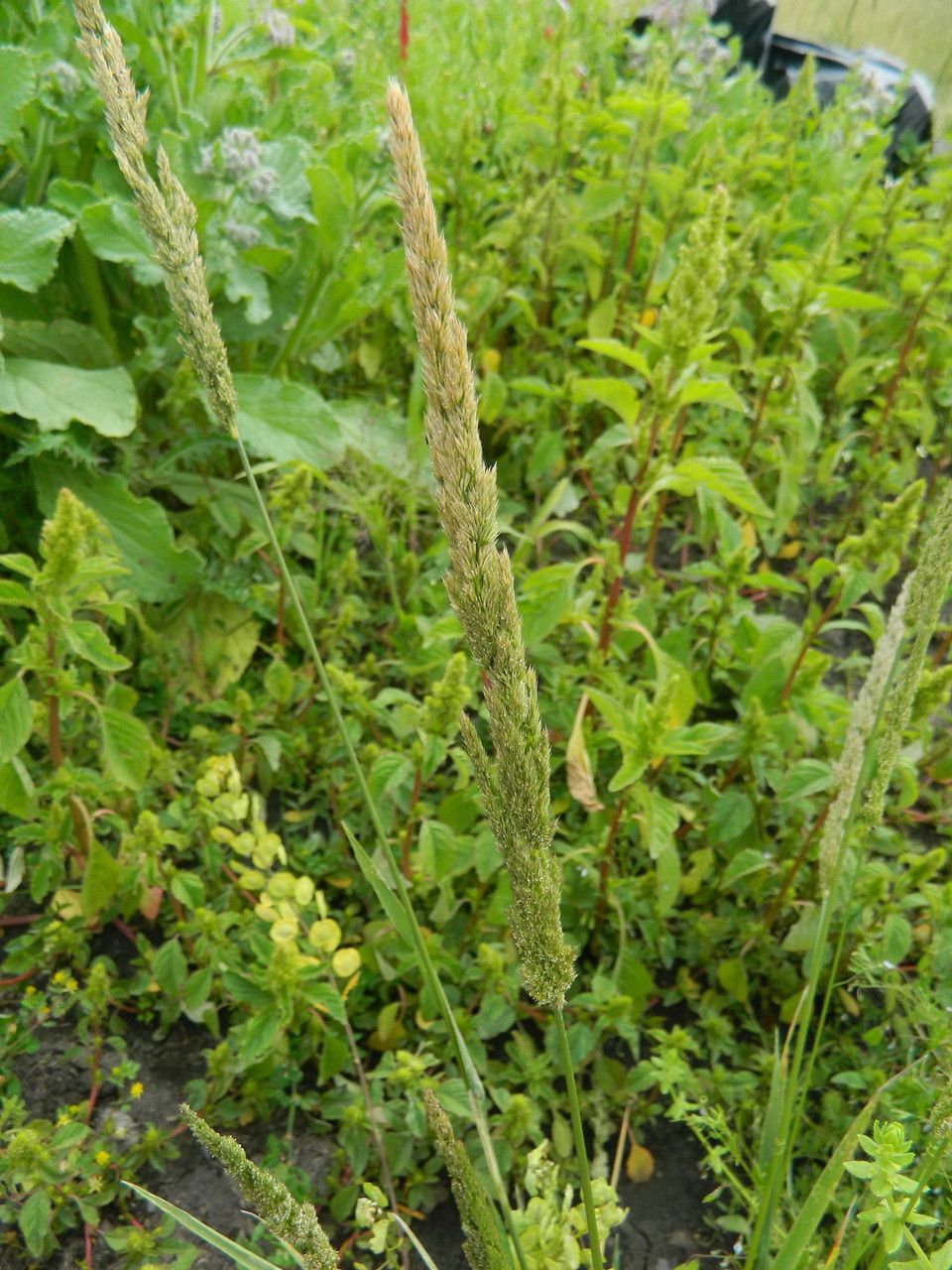
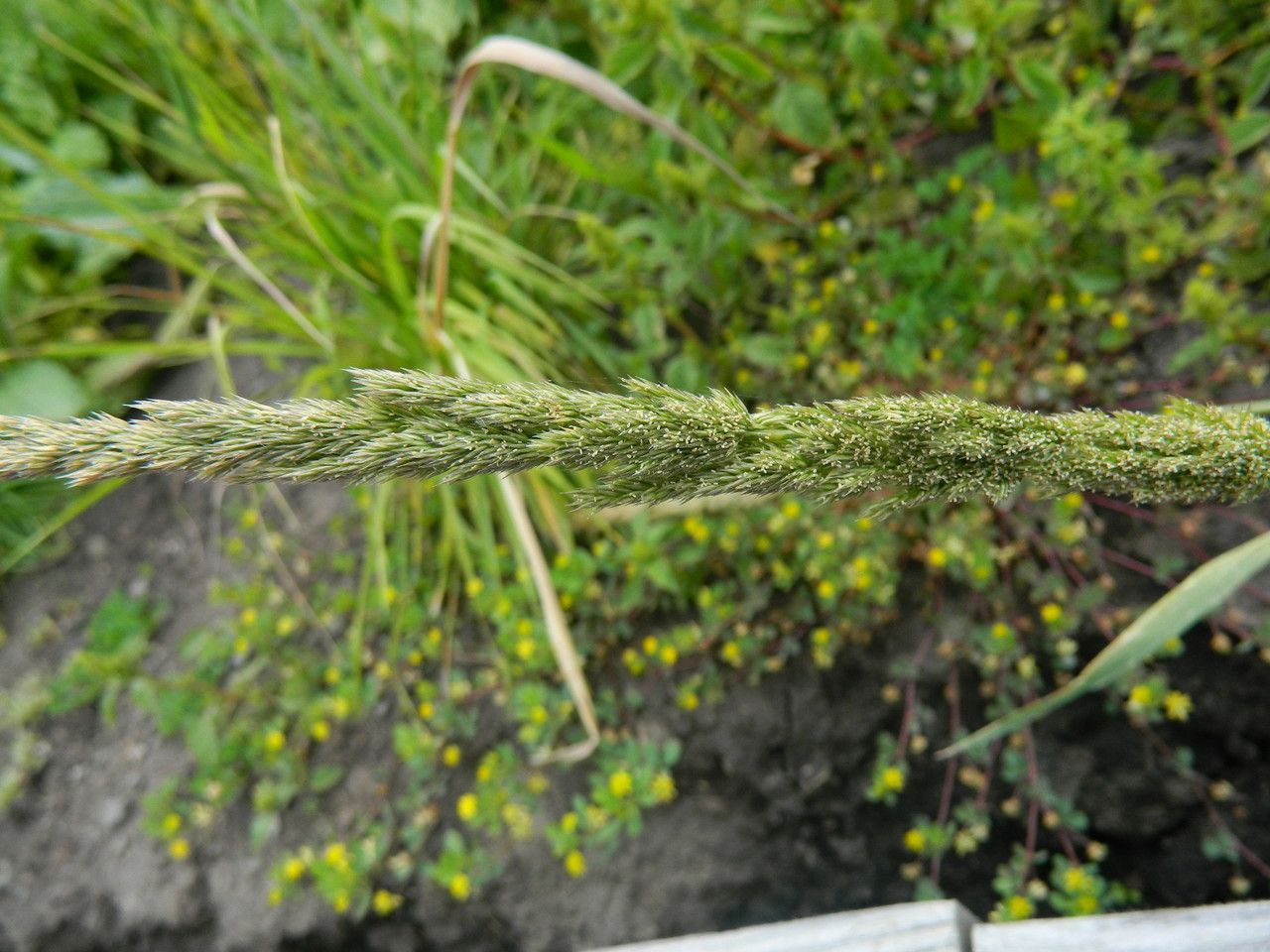
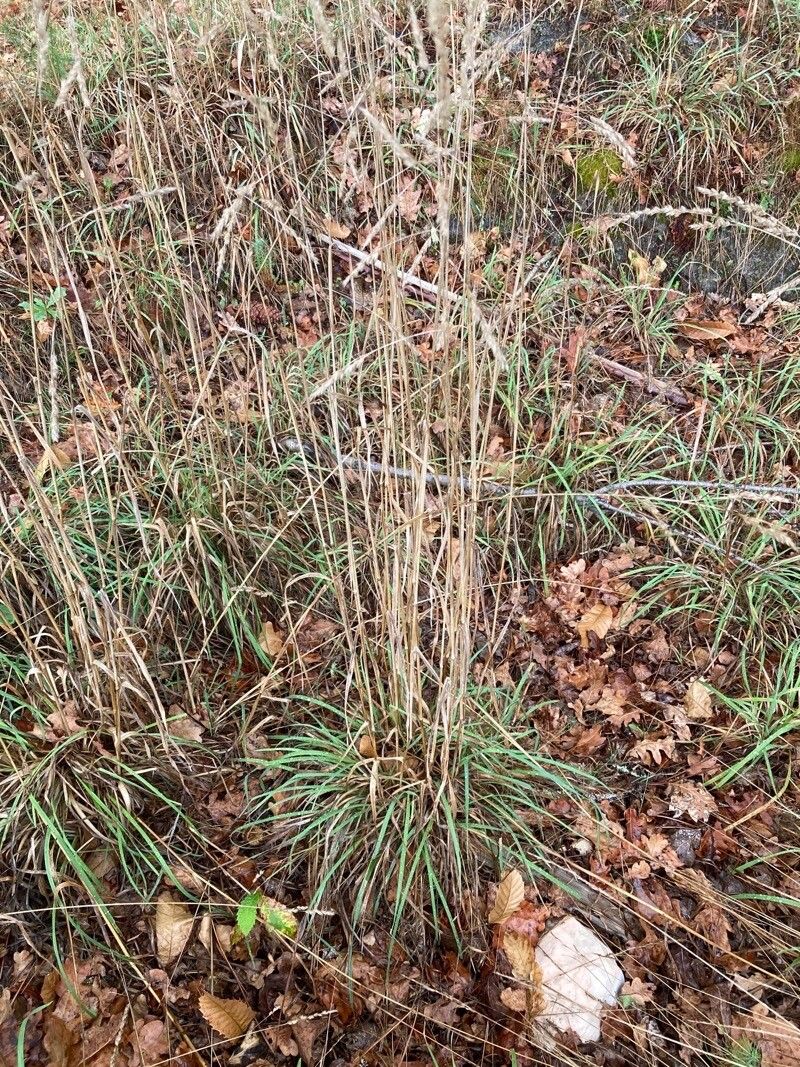
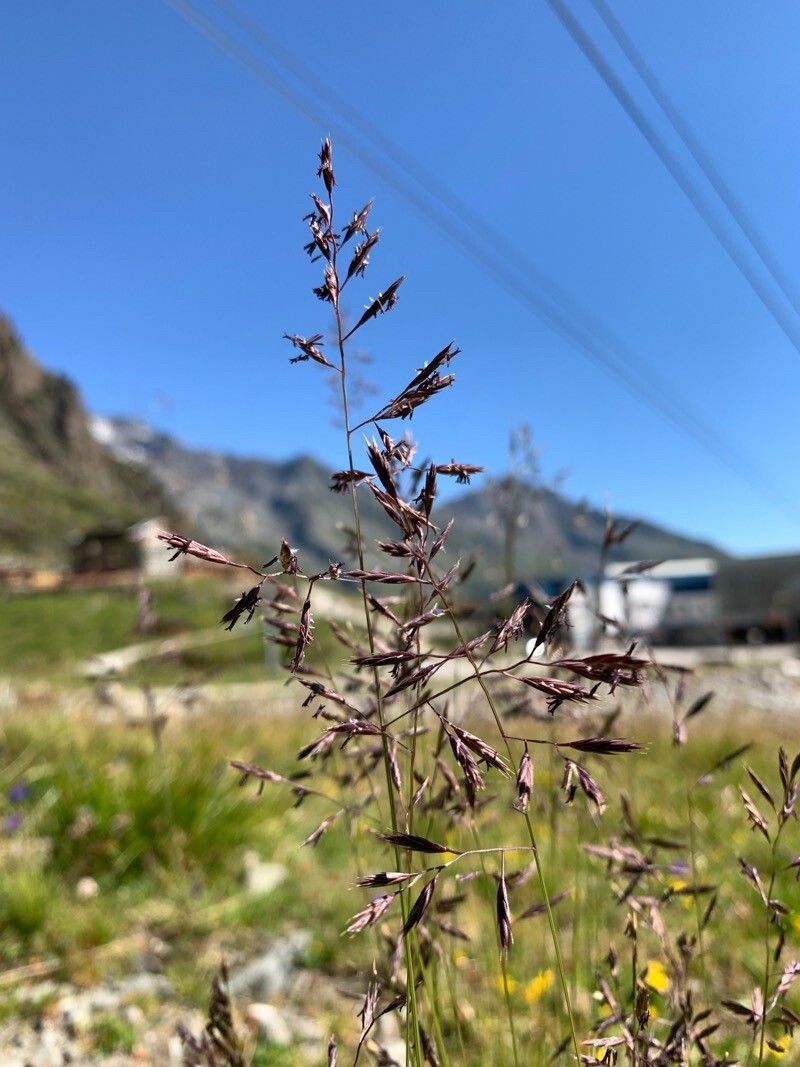
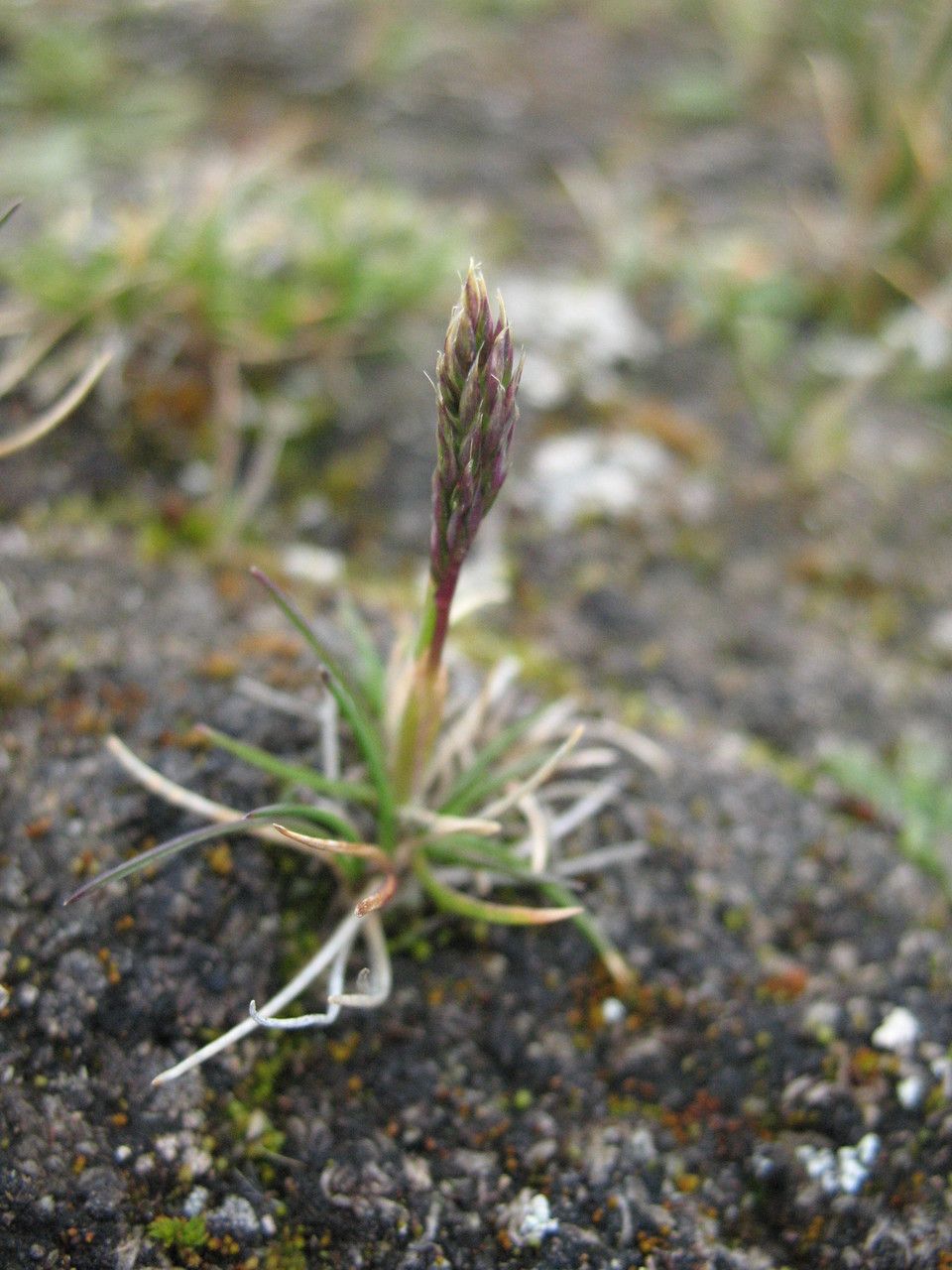
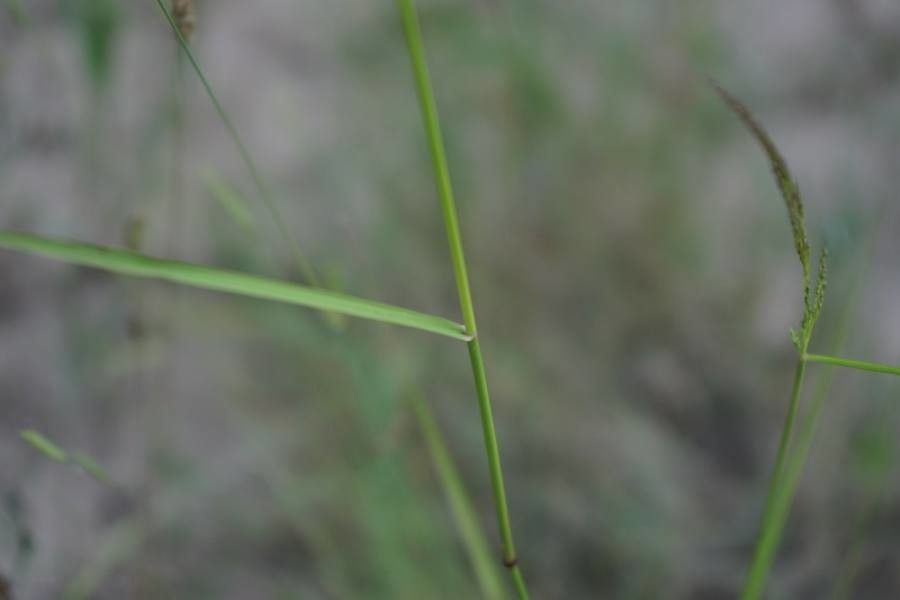
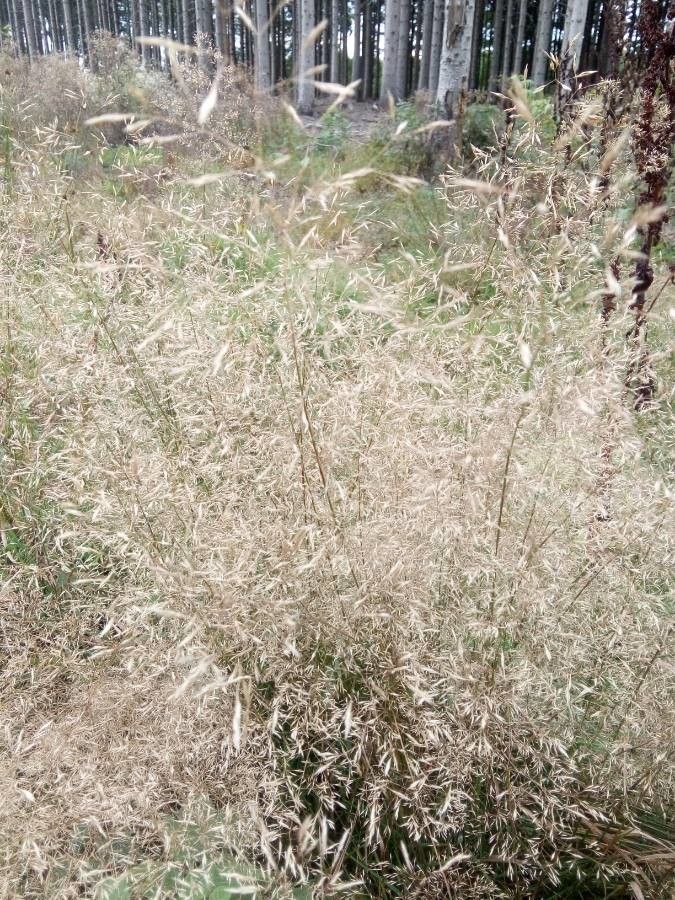
Agrostis exarata is a species of grass known by the common names spike bentgrass, spike bent, Pacific bentgrass, and spike redtop. It is native to western North America from Texas to the Aleutian Islands.
Spike Bentgrass is disease-resistant and typically not susceptible to illnesses. As for care, this plant is fairly low-maintenance. When grown outdoors it needs only light watering, and larger specimens usually do not require pruning. Smaller specimens, however, should be pruned after they finish flowering. Spike Bentgrass is appropriate for anyone with an outdoor area, such as a garden or deck, and does not demand extensive experience in plant care.
How to keep Agrostis Exarata.
Light
Spike Bentgrass needs plenty of sunlight to grow optimally, mirroring the conditions of its native open habitats. Its light requirements remain the same at all stages of growth. However, excessive sunlight can be detrimental. Conversely, insufficient light can restrict its growth and harm its overall health.
Water
Spike Bentgrass thrives in moist meadows and requires consistent hydration without becoming waterlogged. Watering it weekly mimics its natural environment, making it well-suited for temperate climates. Generally grown outdoors, Spike Bentgrass benefits from rainfall patterns that align with its growth cycles, minimizing the need for excessive manual care.
Temperature
Spike Bentgrass is a plant that does well in its native growing environment at temperatures from 32 to 95°F (0 to 35℃). During different seasons, it is advisable to adjust the temperature to those ranges to ensure optimal growth.
Fertilizer
Spike Bentgrass needs extra nutrients to encourage healthy new growth. In spring, applying compost around the plant’s base will effectively supply the nutrition it requires. Fertilizing supports vigorous growth and helps the plant resist diseases and pests.
Pruning
Spike Bentgrass is a fine-textured plant that benefits greatly from pruning in early spring. This process removes dead foliage, promoting the health of the plant and encouraging new growth. Make sure to use clean tools to minimize stress on the plant. Regular pruning not only enhances the grass's density but also improves its aesthetic appeal, making it an excellent choice for ornamental gardens. For best results, consult trusted sources to refine your pruning techniques.
Botanical profile.
- Plant Type
- Grass
- Life Cycle
- Perennial
- Genus
- Agrostis
- Family
- Poaceae
- Hardiness Zone
- 3-10
- Mature Height
- 30 cm to 91 cm
- Mature Spread
- 30 cm
- Leaf Color
- Light Green, Pale Green
- Leaf Type
- Semi-evergreen
- Flower Color
- White, Green, Purple, Brown
- Flower Size
- 30.48 cm
- Bloom Time
- Early summer, Mid summer
- Planting Time
- Spring, Summer, Autumn
- Harvest Time
- Mid summer, Late summer
- Native Area
- Russia, Mexico
Other names.
Reader questions.
What are the sunlight requirements for Spike Bentgrass?
Spike Bentgrass requires full sun, meaning it needs above 6 hours of sunlight per day for optimal growth. It's crucial to observe how sunlight moves through your garden to choose the best spots that provide a balance of light and shade, ensuring the plants' health and happiness. Spike Bentgrass thrives in its native open habitats and requires similar light conditions at different growth stages. Both too much and too little sunlight can be harmful, impacting the plant's growth and health negatively.
What is the optimal temperature range for Spike Bentgrass?
Spike Bentgrass thrives in temperatures between 32 to 95°F (0 to 35°C). To ensure optimal growth, it's recommended to regulate the environment's temperature to stay within this range across varying seasons. The plant exhibits strong cold resistance, making special frost protection measures typically unnecessary, except in extreme conditions where winter temperatures might drop below -35°C.
How can artificial lighting be used for Spike Bentgrass?
Indoor Spike Bentgrass plants require adequate lighting for optimal growth, especially when natural sunlight is insufficient, like in winter or less sunny spaces. Artificial lights, particularly LED lights, are recommended because they can be customized to provide specific wavelengths needed by the plants. For full sun plants, 30-50W/sq ft of artificial light is needed, for partial sun plants 20-30W/sq ft, and for full shade plants 10-20W/sq ft. The light source should be placed 12-36 inches above the plant, mimicking natural sunlight, and the plants should receive 8-12 hours of light per day.
How should Spike Bentgrass be protected in winter?
Although Spike Bentgrass has strong cold resistance, in areas where winter temperatures are expected to fall below -35°C, it is crucial to provide cold protection. This can be done by covering the plant with insulating materials such as soil or straw. Additionally, watering the plant abundantly before the first freeze in autumn helps to ensure the soil remains moist and enters a frozen state, thus preventing drought and water scarcity during winter and early spring.
What are the symptoms of inadequate lighting for Spike Bentgrass?
When Spike Bentgrass does not receive enough light, it may show various symptoms: new leaves may grow smaller, growth can become leggy or sparse, and there might be a faster drop of older leaves as the plant conserves resources. Inadequate lighting also leads to slower or halted growth, lighter-colored new leaves, chlorosis (yellowing of leaves due to breakdown of chlorophyll), sunscald, leaf curling, wilting due to water loss, and leaf scorching. These signs indicate the plant is struggling with the light conditions it's in.
What are the symptoms of Spike Bentgrass in low temperatures?
Spike Bentgrass is cold-tolerant, ideally kept above 0°C. During winter, temperatures should remain above -30°C. If temperatures fall below -35°C, the plant might not show immediate changes but could exhibit decreased sprouting or fail to sprout in spring. The recommended solution for such a scenario is to remove any parts of the plant that have failed to sprout when spring arrives.
What are some solutions to improve light conditions for Spike Bentgrass?
To improve light conditions for Spike Bentgrass, gradually move plants to sunnier locations until they receive at least 6 hours of direct sunlight daily, particularly for indoor plants which may also benefit from artificial lighting such as grow lights. For outdoor plants, it's important to make lighting adjustments gradually to prevent sunburn. Reducing obstructions like pruning trees can help increase sunlight exposure. In cases where plants are small, consider transplanting during their dormant period to sunnier spots with ample sunlight and good drainage.
How does Spike Bentgrass react to high temperatures?
In summer, Spike Bentgrass should be maintained below 35°C. Exposure to temperatures exceeding 41°C may result in the plant's leaves lightening in color, curling, becoming prone to sunburn, and in severe cases, wilting and drying out completely. To mitigate high temperature damage, remove the sunburned and dried-up parts, relocate the plant to a shaded area, or use a shade cloth to prevent direct sunlight during the hottest parts of the day. Additionally, watering the plant in the morning and evening will help keep the soil moist and support the plant's well-being.
What is the botanical name of Spike Bentgrass?
The botanical name of Spike Bentgrass is Agrostis exarata. This information is useful for in-depth research or when looking for specific care guides and advice regarding this plant.