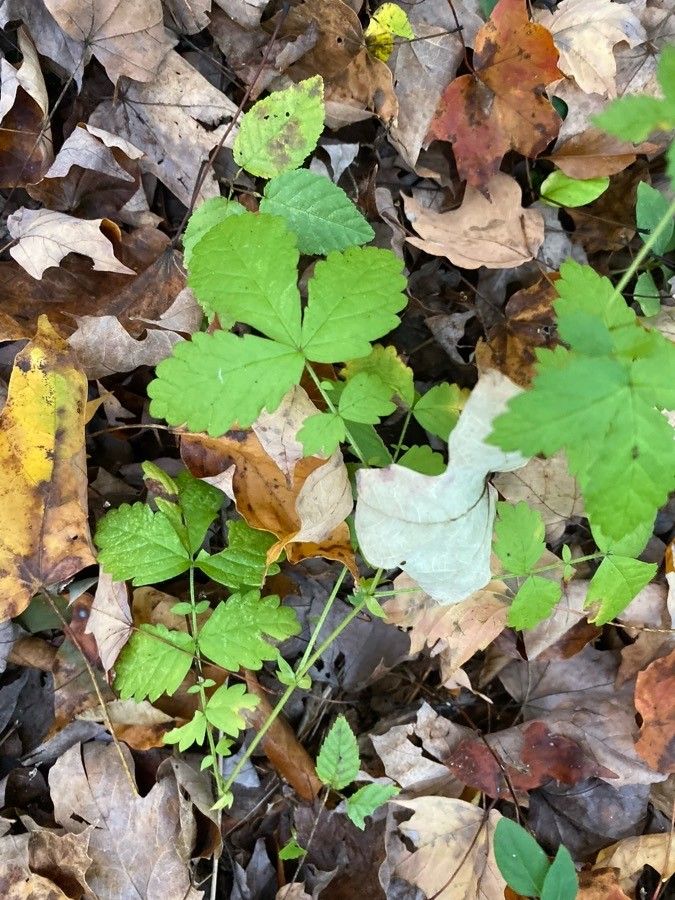
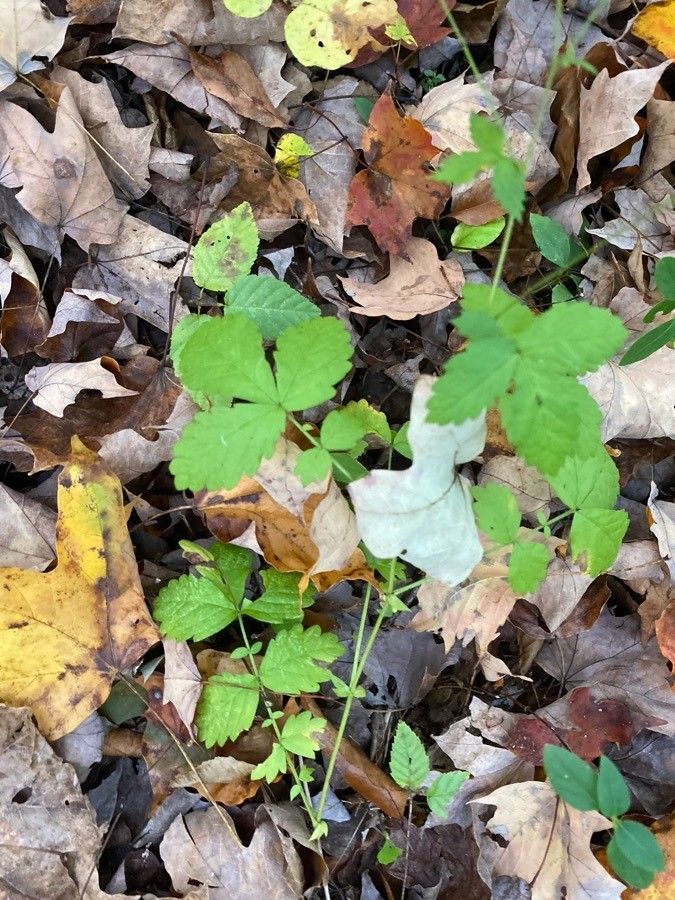
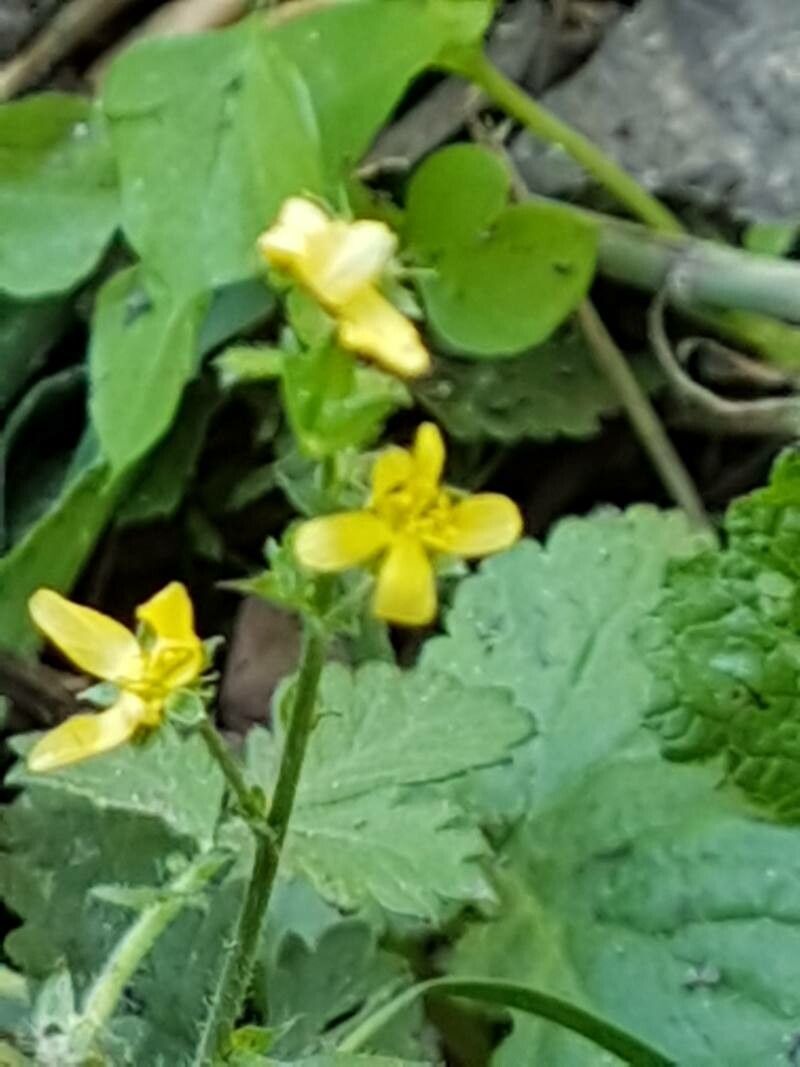
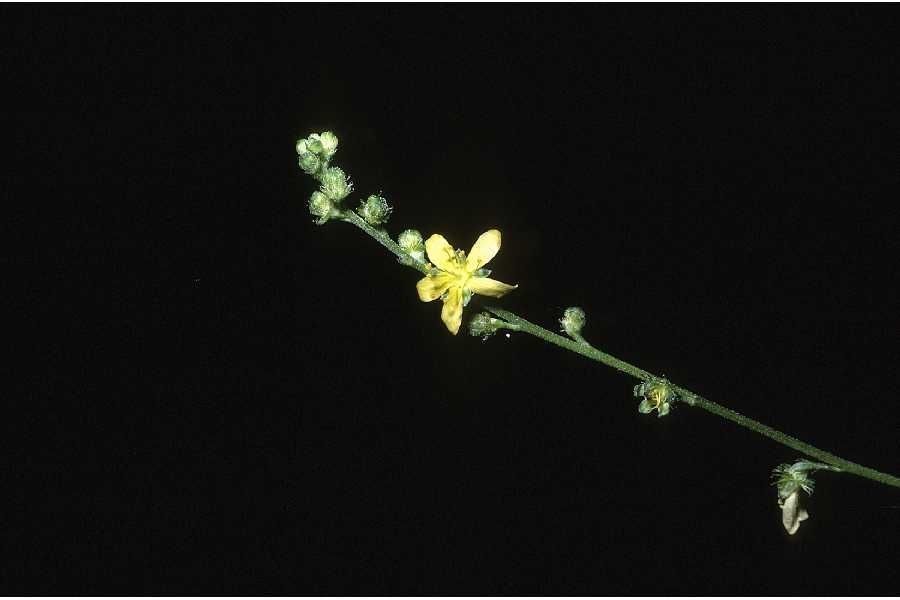
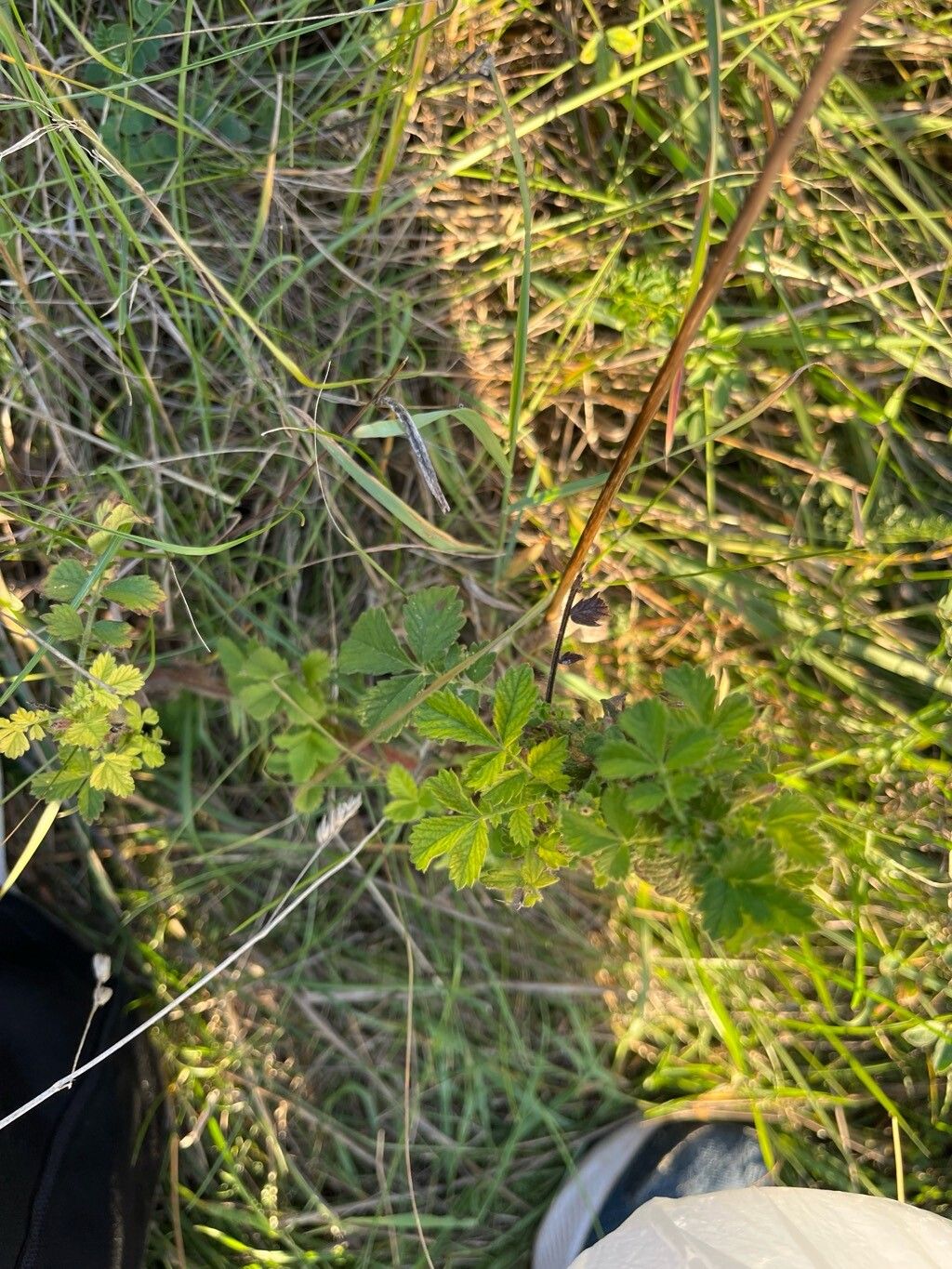
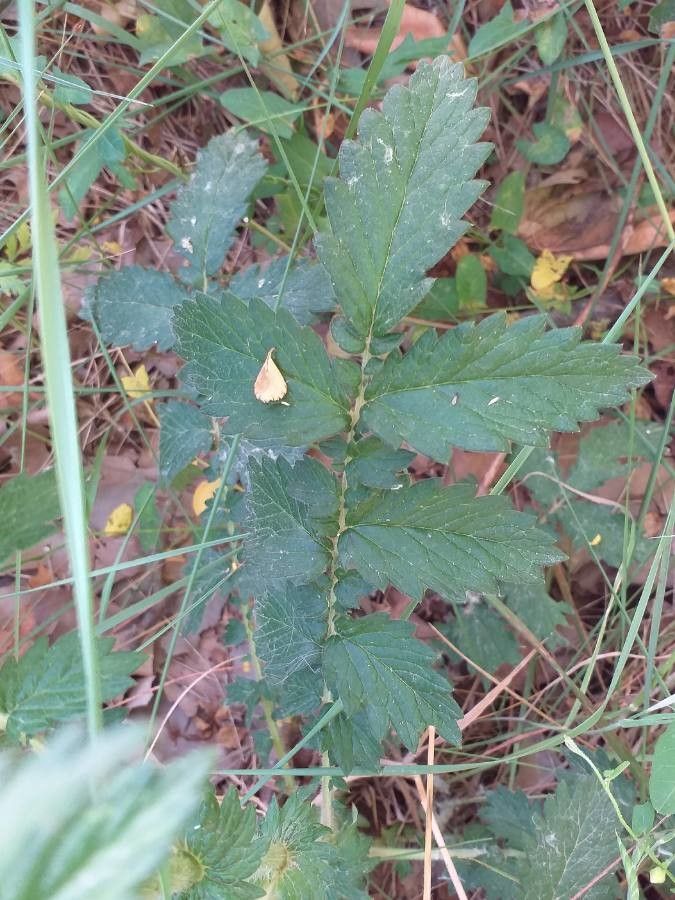
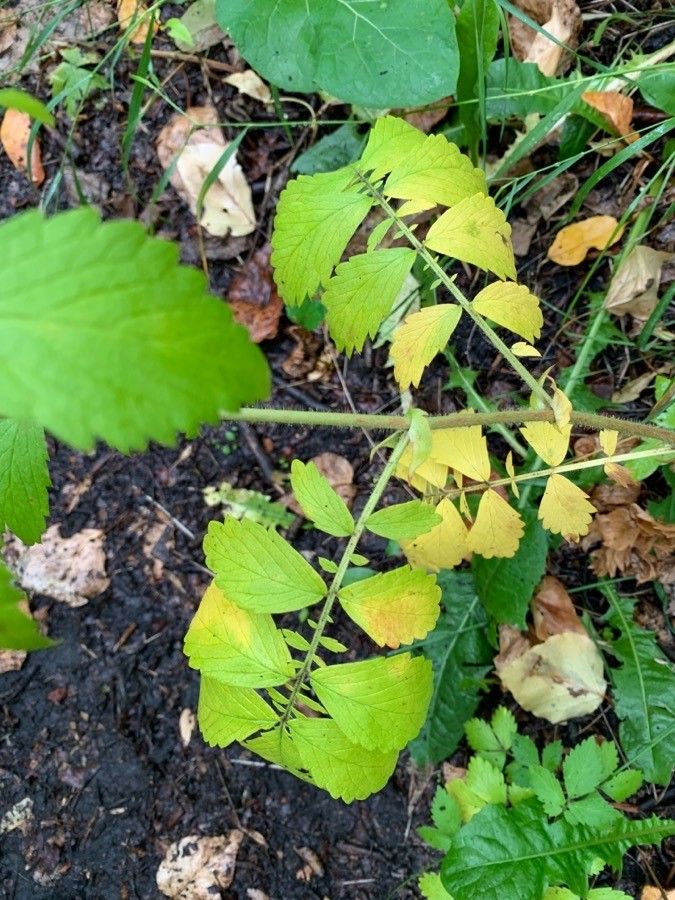
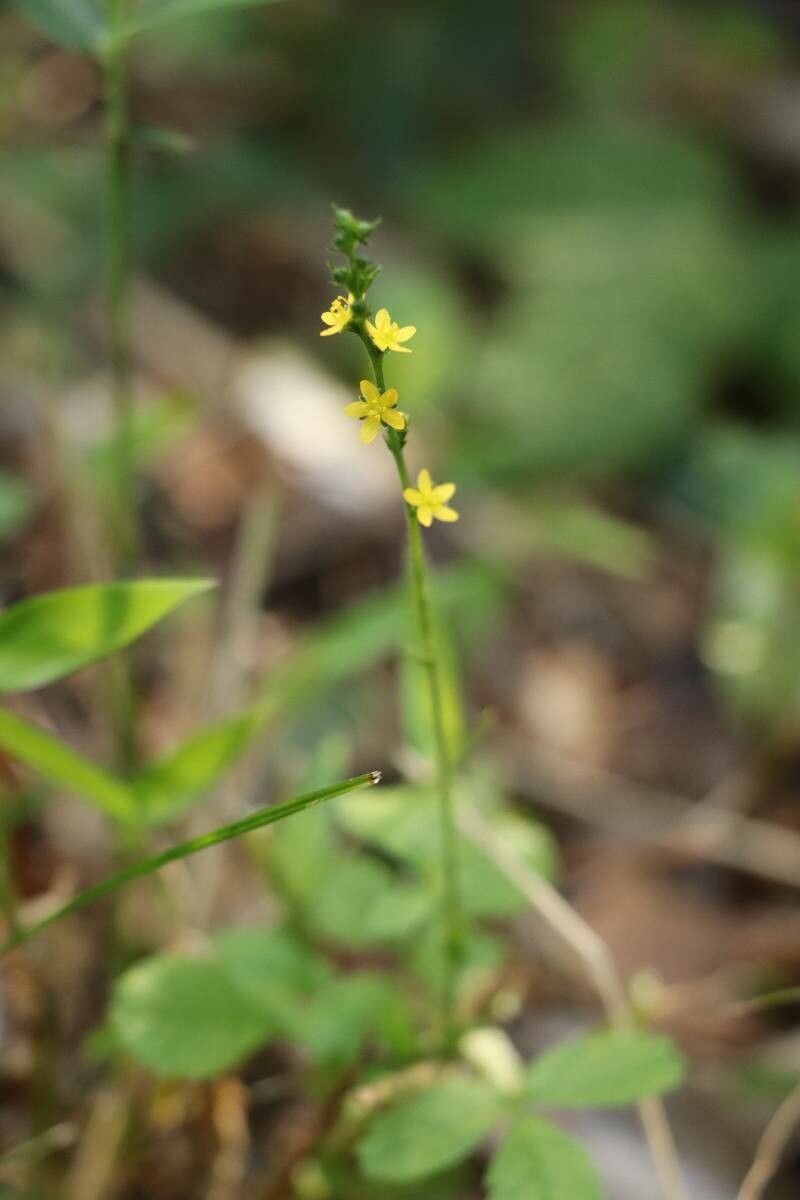
Beaked agrimony has strong disease resistance and is usually not susceptible to illnesses. However, it can be affected by pests and diseases present in its surroundings. Those infections are typically mild. Regarding care, this plant needs a moderate level of maintenance. It should be pruned regularly to keep a neat appearance and encourage healthy growth. Applying fertilizer can also help stimulate flowering. Beaked agrimony is well suited to anyone with outdoor space, such as a garden or patio, and does not demand extensive care experience. It may need more attention when cultivated indoors.
How to keep Agrimonia Rostellata.
Light
Beaked agrimony is native to habitats like forest understories and rocky areas, where it grows under natural shade. It prefers partial sun but can tolerate full sun or full shade, showing its versatile, hardy nature.
Water
Beaked agrimony, native to moderate climates, maintains a stable water balance by thriving with consistent moisture without becoming waterlogged. To keep it healthy, water it weekly. Primarily grown outdoors, beaked agrimony is resilient during the growing season and requires less irrigation during its dormant period.
Fertilizer
One application of fertilizer in spring is usually enough for Beaked agrimony, though repeated feedings can boost growth. Apply fertilizer every month to a month and a half. Fertilizing improves the leaves' appearance and function, helping maintain uniform color and a healthy texture. It also encourages root development and nutrient uptake, supporting the plant's long-term health.
Pruning
Beaked agrimony is characterized by its beak-shaped fruits and fern-like leaves. You should prune it from early to late spring to remove dead stems, improve air circulation, and maintain its shape. Light pruning not only encourages blooming and reduces the risk of disease, but it also enhances the plant's vigor and aesthetics, all while preserving the natural form of beaked agrimony.
Botanical profile.
Other names.
Reader questions.
What are the sunlight requirements for Beaked Agrimony?
Beaked Agrimony requires about 3-6 hours of sunlight daily, thriving best in partial sun conditions. It's important to observe the movement of sunlight through your garden to choose spots that provide a balanced mix of light and shade, ensuring the plant's health and happiness. This perennial herbaceous plant is native to environments that naturally offer shade, such as forest understories or rocky areas. Despite its preference for partial sun, Beaked Agrimony can also tolerate full shade.
How should artificial lighting be provided to indoor Beaked Agrimony plants?
When natural sunlight is insufficient for Beaked Agrimony plants indoors, especially during winter or in less sunny spaces, artificial lights are essential for promoting optimal growth. You should choose the right type of artificial light, such as LED lights, which can be customized to provide specific wavelengths needed by the plants. For full sun plants, 30-50W/sq ft of artificial light is needed; 20-30W/sq ft for partial sun plants, and 10-20W/sq ft for full shade plants. Place the light source 12-36 inches above the plant to simulate natural light conditions and ensure the plants receive 8-12 hours of light per day.
What symptoms indicate Beaked Agrimony is receiving insufficient light?
Symptoms of light deficiency in Beaked Agrimony include smaller new leaves, leggy or sparse growth, accelerated leaf drop, halted or nonexistent new growth, pale new leaves, chlorosis, sunscald, leaf curling, wilting, and leaf scorching. These symptoms suggest the plant is struggling with the light conditions, which could be too low or, in some cases, excessively high, leading to issues like chlorosis and sunscald from too much sunlight.
How can I optimize light conditions for Beaked Agrimony?
To optimize light conditions for Beaked Agrimony, gradually acclimate the plants to increasing sunlight by moving them to sunnier spots each week until they receive 3-6 hours of sunlight daily. For larger or immovable indoor plants, consider using artificial light, keeping a desk or ceiling lamp on for at least 8 hours daily, or investing in professional grow lights. Outdoors, move your plants gradually to prevent sunburn. Reducing obstructions, such as by pruning trees that shade your garden, or transplanting smaller plants during their dormant period to sunnier locations with good drainage, are other effective strategies. It's important to note that parts of the plant affected by insufficient light may not recover, but new growth should be healthy after adjusting the light exposure.