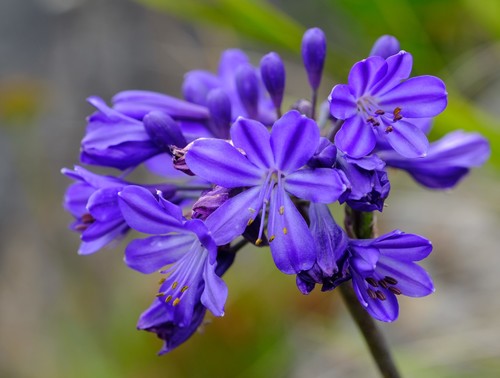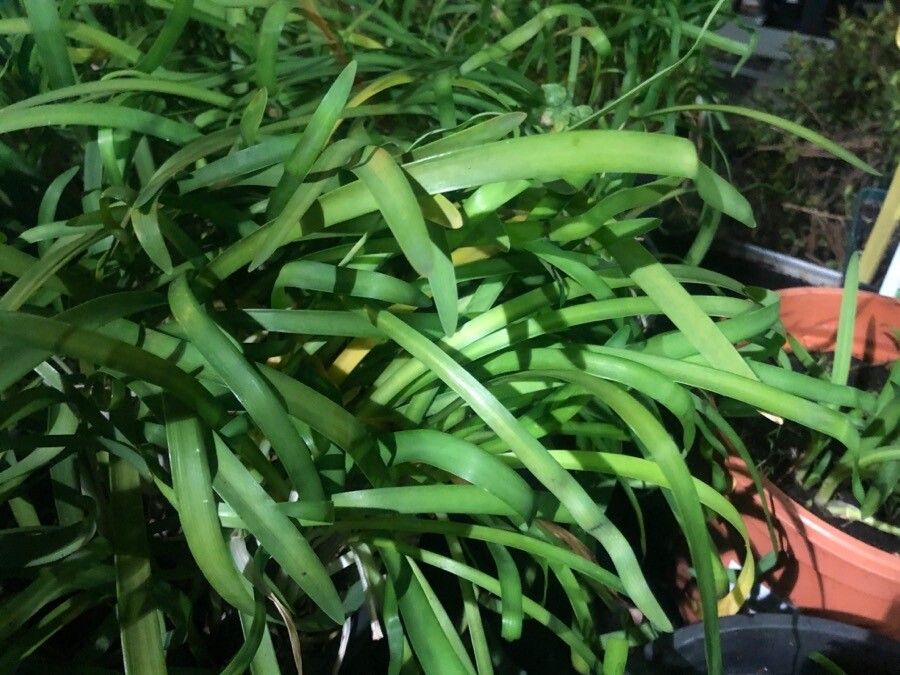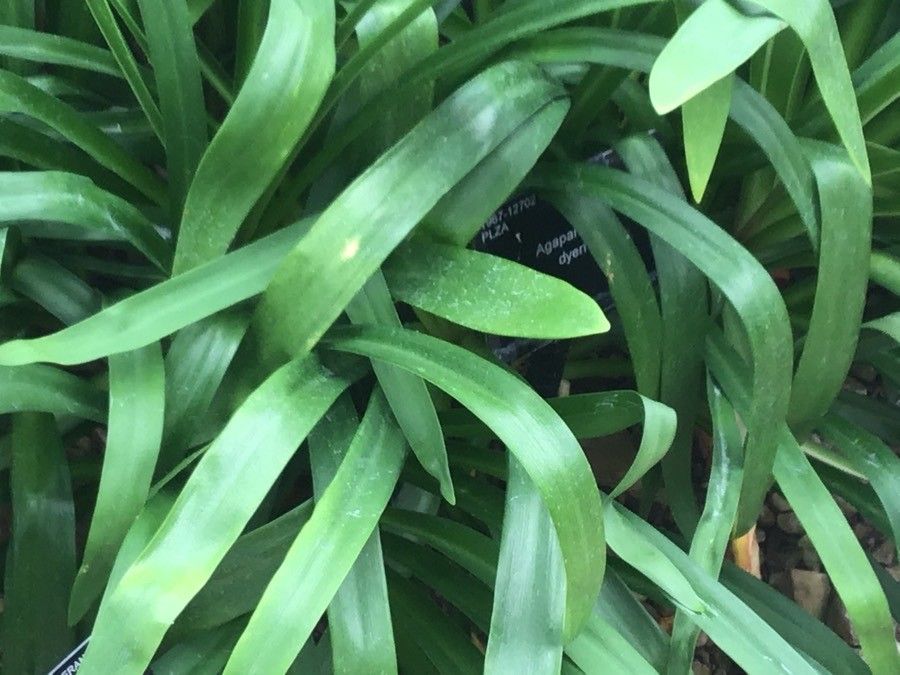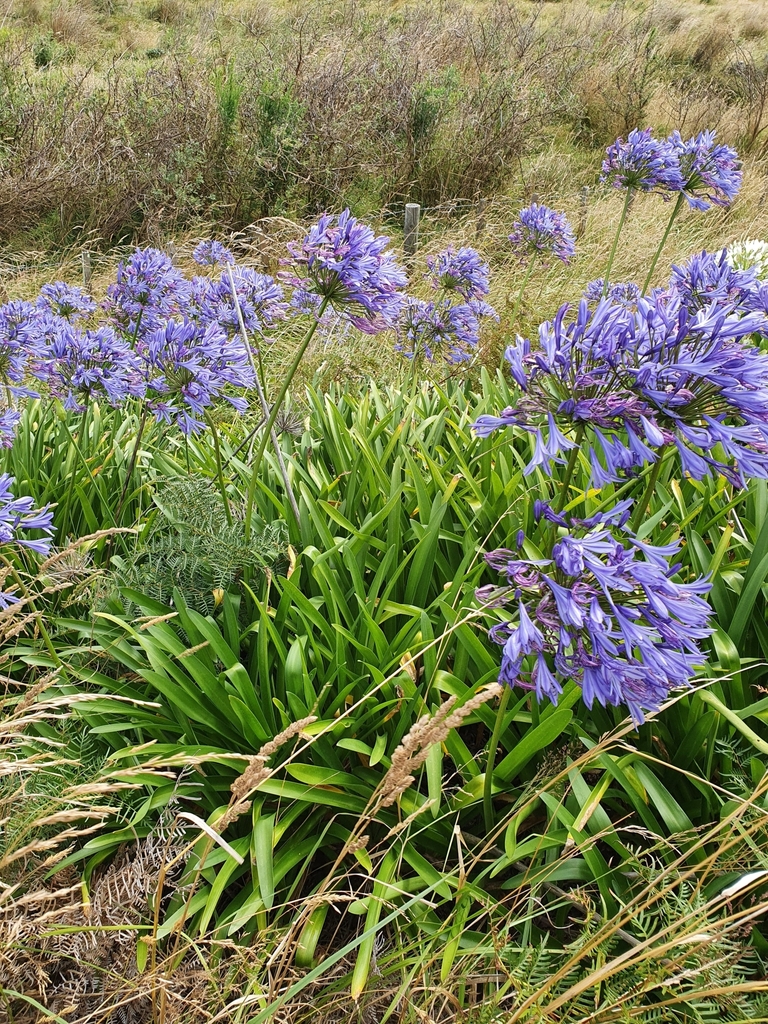
Agapanthus praecox (common agapanthus, blue lily, African lily, or lily of the Nile) is a popular garden plant around the world, especially in Mediterranean climates. It is native to the Kwa-Zulu Natal and Western Cape provinces of South Africa. Local names include agapant, bloulelie, isicakathi and ubani. Most of the cultivated plants of the genus Agapanthus are hybrids or cultivars of this species. It is divided into three subspecies: subsp.praecox, subsp. orientalis and subsp. minimus.
The African lily is best known for its striking flowers. Each flower head is made up of dozens of small blooms that resemble miniature lilies. Initially, botanists classified these plants as part of the Liliaceae family, due to their similarity to true lilies, but this classification was later corrected. Native to South Africa, the plant is commonly referred to as the African lily in Europe and America.
Lily of the nile shows strong resistance to disease and typically does not suffer from illnesses. Still, it can be affected by pests and diseases present in its environment. Such infections are generally mild. Regarding upkeep, this plant needs moderate care. Regular pruning is necessary to preserve its appearance and encourage healthy growth. Applying fertilizer can also aid in enhancing flowering. Lily of the nile is suitable for anyone with outdoor space, such as a garden or patio, and does not require extensive care experience. It may demand more attention when grown indoors.
How to keep Agapanthus Praecox.
Light
Lily of the Nile performs best in locations with full sun exposure throughout the day. However, it can also tolerate areas where sunlight is less intense. A balanced amount of sunlight supports healthy growth. Either too much or too little light can impact the plant's physiological condition.
Water
Originating from South Africa, the African lily thrives in well-drained soil and a subtropical climate. It is moderately drought-tolerant, needing to be watered every 1-2 weeks with some drying out in between. This perennial is known for its lush foliage and striking blue or white flowers. To ensure optimal blooms, it requires proper watering during the growing season.
Humidity
This plant will thrive in moderate humidity, which is probably the level in your home. However, misting it a few times a week can be very beneficial. Make sure the room has good ventilation.
Temperature
In its native habitat, lily of the nile occurs in temperatures ranging from 15 to 38 ℃ (59 to 100.4 ℉). It prefers warmer conditions, normally between 20 and 30 ℃ (68 to 86 ℉). In colder months, it should be kept in a room at around 15 to 18 ℃ (59 to 64.4 ℉) to ensure its survival.
Fertilizer
The best time to fertilize a Lily of the nile is in early spring, when it is coming out of dormancy and beginning active growth. Fertilizing supplies essential nutrients for healthy development. Although Lily of the nile has fairly low fertilizer requirements, feeding it annually can boost its survival and encourage improved, longer-lasting blooms.
Pruning
Prune the African Lily in late winter or early spring to promote blooming and encourage growth. Remove any dead leaves and spent flower stalks, but be careful not to cut the green foliage. Regular pruning helps improve air circulation and reduces the risk of disease, while clearing away dead material supports new growth.
Pot & Repot
When repotting Lily of the nile, select a pot 1-2 inches (2.5–5.1 cm) larger with good drainage. Use a well-draining potting mix. Repot in spring or fall, making sure the root ball sits just below the rim of the flower pot. Water thoroughly after repotting and place in a warm spot with indirect sunlight.
Botanical profile.
- Plant Type
- Herb
- Life Cycle
- Perennial
- Genus
- Agapanthus
- Family
- Amaryllidaceae
- Hardiness Zone
- 8-11
- Mature Height
- 0.76 m to 1.22 m
- Mature Spread
- 30 cm to 49 cm
- Leaf Color
- Green
- Leaf Type
- Evergreen
- Flower Color
- Blue, White
- Flower Size
- 2.03 cm to 3.05 cm
- Bloom Time
- Late spring, Early summer, Mid summer
- Planting Time
- Spring
- Harvest Time
- Mid summer
- Native Area
- Africa
Other names.
Reader questions.
When Should I Water My African-lily?
Watering your African-lily is essential for its growth and health. The best indicators of when to water include the condition of its leaves and soil. If the leaves begin to look wrinkled or wilted and feel spongy, it's time to water. Likewise, if the soil's top 1-2 inches are dry, your plant needs hydration. Pay attention to seasonal changes; African-lilies demand more water during hot, dry periods and less during their dormant winter phase. Avoid both over and under-watering as these can stress the plant, leading to issues such as root rot or inhibited growth.
Why should I use fertilizer on my African-lily?
Fertilization plays a crucial role in the growth of African-lily and other plants. It provides essential nutrients for both the above-ground and below-ground development of the plant. Although the fertilization needs of African-lilies are generally low, occasional fertilization can greatly benefit the plant. While it is possible for African-lilies to survive without fertilization, annual fertilization is highly recommended. It not only ensures the plant's survival but also promotes the production of more vibrant and long-lasting flowers. Therefore, those who wish to enhance the appearance of their African-lilies should prioritize annual fertilization.
What are the sunlight requirements for an African-lily?
The African-lily requires areas that offer saturated exposure to sunlight throughout the day for thriving. It needs above 6 hours of sunlight for full sun conditions and about 3-6 hours for partial sun conditions. However, it can also manage in spaces where sunlight availability is not at its maximum, maintaining equilibrium in sunlight exposure to ensure healthy growth. It's crucial to observe how sunlight moves through your garden and choose spots that provide a balance of light and shade, aiming for the plant's happiness and physiological wellbeing.
What temperatures are ideal for the African-lily?
The African-lily thrives in a range of temperatures from 15°C to 38°C (59°F to 100.4°F), with its optimal growth occurring between 20°C to 30°C (68°F to 86°F). During the colder months, maintaining a room temperature of around 15°C to 18°C (59°F to 64.4°F) is essential for its survival. African-lily possesses some degree of cold tolerance and typically does not necessitate extra protection when temperatures are above its minimum tolerable limit. If temperatures are expected to fall below this limit, temporary cold protection measures, like wrapping the plant in plastic film or fabric, should be implemented until warmer conditions return.
How Should I Water My African-lily?
For optimal results, water your African-lily at its base, avoiding the leaves, to encourage deeper root growth and prevent diseases. Deep watering ensures that moisture reaches the root zone, which is crucial for health and stability. Using a long-spout watering can helps direct water accurately. In addition, you might find a soil moisture meter useful for monitoring the watering needs precisely. Be cautious of overwatering during the plant's dormant periods in winter and autumn to prevent diseases and root rot.
When should I fertilize my African-lily for the best results?
The best time to fertilize an African-lily is in late winter or early spring when it is transitioning from dormancy to active growth. Fertilizing during this time promotes healthy growth and sets the plant up for a successful season. While early spring is the most recommended time, fall fertilization is also acceptable. However, it is not advised to fertilize during summer or winter.
How can artificial lighting be used for African-lily growth?
When natural sunlight is insufficient, especially in winter or less sunny spaces, artificial lighting becomes crucial for the growth of African-lilies indoors. Adequate lighting promotes faster, healthier growth by mimicking natural sunlight conditions. LED lights are recommended due to their ability to provide specific wavelengths needed by plants. For full sun plants, 30-50W/sq ft is required; for partial sun, 20-30W/sq ft; and for full shade, 10-20W/sq ft. The light source should be placed 12-36 inches above the plant to mimic natural sunlight effectively and should be kept on for 8-12 hours per day to simulate natural daylight hours.
How does low temperature affect African-lily and how can it be protected?
African-lily moderates well to low temperatures when kept above its minimum tolerable limit. However, if temperatures drop too low, the leaves may droop and, in severe cases, wilt and fall off. This signifies that the plant has a modest tolerance to cold but thrives better when warmer. To protect African-lily in cold weather, frost-damaged parts should be trimmed, and prior to exposure to low temperatures again, it's advisable to wrap the plant with non-woven fabric or cloth and set up a wind barrier to shield it from cold winds.
How Much Water Does African-lily Really Need?
The amount of water your African-lily requires can vary. Generally, a mature plant in a 30 cm pot needs about 2-3 liters of water, enough to moisten the entire root area deeply. It's crucial to adjust based on the plant's environment like pot size and the season. Checking the soil's moisture with your finger can guide your watering schedule. Over and under-watering can lead to issues such as root rot or pest infestations, so observing your plant's response to watering is key.
When is not a good time to fertilize my African-lily?
To avoid overfertilization and its complications, it is recommended to fertilize your African-lily only during late winter and early spring. This plant has low fertilization needs, so a single feeding per year is enough. If you didn't fertilize in spring, you can feed it in the fall. It is important to note that there is no need to fertilize this plant during the winter when it is in a dormant growth phase and not producing new growth.
What are the symptoms of inadequate lighting for an African-lily?
African-lilies exhibit several symptoms when exposed to inadequate lighting, including smaller new leaves, leggy or sparse growth, faster leaf drop, slower or no new growth, lighter-colored new leaves, and conditions like chlorosis, sunscald, leaf curling, wilting, and leaf scorching. These symptoms indicate that the plant is either not receiving enough light or is exposed to excessive sunlight, affecting its ability to photosynthesize properly and maintain healthy growth.
What should be done when African-lily experiences high temperatures?
During the hotter months, it's important to keep the African-lily below its maximum temperature threshold. Overheating can cause the leaves to lighten in color, dry, curl, and the plant may become prone to sunburn. To mitigate heat stress, remove any sunburned or dried parts of the plant. Additionally, relocating the plant to a shaded area during peak sun hours or utilizing a shade cloth can help, along with watering the plant in the morning and evening to maintain soil moisture.