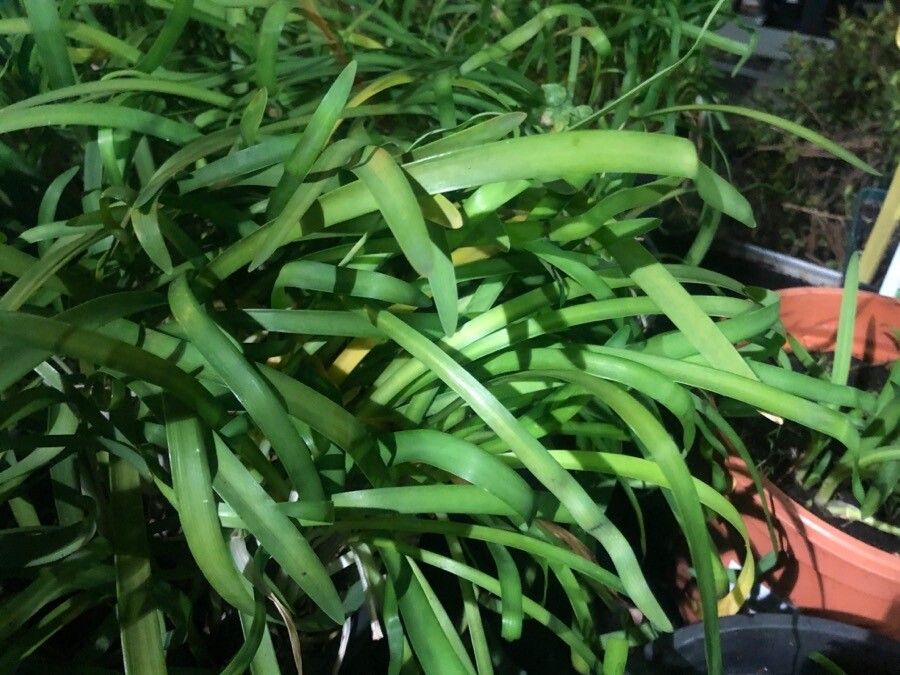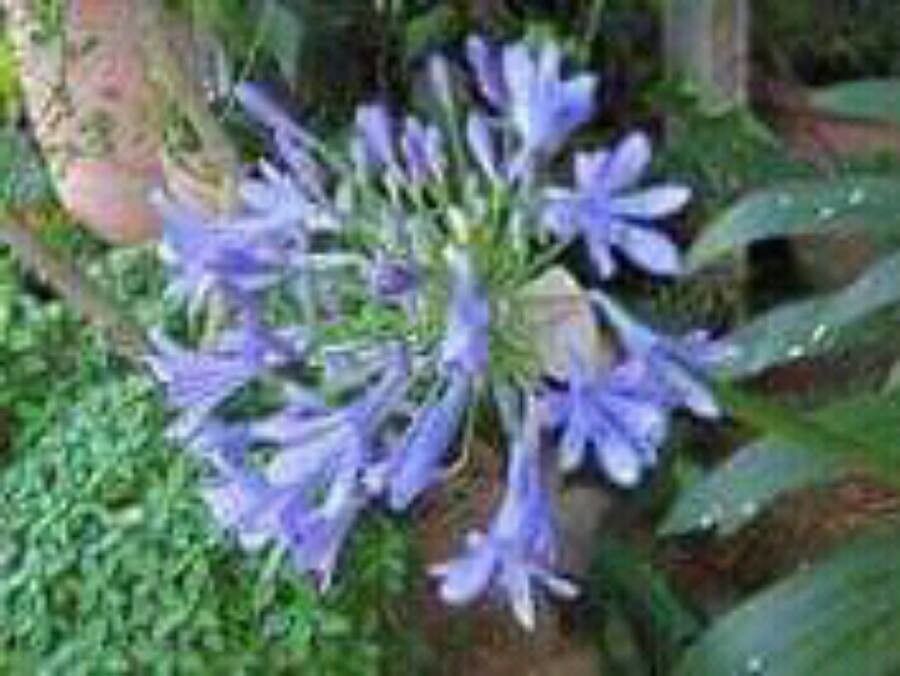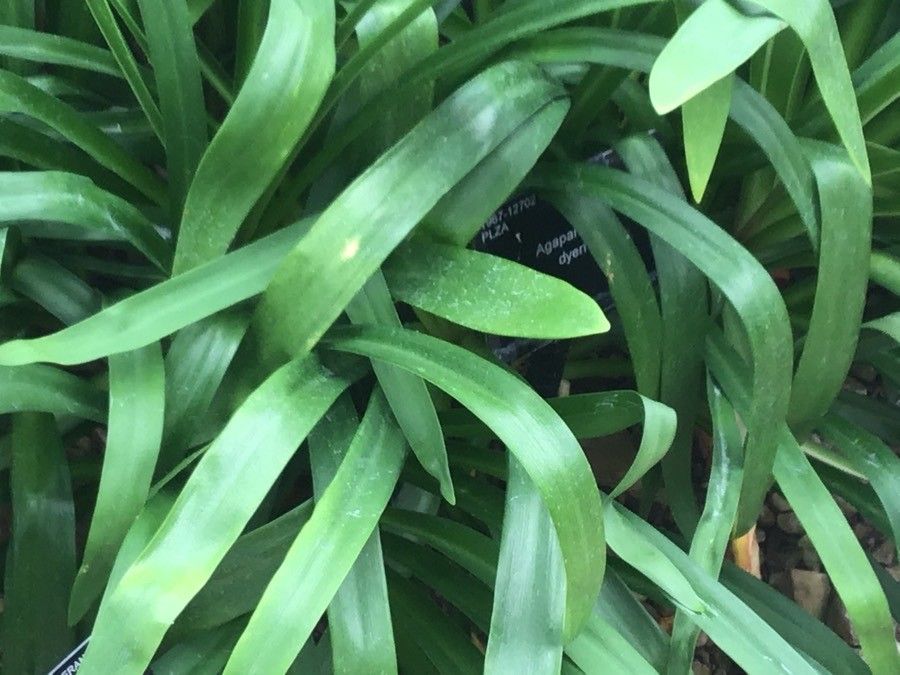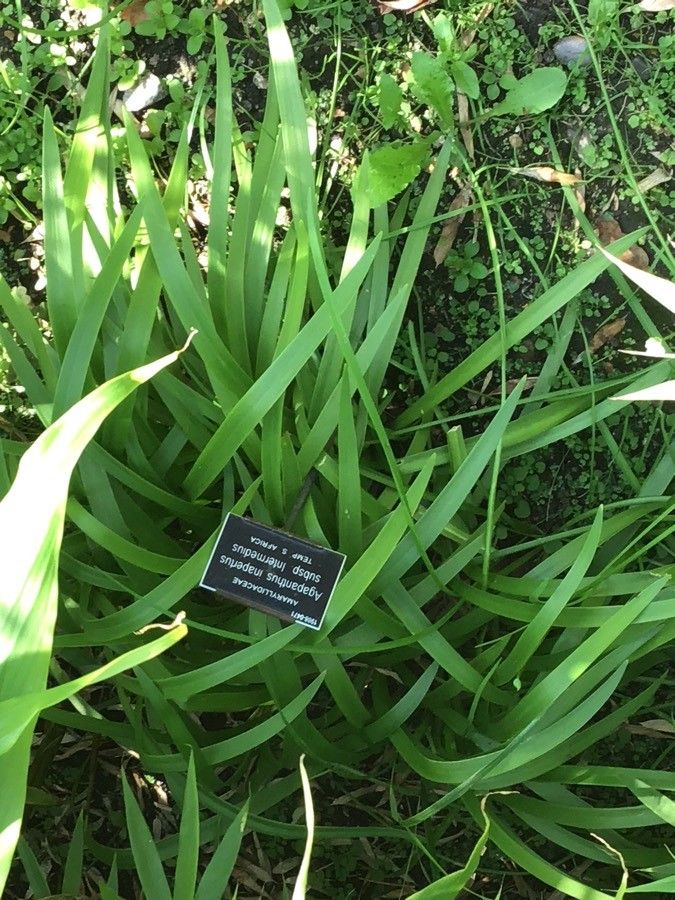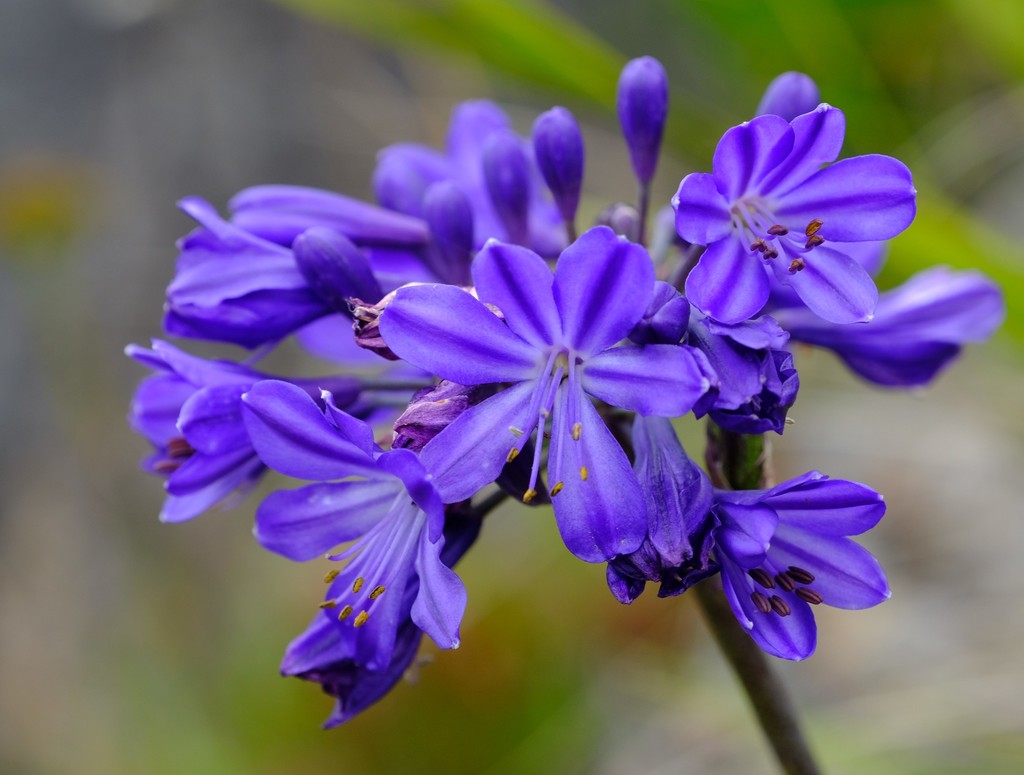
Agapanthus africanus, commonly known as the African lily, is a perennial herb native to South Africa. This plant is popular for its striking blue or white flowers, which bloom in large clusters atop tall stems. Its leaves are long, strap-like, and form clumps of foliage that can reach up to 60 cm in height.
The African lily thrives best in full sun or partial shade and well-drained soil. It is drought-tolerant and adaptable to a range of soil types, though it prefers slightly acidic conditions. Once established, this plant requires minimal maintenance but benefits from regular watering during the growing season to achieve optimal growth and flowering.
Agapanthus africanus is known to attract bees, butterflies, and other pollinators, making it an excellent addition to any garden or landscape design.
In Greece, the African lily is considered the flower of love or romantic affection, and it often symbolizes the arrival of love. Much like those in love, the African lily can display a vibrant red, signifying joy, then shift to a deep blue, reflecting melancholy, and at times, it appears as pure white. FUN FACT · FROM THE LIBRARY
The African lily is fairly disease-resistant and usually not prone to illnesses. Nevertheless, it can be vulnerable to pests and diseases present in its environment. These problems are generally mild. For care, this plant needs a moderate level of maintenance. It requires regular pruning to keep a neat appearance and healthy growth. Fertilizing can also help encourage flowering. The African lily is suitable for anyone with outdoor space, such as a garden or patio, and does not need extensive care experience. It may demand more attention when kept indoors.
How to keep Agapanthus Africanus.
Light
The african lily thrives under abundant, extended sunlight, which promotes strong growth and good health. While it can tolerate some shade, it clearly prefers a sunny environment. It reflects the sunlit conditions of its native habitat; insufficient light can impede its development, and excessive exposure may cause stress.
Water
The African lily flourishes in South Africa's dry climate and needs watering only every two weeks. As an evergreen plant, it efficiently retains moisture in its leaves, allowing it to endure drought periods by maintaining a balance between drying out and staying hydrated.
Temperature
The African lily is native to temperate regions where temperatures usually range from 68 to 95 °F (20 to 35 °C). It prefers that warm range, and adjustments may be needed during colder seasons.
Fertilizer
The best time to fertilize an African lily is in early spring, as it is coming out of dormancy and starting active growth. Fertilization supplies essential nutrients for healthy development. Although African lilies have relatively low fertilizer requirements, applying fertilizer annually can improve their survival and encourage better, longer-lasting flowers.
Pruning
The African lily is known for its striking blue or white flowers and lush, clumping foliage. To enhance its health and promote growth and blooming, it's important to prune the plant from late winter to early spring. During pruning, remove any dead leaves and spent flower stalks. Be sure to use clean tools to prevent the risk of infection.
Pot & Repot
To promote healthy growth, repot your African lily every two to three years. Ideally, this should be done in early spring using a slightly larger container with good drainage. After repotting, water the plant thoroughly and place it in indirect light to help it recover and encourage robust growth.
Toxicity
All parts of the African lily plant are considered toxic, though normally mild. Ingesting large amounts of the leaves, rhizome or root, and clear, sticky sap may cause nausea, abdominal pain, vomiting, and diarrhea. You may also experience severe ulceration of the mouth because of the plant’s sap.
Further reading →
The toxicity and danger assessments provided are for reference only. We do not assure their accuracy, so it's crucial not to depend on them. Seek professional advice when necessary for accurate guidance.
Botanical profile.
- Plant Type
- Herb
- Life Cycle
- Perennial, Annual
- Genus
- Agapanthus
- Family
- Amaryllidaceae
- Hardiness Zone
- 7-10
- Mature Height
- 61 cm to 91 cm
- Mature Spread
- 61 cm
- Leaf Color
- Green
- Leaf Type
- Evergreen
- Flower Color
- Blue, Purple, White
- Flower Size
- 2.54 cm to 5.08 cm
- Bloom Time
- Summer, Early fall, Mid fall
- Planting Time
- Spring, Autumn
- Harvest Time
- Fall
- Native Area
- South Africa
Other names.
Reader questions.
How should I water my African lily plant?
To properly water the African lily, it is best to use filtered water at room temperature. Tap water may have harmful particles, so filtering it is important. The water should be at room temperature or slightly warmer, as this plant is used to warm environments and cold water can be a shock. Avoid overhead watering, as it can cause problems with the leaves. Instead, water the soil directly until it is fully soaked. This will benefit the plant by moistening the roots and allowing them to continue spreading and gathering nutrients.
Why should I put fertilizer on my African lily?
Fertilization has multiple benefits for the African lily. It provides essential nutrients for the plant's growth, both above and below ground. While the African lily has relatively low fertilization needs and can survive without it, annual fertilization can greatly benefit the plant. It helps maintain the plant's health and may even improve flower production and longevity. Therefore, those who want their African lily to thrive should consider regular annual fertilization.
What are the sunlight requirements for an African lily?
The African lily thrives best in conditions that mimic its native, sun-soaked habitats. It requires full sun, which is defined as more than 6 hours of sunlight daily, for robust growth and health. However, it can also survive in partial sun, receiving about 3-6 hours of sunlight. It's essential to observe the movement of sunlight in your garden and find locations that offer a balance of light and shade suitable for the plant, emphasizing the importance of providing ample sunlight while being mindful of the risk of overexposure.
What is the ideal temperature range for the African lily?
The African lily, or Agapanthus africanus, thrives in temperate environments where temperatures typically range from 68 to 95°F (20 to 35°C). This warm temperature range is ideal for the plant, and adjustments may need to be made during colder seasons to accommodate its preference.
What do I do if I give my African lily too much or too little water?
Overwatering is a common issue for African lilies and can cause wilting, yellowing leaves, and diseases like root rot, mold, and mildew. Underwatering is less common but can result in brittle, brown leaves. It's important to recognize the signs of overwatering early and reduce watering immediately. If the soil drains poorly, replace it with a well-draining mix. If the African lily lacks water, increase watering until the signs improve.
When should I put fertilizer on my African lily?
The best time to fertilize an African lily is in late winter to early spring when it is transitioning from dormancy to active growth. Fertilizing during this time promotes healthy growth and helps the plant start the season strong. While fertilizing in early spring is generally recommended, it is also fine to fertilize in the fall. However, it is not advised to feed the African lily during summer or winter.
How can artificial lighting support African lily growth indoors?
Indoor African lilies benefit significantly from artificial lighting, especially when natural sunlight is insufficient, such as during winter or in less sunny spaces. LEDs are an excellent choice for artificial lighting as they can be adjusted to provide the specific wavelengths needed by the plants. For indoor plants, the recommended artificial light intensity is 30-50W/sq ft for full sun plants, 20-30W/sq ft for partial sun plants, and 10-20W/sq ft for full shade plants. The artificial light source should be placed 12-36 inches above the plant, and the duration should mimic natural daylight hours, ranging from 8-12 hours per day.
Does the African lily require special frost protection measures?
The African lily possesses strong cold resistance and usually does not require special frost protection measures during winter. However, if winter temperatures are expected to drop below -15°C, it is important to provide cold protection. This can be achieved by covering the plant with soil or straw. Additionally, watering the plant abundantly before the first freeze in autumn, to ensure the soil remains moist and enters a frozen state, helps prevent drought and water scarcity for the plant during winter and early spring.
How much water does my African lily need?
To determine if your African lily needs watering, the most accurate way is to stick your finger in the soil. If the top two to three inches feel dry, it's time to water. If you have your African lily planted outside, you can use the same method to check the soil. Once the first few inches of soil are dry, it's time to water. Typically, during spring and early fall, you'll need to water about once a week. However, in extremely hot weather, you may need to water twice a week or more. It's important to note that mature, well-established African lilies are able to withstand drought.
When is it not a good idea to fertilize my African lily?
To properly care for your African lily, it is best to fertilize it only in late winter and early spring. This plant does not require frequent fertilization, so one feeding per year is sufficient. Overfertilizing in spring, summer, or fall can cause problems, unless you forgot to do it in spring, in which case you can feed it in the fall. Additionally, there is no need to fertilize the African lily during the winter when it is in a dormant phase and not growing. It's best to avoid fertilizing during most of the winter.
What are the symptoms of inadequate lighting on an African lily?
African lilies grown in inadequate lighting conditions might not show symptoms immediately, but over time, they can exhibit smaller new leaves, leggy or sparse growth due to longer spaces between leaves or stems, faster drop of older leaves as the plant conserves resources, slower or halted growth as it enters survival mode, lighter-colored new leaves indicating a lack of chlorophyll, and conditions like chlorosis, sunscald, leaf curling, wilting, and leaf scorching. Each symptom provides insight into the plant's struggle with either too much or too little light.
How does low temperature affect the African lily?
The African lily is cold-tolerant and thrives best when temperatures are above 20°C. During winter, it should be kept above 0°C. If temperatures fall below -15°C, the plant may not show noticeable changes during winter, but there may be a decrease in sprouting or even no sprouting during springtime. In such cases, removing parts that have failed to sprout in spring is recommended.