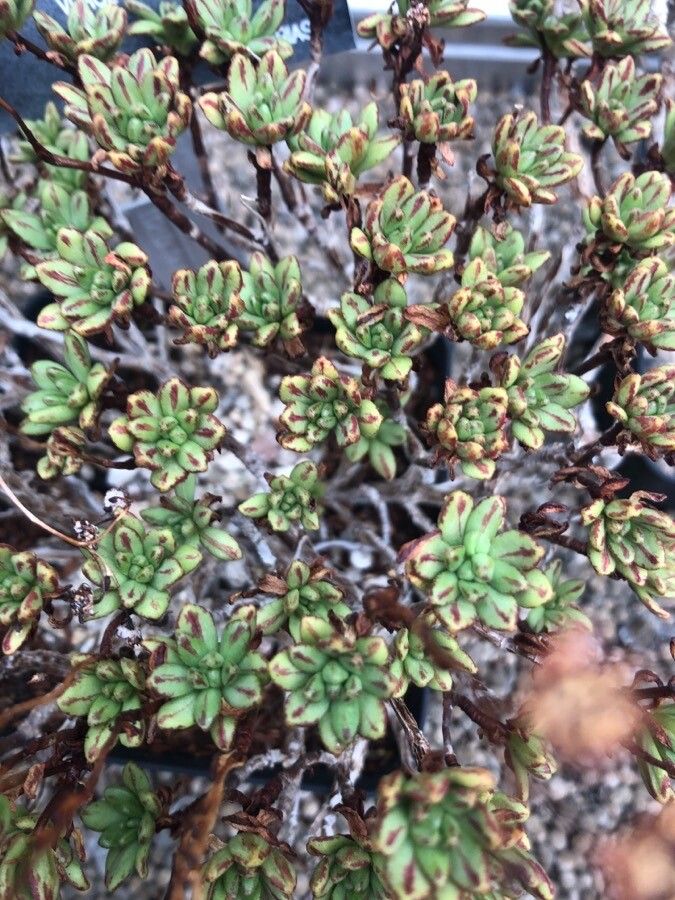
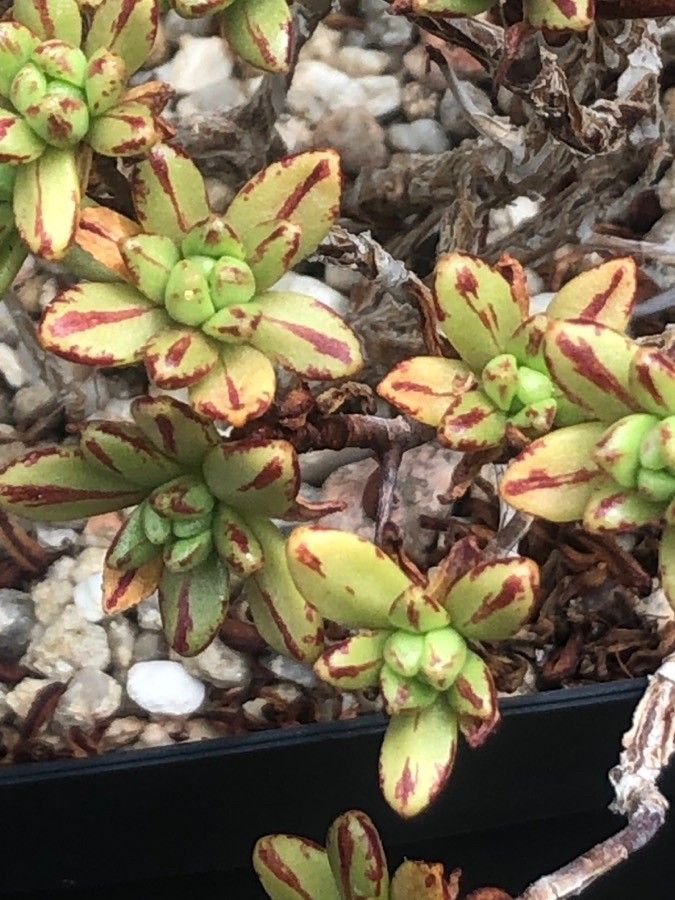
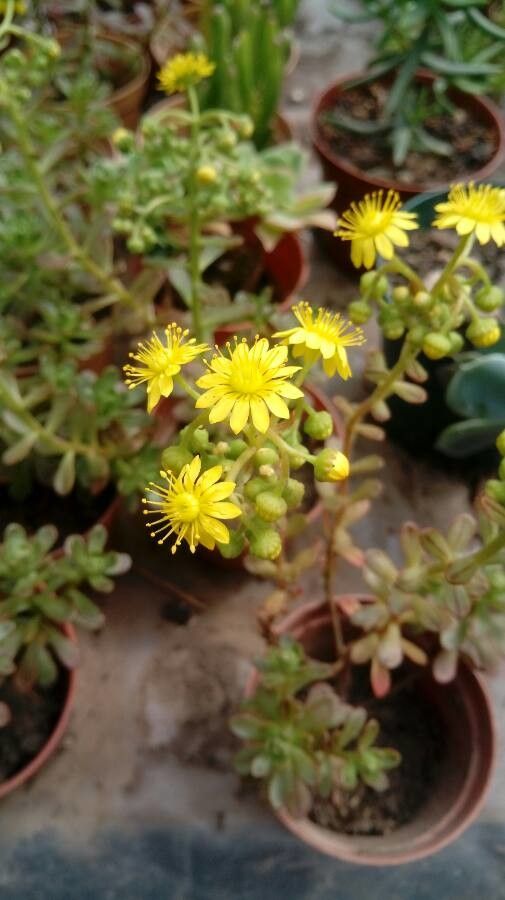
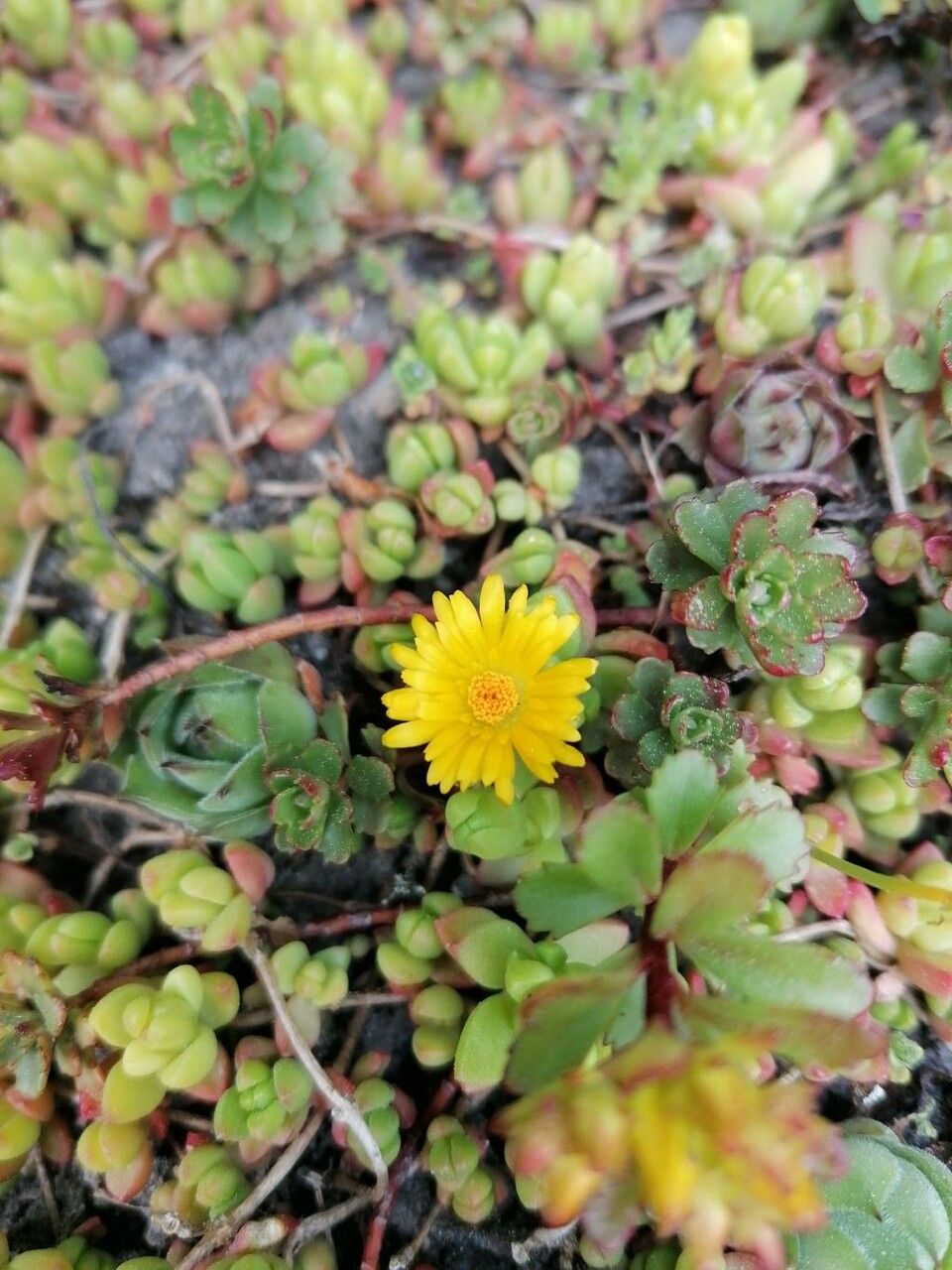
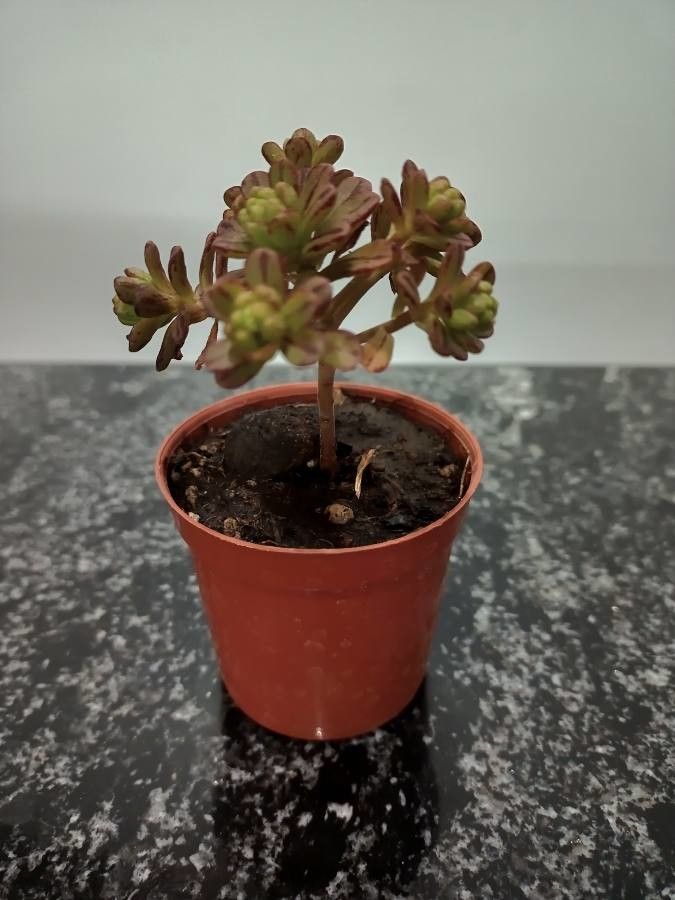
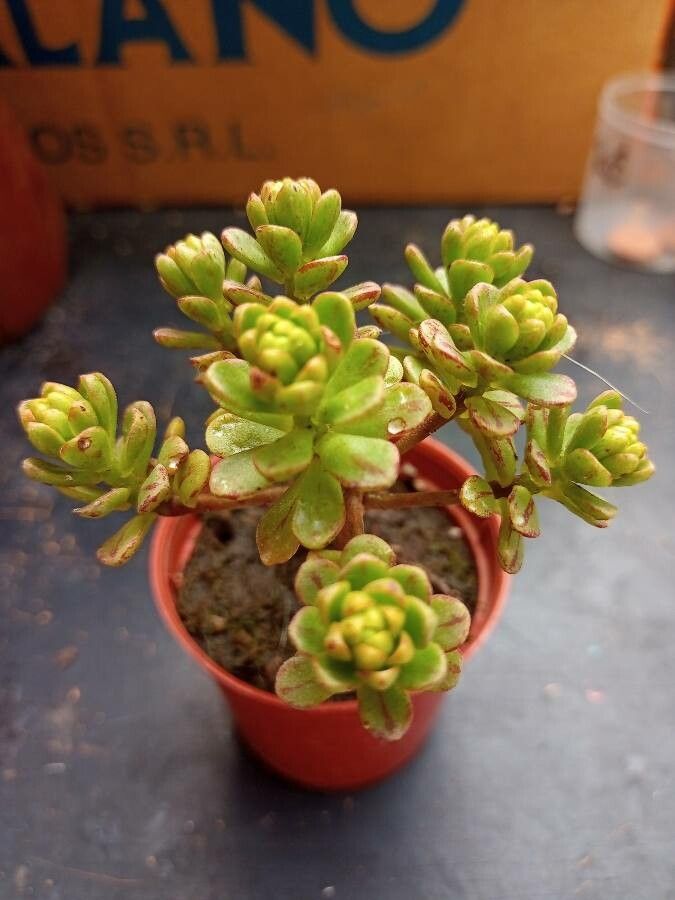
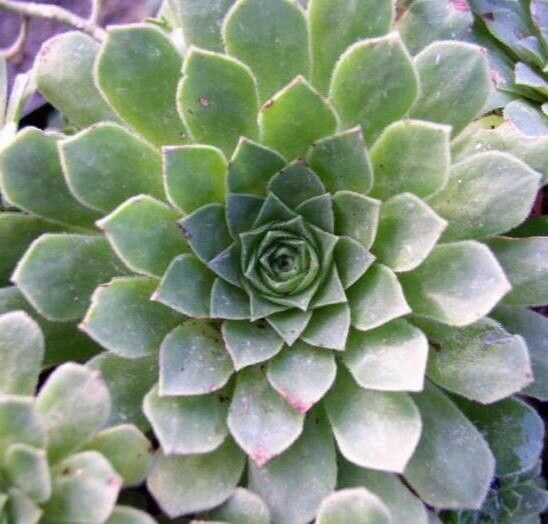
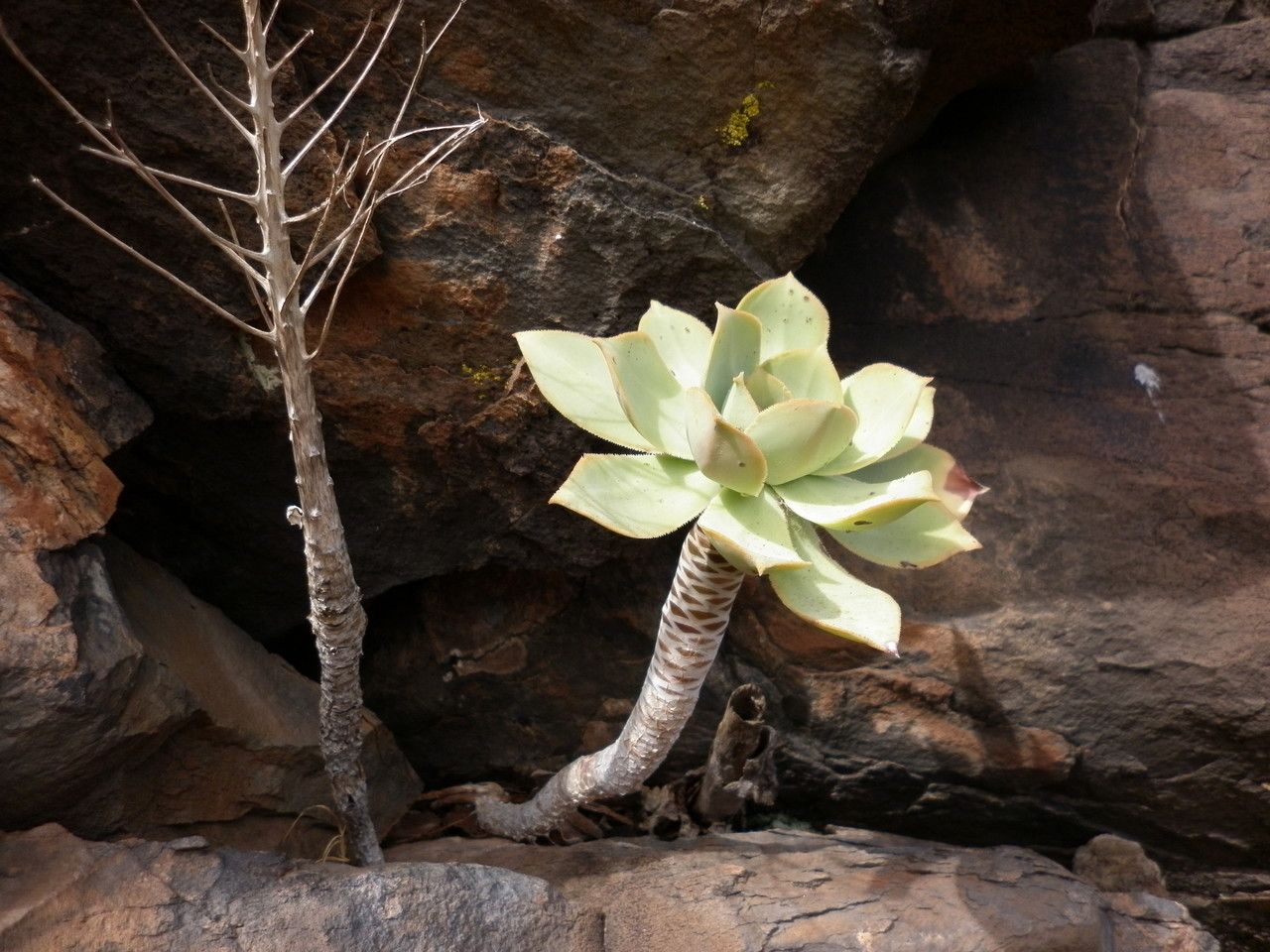
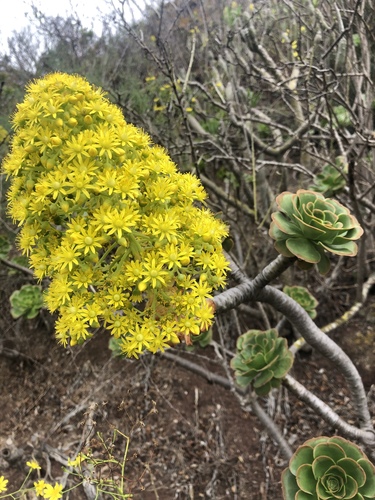
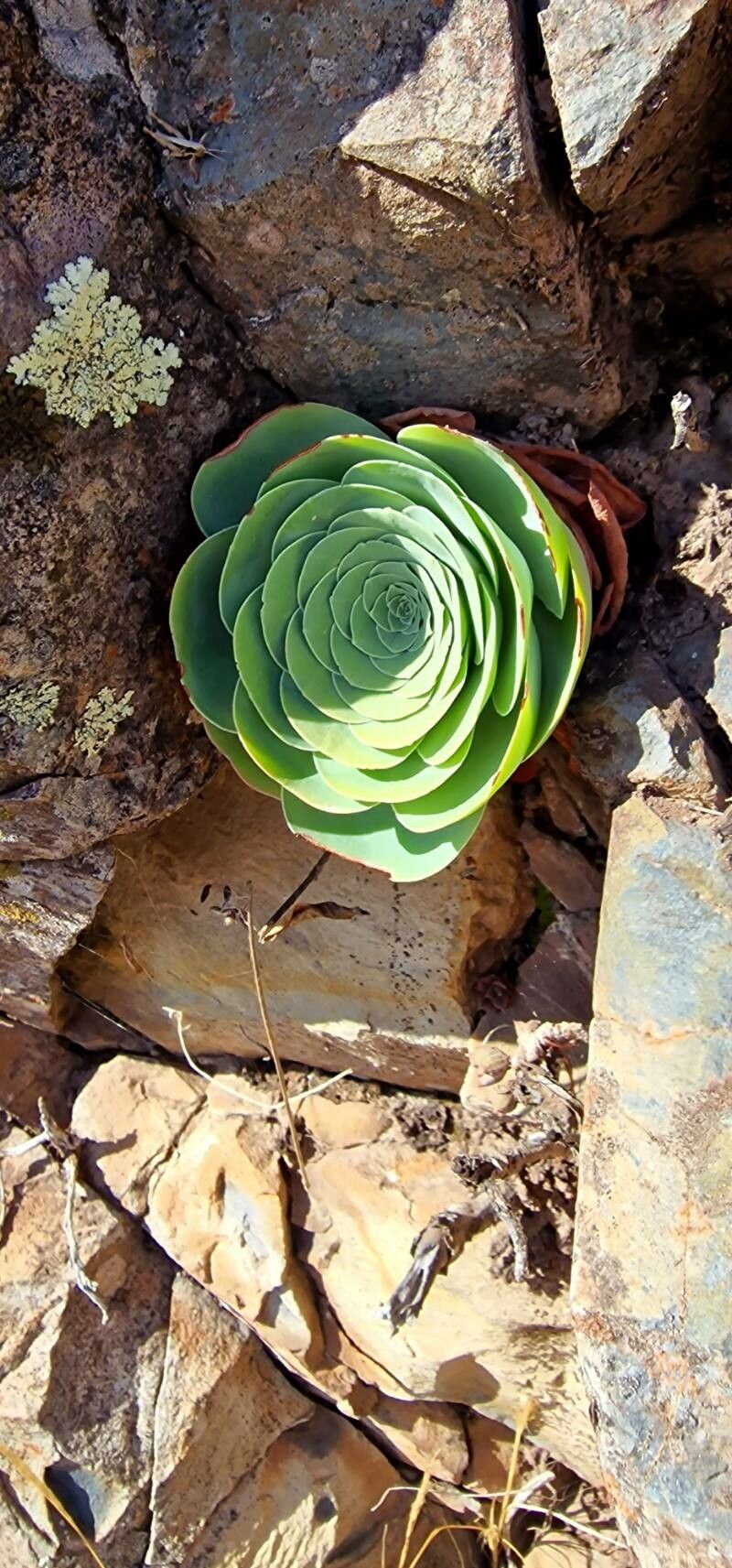
Aeonium sedifolium is a perennial flowering plant in the stonecrop family Crassulaceae. The plant is native to the western Canary Islands of Tenerife, La Gomera and La Palma.: 173
Dwarf aeonium has moderate disease resistance but is more sensitive to humidity. It becomes vulnerable to disease in high-humidity conditions and is prone to root rot while dormant. Regarding care, dwarf aeonium tolerates drought yet requires increased watering during the active growing season. Watering should be sharply reduced or stopped entirely during the dormant period. This plant is appropriate for growers with some experience, though it can be challenging to care for, particularly during dormancy. It is especially suited to those who can dedicate time to its care during the winter months.
How to keep Aeonium Sedifolium.
Light
Dwarf aeonium performs best when mostly kept in sunny conditions. It can, however, tolerate locations with reduced sunlight. Native to sun-soaked regions, the plant may show stress if light drops below moderate levels. Conversely, too much exposure can cause its leaves to scorch.
Water
The dwarf aeonium thrives in rocky environments with infrequent rainfall, demonstrating impressive drought tolerance. It needs watering every two weeks and prefers bright light. To prevent root rot in wetter conditions, using well-draining soil is essential.
Temperature
Dwarf aeonium originates from temperate climates and grows best at temperatures of 68 to 100°F (20 to 38℃). Seasonal care may involve providing heat protection in summer to avoid excessive heat stress.
Fertilizer
For Dwarf aeonium, light applications of fertilizer once or twice a year during the growing season are enough. Avoid fertilizing in winter and in summer when the plant is dormant. Use less fertilizer for plants that have been repotted and wait a couple of months after repotting before fertilizing. Fertilizing supports healthy growth and encourages flowering.
Pruning
To keep your dwarf aeonium in good shape, you should prune any excess or dense branches during the spring and fall. If you want to propagate the plant, cut a sturdy stem with 5-6 leaves. Apply sulfur powder to the cut to help prevent infection, and allow the stem to heal before planting it. When planting, use soil that is slightly moist.
Pot & Repot
Repot your dwarf aeonium every two years in the spring. Choose a shallow container that is slightly larger than the previous one. Use a well-draining potting mix, and water the plant sparingly until its roots are established. Place the aeonium in a sunny location to keep its foliage vibrant and ensure its overall health.
Botanical profile.
- Plant Type
- Succulent
- Life Cycle
- Perennial
- Genus
- Aeonium
- Family
- Crassulaceae
- Hardiness Zone
- 10-11
- Mature Height
- 15 cm to 25 cm
- Mature Spread
- 15 cm
- Leaf Color
- Green
- Leaf Type
- Evergreen, Deciduous
- Flower Color
- Yellow
- Flower Size
- 1.02 cm to 1.52 cm
- Bloom Time
- Mid spring, Late spring
- Planting Time
- Spring, Summer, Autumn
- Harvest Time
- Early summer, Mid summer
- Native Area
- Canary Islands, Africa
Reader questions.
What should I do if I give my Dwarf aeonium too much or too little water?
Dwarf aeonium plants can survive without water for long periods, so it's rare to find them suffering from lack of watering. However, if you neglect to water your plant for a month or more, you will likely notice it looking thirsty or damaged. Signs of underwatering include a dull and wrinkled appearance, dried up or brown leaves, and completely dried out soil. To remedy this, thoroughly water the plant by submerging the pot in water for 5-10 minutes until the soil feels moist to the touch. Overwatering is dangerous for Dwarf aeonium plants and can lead to root rot. This occurs when fungi and bacteria flourish in overly wet conditions and attack the roots, preventing them from absorbing nutrients and water. Symptoms of overwatering include yellow, swollen, and translucent leaves that may burst open. If left untreated, the plant may turn brown or black and lose leaves easily. To address overwatering, improve air ventilation around the plant, adjust watering frequency, and check the soil for moisture levels. If the roots are affected by root rot, it may be difficult to save the plant. However, if only a portion of the roots are affected, you can remove the unhealthy roots, dip the healthy roots in fungicide, and repot the plant in fresh, well-draining soil. In most cases, this will help the plant recover and grow again in the next growing season.
Why is it necessary to give fertilizer to my Dwarf aeonium plant?
Fertilizing Dwarf aeonium is important for providing nutrients to the growing medium and supporting healthy growth. Although it can store water and nutrients, applying plant food during the growing season can further enhance its development. Additionally, fertilizing can stimulate mature specimens to produce blooms in the growing season.
How much sunlight does Dwarf aeonium need in order to grow?
To thrive, Dwarf aeonium plants need a minimum of 6 hours of sun daily, but more is better. The exact number of hours may vary depending on sunlight intensity and environmental factors, but it is unlikely for them to receive excessive sunlight. In fact, they can handle up to 14 hours of sun each day without any problems.
What is the native environment of the Dwarf Aeonium?
The Dwarf Aeonium, botanically known as Aeonium sedifolium, is native to temperate environments. It thrives in temperatures ranging between 68 to 100°F (20 to 38°C). This heat-loving plant demonstrates optimal growth within this temperature range and requires seasonal adjustments, such as heat protection during summers to mitigate excessive heat stress, and special care during winter to avoid dormancy due to cold.
How often do I need to water my Dwarf aeonium plant?
Determining how often to water Dwarf aeonium is not a fixed rule. The easiest way to do this is by checking the soil and only watering when it is completely dry. You can either use your fingertip or a moisture meter to check the soil below the surface. If you have planted it in a deep pot, you can check the moisture level with a stick or chopstick. If it feels even slightly moist, wait a few days and check again. In general, most people will need to water Dwarf aeonium approximately every two weeks in summer and once a month in winter. However, there are different factors to consider that may affect the frequency of watering. The following section provides a list of considerations that can help you determine how often to water your Dwarf aeonium.
When should I fertilize my Dwarf aeonium?
Dwarf aeonium plants do not require heavy fertilization and only need a light dose during the growing season. For best results, fertilize them 1-2 times a year, preferably in spring and autumn when they are most active. Avoid fertilizing in winter and summer as they are dormant during these periods. Take caution when fertilizing repotted plants, as it is recommended to decrease the amount of fertilizer used. Additionally, it is advisable to wait a few months after repotting before applying any fertilizer.
What kind of sunlight does Dwarf aeonium require?
Dwarf aeonium plants crave abundant sunlight. They thrive in direct light or bright indirect sun, as they are full-sun plants. While some types can tolerate partial sun, they generally prefer more sunlight.
How should the Dwarf Aeonium be cared for during winter?
During the winter, when temperatures drop below 5°C, Dwarf Aeonium requires special care. It's essential to move it indoors to avoid the cold, as the plant stops growing and enters a dormant state. Placing the plant near a south-facing window is recommended to ensure it receives as much sunlight as possible. In the absence of sufficient natural light, supplemental lighting can be utilized. With the decrease in temperature below 20°C, the plant's growth slows, necessitating a reduction or complete halt in watering to protect against root rot. For those grown outdoors, watering should be stopped completely during low temperatures. Additional measures, like setting up a temporary greenhouse or using protective coverings such as plastic film or fabric, can offer further insulation against the cold.
What do I need to think about when I water my Dwarf aeonium?
To properly water your Dwarf aeonium, there are a few key factors to consider. The size of the container and the type of soil you use will determine how often and how much water to give the plant. It's important to use a container with good drainage to allow excess water to escape. Smaller containers hold less moisture, so they will need to be watered more frequently. On the other hand, larger pots retain moisture for longer periods and require less frequent watering. It's crucial to avoid using an oversized pot as this can lead to overwatering. When repotting, choose a container only one size larger than the current one and opt for shallow containers as Dwarf aeonium has shallow root systems. The watering frequency also varies with the seasons. During winter, when the plant is in a slower growth phase, you can reduce the frequency as the plant requires less water. In cooler weather, evaporation is minimal, so the soil stays wet for longer compared to summer. The climate of your location also plays a role. If you live in a humid and rainy area, you may need to water less often compared to a dry and arid climate. Remember, even within the same geographical location, conditions can vary with the season and use of indoor heating and air conditioning. If you have planted Dwarf aeonium in the ground, it generally doesn't require additional water beyond natural precipitation and dew, once the roots are established. However, during an extended dry period, occasional watering may be necessary. In areas where the plant can only be grown in containers, it can be moved outside during spring and summer and brought back indoors when temperatures start to drop. It's important to note that potted Dwarf aeoniums kept outside usually need more water due to increased sun exposure, even if they are placed on a shaded porch.
When is the best time to not fertilize my Dwarf aeonium plant?
Dwarf aeonium, like other plants, has a dormant period. During this time, you should avoid applying fertilizer to the plant. The dormant period occurs in both summer and winter, when the plant stops growing. It is also advisable to refrain from fertilizing for a few months after repotting in the spring.
Should I keep my Dwarf aeonium out of direct sunlight to protect it?
The Dwarf aeonium is a plant that thrives in hot and sunny regions and is well-suited to such environments. Therefore, it doesn't require shade or protection from the sun. However, if you plan on moving your Dwarf aeonium to a significantly sunnier location, it's important to take precautions. Plants need time to adjust to new conditions, so it's recommended to gradually increase the amount of sun exposure. Start by exposing the plant to a few hours of sunlight each day, and gradually increase the duration. Once the plant has adapted, most types of Dwarf aeonium can handle full sun without any issues.
How does the Dwarf Aeonium react to low and high temperatures?
The Dwarf Aeonium prefers high temperatures and does not tolerate low temperatures well. It thrives best when the temperature remains above 20°C and requires to be kept above 5°C during winter to avoid damage. Exposure to temperatures below 1°C can cause the plant to become weak, wilt, and be at risk of root rot. In the event of mild frost damage, symptoms might not be immediately noticeable, but the plant may gradually wither over time. During summer, it's crucial to ensure the plant's temperature does not exceed 38°C. Temperatures above 43°C halt the plant's growth, leading to water loss, wilting, and increased susceptibility to sunburn.