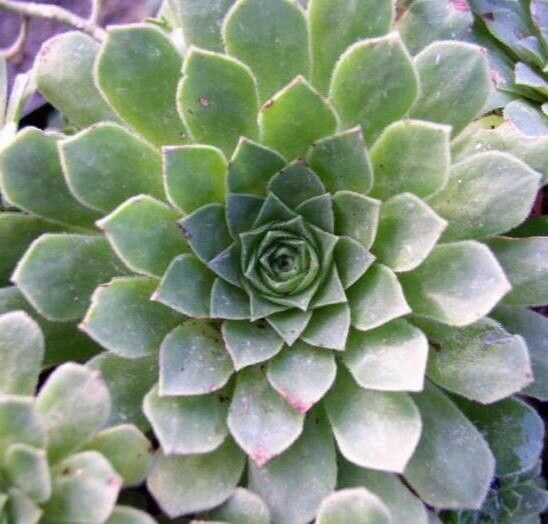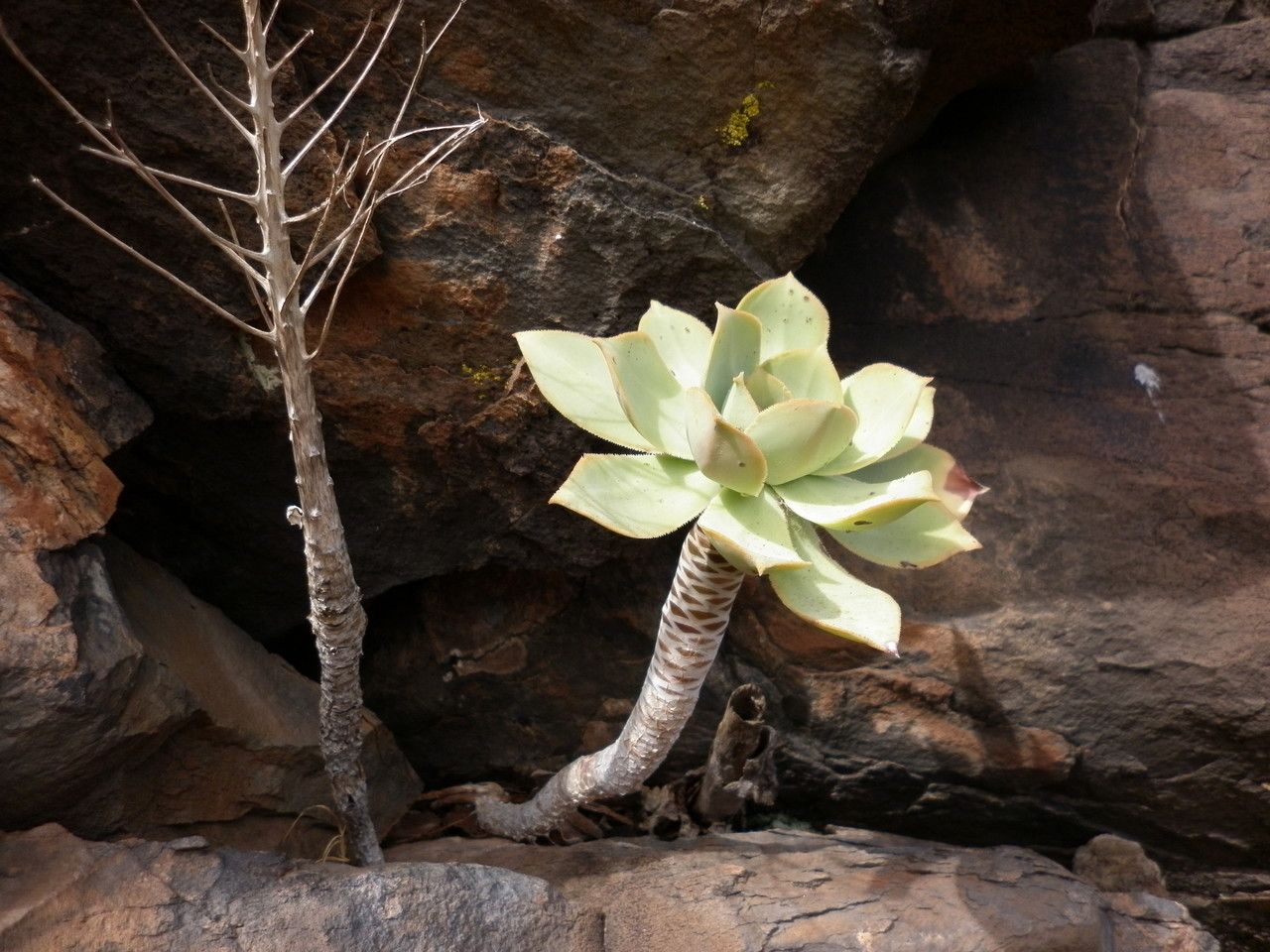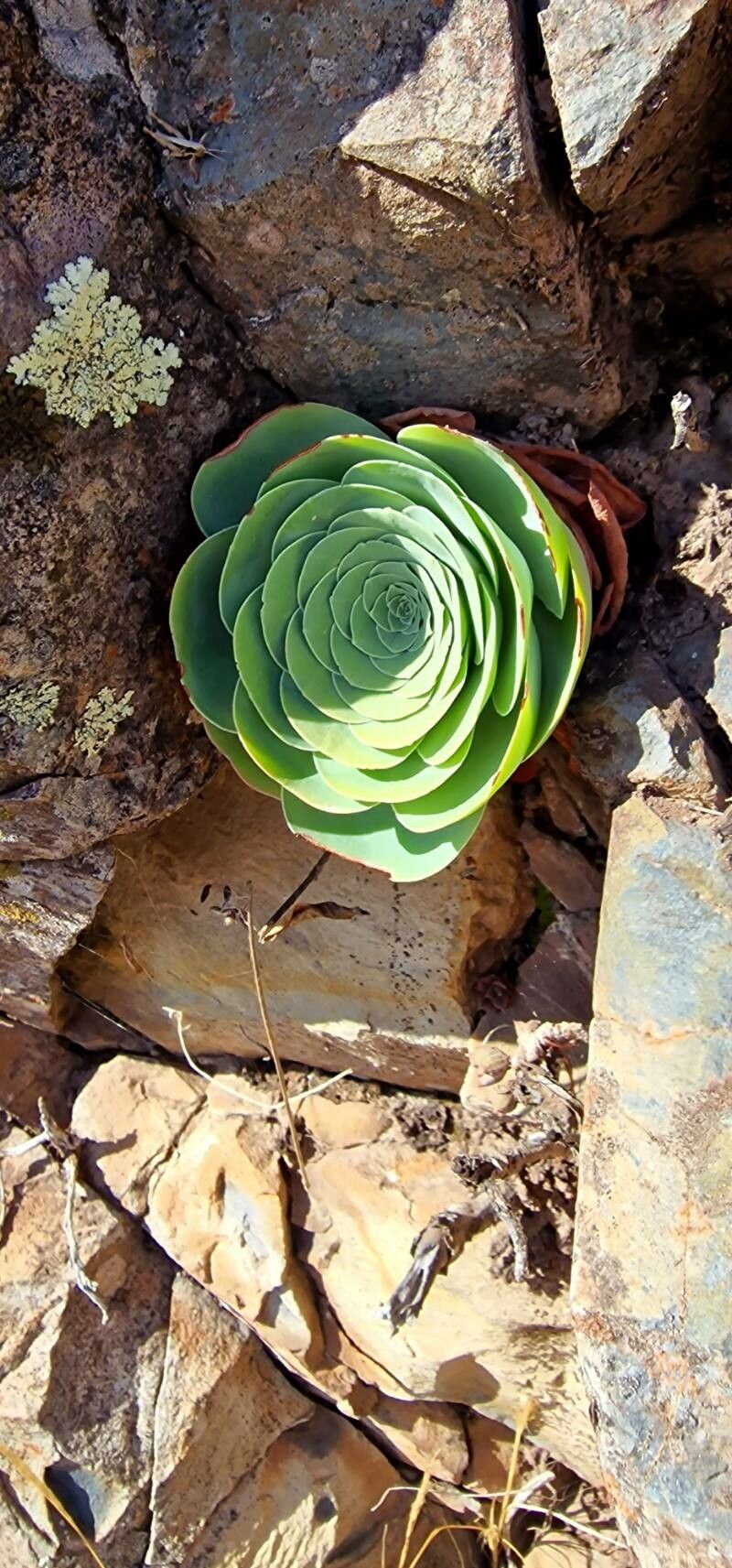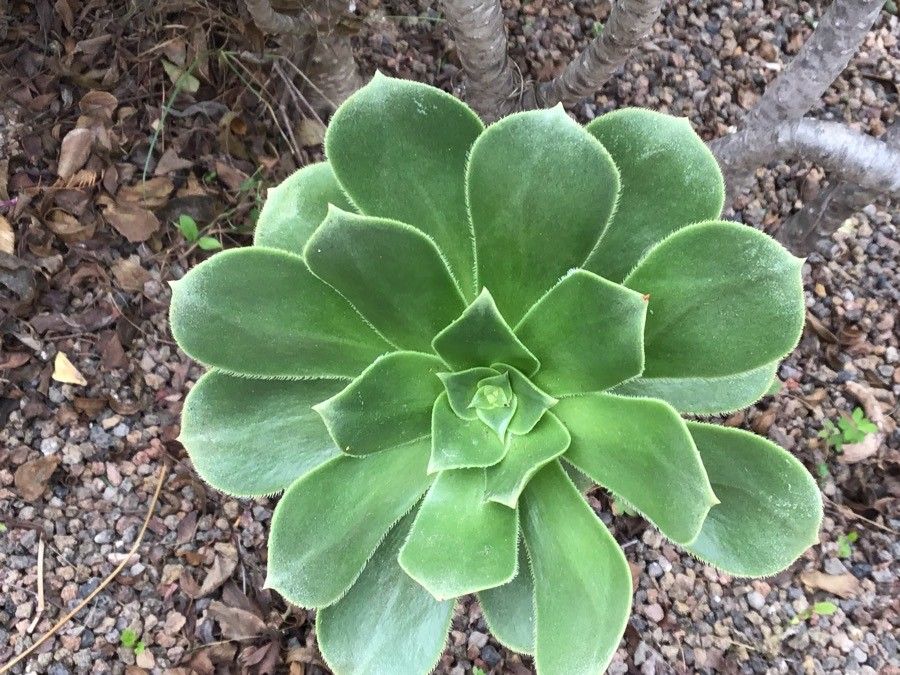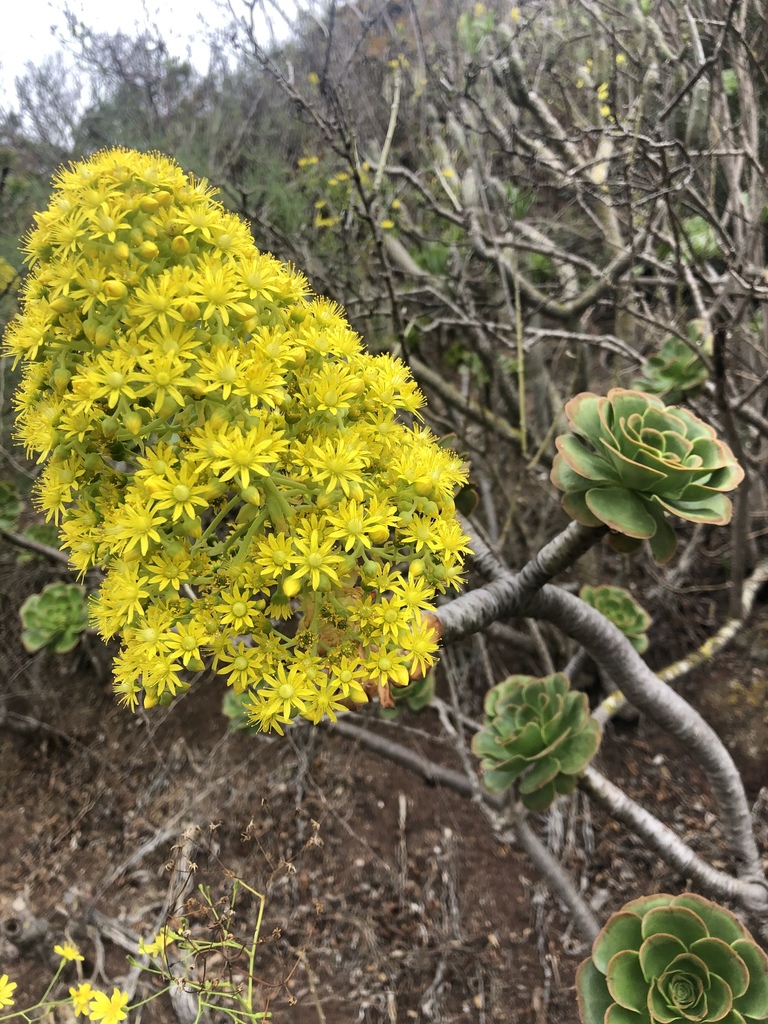
Aeonium arboreum, the tree aeonium, tree houseleek, or Irish rose, is a succulent, subtropical subshrub in the flowering plant family Crassulaceae. It is an invasive weed in places outside its natural distribution, for example as a garden escape throughout temperate southern Australia.
The Aeonium Black Rose, scientifically known as Aeonium arboreum, is a succulent plant with a distinctive appearance. Its overall shape resembles that of a rose, and its leaves are typically purplish-black, which is why it earned the name "Black Rose."
Tree aeonium has moderate disease resistance and is more sensitive to humidity. It is prone to illness when humidity is high and can develop root rot during its dormant period. Regarding care, Tree aeonium tolerates drought but requires increased watering in the growing season. Watering should be greatly reduced or stopped entirely during dormancy. Tree aeonium is appropriate for growers with some experience, though it can be challenging to maintain, especially during dormancy. It is particularly well suited to those who can dedicate time to its care in the winter months.
How to keep Aeonium Arboreum.
Light
Tree aeonium grows best in conditions like its native habitat, which had plenty of sun. It can tolerate periods of weaker light, but that may slow its growth. Insufficient sunlight can stress the plant and harm its growth and health, while very intense sun can be damaging and may burn the leaves.
Water
The tree aeonium is well-suited to arid environments due to its high drought tolerance. It only needs to be watered every three weeks. This plant thrives in well-draining soil and stores water in its leaves and stems, making it ideal for areas with limited rainfall.
Humidity
This plant prefers dry conditions, so don't mist it. However, watering it less often can also thrive in higher humidity.
Temperature
Tree aeonium prefers temperatures between 68 and 100°F (20 and 38°C). It is native to areas with warm conditions and mild winters. In summer it can withstand higher heat, but in cooler months it’s best to keep temperatures above 50°F (10°C) to prevent damage to the foliage.
Fertilizer
For tree aeonium, light applications of fertilizer once or twice a year during the growing season are enough. Avoid fertilizing in winter or in summer when the plant is dormant. Use less fertilizer on repotted plants and wait a couple of months after repotting before applying fertilizer. Fertilizing promotes healthy growth and encourages flowering.
Pruning
To maintain the shape of a tree aeonium, prune any unnecessary or dense branches during the spring and fall. To propagate, cut a sturdy stem with 5-6 leaves, apply sulfur powder to the cut end, and plant it once the wound has healed. Make sure the soil is slightly moist for optimal growth.
Pot & Repot
When repotting Tree aeonium, choose a pot slightly larger than the current one that has good drainage. Use a gritty, well-draining succulent or cactus mix. Gently remove the plant from its old pot, brush off excess soil, and plant it at the same depth. Wait a few days before watering so any root damage can heal. Repot in spring or fall and place it in a brightly lit spot.
Toxicity
Not only do tree houseleeks provide a lovely visual interest to homes and gardens, but these succulents are child-friendly and pet-friendly as well. Nearly all types of aeoniums are safe for dogs, cats, and other pets.
Further reading →
The toxicity and danger assessments provided are for reference only. We do not assure their accuracy, so it's crucial not to depend on them. Seek professional advice when necessary for accurate guidance.
Botanical profile.
- Plant Type
- Succulent, Shrub
- Life Cycle
- Perennial
- Genus
- Aeonium
- Family
- Crassulaceae
- Hardiness Zone
- 9-11
- Mature Height
- 0.49 m to 2.13 m
- Mature Spread
- 0.91 m to 1.52 m
- Leaf Color
- Green
- Leaf Type
- Evergreen
- Flower Color
- Yellow
- Flower Size
- 10.16 cm to 15.24 cm
- Bloom Time
- Late spring, Early summer, Mid summer
- Planting Time
- Spring, Autumn, Winter
- Harvest Time
- Mid summer
- Native Area
- Canary Islands, Africa
Other names.
Reader questions.
When Should I Water My Tree Aeonium?
Watering your tree aeonium is crucial for its growth, health, and resistance to diseases. The best time to water is when the top 1 to 2 inches of soil feel dry to the touch. You can check the soil's moisture by inserting a finger into the soil up to the second knuckle. Additionally, observing the leaves for signs of wilting, discoloration, or crispiness can provide insights into the plant's water needs. Excessive leaf drop and a lack of vibrant foliage are indicators of inadequate watering. Keeping track of the time since the last watering and adjusting your watering frequency based on temperature and humidity levels are also essential practices for maintaining a healthy tree aeonium.
Why should I add fertilizer to my Tree aeonium?
Fertilizing Tree aeonium is important for adding nutrients to the growing medium. While it does store water and nutrients, applying plant food during the growing season helps promote healthy growth and can even stimulate blooming in mature specimens.
What are the sunlight requirements for Tree Aeonium?
Tree Aeonium, or Aeonium arboreum, thrives best when it's exposed to full sunlight, which entails more than 6 hours of sunlight daily. It can also grow under partial sun conditions, meaning about 3-6 hours of sunlight per day. Monitoring the movement of sunlight through your garden and choosing locations that offer a suitable balance of light and shade will happily support the growth and wellbeing of your plants. It's crucial for the plant's health and development to receive adequate sunlight, whereas too little may cause stress and impede growth, and too much direct sunlight can lead to leaf scorching.
What is the preferred temperature range for Tree aeonium?
Tree aeonium thrives in a temperature range of 68 to 100°F (20 to 38°C), native to regions with warm temperatures and mild winters. It can tolerate higher temperatures during summer but should be kept above 50°F (10°C) in cooler months to prevent foliage damage. The winter season is the plant's growing period, and it is crucial to maintain temperatures above 20°C for optimal growth. If outdoor temperatures fall below 0°C, bringing the plant indoors to a well-lit area is advisable. Watering should be increased in higher temperatures and reduced as it approaches 0°C. For outdoor overwintering, a sheltered spot with ample sunlight is recommended; a temporary greenhouse may be needed for consistent low temperatures to keep the plant sufficiently moist.
How Should I Water My Tree Aeonium?
Tree aeonium requires careful watering to thrive. Employ the 'soak and dry' method, which involves watering the soil thoroughly until it drains out of the bottom of the pot, and then allowing the soil to completely dry out before watering again. Use a watering can with a long, narrow spout to water directly at the base of the plant, avoiding the leaves to minimize risks of fungal diseases. For accurate watering, consider using a moisture meter to determine the soil's moisture level. Always ensure that any excess water is allowed to drain away to prevent overwatering and root rot.
When should I fertilize my Tree aeonium?
Tree aeonium benefits from additional nutrients, but only requires a light dose of fertilizer during the growing season. Ideally, fertilization should occur 1-2 times a year, specifically in the spring and autumn. It is important to note that tree aeonium does not need fertilizer during its dormant periods in winter and summer. When repotting the plant, reduce the amount of fertilizer used and wait a few months before resuming fertilization.
What are the essential care tips for Tree Aeonium?
Tree Aeonium flourishes in conditions that replicate its natural habitat, requiring abundant sunlight to thrive while still being able to endure lesser sun exposure, albeit with slower growth. Insufficient sunlight can stress the plant, hindering its growth and overall health. In cases where natural sunlight is limited, artificial lighting can serve as an effective alternative. Indoor plants benefit from adequate artificial lighting, particularly in spaces with low natural light or during winter months. LED lights are recommended for their ability to provide specific light wavelengths needed for plant growth, with full sun plants requiring 30-50W/sq ft, partial sun plants needing 20-30W/sq ft, and full shade plants requiring 10-20W/sq ft of light. The light source should be placed 12-36 inches above the plant, and plants typically need 8-12 hours of light daily.
How does Tree aeonium respond to low temperatures?
Tree aeonium is sensitive to extremely cold temperatures, thriving best between 20°C and 38°C, and should be kept above 0°C during winter. Exposure to temperatures below -5°C may cause water-soaked necrosis and wilting in the leaves, with mild frost damage initially showing no symptoms. However, after a week, affected leaves significantly wilt and eventually fall off. To combat frost damage, trim off the frostbitten areas and move the plant to a warm indoor environment or a makeshift greenhouse for cold protection, ensuring it is placed near a south-facing window for sunlight or that the greenhouse is well-ventilated to prevent decay.
How Much Water Does Tree Aeonium Really Need?
The amount of water required by a tree aeonium depends on the size of the plant and its container. A thorough soaking that saturates the soil without causing water to pool on the surface is ideal. Always wait until the soil is completely dry before watering again. Overwatering can lead to root rot, characterized by wilting, brown leaves, while under-watering results in dry, dull, and wrinkled leaves. Ensure the water covers the entire root zone to maintain the plant's health.
When is it best to not add fertilizer to my Tree aeonium?
Tree aeonium, like other plants, undergoes a dormancy period. During this time, it is advised to halt the use of fertilizer. In both summer and winter, the plant stops growing, making it another crucial time to refrain from fertilizing. Additionally, it is a good practice to abstain from fertilizing for a few months after replanting in the spring.
How do I recognize and treat light deficiency symptoms in Tree Aeonium?
When Tree Aeoniums do not receive enough light, they may exhibit several symptoms like leggy or sparse growth, lighter-colored new leaves, slower or halted growth, chlorosis, sunscald, leaf curling, wilting, and leaf scorching. To address these issues, for indoor plants, gradually move them to a sunnier location every week until they receive at least 6 hours of direct sunlight daily, keeping them near a south-facing window and considering artificial light sources for additional support. Outdoor plants should be moved gradually to sunnier spots to prevent sunburn. Removing any obstructions to sunlight and, if necessary, transplanting smaller plants to sunnier locations can also help. It's important to note that while affected parts may not recover, new growth after increasing light exposure should be healthy.
What should you do if Tree aeonium experiences high temperatures?
In high temperatures, specifically above 38°C, Tree aeonium enters a dormant state and becomes more susceptible to rot in humid conditions. If temperatures exceed 43°C, it is crucial to remove any dry and rotten parts of the plant and move it to a partially shaded area to avoid direct sunlight during the hottest parts of the day. Watering should be halted until the weather cools down, providing the plant with an environment conducive to recovery from the stress of excessive heat.