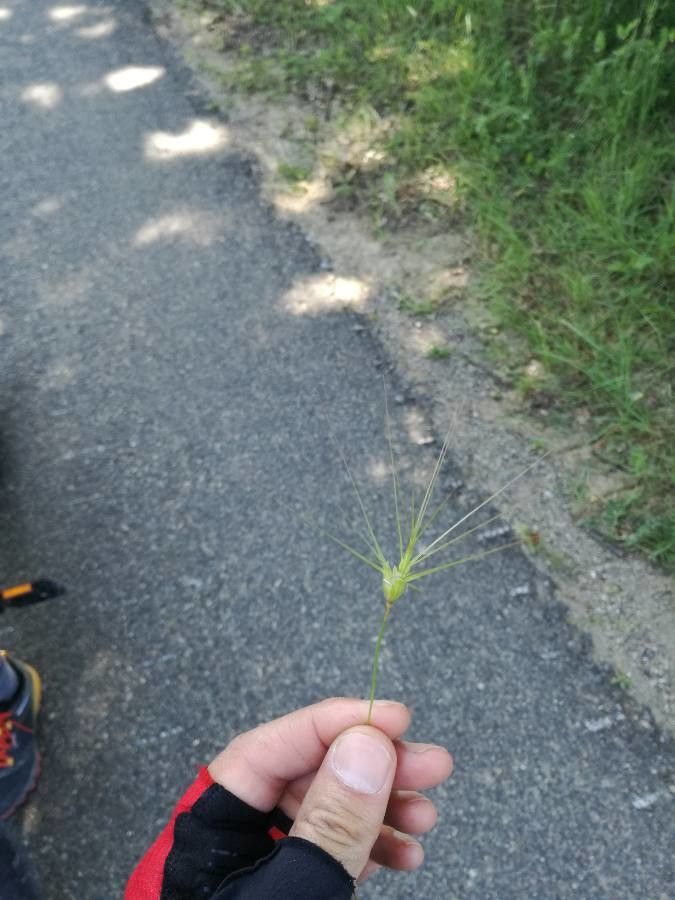
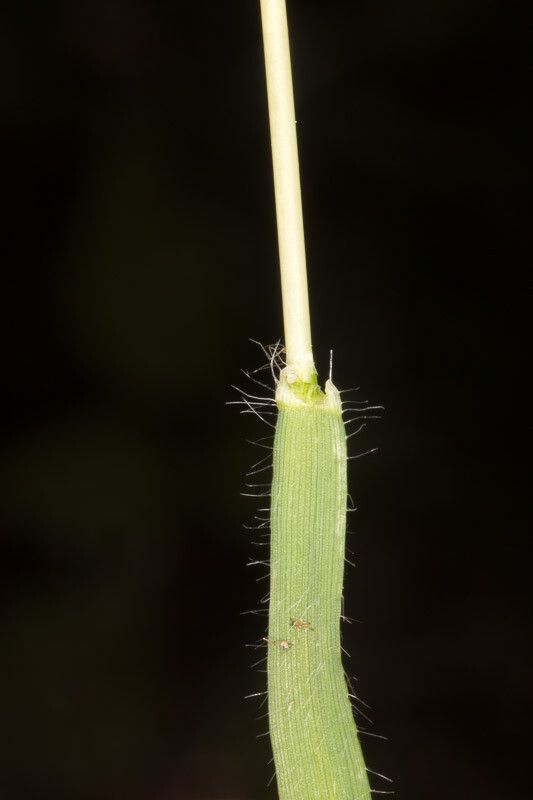
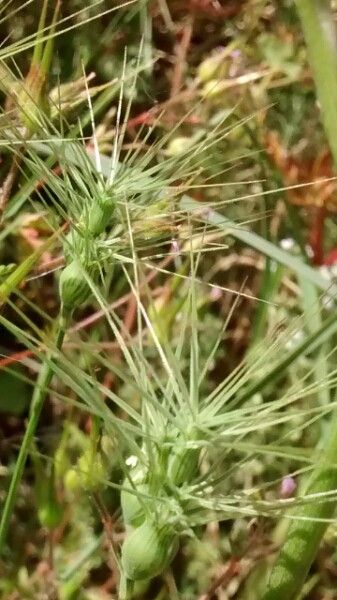
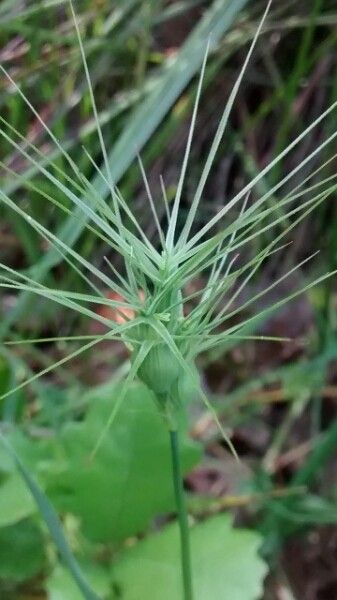
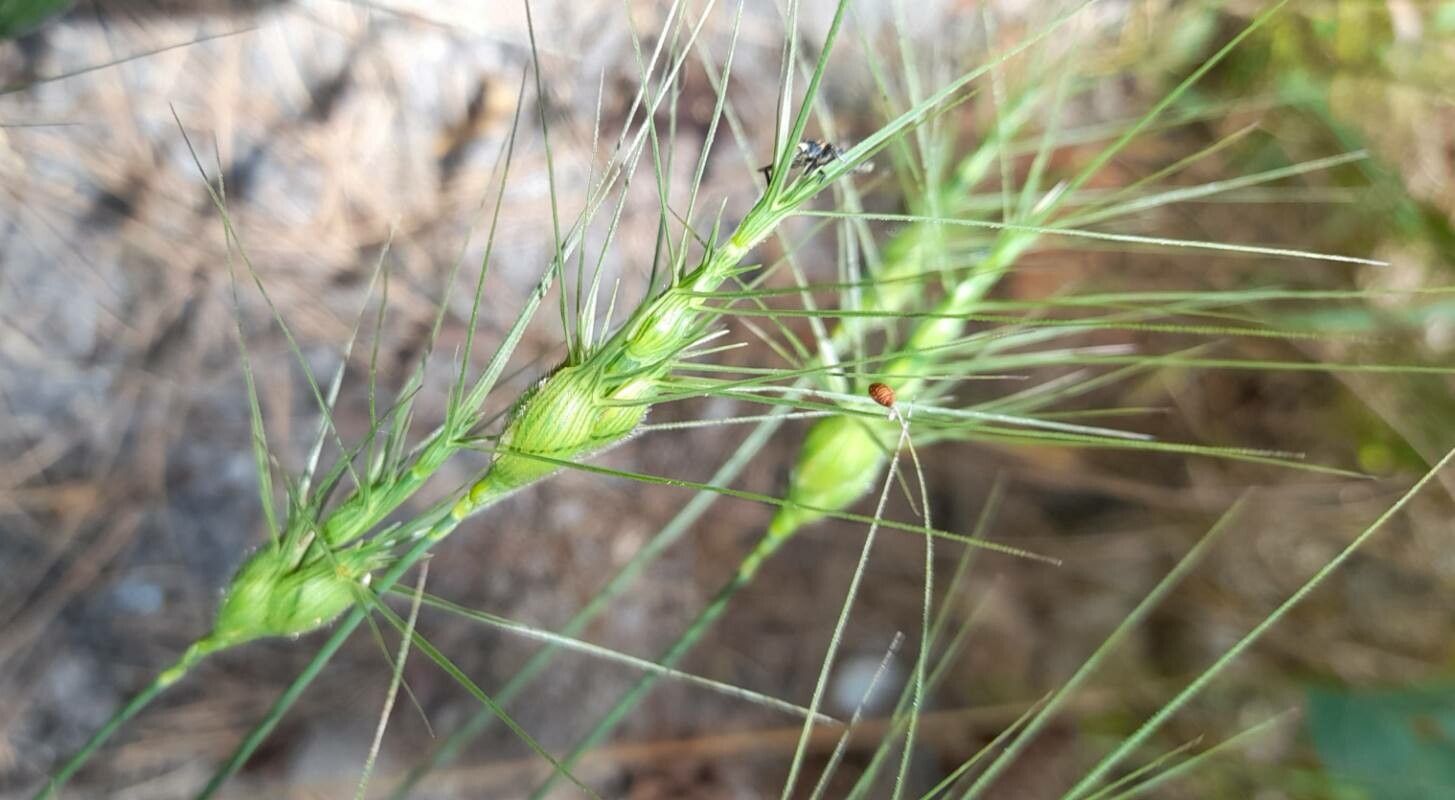
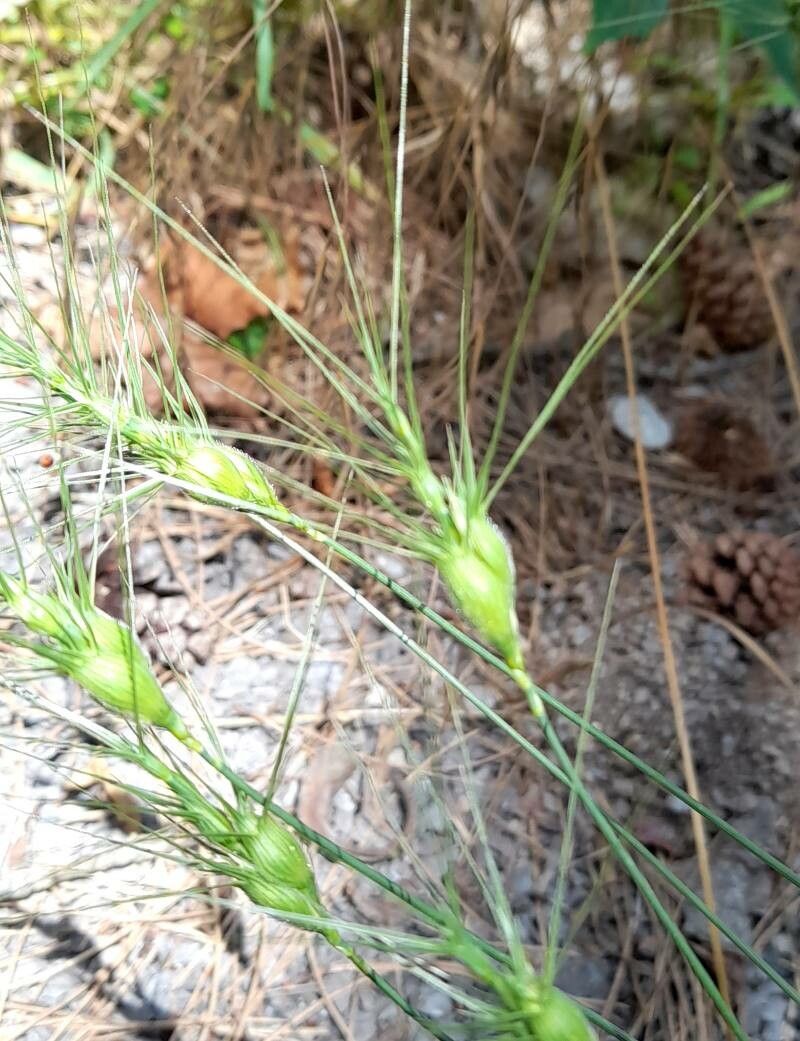
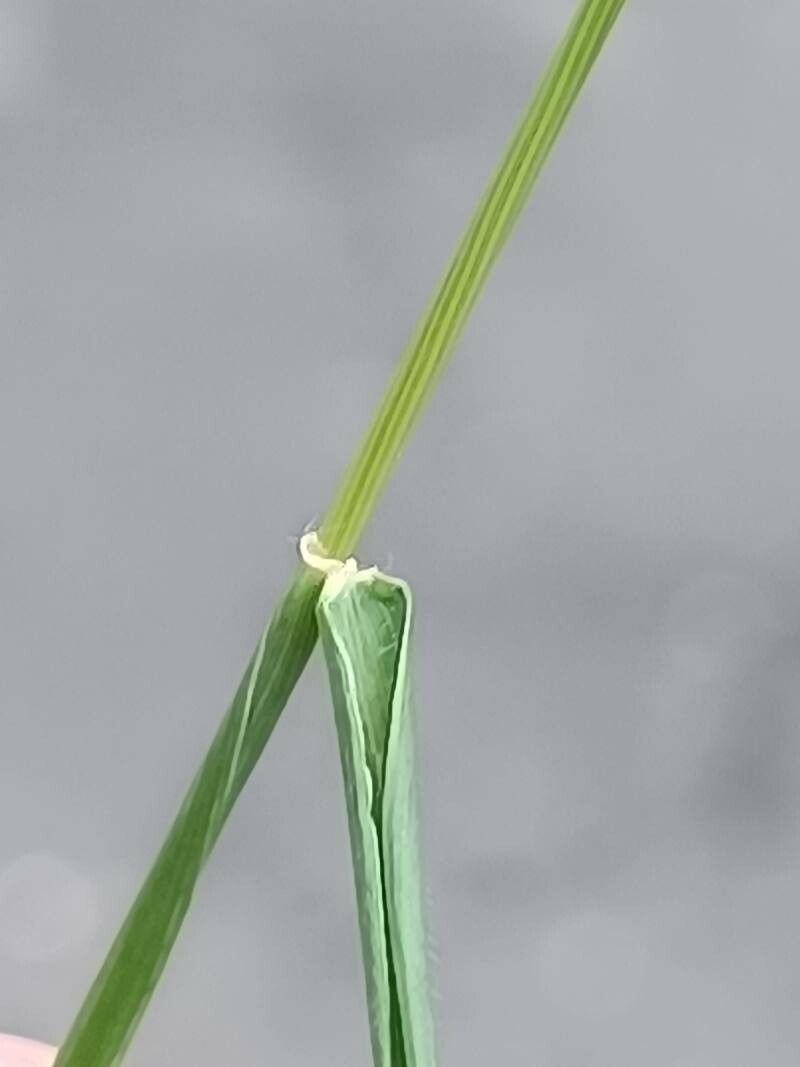
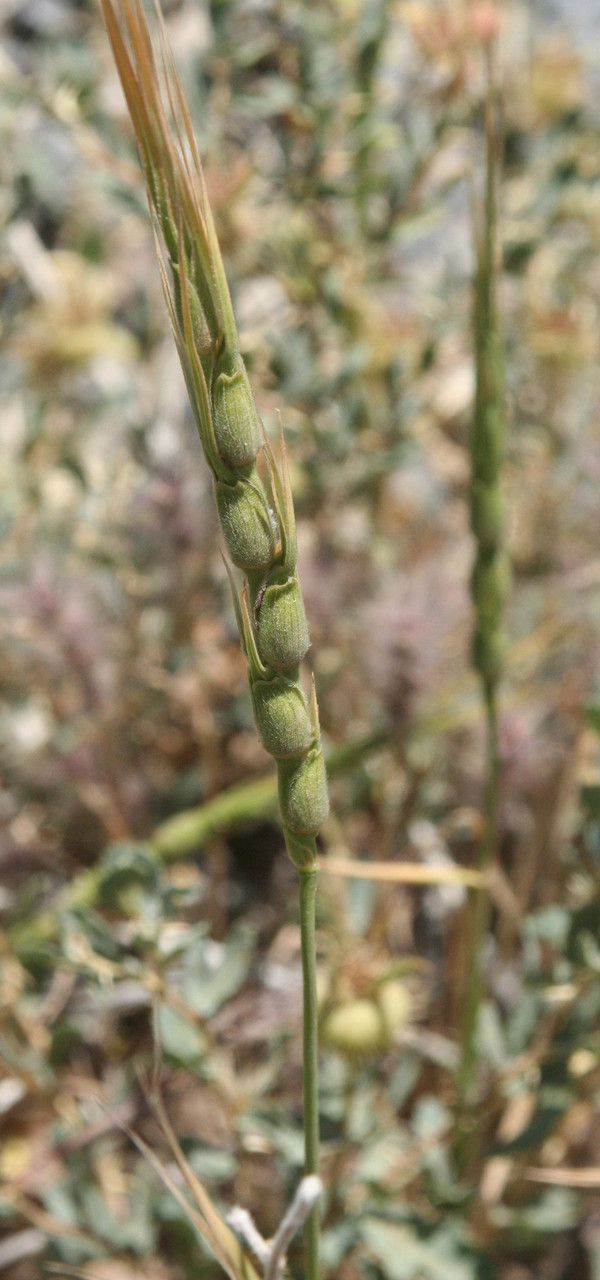
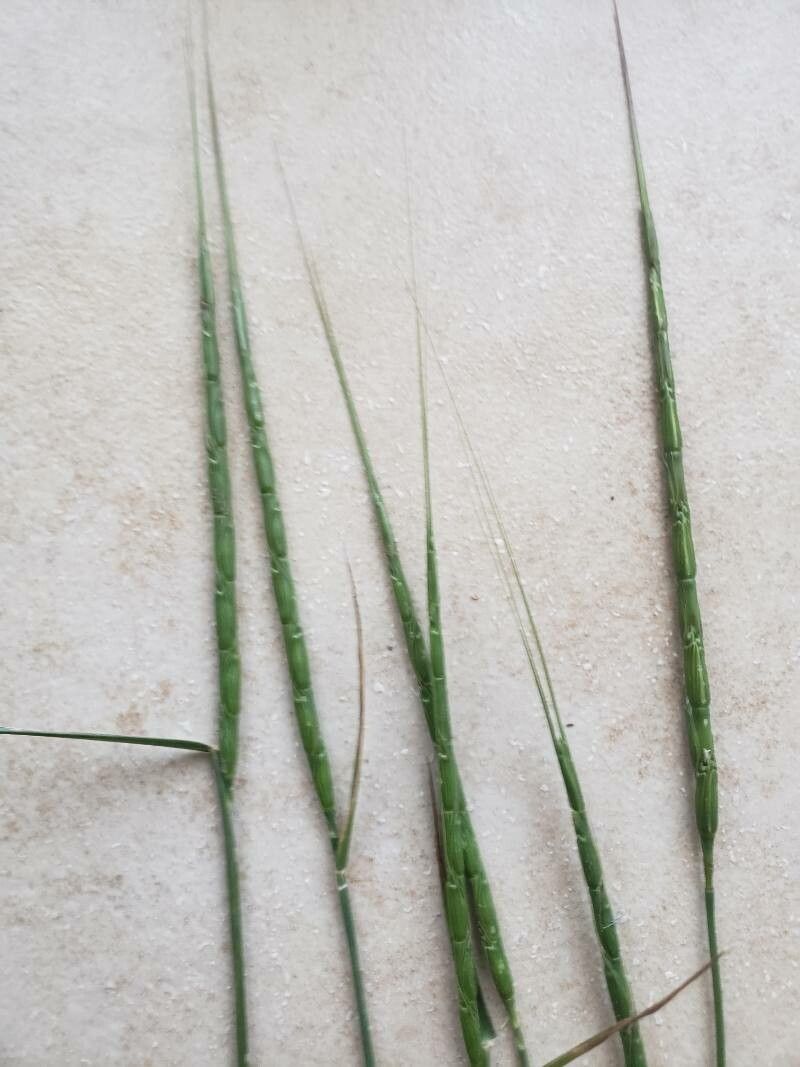
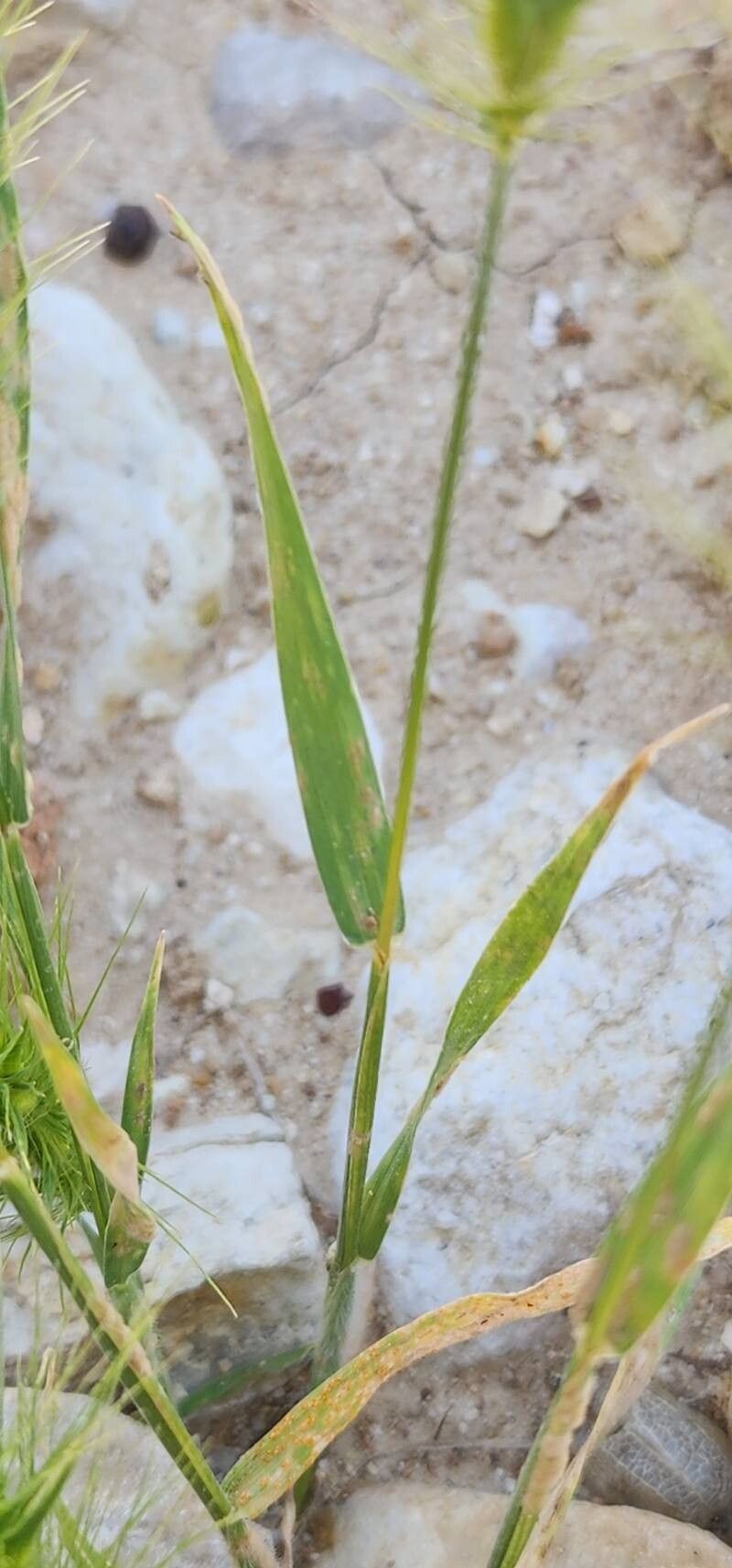
Aegilops geniculata is a species of grass known by the common name ovate goatgrass. It is native to the Mediterranean and western Asia, including Palestine and the Levant. Elsewhere it is known as a noxious weed.
Geniculate goatgrass displays good resistance to disease and is generally unlikely to develop illnesses. In terms of care, this plant is fairly low-maintenance. When grown outdoors it needs only minimal watering, and larger plants typically do not require pruning. Smaller plants, however, should be pruned after they finish blooming. Geniculate goatgrasst is appropriate for anyone with an outdoor area, such as a garden or deck, and does not demand much prior plant-care experience.
How to keep Aegilops Geniculata.
Light
Geniculate goatgrass comes from bright, open environments and does best in full sun. It can tolerate partial sun but favors direct sunlight for optimal growth. This plant, which may be annual or biennial, is known for its sun-loving nature.
Water
Geniculate goatgrass flourishes in Mediterranean climates, where it adapts to periodic droughts and generally prefers drier conditions. To remain healthy, it requires weekly watering without becoming oversaturated. As an annual grass, its growth cycle aligns with seasonal rainfall, which influences its germination and flowering times.
Temperature
Geniculate goatgrass can tolerate a wide variety of temperatures, but its range may still be restricted by different combinations of moisture and heat. It performs best in warm summer conditions with sufficient rainfall or watering. Long stretches of cloudy, rainy weather or extended high temperatures can raise the chance of Geniculate goatgrass dying. In winter, proper protection from cold improves the plant's survival rate.
Pruning
Geniculate goatgrass is a resilient, drought-tolerant grass known for its jointed stems. For optimal health and appearance, prune it from early to late spring. This pruning encourages regrowth, helps control its spread, and improves air circulation. Regular trimming not only enhances the grass's aesthetic appeal but also promotes vigorous growth, making pruning an essential aspect of garden maintenance.
Botanical profile.
- Plant Type
- Grass
- Life Cycle
- Annual
- Genus
- Aegilops
- Family
- Poaceae
- Hardiness Zone
- 7-10
- Mature Height
- 10 cm to 40 cm
- Mature Spread
- 20 cm to 40 cm
- Leaf Color
- Light Green
- Leaf Type
- Deciduous
- Flower Color
- Yellow, Green, Brown
- Flower Size
- 1.02 cm to 3.05 cm
- Bloom Time
- Late spring, Early summer
- Planting Time
- Spring, Autumn
- Harvest Time
- Mid summer, Late summer
- Native Area
- Libya, Turkey, Tunisia, Montenegro, Cyprus, Bulgaria, Greece, Croatia, Slovenia, Morocco, Lebanon, Russia, Serbia, Afghanistan, Iraq, Syria, Italy, Spain, France, Iran, Albania, Azerbaijan, Algeria, Romania, Portugal
Other names.
Reader questions.
If I give my Geniculate goatgrass too much or too little water, what should I do?
If you don't water this ornamental grass properly, it won't perform well. When it's planted in the ground, watering issues can be fixed. However, in a container, giving it too much or too little water will quickly kill the grass. If the grass isn't getting the right amount of water, it may stop growing. Overwatering will cause yellow leaves with brown tips, while underwatering will result in drooping leaves, weak seed production, and browned leaves. If you suspect the grass has been watered improperly, first determine if it's getting too much or too little water. If it's getting too much, stop watering immediately. It may take time for the soil to dry out, so be patient. Once you see new growth, test the soil for moisture and decide if it needs more water. On the other hand, if it's not getting enough water, simply give it a good, deep drink and see if it improves. Remember, deep watering is better than shallow and frequent watering because it encourages deep root growth, making the grass more resistant to drought and water-related problems.
What are the sunlight requirements for Geniculate goatgrass?
Geniculate goatgrass, known botanically as Aegilops geniculata, thrives in environments that offer full sun, which means it requires more than 6 hours of sunlight daily. However, it can also tolerate partial sun, where it receives about 3-6 hours of sunlight. This adaptation makes it suitable for bright, open spaces. Observing how sunlight moves through your garden helps in choosing the right spots that balance light and shade, ensuring the plants' wellbeing.
How frequently should I give water to my Geniculate goatgrass plant?
The watering needs of Geniculate goatgrass vary depending on its location. Generally, it should be watered every week. In hot climates, watering once or twice a week during summer may be necessary. In moderate climates, watering once every seven days or more may be sufficient. Grass in containers generally needs more frequent watering than grass in the ground. However, the location also matters for this species, which can thrive in full sun or part shade. Shaded grasses need less frequent watering than grasses in the ground. Geniculate goatgrass should only be watered when the soil is dry. There are a few signs to look for to determine when to water. Pressing your finger a couple of inches into the soil will indicate if it is dry. For potted grass, you can weigh it with a portable scale or feel the pot to check for lightness due to lack of water. When the roots lack sufficient water, the grass blades may appear folded along their centers and thinner than usual. Despite its drought tolerance, regular, deep waterings will help maintain its beautiful color. In the wild, Geniculate goatgrass grows in open scrubland, experiencing extreme heat, bright sun, and intermittent rain. While drought resistant, this grass still requires care and attention. Consistent watering is recommended for optimal growth. When first planted, Geniculate goatgrass needs more frequent watering until it establishes deep roots. For potted grass, especially those in hot, direct sun, test the soil every 3 to 4 days and water only when it feels dry. Geniculate goatgrass in the ground generally requires less watering, but this depends on the soil type. Heavy clay soil may feel dry at the surface while still retaining moisture below ground, so be mindful of this. Sandy soils that drain quickly will need more frequent watering.
How essential is lighting for Geniculate goatgrass indoors?
Proper lighting is crucial for the growth of Geniculate goatgrass, especially when grown indoors. In conditions where natural sunlight is not sufficient, such as in winter or less sunny places, artificial lighting becomes a critical solution. Using LED lights is advisable as they can be customized to provide specific wavelengths needed by the plant. For plants requiring full sun, an intensity of 30-50W/sq ft is ideal, whereas partial sun plants need 20-30W/sq ft. The artificial light source should be placed 12-36 inches above the plant for 8-12 hours per day to mimic natural sunlight effectively.
What do I need to be careful about when watering my Geniculate goatgrass in different seasons, climates, or during different growth stages?
To determine if you are watering enough, observe the rate of growth of your grass. Geniculate goatgrass grows rapidly during the hottest months and can double in size within a year. So, if the weather is hot but the grass is not growing vigorously, you might need to adjust your watering schedule. In winter, you can potentially water once a month, but it's still important to check the soil's moisture level by touching it. During the grass's growth cycle in the warmest months, it will require more water than usual. However, during winter and cooler months, the water needs will significantly decrease. Remember that Geniculate goatgrass should always be planted in soil that is allowed to completely dry out before adding water.
What are the symptoms of inadequate light for Geniculate goatgrass?
When Geniculate goatgrass is grown indoors or under inadequate light conditions, several symptoms might emerge. These include smaller new leaves, leggy or sparse growth, faster leaf drop, slower or halted growth, lighter-colored new leaves indicating a lack of chlorophyll, chlorosis (leaves turning yellow), sunscald on leaves or stems, leaf curling as a defense against too much sunlight, wilting due to transpiration increasing water loss, and leaf scorching characterized by brown, dry, and crispy patches on leaves. These symptoms show the plant's struggle with either too little or excessive sunlight.
What solutions can be applied for Geniculate goatgrass suffering from light deficiency?
For Geniculate goatgrass suffering from light deficiency, there are several recovery solutions. Indoors, gradually move the plant to a sunnier location each week to ensure it gets at least 6 hours of direct sunlight daily, utilizing south-facing windows for maximum exposure. For plants that are large or hard to move, consider using artificial light for at least 8 hours daily or invest in professional grow lights. Outdoors, adjust the plant gradually to brighter spots to prevent shock and sunburn. Minimizing obstructions such as pruning trees can help outdoor plants receive more sunlight. Additionally, transplanting smaller plants during their dormant periods to areas with better sunlight and drainage is beneficial. It's important to note that parts of the plant already affected by the light deficiency may not recover fully, but new growth should be healthy with increased light exposure.