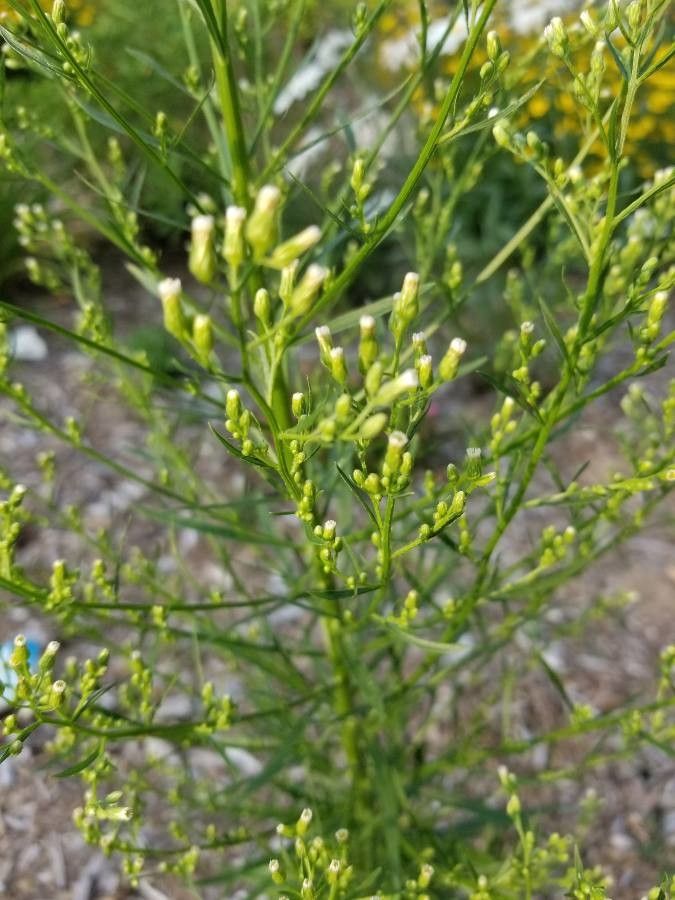
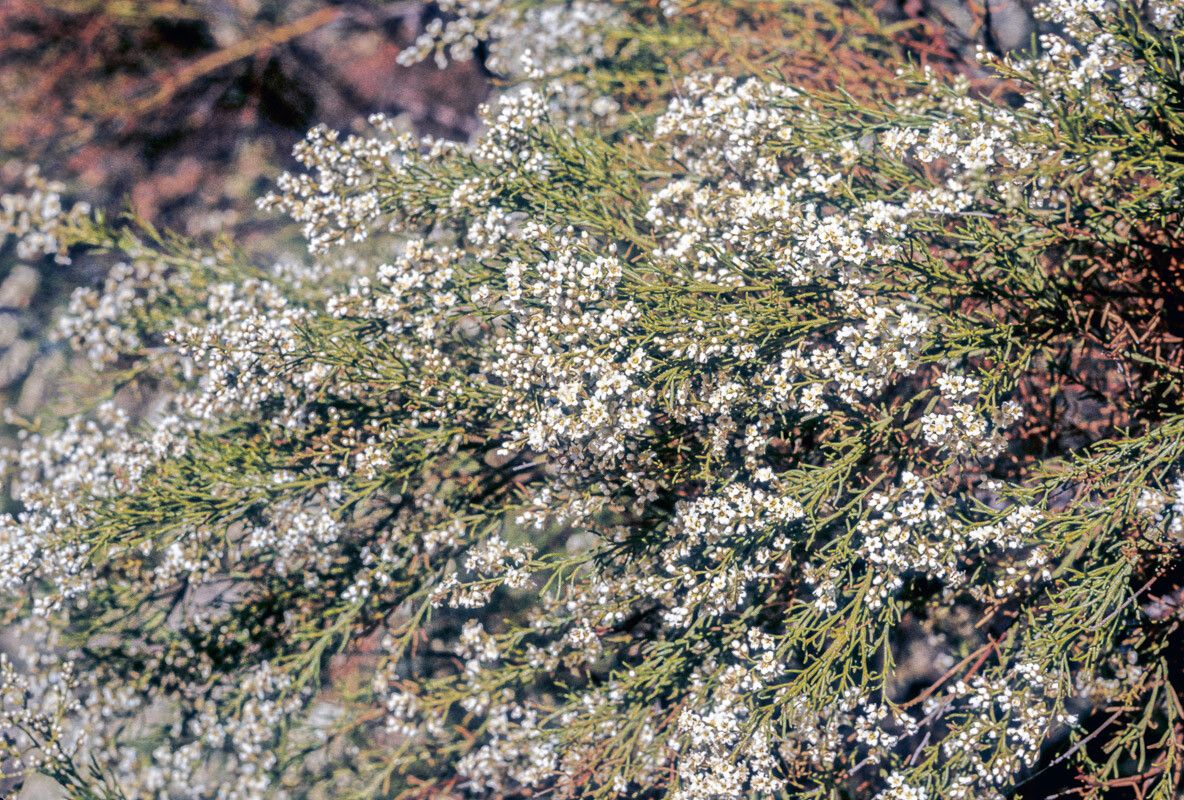
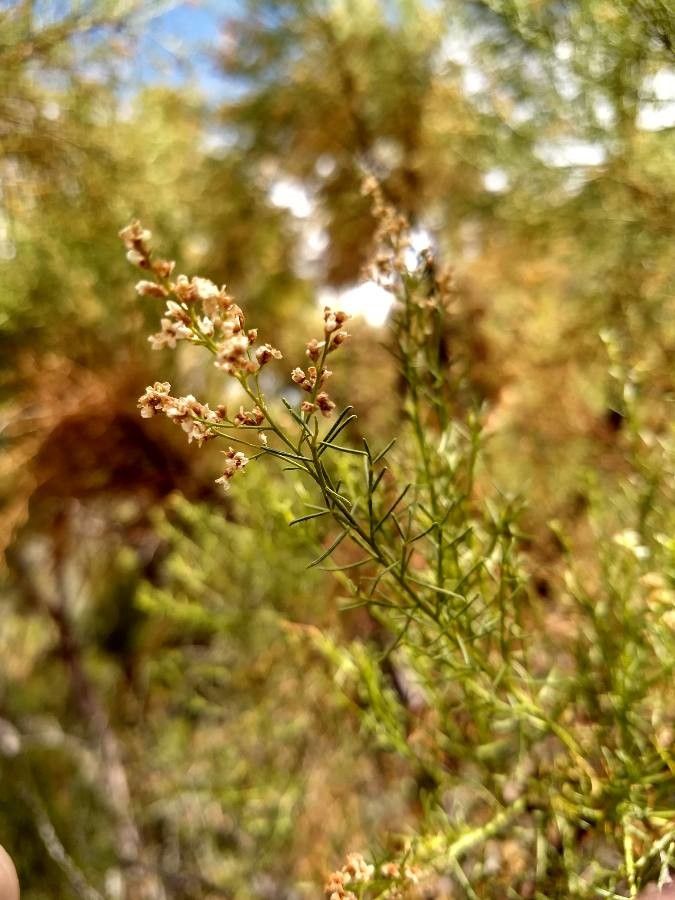
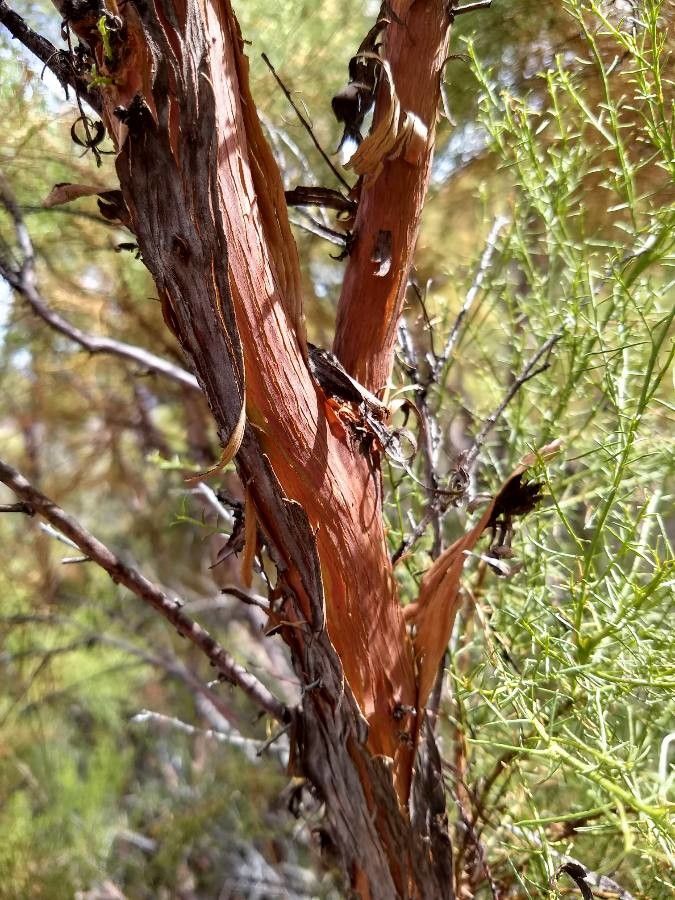
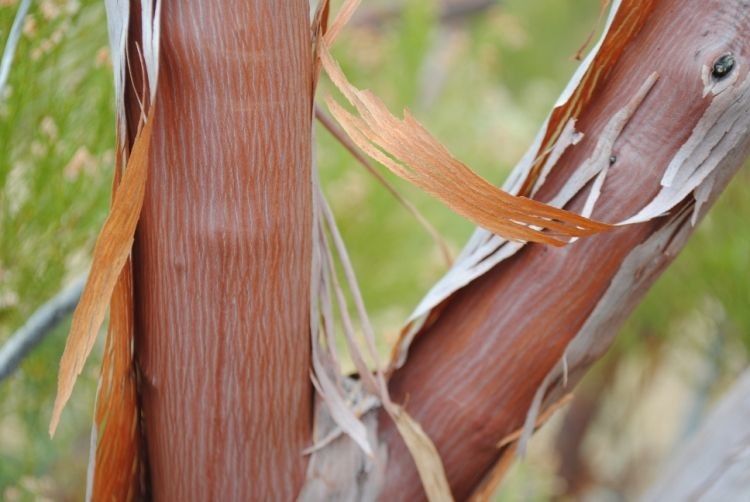
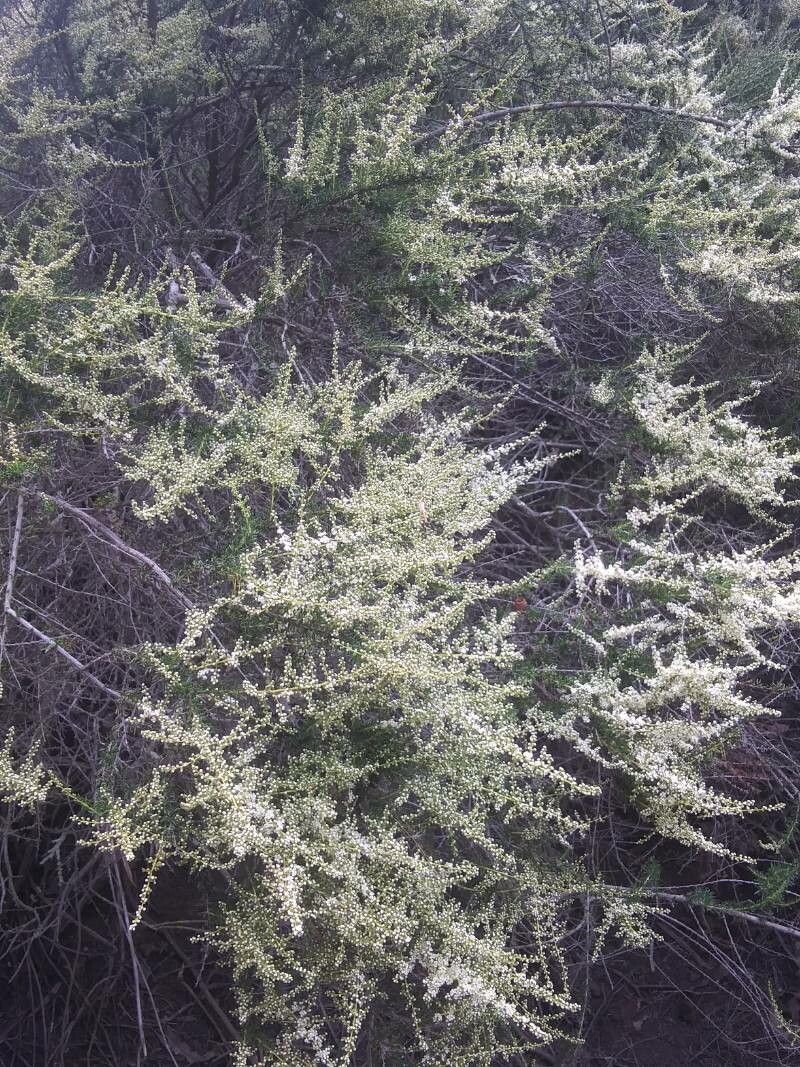
Adenostoma sparsifolium, commonly known as redshanks or less commonly, ribbonwood or ribbon bush, is a multi-trunked tree or shrub native to dry slopes or chaparral of Southern California and northern Baja California.
Redshanks has strong resistance to disease and is generally unlikely to be affected by illnesses. In terms of care, the plant is fairly low-maintenance. When grown outdoors it needs minimal watering, and larger plants typically do not require pruning. Smaller plants, however, should be pruned after they finish blooming. Redshankst is suitable for anyone with an outdoor area, such as a garden or deck, and does not require extensive plant-care experience.
How to keep Adenostoma Sparsifolium.
Light
Redshanks comes from open habitats, like sunlit meadows and forest margins, which offer plenty of light. It does best in Full Sun but can also tolerate Partial Sun, coping well with a range of sunlight conditions.
Temperature
Redshanks is fairly adaptable to temperature, tolerating high heat and wide temperature fluctuations. In hot conditions, attention should be paid to watering and providing suitable shade to prevent sunburn. Conversely, Redshanks is relatively sensitive to low temperatures. While it can endure some cold, very low temperatures can cause frost damage.
Fertilizer
Fertilize your Redshanks in early spring to encourage healthy growth. Regular feeding improves overall health, leading to vigorous growth, increased toughness in challenging conditions, and enhanced resistance to pests and diseases. Keep a defined fertilization routine for your Redshanks to maintain foliage that is vivid, richly colored, and lush in appearance.
Pruning
Redshanks is a plant characterized by its sparse foliage and reddish bark. To keep it healthy and visually appealing, prune it in early spring. Use clean tools to remove any dead branches and to thin out dense areas, which will improve air circulation. Be careful not to make heavy cuts, as maintaining the plant's natural shape is important. Regular pruning encourages healthier growth and increases the plant's longevity, thereby boosting its aesthetic appeal.
Botanical profile.
- Plant Type
- Shrub
- Life Cycle
- Perennial
- Genus
- Adenostoma
- Family
- Rosaceae
- Hardiness Zone
- 8-10
- Mature Height
- 3.66 m to 10.97 m
- Mature Spread
- 2.13 m to 3.96 m
- Leaf Color
- Dark Green
- Leaf Type
- Evergreen
- Flower Color
- White
- Flower Size
- 0.51 cm to 0.76 cm
- Bloom Time
- Early summer, Mid summer
- Planting Time
- Spring, Summer, Autumn
- Harvest Time
- Late summer, Early fall
- Native Area
- Mexico
Other names.