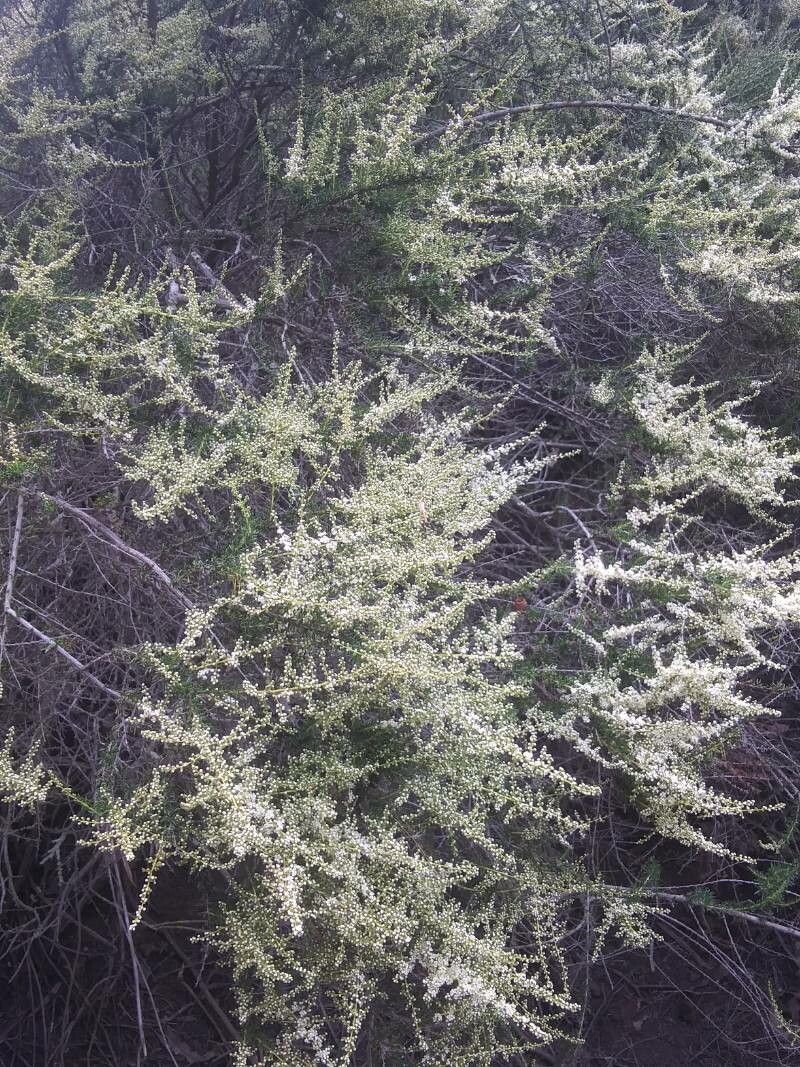
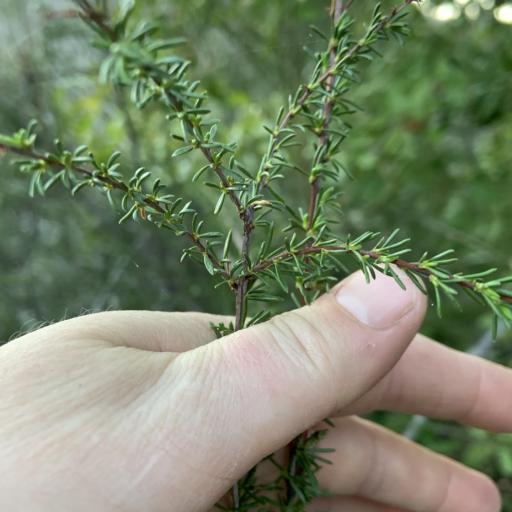
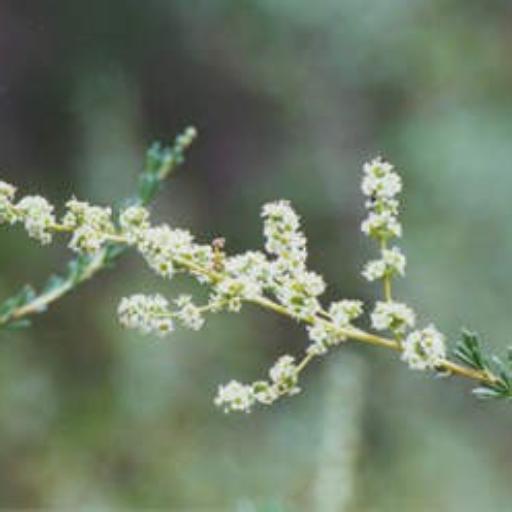
Adenostoma fasciculatum, the chamise (also known as greasewood or huutah), is a flowering plant native to Oregon, Nevada, California, and northern Baja California. This shrub is one of the most widespread plants of the California chaparral ecoregion.
Chamise exhibits strong disease resistance and is generally not susceptible to illnesses. In terms of care, this plant is fairly low-maintenance. When grown outdoors it needs little watering, and larger plants typically do not require pruning. Smaller plants, however, should be pruned after they finish blooming. Chamiset is appropriate for anyone with an outdoor area, such as a garden or deck, and does not demand much gardening experience.
How to keep Adenostoma Fasciculatum.
Light
Chamise performs best in areas where it gets continuous sunlight throughout the day. Although it can tolerate a lack of sun exposure, it is ideally placed in conditions with steady sunlight for optimal growth. Despite its preference for sun, both too much and too little light can negatively impact its health.
Water
Chamise is well-suited to arid environments and is highly drought-tolerant, thriving with minimal moisture. It should be watered every 2-3 weeks and does best in well-draining soil to prevent root rot. This makes it ideal for outdoor growth in dry conditions.
Temperature
Chamise is native to habitats where temperatures range from 59 to 95 °F (15 to 35 ℃). It prospers in these warm conditions, adapts to seasonal changes, and tends to favor temperate climates.
Fertilizer
Fertilize your Chamise in early spring to encourage healthy growth. Regular feeding improves overall health, producing vigorous growth, greater tolerance of harsh conditions, and enhanced resistance to diseases and pests. Keep to a specific fertilization schedule for your Chamise to maintain vibrant foliage with deep color and a lush appearance.
Pruning
Chamise is a drought-tolerant shrub with dense foliage that adapts well to various soil types. To maintain its health and appearance, it is best to prune it from early to late winter, during its dormant period. Focus on removing dead branches and thinning the shrub to improve air circulation. Proper pruning not only promotes growth and improves the plant's health but also reduces fire hazards in mature plants.
Botanical profile.
- Plant Type
- Shrub
- Life Cycle
- Perennial
- Genus
- Adenostoma
- Family
- Rosaceae
- Hardiness Zone
- 7-10
- Mature Height
- 3.96 m
- Mature Spread
- 2.13 m
- Leaf Color
- Green, Gray
- Leaf Type
- Evergreen, Deciduous
- Flower Color
- White
- Flower Size
- 0.10 cm to 0.20 cm
- Bloom Time
- Mid spring, Late spring, Early summer
- Planting Time
- Summer
- Harvest Time
- Mid summer, Late summer, Early fall
- Native Area
- Mexico
Other names.