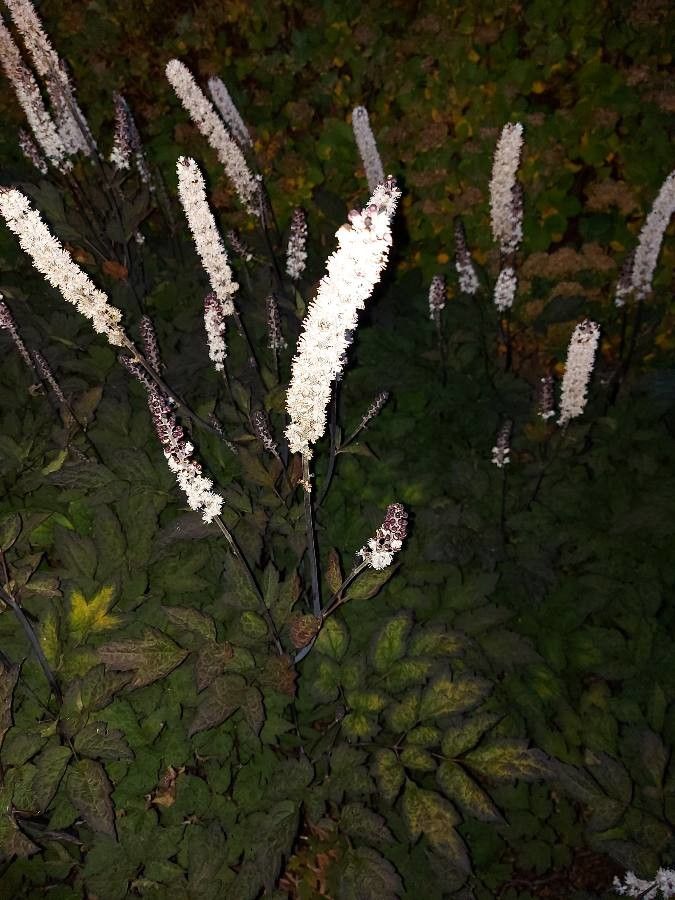
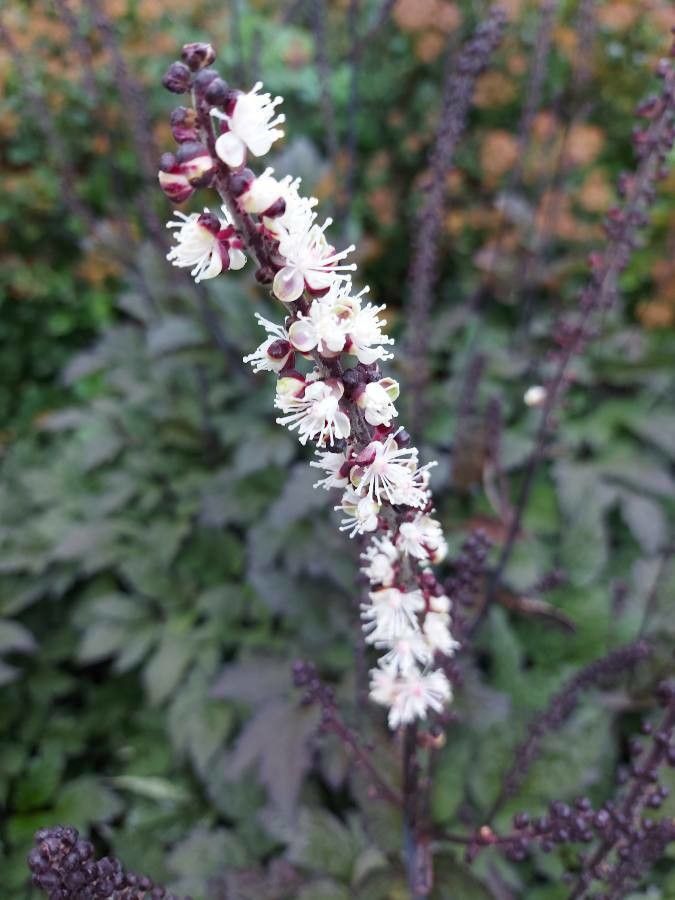
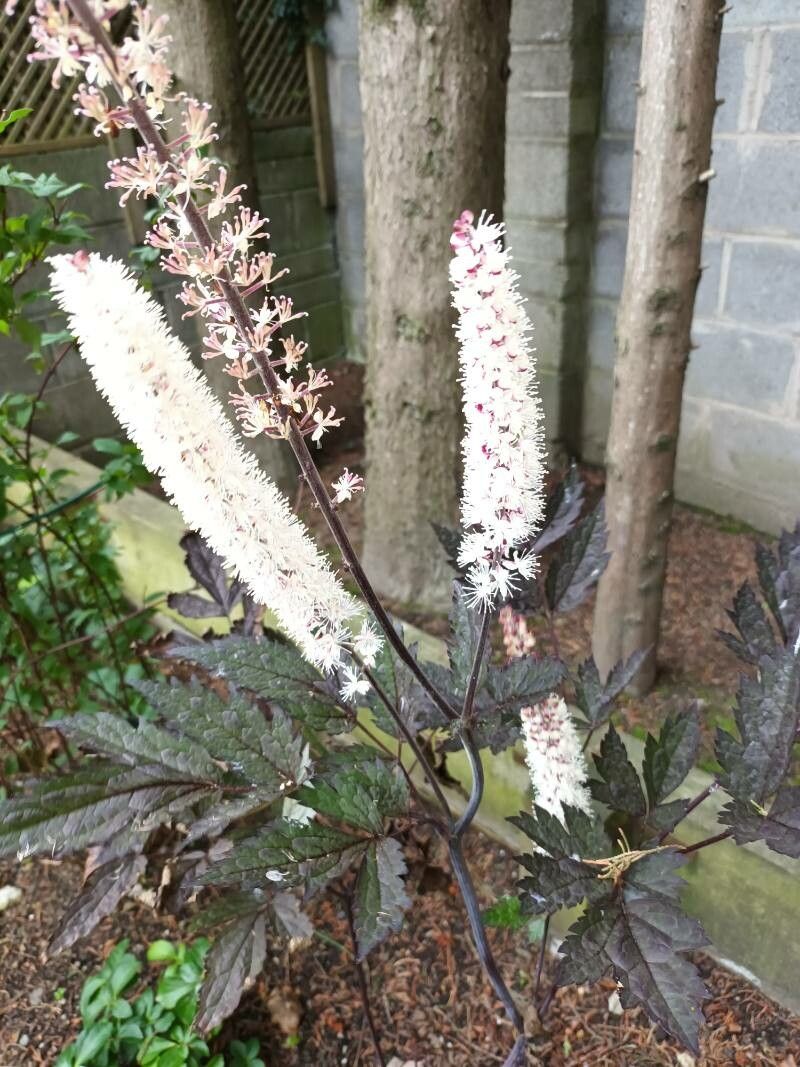
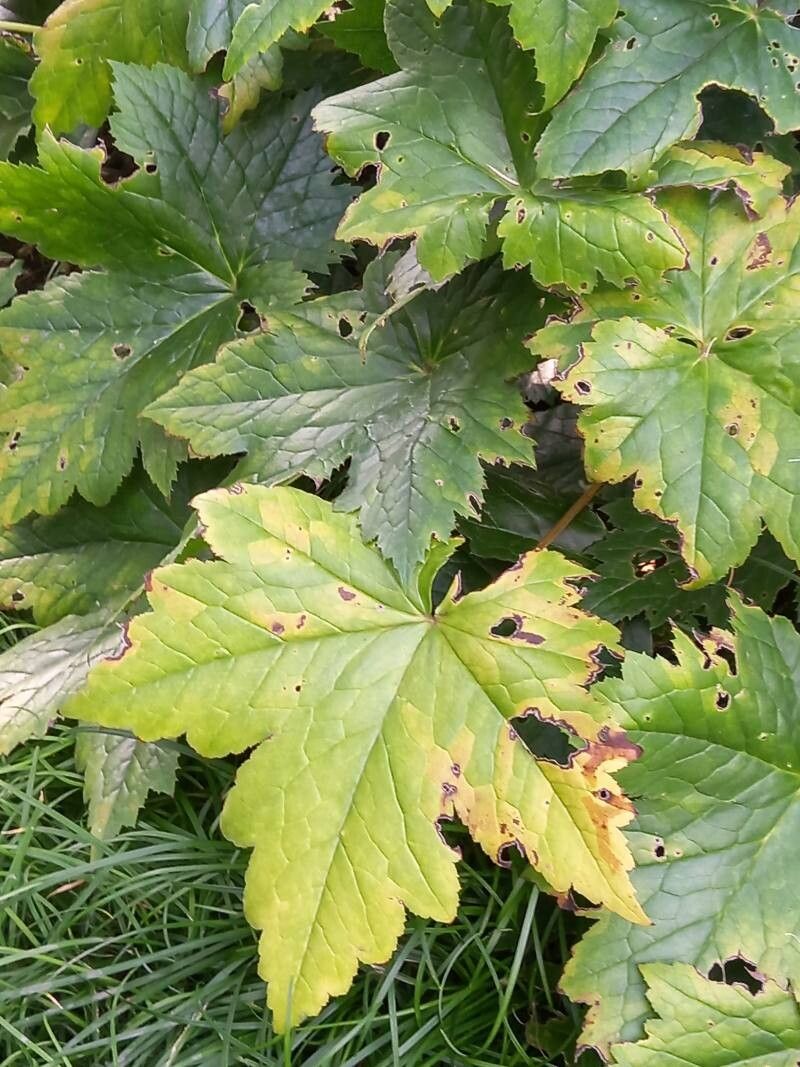
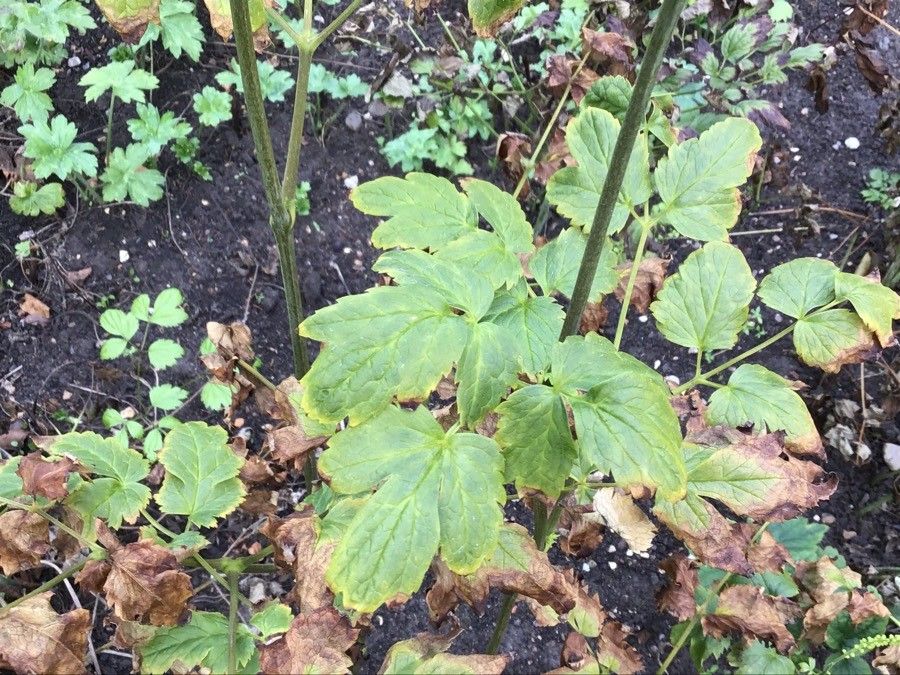
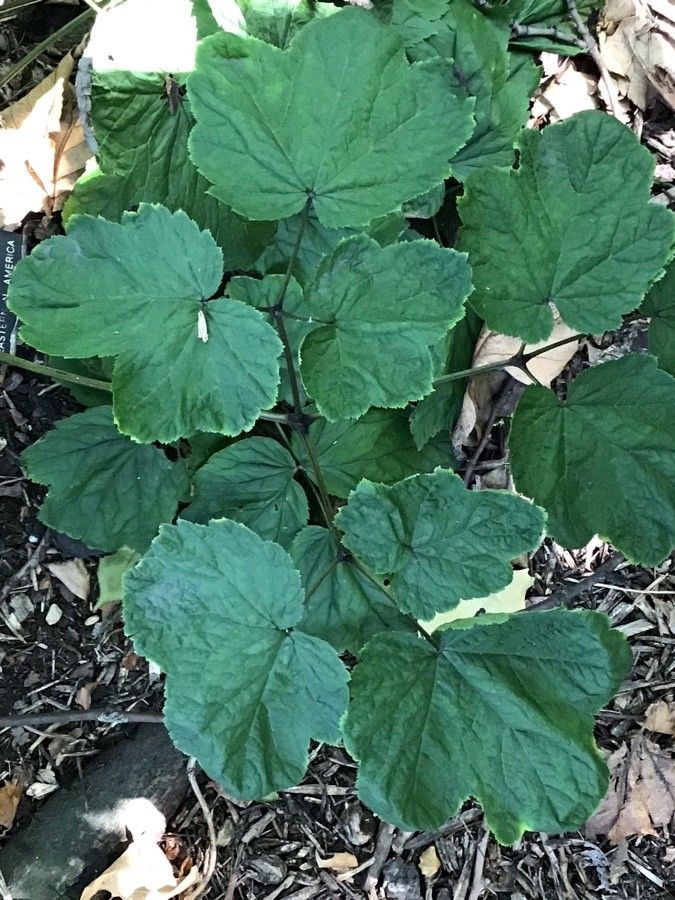
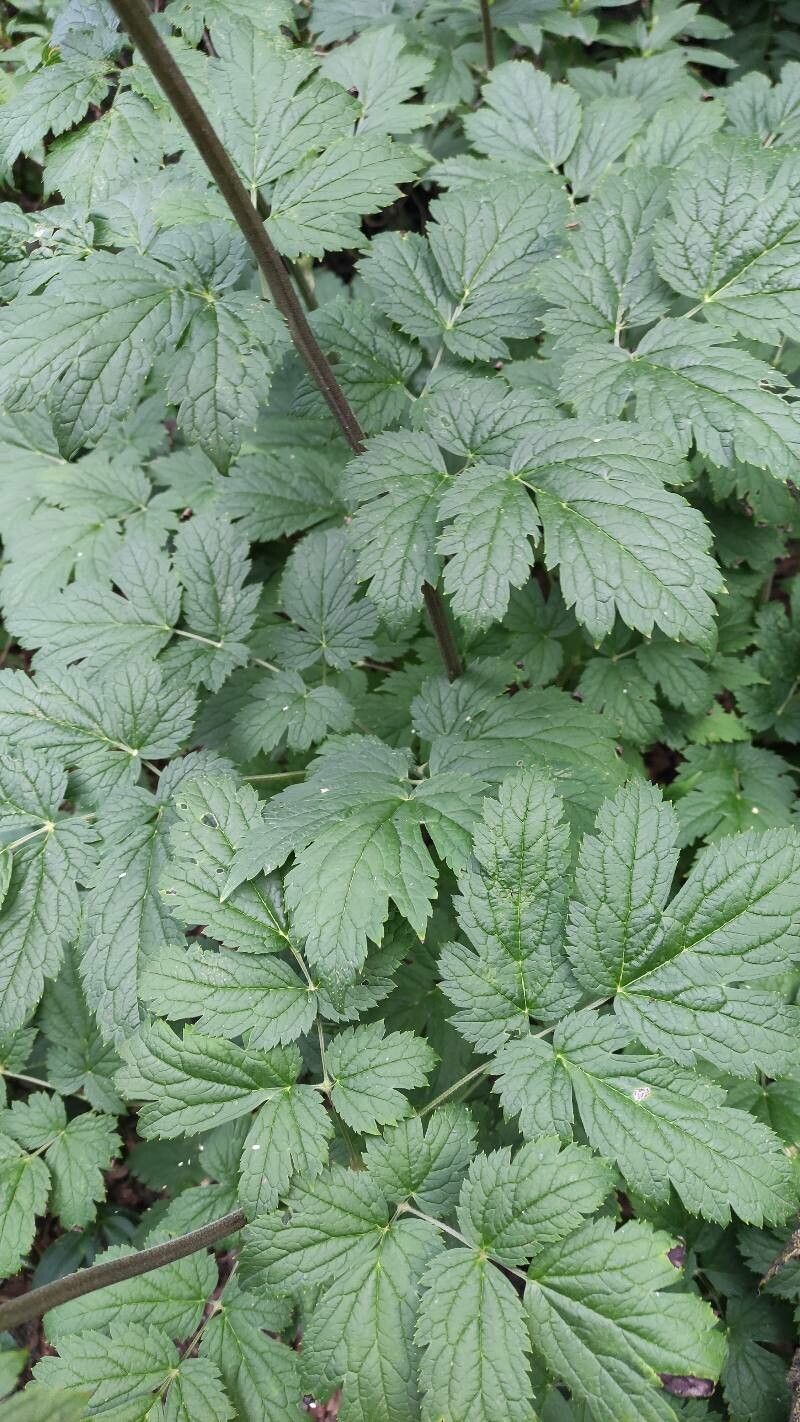
Deeply cut and serrated foliage starts as an emerald green and matures to a striking dark purple. In the fall, long and slender flower spikes, tinted pink and creamy white, rise above the foliage, releasing a pleasant fragrance. This herbaceous perennial is a standout in shaded borders, woodland areas, or cottage gardens.
Baneberry resists disease well and is typically not prone to illnesses. Nevertheless, it can be vulnerable to pests and diseases present in its environment; such infections are generally mild. In terms of care, the plant requires moderate maintenance. It should be pruned regularly to preserve a tidy appearance and support healthy growth. Fertilizing can also help encourage flowering. Baneberry is appropriate for anyone with outdoor space, like a garden or patio, and does not demand extensive gardening experience. It may need more attention if grown indoors.
How to keep Actaea Simplex.
Light
Baneberry grows best in moderate sunlight, though it can tolerate shadier locations — a trait likely inherited from its original shadowy habitat. Too much sun can impede its growth, and too little light may result in weak vegetative development.
Water
Baneberry is a plant native to cool forested areas and prefers soil that is moist yet well-drained, along with consistent moisture levels. Although it can tolerate moderate drought, it thrives best in environments with higher humidity. To encourage lush foliage and strong flowering, it is recommended to water it weekly, especially during its active growing season.
Temperature
Baneberry is native to regions with mild temperatures and prefers a temperature range of 41 to 90 °F (5 to 32 ℃). Seasonal adjustments may be necessary for extreme temperature fluctuations.
Fertilizer
The best time to fertilize a Baneberry is in early spring, when it is coming out of dormancy and beginning active growth. Fertilizing supplies essential nutrients for healthy development. Although Baneberry has relatively low fertilizer requirements, applying fertilizer annually can improve its survival and encourage stronger, longer-lasting flowers.
Pruning
Baneberry is a hardy perennial known for its tall, white flower racemes and attractive foliage. To ensure optimal growth, improve air circulation, and reduce disease, prune the dead stems in early spring. Then, shape the plant in late spring. Regular pruning not only enhances the plant's density but also boosts flower production. Always use clean tools when pruning.
Botanical profile.
- Plant Type
- Herb
- Life Cycle
- Perennial
- Genus
- Actaea
- Family
- Ranunculaceae
- Hardiness Zone
- 4-8
- Mature Height
- 1.52 m
- Mature Spread
- 61 cm
- Leaf Color
- Green
- Leaf Type
- Deciduous
- Flower Color
- White
- Flower Size
- 0.51 cm to 0.76 cm
- Bloom Time
- Mid summer
- Planting Time
- Spring
- Harvest Time
- Mid summer
- Native Area
- Russia, Japan, Mongolia, Koppen, South Korea, China
Other names.
Reader questions.
What are the sunlight requirements for Baneberry plants?
Baneberry plants exhibit different growth patterns based on their exposure to sunlight. They require partial sun, which is about 3-6 hours of sunlight daily, and can also grow in full shade areas where they receive less than 3 hours of sunlight. It's crucial to observe how sunlight moves through your garden to select the ideal spots that offer a harmonious balance of light and shade, ensuring the well-being of your Baneberries.
What is the ideal temperature range for growing Baneberry?
Baneberry thrives in mild environments, preferring temperatures ranging from 41 to 90 °F (5 to 32 °C). It has strong cold resistance and usually does not require special frost protection measures in winter. However, in regions where winter temperatures drop below -30°C, it's important to shield the plant by covering it with soil or straw and ensuring the soil is moist before the first freeze. This ensures that the plant has sufficient water throughout the winter and early spring.
What are the essentials for growing a healthy Baneberry plant?
The Baneberry plant thrives in moderate sunlight but can acclimate to lesser light conditions, a characteristic likely derived from its natural, shaded habitats. However, excessive exposure to sunlight can impede its growth, while too little sunlight may result in weak vegetative development. To supplement natural light, particularly in spaces that receive insufficient sunlight or during winter, artificial lighting can be a boon, promoting healthier and more robust growth. LED lights are recommended for their ability to provide specific wavelengths necessary for plant growth, with the needs varying based on the type of plant (full sun, partial sun, or full shade).
How does Baneberry react to low temperatures, and what are the solutions?
Baneberry is cold-tolerant and thrives best in temperatures above 5°C. While it can survive winters above -25°C, temperatures below -30°C may not show immediate damage but can lead to reduced or no sprouting in spring. The solution for any damage caused by low temperatures is to remove the parts of the plant that have failed to sprout in the spring.
What symptoms indicate insufficient light exposure in Baneberry plants?
When Baneberry plants receive inadequate light, they may exhibit several symptoms such as smaller new leaves, leggy or sparse growth, faster leaf drop, slower or halted growth, lighter-colored new leaves indicating a lack of chlorophyll, chlorosis (leaves turning yellow), sunscald (damage from intense light exposure), leaf curling as a defense mechanism against excessive light, wilting from increased water loss, and leaf scorching from too much sunlight. These symptoms highlight the plant's struggle to adapt to insufficient lighting conditions.
What happens to Baneberry in high temperatures, and how can it be managed?
In high temperatures, particularly above 32°C and reaching beyond 35°C, Baneberry's leaves may lighten in color, curl, become susceptible to sunburn, and in severe cases, the entire plant might wilt and dry out. Managing high-temperature stress involves trimming away sunburned and dry parts, relocating the plant to shadier locations, or using shade cloth to protect it from direct midday and afternoon sun. Furthermore, watering the plant in the morning and evening helps keep the soil consistently moist.
How can I address and remedy light exposure issues for my Baneberry plant both indoors and outdoors?
To optimize Baneberry plant growth and address light exposure issues, a gradual adaptation to changing light conditions is crucial. For indoor plants, you can shift them to sunnier spots each week until they receive the optimal 3-6 hours of direct sunlight daily or use artificial lighting, such as desk lamps or professional plant grow lights for at least 8 hours each day. For outdoor plants, gradually relocating them to sunnier areas each week can help avoid sunburn from sudden light intensity changes. Furthermore, reducing environmental obstructions that block sunlight, such as pruning trees or transplanting smaller plants to sunnier locations with better drainage, can significantly improve light exposure. Remember, parts of the plant affected by previous insufficient light may not recover, but new growth will be healthy with improved light conditions.
What is the botanical name of Baneberry?
The botanical name of Baneberry is Actaea simplex.