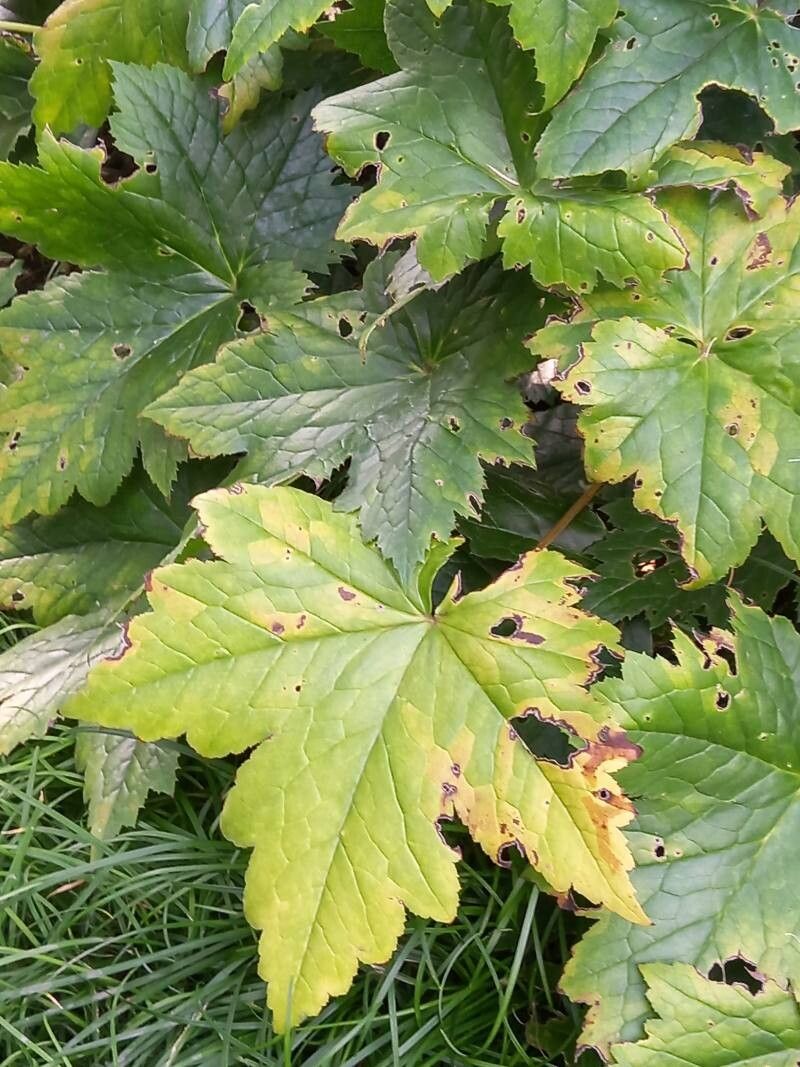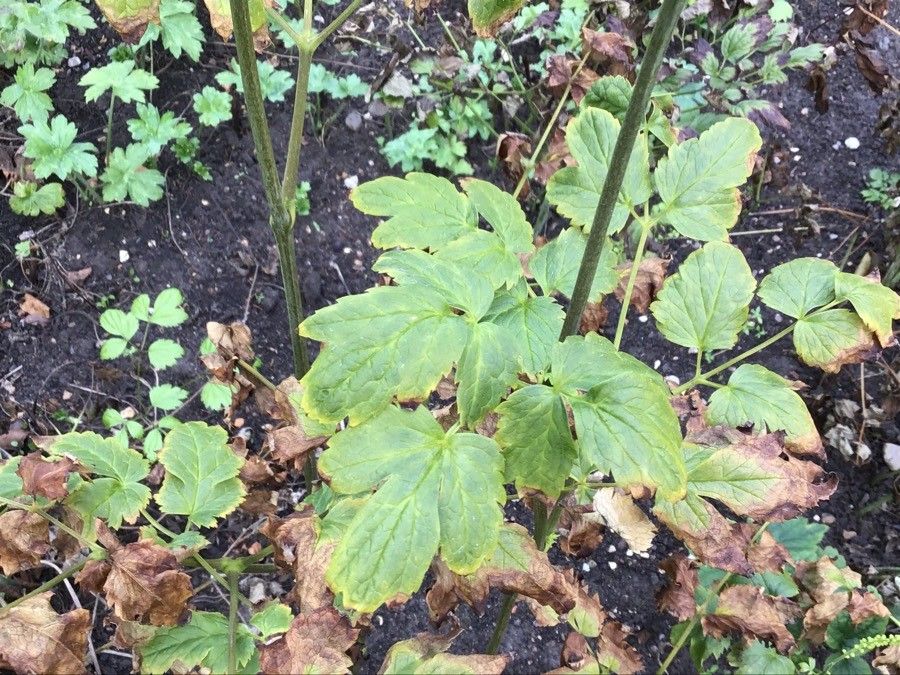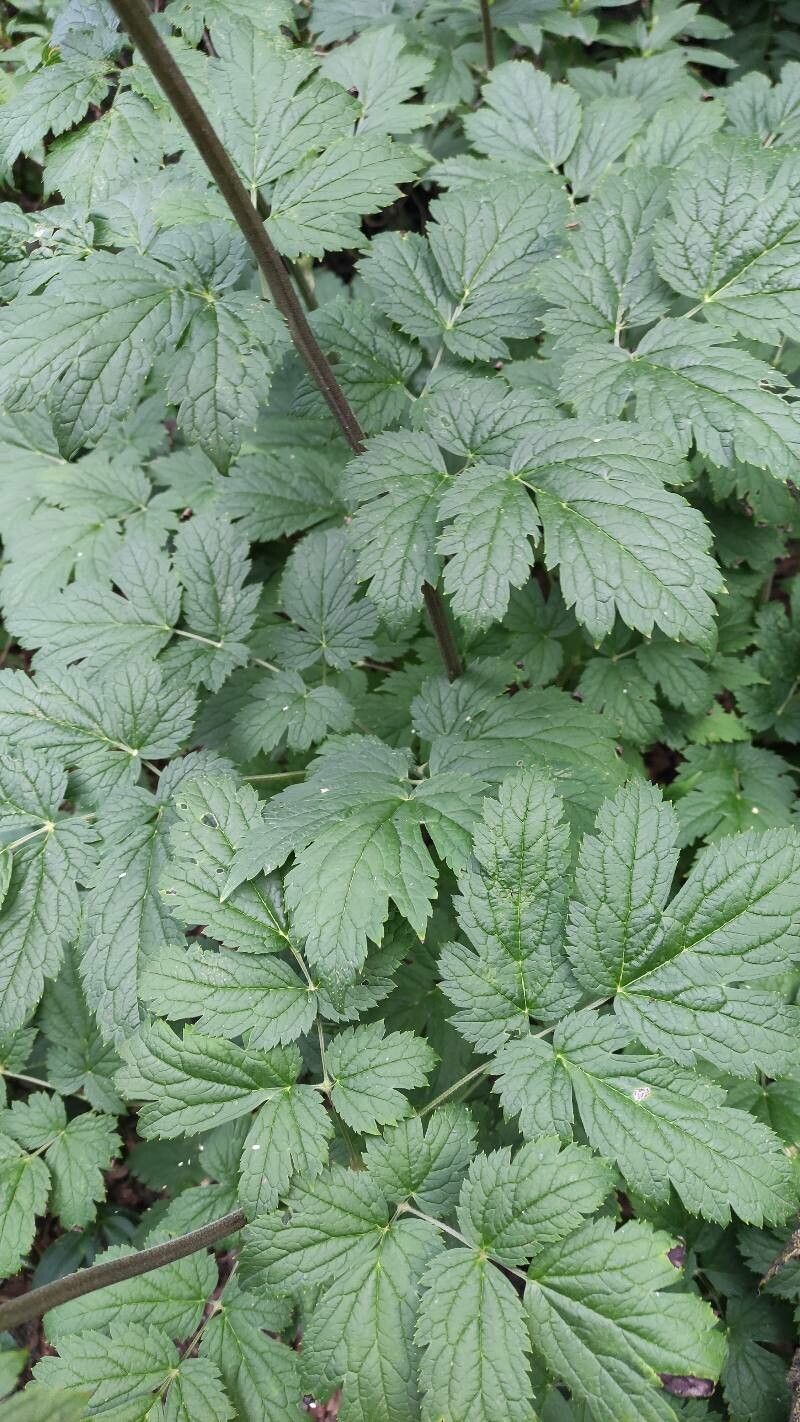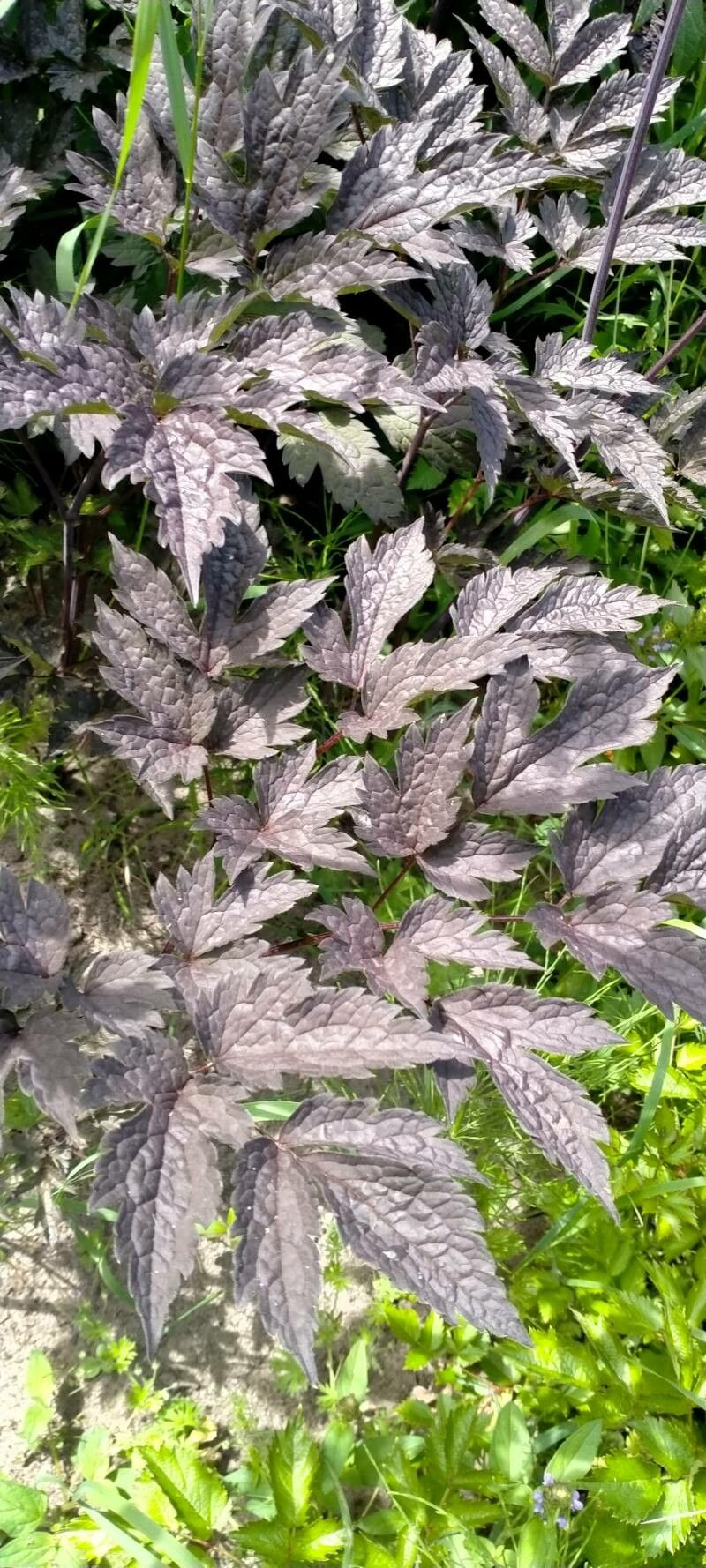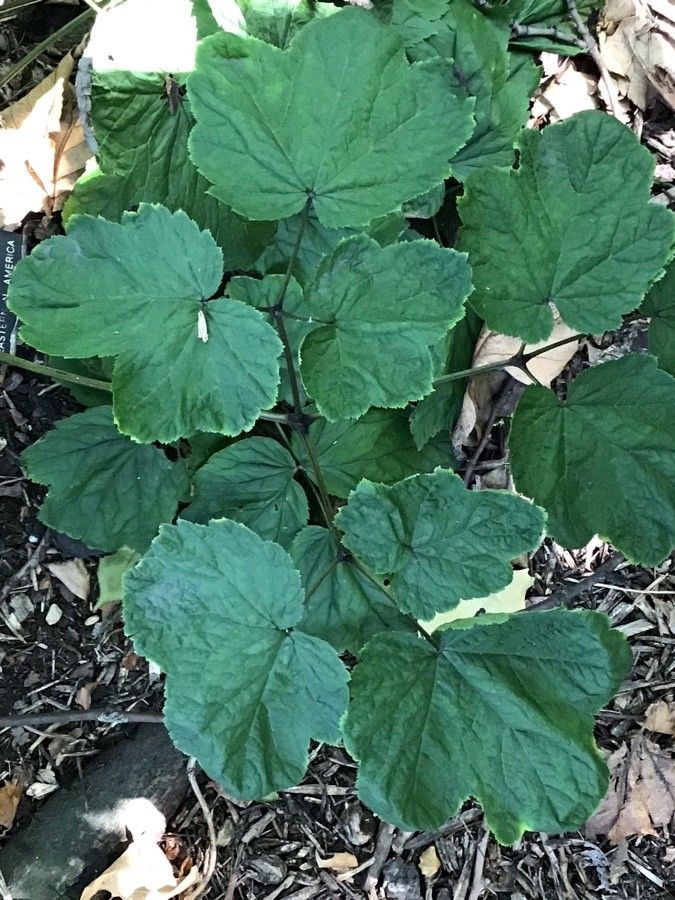
For much of the summer, Actaea, especially those with dark leaves, may go unnoticed in the shadow garden. These plants, often known as bugbanes, create a loose clump with serrated leaves that resemble those of the lacy Japanese maple (Acer palmatum dissectum). The plants send up stems with bottlebrush-shaped flowers that can be a foot long starting in the summer and lasting into the fall. The blooms do not have petals, and the fuzzy appearance is due to the fact that the flower is entirely made up of stamens. The faintly fragrant blossoms are attractive to butterflies but not to rabbits or deer.
Mountain bugbane has strong disease resistance and is generally not inclined to suffer from diseases. It can, however, be affected by pests and illnesses present in its environment. Such infections are typically not serious. Care-wise, the plant requires moderate maintenance. It should be pruned regularly to preserve its appearance and encourage healthy growth. Fertilizing can also help to encourage flowering. Mountain bugbane is appropriate for anyone with outdoor space, such as a garden or patio, and does not demand extensive gardening experience. It may need more attentive care when kept indoors.
How to keep Actaea Cordifolia.
Light
The mountain bugbane naturally grows in locales like forest undergrowth or stony regions where it naturally gains shade. It thrives best in partial sunlight, but exhibits resilience and adaptability by enduring full sun or complete shade, showing its robust and multifaceted characteristics.
Water
During the growing season, keep Actaea plants moist. They require around one inch of water every week, while not like marshy environments. Drought-stressed plants wilt quickly, and plants cultivated in dry conditions return smaller the next season.
Temperature
Mountain bugbane is capable of adjusting to diverse temperature environments, however, various combinations of hydration and warmth conditions may still constrain its distribution. It tends to flourish in hot climates during summer, given sufficient rainfall or irrigation. Long durations of cloudy and wet weather, along with sustained high temperatures, can heighten the chances of Mountain bugbane perish. During winter, adequate protection from cold can enhance the plant's likelihood of survival.
Fertilizer
The optimal period to apply fertilizer to a Mountain bugbane is during the beginning of spring, as it transitions from a dormant state to an active growth phase. Fertilizing offers essential nutrients that support vigorous growth. While Mountain bugbane doesn't require much fertilization, fertilizing it once a year could improve its longevity and encourage more robust and enduring flowers.
Pruning
This plant does not require a lot of pruning. When the tips start to die back, deadhead them. Cut the plant to the ground in the fall. With the spring thaw, it will reappear.
Botanical profile.
- Plant Type
- Herb
- Life Cycle
- Perennial
- Genus
- Actaea
- Family
- Ranunculaceae
- Hardiness Zone
- 3-8
- Mature Height
- 0.91 m to 2.44 m
- Mature Spread
- 0.61 m to 1.22 m
- Leaf Color
- Green
- Leaf Type
- Deciduous
- Flower Color
- White
- Flower Size
- 2.54 cm to 7.62 cm
- Bloom Time
- Early summer, Mid summer
- Planting Time
- Spring, Summer
- Harvest Time
- Late summer, Early fall, Mid fall
- Native Area
- North America