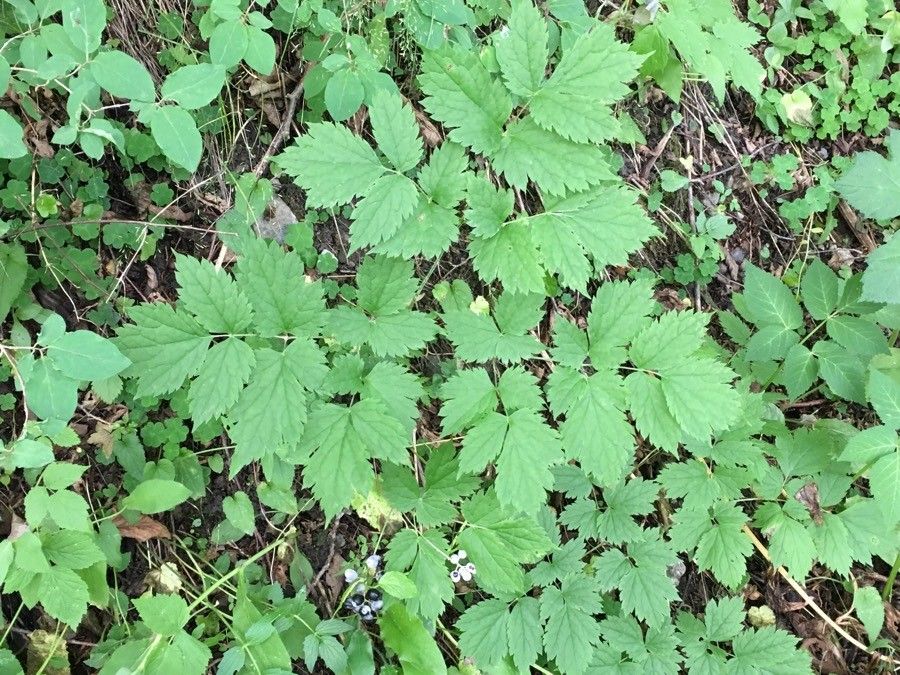
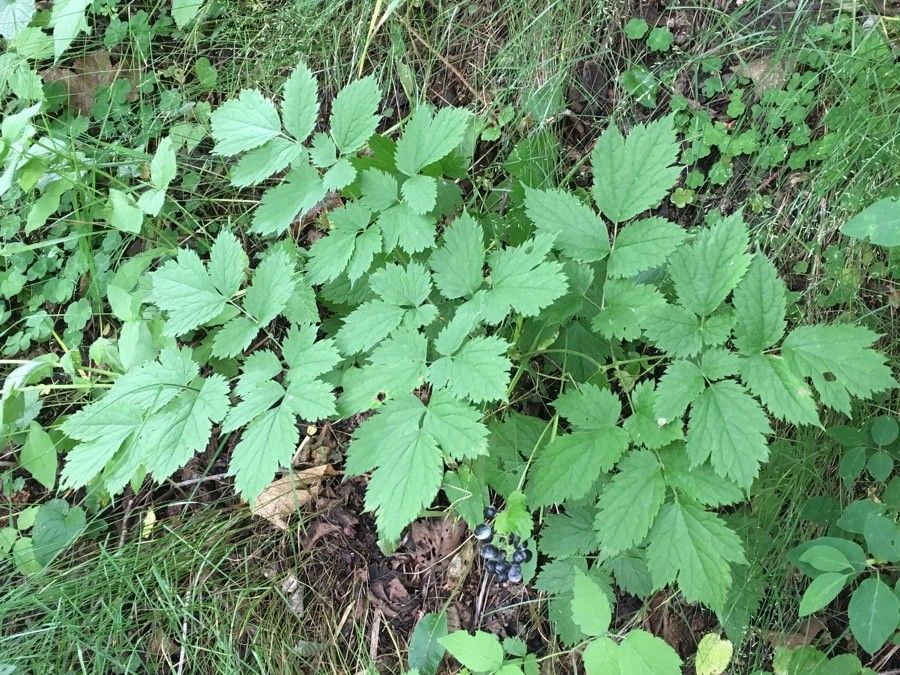
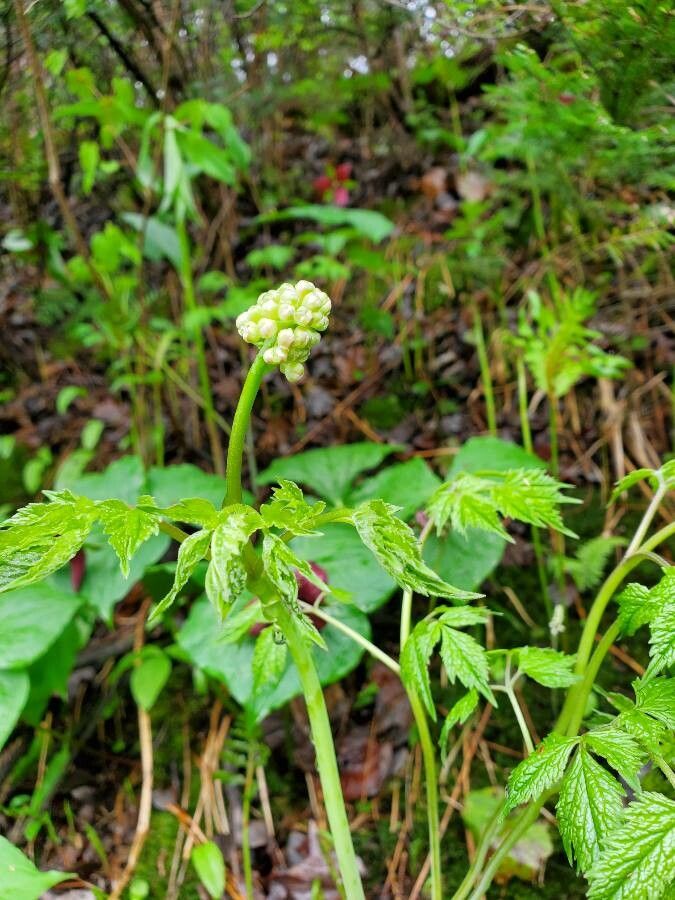
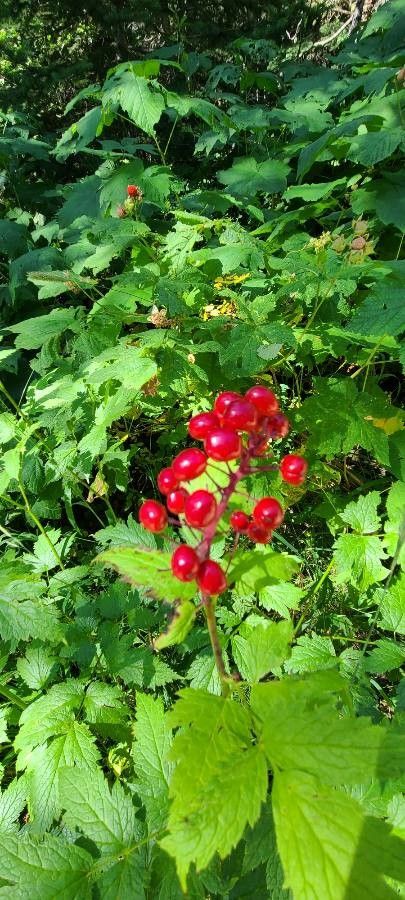
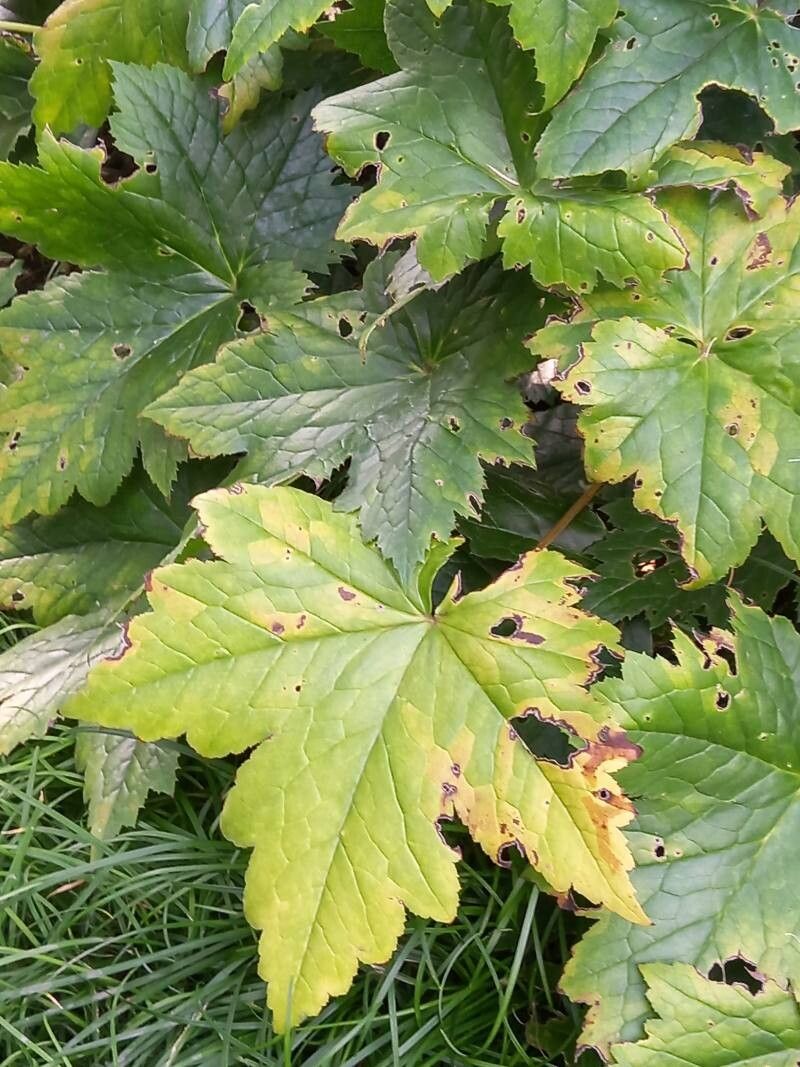
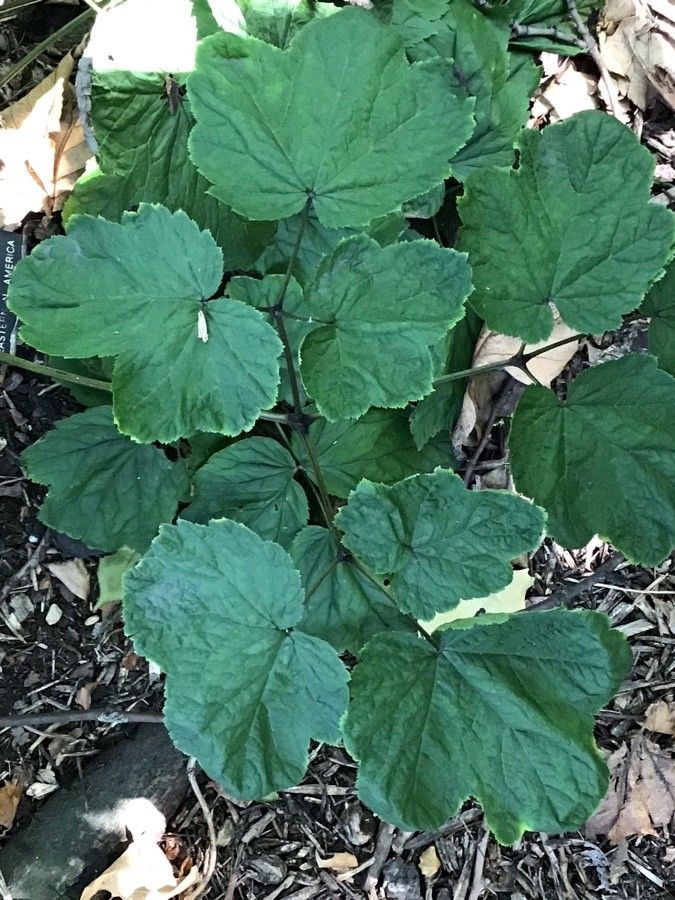
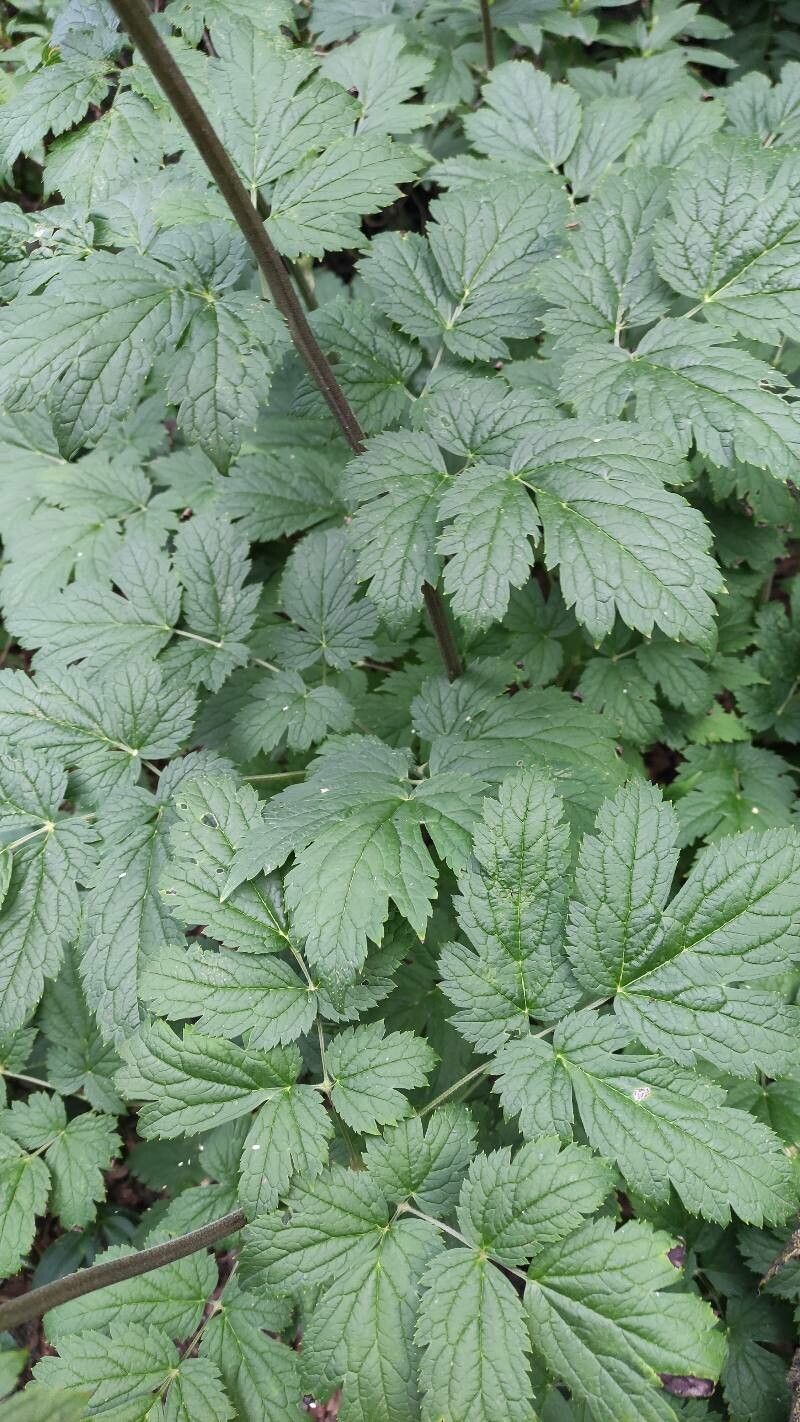
Actaea rubra, commonly known as red baneberry or doll's eyes, is a perennial herbaceous plant in the buttercup family. Native to North America, it thrives in moist woodlands and shaded areas. The plant can reach up to 60 cm in height and features large compound leaves with toothed edges. Its flowers are small and white or pinkish, and they form dense clusters at the top of the stem.
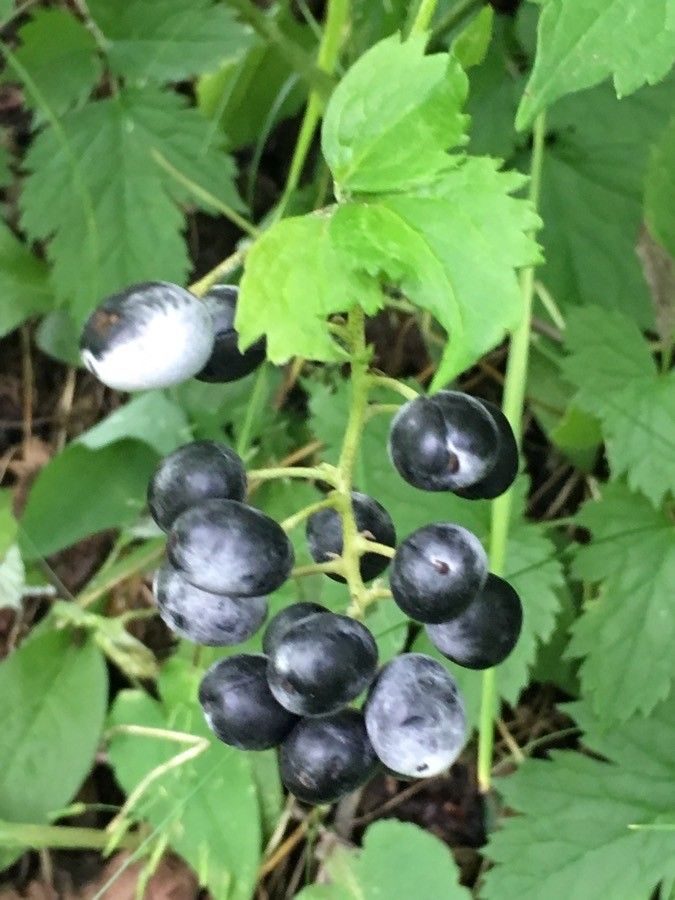
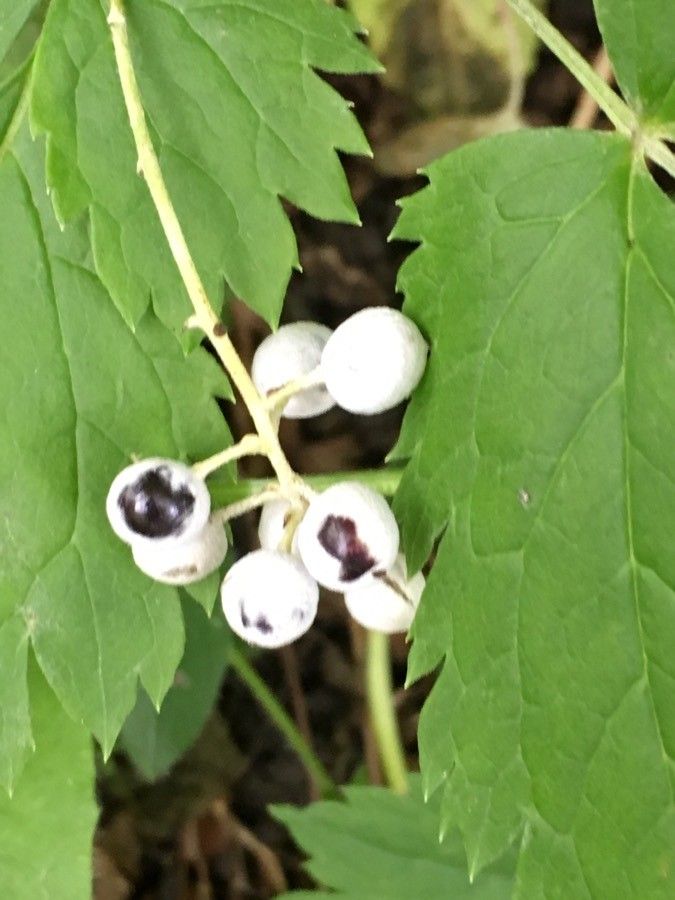
The most distinctive feature of Actaea rubra is its fruit, which resembles small white berries with black dots, giving the appearance of eyes. These berries are highly toxic to both humans and animals due to their high concentration of cardiogenic toxins.
Despite its toxicity, Native Americans have historically used Actaea rubra for medicinal purposes, treating ailments such as rheumatism and headaches. However, any use of this plant should be undertaken only with guidance from a qualified healthcare professional.
Overall, Actaea rubra is an intriguing but potentially dangerous plant that should be admired from a distance rather than consumed or handled without proper precautions.
Botanical profile.
- Plant Type
- Herb
- Life Cycle
- Perennial
- Genus
- Actaea
- Family
- Ranunculaceae
- Hardiness Zone
- 4-8
- Mature Height
- 40 cm to 76 cm
- Mature Spread
- 30 cm
- Leaf Color
- Green
- Leaf Type
- Deciduous
- Flower Color
- White
- Flower Size
- 0.08 cm to 0.13 cm
- Bloom Time
- Mid spring, Late spring, Early summer
- Planting Time
- Spring
- Harvest Time
- Early summer, Mid summer
- Native Area
- North America
Other names.