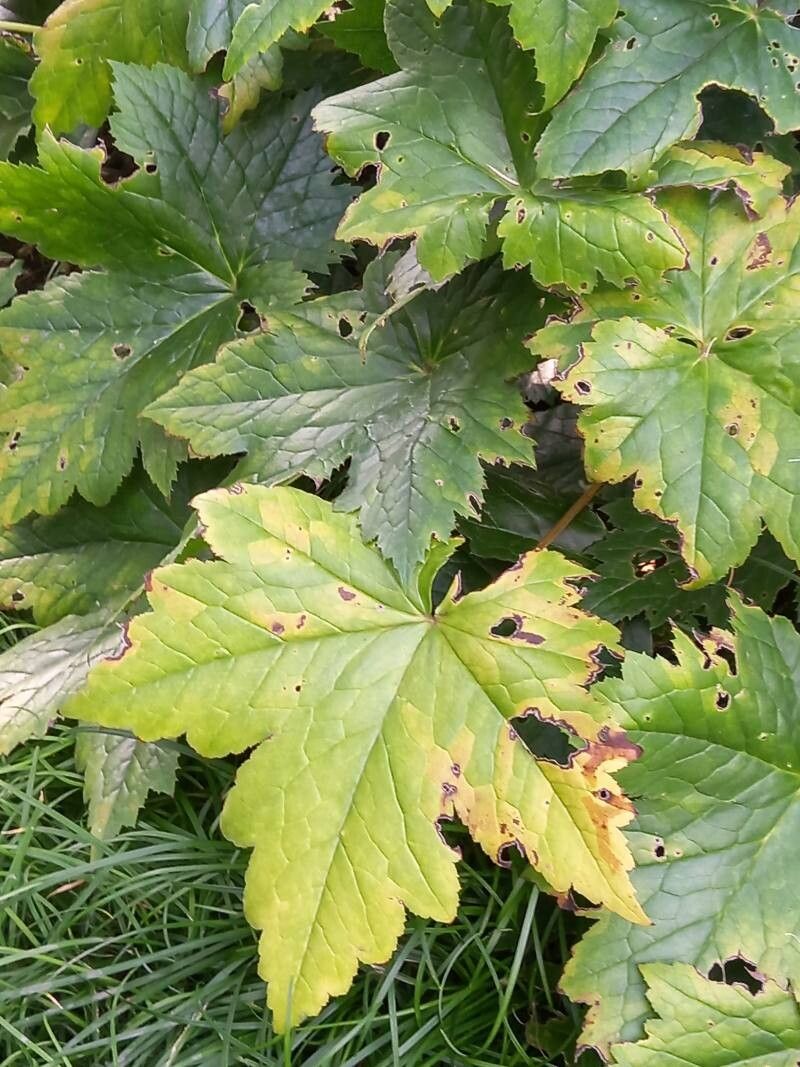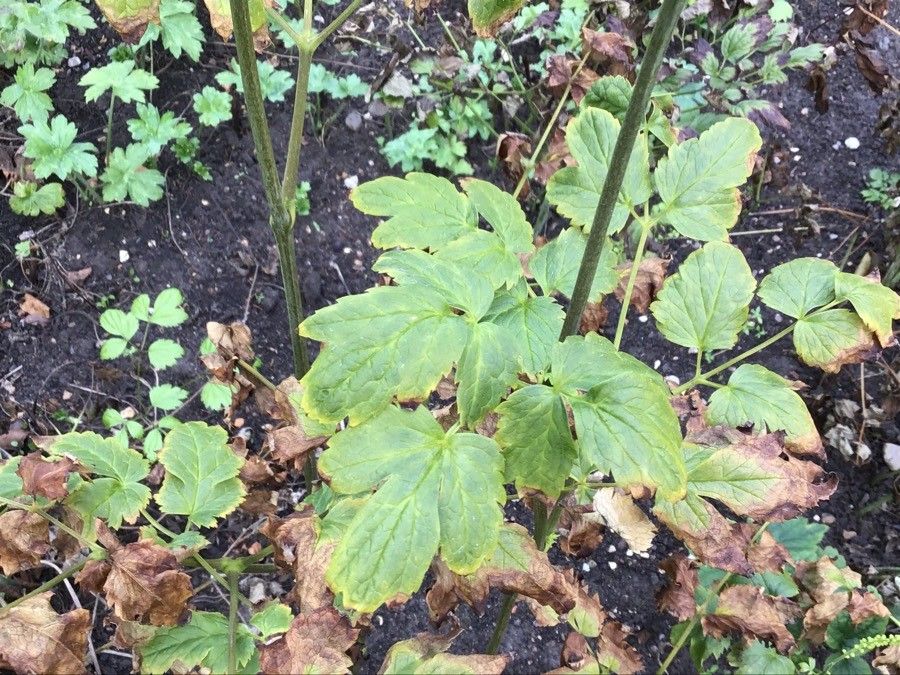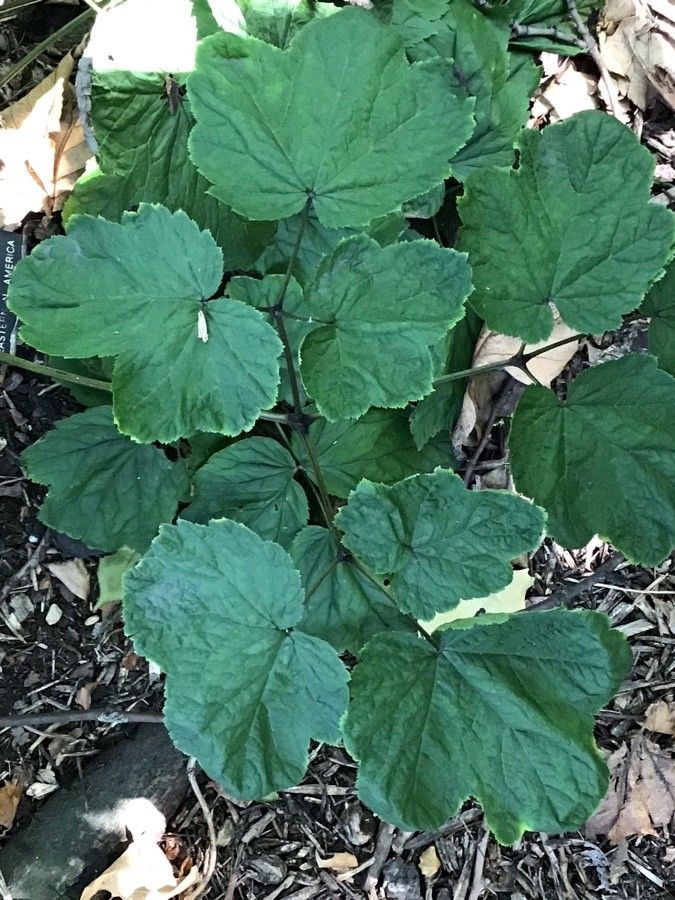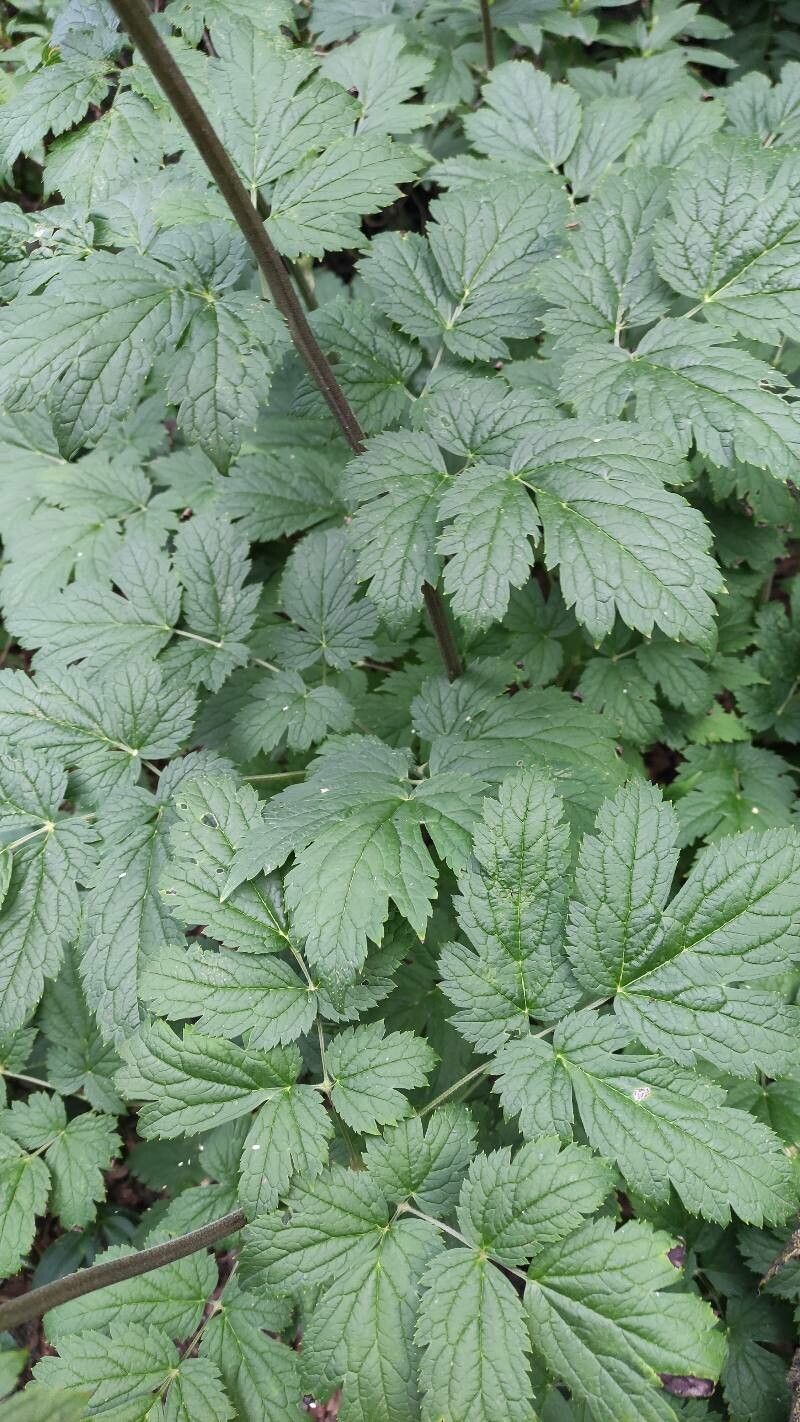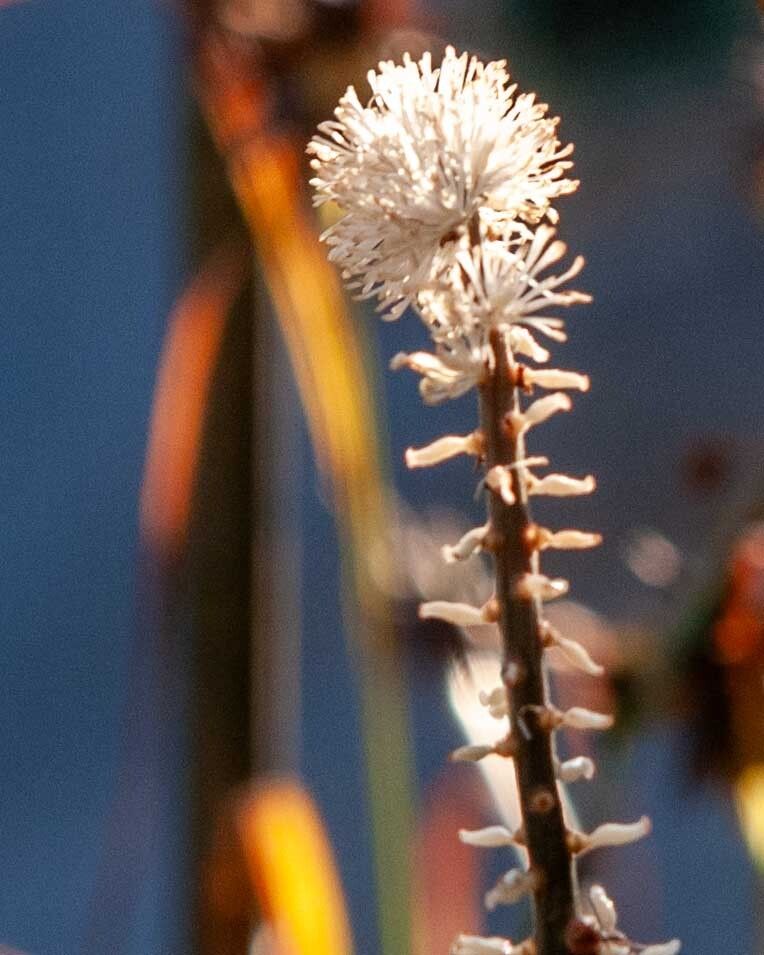
Actaea japonica, the Japanese bugbane, is a species of flowering plant in the family Ranunculaceae. It is native to central and southern China including Hainan, Jeju Island in South Korea, and central and southern Japan. A perennial, the Royal Horticultural Society considers it to be a good plant to attract pollinators.
Japanese bugbane has strong resistance to diseases and is, in general, not easily affected by them. Still, it can be vulnerable to pests and illnesses present in its environment. Such infections tend to be mild. Care-wise, this plant requires moderate maintenance. It should be pruned regularly to preserve its appearance and healthy growth. Applying fertilizer can also encourage flowering. Japanese bugbane is a good choice for anyone with outdoor space, like a garden or patio, and does not demand much prior plant-care experience. It may need additional attention if grown indoors.
How to keep Actaea Japonica.
Light
The natural habitats of Japanese bugbane include shady places like forest understories or rocky terrains. It thrives best in conditions of partial sunlight, but is capable of adjusting to either complete sunlight or full shade, showcasing its resilient and adaptable characteristics.
Temperature
Japanese bugbane is capable of adjusting to diverse temperature ranges, however, its spread might still be constrained by varying combinations of heat and moisture conditions. It flourishes optimally in warm summer climates coupled with sufficient rainfall or irrigation. Extended durations of overcast and rainy conditions, as well as sustained high temperatures, can heighten the risk of Japanese bugbane perishing. During winter, taking appropriate precautions against the cold can enhance the plant's chances of survival.
Fertilizer
The perfect moment to nourish a Japanese bugbane occurs in the early spring, as it transitions from dormancy into a period of vigorous growth. Providing fertilization ensures critical nutrients are present for its optimal growth. While the Japanese bugbane doesn't require much fertilization, yearly fertilization can increase its life span and aid in producing more vibrant and longer-lasting blooms.
Botanical profile.
- Plant Type
- Herb
- Life Cycle
- Perennial
- Hardiness Zone
- 4-8
- Mature Height
- 61 cm
- Mature Spread
- 61 cm
- Leaf Color
- Green
- Leaf Type
- Deciduous
- Flower Color
- White
- Flower Size
- 0.51 cm
- Bloom Time
- Late summer, Early fall
- Planting Time
- Spring, Summer
- Harvest Time
- Mid fall, Late fall
- Native Area
- South Korea, Japan, China