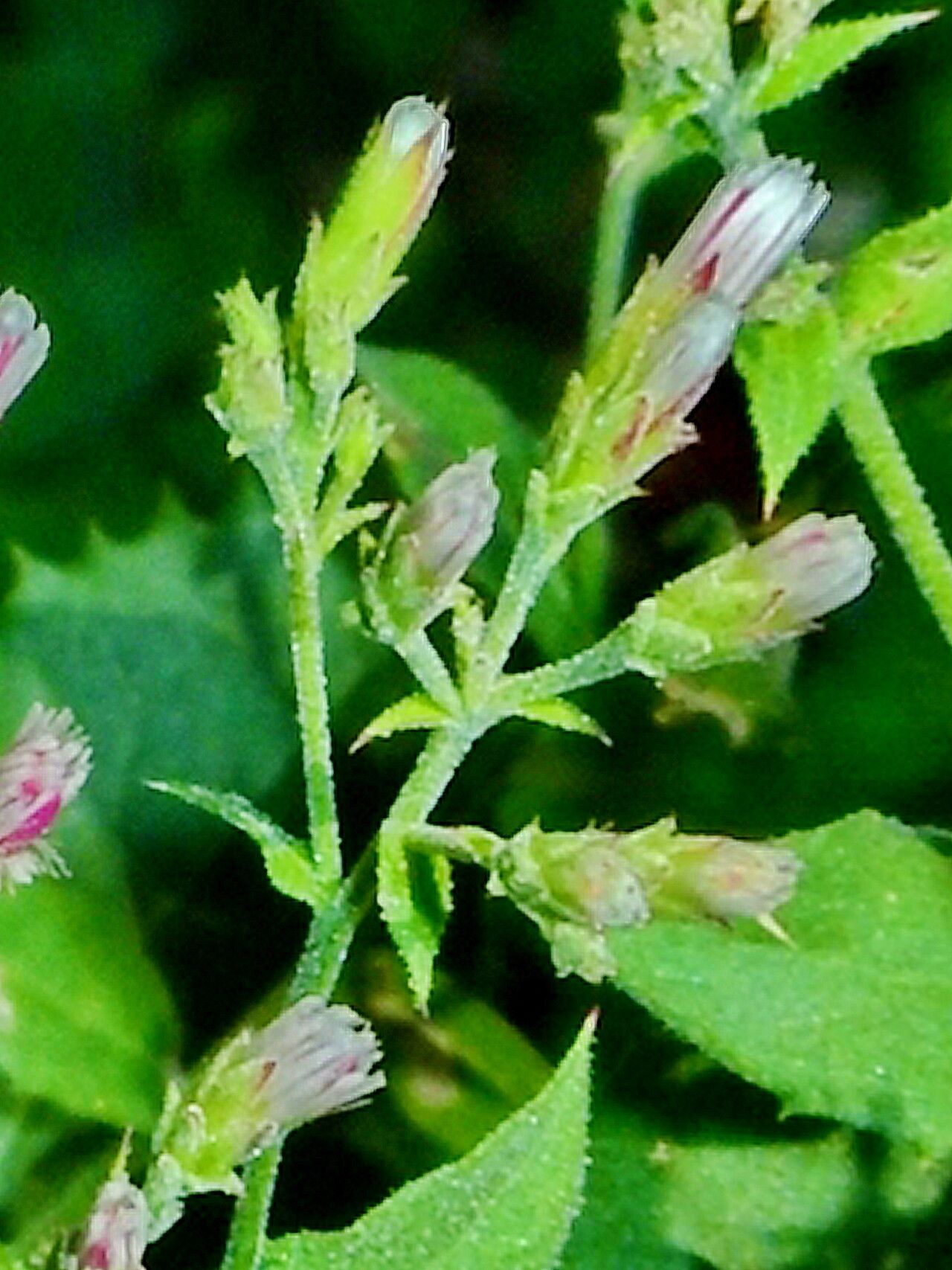
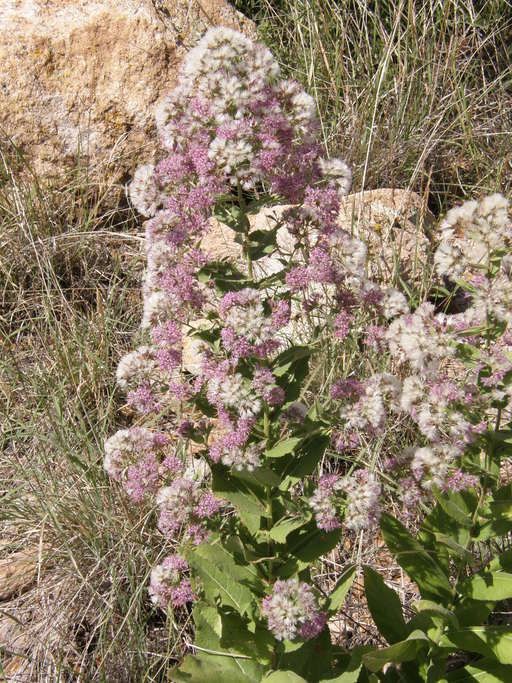
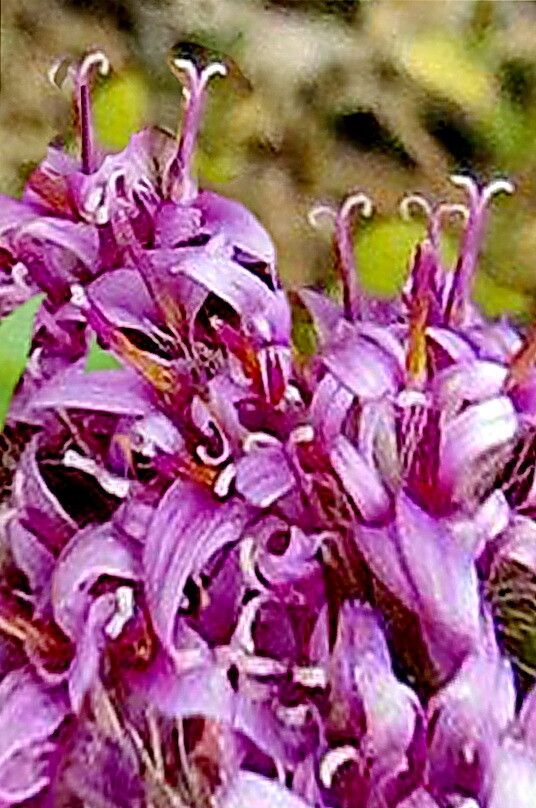
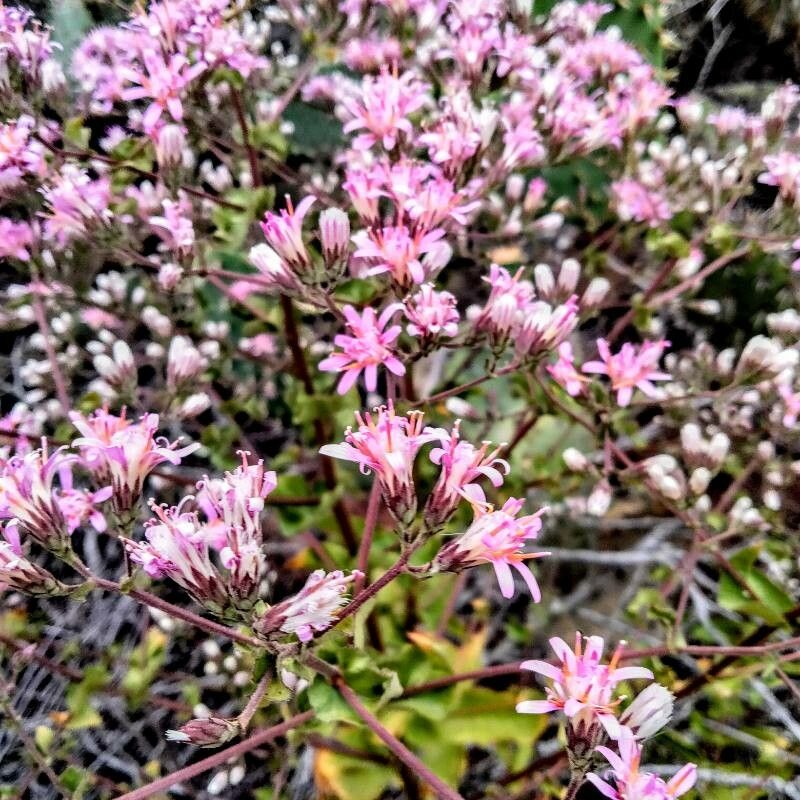
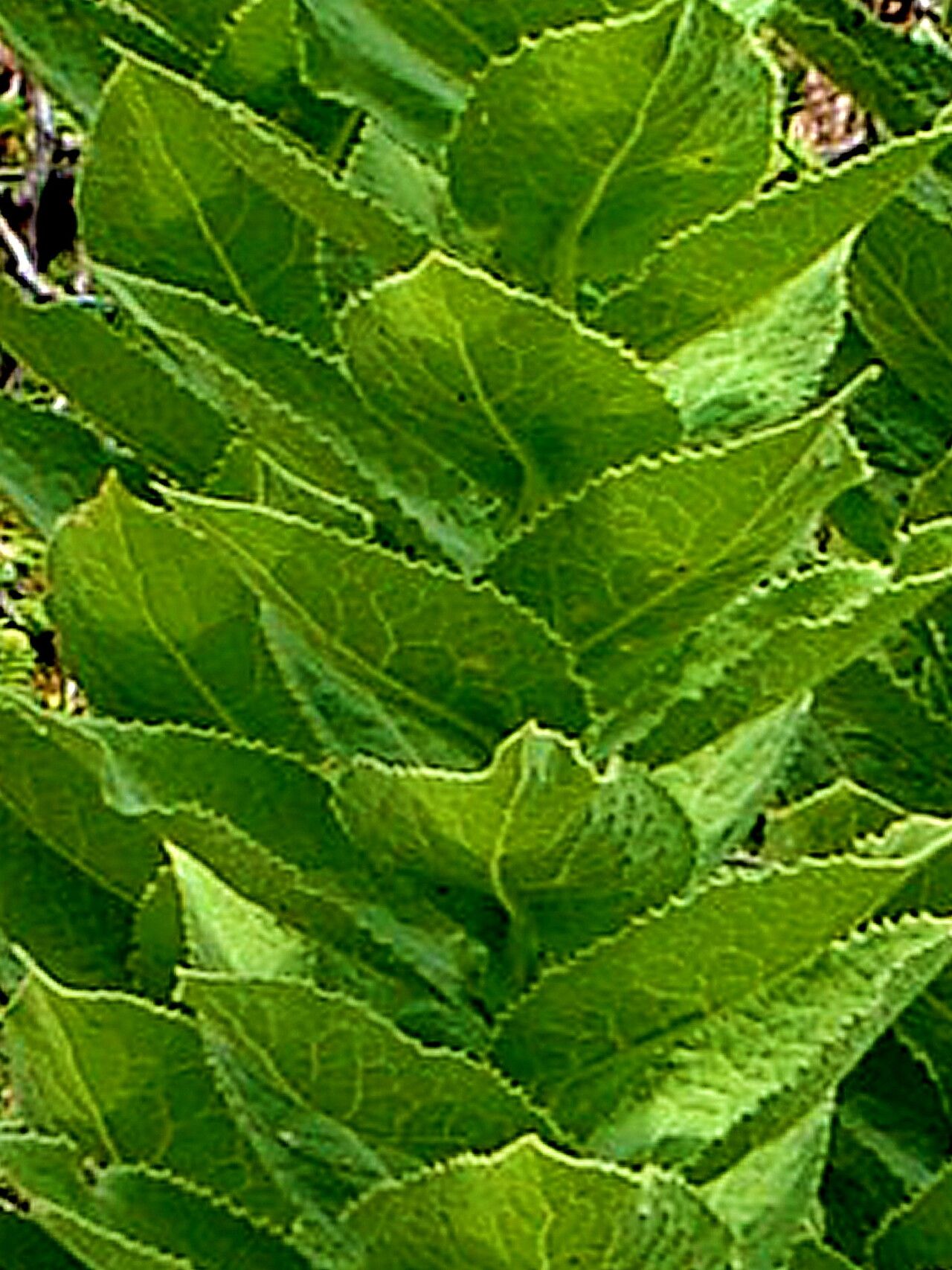
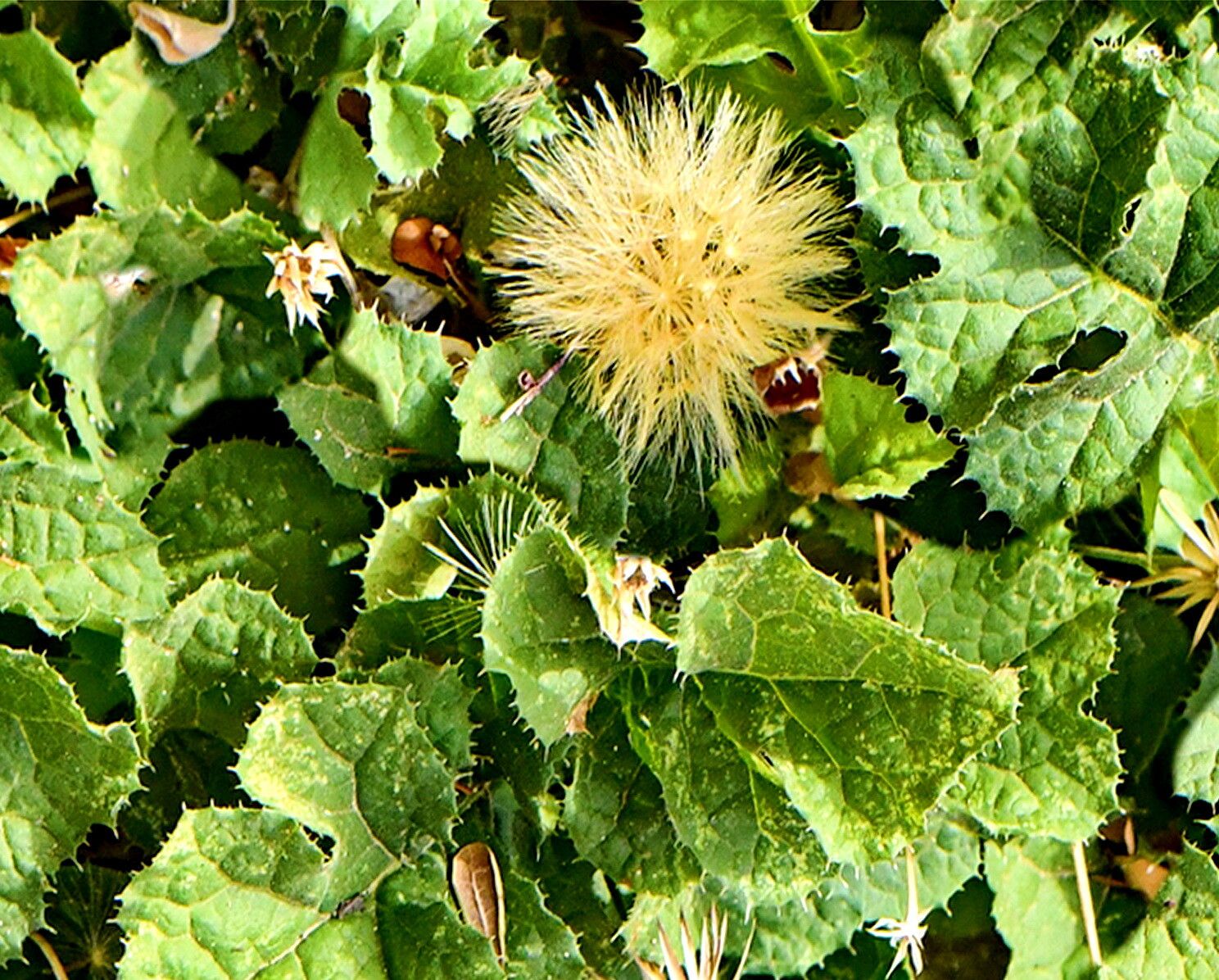
Acourtia thurberi, or Thurber's desertpeony, is a North American species of plant in the family Asteraceae. It is native to the Sonoran and Chihuahuan Desert regions in northern Mexico (Chihuahua, Sonora, Durango) and the southwestern United States (Arizona, New Mexico).
Thurber's desertpeony has strong disease resistance and is generally unlikely to develop illnesses. Still, it can be vulnerable to pests and diseases found nearby. Such infections are typically mild. Regarding care, this plant needs a moderate level of attention. Regular pruning is necessary to preserve an attractive appearance and vigorous growth. Applying fertilizer can also encourage blooming. Thurber's desertpeony is appropriate for anyone with outdoor areas like a garden or patio and does not demand extensive gardening experience. It may need additional care if kept indoors.
How to keep Acourtia Thurberi.
Light
The Thurber's desertpeony is a perennial herbaceous plant that adores the sun and is native to open landscapes, frequently flourishing in meadowlands and grassy expanses. While it is fond of full sunlight, it can also withstand partially sunny environments.
Temperature
Thurber's desertpeony has a high degree of flexibility in terms of temperature, capable of withstanding high temperatures and major temperature shifts. During hot weather, it's crucial to monitor its watering needs and give it sufficient shade to avoid sun damage. Nonetheless, Thurber's desertpeony's ability to endure cold temperatures is comparatively lackluster. It can cope with a certain amount of cold, but extremely cold conditions can result in frost injury.
Fertilizer
Typically, a one-time application of fertilizer in the spring is enough for Thurber's desertpeony, however, growth can be optimized with several feedings. Apply fertilizer every month to six weeks. Fertilizing improves the look and operation of the leaves, ensuring uniform color and vibrant texture. Furthermore, it encourages root development and the uptake of nutrients, which contributes to the plant's overall health over time.
Pruning
Thurber's desertpeony, a perennial shrub, benefits greatly from annual pruning in early spring. By removing damaged stems, you encourage the plant to become bushier, which in turn improves air circulation, promotes plant health, and enhances its visual appeal. To prevent disease and achieve the best results, make sure to use sanitized tools for clean cuts.
Botanical profile.
- Plant Type
- Herb
- Life Cycle
- Perennial
- Genus
- Acourtia
- Family
- Asteraceae
- Hardiness Zone
- 7-10
- Mature Height
- 0.91 m to 1.83 m
- Mature Spread
- 20 cm to 40 cm
- Leaf Color
- Green, Dark Green
- Leaf Type
- Deciduous
- Flower Color
- Pink, Lavender
- Flower Size
- 2.03 cm to 3.05 cm
- Bloom Time
- Late summer, Early fall, Mid fall
- Planting Time
- Spring, Summer, Autumn
- Harvest Time
- Mid fall, Late fall, Early winter
- Native Area
- Mexico
Other names.