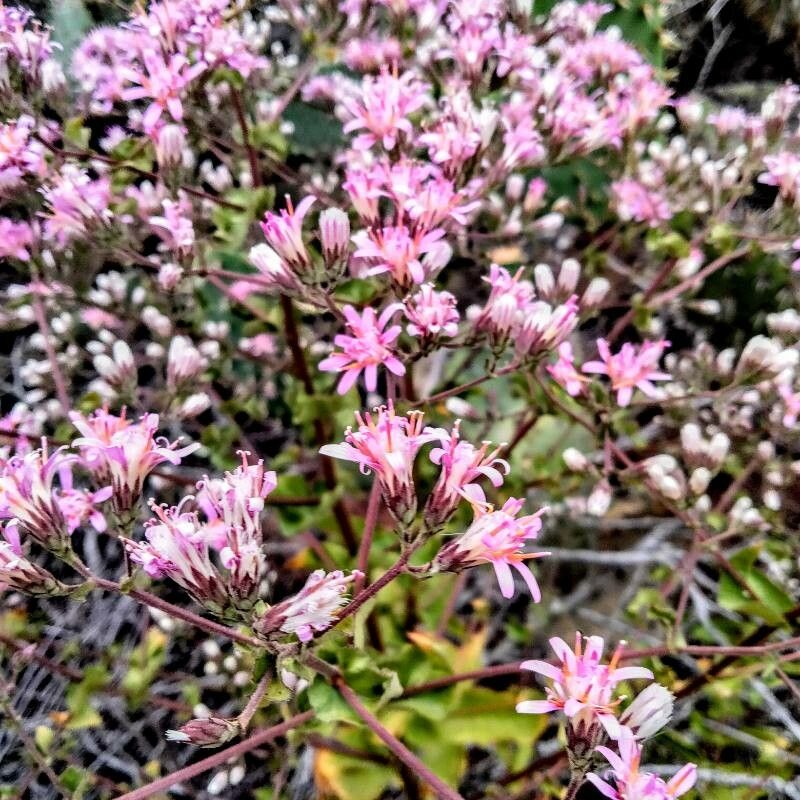
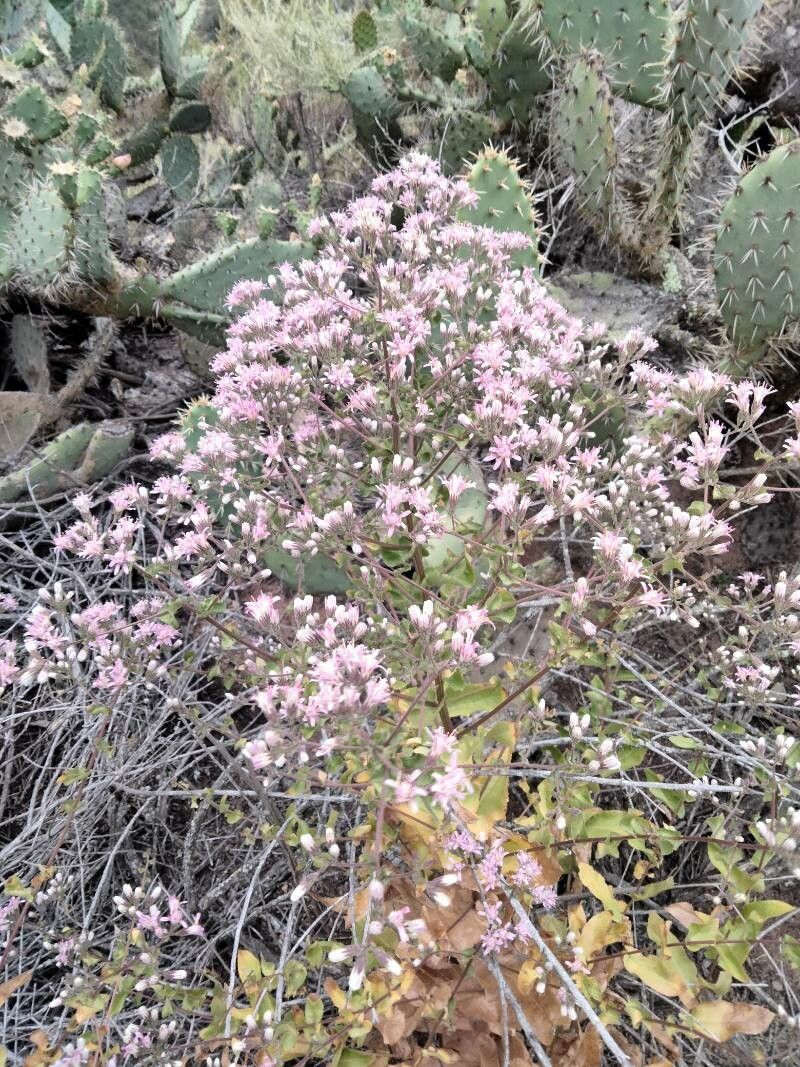
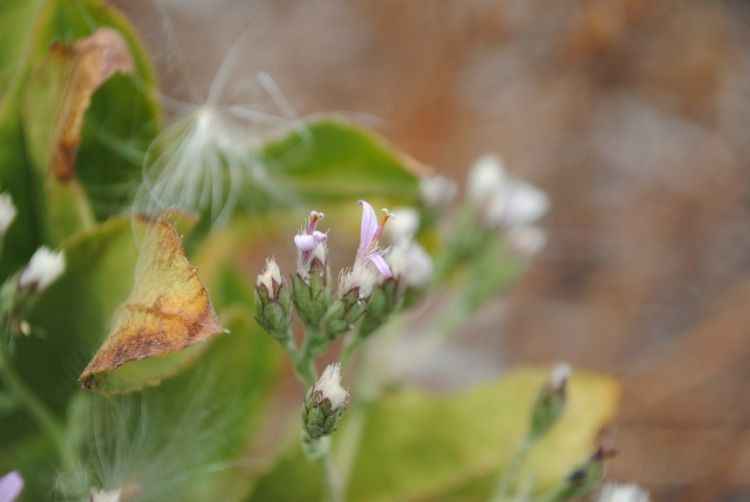
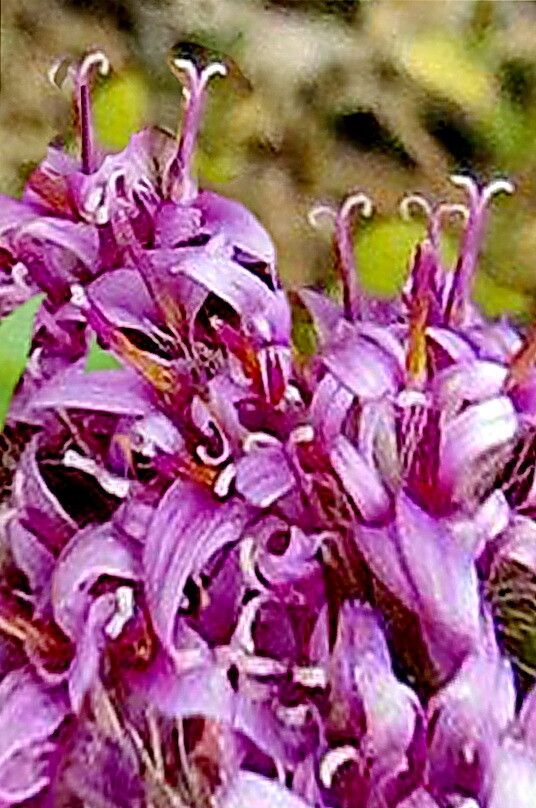
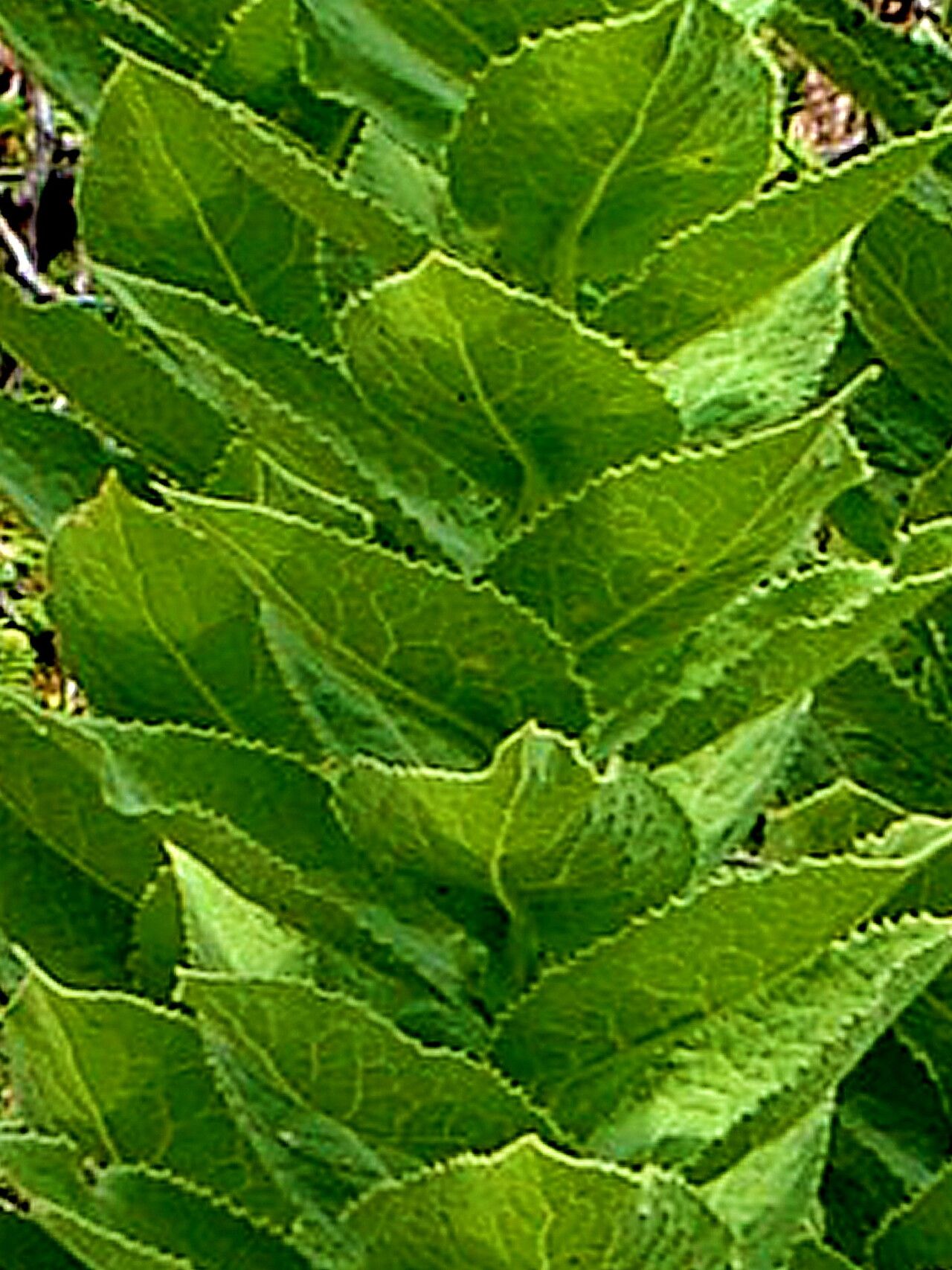
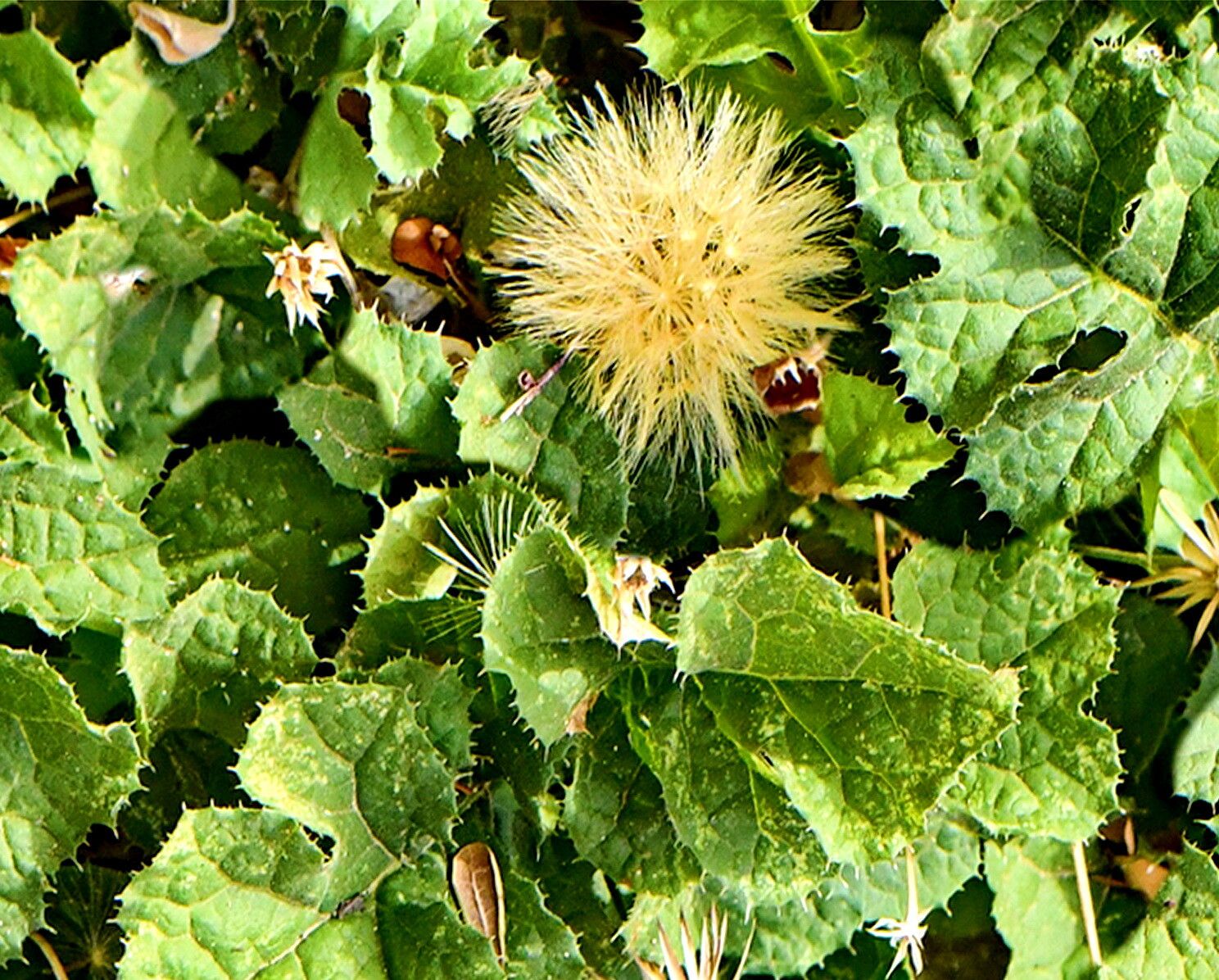
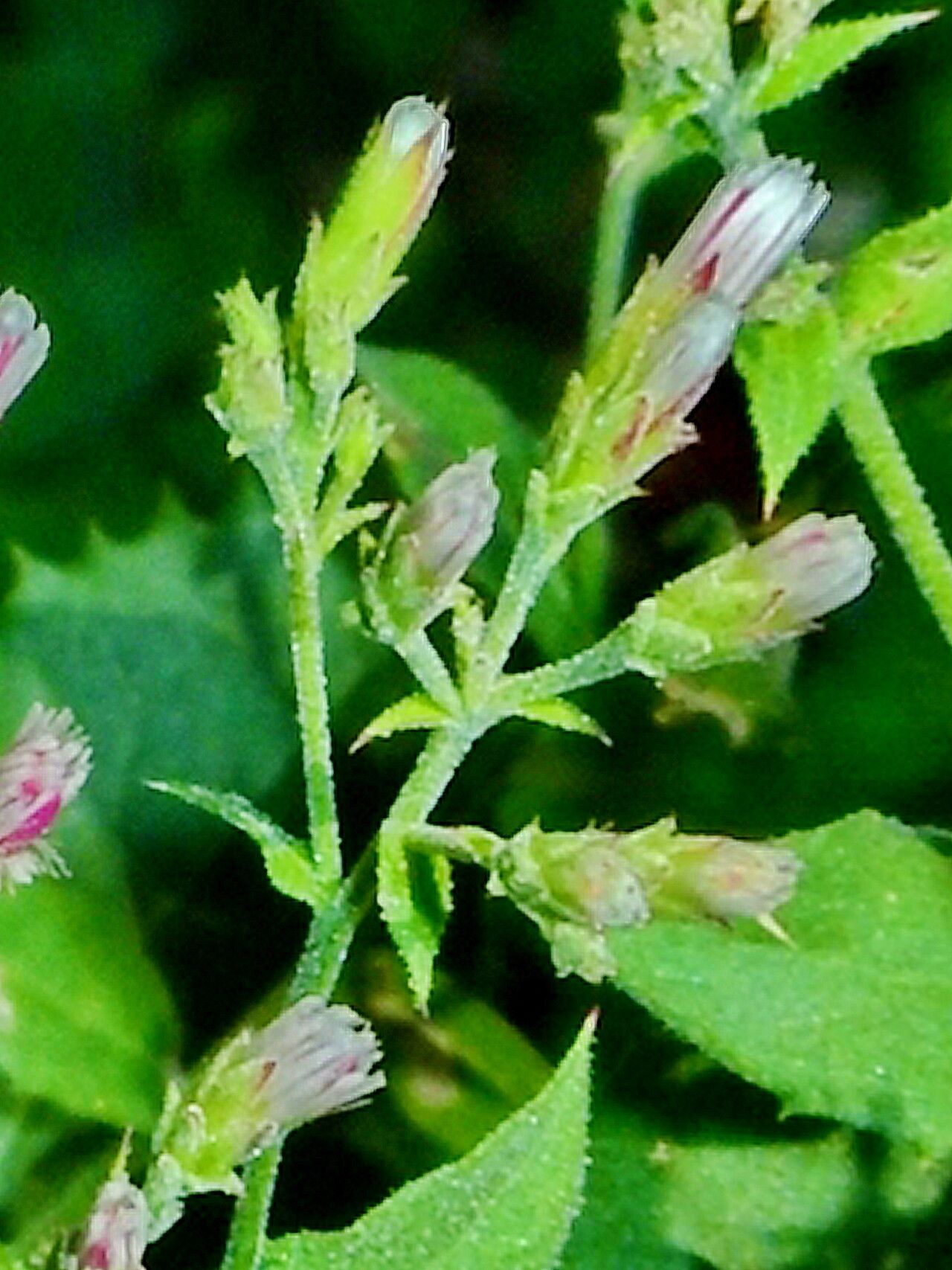
Acourtia microcephala, commonly known as the desert pink, is a perennial plant species belonging to the Asteraceae family. Native to the southwestern United States and northern Mexico, this plant thrives in desert regions, rocky slopes, and canyons. Typically, it reaches a height of 2-3 feet and spreads 1-2 feet wide. The leaves of Acourtia microcephala are gray-green with a hairy texture. Its pink-purple flowers bloom from late spring through early fall, growing on long stems that rise above the foliage. Well-regarded for gardens, Acourtia microcephala boasts showy flowers and impressive drought tolerance. It prefers well-drained soil with full sun exposure but can also withstand partial shade. Traditionally, Native Americans have used this plant for medicinal purposes, including the treatment of stomach ailments, fever, headaches, and respiratory problems. Overall, Acourtia microcephala is an excellent choice for gardeners seeking low-maintenance plants that add beauty to their landscapes while standing up to harsh environmental conditions such as droughts and extreme temperatures.
Sacapellote is fairly resistant to disease and usually does not suffer from illnesses. However, it can be vulnerable to pests and diseases present in its surroundings. These problems are typically minor. Regarding care, this plant needs moderate maintenance. It should be pruned regularly to preserve a neat appearance and support healthy growth. Fertilizing can also encourage it to flower. Sacapellote is suitable for anyone with outdoor space, such as a garden or patio, and does not demand extensive care experience. It may require more attention when cultivated indoors.
How to keep Acourtia Microcephala.
Light
Sacapellote flourishes with plentiful light. Its preference for abundant illumination reflects the habitat it comes from, where sunshine is common. Although Sacapellote can tolerate low light, that may hinder its growth and harm its health. For optimal development, it requires generous daily exposure to light.
Water
Sacapellote thrives in environments that provide consistent moisture, similar to its native regions with regular rainfall. To remain healthy, it needs to be watered weekly. Although it can adapt to different rainfall patterns, sacapellote does best in gardens that alternate between wet and dry periods. It doesn't require excessive water, but it isn't highly drought-resistant either.
Temperature
Sacapellote is native to regions with temperatures between 59 and 95 °F (15 to 35 ℃). This plant prefers a climate that reproduces that temperature range. Adjustments may be required to help sacapellote acclimate during seasons when temperatures fall outside this range.
Fertilizer
One application of fertilizer in spring is typically enough for Sacapellote, although repeated feedings can enhance growth. Feed every month to every month and a half. Fertilization improves the appearance and function of the leaves, helping maintain uniform color and a healthy texture. It also promotes root growth and increases nutrient uptake for long-term plant health.
Pruning
Sacapellote benefits greatly from being pruned annually in the spring. Start by removing any dead or damaged growth to promote the development of healthy new shoots. Then, trim back overgrown branches and thin out dense areas to improve air circulation. Pruning at the right time encourages vigorous growth and enhances flowering, which is essential for its ornamental appeal.
Botanical profile.
- Plant Type
- Herb, Shrub
- Life Cycle
- Perennial
- Genus
- Acourtia
- Family
- Asteraceae
- Hardiness Zone
- 7-10
- Mature Height
- 1.52 m
- Mature Spread
- 1.22 m
- Leaf Color
- Green, Dark Green
- Leaf Type
- Deciduous
- Flower Color
- Pink, Lavender
- Flower Size
- 1.02 cm
- Bloom Time
- Mid spring, Late spring, Early summer
- Planting Time
- Spring, Summer, Autumn
- Harvest Time
- Summer
- Native Area
- Mexico
Other names.
Reader questions.
How should I water my Sacapellote plant to keep it healthy?
To properly water the Sacapellote, it is recommended to use filtered water at room temperature. Tap water may contain harmful particles, so filtered water is preferable. Since the Sacapellote originates from a warm environment, it is important to avoid using cold water as it may shock the plant. Additionally, overhead watering should be avoided because it can cause issues with the foliage. Instead, it is advised to directly apply filtered room temperature water to the soil, ensuring that the soil becomes thoroughly saturated. This helps to moisten the roots and promote their spread in the soil, allowing them to gather necessary nutrients.
What kind of sunlight does Sacapellote need?
Sacapellote plants require full sun every day, with at least six hours of sunlight needed to keep their leaves, roots, and blooms healthy. While most perennials also need six hours of sunlight, certain species like the Orange Daylily or Giant Coreopsis can survive with just three hours of direct sunlight each day. However, it's important to note that these perennial flowering plants won't reach their full potential or thrive as well under less sunny conditions.
What temperature is best for Sacapellote?
The optimum temperature for Sacapellote varies depending on the season. In the growing season, which is when the plant starts to sprout, the temperature should ideally range from 65~80℉(18~27℃). If the temperature drops below 15℉(-10℃), the plant may suffer and its leaves might turn brown and wilt. However, Sacapellote can survive a brief cold snap with some assistance. During the warmer months, it's important to protect Sacapellote from excessively high temperatures. The plant's temperature threshold is 95-105℉ (35-40℃), anything beyond that can harm the foliage and blossoms, causing wilting, drooping, and even sunburn. Luckily, there are simple and effective methods to prevent this issue.
What should I do if I give my Sacapellote plant too much or too little water?
Both overwatering and underwatering can harm the health of your Sacapellote plant, but overwatering is more common. When the plant gets too much water, the leaves and stems may wilt and turn yellow. Overwatering for a long time can also cause diseases like root rot, mold, and mildew, which can be fatal. Underwatering is less likely because the Sacapellote plant can handle dry conditions, but it is still possible. In that case, the leaves will become brittle and brown. It's important to spot the signs of overwatering early. Some of the diseases caused by overwatering, like root rot, may not be fixable if you wait too long. If you notice early signs, reduce your watering immediately. Also, check if the soil drains properly and replace it with well-draining potting mix if it doesn't. On the other hand, if you see signs of underwatering, simply water the plant more frequently until those signs go away.
Can the sun cause damage to Sacapellote? How can Sacapellote be protected from damage caused by the sun and heat?
In warm climates, some Perennial Flowering Plants may struggle with excessive heat and suffer from sun damage. They can wilt, dry out, or even experience growth problems if they are consistently exposed to the intense afternoon sun. However, not all plants require protection from the light afternoon sun. For those that are harmed by intense afternoon exposure, it is recommended to provide them with some shade in warmer climates. Gardeners can achieve this by planting these plants in areas that do not receive direct heat during the afternoon, such as under trees or behind bushes.
The first-year or baby Sacapellote plants need a specific temperature.
If you have a Sacapellote plant that is in its first year outside, it may need extra care during the coldest months. Frost can cause severe damage to a first-year Sacapellote and prevent it from growing back healthy in the spring. To prevent this, the plant should be kept at a temperature of 40℉(5℃) or above. This can be achieved by either bringing the plant indoors for a month or two or using mulch or fabric barriers to protect it from frost damage. It is also important to plant the Sacapellote in a shadier area during the first year or two, as smaller and weaker plants struggle to maintain their own temperature in the heat. First-year Sacapellote should not receive more than five hours of direct sunlight per day, especially if the temperature rises above 80℉(27℃). Using shadecloth and regularly watering or misting the plant are effective methods for controlling heat in the summer.
How frequently should I water my Sacapellote?
If your Sacapellote plant is in a pot, you can use a simple method to determine if it needs water. Just stick your finger into the soil and if the top two to three inches feel dry, it's time to water. The same method can be applied if you're growing Sacapellote outdoors in the ground. When the first few inches of soil dry out, it's a sign to give it some water. Usually, during spring and early fall, watering once a week is sufficient. However, in extremely hot weather, you may need to water it twice or more per week. It's worth noting that mature, well-established Sacapellote plants can handle drought conditions quite well.
Do I need to protect Sacapellote from the sun?
Certain perennial plants require ample sunlight to reach their maximum bloom. However, in warmer climates, some of these plants actually benefit from less sun. For instance, individuals residing in hotter regions might find it beneficial to shade their flowering perennials during the intense afternoon sun, especially during summer months. Although many perennial flowering plants prefer partial shade in the hottest climates, there are exceptions. Take the Giant Coreopsis, for example, as it is not bothered by excessive sun exposure. These plants can flourish even when placed in the full sun during scorching weather.
How can I keep Sacapellote safe from really hot or cold temperatures?
If you experience cold temperatures (below 15℉(-10℃)) while growing Sacapellote, there are a few steps you can take to protect it from frost or cold damage. If you're growing it in a container, bring the container inside until the temperatures rise above the lower threshold. If it's planted in the ground, you can use mulch or horticultural fabric to create a barrier to insulate the plant and shield it from frost and cold wind. On the other hand, if the temperatures rise above 80℉(27℃) in the shade during the day, you need to take precautions with Sacapellote. Limit its exposure to direct sunlight to six hours or less per day, preferably in the morning. Setting up shade cloth or a fine plastic mesh can help reduce the amount of sunlight it receives during the hottest parts of the day. Additionally, you can install a misting system that releases cooling mist around the base of the plant during the day to lower ground temperatures.
How much water does my Sacapellote fish require?
When watering your Sacapellote, don't hold back on the amount of water you give. Make sure the top two to three inches of soil are dry before watering. It's best to thoroughly water the plant, ensuring that the soil is completely soaked. The water should be enough to make the excess flow out through the drainage holes at the bottom of the pot. If you don't see any excess water draining, it means you haven't given enough water. However, be careful not to let water accumulate in the soil as this can harm the plant. On the other hand, if water doesn't drain well through the pot, it's a sign of poorly draining soil, which is not good for the plant's health. Finally, if the plant is outdoors, it only needs about 1 inch of rain per week.
What will happen if Sacapellote doesn't get enough sunlight?
If your Sacapellote plants are not receiving sufficient sunlight, you will observe signs of their inadequate requirements. Generally, these plants will produce fewer blooms than they would under full sun exposure. While some plants may develop dry spots on their leaves, most of them will still bloom, albeit with smaller and less full flowers.
Suggestions on the ideal temperatures for Sacapellote during the dormant season.
Sacapellote requires a specific amount of cold during the winter to remain dormant until it's time to sprout. If it sprouts too early, before the last frost has passed, it can be fatal, especially if it's already started growing when the frost occurs. Ideally, winter temperatures should be below 32℉(0℃), but up to 40℉(5℃) is acceptable. However, in mild climates like woodland rainforests, there can be unexpected warm spells that cause Sacapellote to sprout prematurely. If there's still a risk of frost, you can cover it with clear plastic on stakes to protect the new sprout. This cover can be removed once the frost danger has passed. Occasionally, Sacapellote can naturally sprout at the right time, but using this method increases the chances of successful second sprouting.