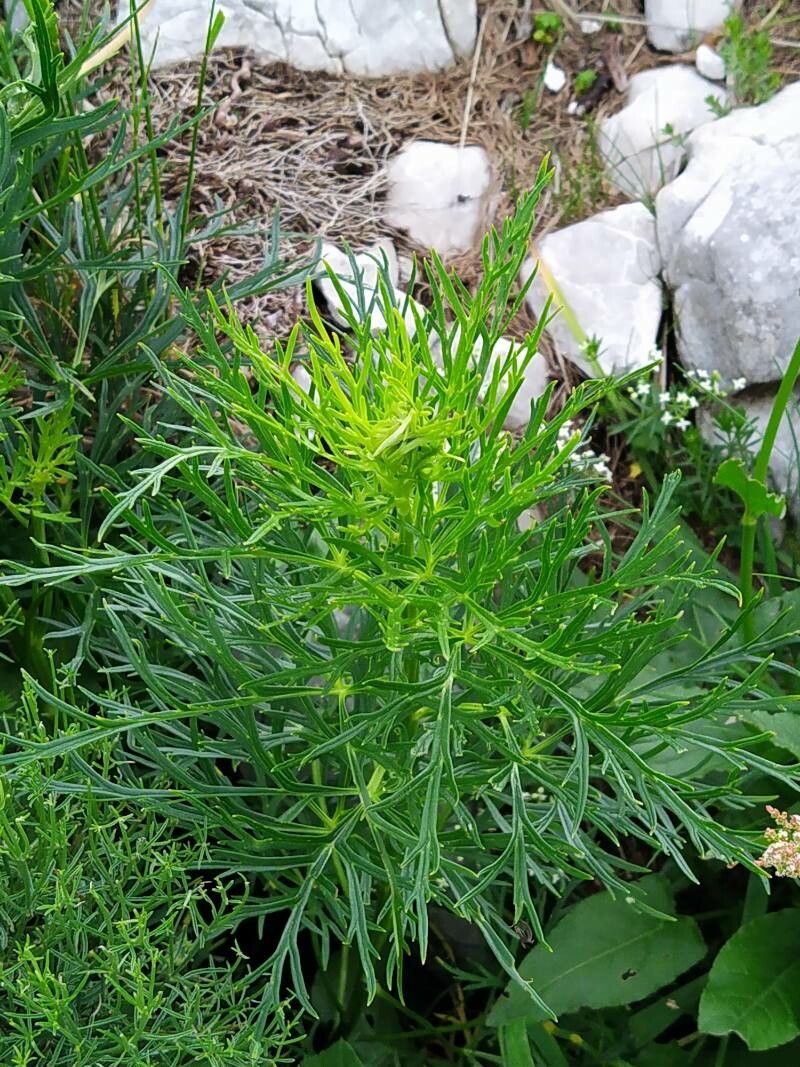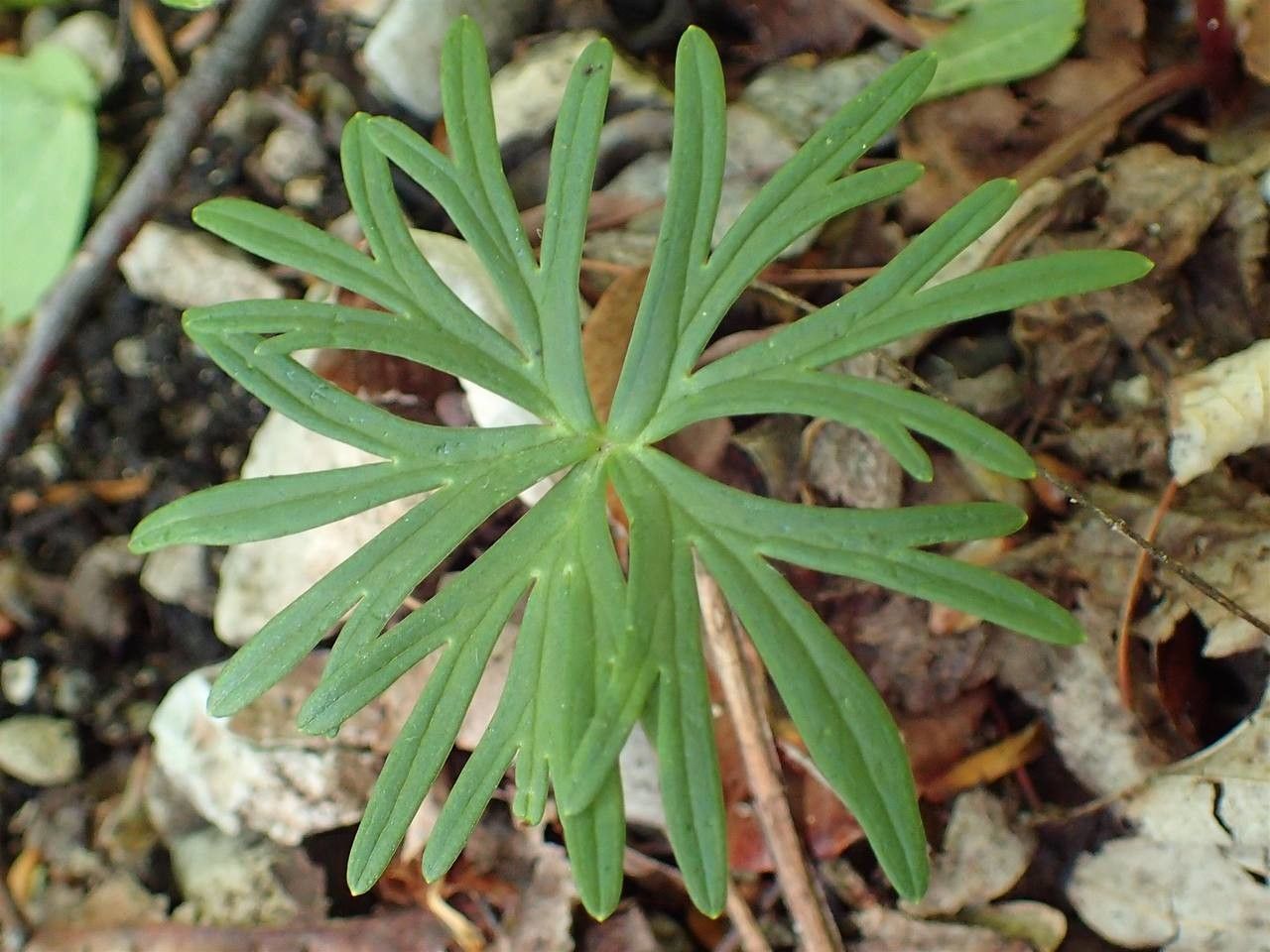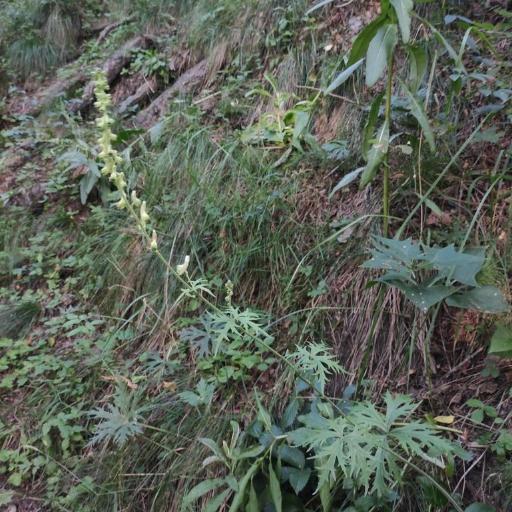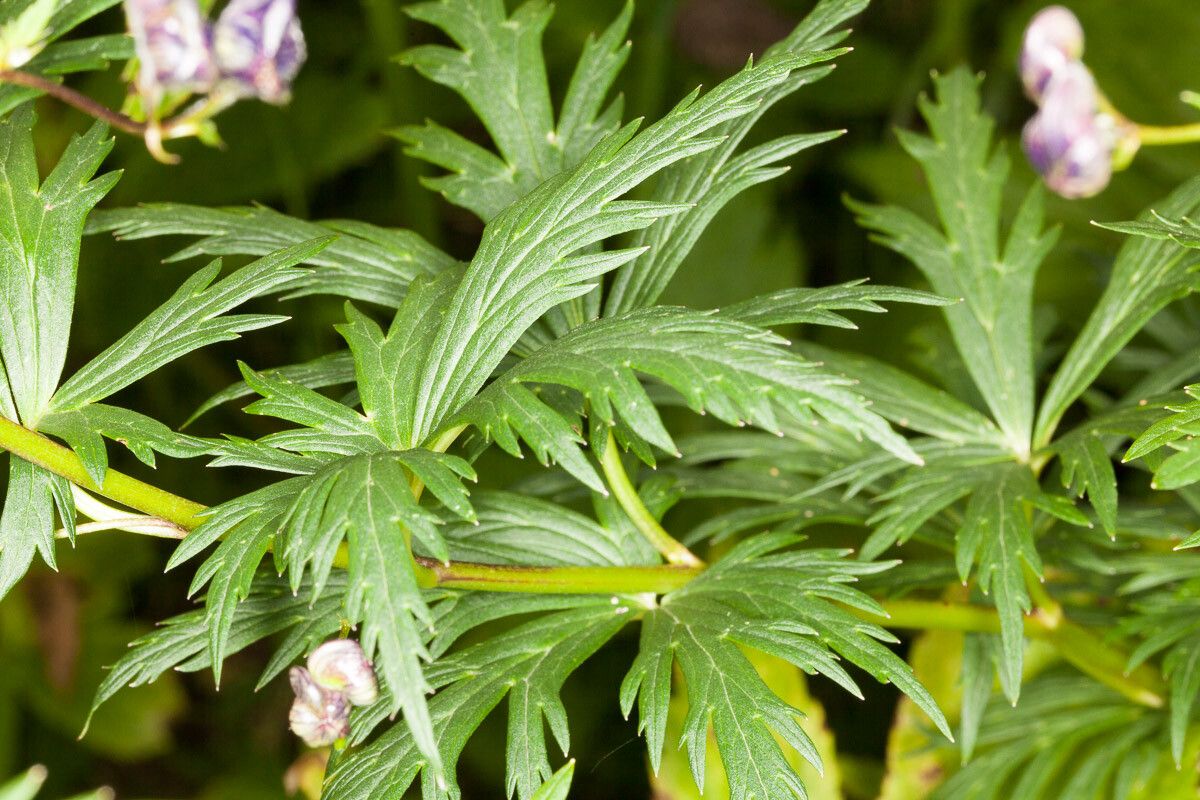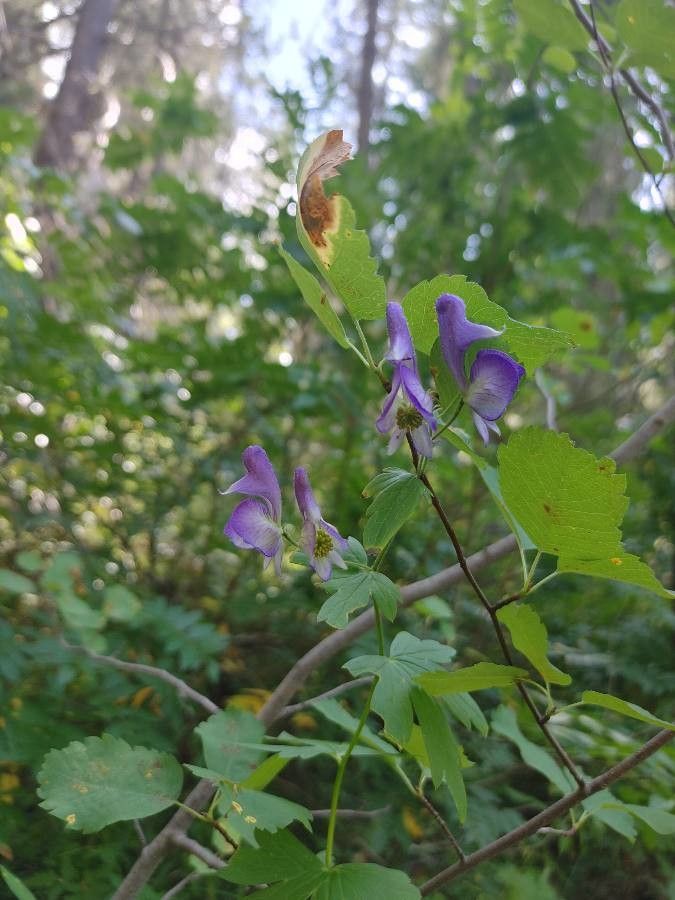
Aconitum uncinatum, commonly known as wild monkshood or southern blue monkshood, is a species of flowering plant in the buttercup family, Ranunculaceae. It grows in moist to wet habitats along streams and in woods and clearings. It grows in the eastern United States in the Appalachian Mountains, on the Piedmont, and on the upper Atlantic Coastal Plain.
Southern blue monkshood is fairly disease-resistant and is generally not prone to illnesses. However, it can be vulnerable to pests and diseases present in its surroundings. Such infections are typically not severe. In terms of care, this plant requires medium maintenance. It should be pruned regularly to preserve a good appearance and support healthy growth. Applying fertilizer can also help promote flowering. Southern blue monkshood is suitable for anyone with outdoor space, such as a garden or patio, and does not demand much care experience. It may need more attention when grown indoors.
How to keep Aconitum Uncinatum.
Light
Southern blue monkshood naturally grows in habitats like forest understories and rocky areas, where it experiences natural shade. It prefers partial sun but can adjust to full sun or full shade, illustrating its versatile and hardy nature.
Water
Southern blue monkshood flourishes in moist woodland environments. It needs consistent moisture but cannot tolerate drought or excessive humidity. To care for southern blue monkshood, water it weekly, adjusting the frequency during rainy seasons. This plant is best suited for temperate regions, where its growth cycle aligns with natural precipitation patterns.
Temperature
Southern blue monkshood can tolerate a wide range of temperatures, but its range may still be restricted by particular combinations of moisture and heat. It performs best in warm summer climates with sufficient rainfall or regular watering. Long periods of cloudy, rainy weather or extended high temperatures increase the chance that Southern blue monkshood will die. In winter, providing protection from cold can raise the plant’s survival rate.
Fertilizer
The best time to fertilize Southern blue monkshood is in early spring, as it emerges from dormancy and starts active growth. Fertilizing supplies essential nutrients for sound development. Although Southern blue monkshood needs relatively little fertilizer, an annual application can improve its survival and encourage better, longer-lasting blooms.
Pruning
To promote healthy growth in southern blue monkshood, prune the plant from early to late spring to remove any dead stems. Ensure you use clean and sharp tools for effective pruning and to maintain sanitation. Cut back any old growth down to ground level, and thin out crowded areas to improve air circulation. Pruning at the right time not only enhances flowering but also reduces the risk of fungal diseases.
Botanical profile.
- Plant Type
- Herb
- Life Cycle
- Perennial
- Genus
- Aconitum
- Family
- Ranunculaceae
- Hardiness Zone
- 3-8
- Mature Height
- 0.91 m to 1.83 m
- Mature Spread
- 91 cm
- Leaf Color
- Green
- Leaf Type
- Deciduous
- Flower Color
- Purple
- Flower Size
- 2.54 cm
- Bloom Time
- Late summer, Early fall, Mid fall
- Planting Time
- Spring, Summer
- Harvest Time
- Mid fall, Late fall, Early winter
Other names.
Reader questions.
How should I water my Southern blue monkshood plant?
To properly water the Southern blue monkshood, it's best to use filtered water at room temperature. Tap water may contain harmful particles, so filtration is recommended. The water should be at room temperature or slightly warmer because the plant is accustomed to warmer conditions and cold water can be a shock. It's important to avoid overhead watering as it can cause issues with the foliage. Instead, gently water the soil with your filtered room temperature water until it is completely soaked. This method benefits the plant by providing moisture to the roots, allowing them to spread and absorb the necessary nutrients from the soil.
How much sunlight does Southern blue monkshood need to grow?
To help Southern blue monkshood thrive, it needs 3-6 hours of direct sunlight per day. However, to prevent sun damage, it also requires some shade during the hottest parts of the day. The best time for sunlight is in the morning, but it can handle some afternoon sun if it's not too hot. For the ideal balance, consider planting Southern blue monkshood in a partially sunny spot, such as under a tree or on the east side of a building.
What should I do if I give too much or too little water to my Southern blue monkshood?
Both overwatering and underwatering can harm your Southern blue monkshood plant. However, overwatering is the more common issue. When this plant receives excessive water, its stems and leaves may wilt and turn yellow. Overwatering for a long time can also cause diseases like root rot, mold, and mildew, which can kill your plant. Underwatering is less common because the Southern blue monkshood has good drought tolerance. However, it can still happen, and when it does, the leaves may become brittle and brown. It's important to recognize the signs of overwatering early when taking care of your plant. Some diseases caused by overwatering, like root rot, may not be fixable if not addressed promptly. If you notice early signs of overwatering, reduce your watering schedule immediately. Also, check the soil quality where your plant is growing. If it drains poorly, replace it with a loose, well-draining potting mix. On the other hand, if you see signs of underwatering, increase watering until the signs go away.
What will happen if Southern blue monkshood doesn't receive enough sunlight?
Southern blue monkshood can be affected by excessive sunlight, leading to yellowing or drying of its leaves, or even burning. In addition, the plant may wilt or become stunted. To safeguard against sun damage, it is advisable to provide shade during the hottest hours of the day. This can be achieved by either using a shade cloth or planting Southern blue monkshood near taller plants that offer natural shading.
How frequently should I water my Southern blue monkshood plant?
If your Southern blue monkshood plant is in a pot, the most precise way to check if it needs water is by sticking your finger into the soil. If the first two to three inches of soil are dry, then it's time to water it. If you have the plant planted in the ground outside, you can use the same method to test the soil. If the top few inches of soil have become dry, it's time to water it. Usually, in spring and early fall, watering once a week is sufficient. However, during extremely hot weather, you may need to water it twice or more per week. Nevertheless, mature and well-established Southern blue monkshood plants can withstand drought well.
What happens if the Southern blue monkshood gets too much sunlight?
Southern blue monkshood may exhibit certain signs when it doesn't receive sufficient sunlight. These signs include a tall and lanky growth pattern, along with sparse foliage. Additionally, the leaves may appear yellow or pale green, indicating a lack of chlorophyll production due to the inadequate sunlight. To address this issue, it is advised to either relocate the Southern blue monkshood to a sunnier location or consider pruning nearby foliage to enhance light exposure for the plant.
How much water does my blue monkshood plant from the South need?
When watering your Southern blue monkshood, be generous with the amount of water you give. Make sure the top two to three inches of soil are dry before watering, and then give the plant a thorough soaking. The water should completely saturate the soil and flow through the drainage holes at the bottom of the pot. If you don't see excess water draining, you may have not given enough water. However, be careful not to let water accumulate in the soil, as this can harm the plant. On the other hand, if water doesn't drain through the pot, it may indicate poorly draining soil, which is not good for the plant's health. If the plant is outside, about 1 inch of rainfall per week should be adequate.
How should I water my Southern blue monkshood as it grows?
The water needs of the Southern blue monkshood can vary depending on its growth stages. When it is in its early years or if it has been recently transplanted, it will require more water than usual. During these stages, the plant focuses on growing new roots to support future growth, and these roots require more moisture. As the plant matures, it will need less water. Additionally, during the bloom period, the flower development requires a significant amount of moisture, so you may need to provide extra water during this time.
How do I water my Southern blue monkshood throughout the year?
The Southern blue monkshood has different water needs depending on the season. During the hottest months of the year, it will require more water, and you may need to water it more than once per week if the soil dries out quickly. On the other hand, during the winter, the plant enters a dormant phase and needs much less water. In fact, you may not need to water it at all during the winter months. However, if you do choose to water it, make sure to do so no more than once per month. Overwatering during this time can increase the risk of disease for your Southern blue monkshood.
What's the difference between watering my Southern blue monkshood inside and outside?
For gardeners who do not live in temperate or tropical regions, growing Southern blue monkshood indoors is the most common practice. It is important to note that the soil in a container can dry out faster than soil in the ground. Additionally, if there are drying elements like air conditioning units present, your Southern blue monkshood may need more frequent watering compared to when it is planted outside. In such cases, watering your Southern blue monkshood outside may not be required often, especially if you receive regular rainfall. However, if you grow this plant indoors, you will need to water it more frequently as relying on rainwater to soak the soil is not an option.