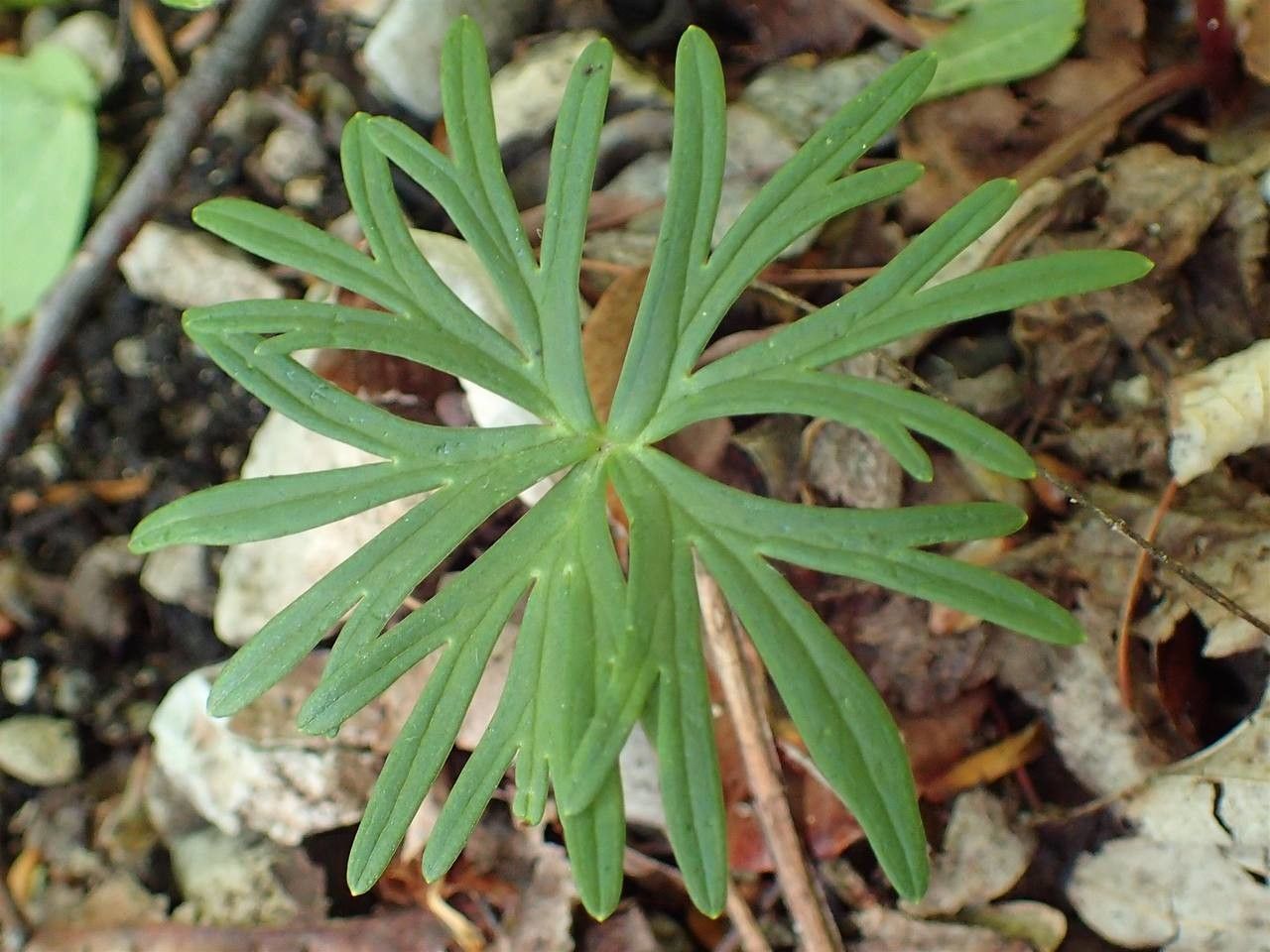
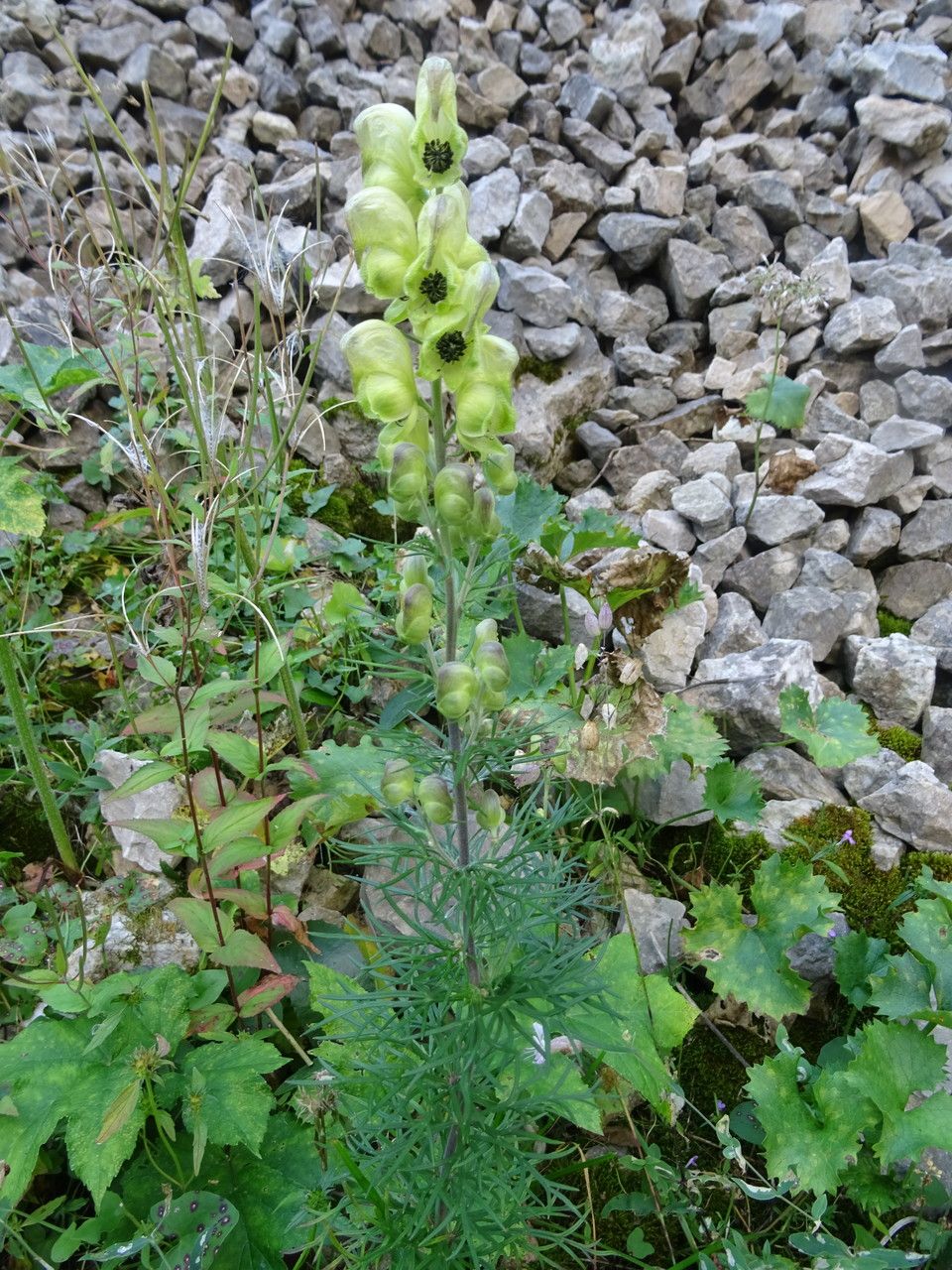
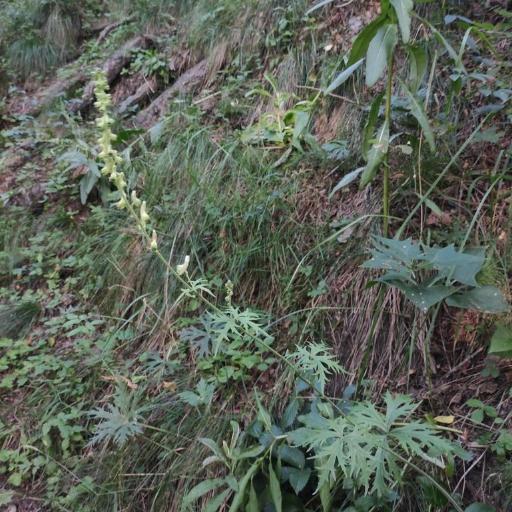
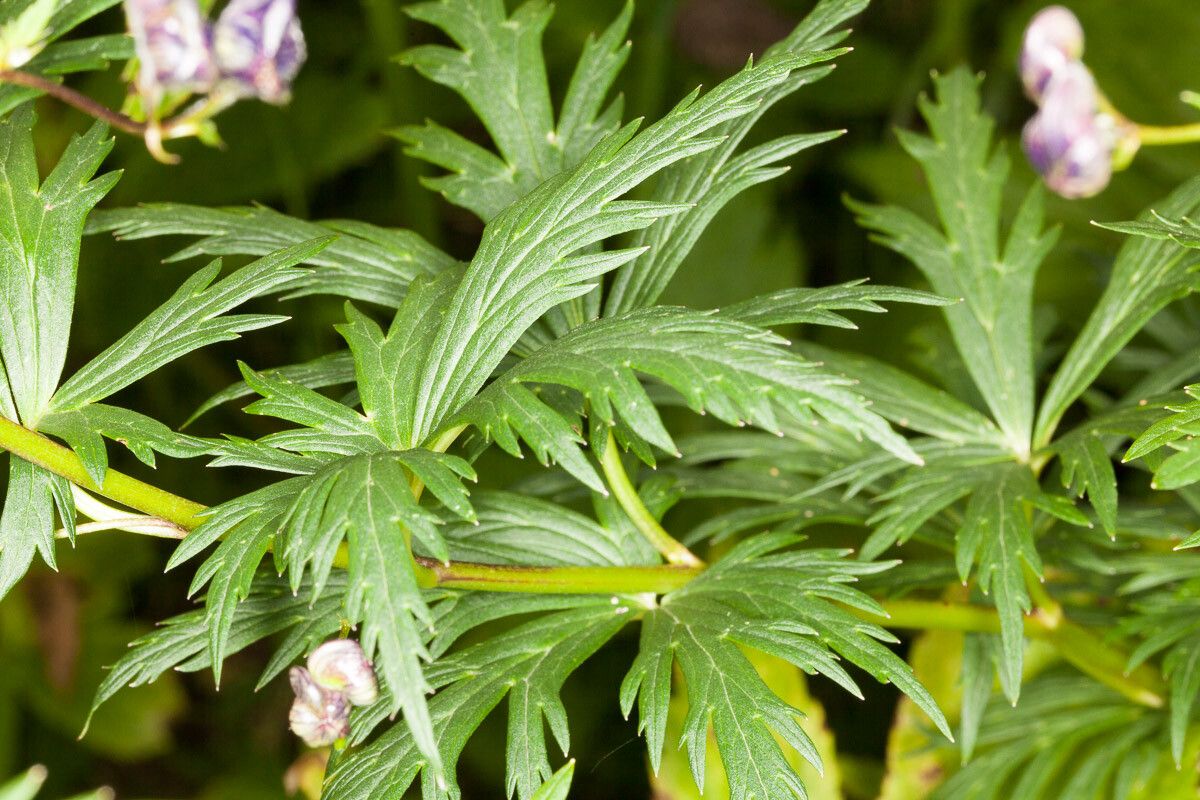
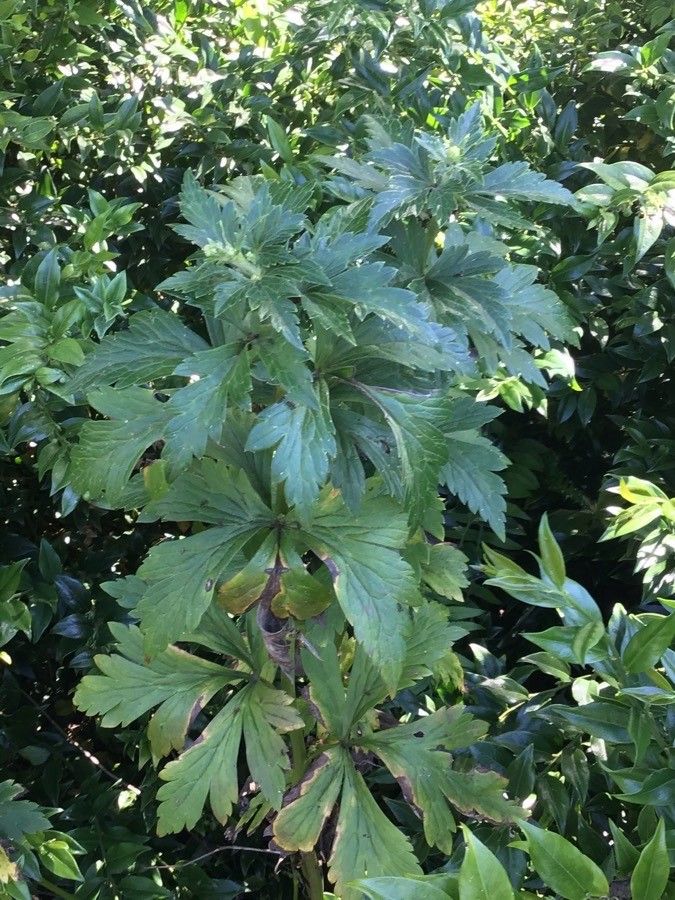
Aconitum anthora, also known as Yellow Monkshood or Yellow Wolfsbane, is a perennial herbaceous plant belonging to the Ranunculaceae family. Native to the mountainous regions of Europe and Asia, this plant can reach up to 1.5 meters in height.
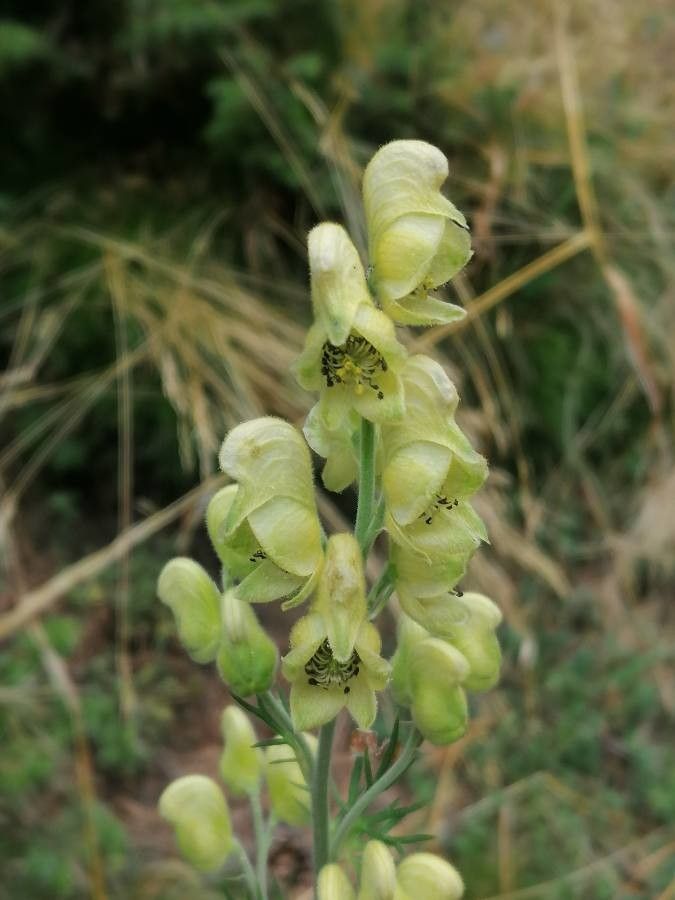
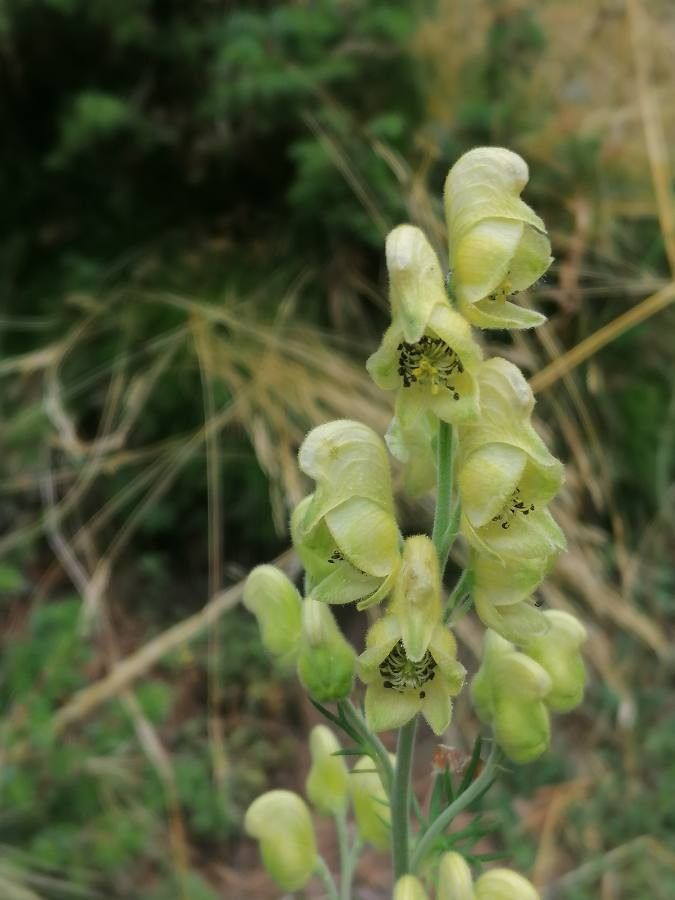
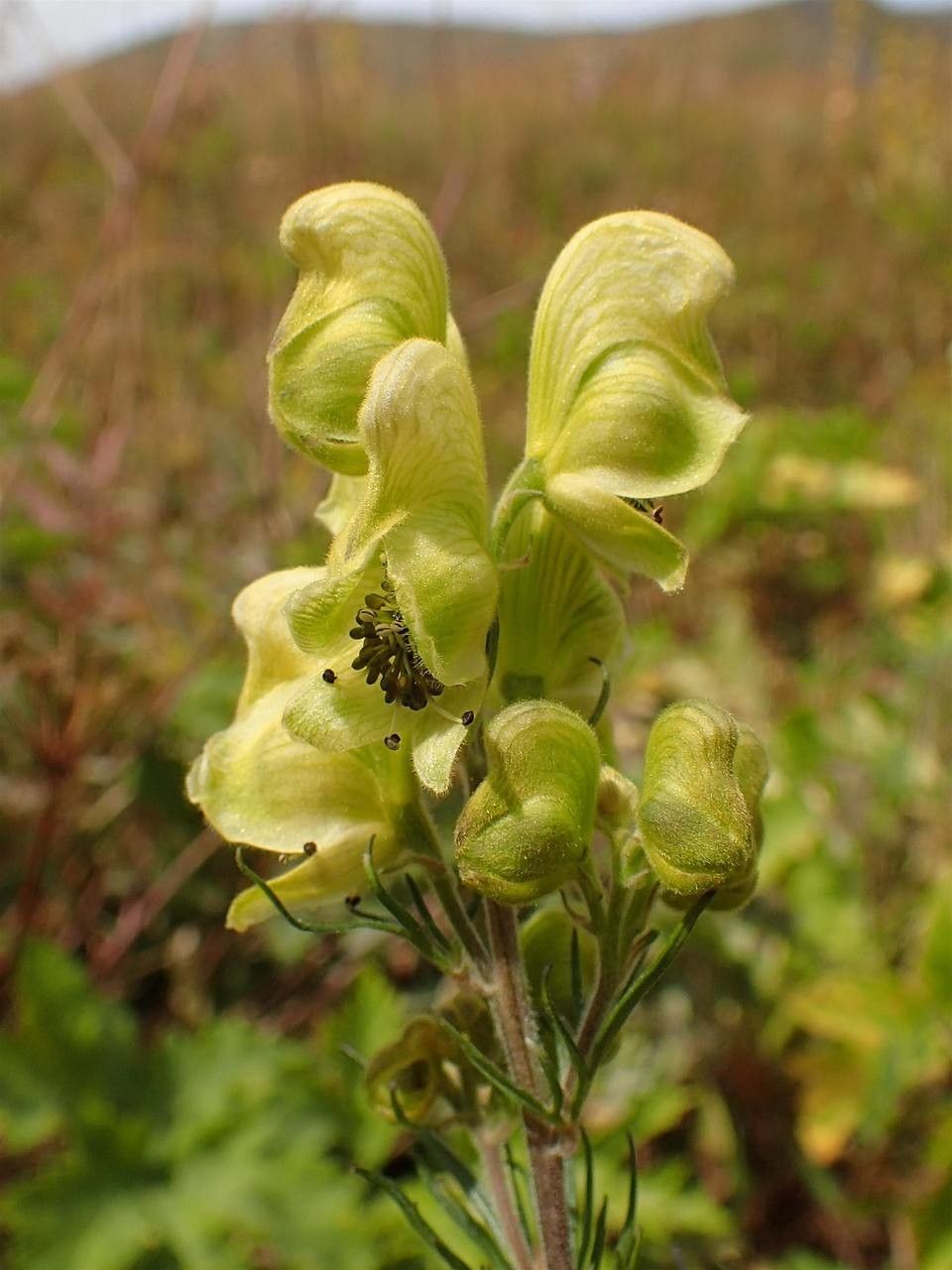
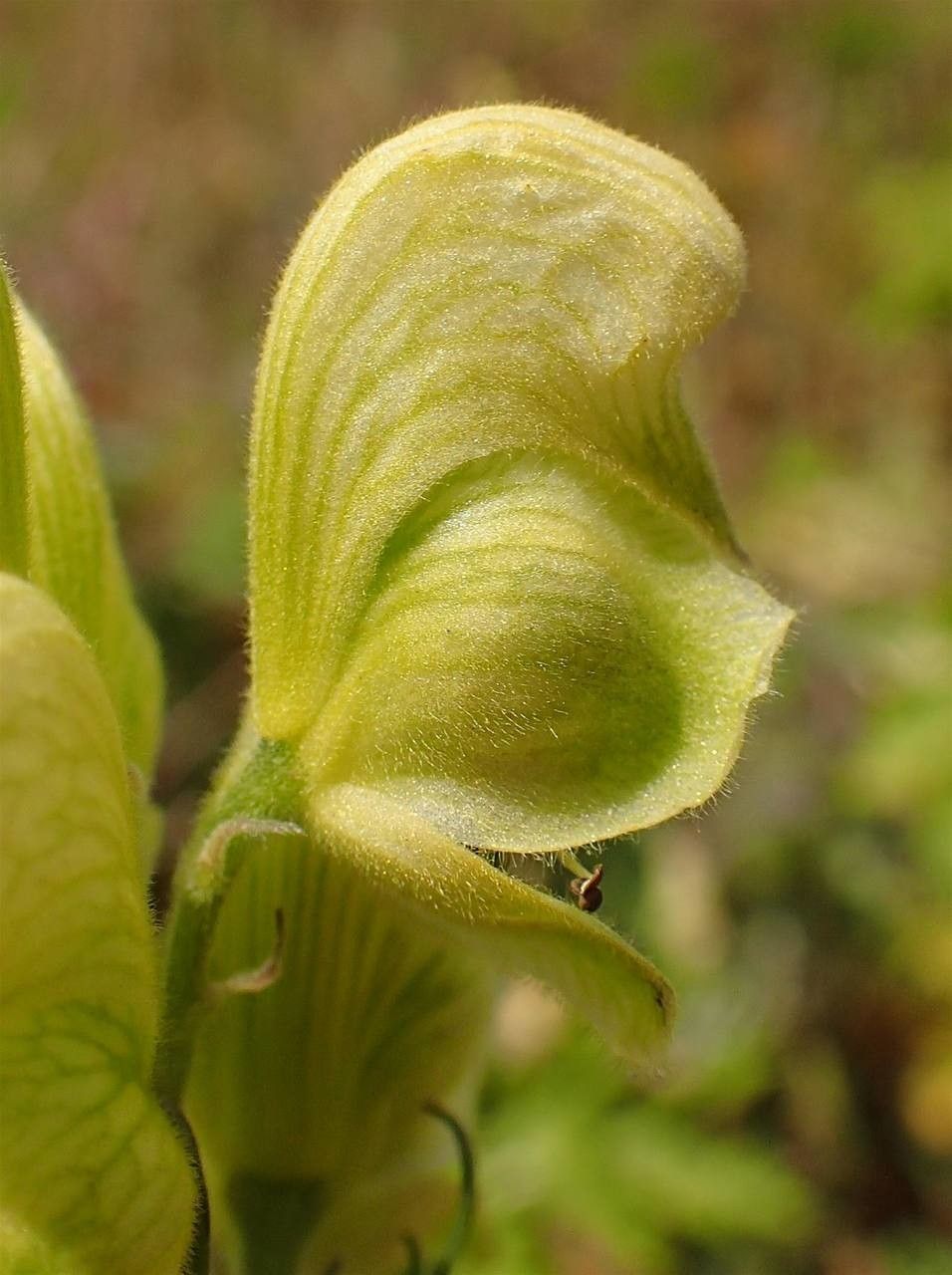
With its striking yellow hue, Aconitum anthora features long, slender stems that produce clusters of yellow flowers in late summer and early fall. The flowers are notably shaped like helmets or hoods, which gives rise to the name Monkshood.
This plant thrives in moist soil and partial shade, although it can also tolerate full sun if provided with sufficient moisture. Traditionally, it has been used in medicine for its analgesic properties. However, caution is essential, as all parts of the plant are highly toxic if ingested.
Overall, Aconitum anthora is an eye-catching ornamental plant that adds vibrant color and texture to gardens. When used correctly under professional supervision, it also offers medicinal benefits.
Wholesome wolfs bane shows strong resistance to diseases and is typically not inclined to get sick. Still, it can be vulnerable to pests and illnesses present in its environment. Such infections are generally mild. Regarding care, this plant needs a moderate level of attention. It should be pruned on a regular basis to preserve an attractive look and robust growth. Applying fertilizer can also encourage more blooms. Wholesome wolfs bane is appropriate for anyone who has outdoor space like a garden or patio and does not demand extensive gardening experience. It may need extra care if kept indoors.
How to keep Aconitum Anthora.
Light
Wholesome wolfs bane naturally occurs in habitats like forest understories or rocky areas, where it grows under natural shade. It prefers partial sun but can tolerate full sun or full shade, reflecting its hardy and adaptable character.
Water
Wolfsbane thrives in cool, moist environments and requires regular hydration, needing to be watered weekly. While it can tolerate some drought, it does not fare well with waterlogging. As an herbaceous perennial, the growth cycles of wolfsbane are influenced by water availability, producing lush, seasonal foliage when kept adequately hydrated.
Temperature
Wholesome wolfs bane originates from temperate zones and grows best in temperatures of 41 to 89.6 °F (5 to 32 ℃). This hardy species can tolerate some variation, but for optimal growth keep temperatures within that range. Be careful of frosts and modify the environment as needed.
Fertilizer
The best time to fertilize a Wholesome wolfs bane is in early spring, when it is coming out of dormancy and starting active growth. Fertilization supplies essential nutrients for healthy growth. Although Wholesome wolfs bane has fairly low fertilizer requirements, applying fertilizer annually can improve its survival and encourage better, longer-lasting flowers.
Pruning
To encourage growth and flowering, prune wolf's bane during the early to late spring. Remove any dead stems to improve the plant's structure and air circulation. Be sure to use sanitized tools to prevent infections. Trim just above healthy buds to keep the plant healthy and attractive throughout the seasons.
Botanical profile.
- Plant Type
- Herb
- Life Cycle
- Perennial
- Genus
- Aconitum
- Family
- Ranunculaceae
- Hardiness Zone
- 5-8
- Mature Height
- 1.22 m
- Mature Spread
- 40 cm
- Leaf Color
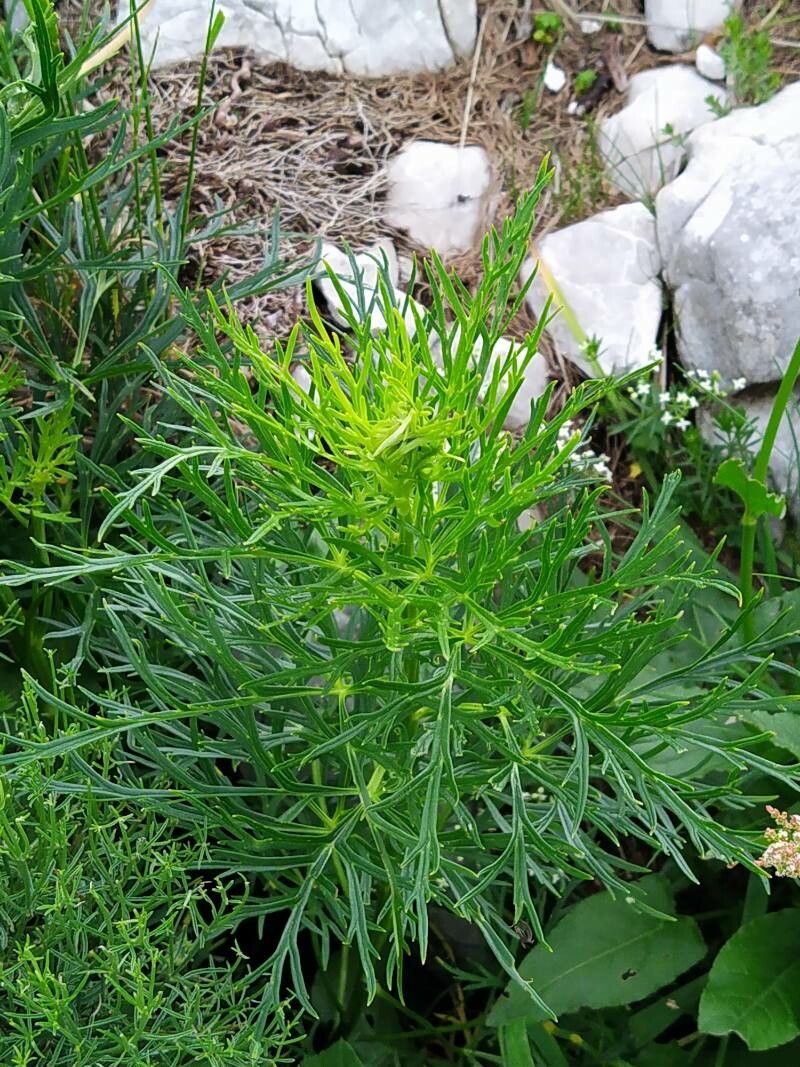
- Dark Green
- Leaf Type
- Deciduous
- Flower Color
- Yellow
- Flower Size
- 2.54 cm to 5.08 cm
- Bloom Time
- Mid summer, Late summer, Early fall
- Planting Time
- Spring, Summer
- Harvest Time
- Early fall, Mid fall
Other names.
Reader questions.
What is the ideal temperature range for growing Wholesome wolfs bane?
Wholesome wolfs bane, botanically known as Aconitum anthora, thrives best in temperate zones with an ideal temperature range between 41 to 89.6 °F (5 to 32 °C). To ensure optimal growth, it's recommended to maintain temperatures within this range. While the species is hardy and can tolerate temperature variations, it's important to protect it from frost to prevent any damage.