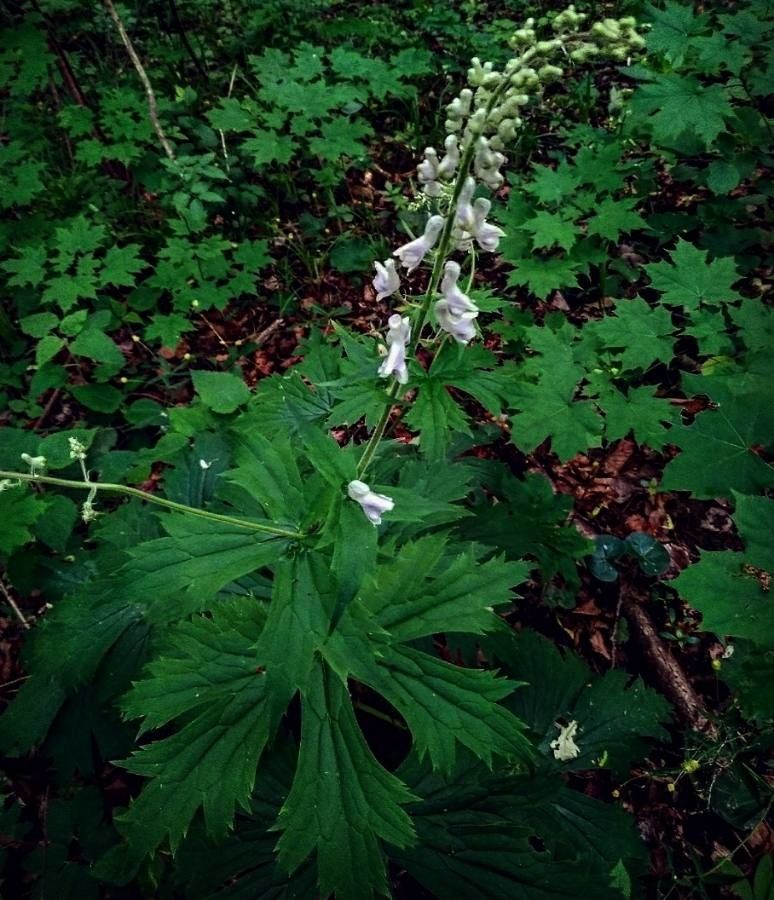
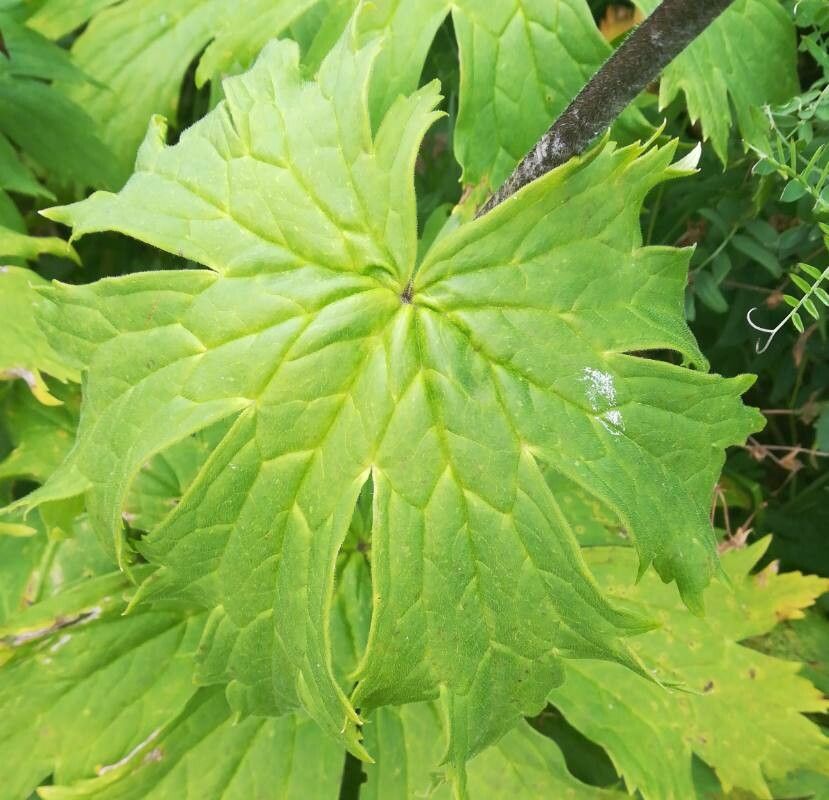
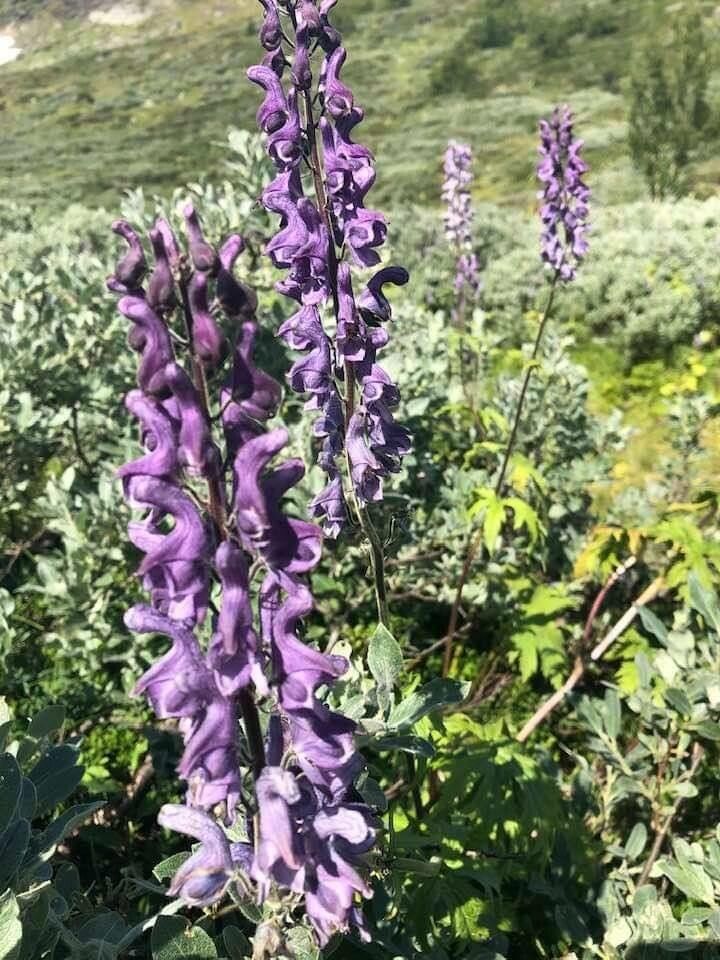
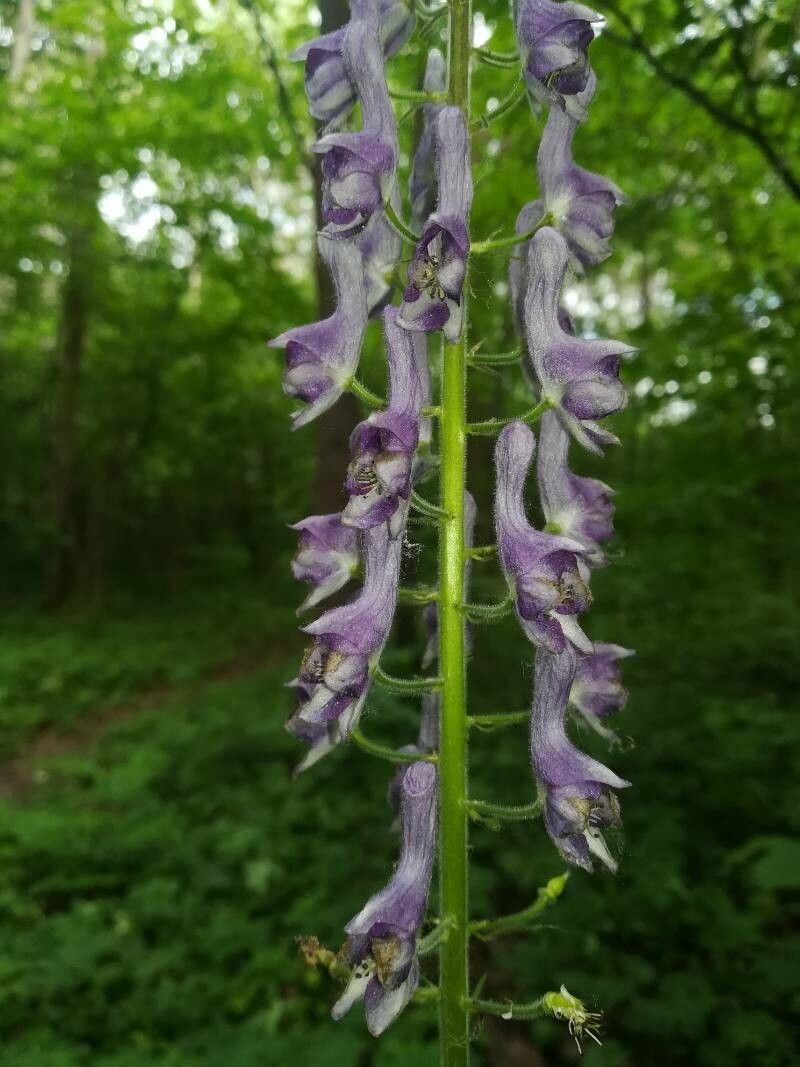
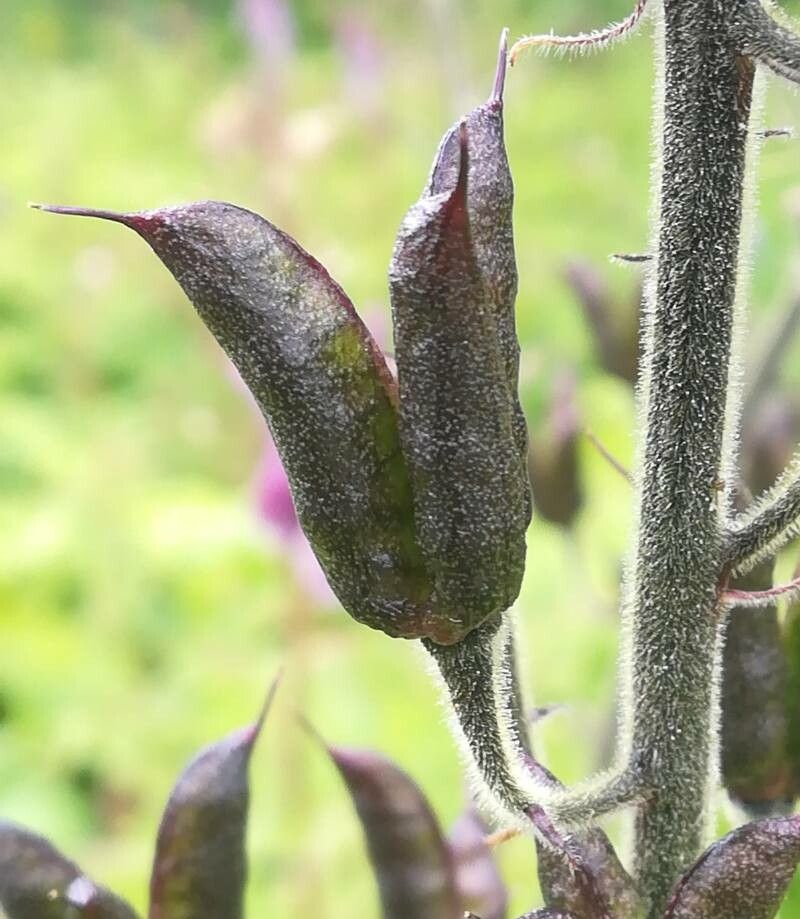
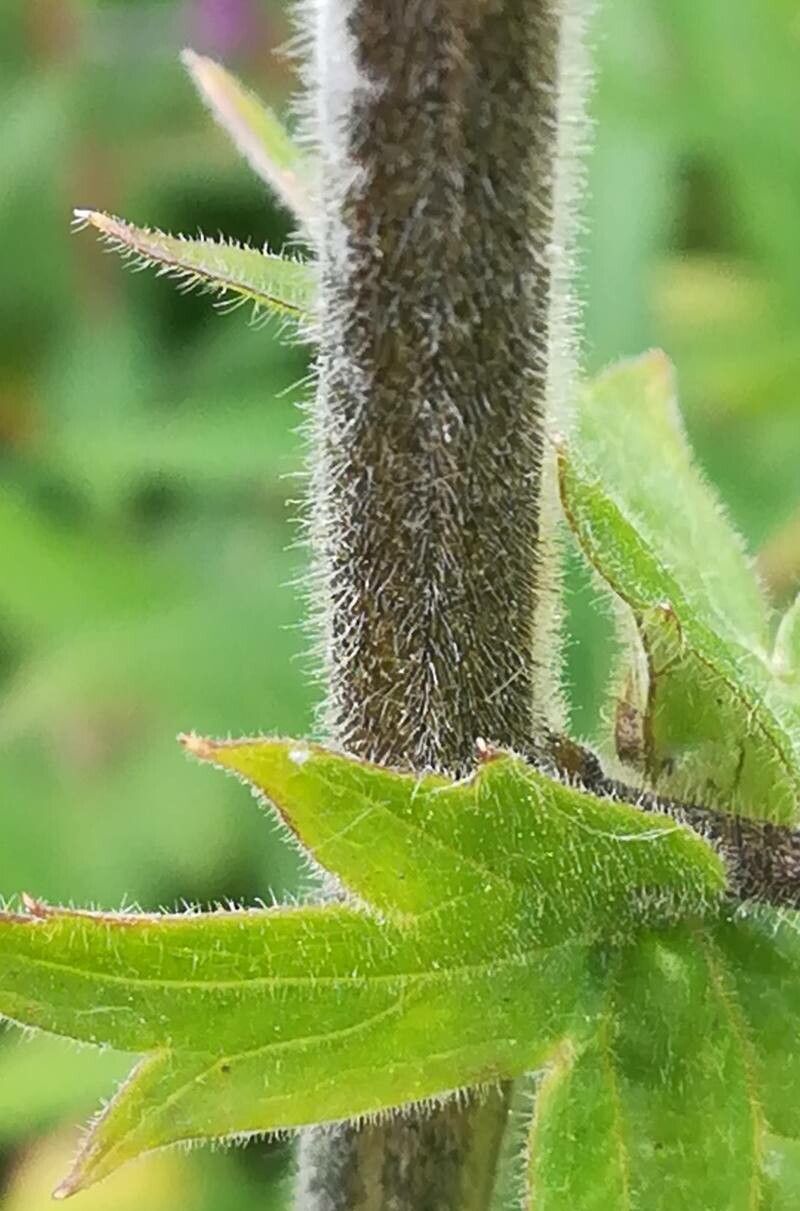
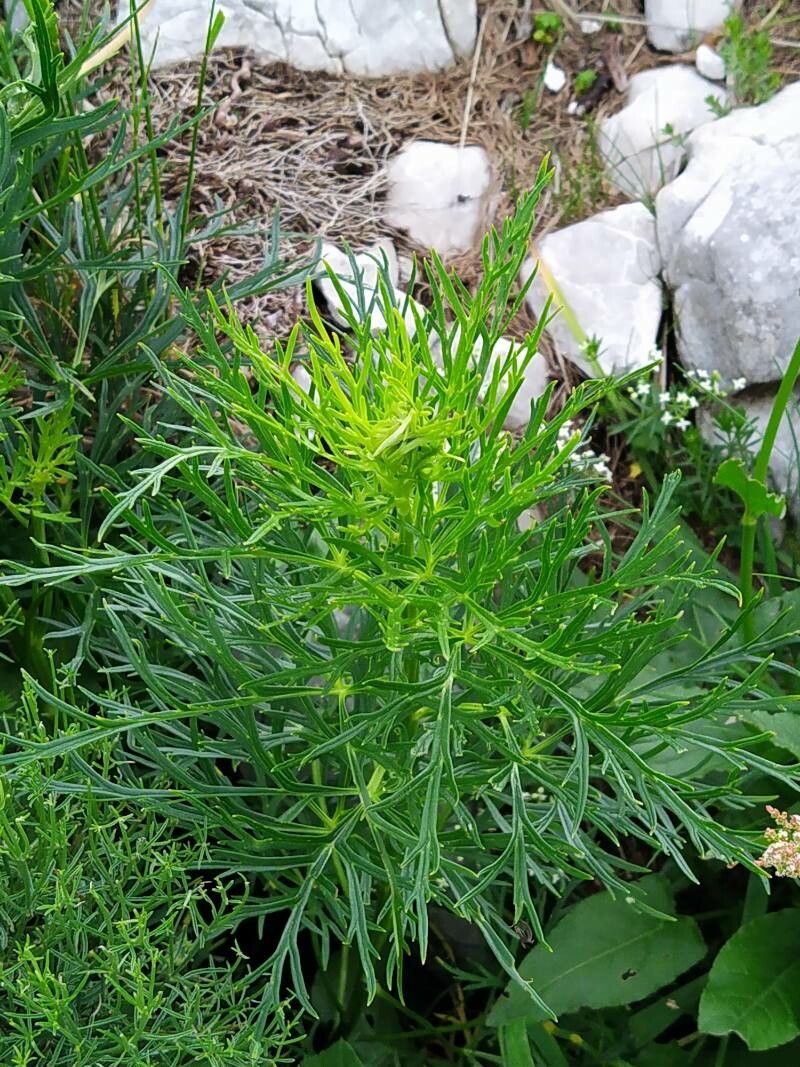
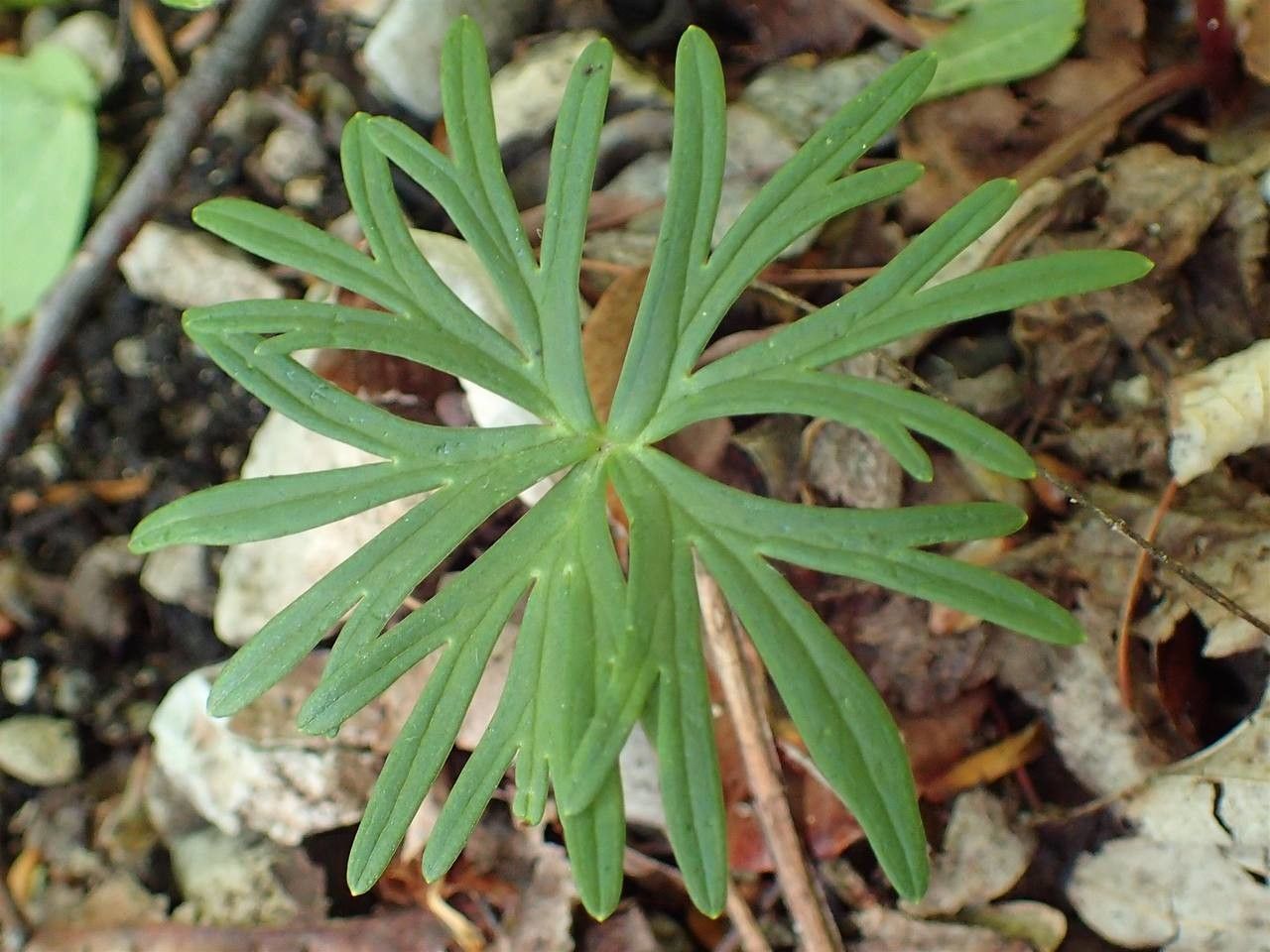
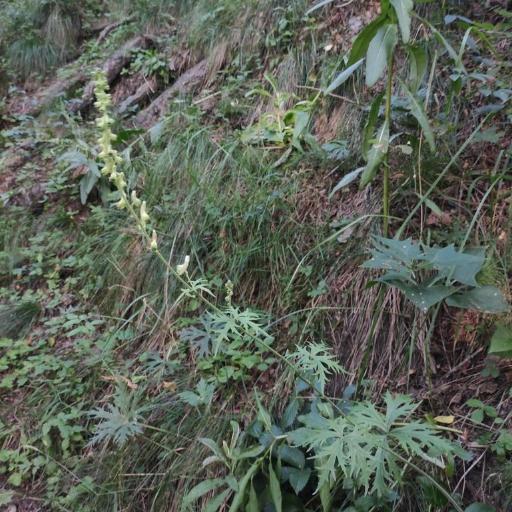
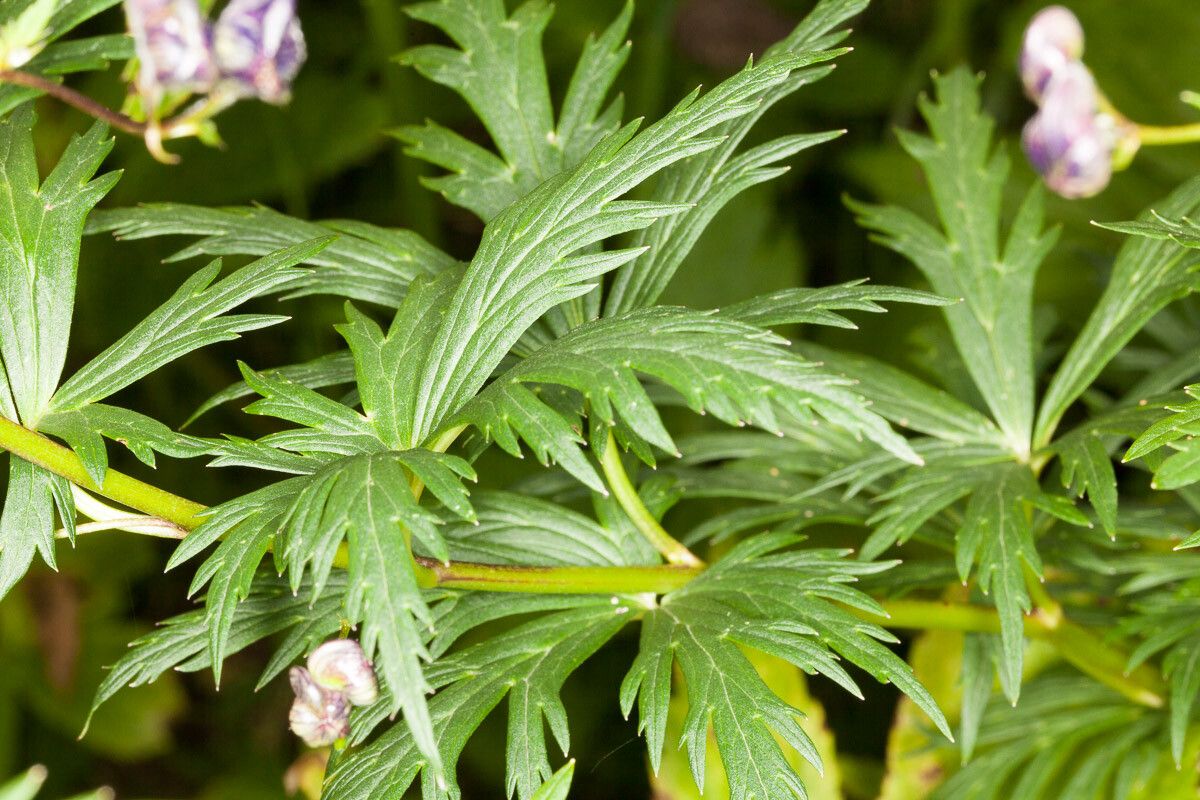
Aconitum lycoctonum (wolf's-bane or northern wolf's-bane) is a species of flowering plant in the genus Aconitum, of the family Ranunculaceae, native to much of Europe and northern Asia.Lycoctonum is a rendering in modern Latin of the traditional name "wolf's-bane".It is an herbaceous perennial plant growing to 1 m tall. The leaves are palmately lobed with four to six deeply cut lobes. The flowers are 18–25 mm long, dark violet, rarely pale yellow.Like all species in the genus, it is poisonous.
Northern Monkshood is well resistant to disease and typically does not suffer from illnesses. It can, however, be affected by pests and diseases present nearby. When infections occur, they are generally mild. Regarding care, this plant needs a moderate level of attention. Regular pruning is required to keep it looking good and to encourage healthy growth. Applying fertilizer can also assist in enhancing bloom production. Northern Monkshood is appropriate for anyone who has outdoor space like a garden or patio and does not demand extensive gardening experience. It may need additional care if cultivated indoors.
How to keep Aconitum Septentrionale.
Light
Northern Monkshood is indigenous to habitats like forest understories or rocky terrain, where it is found in natural shade. It prefers partial sun but can tolerate full sun or full shade, demonstrating its adaptable, hardy character.
Temperature
Northern Monkshood can tolerate a wide variety of temperatures, but its range may still be restricted by different combinations of moisture and heat. It does best in warm summers with adequate rainfall or watering. Long stretches of cloudy, rainy weather or prolonged high temperatures increase the chance of the plant dying. In winter, protecting it from the cold can boost its likelihood of survival.
Fertilizer
For Northern Monkshood, the primary time to apply fertilizer is in early spring while the flowers are developing. An appropriate fertilizer promotes better blooms and helps Northern Monkshood produce attractive flowers. Fertilizing in early spring ensures strong flowering during the season and supplies energy for dormant growth phases.
Pruning
Aconitum septentrionale is known for its striking flowers and toxic properties. To promote healthy growth and improve air circulation, prune the plant in early spring by removing any dead or damaged stems. For your safety, wear gloves while handling the plant. Regular pruning not only enhances its blooms but also helps maintain its shape, ensuring a robust presence in your garden.
Botanical profile.
- Plant Type
- Herb
- Life Cycle
- Perennial
- Genus
- Aconitum
- Family
- Ranunculaceae
- Hardiness Zone
- 3-7
- Mature Height
- 0.61 m to 1.22 m
- Mature Spread
- 30 cm to 61 cm
- Leaf Color
- Dark Green
- Leaf Type
- Deciduous
- Flower Color
- Lavender
- Flower Size
- 2.03 cm to 3.05 cm
- Bloom Time
- Early summer, Mid summer
- Planting Time
- Spring, Summer
- Harvest Time
- Late summer, Early fall
Other names.