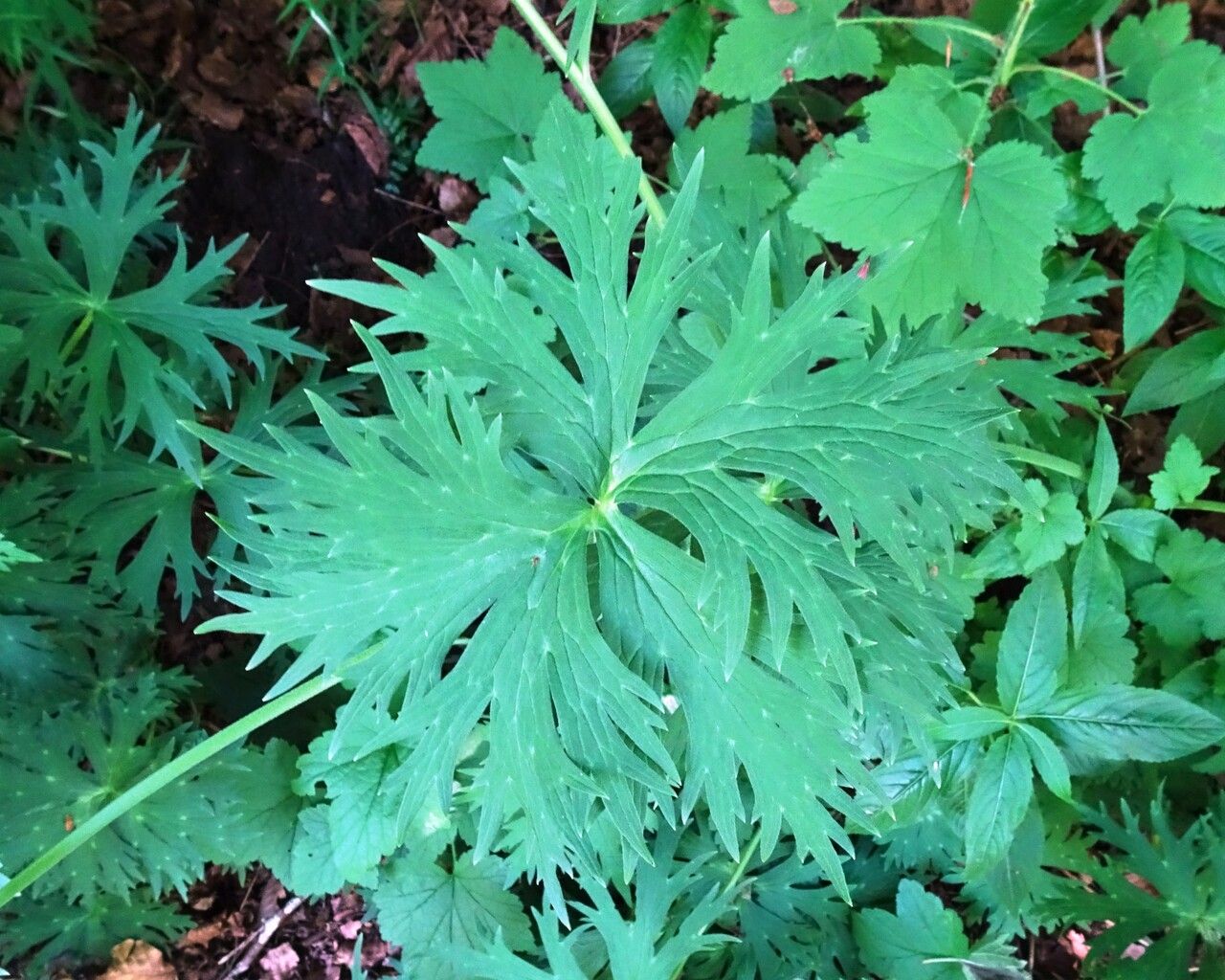
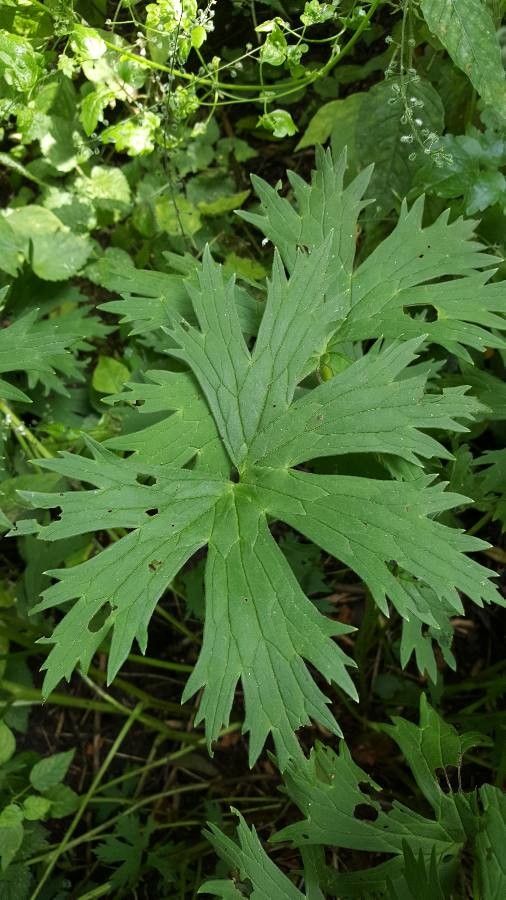
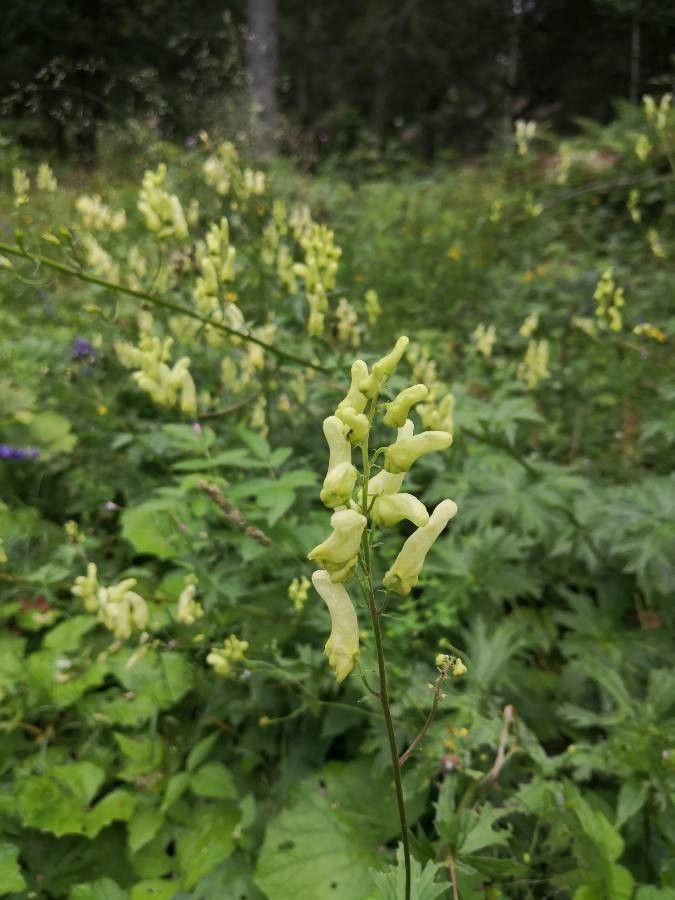
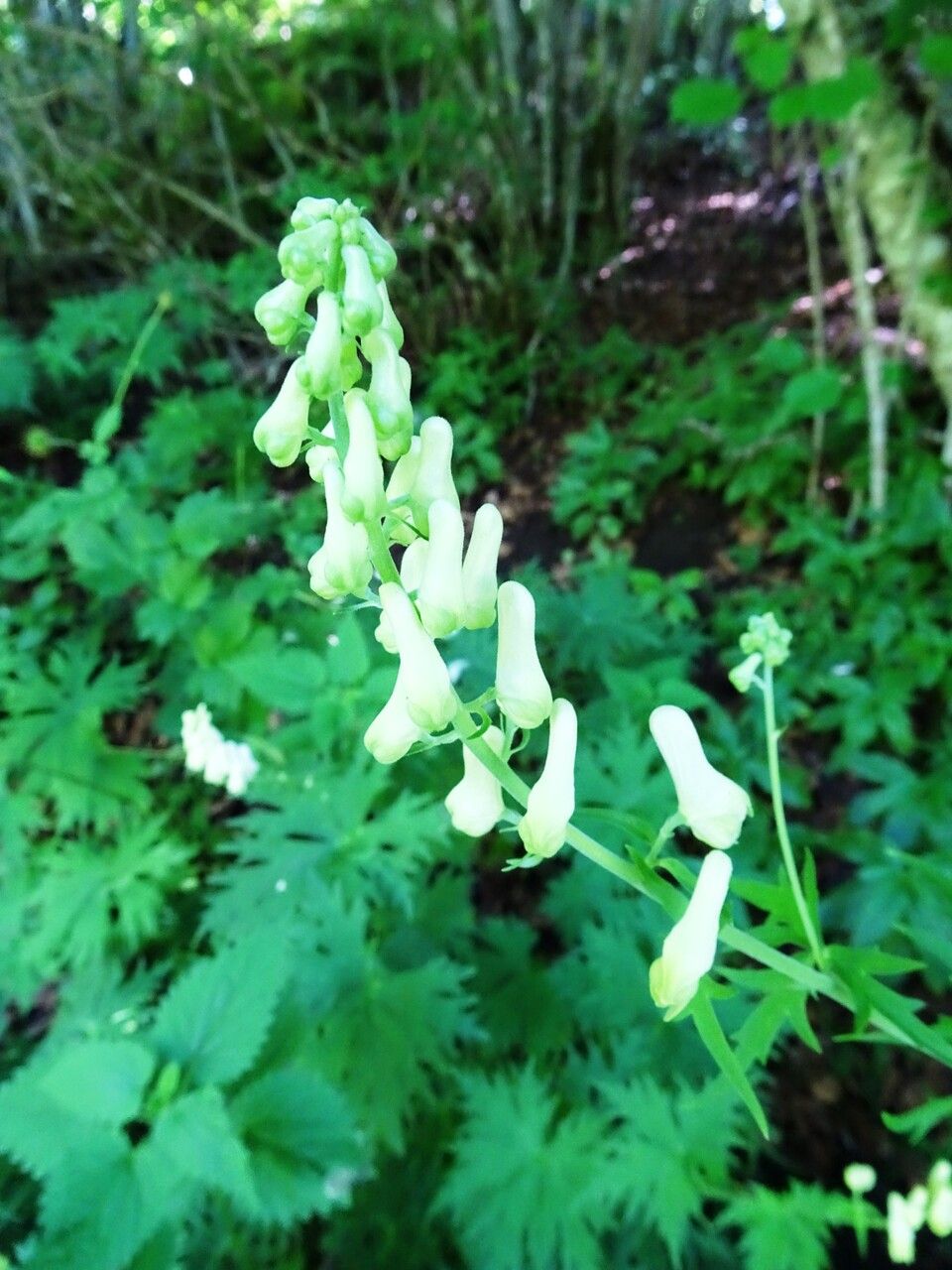
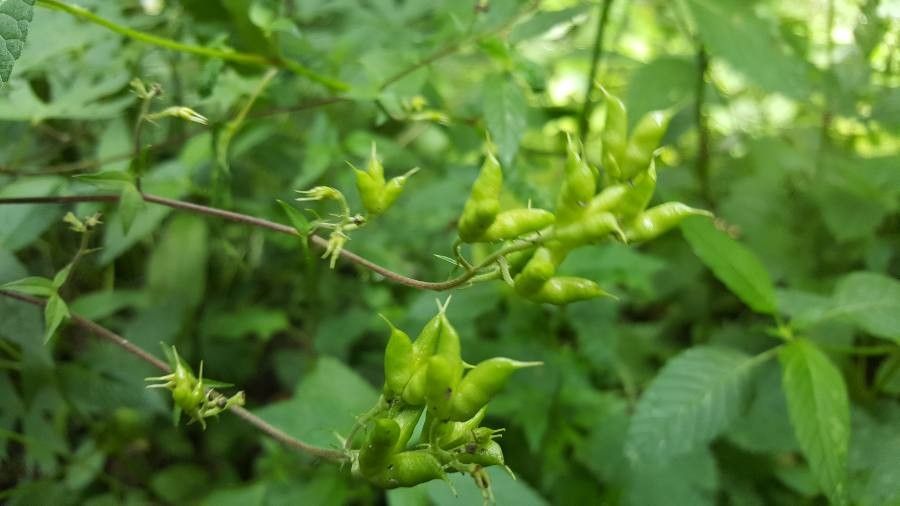
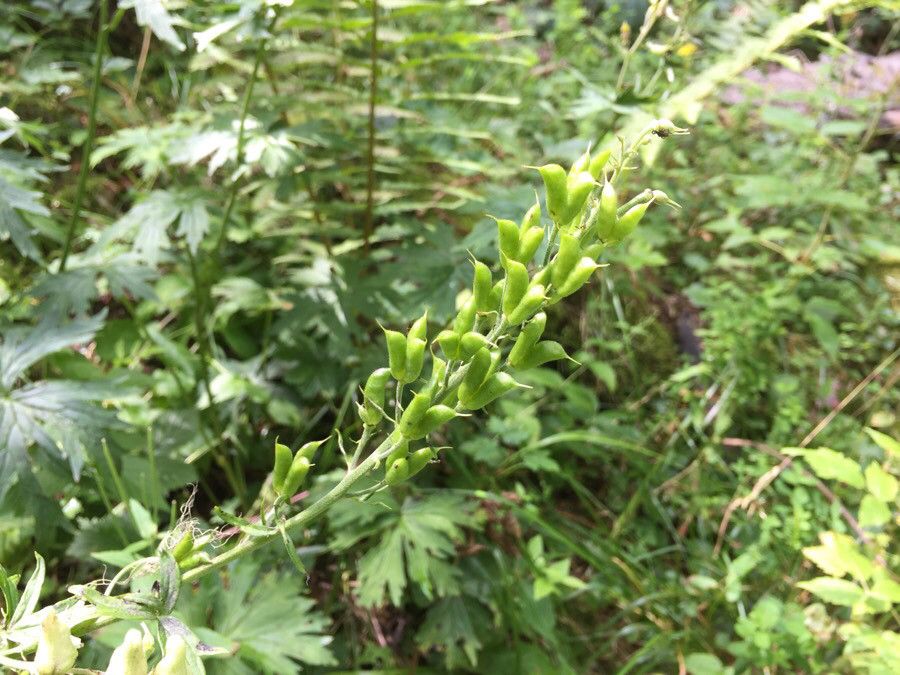
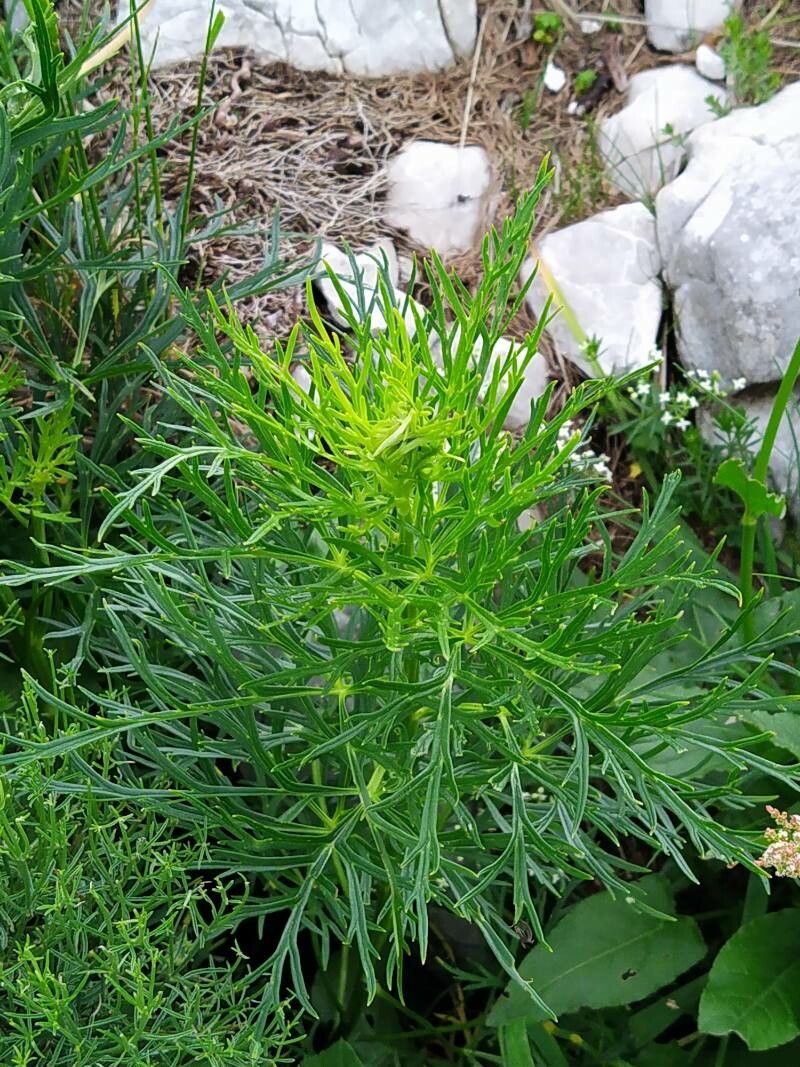
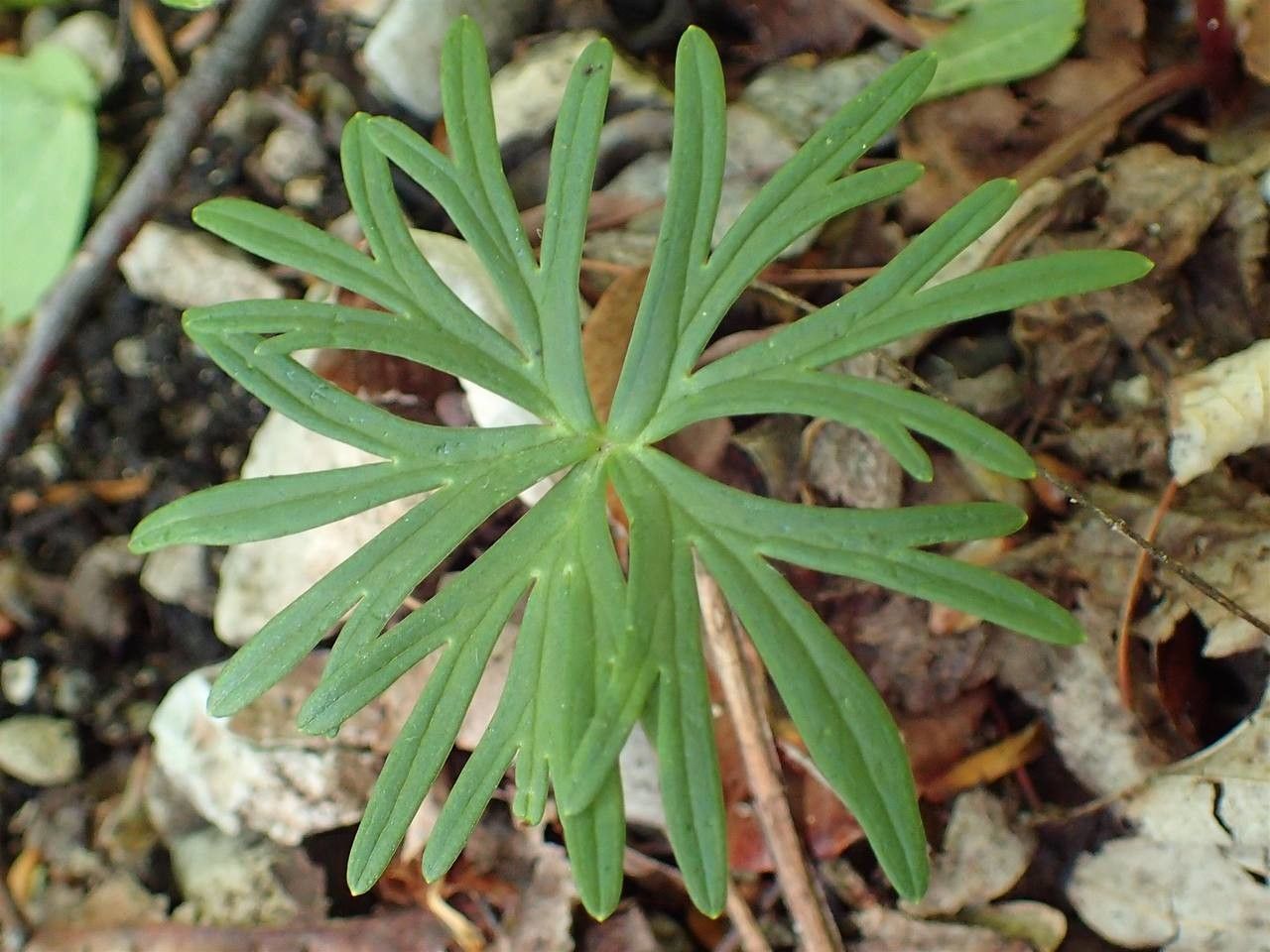
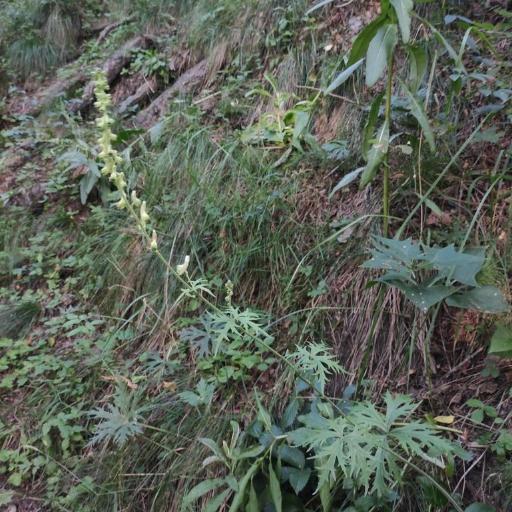
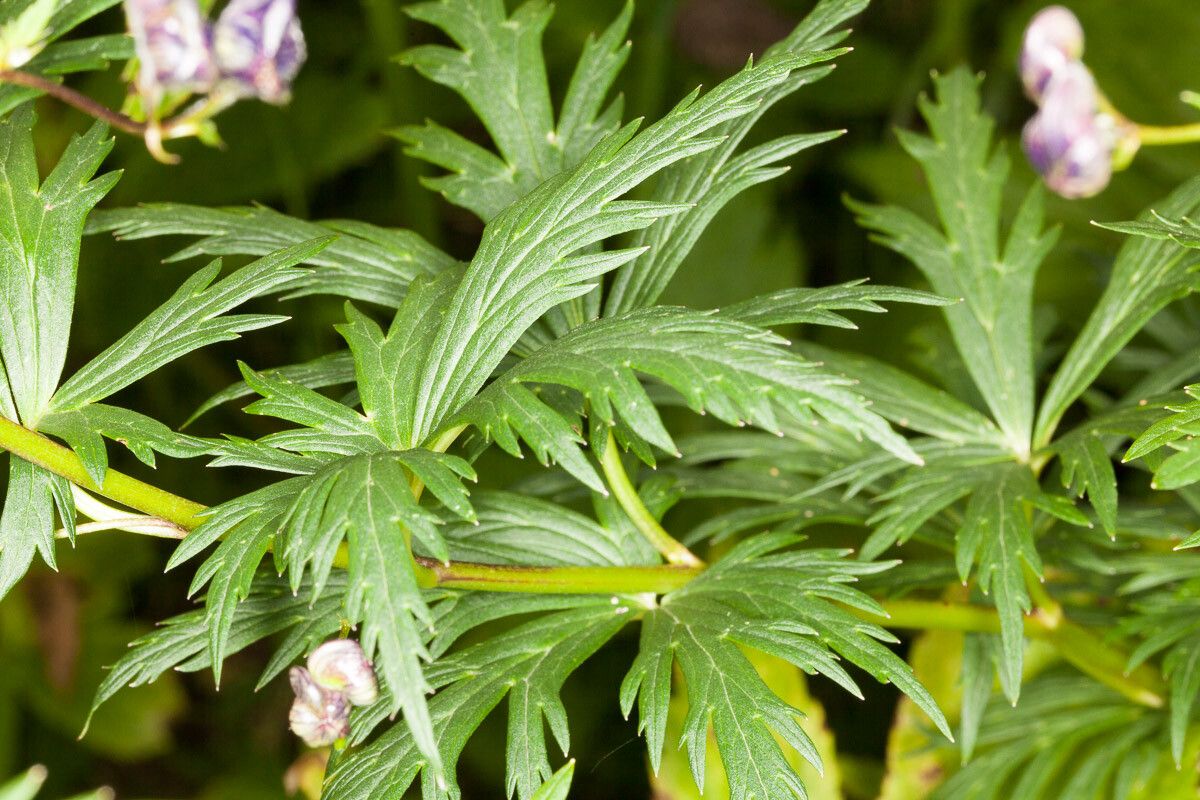
Aconitum lycoctonum (wolf's-bane or northern wolf's-bane) is a species of flowering plant in the genus Aconitum, of the family Ranunculaceae, native to much of Europe and northern Asia.Lycoctonum is a rendering in modern Latin of the traditional name "wolf's-bane".It is an herbaceous perennial plant growing to 1 m tall. The leaves are palmately lobed with four to six deeply cut lobes. The flowers are 18–25 mm long, dark violet, rarely pale yellow.Like all species in the genus, it is poisonous.
Monkshood is resistant to many diseases and usually does not develop them. However, it can be affected by pests and diseases present in its environment. These problems are typically not severe. For care, the plant requires a moderate amount of attention. It should be pruned regularly to keep a neat appearance and encourage healthy growth. Fertilizing can also help stimulate flowering. Monkshood is well suited to people with outdoor spaces like a garden or patio and does not demand extensive gardening experience. It may need increased care when grown indoors.
How to keep Aconitum Lycoctonum.
Light
Monkshood does best with moderate sunlight exposure, though it can tolerate stronger sun. Light is important for its healthy growth, reflecting the dappled-light conditions of its native habitat. However, excessive or insufficient light can stress the plant, potentially hindering its development and flowering.
Water
Monkshood thrives in cool, temperate regions where there is consistent moisture. To keep the soil slightly damp, it requires weekly watering. This plant prefers high humidity and is commonly grown outdoors, where it benefits from natural rainfall. Its growth cycle is closely linked to water availability, slowing down during drought conditions.
Temperature
Monkshood is native to regions where temperatures range from 32 to 90°F (0 to 32°C). It favors cool climates. Keeping it healthy requires avoiding summer temperatures above 90°F (32°C).
Fertilizer
The primary time to fertilize Monkshood is in early spring, when the flowers are beginning to form. Using the appropriate fertilizer promotes better blooms and helps Monkshood produce attractive flowers. Fertilizing at this early-spring stage ensures strong flowers throughout the season and supplies energy for dormant growth phases.
Pruning
Monkshood is known for its tall flower spikes and benefits greatly from strategic pruning. To encourage healthy growth, it's important to remove any damaged stems and thin out crowded areas to improve airflow. Pruning not only helps control the size and shape of the plant but also needs to be done with caution due to its toxicity. Consistent maintenance will lead to vigorous growth and an abundance of blooms.
Botanical profile.
- Plant Type
- Herb
- Life Cycle
- Perennial
- Genus
- Aconitum
- Family
- Ranunculaceae
- Hardiness Zone
- 3-7
- Mature Height
- 91 cm
- Mature Spread
- 61 cm
- Leaf Color
- Green
- Leaf Type
- Deciduous
- Flower Color
- Yellow, Purple
- Flower Size
- 2.03 cm to 3.05 cm
- Bloom Time
- Summer
- Planting Time
- Spring, Summer
- Harvest Time
- Late summer, Early fall, Mid fall
Other names.
Reader questions.
How should I water my Monkshood plant?
To properly water the Monkshood, it is recommended to use filtered water at room temperature. Tap water may contain harmful particles, so filtered water is preferred. The plant is accustomed to warm environments, so using cold water can be a shock to its system. It is also important to avoid overhead watering, as it can cause problems with the foliage. Instead, you should simply apply the filtered room temperature water directly to the soil until it is completely soaked. This helps to moisten the roots and allows them to continue spreading through the soil and absorb necessary nutrients.
Why is it important to fertilize my Monkshood plant?
The main structure of the Monkshood is made up of its leaves, and proper fertilization plays a crucial role in keeping the leaves looking good and functioning well. It not only helps maintain the color and texture of the leaves, but also supports the growth of new roots and preserves the existing ones beneath the soil. This means that fertilization is essential not only for the plant's current health, but also for its ability to absorb nutrients from the soil in the future.
What are the sunlight requirements for Monkshood?
Monkshood requires moderate sunlight exposure to flourish, similarly to its native environment of dappled light. It can tolerate both partial sun, which is about 3-6 hours of sunlight a day, and full sun, which entails more than 6 hours of direct sunlight daily. An essential observation to make is how sunlight moves through your garden to choose the best spots that offer a balance of light and shade, ensuring the plant's health and happiness.
What is Monkshood's native temperature range?
Monkshood, botanically known as Aconitum lycoctonum, thrives best in environments where temperatures range from 32 to 90°F (0 to 32°C). It is naturally suited to cool climates and requires measures to ensure it does not experience temperatures above 90°F (32°C) during the summer months, as it does not fare well in high temperatures.
What should I do if I give too much or too little water to my Monkshood plant?
Both overwatering and underwatering can harm your Monkshood plant, but overwatering is more common. When the plant receives too much water, the stems and leaves may wilt and turn yellow. Overwatering for a long time can also lead to diseases like root rot, mold, and mildew, which can be deadly. Underwatering is less common because Monkshood has good drought tolerance. However, it can still happen, and when it does, the leaves become brittle and brown. It's crucial to notice signs of overwatering quickly. Some diseases, like root rot, may not be fixable if you wait too long. If you see early signs of overwatering, reduce the watering schedule and check the soil quality. If the soil doesn't drain well, replace it with a loose, well-draining potting mix. If signs of underwatering appear, simply water more regularly until the signs improve.
When should I put fertilizer on my Monkshood?
If you plant your Monkshood outside each year, it will start growing new shoots in early spring. This is your cue to begin fertilizing it for the year. Normally, one round of fertilizer in the spring should be sufficient for your Monkshood to thrive. However, if you want to promote even more growth, you can fertilize it multiple times throughout the spring and early summer. In this case, you can feed your Monkshood approximately once every month to a month and a half.
How does artificial lighting affect indoor Monkshood plants?
When natural sunlight is insufficient, particularly in spaces that don't get much sun or during winter, artificial lighting becomes essential for optimal growth of indoor Monkshood plants. Adequate lighting can promote faster, healthier growth. LED lights are recommended as they can be customized to provide specific wavelengths needed by your plant. Full sun plants should receive 30-50W/sq ft of artificial light, partial sun plants 20-30W/sq ft, and full shade plants 10-20W/sq ft. The light source should be placed 12-36 inches above the plant, mimicking natural sunlight, and most plants require 8-12 hours of light per day.
How does Monkshood tolerate cold and what winter care is necessary?
Monkshood shows a high tolerance to cold conditions and does not typically require additional measures for frost protection. However, it is advisable to water the plant generously before the first freeze of autumn. This practice ensures that the soil remains moist when it freezes, which is crucial for preventing drought stress in the plant during the winter and early spring periods.
How frequently should I water my Monkshood plant?
If your Monkshood plant is in a pot, the best way to determine if it needs water is by sticking your finger into the soil. If the top two to three inches feel dry, it's time to water. If you are growing Monkshood outdoors, you can use the same method to test the soil. Once the top few inches have dried out, it's time to water. During spring and early fall, you'll typically need to water once a week using this method. In hot weather, you may need to water twice a week or more. However, mature, well-established Monkshood plants can withstand drought well.
When is the best time to not fertilize my Monkshood?
During late fall and winter, your Monkshood will go into a dormant phase and stop growing. During this time, it is recommended to avoid fertilizing. If you choose to fertilize in spring and summer, start reducing the amount of fertilizer as summer approaches because the growth rate of your Monkshood will slow down as well. In general, it is not advisable to fertilize your Monkshood during extremely hot weather or when the soil is very dry. Fertilizing during these conditions can stress your Monkshood and cause it to die early.
What are the signs of light deficiency in Monkshood?
Signs of light deficiency in Monkshood include small or lighter-colored new leaves, leggy or sparse growth where the spaces between leaves or stems become longer, and faster leaf drop as the plant tries to conserve resources. Chlorosis, where leaves lose their green color and turn yellow, and symptoms such as sunscald, leaf curling, wilting, and leaf scorching can also indicate inadequate light exposure or overexposure to sunlight.
What should you do if Monkshood experiences temperatures below its cold tolerance level?
Although Monkshood is highly cold-tolerant, capable of withstanding temperatures down to -35°C, falling below this threshold may not show immediate damage but can affect the plant's ability to sprout in spring. If temperatures drop below this mark and affect the plant's sprouting ability, the recommended solution is to remove any parts that have failed to sprout in spring.