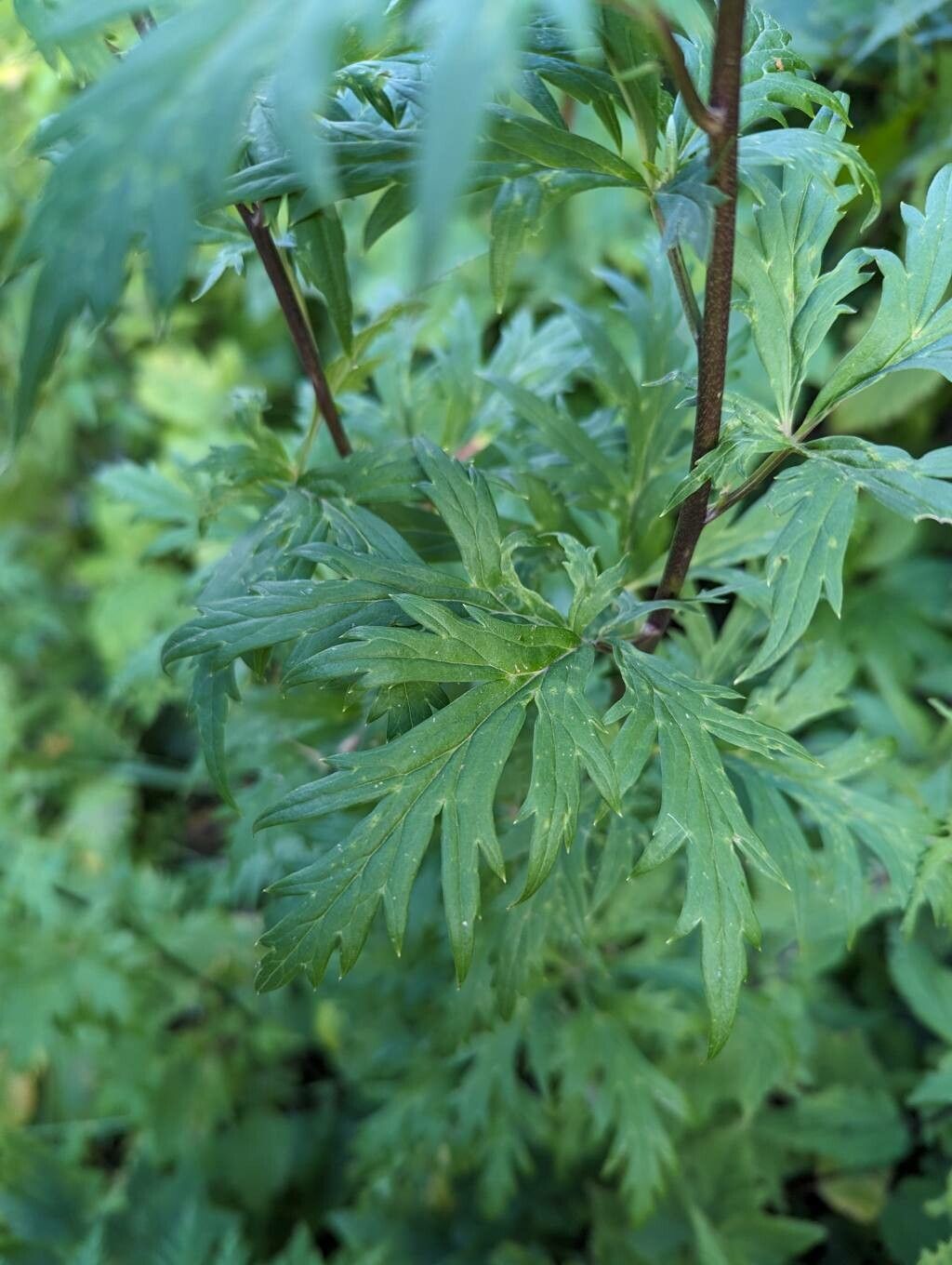
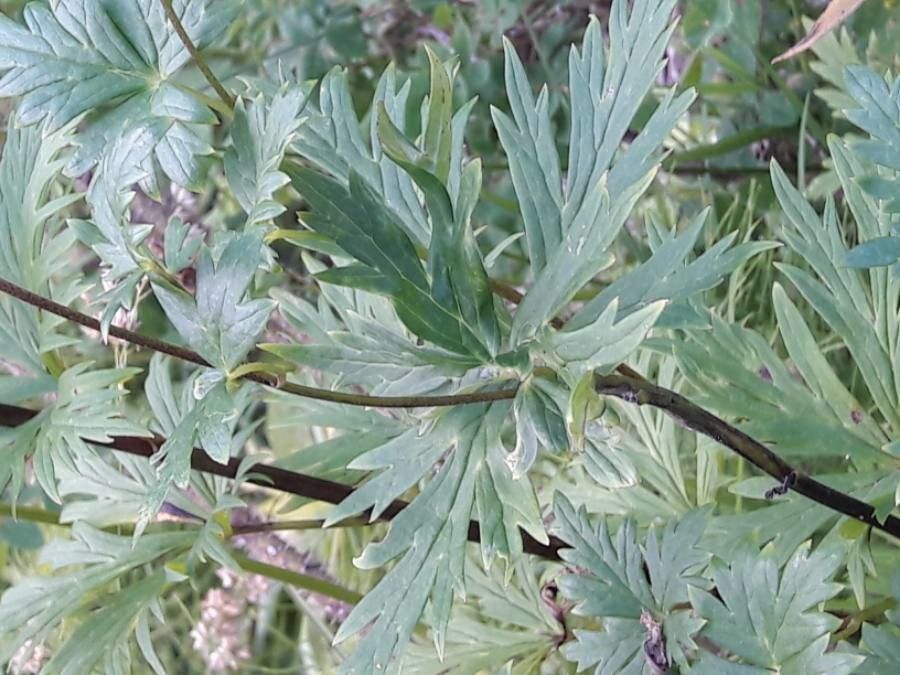
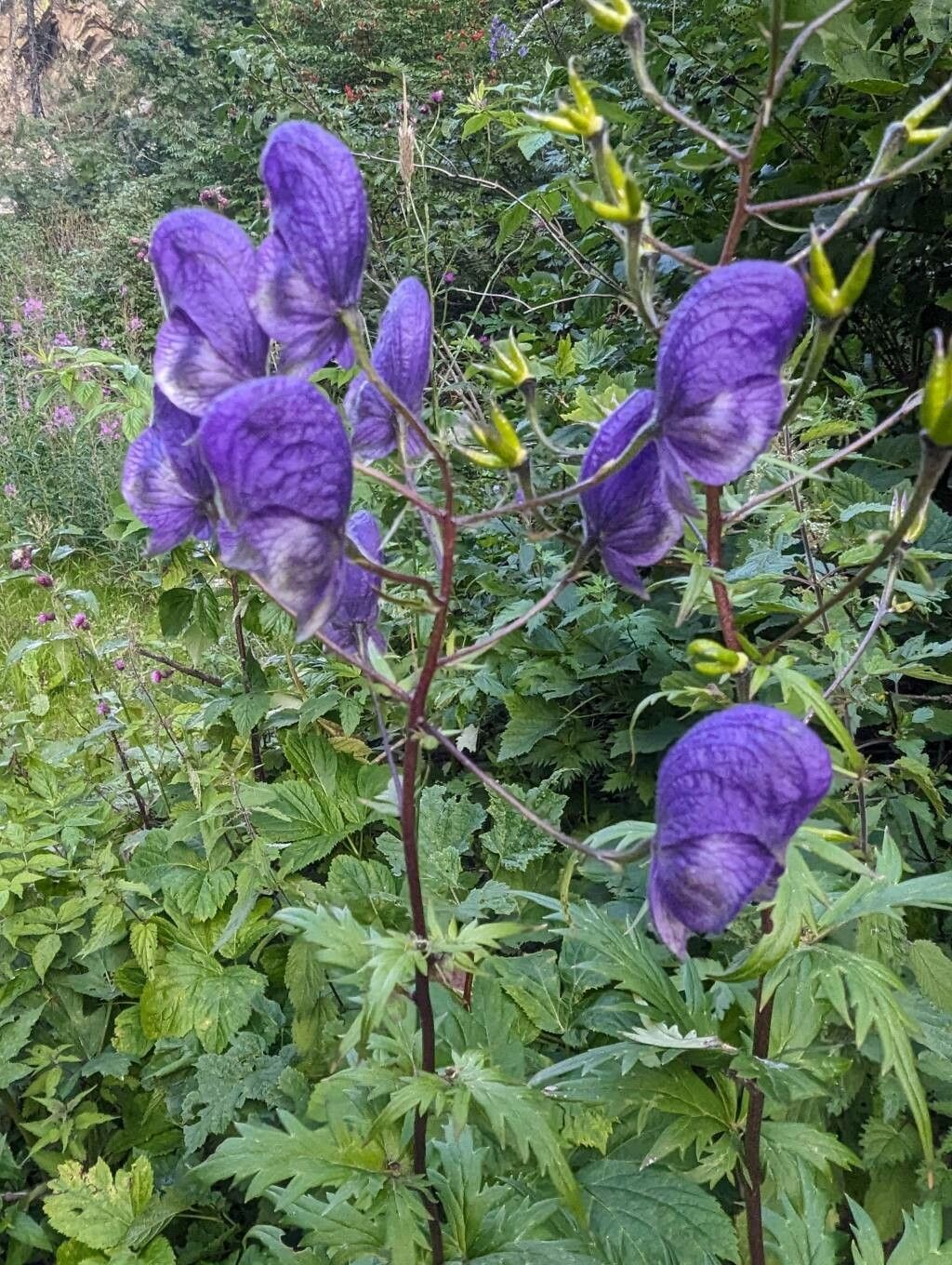
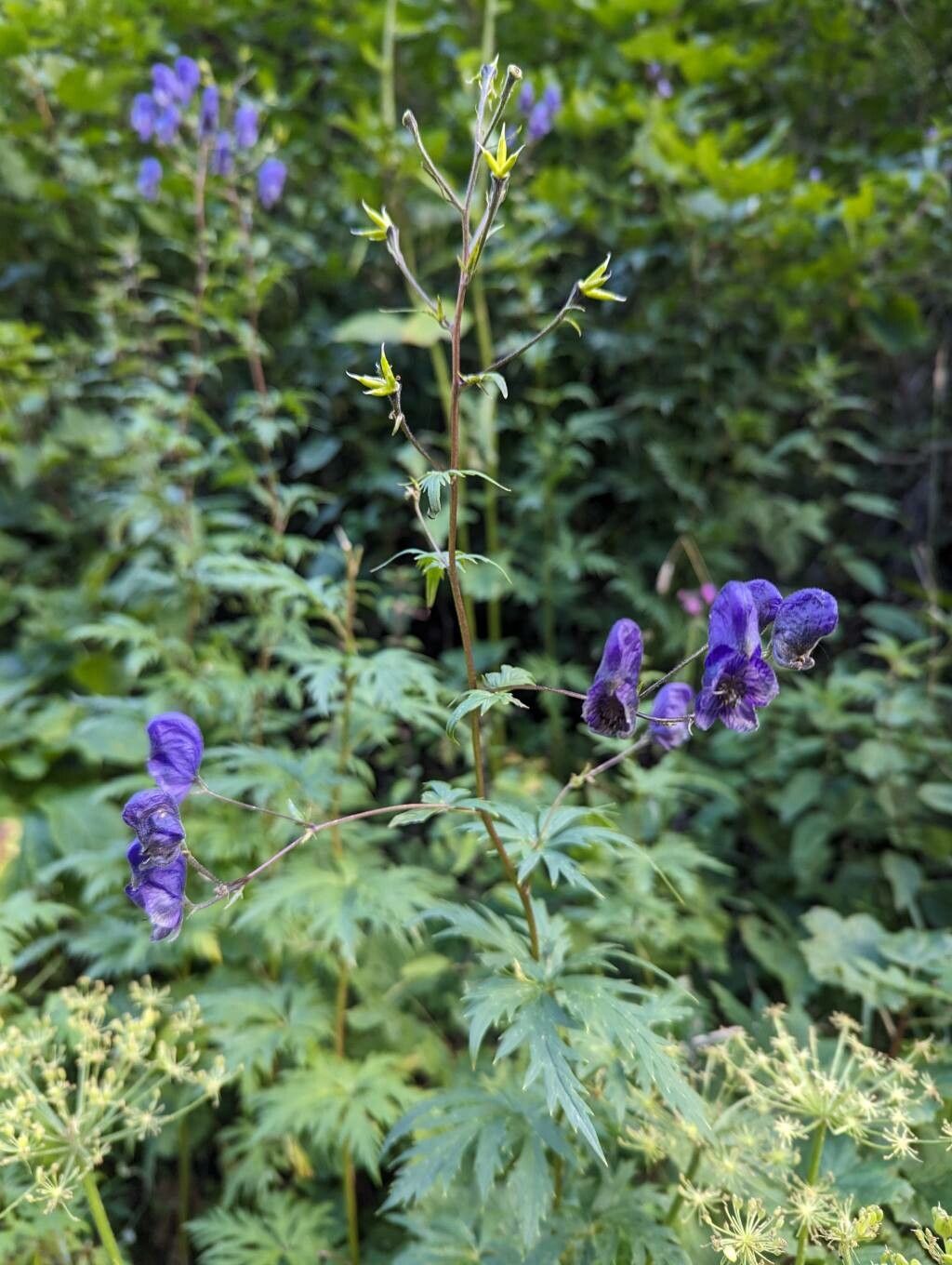
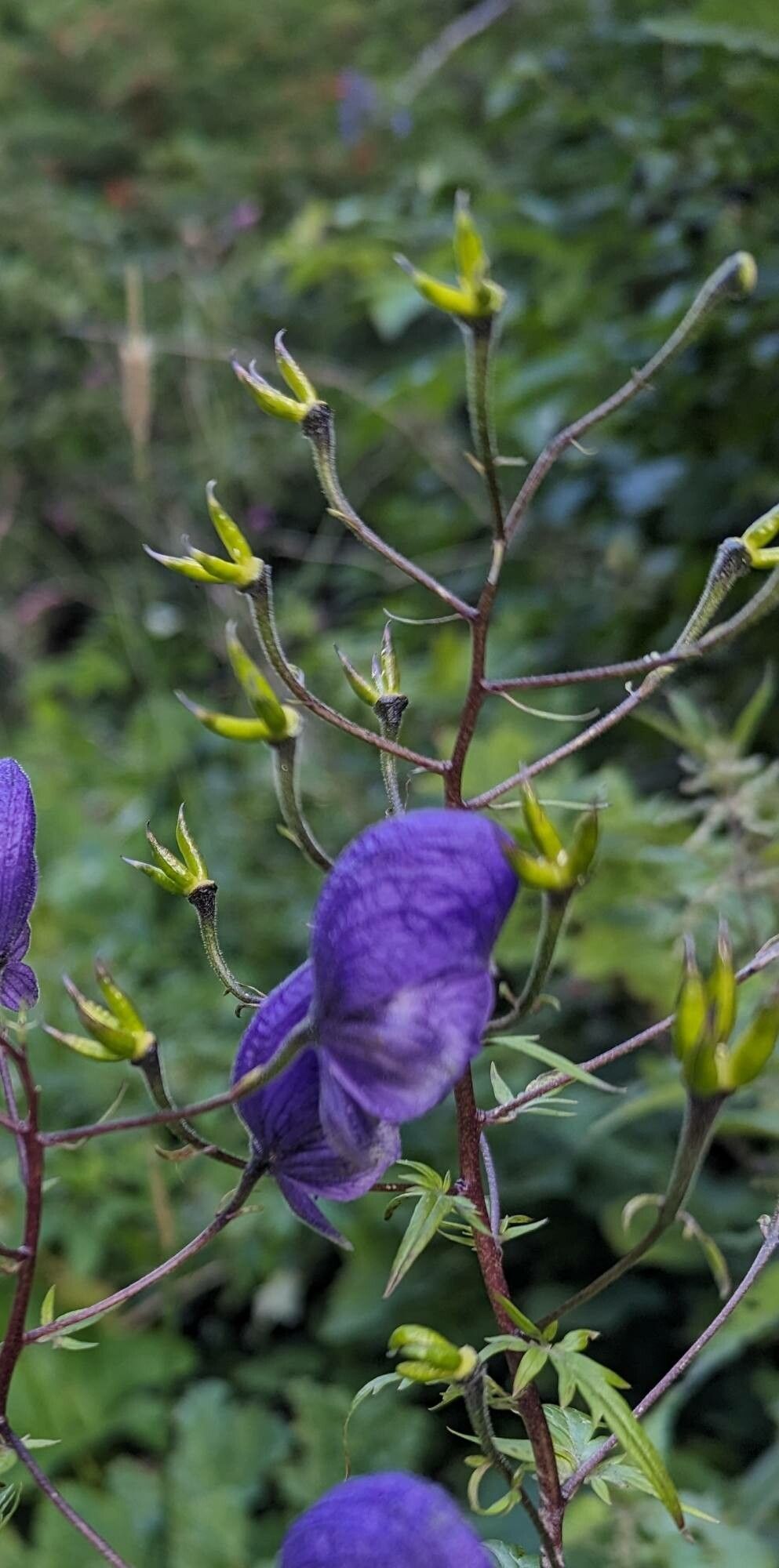
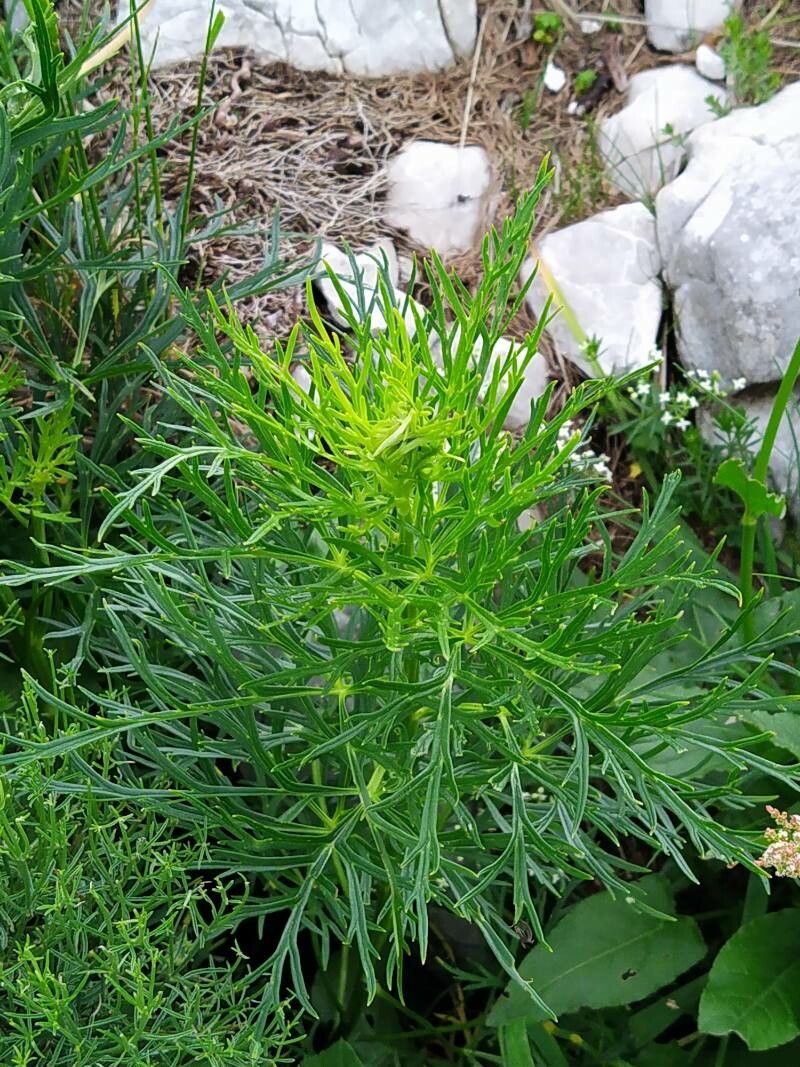
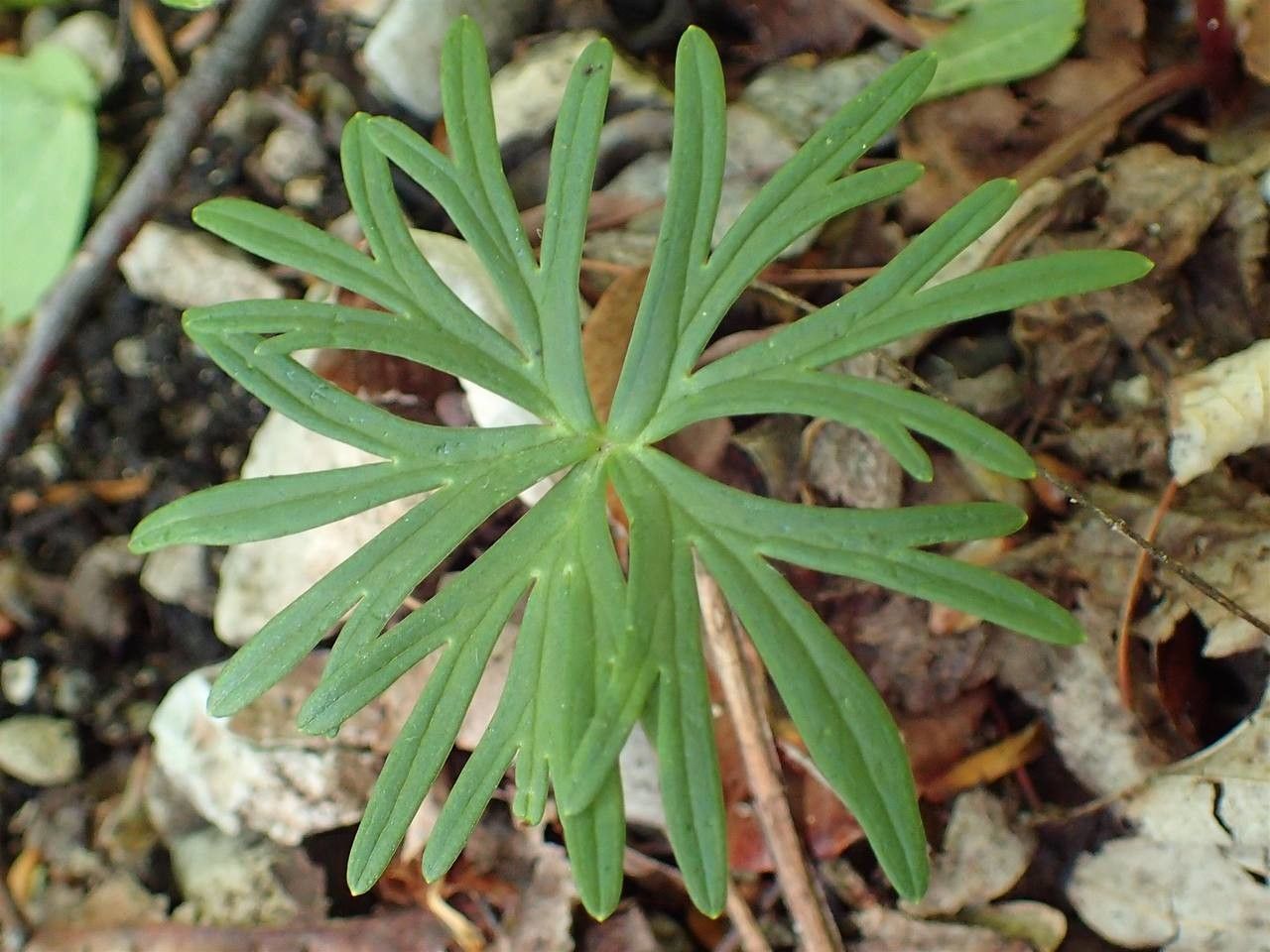
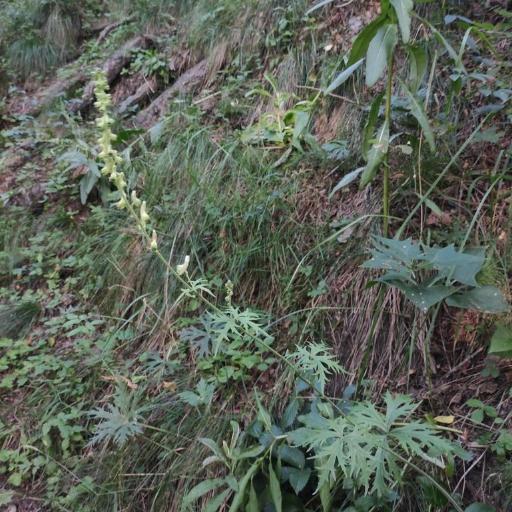
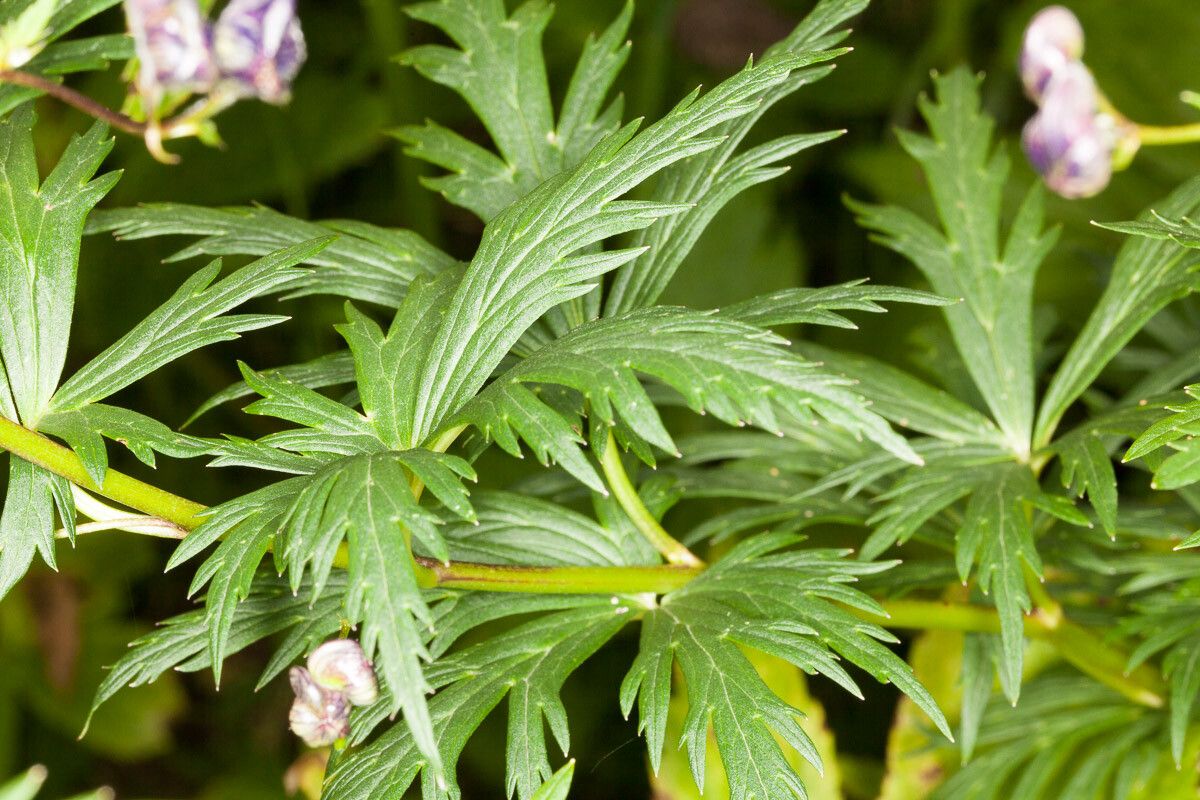
Aconitum degenii is a species of flowering plant in the buttercup family known by the common name branched monkshood .
Paniculate aconite has strong resistance to disease and is generally not prone to illness. Still, it can be vulnerable to pests and diseases present in its environment. Such infections are typically mild. Regarding care, this plant needs moderate maintenance. It should be pruned regularly to preserve a neat appearance and healthy growth. Applying fertilizer can also encourage flowering. Paniculate aconite is appropriate for anyone with outdoor space, like a garden or patio, and does not demand extensive gardening experience. It may need extra attention when kept indoors.
How to keep Aconitum Degenii.
Light
Paniculate aconite naturally occurs in habitats such as forest understories and rocky areas, where it grows under natural shade. It prefers partial sun but can adjust to full sun or full shade, reflecting its adaptable, hardy nature.
Fertilizer
The best time to fertilize a Paniculate aconite is in early spring, as it comes out of dormancy and begins active growth. Fertilizing supplies essential nutrients for healthy development. Although a Paniculate aconite has relatively low fertilizer requirements, fertilizing once a year can improve its survival and encourage better, longer-lasting flowers.
Botanical profile.
- Plant Type
- Herb
- Life Cycle
- Perennial
- Genus
- Aconitum
- Family
- Ranunculaceae
- Hardiness Zone
- 3-7
- Mature Height
- 0.49 m to 1.52 m
- Mature Spread
- 30 cm to 61 cm
- Leaf Color
- Dark Green
- Leaf Type
- Deciduous
- Flower Color
- Purple, Blue
- Flower Size
- 2.03 cm to 3.05 cm
- Bloom Time
- Mid summer, Late summer, Early fall
- Planting Time
- Spring, Summer, Autumn
- Harvest Time
- Mid fall, Late fall
Other names.