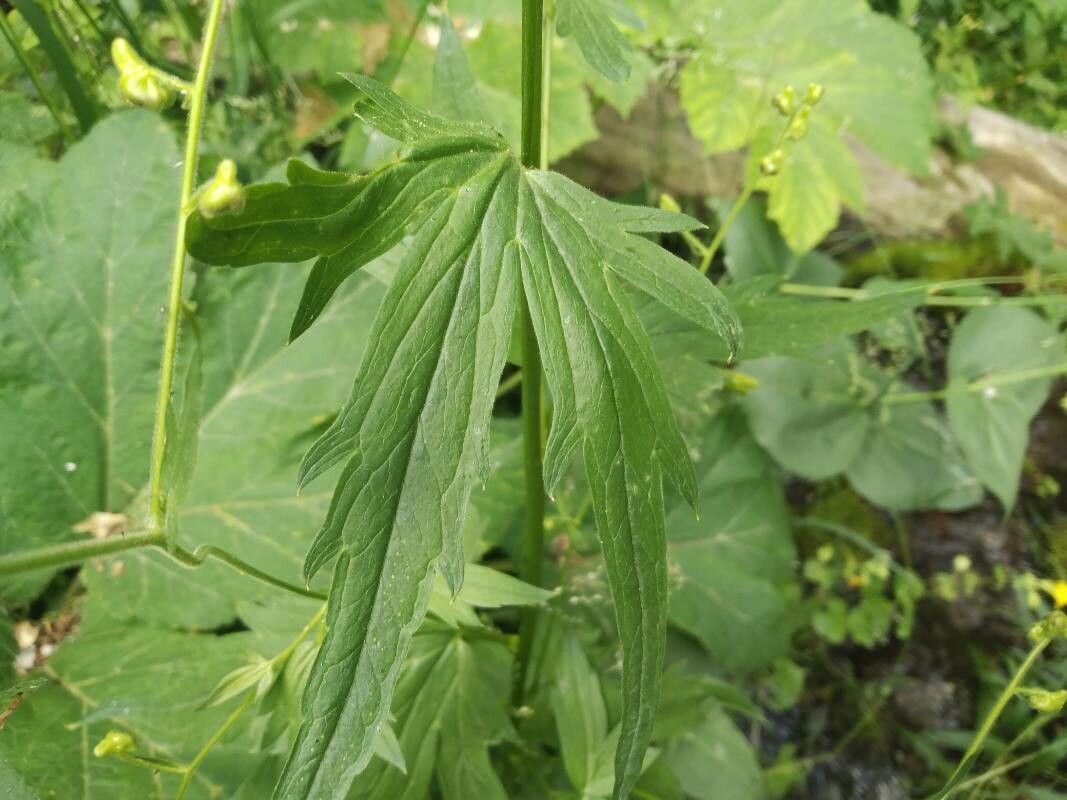
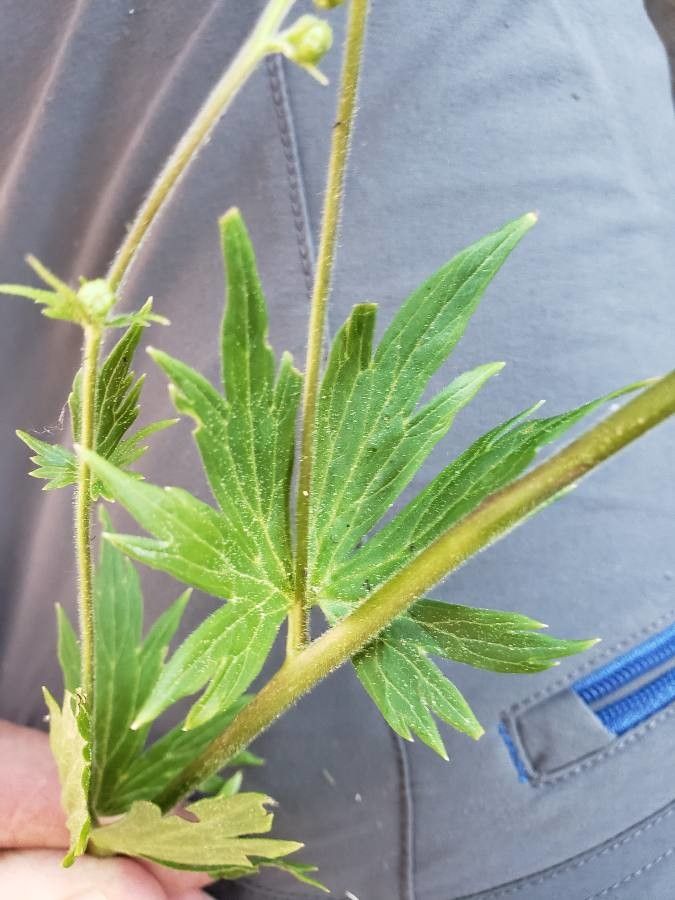
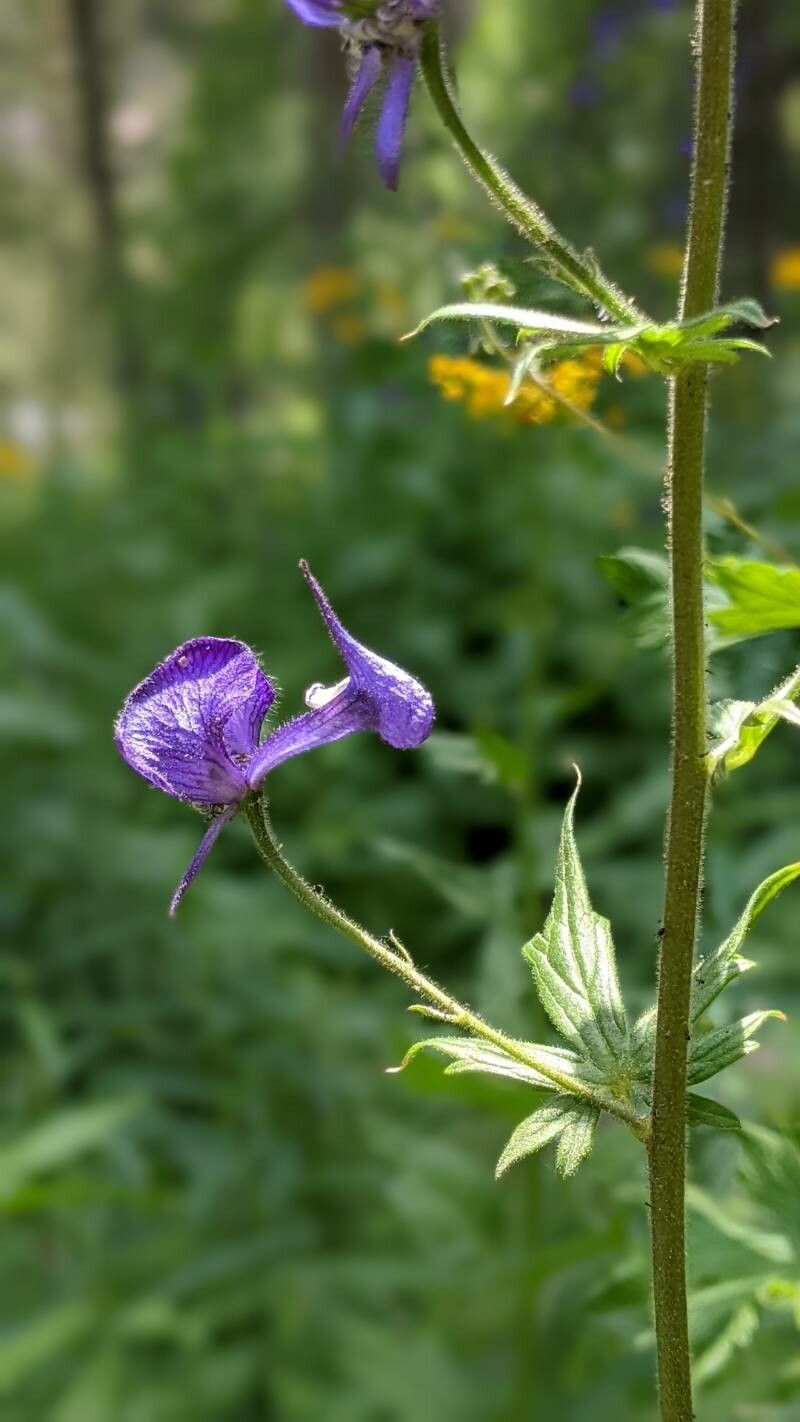
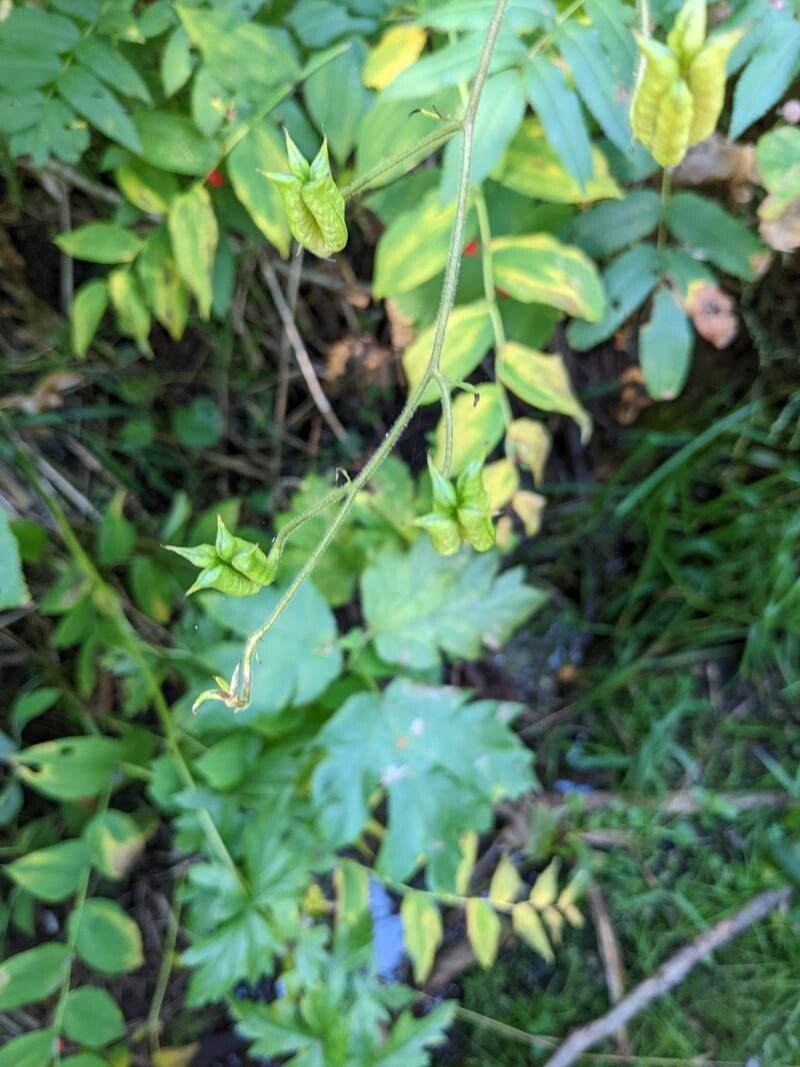
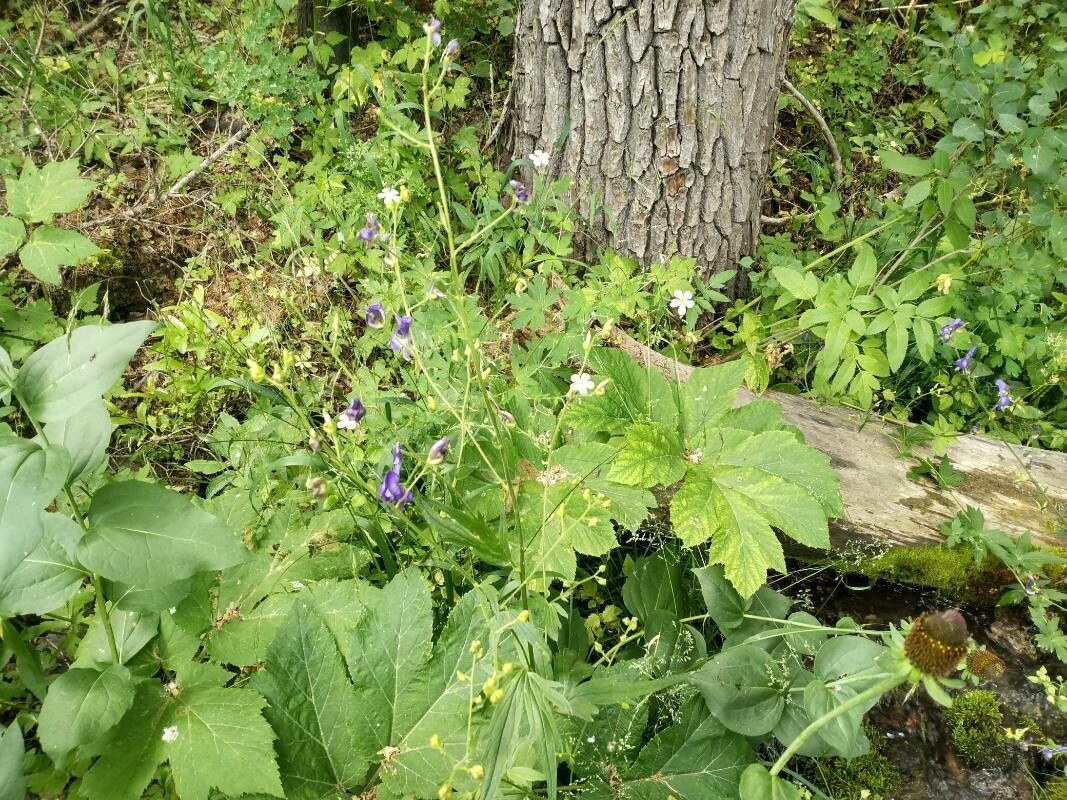
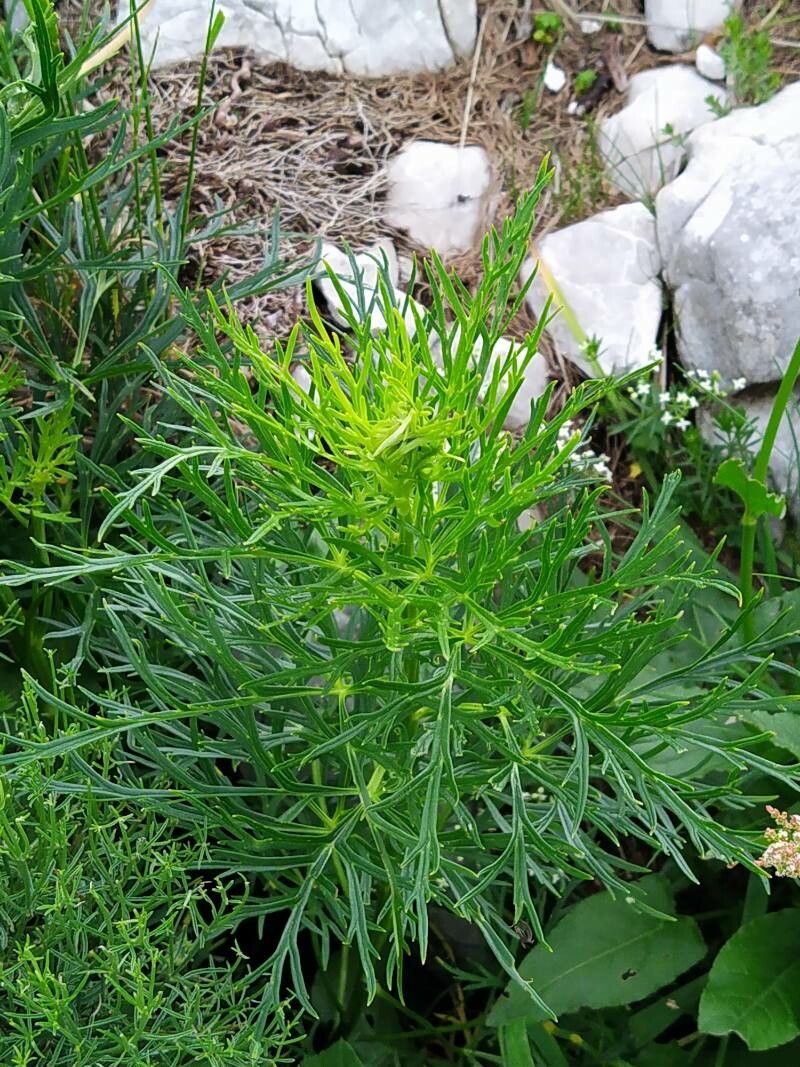
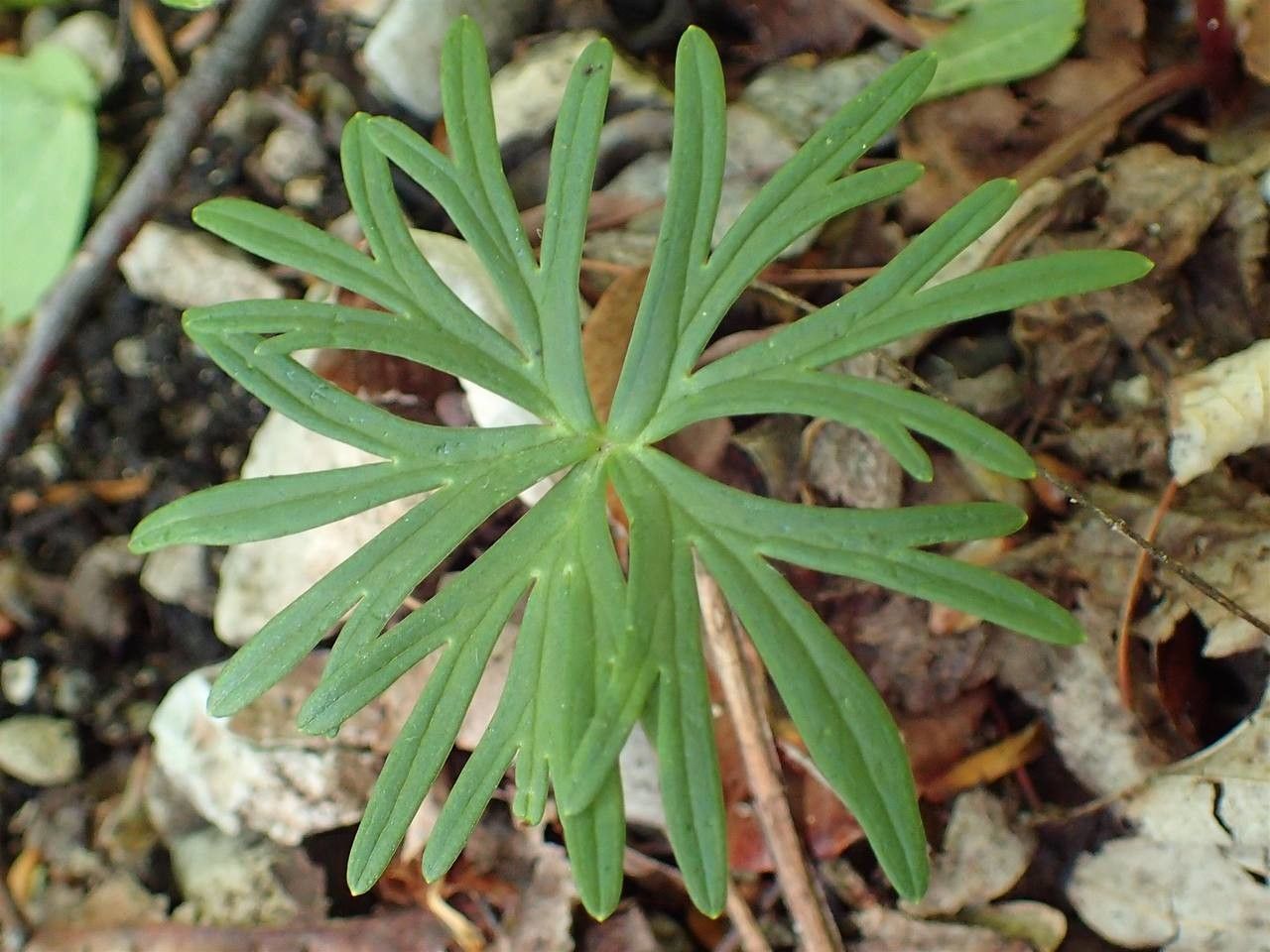
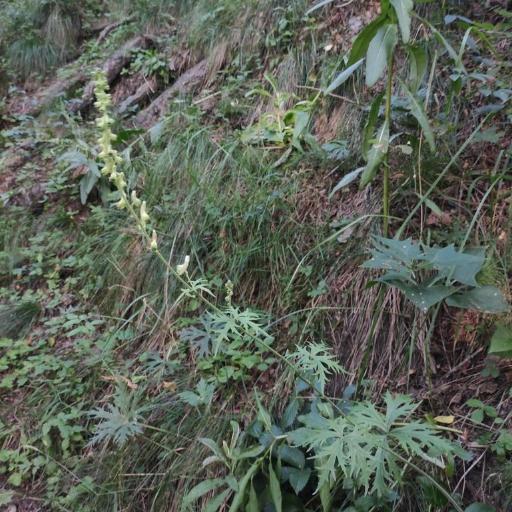
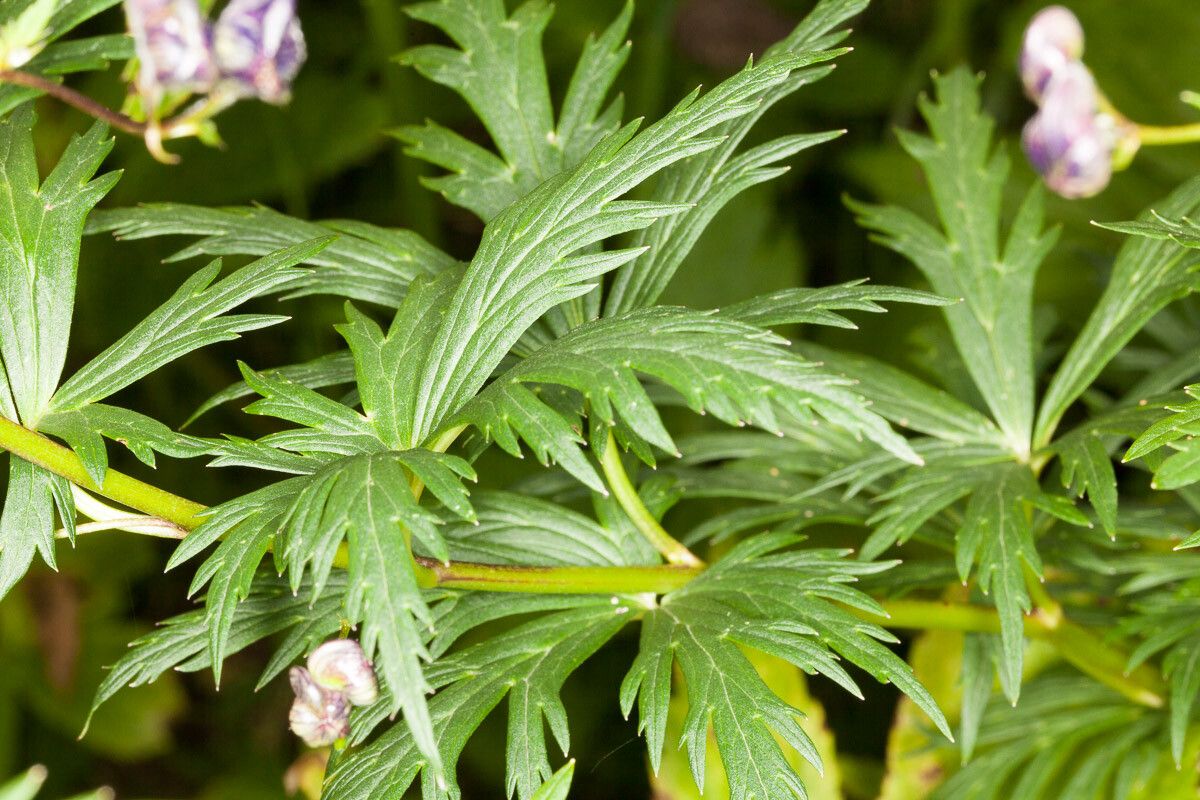
Aconitum columbianum is a species of flowering plant in the buttercup family known by the common names Columbian monkshood or western monkshood. This wildflower is native to western North America where it grows in riparian and other moist areas, in meadows and coniferous forests. It is found from 600–2,900 metres (2,000–9,500 ft) in elevation.
Columbian Monkshood has good resistance to disease and is generally not prone to illnesses. Still, it can be vulnerable to pests and diseases present in its immediate environment, though such infections are typically mild. Regarding care, this plant needs moderate maintenance. It should be pruned regularly to preserve a neat appearance and healthy growth. Applying fertilizer can also aid in encouraging flowering. Columbian Monkshood is appropriate for anyone with outdoor space, like a garden or patio, and does not demand extensive plant-care experience. It may need more attention when cultivated indoors.
How to keep Aconitum Columbianum.
Light
Columbian Monkshood does best in places with somewhat softened sunlight, preferring gentler light levels. It can tolerate sites with stronger sun exposure. Native to dappled-sun habitats, excessive bright light can limit its growth, while too little light may prevent it from prospering.
Water
Columbian Monkshood, a plant native to moist mountain meadows, thrives in high-humidity environments and can tolerate moderate drought. It performs best when it receives consistent moisture, typically needing weekly watering. As an herbaceous perennial, its growth is closely tied to the availability of water, flourishing during rainy seasons.
Temperature
Columbian Monkshood is a plant that does well in a temperate climate, thriving in temperatures from 32 to 77°F (0 to 25℃). During colder seasons, giving it some insulation can help, since it prefers temperatures closer to the upper end of that range.
Fertilizer
The ideal time to fertilize a Columbian Monkshood is early spring, when it is coming out of dormancy and beginning active growth. Fertilizing supplies essential nutrients needed for healthy development. Although Columbian Monkshood has fairly low fertilizer requirements, an annual application can improve its survival and encourage better, longer-lasting flowers.
Botanical profile.
- Plant Type
- Herb
- Life Cycle
- Perennial
- Genus
- Aconitum
- Family
- Ranunculaceae
- Hardiness Zone
- 2-5
- Mature Height
- 0.91 m to 2.13 m
- Mature Spread
- 30 cm
- Leaf Color
- Dark Green
- Leaf Type
- Deciduous
- Flower Color
- Purple, Blue
- Flower Size
- 2.54 cm to 5.08 cm
- Bloom Time
- Summer
- Planting Time
- Spring, Summer
- Harvest Time
- Early fall, Mid fall
Other names.
Reader questions.
How should I water my Columbian Monkshood plant?
To properly water the Columbian Monkshood, use filtered water at room temperature. This is because tap water may contain harmful particles. Additionally, it's important to use water at room temperature or slightly warmer because the plant is used to a warm climate and cold water can be a shock. Avoid overhead watering as it can cause problems with the foliage. Instead, apply the filtered room temperature water directly to the soil until it is completely soaked. Doing this helps moisten the roots and allows them to spread through the soil to absorb the necessary nutrients.
What are the sunlight requirements for plants?
Plants have varying needs for sunlight, which can be categorized as 'Partial sun' and 'Full sun.' Partial sun refers to areas that receive about 3-6 hours of sunlight per day, whereas full sun areas receive more than 6 hours of sunlight daily. It is important for the health and growth of your plants to watch how sunlight moves through your garden throughout the day. This observation helps in choosing spots that provide the perfect balance of light and shade, ensuring the plants' wellbeing.
What is the optimal temperature range for Columbian Monkshood?
Columbian Monkshood thrives in a temperate environment, flourishing best between temperatures of 32 to 77°F (0 to 25°C). Though the plant is highly cold-tolerant, it prefers temperatures nearer the upper end of this range for optimal growth. In colder seasons, it's beneficial to provide some insulation, despite the plant not requiring additional frost protection measures during winter. To prepare for winter, it is recommended to water the plant generously before the first freeze in autumn to ensure the soil is moist and enters a frozen state, which helps prevent drought and water scarcity during winter and early spring.
What should I do if I give my Columbian Monkshood plant too much or too little water?
Overwatering is a more common issue than underwatering for the health of your Columbian Monkshood. When this plant receives too much water, its stems and leaves may wilt and turn yellow. Prolonged overwatering can lead to diseases like root rot, mold, and mildew, which can be fatal for the plant. Underwatering is less common but can still happen, causing brittle and brown leaves. It's important to notice signs of overwatering early and reduce watering immediately. You should also check the soil quality to ensure proper drainage. If underwatering is detected, simply increase watering until the signs subside.
How does Columbian Monkshood respond to sunlight?
Columbian Monkshood, or Aconitum columbianum, thrives best in conditions where it receives slightly muted sun rays, typical of its native sun-dappled landscapes. Although it can tolerate areas with more direct sunlight, too much intense light might impede its growth, and insufficient light could also prevent it from flourishing. For indoor plants, where natural sunlight may be inadequate, artificial lighting becomes essential in promoting healthy growth. LED lights are especially beneficial as they can be tuned to provide specific light wavelengths needed by plants. Depending on the type of plant, the required wattage per square foot varies: full sun plants need 30-50W/sq ft, partial sun plants need 20-30W/sq ft, and full shade plants require 10-20W/sq ft.
How does Columbian Monkshood react to low temperatures?
Columbian Monkshood is extremely cold-tolerant, with winter temperatures ideally being maintained above the plant's growth temperature limit. Should the temperature drop below this threshold, there might not be noticeable changes during winter. However, there could be a decrease in sprouting or even a complete lack of sprouting during springtime. The solution for such a scenario involves removing any parts of the plant that have failed to sprout come spring.
How frequently should I water my Columbian Monkshood plant?
If your Columbian Monkshood is potted, the most accurate way to determine if it needs water is to stick your finger into the soil. If the top two to three inches of soil feel dry, it's time to water it. If you have your Columbian Monkshood planted outside, you can use a similar method. When the top few inches of soil have dried out, it's time to water it. Typically, during spring and early fall, you'll need to water this plant about once a week using this method. However, in extremely hot weather, you may need to water it twice a week or even more frequently. It's worth noting that mature, well-established Columbian Monkshood plants are remarkably drought-tolerant.
What are the symptoms of light deficiency in Columbian Monkshood?
When Columbian Monkshood doesn't get enough light, it exhibits several symptoms indicative of light deficiency. These symptoms include smaller new leaves, leggy or sparse growth, premature leaf drop to conserve resources, halted or no new growth, lighter-colored or chlorotic leaves due to insufficient chlorophyll, and potential damage from excessive light such as sunscald, leaf curling, wilting, leaf scorching, and chlorosis. Recognizing these signs early helps in adjusting care and mitigating long-term damage to the plant.
What should I do if Columbian Monkshood is exposed to high temperatures?
Columbian Monkshood does not tolerate high temperatures well. When the temperature exceeds its maximum suitable growth temperature, the plant's growth will halt, and it becomes more susceptible to rot. In such cases, it is advised to trim away the sunburned and dried-up parts of the plant. Additionally, moving the plant to a location that is shaded during the midday and afternoon sun, or using a shade cloth to create shade, can be beneficial. It is also recommended to water the plant in the morning and evening to keep the soil moist and help the plant cope with the heat.
How much water does my Columbian Monkshood plant need?
When watering your Columbian Monkshood, don't be afraid to give it a generous amount of water. Make sure the first two to three inches of soil are dry before watering. Give enough water to completely soak the soil, allowing excess water to drain out through the pot's drainage holes. If you don't see any excess water draining, you may have not given enough water. However, be careful not to let water accumulate in the soil, as it can harm the plant. On the other hand, if water doesn't drain properly, it could mean that the soil is poorly draining, which is bad for the plant's health. If the plant is outside, 1 inch of rainfall per week will be enough.
How to care for indoor and outdoor Columbian Monkshood with insufficient sunlight?
For indoor Columbian Monkshood, gradually adapting them to changing light conditions by moving them to sunnier spots each week until they receive 3-6 hours of direct sunlight daily can significantly benefit their growth. If the plant is large or difficult to move, using artificial light sources like desk or ceiling lamps, or investing in professional plant grow lights for at least 8 hours a day, is advisable. For outdoor plants, it is crucial to avoid sudden changes in light exposure. Gradually moving plants to sunnier locations weekly until they get accustomed is recommended to prevent sunburn. In scenarios where plants are facing sunlight obstruction, such as from trees, consider pruning to improve sunlight access, or for smaller plants, transplanting during their dormant period could enhance their exposure to adequate sunlight and improve overall health.
How do I water my Columbian Monkshood when it's growing at different stages?
The water needs of the Columbian Monkshood can change depending on its growth stages. In the first few years of its life or when it is transplanted, it requires more water. During these stages, the plant focuses on developing new roots that will support future growth, so they require extra moisture. As the plant matures, it will need less water. Another stage that requires increased water is during the bloom period when the flower development uses a significant amount of moisture.