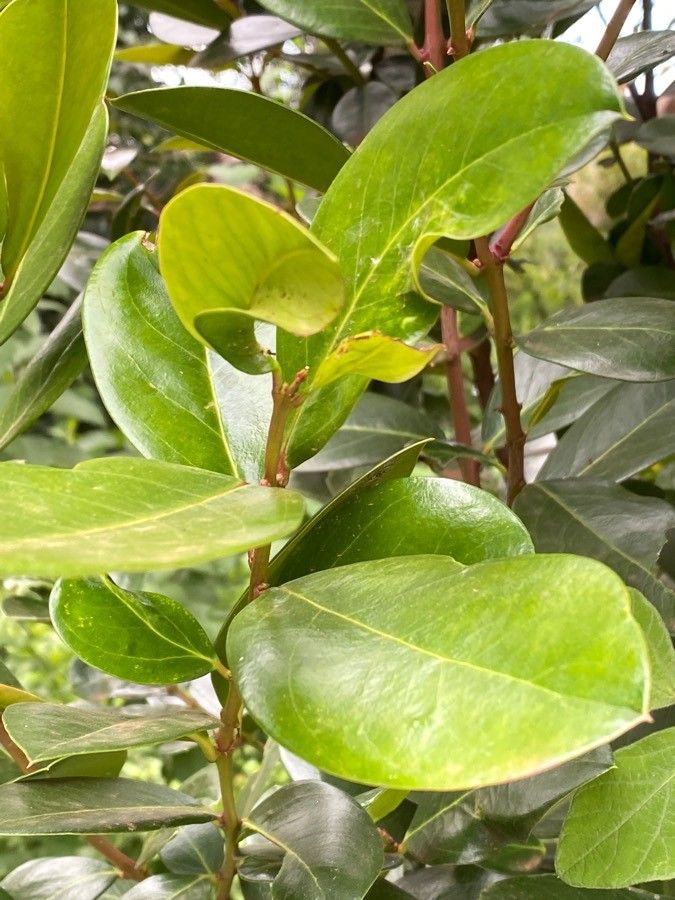
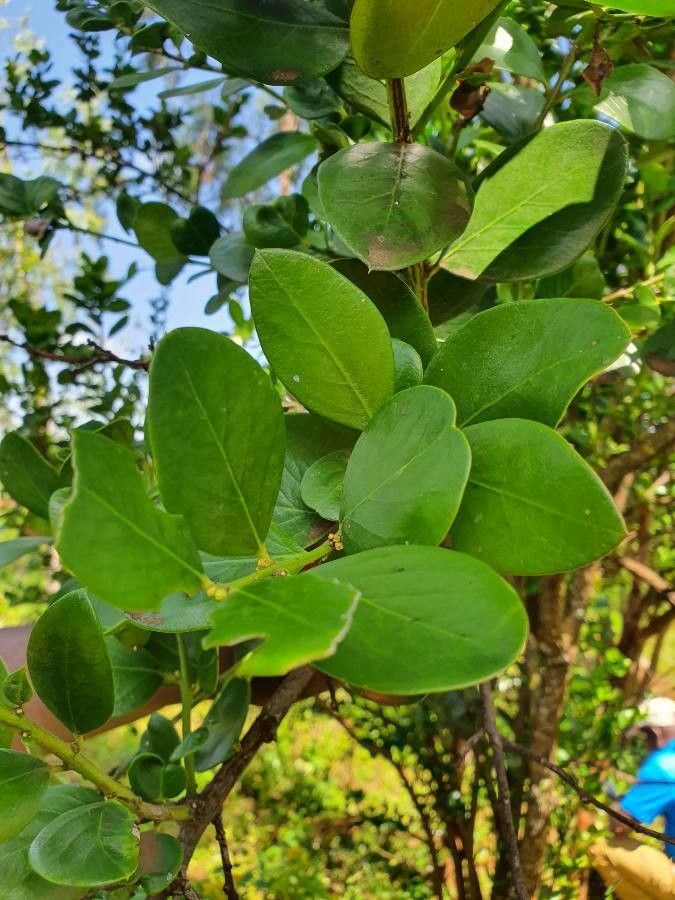
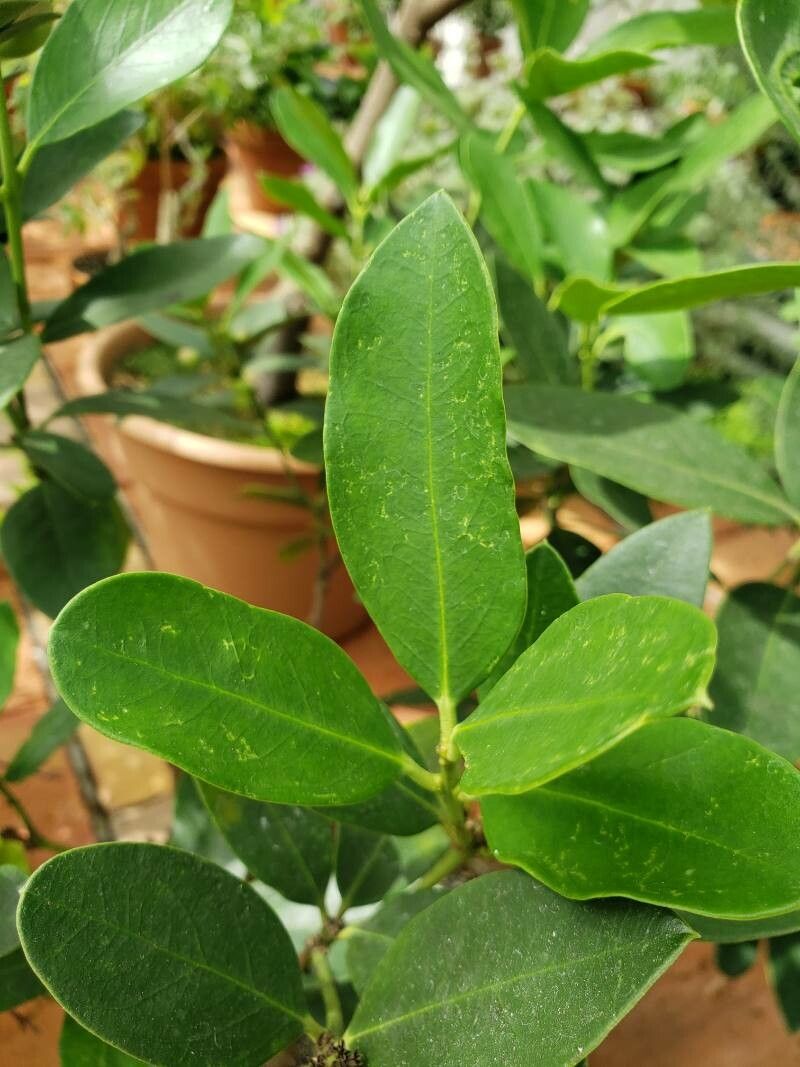
Acokanthera schimperi, commonly known as the poison arrow tree, is a small evergreen tree or shrub indigenous to East Africa. This plant belongs to the Apocynaceae family and can reach up to 6 meters in height. It features a dense crown of dark green, glossy, and leathery leaves, arranged in opposite pairs along the stem, each leaf growing up to 15 centimeters long.
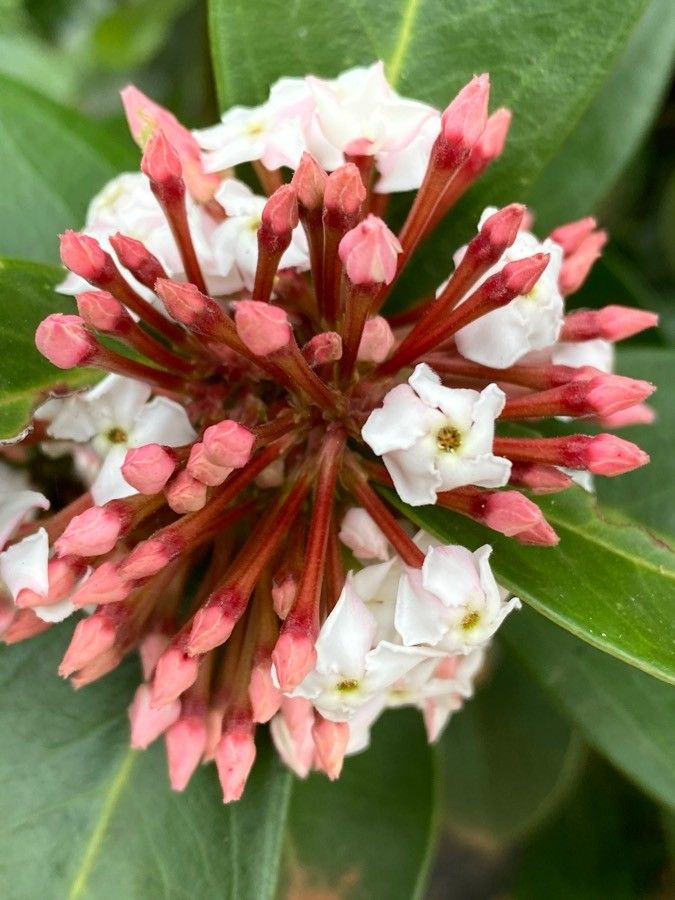
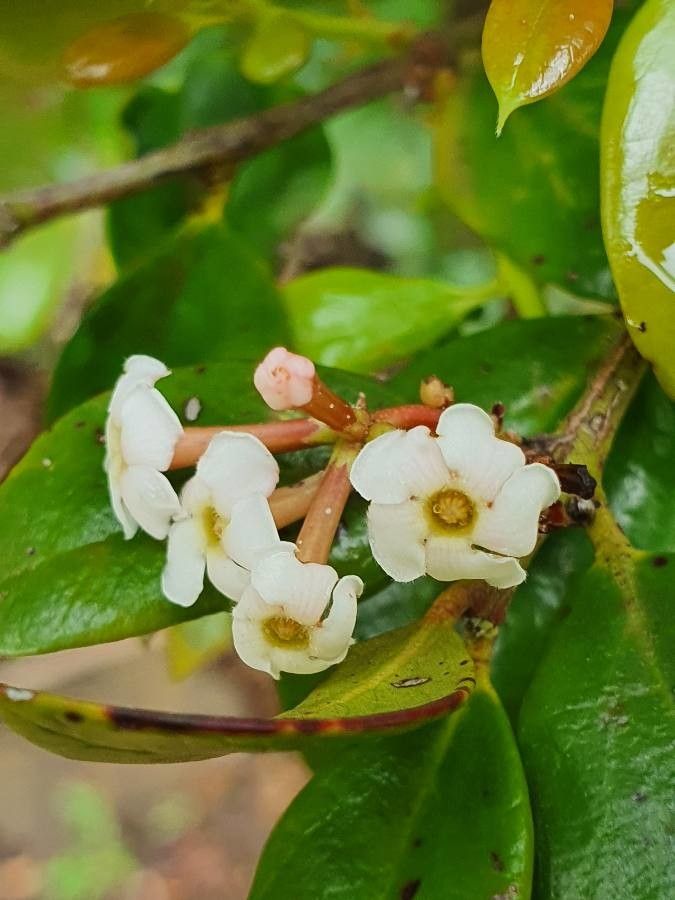
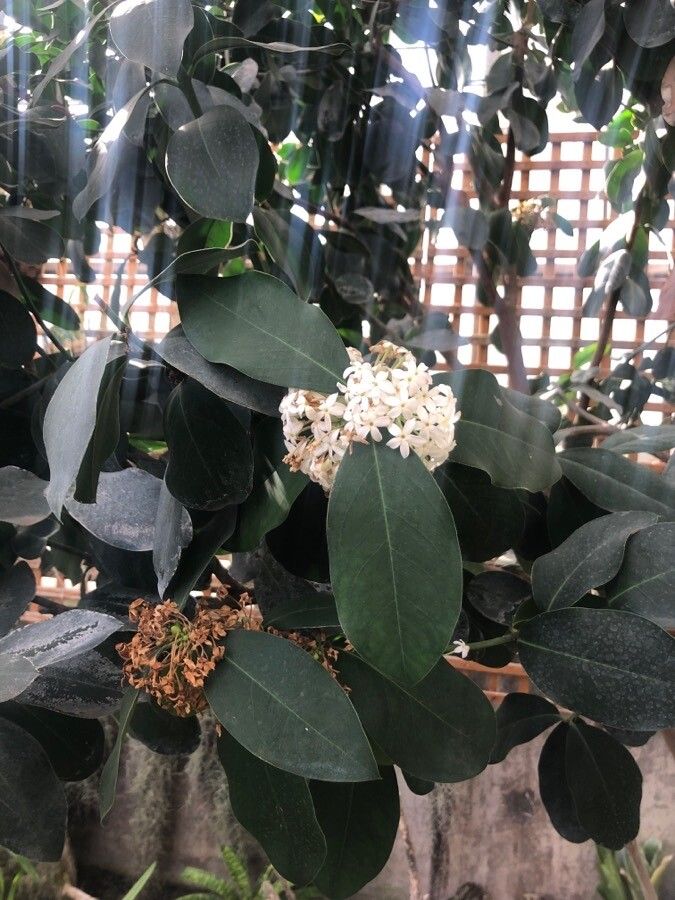
The flowers of Acokanthera schimperi are small and either white or pinkish with a sweet fragrance. They bloom from late winter through early spring, attracting bees for pollination.
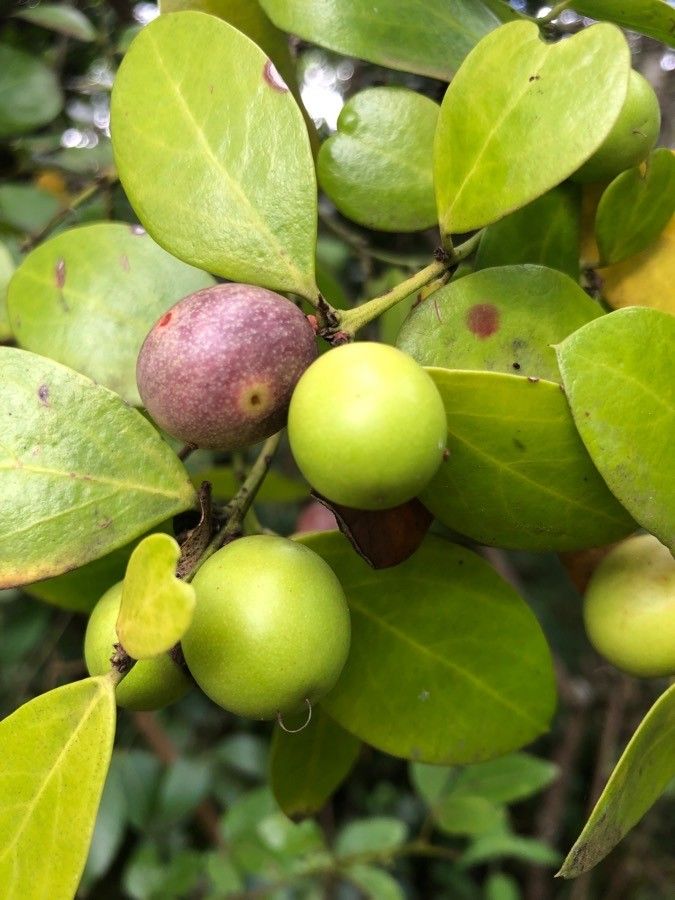
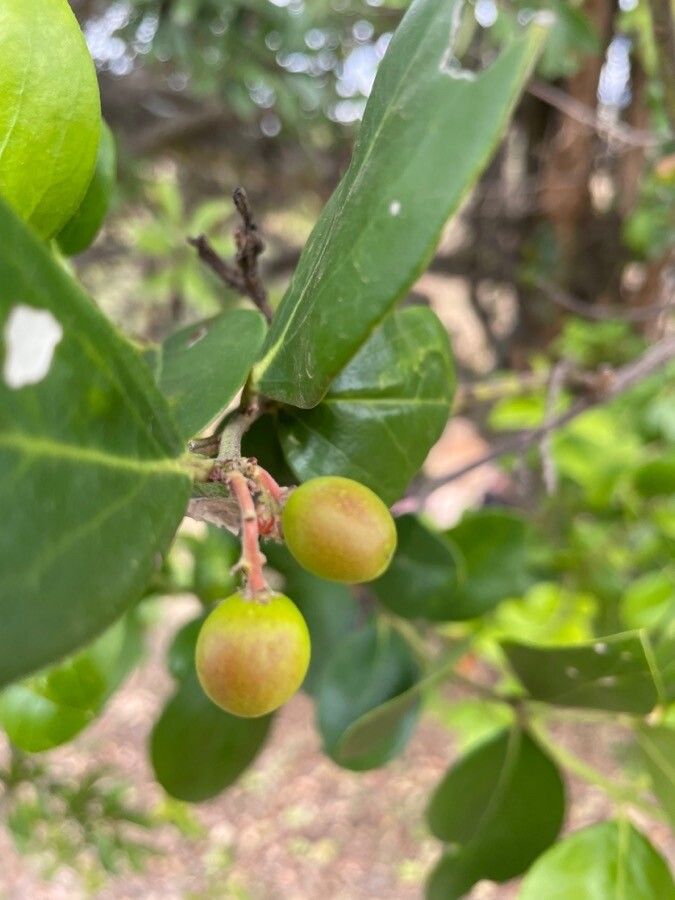
The fruit of Acokanthera schimperi is a large berry containing several seeds. As it ripens, the fruit changes from green to yellow. However, the fruit should not be consumed because it contains toxic alkaloids that can be fatal if ingested.
For centuries, indigenous people have utilized Acokanthera schimperi for medicinal purposes due to its toxic properties. Hunters in Africa have historically used its poison for arrows, and it has also been employed in traditional remedies for ailments such as fever, headaches, and snake bites.
In modern times, the plant is primarily grown ornamentally due to its attractive foliage. Nevertheless, it should be handled with care because of its poisonous nature, making it unsuitable for areas accessible to children or pets without proper supervision.
Botanical profile.
- Genus
- Acokanthera
- Family
- Apocynaceae
Other names.