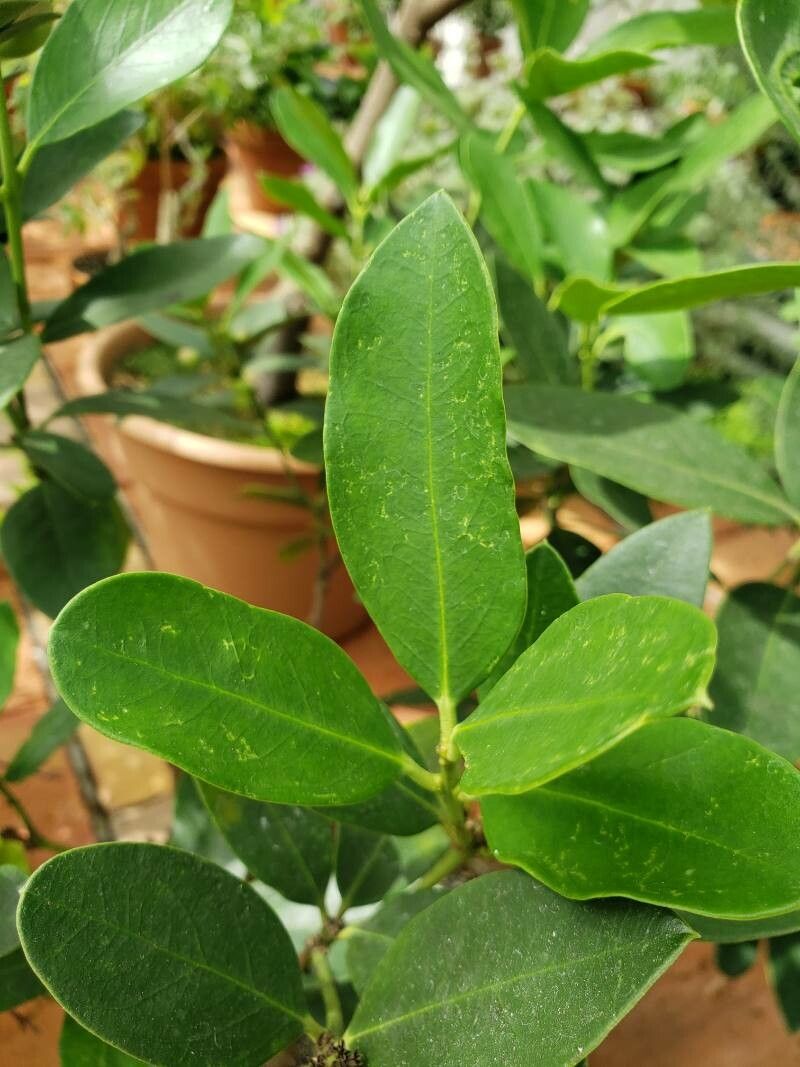
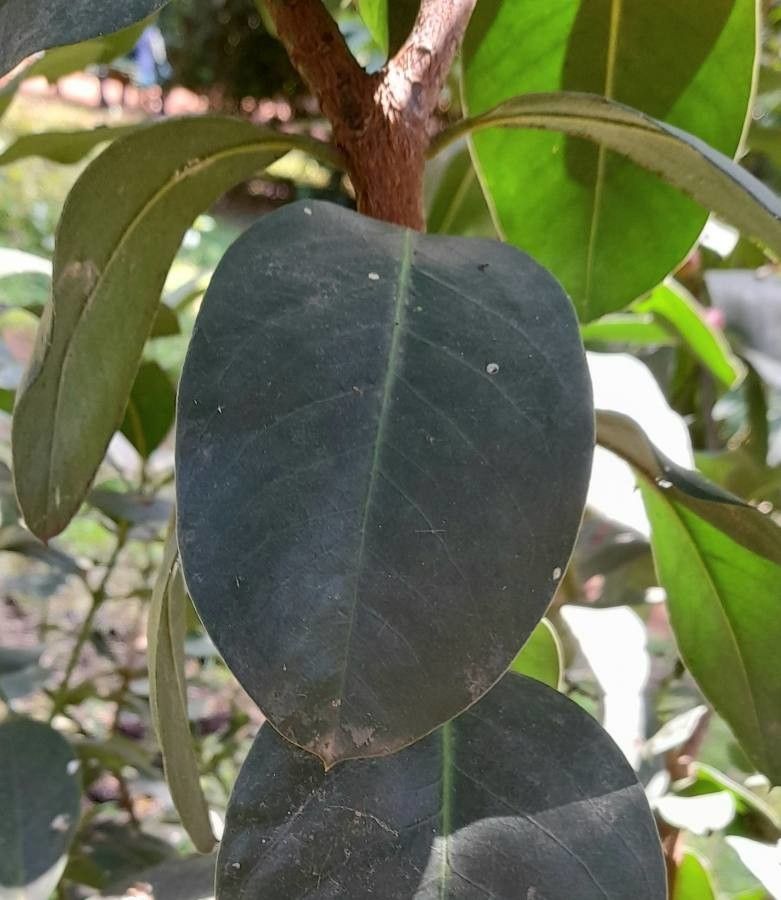
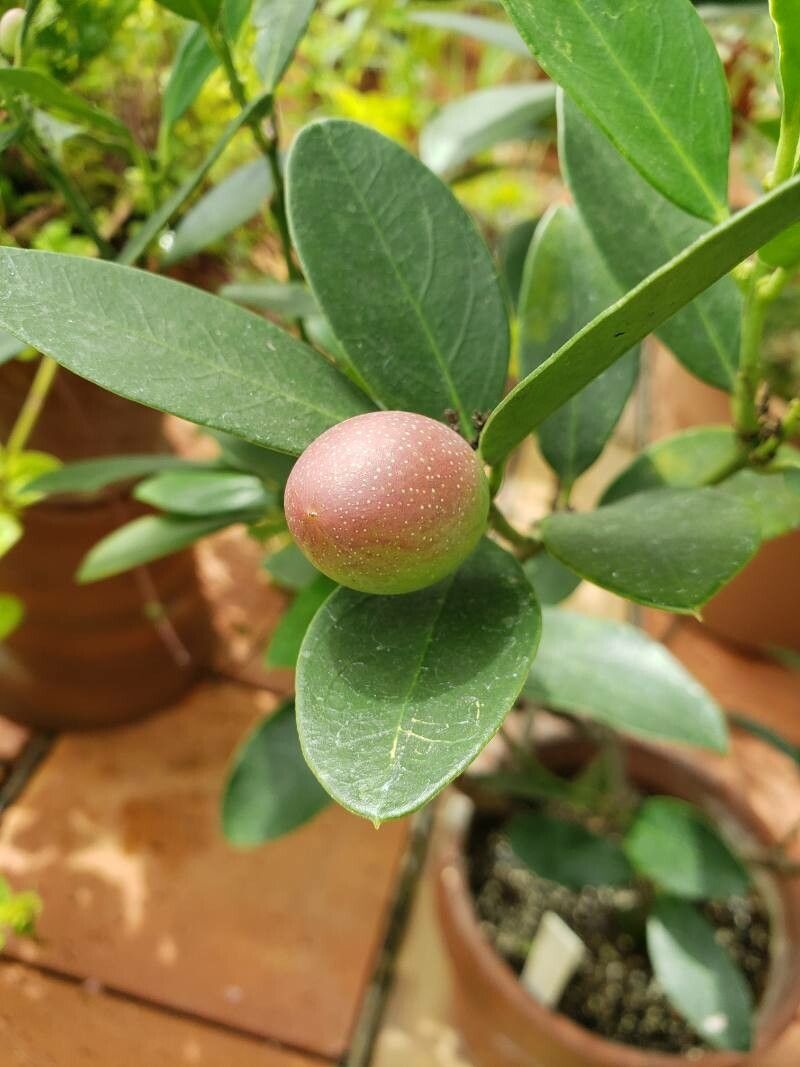
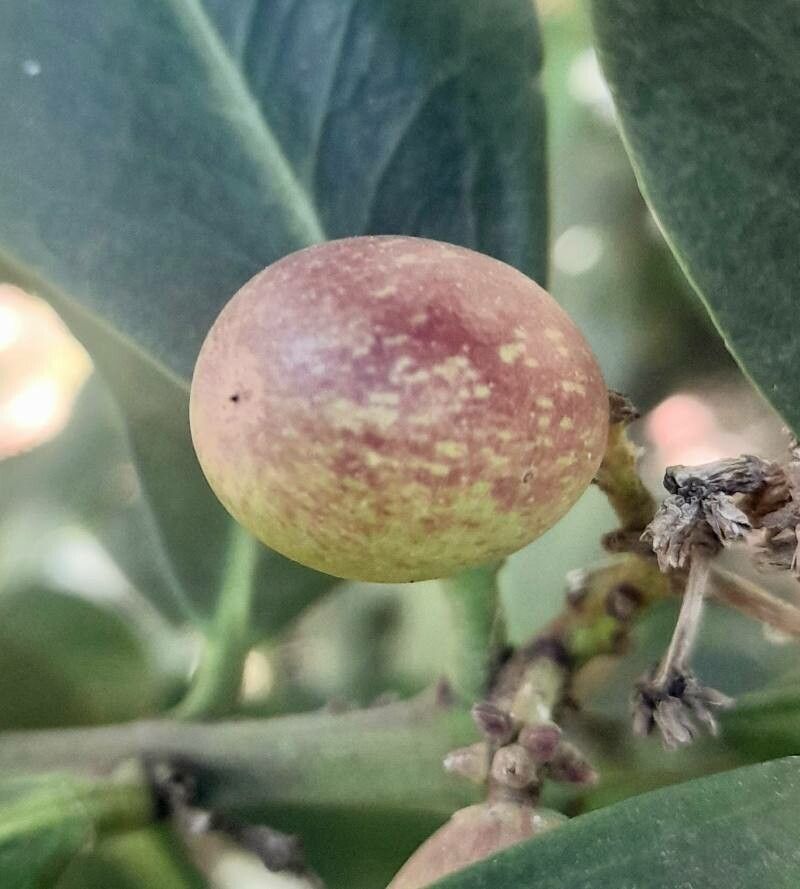
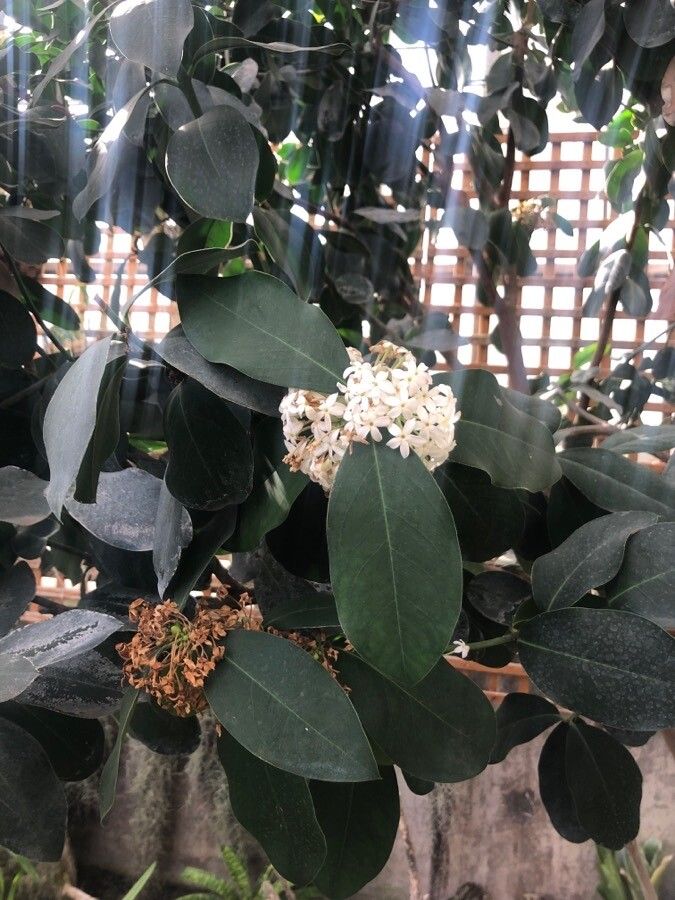
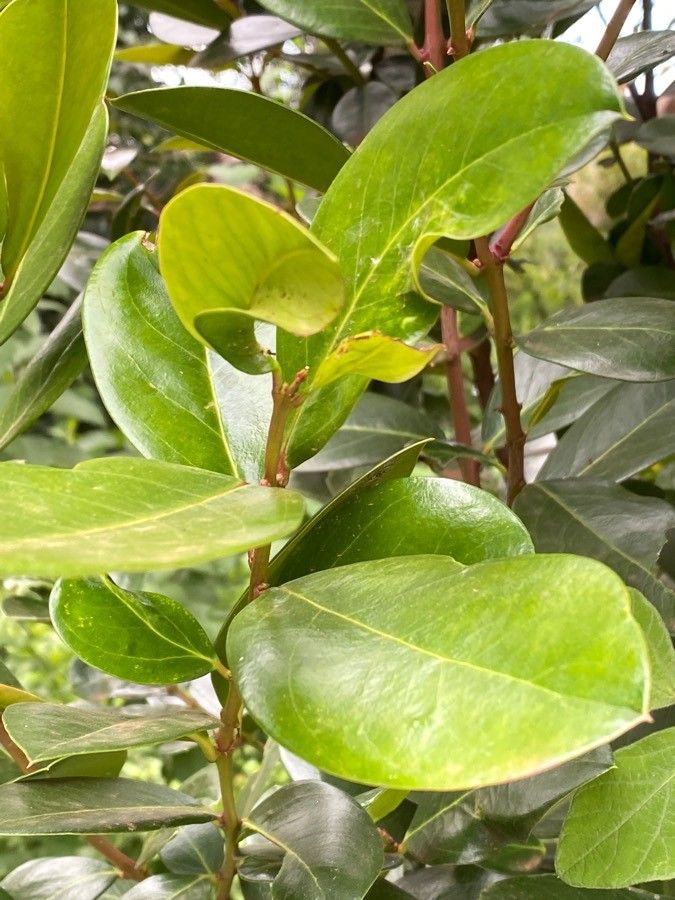
Acokanthera oppositifolia, commonly known as Bushman's Poison or the Poison Arrow Tree, is a small tree or shrub native to southern Africa. It belongs to the Apocynaceae family and can grow up to 5 meters tall. The plant features greyish-brown bark and glossy green leaves, arranged in opposite pairs.
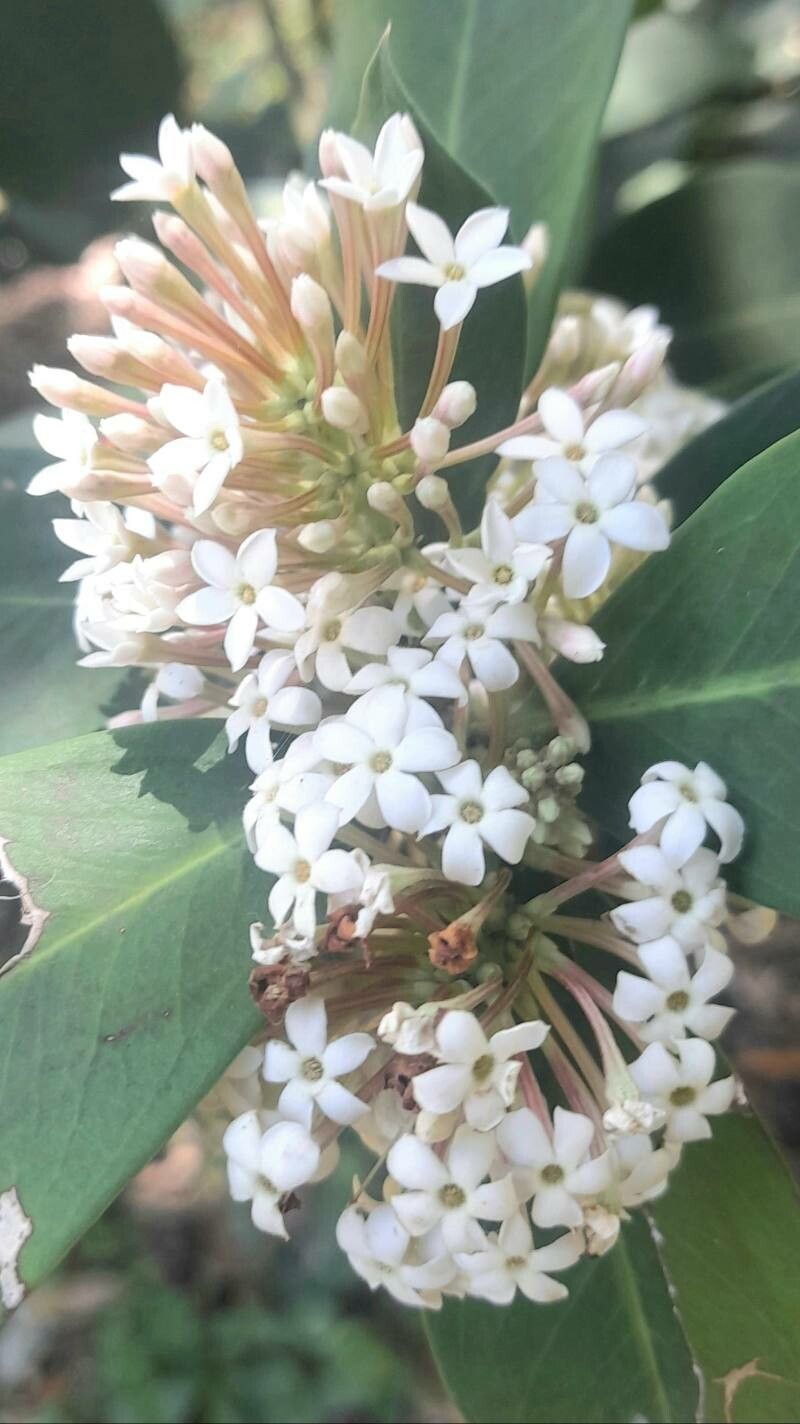
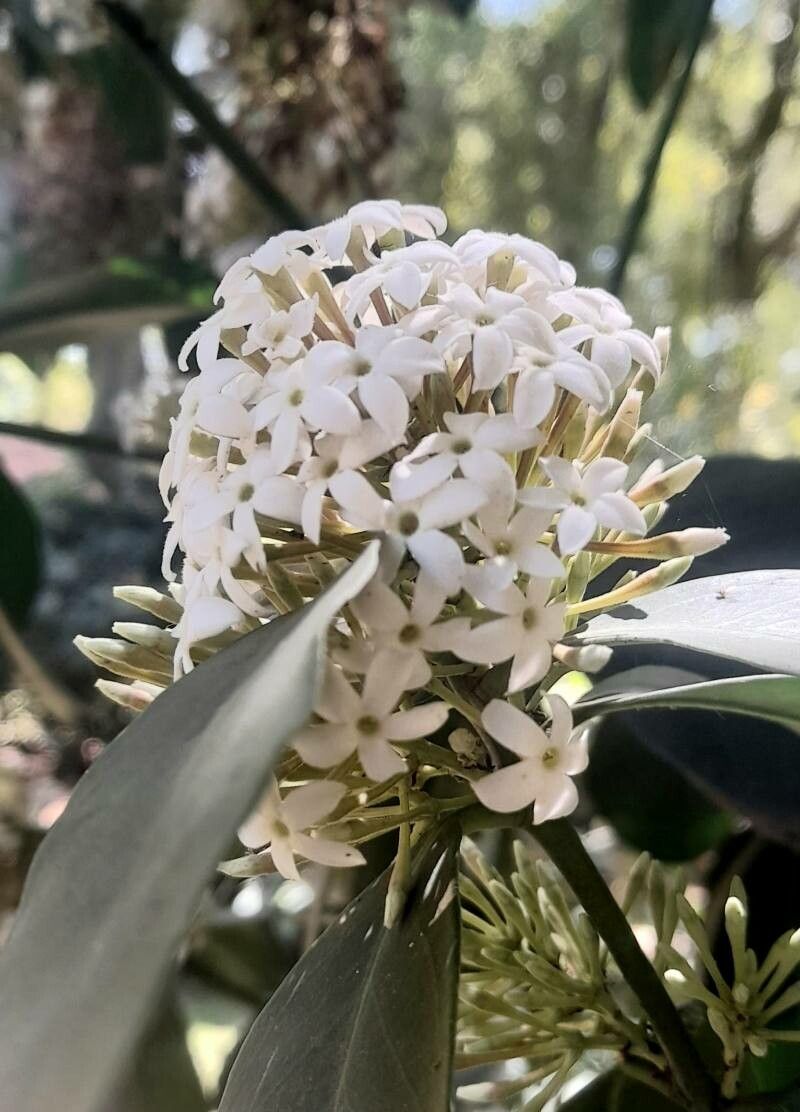
Bushman's Poison produces small, fragrant flowers that are either white or pink, blooming from late winter to early spring. It also bears fruit that resembles a small green apple but is highly toxic.
The toxic properties of Acokanthera oppositifolia have been known for centuries and were utilized by indigenous peoples for hunting. The plant's sap contains potent cardiac glycosides, which can cause heart failure if ingested.
Despite its toxicity, Acokanthera oppositifolia has some medicinal uses. Traditionally, it has been employed to treat various ailments such as fever, headaches, snake bites, and even mental illness.
Today, this plant is primarily grown as an ornamental shrub due to its attractive foliage and flowers. However, it should be handled with caution because of its poisonous nature.
Bushman's-poison has strong resistance to disease and is usually not susceptible to illnesses. With respect to care, this plant is fairly low-maintenance. When planted outdoors, it needs minimal watering, and larger plants typically do not require pruning. Smaller plants, however, should be pruned after they have finished blooming. Bushman's-poisont is suitable for anyone who has an outdoor area, such as a garden or a deck, and does not demand extensive care experience.
How to keep Acokanthera Oppositifolia.
Light
Bushman's-poison naturally occurs in habitats such as forest understories and rocky areas, where it grows in natural shade. It prefers partial sun but can tolerate full sun or full shade, showing its hardy and adaptable nature.
Temperature
Bushman's-poison shows good temperature adaptability, enduring higher heat and larger temperature fluctuations. In hot weather, it’s important to watch watering and provide adequate shade to avoid sunburn. Conversely, Bushman's-poison is relatively sensitive to low temperatures. While it can tolerate some cold, excessively low temperatures can cause frost damage.
Fertilizer
Timing matters when fertilizing Bushman's-poison. Apply fertilizer in early spring and continue monthly through early summer. Fertilizer promotes attractive blooms and supplies energy during both dormant and active growth phases.
Pruning
Bushman's-poison is a plant known for its glossy evergreen leaves and toxic properties. To maintain its health and appearance, it's important to prune the plant in early spring by removing any dead branches. This not only promotes the plant's health and density but also helps prevent diseases. Pruning at this time encourages recovery and enhances flowering, which improves the plant's overall aesthetics and vigor. Because the plant is toxic, it's advisable to wear gloves when handling it.
Botanical profile.
- Plant Type
- Shrub
- Life Cycle
- Perennial
- Genus
- Acokanthera
- Family
- Apocynaceae
- Hardiness Zone
- 9-11
- Mature Height
- 3.05 m to 4.88 m
- Mature Spread
- 2.13 m to 3.05 m
- Leaf Color
- Dark Green
- Leaf Type
- Evergreen
- Flower Size
- 1.02 cm to 1.52 cm
- Bloom Time
- Mid spring, Late spring, Early summer
- Planting Time
- Spring, Summer
- Harvest Time
- Mid summer, Late summer, Early fall
- Native Area
- Malawi, Mozambique, Tanzania, South Africa, Zambia, Eswatini, Kenya, Congo (DRC), Botswana, Zimbabwe
Other names.