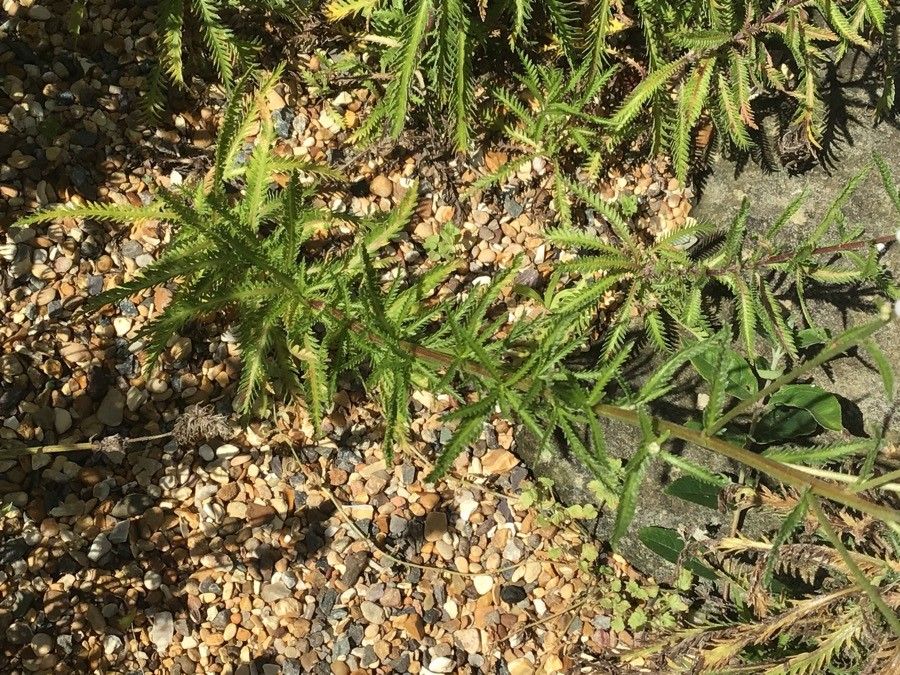
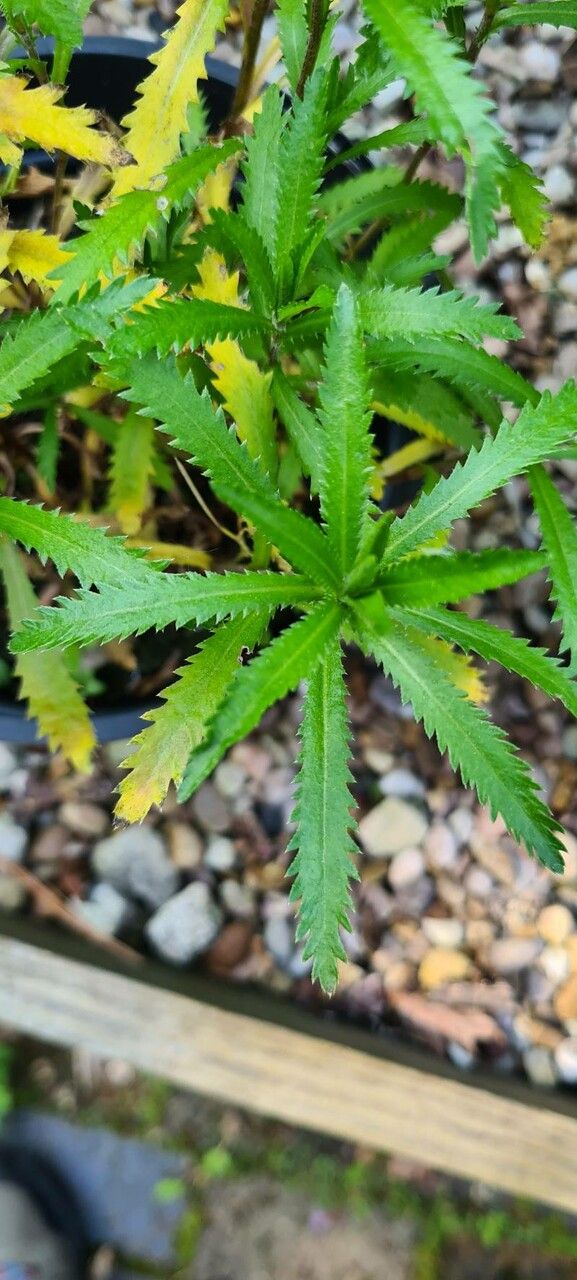
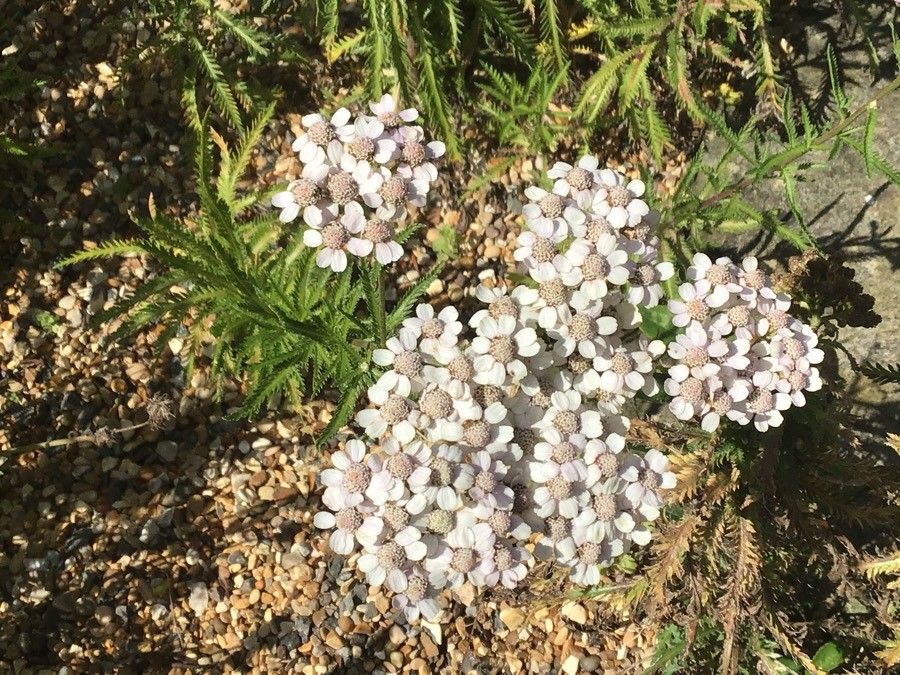
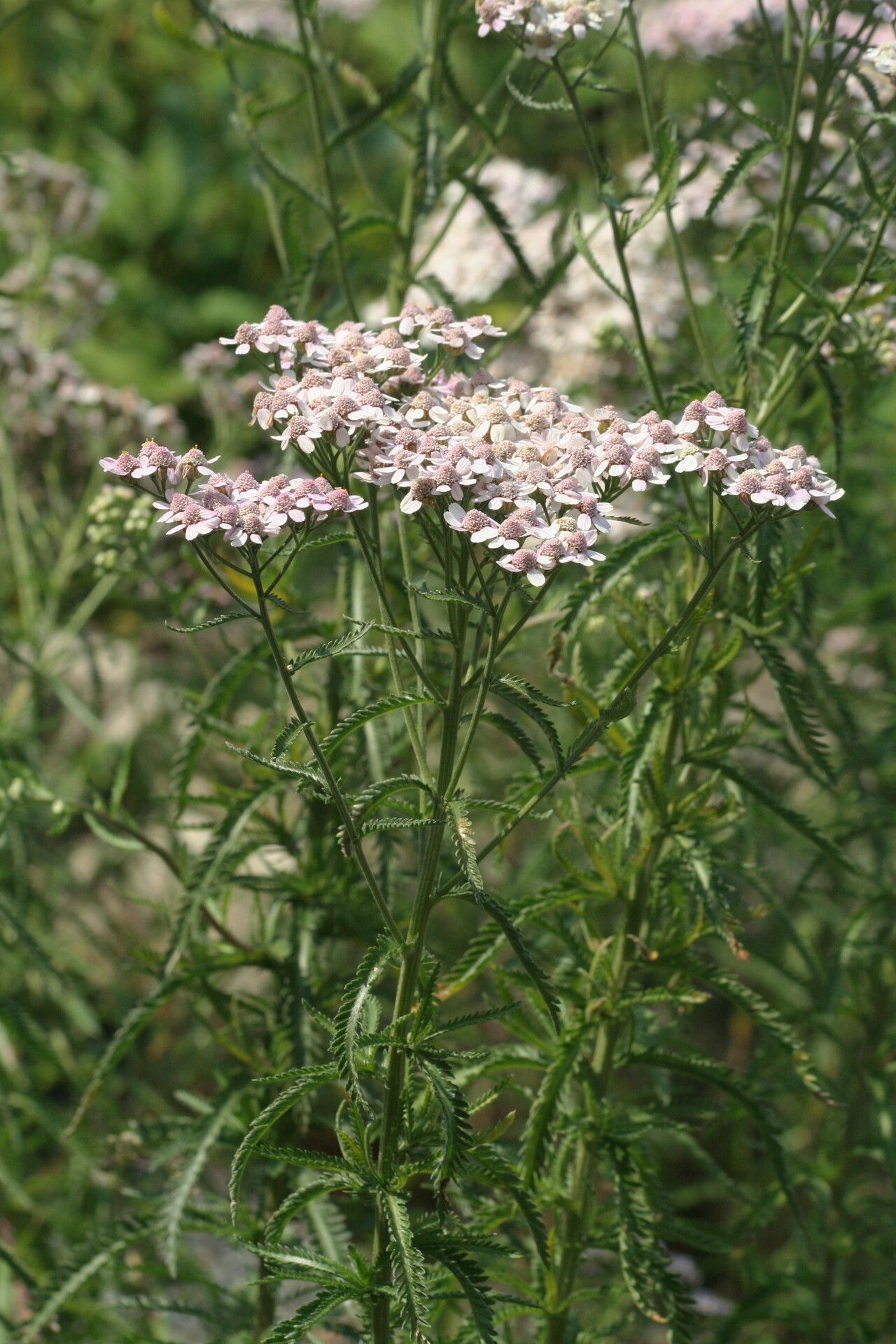
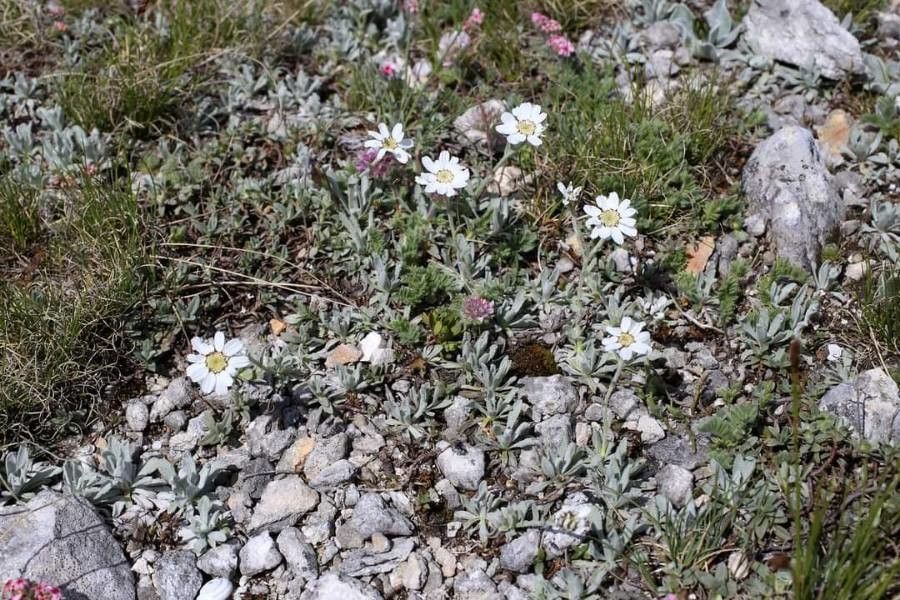
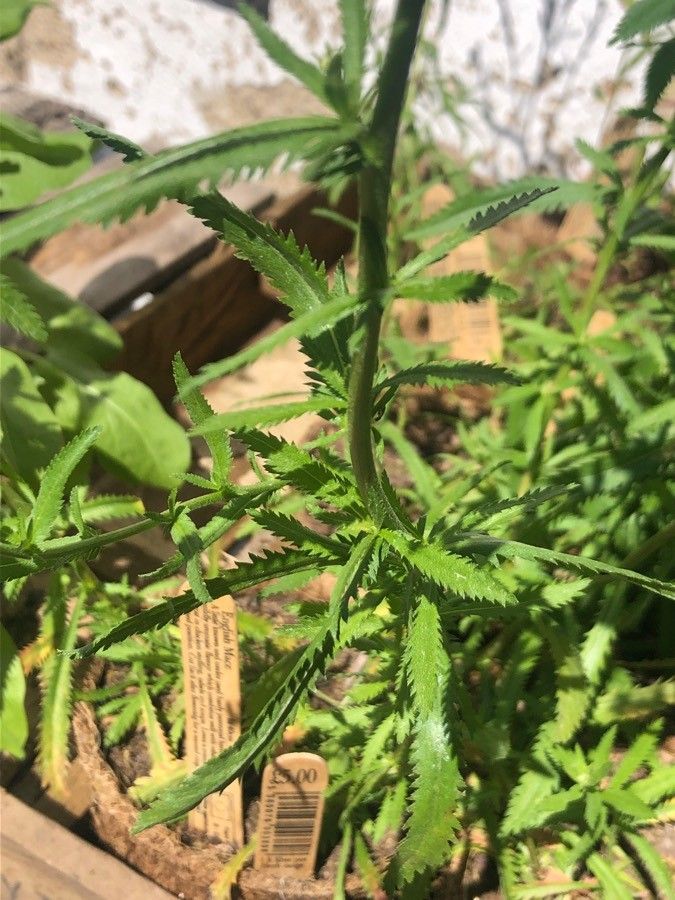
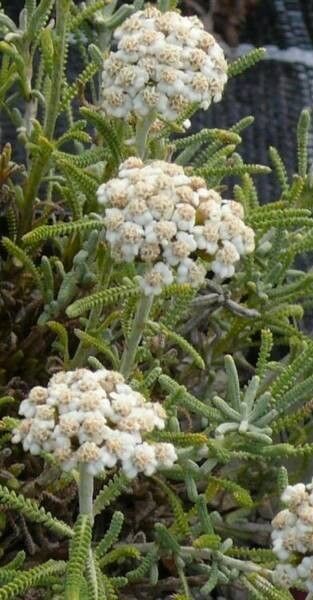
Achillea alpina, commonly known as alpine yarrow, Chinese yarrow or Siberian yarrow, is an Asian and North American species of plant in the sunflower family. It is native to Siberia, the Russian Far East, China, Mongolia, Korea, Japan, Nepal, Canada (including Yukon and Northwest Territories), the northern United States (Alaska, northern North Dakota, northern Minnesota).
Chinese yarrow has good resistance to disease and is generally not liable to illness. Still, it can be affected by pests and diseases present in its environment. Such infections are typically not severe. Regarding care, this plant needs moderate maintenance. It should be pruned regularly to preserve a neat appearance and support healthy growth. Applying fertilizer can also help encourage flowering. Chinese yarrow is appropriate for anyone with outdoor space, like a garden or patio, and does not demand extensive care experience. It may need more attention when cultivated indoors.
How to keep Achillea Alpina.
Light
The chinese yarrow thrives with ample sunlight and can also tolerate partly sunny conditions. Native to regions with strong sunlight, the chinese yarrow maintains healthy growth when well lit. However, insufficient or excessive light can hinder its development and create unfavorable conditions.
Water
Chinese yarrow, native to cooler climates, efficiently retains moisture and only needs to be watered once a week. It thrives in moderate humidity and benefits from natural rainwater, which boosts its growth during the active season. Its ability to retain water well makes it easy to care for.
Temperature
Chinese yarrow originates from temperate climates and prefers temperatures of 50 to 77 °F (10 to 25 °C). As the seasons shift, adjustments may be needed to replicate these conditions for optimal growth.
Fertilizer
The best time to fertilize Chinese yarrow is in early spring, when it is coming out of dormancy and beginning active growth. Fertilizing supplies essential nutrients for healthy development. Although Chinese yarrow has relatively low fertilizer needs, applying fertilizer annually can improve its survival and encourage better, longer-lasting flowers.
Pruning
The Chinese yarrow has aromatic, fern-like leaves and vibrant flowers. To encourage growth, prune the stems down to ground level in early spring. Deadheading the blooms will extend the flowering period. Regular pruning helps maintain the plant's shape, improves air circulation, and removes damaged foliage, promoting overall plant health.
Botanical profile.
- Plant Type
- Herb
- Life Cycle
- Perennial
- Genus
- Achillea
- Family
- Asteraceae
- Hardiness Zone
- 6
- Mature Height
- 52 cm to 91 cm
- Mature Spread
- 46 cm
- Leaf Color
- Dark Green
- Leaf Type
- Semi-evergreen
- Flower Color
- White, Yellow, Pink, Violet
- Flower Size
- 2.54 cm to 5.08 cm
- Bloom Time
- Summer
- Planting Time
- Spring, Summer
- Harvest Time
- Late summer, Early fall, Mid fall
Other names.
Reader questions.
How should I water my Chinese yarrow plant?
To properly water the Chinese yarrow, it's best to use filtered water at room temperature. Tap water may have harmful particles. The Chinese yarrow prefers warm water as it comes from a warm environment. Cold water can shock the plant. Avoid watering from above to prevent foliage issues. Instead, water the soil directly until it is fully soaked. This helps the roots collect nutrients and spread throughout the soil.
What kind of sunlight does Chinese yarrow need?
Chinese yarrow requires full sun daily, with a minimum of six hours of sunlight to maintain healthy leaves, roots, and blooms. While most perennials also need six hours of sunlight, plants like the Orange Daylily or Giant Coreopsis can survive with only three hours of sun each day. However, they will not thrive as well as they would in sunnier conditions.
What temperature is best for Chinese yarrow?
Chinese yarrow thrives in cooler weather and has an ideal temperature range for optimal growth. To keep Chinese yarrow healthy, it is recommended to maintain temperatures between 65-75℉ (18-25℃). Although Chinese yarrow can tolerate higher and lower temperatures, it is advisable to keep the growing area within a few degrees of the ideal range. If precise temperature control is not possible, it won't halt their growth entirely. Chinese yarrow can withstand a wider temperature range before experiencing damage or reduced growth. On the higher end, temperatures between 75-85℉ (25-30℃) are acceptable. On the lower end, Chinese yarrow can endure temperatures as low as 5℉ (-15℃). However, it is crucial to note that exceeding the upper temperature limit is more critical, as Chinese yarrow prefers cooler conditions. Allowing temperatures to exceed 85℉ (30℃) could cause growth to slow down and potentially lead to the plant's demise.
What should I do if I give my Chinese yarrow too much or too little water?
Both overwatering and underwatering can harm your Chinese yarrow, but overwatering is more common. When the plant gets too much water, the stems and leaves may wilt and turn yellow. Overwatering for a long time can cause diseases like root rot, mold, and mildew, which can kill the plant. Underwatering is less likely because Chinese yarrow can tolerate drought. However, it is still possible, and in that case, the leaves will become brittle and brown. It's essential to spot signs of overwatering early. Some diseases caused by overwatering, like root rot, can't be reversed if you wait too long. Reduce your watering schedule immediately if you see early signs of overwatering. Check the soil quality. If it drains poorly, replace it with a loose, well-draining potting mix. If you notice signs of underwatering, water more regularly until the signs subside.
Can sunlight harm Chinese yarrow? How can we shield Chinese yarrow from damage caused by the sun and heat?
In warm climates, some Perennial Flowering Plants may struggle with excessive heat and suffer from sun damage. They can wilt, dry out, or even experience growth problems if they are consistently exposed to the intense afternoon sun. However, not all plants require protection from the light afternoon sun. For those that are harmed by intense afternoon exposure, it is recommended to provide them with some shade in warmer climates. Gardeners can achieve this by planting these plants in areas that do not receive direct heat during the afternoon, such as under trees or behind bushes.
Does Chinese yarrow need different temperatures at different stages of growth?
To maintain a healthy appearance for Chinese yarrow during its early growing stages, it is crucial to regulate the temperature of your growing space. Ideally, keep the temperature between 65~75℉(18~25℃), aiming for the cooler end of this range. However, avoid going below -5℉(-20℃) as extreme cold can impede the growth of Chinese yarrow. While extremely hot temperatures are more harmful, extremely cold temperatures can also hinder growth at any stage. Keep in mind that if the temperature remains high during the budding stage, the Chinese yarrow may not flower.
How often should I give water to my Chinese yarrow plant?
If your Chinese yarrow plant is in a pot, the most precise way to determine if it needs water is to check the soil. Simply put your finger into the soil and if the top two to three inches are dry, it's time to water. If your Chinese yarrow is growing outdoors in the ground, you can use a similar method to test the soil. Again, if the first few inches of soil are dry, it's time to water. Typically, during spring and early fall, you'll need to water once a week using this method. However, during extremely hot weather, you may need to increase watering to about twice a week or more. Nevertheless, it's worth noting that mature, well-established Chinese yarrow plants can withstand drought quite well.
Do I need to keep Chinese yarrow away from the sun?
Certain perennial plants require ample sunlight to reach their maximum bloom. However, in warmer climates, some of these plants actually benefit from less sun. For instance, individuals residing in hotter regions might find it beneficial to shade their flowering perennials during the intense afternoon sun, especially during summer months. Although many perennial flowering plants prefer partial shade in the hottest climates, there are exceptions. Take the Giant Coreopsis, for example, as it is not bothered by excessive sun exposure. These plants can flourish even when placed in the full sun during scorching weather.
Here are three tips to help you control the temperature of Chinese yarrow.
Here are some tips for growing Chinese yarrow indoors: Tip #1: Choose the coldest room for your Chinese yarrow. Look for a room on the side of your house that doesn't get too much direct sunlight during the hottest part of the day. However, make sure the room still gets a good amount of sunlight, as zero sunlight can prevent Chinese yarrow from growing well. Tip #2: Avoid high temperatures if you want proper flowering. During the growing season of spring and early summer, Chinese yarrow can be affected by high temperatures, which can cause non-flowering buds to form. To ensure proper flowering, keep your Chinese yarrow in a temperature range of 65-75℉ (18-25℃). Tip #3: Protect your Chinese yarrow from frost. While Chinese yarrow can handle lower temperatures, significant frost can damage the plant. Look for wilted and discolored parts, which may turn brown or black as they die. If you see these signs of frost damage, prune the affected areas to keep the plant alive.
How much water does my Chinese yarrow plant need?
When watering your Chinese yarrow, it's important to not hold back on the amount of water you give. Make sure the top two to three inches of soil are dry before watering thoroughly. Provide enough water to saturate the soil completely, allowing excess water to flow out through the drainage holes. If you don't see excess water draining, you may have not given enough water. Be careful not to let the water accumulate in the soil, as this can harm the plant. Conversely, if water doesn't drain properly, it may indicate poorly draining soil, which is harmful to the plant's health. For outdoor plants, one inch of rain per week is sufficient.
What will happen if Chinese yarrow doesn't get enough sunlight?
If your Chinese yarrow is not getting enough sunlight, you will see signs that the plants are not getting what they need. They will not produce as many blooms as they would with full sun exposure. Some leaves may develop dry spots, but most of these plants will still bloom in the less-than-ideal sunlight. However, even though they bloom, the flowers will be smaller and less full.
Does Chinese yarrow require different temperatures in each season?
To ensure optimal conditions for growing Chinese yarrow, it is crucial to maintain a consistent temperature regardless of the season. If you reside in an area with harsh winters or extremely hot summers, it may be advisable to bring your plants indoors. This will allow you to keep them in a cool room where they can thrive. However, if you decide to keep your plants outdoors, closely monitor the temperature. In regions with particularly scorching summers, make sure that the temperature does not exceed 85℉ (30℃) to prevent rapid dehydration and damage to the Chinese yarrow, as this could lead to their eventual demise.