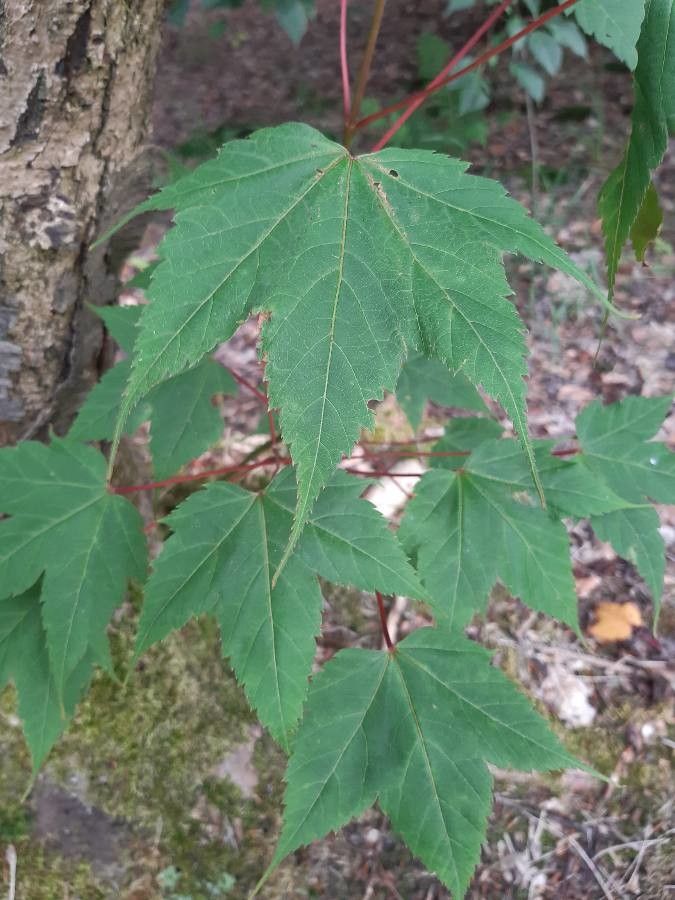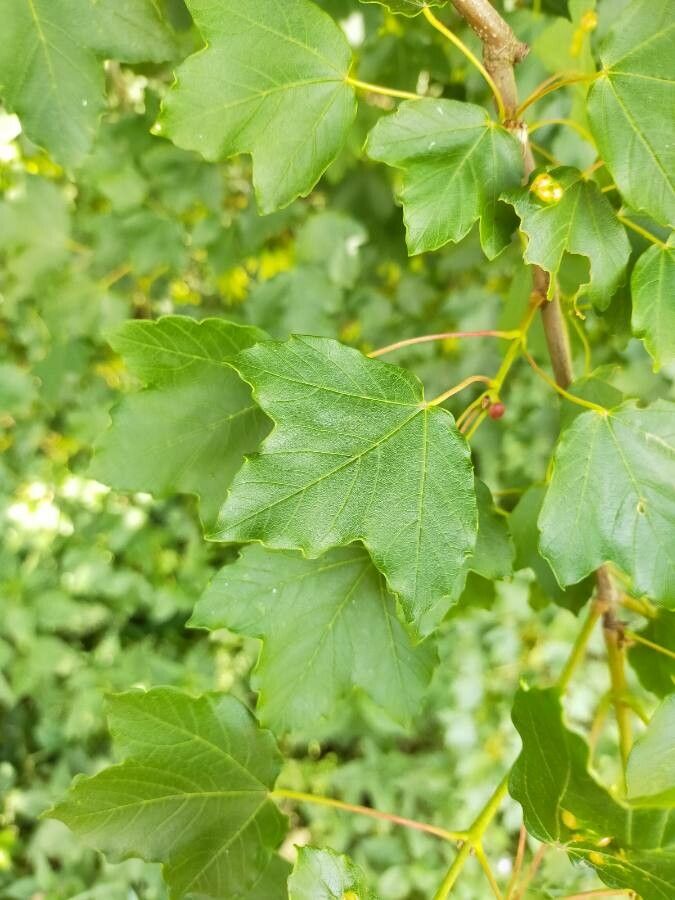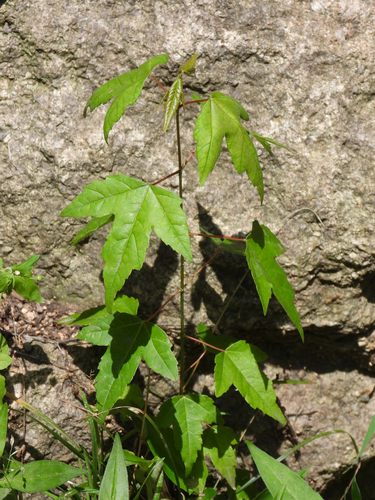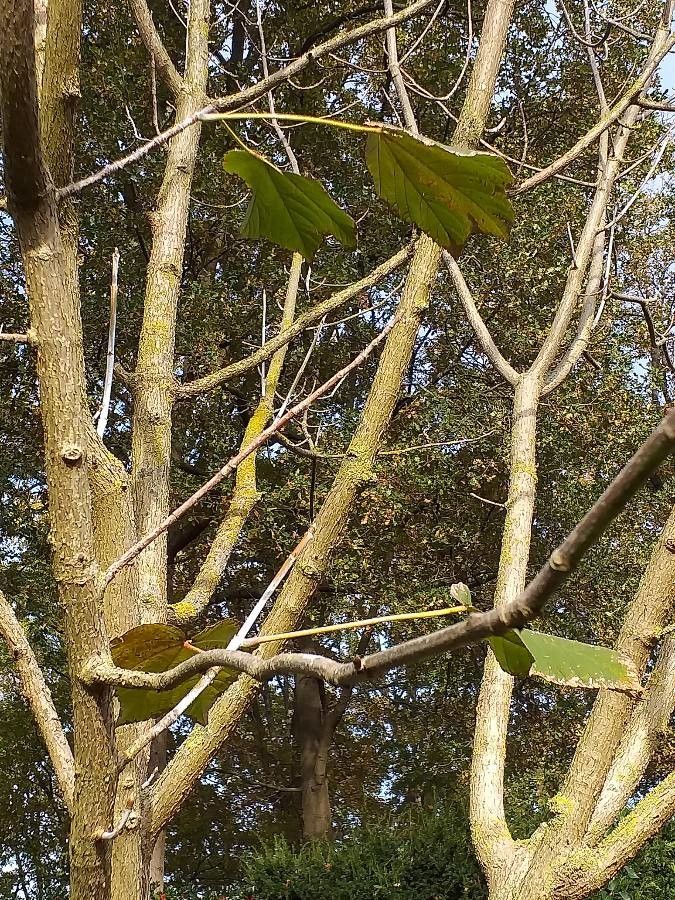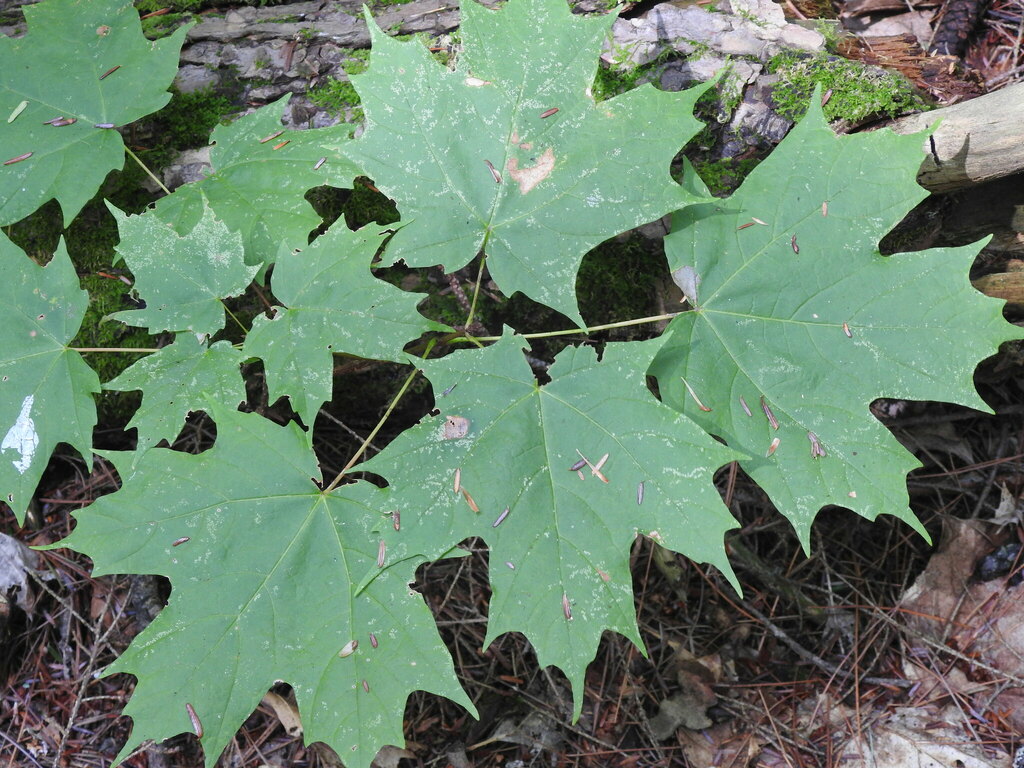
Acer saccharum, the sugar maple, is a species of flowering plant in the soapberry and lychee family Sapindaceae. It is native to the hardwood forests of eastern Canada and eastern United States. Sugar maple is best known for being the primary source of maple syrup and for its brightly colored fall foliage. It may also be known as "rock maple", "sugar tree", "birds-eye maple", "sweet maple", "curly maple", or "hard maple", particularly when referring to the wood.
The sugar maple is a type of maple tree with leaves shaped like a palm. In autumn, its leaves display a spectacular range of colors, from bright yellow to reddish-orange, before ultimately turning brown. Many people associate this tree with the Canadian flag, although the maple leaf on the flag does not belong to any specific species of maple tree. The sugar maple is also renowned for its maple syrup, which is how it got its name.
Sugar maple has strong disease resistance and is usually not susceptible to diseases. In terms of care, this plant is fairly low maintenance. Planted outdoors, it needs only minimal watering, and larger specimens generally do not require pruning. Smaller plants, however, should be pruned after they have finished blooming. Sugar maplet is suitable for anyone with outdoor space, such as a garden or a deck, and does not need extensive care experience.
How to keep Acer Saccharum.
Light
The sugar maple depends on ample sunlight to grow vigorously. It can tolerate spots with reduced light, but its growth may be slower. This preference comes from the species originating in regions with abundant sun exposure. Insufficient light can impede growth, while too much exposure can damage the leaves.
Water
The sugar maple thrives in moderately moist environments and prefers consistent soil hydration. It should be watered every 1 to 2 weeks, with more frequent watering needed during the growing season to support its growth. Because the sugar maple is sensitive to seasonal changes and can grow quite large, it is typically cultivated outdoors.
Temperature
The sugar maple favors native growth habitats with cool temperatures of 32 to 50 °F (0 to 10 °C). Its tolerated temperature range is 32 to 95 °F (0 to 35 °C), though it grows best when temperatures stay below 75 °F (24 °C). In winter, dormant sugar maple trees can survive temperatures as low as −40 °F (−40 °C) without damage.
Fertilizer
Fertilize your Sugar maple in early spring to encourage healthy growth. Regular fertilization improves overall health, producing vigorous growth, increased resilience to harsh conditions, and better resistance to pests and diseases. Keep to a consistent fertilization schedule for your Sugar maple to achieve vibrant, deeply colored foliage and a lush appearance.
Pruning
To help sugar maple trees thrive, prune them in early spring by removing dead or diseased branches. This boosts air circulation and overall tree health. Thinning the crown allows more sunlight to reach inner branches, encouraging growth. It's important to avoid making heavy cuts to prevent stress on the tree. This practice minimizes sap loss and promotes vibrant foliage as well as a robust structure.
Toxicity
Sugar maple trees are cultivated for the production of maple syrup. And although it is very safe for dogs, cats, and humans, it is poisonous to horses. So, take precautions and do not let your horses be close to this tree.
Further reading →
The toxicity and danger assessments provided are for reference only. We do not assure their accuracy, so it's crucial not to depend on them. Seek professional advice when necessary for accurate guidance.
Botanical profile.
- Plant Type
- Tree
- Life Cycle
- Perennial
- Genus
- Acer
- Family
- Sapindaceae
- Hardiness Zone
- 3-9
- Mature Height
- 11.89 m to 35.05 m
- Mature Spread
- 9.14 m to 17.98 m
- Leaf Color
- Green, Yellow, Orange, Red
- Leaf Type
- Deciduous
- Flower Color
- Yellow
- Flower Size
- 2.54 cm
- Bloom Time
- Mid spring, Late spring
- Planting Time
- Spring, Autumn
- Harvest Time
- Mid summer
- Native Area
- For best results, this tree should be planted in the United States Department of Agriculture (USDA) Zones 3 to 8. It is native to eastern North America.
Other names.
Reader questions.
When should I water my Sugar Maple?
The Sugar Maple requires proper and timely watering for optimal growth, vibrant leaf coloration, and disease resistance. Soil moisture should be checked by feeling the top 1 to 2 inches of soil; dryness indicates the need for water. Observing the leaves for signs of wilt, droopiness, or dull coloring can also indicate under-watering. Cracked soil and low leaf resilience signify dehydration, while pre-flowering stages demand regular watering. High temperatures and sunlight exposure increase water needs, highlighting the importance of watering based on the plant's signals rather than a fixed schedule. Over-watering or watering too early can lead to root rot, while late watering can cause wilting or plant death.
Why should I put fertilizer on my Sugar maple tree?
No matter what type of Sugar maple you have, regular fertilization is essential for maintaining its overall health. Providing the right nutrients will support vigorous growth and increase its ability to withstand challenging conditions and pests. Keeping the foliage intact is crucial since it is one of the maple's most attractive features. To achieve this, it is important to establish and adhere to a regular fertilization schedule tailored to your specific Sugar maple. This will encourage the development of vibrant, lush leaves.
What are the sunlight requirements for a Sugar Maple?
Sugar maple requires significant sunlight for optimal growth, flourishing with more than 6 hours of sunlight daily (full sun). It can manage with 3-6 hours of sunlight (partial sun) but may exhibit slower growth. The plant is adaptable to varying levels of sunlight due to its origins in areas heavily exposed to sunlight. Insufficient light can slow its growth, while too much direct exposure may damage the leaves. Observing the movement of sunlight through your garden and selecting spots that offer a balance of light and shade is crucial for the plant's health.
What are the ideal growing conditions for a Sugar maple?
The Sugar maple (Acer saccharum) thrives in native environments with cool temperatures, ideally ranging from 32 to 50 °F (0 to 10 °C), although it can tolerate a range from 32 to 95 °F (0 to 35 °C). The tree grows best in temperatures below 75 °F (24 °C). During winter, it can withstand temperatures as low as -40 °F (-40 °C) without any harm to dormant trees. Despite its strong cold resistance, if winter temperatures are expected to drop below -35°C, protective measures such as wrapping the trunk and branches with non-woven fabric or cloth are recommended. It's also advised to water the plant abundantly before the first freeze in autumn to ensure the soil remains moist and enters a frozen state, which helps prevent drought and water scarcity during winter and early spring.
How should I water my Sugar Maple?
Watering your Sugar Maple correctly is key to its health. Ensure consistent soil moisture without waterlogging using a slow and deep watering technique. Thoroughly soak the soil around the plant, allowing deep penetration to the roots, which can be achieved with a hose on low pressure or a watering can with a rose attachment. Using a moisture meter can help in avoiding over or underwatering. Focus the water at the base of the plant, avoiding the foliage to reduce the risk of fungal diseases. Adjust watering routines based on environmental conditions and the sugar maple's specific needs.
When should I fertilize my Sugar maple tree?
To keep your Sugar maple tree healthy and promote growth, it is best to fertilize it during the late winter or early spring. This gives the tree the necessary nutrients to thrive once the weather warms up. In warm climate regions, it is also recommended to provide an additional fertilizer feeding in early fall. This not only adds nutrients for the following growing season but also helps the tree withstand the winter cold and avoid foliage damage. Fertilizing earlier in the year ensures that the new branches have enough time to develop and endure the cold winter.
How does artificial lighting benefit indoor plants like Sugar Maple?
Indoor plants, including the sugar maple, require adequate lighting for optimal growth, particularly when natural sunlight is insufficient. This might be the case during winter or in less sunny spaces. Artificial lights, such as LEDs that can be customized to provide specific wavelengths of light, offer a vital solution. For indoor plants to thrive, full sun plants need 30-50W/sq ft, partial sun plants need 20-30W/sq ft, and full shade plants need 10-20W/sq ft of artificial light. It's also important to place the light source 12-36 inches above the plant and mimic the length of natural daylight hours, usually 8-12 hours per day, to promote faster and healthier growth.
How does low temperature affect Sugar maple, and what are the solutions?
Sugar maple is highly cold-tolerant, performing best above 0°C and sustaining no noticeable changes if kept above -30°C during winter. If temperatures fall below -35°C, the branches may become brittle and dry by springtime, with no new shoots emerging. The solution to this issue is to prune away any dead branches that have failed to produce new leaves in the spring, which helps the tree to recover and encourages new growth.
How much water does Sugar Maple really need?
Sugar Maple requires a substantial amount of water due to its vast root system. The ideal watering ensures the full depth of the soil is saturated, paying attention to pot size and depth for sufficient hydration. Signs of good hydration include lush, green leaves, while yellowing leaves or stunted growth may indicate underwatering, and wilting or browning at leaf edges may suggest overwatering. Moderation is crucial, as overwatering can lead to root rot, whereas underwatering might result in drying out and potential death of the plant.
When is the best time to not use fertilizer on my Sugar maple?
There are a few specific periods in the year when you should avoid fertilizing your Sugar maple. The first one is during the early and mid-winter months when the tree is dormant and doesn't require any nutrients. Another time to steer clear of fertilization is in late spring and throughout the summer. During these months, the weather is usually hotter and drier, which can have a harmful impact on the tree if it's fertilized. To prevent any potential negative effects, it's best to only fertilize your Sugar maple in early spring and early fall according to a set schedule.
What are the symptoms of inadequate or excessive sunlight in Sugar Maple?
Sugar maple, thriving in full sunlight, shows signs when exposed to suboptimal lighting conditions. Symptoms include smaller new leaves, leggy or sparse growth, earlier leaf drop, slower or halted new growth, lighter-colored new leaves, and chlorosis. Excessive sunlight can lead to leaf curling, wilting, sunscald, leaf scorching, and a diminished ability to photosynthesize, negatively impacting the plant's health. Observing these signs early helps in taking corrective measures to improve the plant's exposure to light.
What should be done if a Sugar maple is exposed to high temperatures?
During the summer, it's best to keep the Sugar maple below 35°C. Exposure to temperatures exceeding 38°C can cause the leaves to lighten in color, tips to become dry and withered, and increase susceptibility to sunburn. To mitigate these issues, trim away the sunburned and dried-up parts, and relocate the plant to a shaded location or use a shade cloth to protect it during the midday and afternoon sun. Additionally, watering the plant in the morning and evening to keep the soil moist can help alleviate stress from high temperatures.