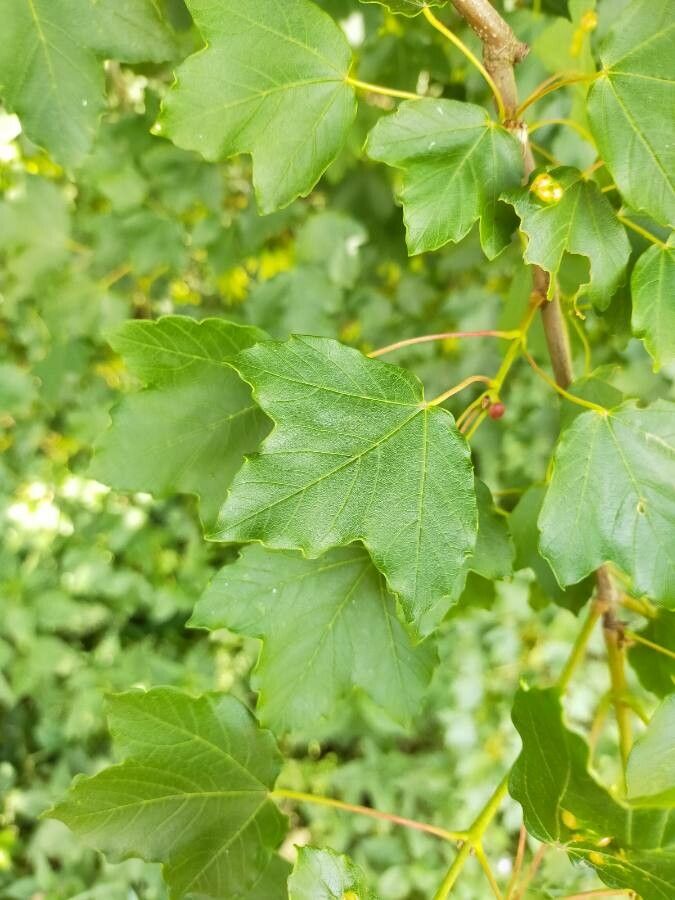
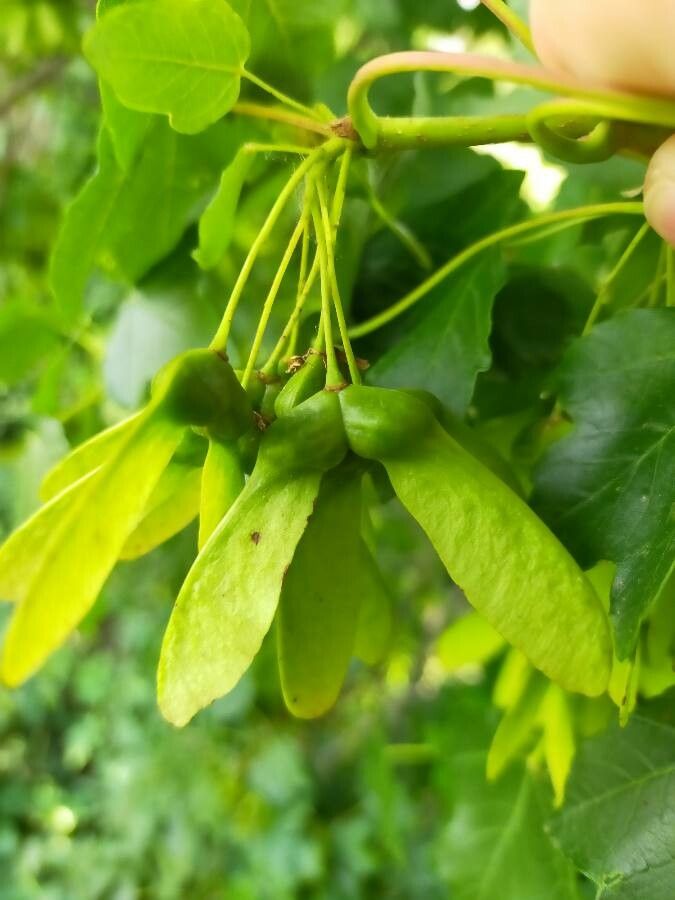
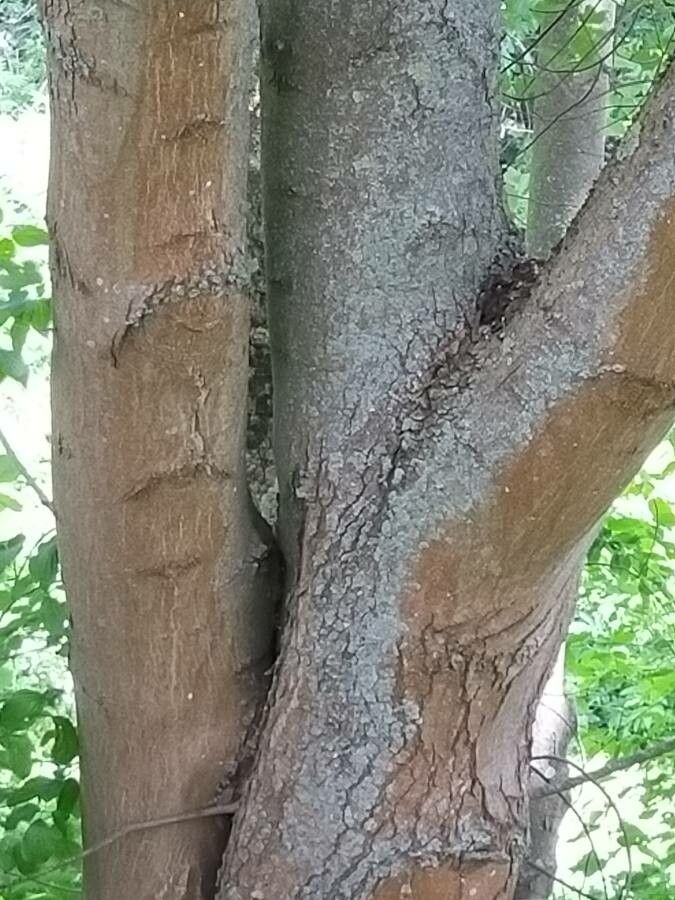
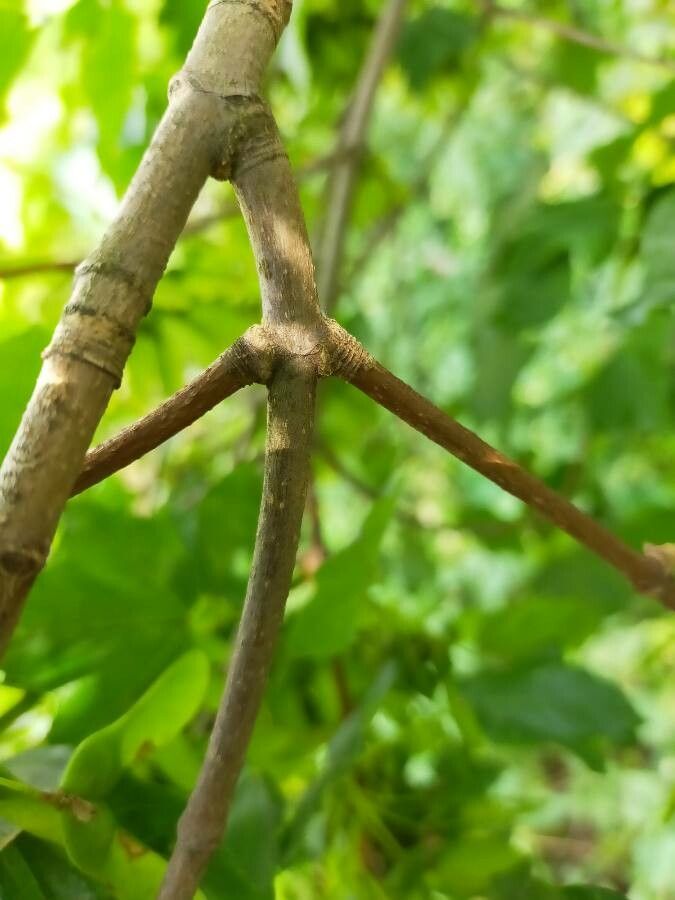
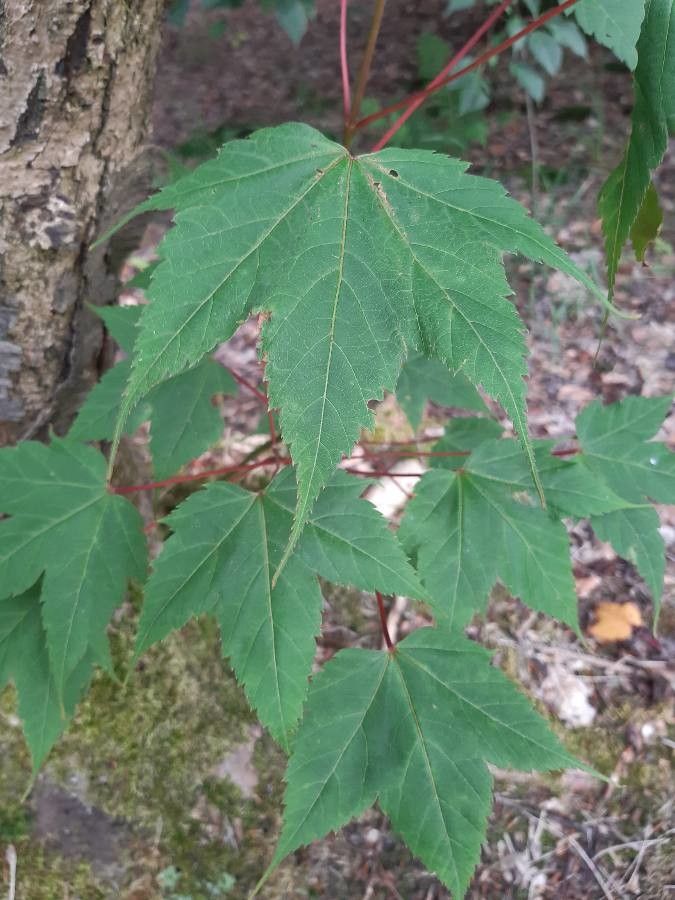
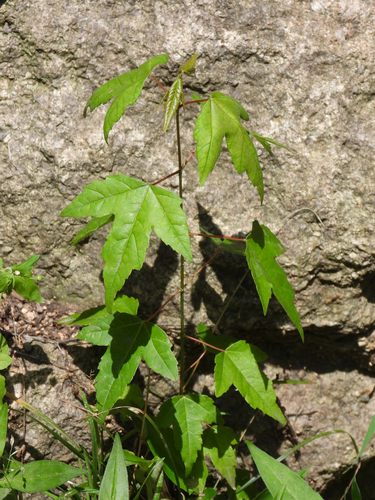
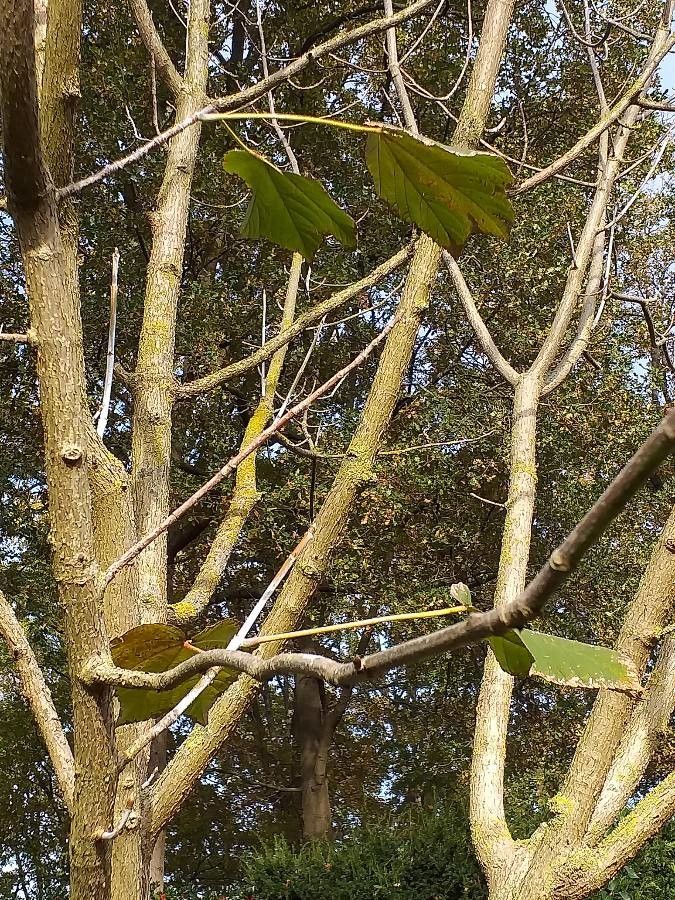
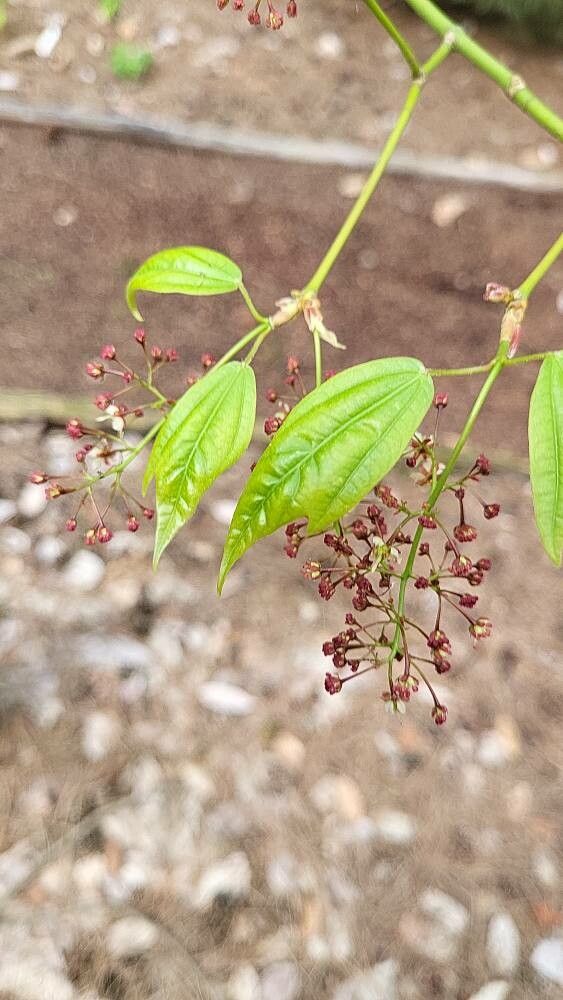
Acer barbinerve, commonly known as bearded maple, is an Asian species of maple found in Korea, eastern Russia, and northeastern China (Heilongjiang, Jilin, Liaoning).Acer barbinerve may grow as a shrub or a multi-stemmed tree up to 7 meters tall. It has smooth gray bark; the leaves are non-compound, with 5 shallow lobes, the blade up to 10 cm long, with teeth along the edges. It is a dioecious species, with separate male and female plants.
Red-twig korean maple has strong resistance to disease and is typically not susceptible to illnesses. In terms of care, this species is relatively low-maintenance. When grown outdoors it needs only minimal watering, and larger specimens usually do not require pruning; smaller plants, however, should be pruned after they have bloomed. Red-twig korean maplet is appropriate for anyone with an outdoor area, such as a garden or deck, and does not need a great deal of care experience.
How to keep Acer Barbinerve.
Light
The red-twig Korean maple is native to habitats such as forest understories or rocky sites, where it occurs in natural shade. It prefers partial sun but can tolerate full sun or full shade, illustrating its hardy, adaptable nature.
Water
The red-twig Korean maple flourishes in moist soil. During the summer, seedlings may require watering twice daily. In spring and fall, adjust the watering schedule according to the weather conditions, reducing the frequency during cooler temperatures. In winter, it's important to keep the soil consistently damp, especially for young seedlings grown in gardens.
Temperature
Red-twig Korean maple shows strong adaptability to a range of climate conditions, from sweltering summers to frigid winters. Still, it has an ideal temperature range for healthy growth. If temperatures climb too high, the plant can experience heat and humidity stress, which may cause it to die. In locations where temperatures approach the lower limit of its cold tolerance, providing insulation to protect the plant is important.
Fertilizer
The timing for fertilizing Red-twig korean maple is important. Apply fertilizer in early spring and repeat monthly until early summer. Fertilizer promotes attractive blooms and supplies energy during both dormant and active growth periods.
Pruning
Prune red-twig Korean maple in early spring to remove dead or diseased branches and to thin out crowded areas. This encourages better air circulation, increases sunlight access, and promotes vibrant growth. To ensure clean cuts, use sharp tools and avoid heavy pruning during the growing season to minimize stress on the tree.
Botanical profile.
- Plant Type
- Tree, Shrub
- Life Cycle
- Perennial
- Genus
- Acer
- Family
- Sapindaceae
- Hardiness Zone
- 4-7
- Mature Height
- 9.14 m
- Mature Spread
- 9.14 m
- Leaf Color
- Green, Orange
- Leaf Type
- Deciduous
- Flower Color
- Yellow, Green
- Flower Size
- 5.08 cm
- Bloom Time
- Early spring, Mid spring
- Planting Time
- Spring, Summer
- Harvest Time
- Late summer, Early fall, Mid fall
- Native Area
- Russia, Koppen, South Korea, China
Other names.
Reader questions.
What are the sunlight requirements for a Red-twig Korean Maple?
The Red-twig Korean Maple, scientifically known as Acer barbinerve, thrives in conditions where it can receive ample sunlight. There are two categories of sunlight requirements for this plant: Full sun and Partial sun. 'Full sun' means the plant should receive above 6 hours of sunlight daily, while 'Partial sun' refers to the plant getting about 3-6 hours of sunlight every day. It's essential to observe the movement of sunlight through your garden to pick the ideal spots that offer a perfect balance of light and shade. Such careful placement ensures the plants remain happy and healthy.