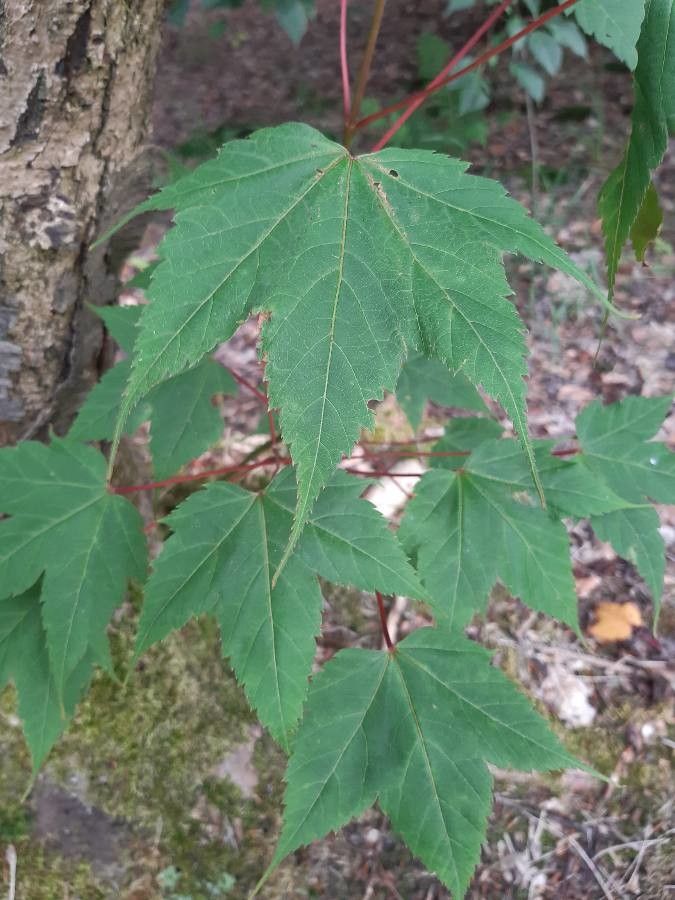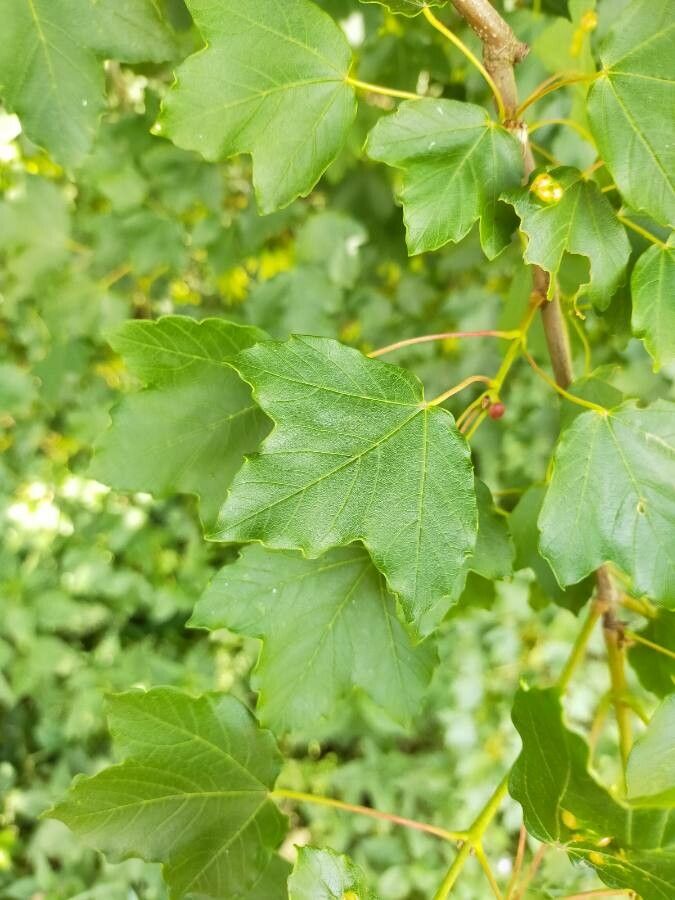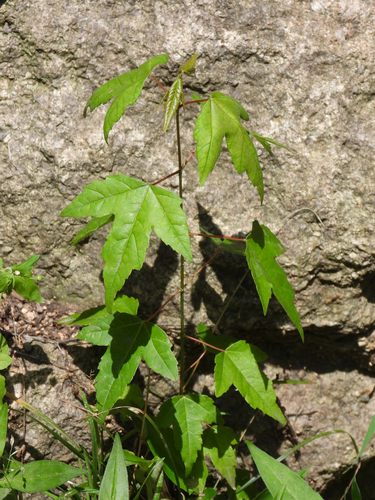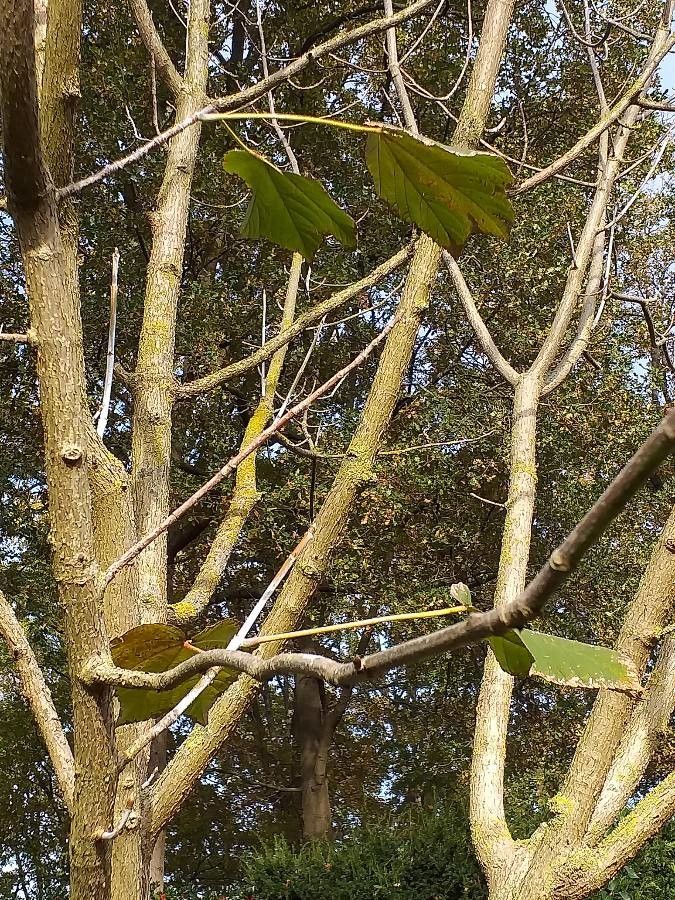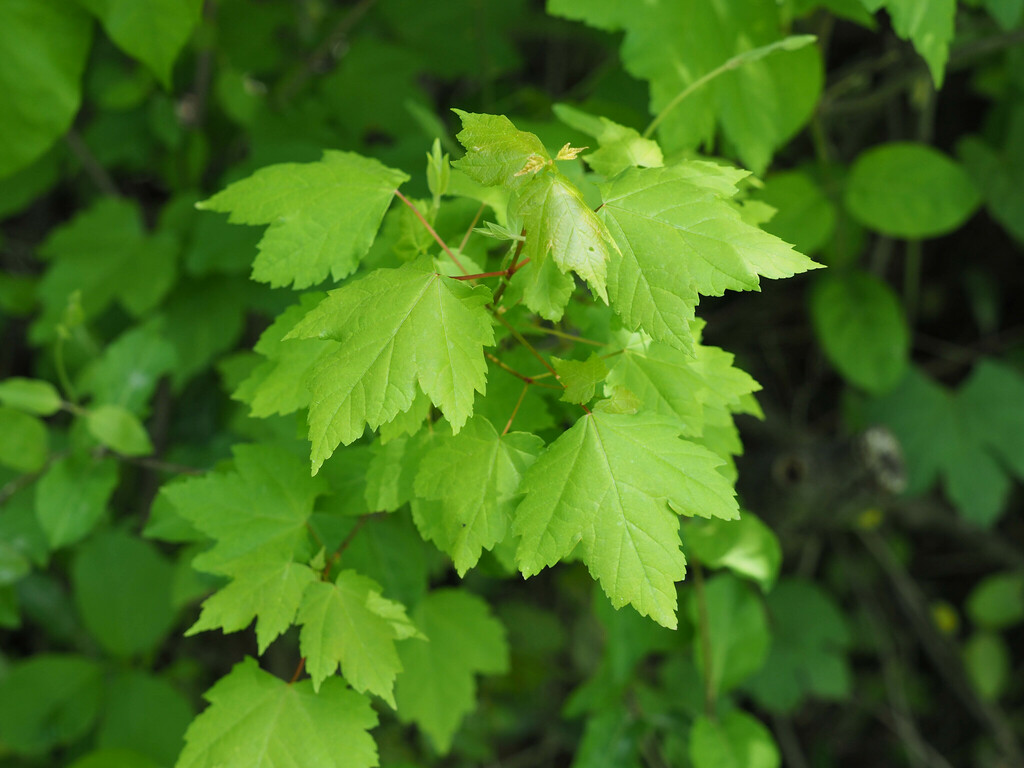
Acer rubrum, commonly known as the red maple, is a deciduous tree native to eastern North America. This medium-sized tree typically grows to a height of 20-30 meters and features a rounded crown. Its leaves are three-lobed with serrated edges; the upper surface is dark green, while the lower surface is pale green. In autumn, the leaves turn vibrant shades of red or orange before they fall.
The red maple is renowned for its stunning autumn foliage and its ability to adapt to various soil types. While it can grow in both wet and dry soils, it prefers moist soils with good drainage. Additionally, the red maple plays an important ecological role by providing food for wildlife, such as birds and squirrels.
Though the sap of Acer rubrum can be used to produce maple syrup, it is less commonly utilized for this purpose than the sap of Acer saccharum (sugar maple). The wood from this species is also valued for furniture making, flooring, cabinetry, and other woodworking projects.
In the autumn, the leaves of the red maple tree transform from yellow-green to yellow, and finally to brilliant red. In the sunlight, these leaves appear almost fluorescent, displaying stunning bursts of red that create a dazzling and beautiful scene. The result is a breathtaking view of the autumn landscape. FUN FACT · FROM THE LIBRARY
In summary, Acer rubrum is an attractive ornamental tree that offers ecological benefits and has practical uses, including syrup production and woodworking material.
The Red Maple, or Acer rubrum, is renowned for its vibrant crimson foliage in autumn. Interestingly, it's not just the leaves that display shades of red; the flowers, petioles, branches, and seeds also feature varying degrees of this color. While the leaves can exhibit a range of hues from orange to deep red, depending on the soil's pH levels, it remains widely recognized as the Red Maple.
Red maple is resistant to disease and generally not susceptible to illnesses. In terms of care, this species is fairly low-maintenance. When planted outdoors it needs only minimal watering, and larger plants typically do not require pruning. Smaller plants should be pruned after they have finished blooming. Red maple is suitable for anyone with an outdoor area, such as a garden or a deck, and does not demand much gardening experience.
How to keep Acer Rubrum.
Light
Red maple grows best where it receives abundant sunlight throughout the day. It can, however, adapt to sites that only get sun for part of the day. Too little light can restrict its growth, while too much may be harmful. This hardiness reflects its native habitat, which offers plentiful and varied sun exposure.
Water
The Red Maple thrives in moist soil and needs watering every 1-2 weeks. Once it is established, it can tolerate drought to some extent. However, it is sensitive to changes in precipitation and requires extra water during dry spells. Typically grown outdoors, the Red Maple adapts well to its wetland origins.
Humidity
This plant will thrive in moderate humidity, which is probably the level in your home. However, misting it a few times a week can be very beneficial. Make sure the room has good ventilation.
Temperature
The red maple thrives at temperatures from 32 to 95 ℉ (0 to 35 ℃) and is native to temperate regions. In colder periods it can endure temperatures down to 14 ℉ (-10 ℃). To cope with seasonal temperature variation, water the plant deeply and often in summer and fall, and less often in winter.
Fertilizer
Fertilize your Red maple in early spring to encourage healthy growth. Regular fertilization boosts its overall health, leading to vigorous growth, greater resilience to harsh conditions, and improved resistance to diseases and pests. Maintain a specific fertilization schedule for your Red maple to ensure foliage stays vibrant, richly colored, and lush.
Pruning
Known for its vibrant red foliage, the red maple benefits from early spring pruning, which encourages healthier growth. This process involves removing dead branches, thinning out crowded areas, and shaping the tree for better structure. Making clean cuts near the branch collars enhances healing and reduces the risk of disease, ensuring the pruning is aligned with the plant's growth cycle.
Pot & Repot
When repotting a red maple, select a pot 1–2 inches (2.5–5.1 cm) larger with good drainage. Use a well-draining potting mix. Repot in spring or fall, making sure the root ball sits slightly below the rim of the flower pot. Water thoroughly after repotting and keep it in a warm spot with indirect sunlight.
Toxicity
Red maple trees are not considered toxic to people and pets. However, a toxin found in the plant parts may cause discomfort and weakness if ingested.
Further reading →
The toxicity and danger assessments provided are for reference only. We do not assure their accuracy, so it's crucial not to depend on them. Seek professional advice when necessary for accurate guidance.
Botanical profile.
- Plant Type
- Tree
- Life Cycle
- Perennial
- Genus
- Acer
- Family
- Sapindaceae
- Hardiness Zone
- 3-9
- Mature Height
- 18.29 m to 30.48 m
- Mature Spread
- 9.14 m to 14.94 m
- Leaf Color
- Green, Red, Yellow
- Leaf Type
- Deciduous
- Flower Color
- Red
- Flower Size
- 1.02 cm to 5.08 cm
- Bloom Time
- Early spring, Mid spring
- Planting Time
- Spring, Autumn
- Harvest Time
- Late spring, Early summer, Mid summer
- Native Area
- Eastern American deciduous forest
Other names.
Reader questions.
When Should I Water My Red Maple?
Watering your red maple appropriately is vital for its health and growth. Check the soil moisture by inserting a finger or using a moisture meter one to two inches deep into the soil. If it feels dry, it's time to water the plant. Pay attention to signs like wilting leaves, dull and yellowing foliage, and droopy branches, which indicate the need for water. Also, consider the temperature and weather conditions, as they greatly influence the watering needs. Avoid both under-watering and over-watering to prevent stunted growth or diseases, respectively.
Why do I have to put plant food on my Red maple tree?
No matter what type of Red maple you have, regular fertilization is important for its overall health. Providing the right nutrients will promote strong growth and help your Red maple better withstand challenging growing conditions, as well as fight off diseases and pests. Since the foliage of your Red maple is a highlight, it's crucial to maintain its health. This involves following a specific fertilization schedule for your Red maple, which will result in vibrant leaves and a lush appearance.
What are the sunlight requirements for Red Maple?
Red Maple, or Acer rubrum, thrives best in conditions of plentiful sunlight exposure throughout the day, indicating a preference for full sun, defined as above 6 hours of sunlight daily. However, it shows adaptability to partial sun, about 3-6 hours of sunlight, but less than optimal light exposure can inhibit growth while too much sunlight might cause damage. It's important to observe the movement of sunlight through your garden to find the optimal balance between light and shade that ensures the plant's well-being.
What are the ideal growing conditions for a Red Maple?
The Red Maple, or Acer rubrum, thrives in temperatures ranging from 32 to 95 °F (0 to 35 °C), making it well-suited for temperate regions. During the colder months, it can withstand temperatures as low as 14 °F (-10 °C). To accommodate seasonal temperature variations, it's recommended to water the plant deeply and frequently during summer and fall, reducing frequency in the winter. Despite its strong cold resistance, if temperatures are expected to drop below -35°C, steps should be taken to wrap the trunk and branches with materials like non-woven fabric or cloth to provide cold protection. Prior to the first freeze of autumn, watering the plant abundantly to ensure moist soil that enters a frozen state helps prevent drought and water scarcity during the winter and early spring.
How Should I Water My Red Maple?
To properly water your red maple, utilize the soak and dry method to promote consistent and deep watering, critical for the plant's health. Employ a watering can with a narrow spout to direct water to the base, avoiding the leaves to prevent diseases. A moisture meter can be very helpful in determining when to water. Always focus on watering the base and the surrounding soil, not the foliage or trunk, to encourage healthy root growth.
When should I put fertilizer on my Red maple tree?
To ensure healthy growth, it is recommended to fertilize your Red maple during late winter or early spring. This provides the necessary nutrients for growth as the weather warms up. Additionally, if you live in a warm climate region, it can be beneficial to give your Red maple another round of fertilizer in early fall. This will provide extra nutrients for the following growing season and help strengthen the tree's ability to withstand the cold winter without damage to its foliage. Fertilizing earlier in the season will also give the new branches ample time to grow and withstand the winter cold.
How can artificial lighting be used for Red Maple indoors?
For indoor Red Maples or other indoor plants requiring adequate lighting for growth, especially when natural sunlight is insufficient, artificial light provides an essential alternative. Using artificial light involves selecting the right type of light, such as LED lights, which can be customized to the plant's needs. The light intensity should range from 10-50W per square foot depending on the plant's sunlight requirements, positioned 12-36 inches above the plant to mimic natural sunlight, and maintained for 8-12 hours daily to mimic natural daylight hours.
How does the Red Maple react to low and high temperatures, and what solutions are advisable?
For low temperatures, the Red Maple shows good tolerance and generally performs best above 0°C. However, when winter temperatures fall below -30°C, and especially under -35°C, while it may not show immediate detrimental effects, by springtime, the branches may become brittle, dry, and fail to produce new shoots. The advisable solution for this is to prune any dead branches in spring. On the higher end of the temperature spectrum, during summers where the thermometer exceeds 35°C, and particularly above 38°C, the Red Maple may display signs of distress such as lighter leaf color, dry and withered leaf tips, and an increased susceptibility to sunburn. The recommended solutions include trimming sunburned and dried parts, relocating the plant to a shaded area or using a shade cloth to protect it from the midday and afternoon sun, and ensuring the soil remains moist by watering in the mornings and evenings.
How Much Water Does Red Maple Really Need?
The water requirements of a red maple depend on its environment and size. It thrives in moist soil and requires a consistent supply of water, especially in larger pots or for plants with a vast root system. Key considerations include ensuring the soil is evenly moist, not saturated, and adjusting according to pot size, root depth, and the plant's overall size. Watch for signs of proper hydration, such as healthy, vibrant leaves, and adjust the water quantity to avoid under or over-watering.
When is it a bad idea to fertilize my Red maple?
There are specific times of the year when you should not fertilize your Red maple. The first is during the early and mid-winter months when the tree is dormant and does not require feeding. Additionally, it is not recommended to fertilize the tree during late spring and summer due to the hot and dry weather conditions. These conditions can result in a negative response to fertilization. To avoid any issues, it is best to stick to a fertilization schedule that involves feeding only in early spring and early fall.
What are the symptoms of inadequate sunlight exposure in Red Maple?
Red Maple shows several symptoms when exposed to inadequate sunlight, including smaller new leaves, leggy or sparse growth, premature leaf drop, delayed or halted growth, and pale or irregularly colored new leaves. Excessive sunlight can also cause chlorosis, sunscald, leaf curling, wilting, and leaf scorching. It's crucial to monitor these symptoms and adjust the plant's light exposure accordingly to maintain its health.
What Kind of Water is Best for Red Maple?
Rainwater is ideal for red maple due to its chemical-free nature and beneficial nutrients. If using tap or filtered water, ensure it's low in chlorine. Red maples can be sensitive to chlorine and fluoride, which may inhibit growth or cause leaf burn. Let tap water stand for 24 hours to allow chlorine to evaporate if necessary. No specific water temperature is required, but it's best to keep it close to the environmental conditions to avoid shock.