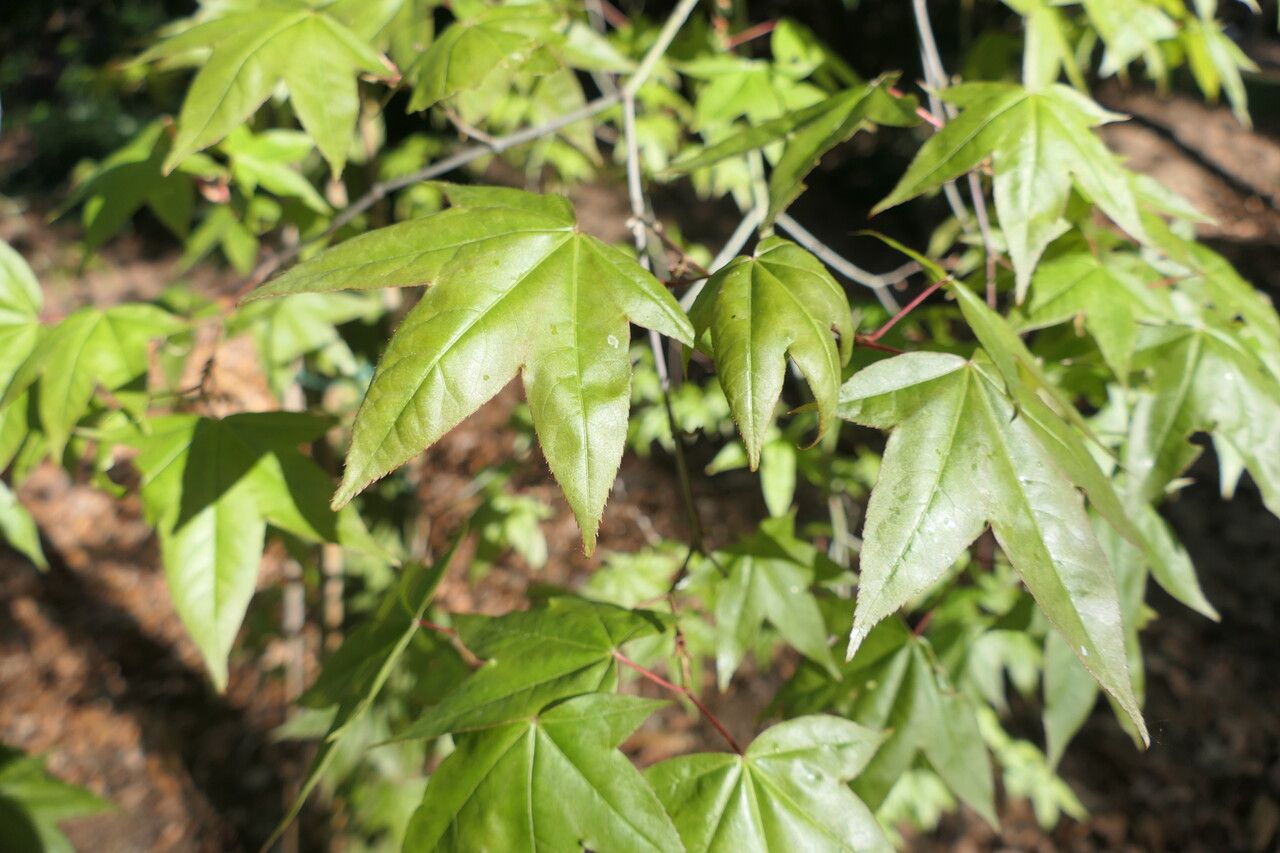
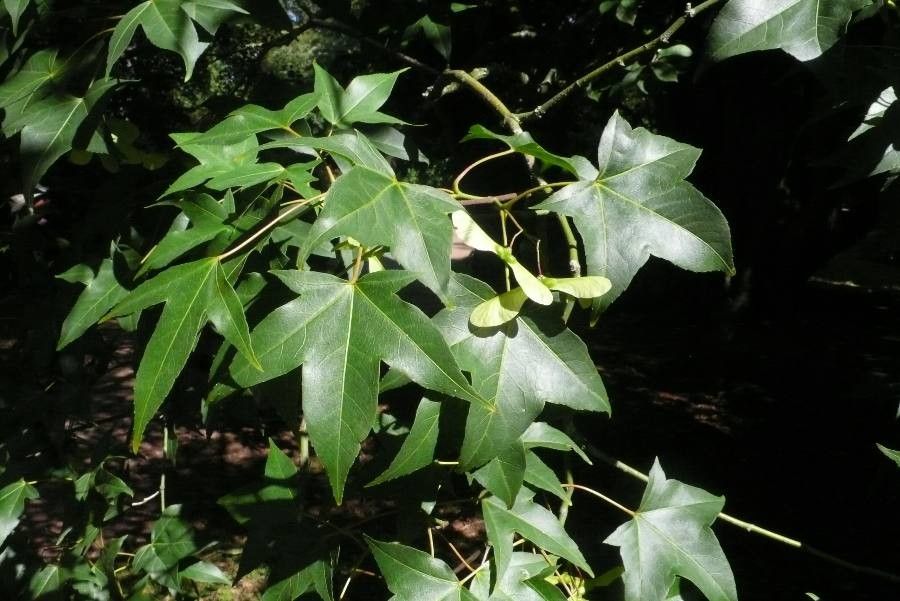
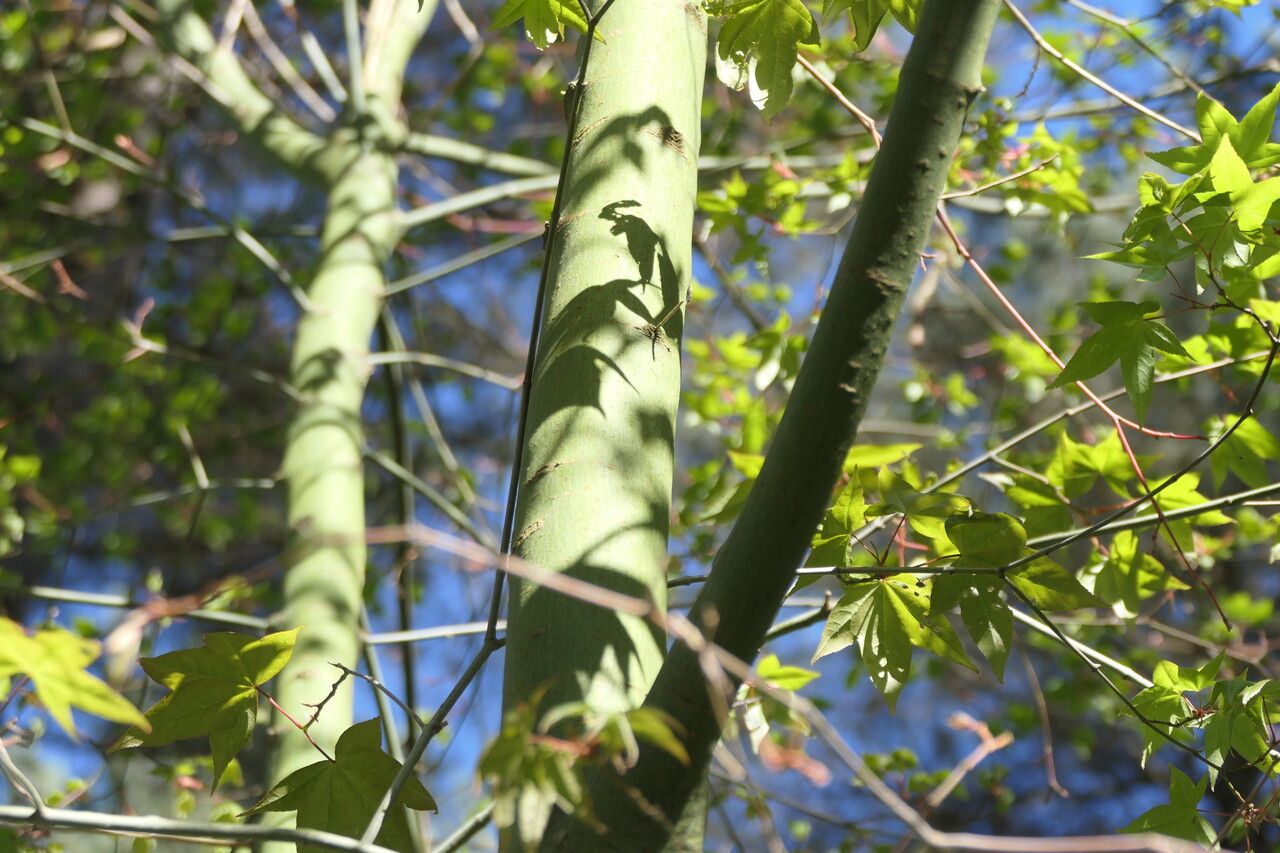
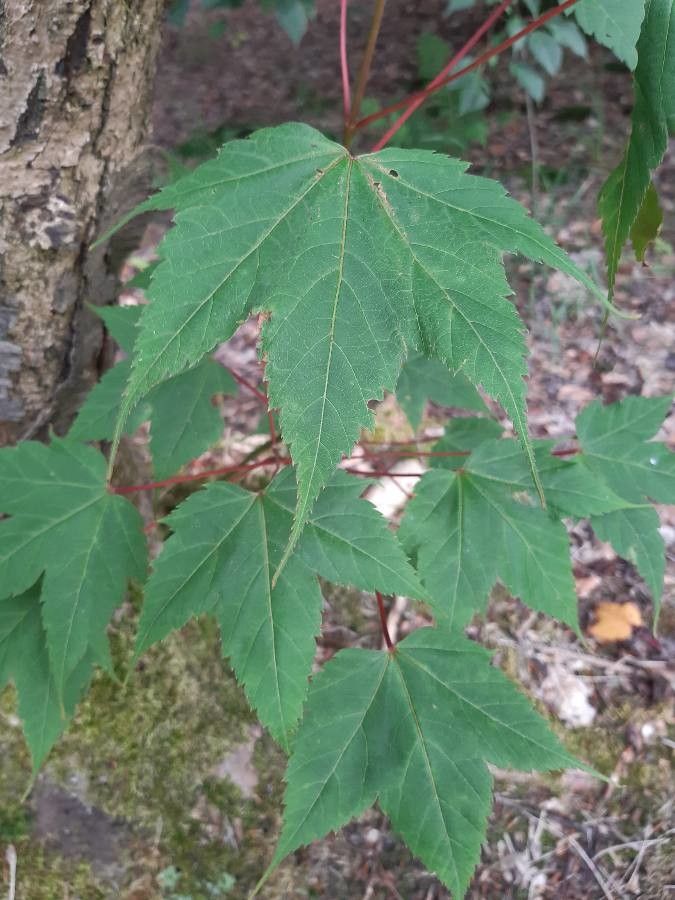
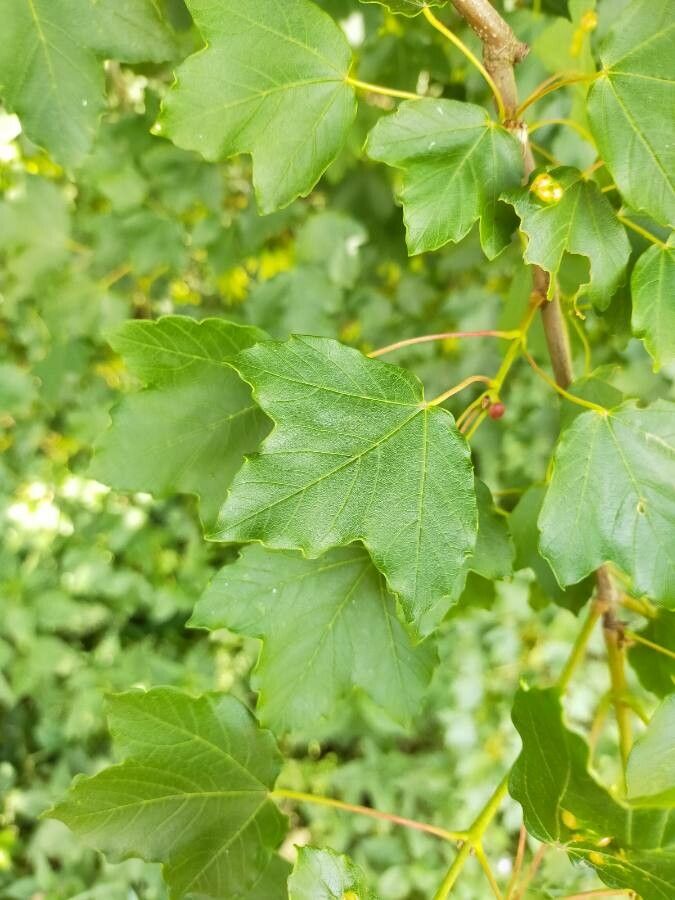
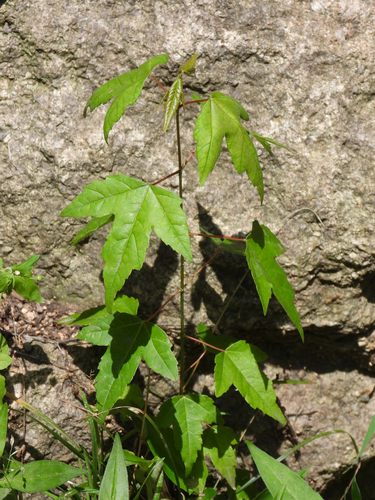
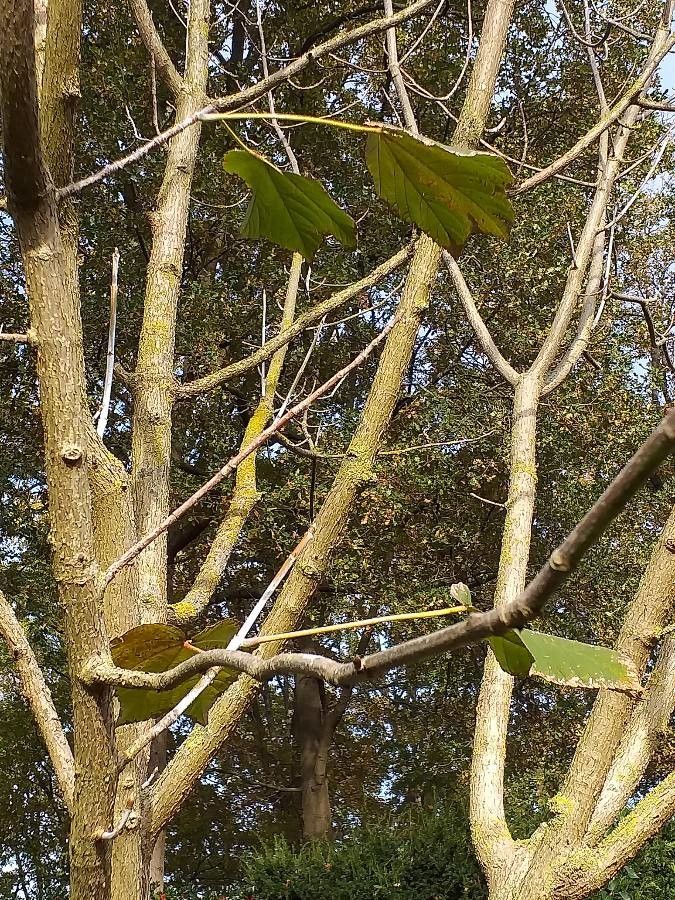
Acer oliverianum, common names Oliver's maple and Oliver maple, is broadleaf deciduous tree. It is a species of maple.
Oliver's maple is resistant to disease and, in general, does not tend to get sick. In terms of care, this plant is fairly low-maintenance. When grown outdoors it needs little watering, and larger specimens usually do not require pruning. Smaller plants, however, should be pruned after they have bloomed. Oliver's maplet is appropriate for anyone with an outdoor area, such as a garden or deck, and does not require much care experience.
How to keep Acer Oliverianum.
Light
Oliver's maple naturally occurs in habitats like forest understories or rocky sites where it grows in natural shade. It favors partial sun but can adjust to full sun or full shade, illustrating its adaptable and hardy character.
Water
Oliver's maple flourishes in moist, well-drained soil and prefers consistent watering. Although it shows moderate drought tolerance once established, watering twice a week helps maintain optimal soil moisture. This regular watering supports the tree's resilience against changing weather conditions during the active growing season.
Temperature
Oliver's maple shows strong adaptability to a range of climate conditions, whether in scorching summers or chilly winters. However, it does have an ideal temperature range for growth. When temperatures become too high, the plant is susceptible to heat and humidity stress, which can lead to its death. In areas where temperatures near the lower limit of its cold tolerance, it's important to provide insulation to protect the plant.
Fertilizer
The timing of fertilization is vital for Oliver's maple. Apply fertilizer in early spring and continue doing so monthly until early summer. Fertilizer promotes attractive blooms and provides energy during both dormant and active growth periods.
Pruning
Oliver's maple tree boasts attractive foliage and vibrant colors. To keep it healthy and well-shaped, prune the tree in early spring using clean and sharp tools. This helps remove dead branches and shape the canopy, improving air circulation and light penetration. Regular pruning not only promotes the tree’s health but also encourages robust growth and enhances its aesthetic appeal.
Botanical profile.
- Plant Type
- Tree
- Life Cycle
- Perennial
- Genus
- Acer
- Family
- Sapindaceae
- Hardiness Zone
- 5-8
- Mature Height
- 4.57 m to 9.14 m
- Mature Spread
- 4.88 m to 7.92 m
- Leaf Color
- Green, Dark Green
- Leaf Type
- Deciduous
- Flower Size
- 0.51 cm to 0.76 cm
- Bloom Time
- Early spring, Mid spring
- Planting Time
- Spring
- Harvest Time
- Late summer, Early fall, Mid fall
Other names.