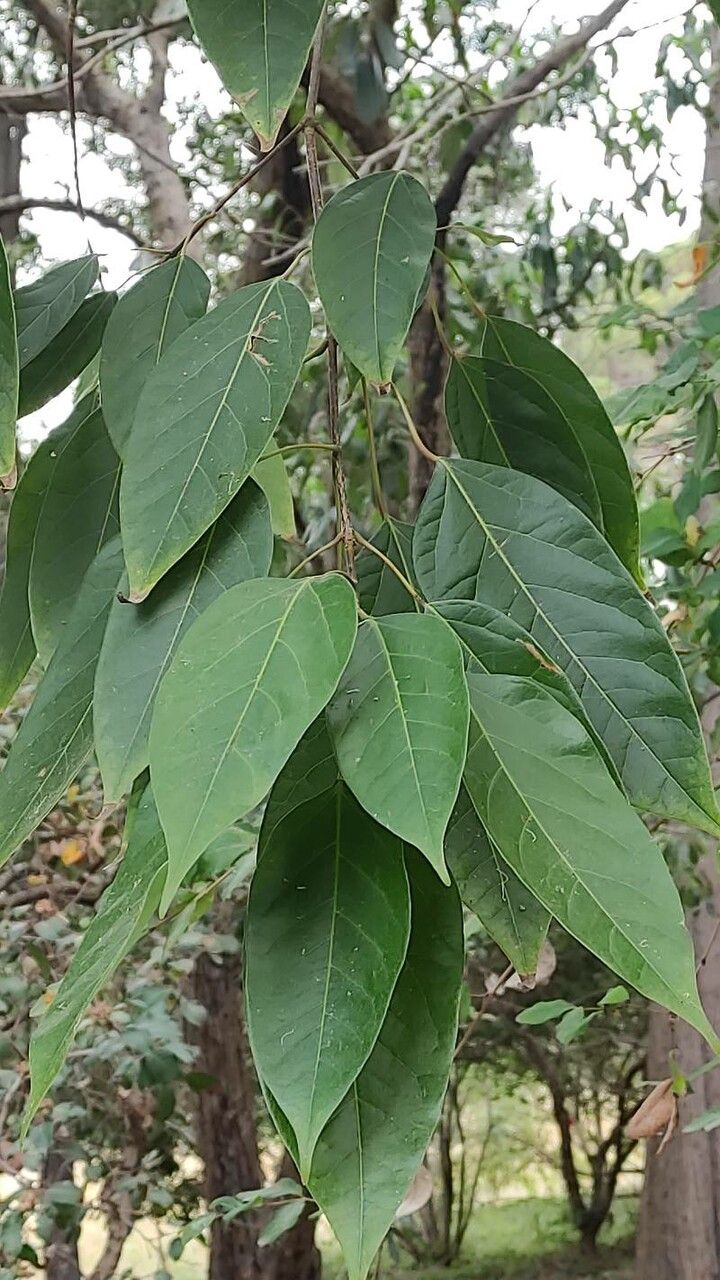
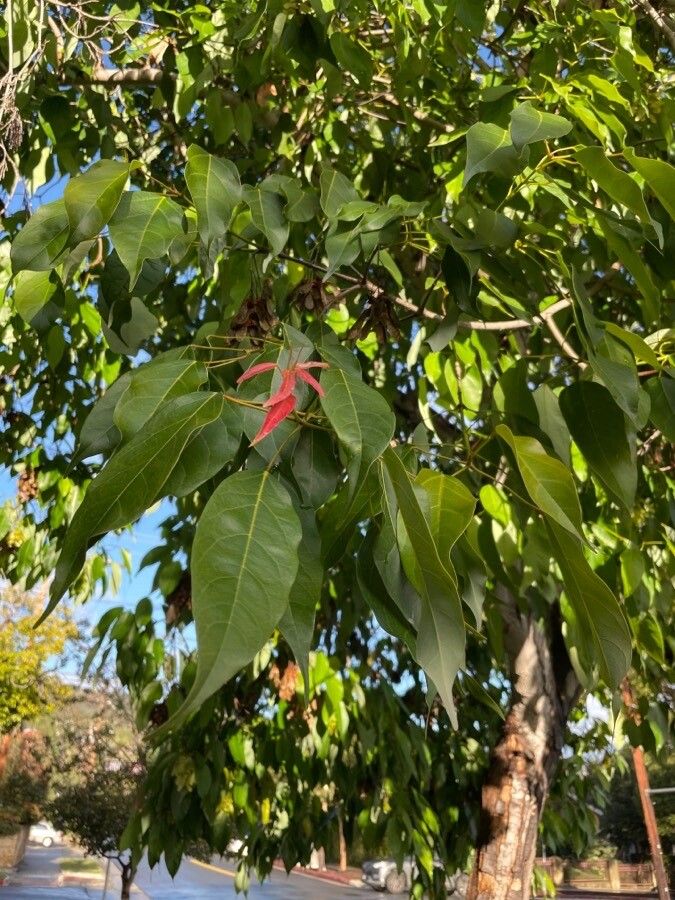
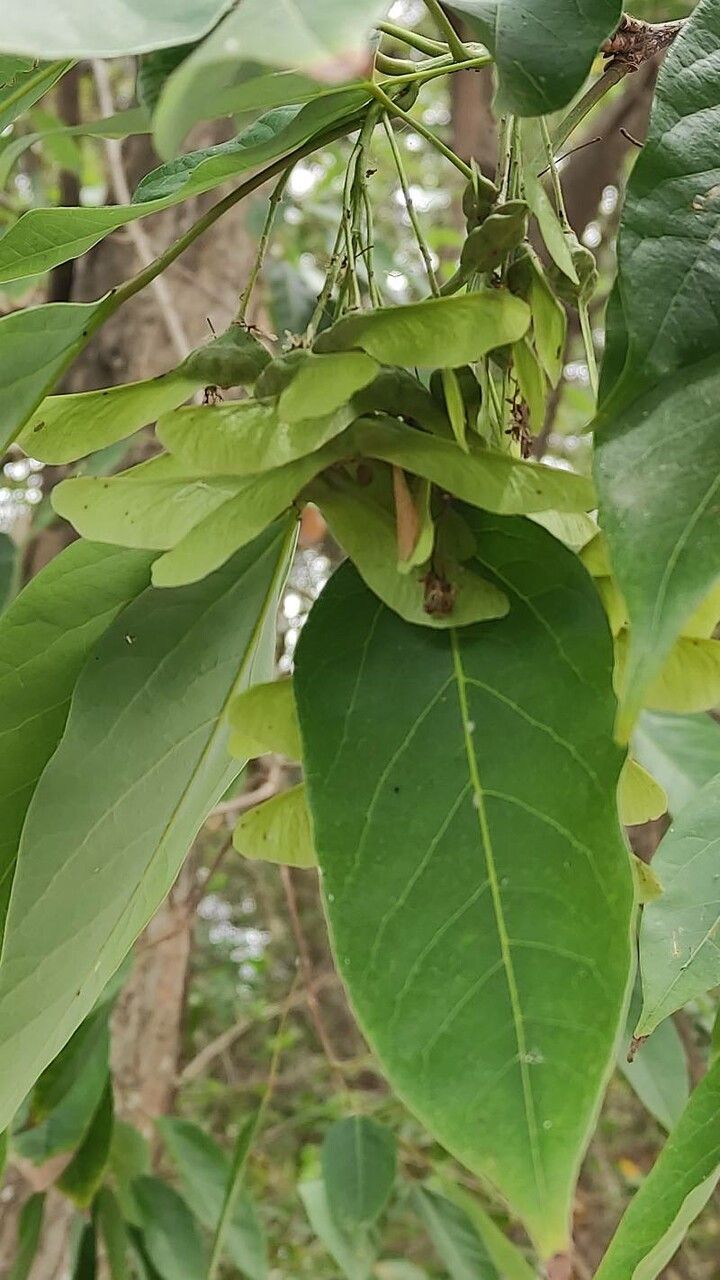
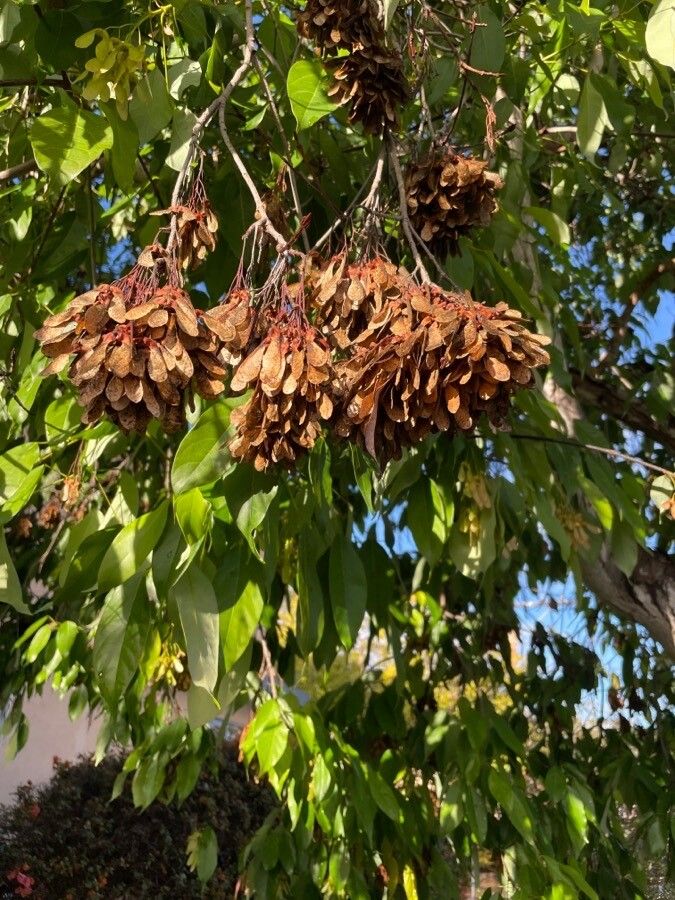
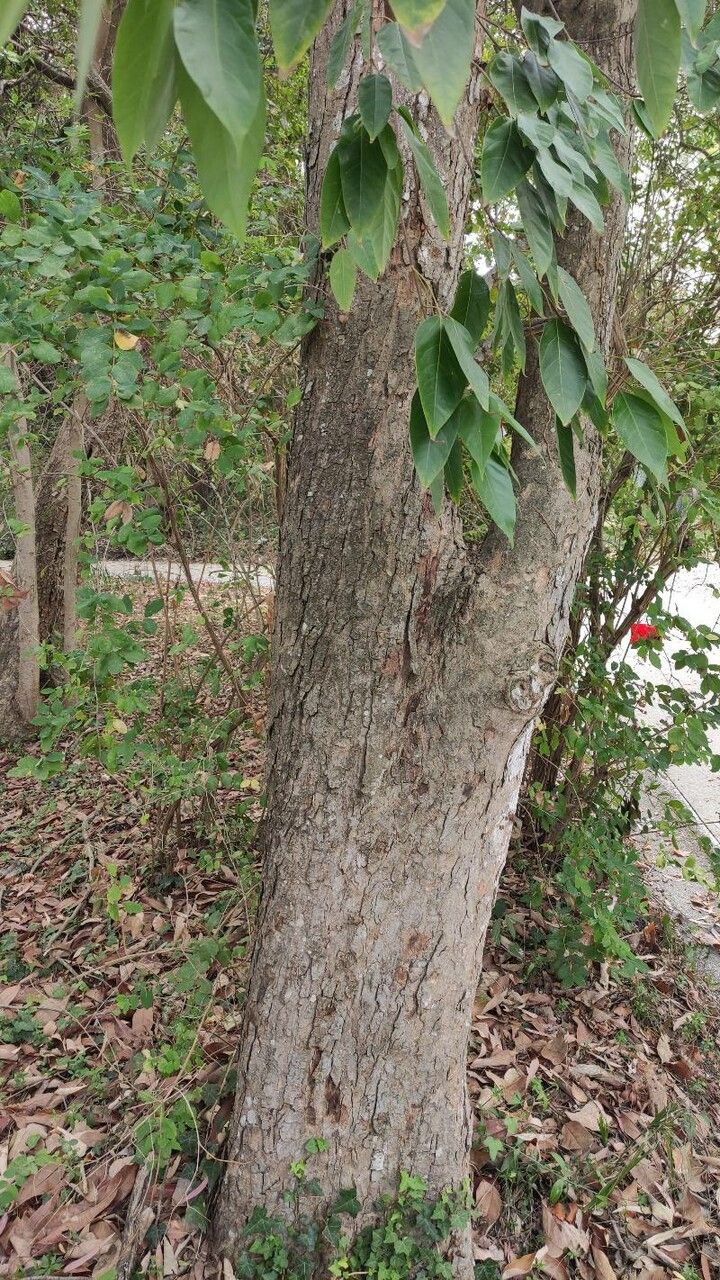
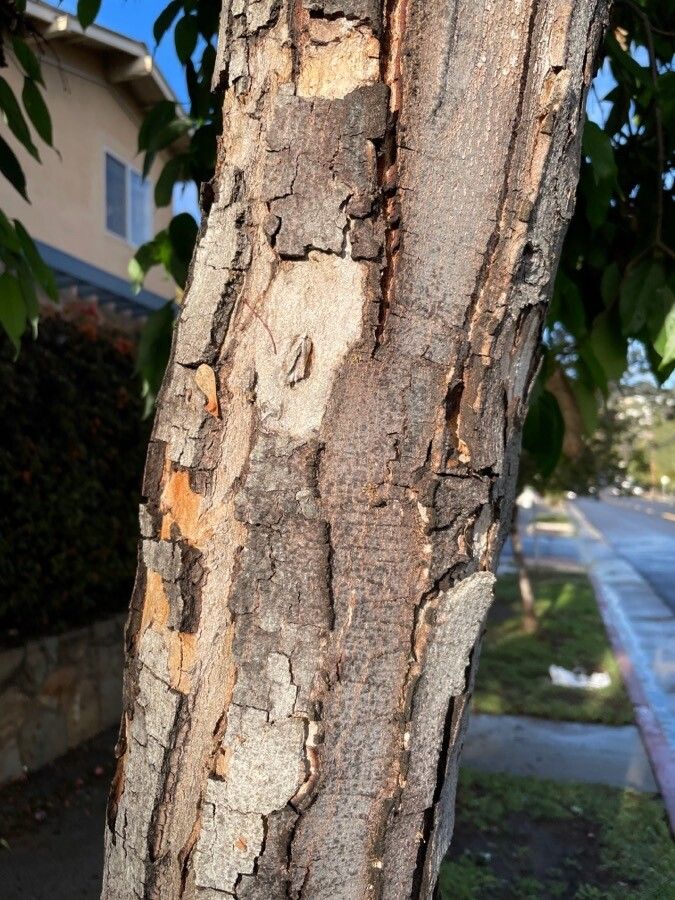
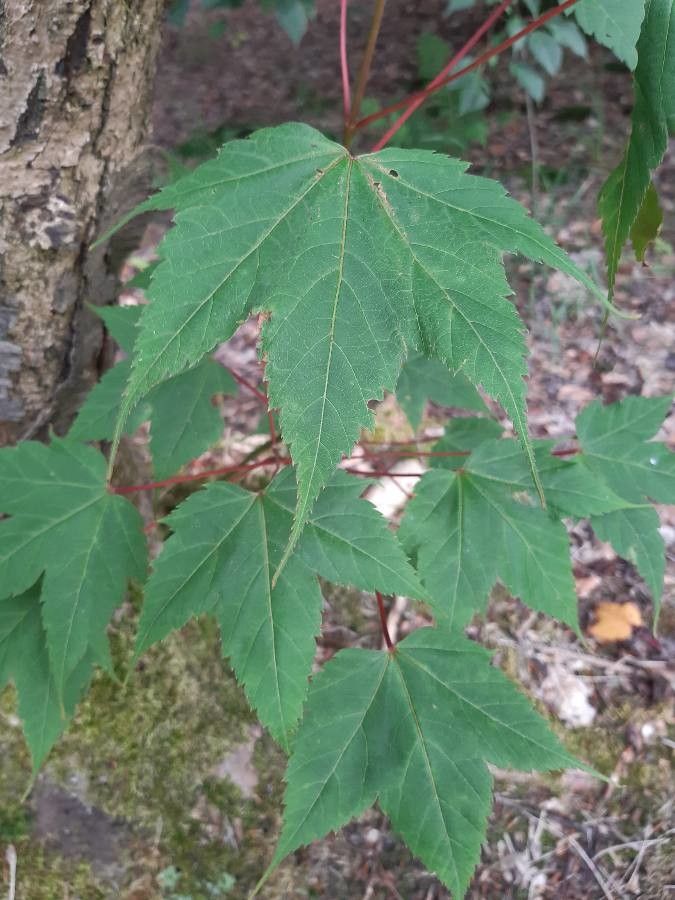
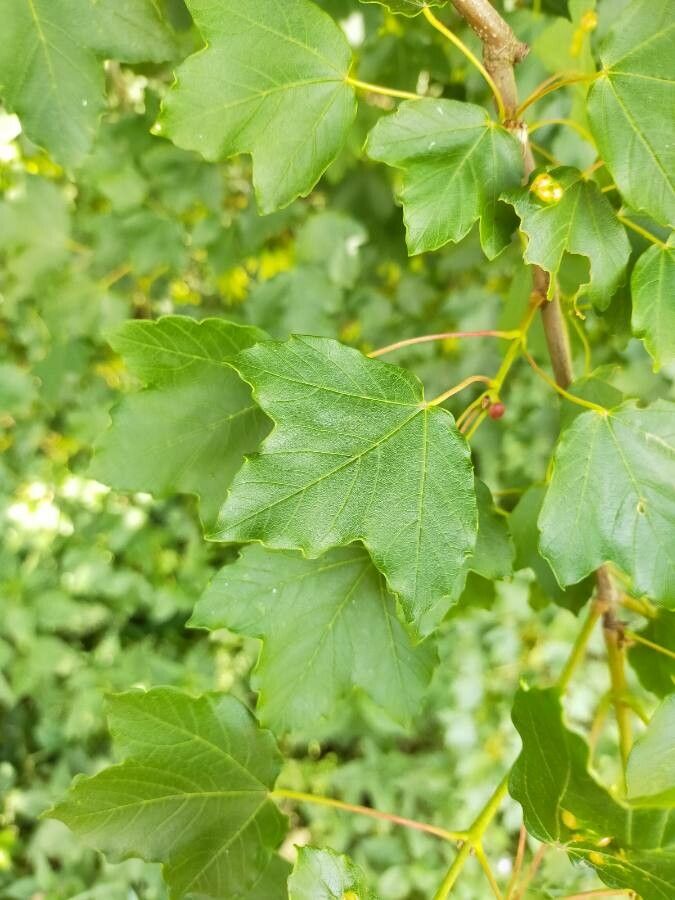
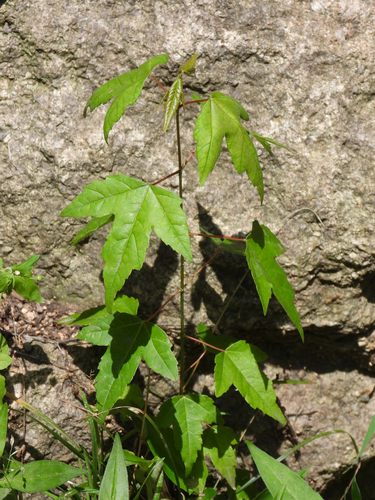
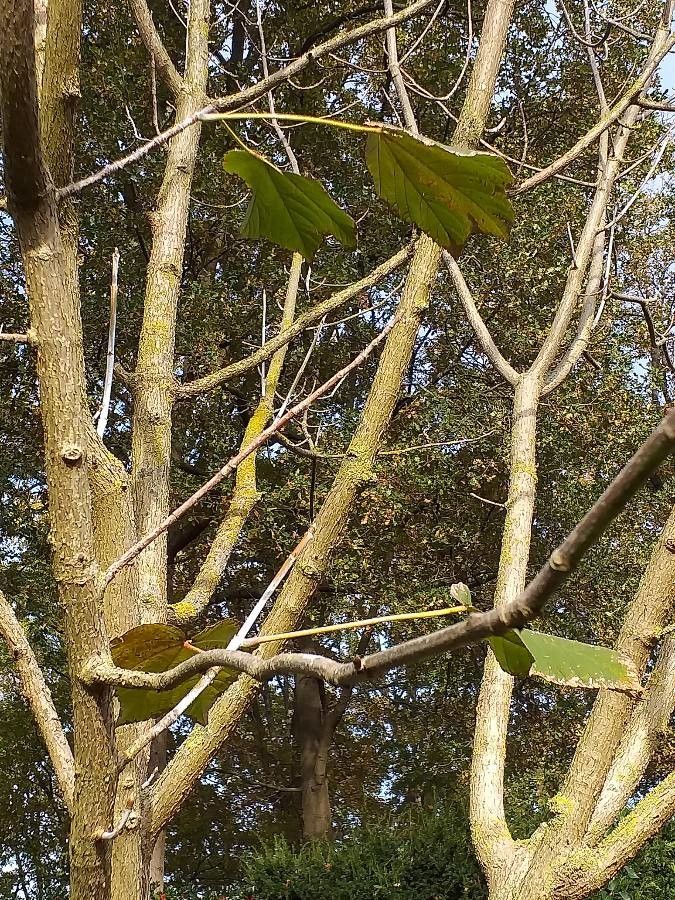
Acer oblongum, common name Himalayan maple, evergreen maple and Kashmir maple, is an evergreen Asian species of maple belonging to the soapberry family.
The Himalayan maple is resistant to disease and is generally not susceptible to illnesses. In terms of care, this plant is fairly low maintenance. When grown outdoors it needs little watering, and larger plants typically do not require pruning. Smaller plants, however, should be pruned after they finish blooming. Himalayan maplet is suitable for anyone with an outdoor area, such as a garden or deck, and does not demand much gardening experience.
How to keep Acer Oblongum.
Light
Himalayan maple is native to habitats such as forest understories and rocky areas, where it grows in natural shade. It prefers partial sun but can tolerate full sun or full shade, reflecting its versatile and hardy nature.
Water
The Himalayan maple, originating from the Himalayas, thrives with consistent moisture and moderate humidity. It benefits from being watered twice a week and can tolerate brief periods of dryness. However, during its active growth phase, it is sensitive to soil moisture and requires careful hydration to maintain its lush foliage. Due to its size and growth habit, this tree is commonly grown outdoors.
Temperature
Himalayan maple is native to areas where temperatures range from 50 to 95 °F (10 to 35 °C). It does best within this temperature range. To help the Himalayan maple adapt to changing weather, adjust the temperature seasonally.
Fertilizer
Proper timing is vital when fertilizing a Himalayan maple. Apply fertilizer in early spring and then monthly up to early summer. Fertilizer encourages attractive blooms and supplies energy during both dormant and active growth periods.
Pruning
The Himalayan maple, known for its distinctively lobed leaves, benefits greatly from pruning in early spring. Begin by removing any dead branches and thinning out crowded areas to improve airflow. It is also important to trim overly long branches to maintain the tree’s shape. This not only promotes healthy growth and enhances its aesthetic appeal but also helps prevent structural problems.
Botanical profile.
- Plant Type
- Tree
- Life Cycle
- Perennial
- Genus
- Acer
- Family
- Sapindaceae
- Hardiness Zone
- 6-9
- Mature Height
- 14.94 m to 21.95 m
- Mature Spread
- 6.1 m to 13.41 m
- Leaf Color
- Green
- Leaf Type
- Deciduous
- Flower Size
- 0.51 cm
- Bloom Time
- Early spring, Mid spring
- Planting Time
- Spring, Autumn
- Harvest Time
- Late summer, Early fall, Mid fall
Other names.
Reader questions.
What are the sunlight requirements for a Himalayan maple (Acer oblongum)?
The Himalayan maple (Acer oblongum) has specific sunlight needs to thrive. For full sun exposure, the plant requires more than 6 hours of sunlight each day. If the location offers partial sun, about 3-6 hours of sunlight is needed. It's important to observe the way sunlight moves through your garden throughout the day. Finding the right spots that offer a perfect balance of light and shade is crucial for the happiness and health of your Himalayan maple.
What is the native environment of the Himalayan maple?
The Himalayan maple, scientifically known as Acer oblongum, is native to environments where temperatures range from 50 to 95 °F (10 to 35 °C). It thrives best within this preferred temperature range. To ensure the Himalayan maple adapts well to varying weather conditions, it's recommended to adjust its surrounding temperature on a seasonal basis.