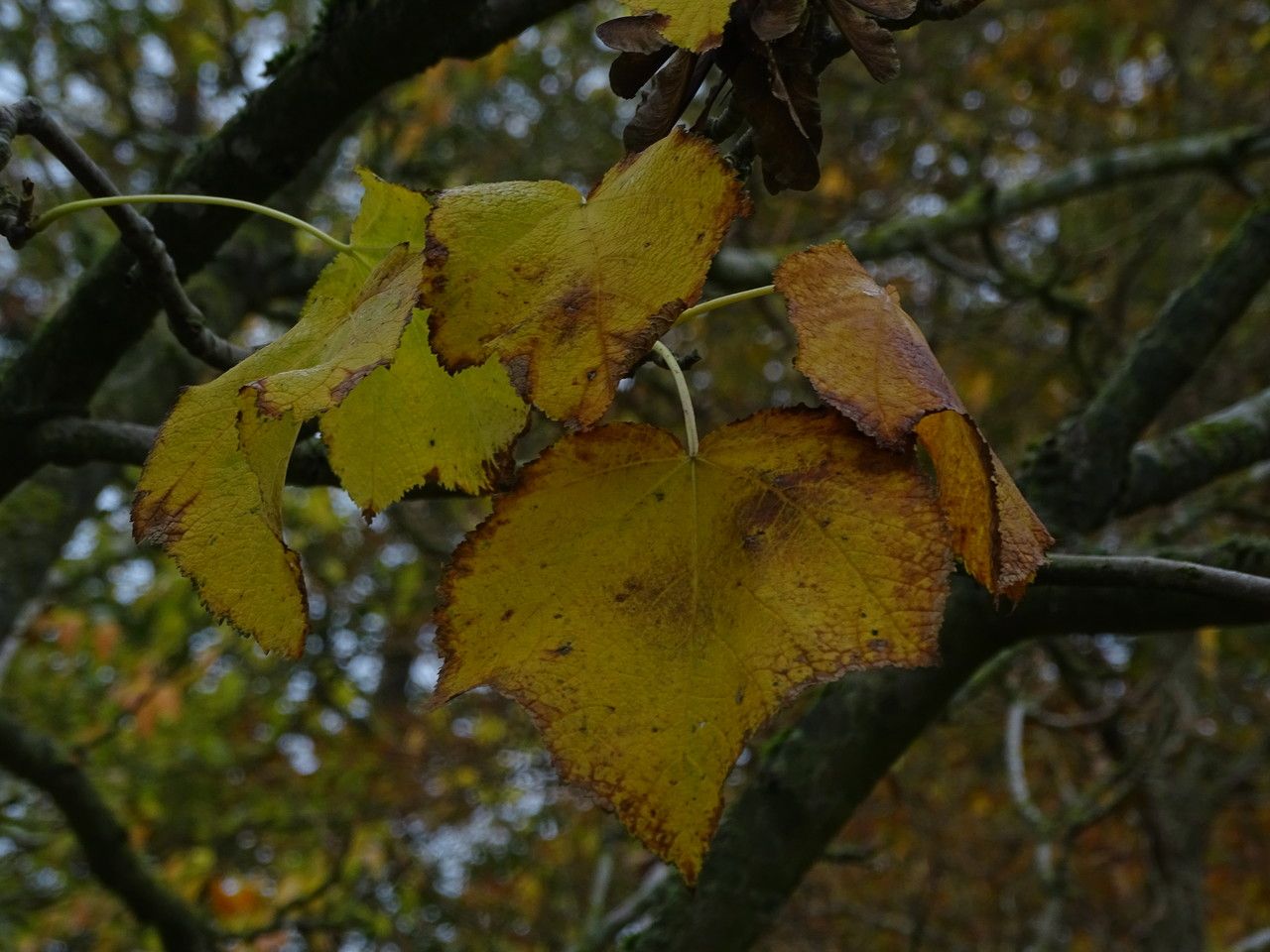
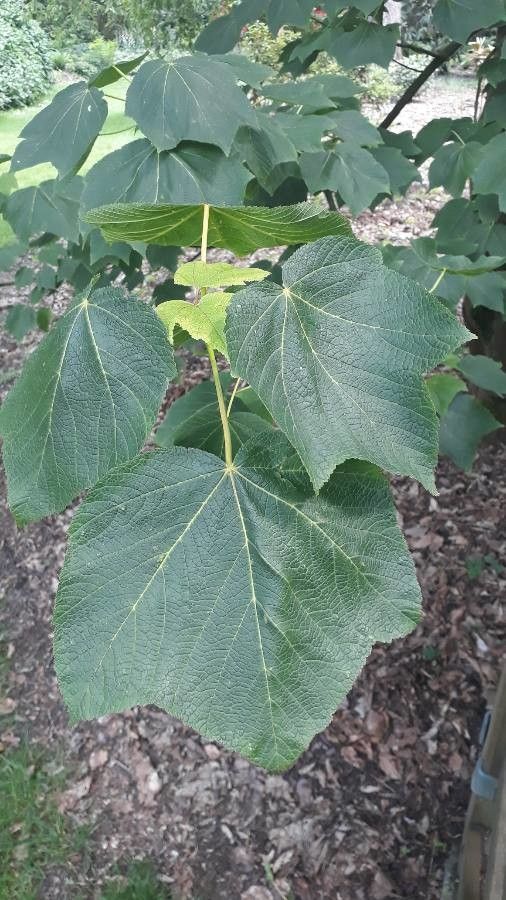
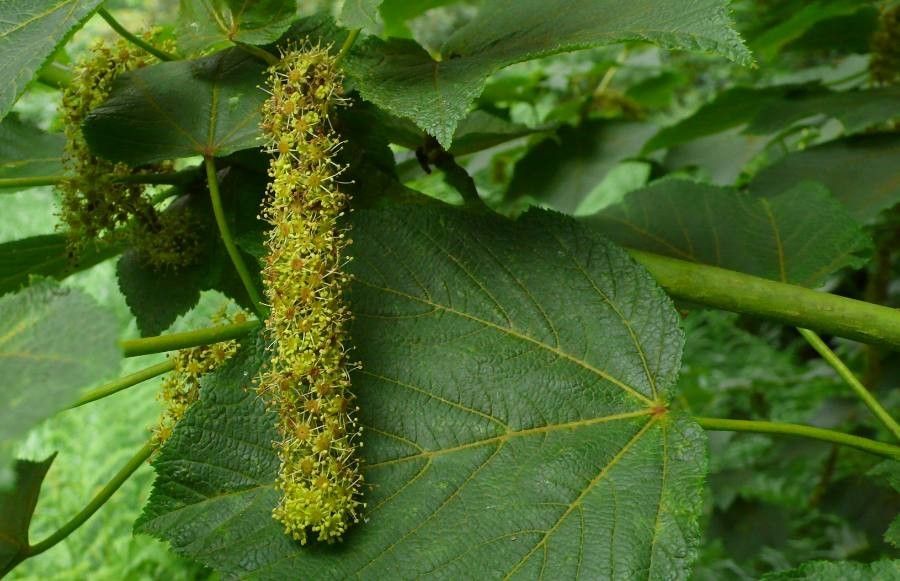
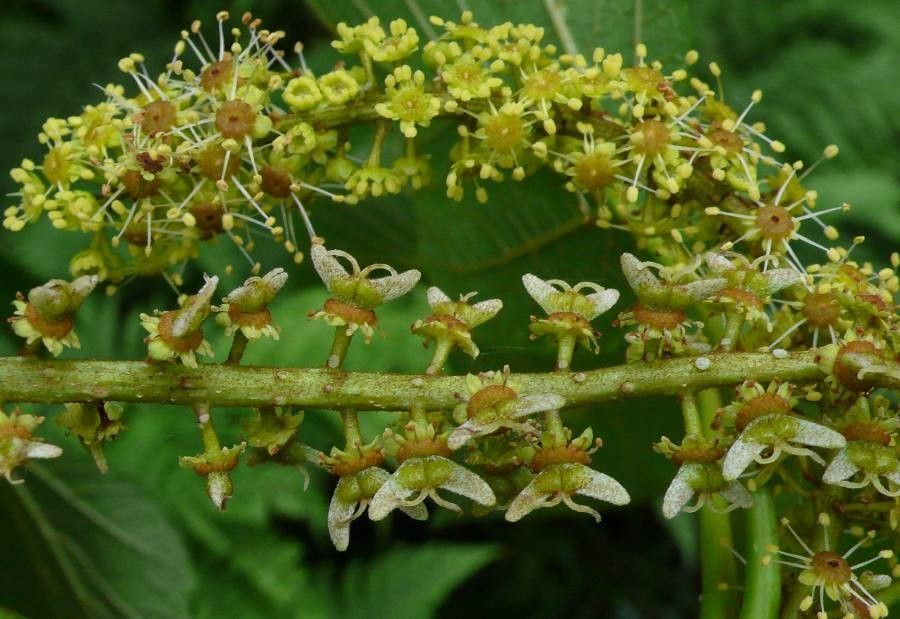
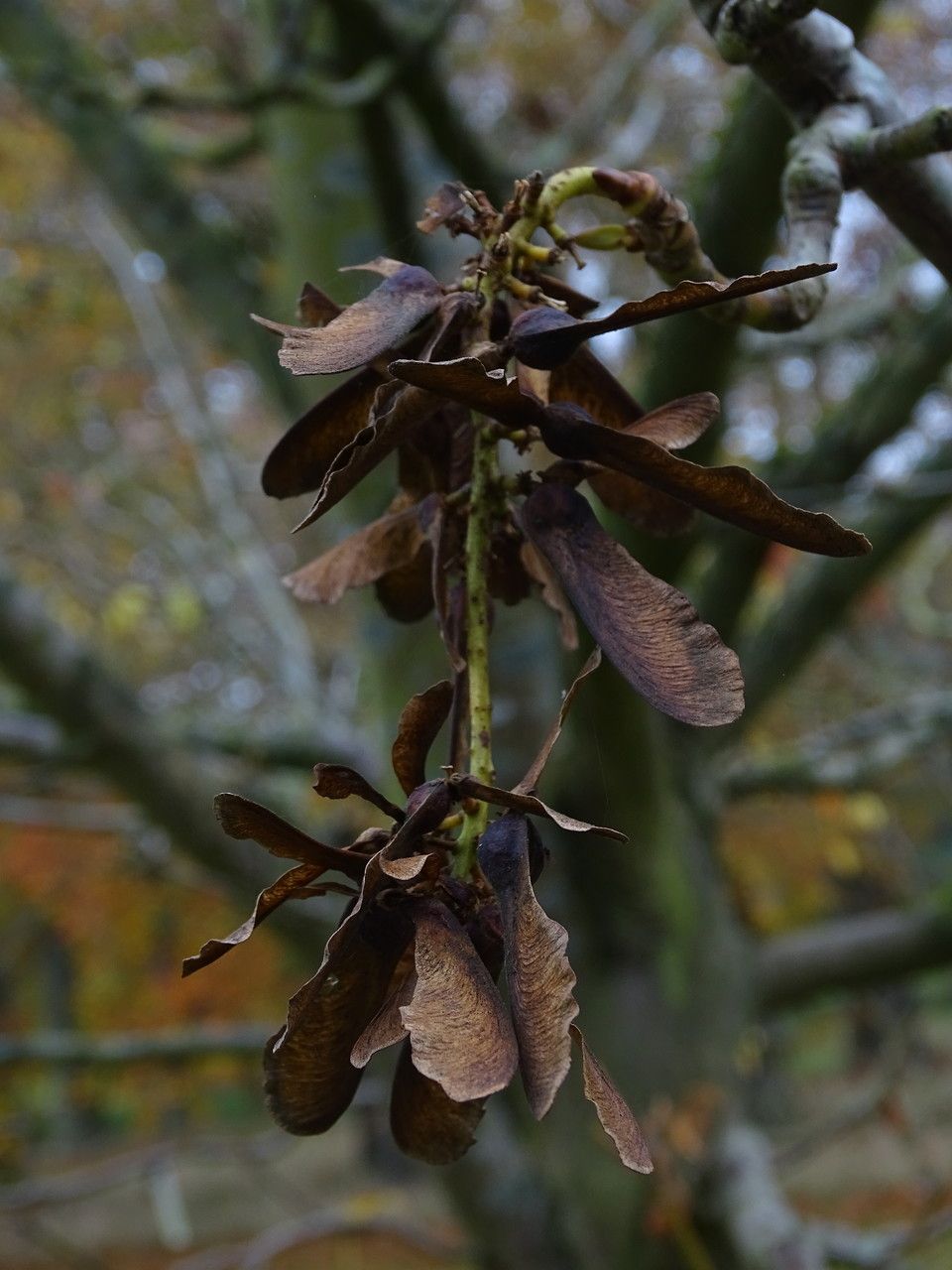
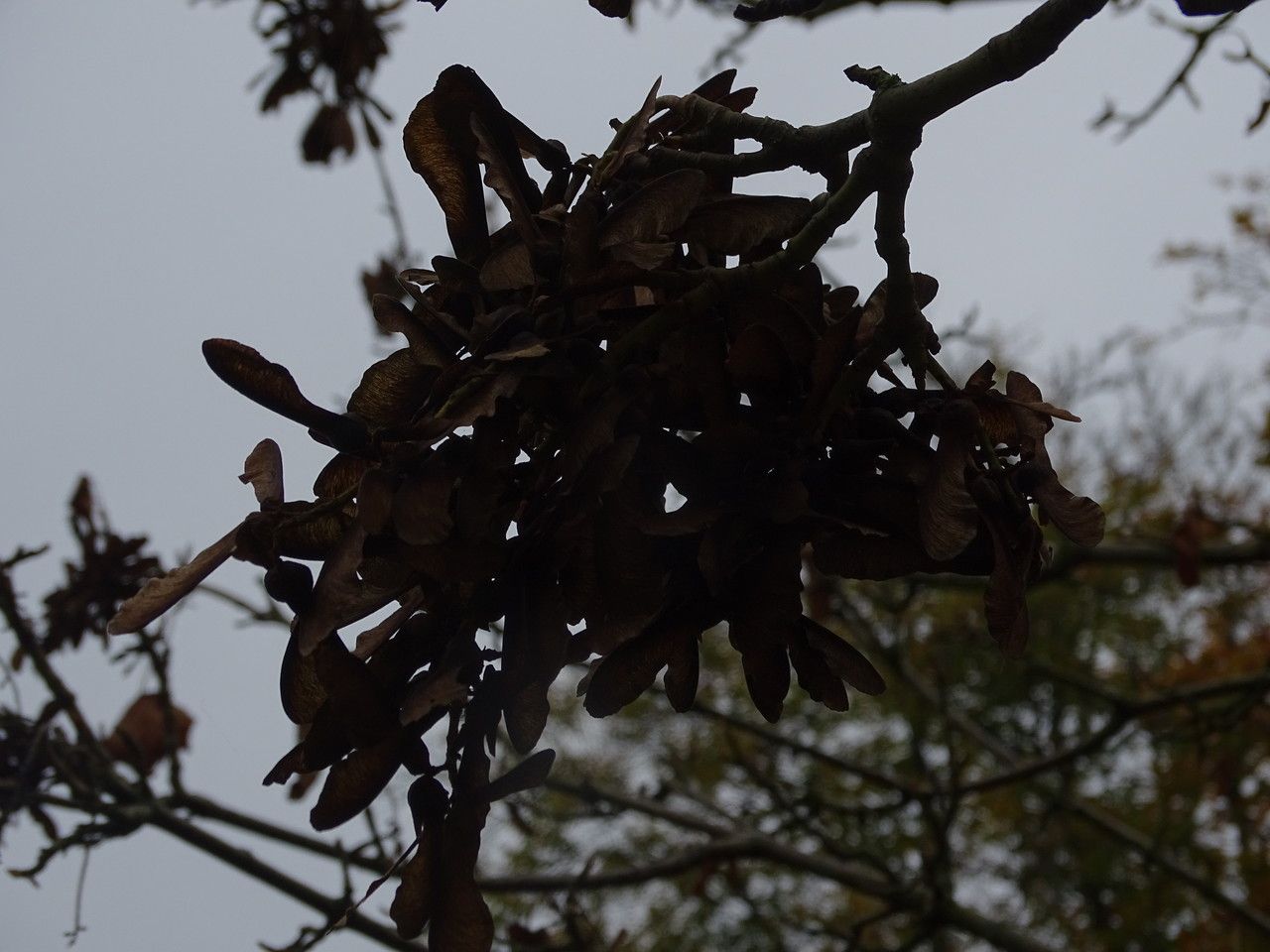
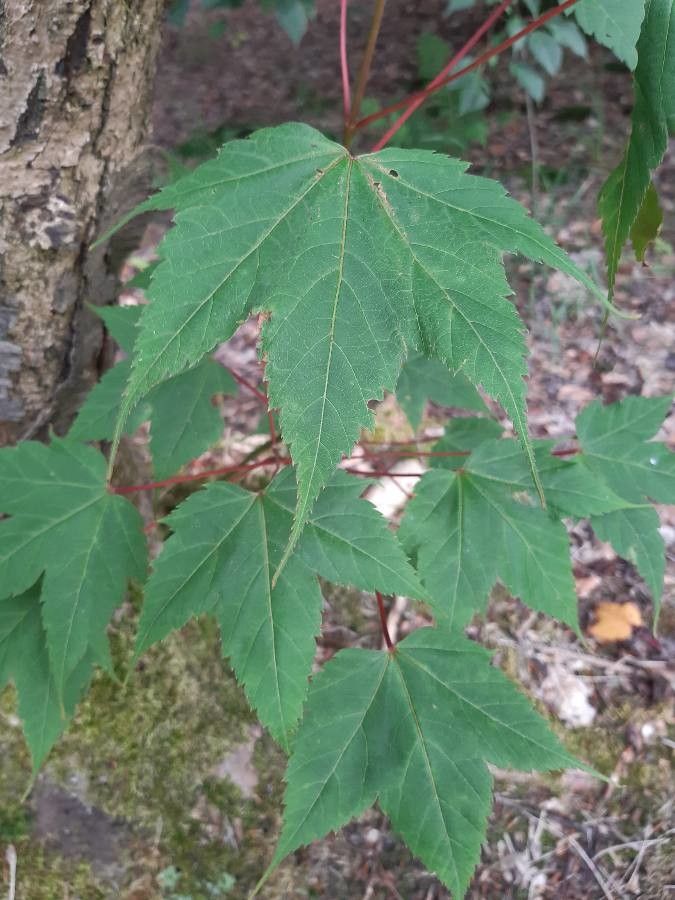
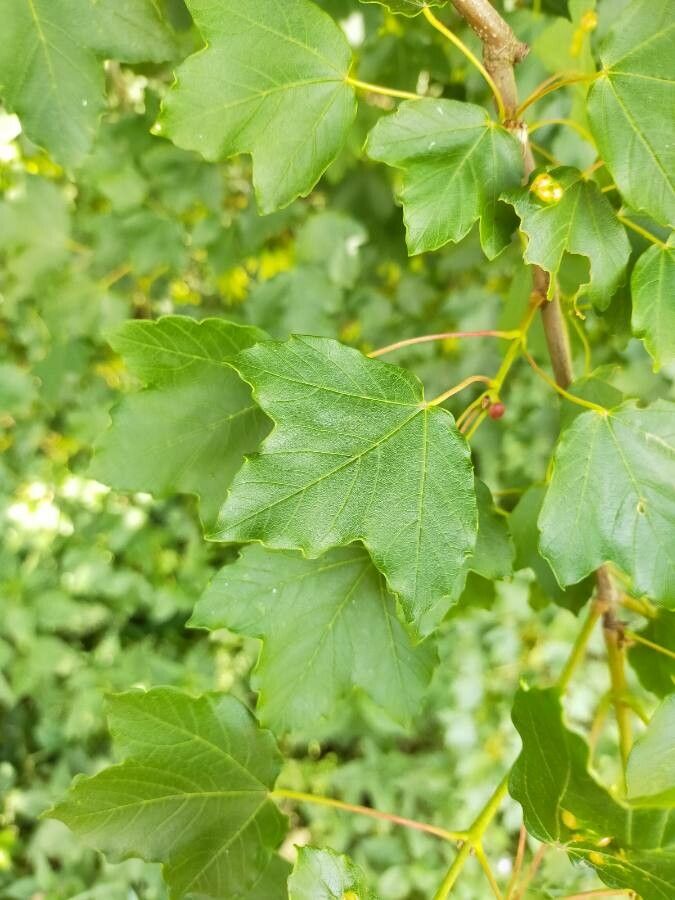
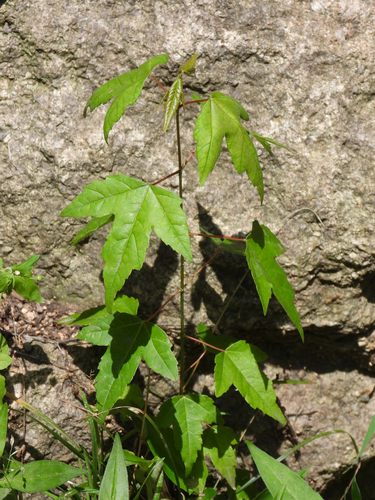
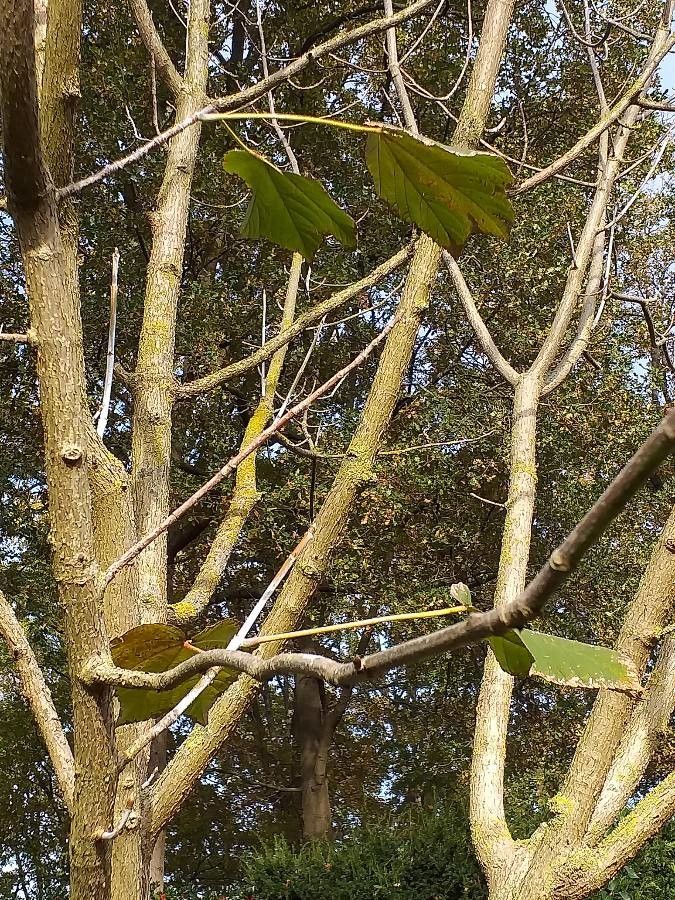
Acer nipponicum, occasionally called the Nippon maple, is a species of maple native to Japan. It belongs to the Acer section Parviflora.
Nippon maple shows strong resistance to disease and is generally unlikely to be affected by illnesses. In terms of care, this plant is fairly low-maintenance. When grown outdoors it needs only minimal watering, and larger plants usually do not require pruning. Smaller plants, however, should be trimmed after they finish blooming. Nippon maplet is suitable for anyone who has an outdoor area, such as a garden or deck, and does not demand extensive care experience.
How to keep Acer Nipponicum.
Water
The Nippon maple requires moist soil, especially during the summer, to prevent leaf scorch and drop. In the summer, water seedlings twice a day, but adjust this schedule for the cooler conditions of spring and fall. During winter, make sure the soil remains damp. For seedlings planted in the garden, water them according to the weather; in particular, water them if there has been no rain for two weeks.
Fertilizer
Fertilize your Nippon maple in early spring to encourage healthy growth. Consistent feeding improves the tree’s overall health, producing vigorous growth, greater tolerance of harsh conditions, and better resistance to pests and diseases. Keep a regular fertilization schedule for your Nippon maple to maintain foliage that is vibrant, richly colored, and lush in appearance.
Pruning
The Nippon maple is known for its broad canopy and vibrant autumn colors. To keep it healthy, it's important to prune it in early spring to remove any dead or crossing branches. This helps improve air circulation. Regular, light pruning will help maintain the tree’s size and health. However, avoid making heavy cuts, as these can weaken the tree. For best results, prune while the tree is dormant.
Botanical profile.
- Plant Type
- Tree
- Life Cycle
- Perennial
- Genus
- Acer
- Family
- Sapindaceae
- Hardiness Zone
- 3-9
- Native Area
- Japan
Other names.