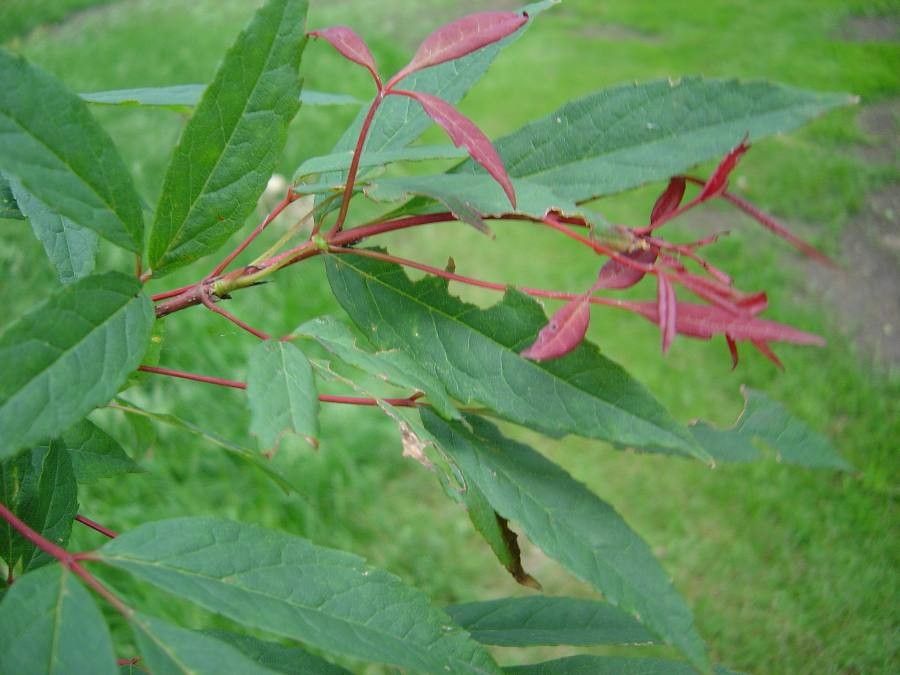
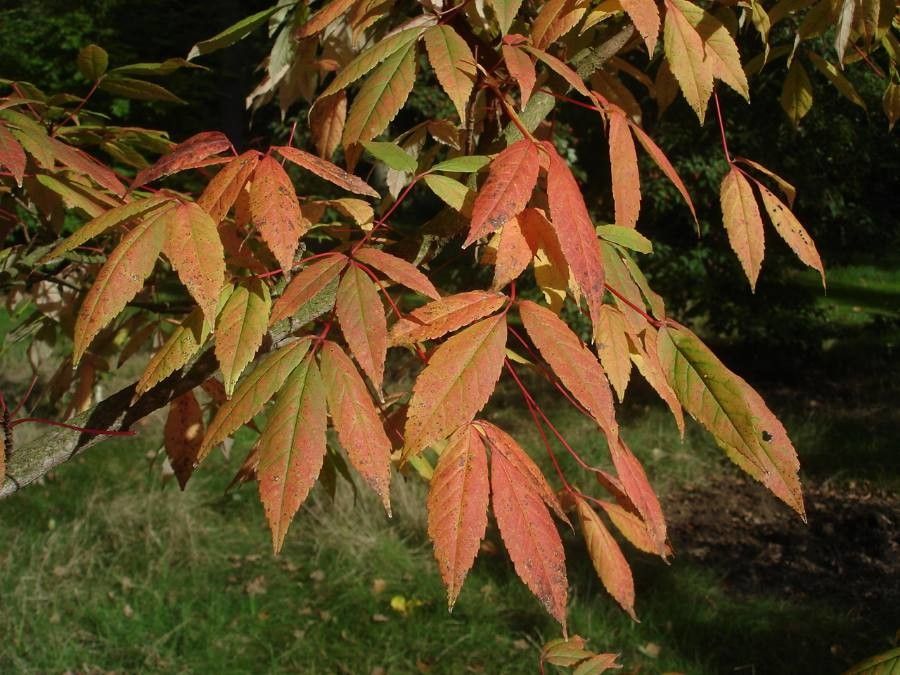
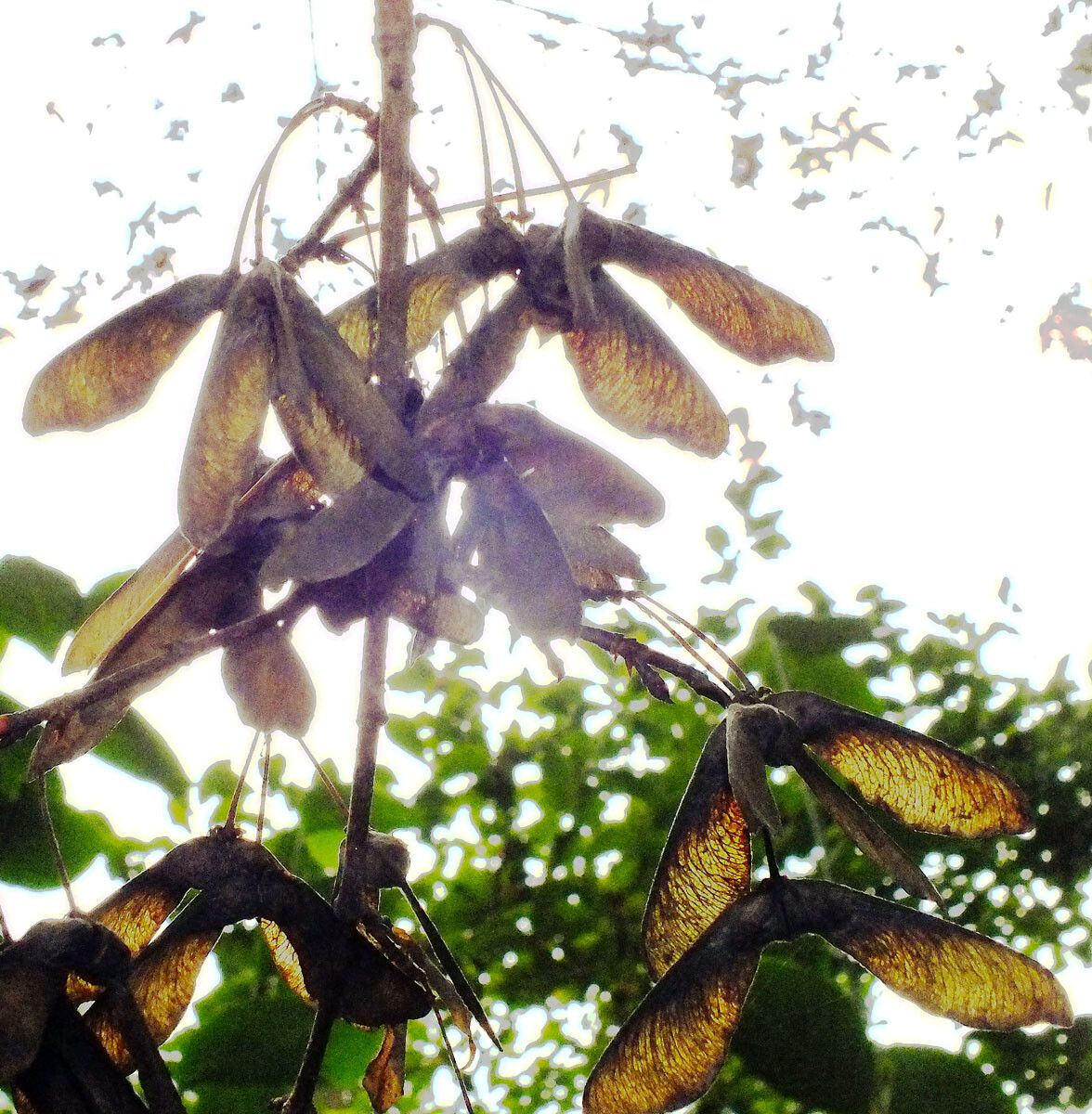
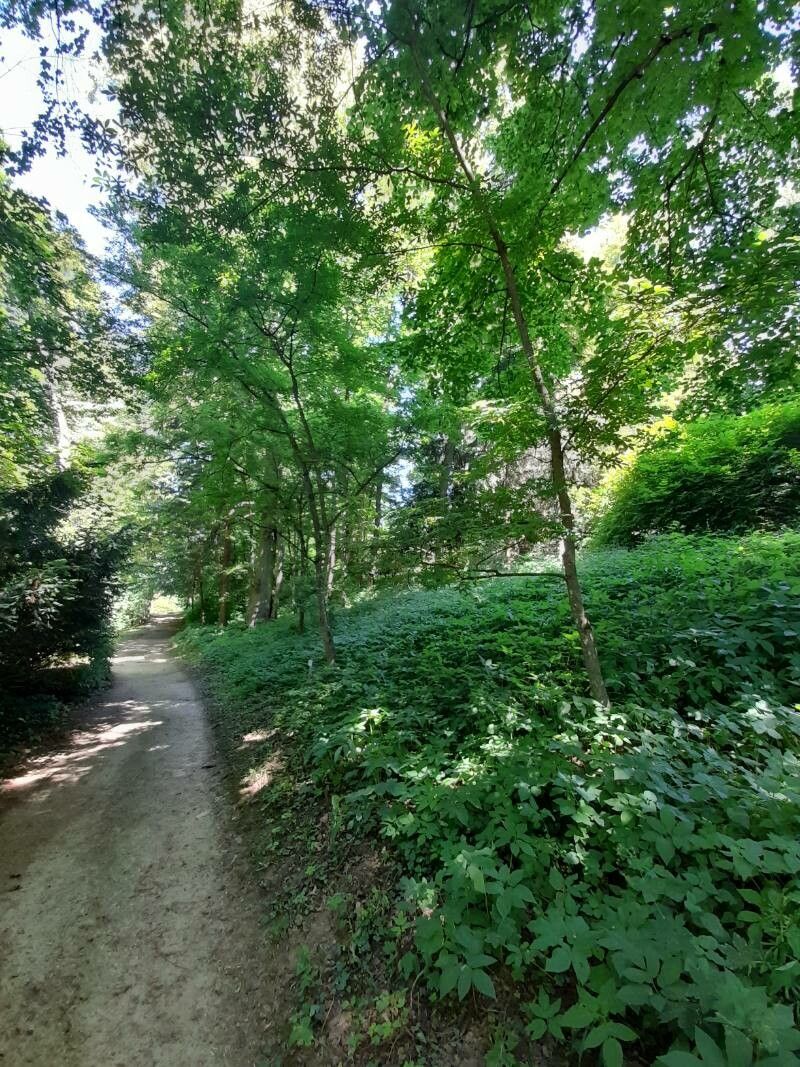
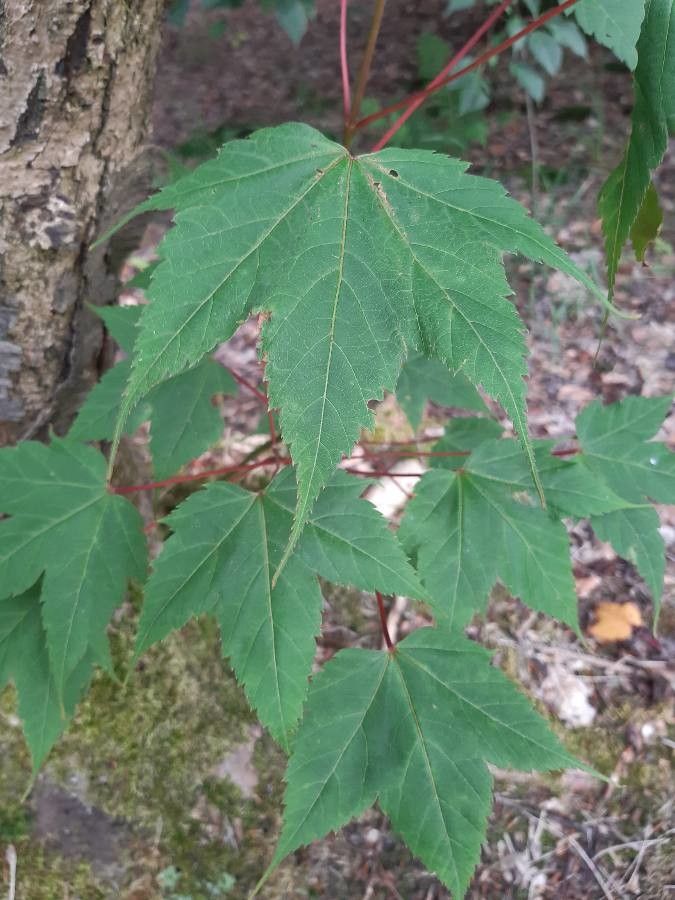
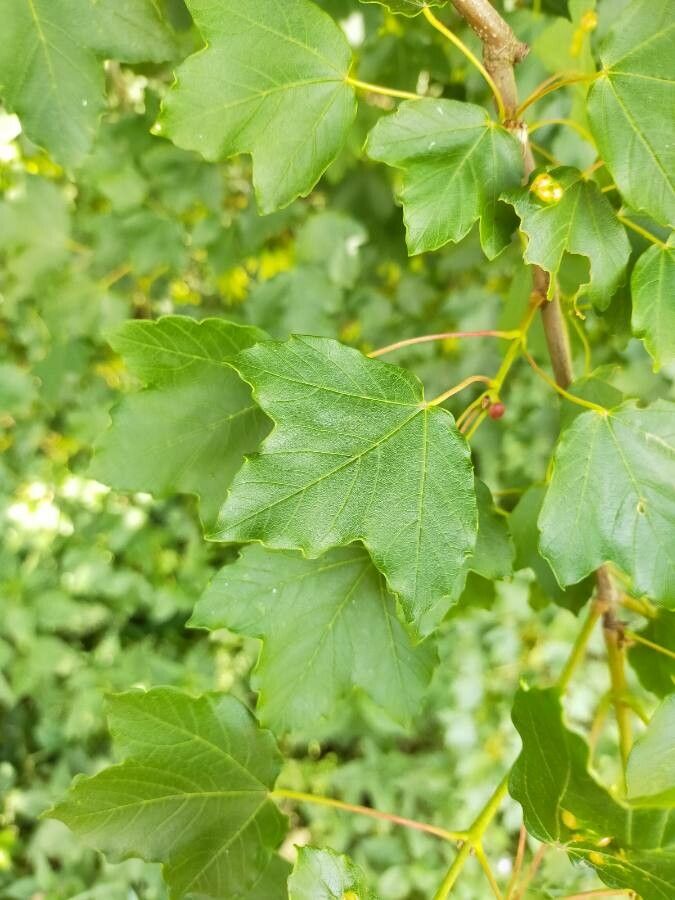
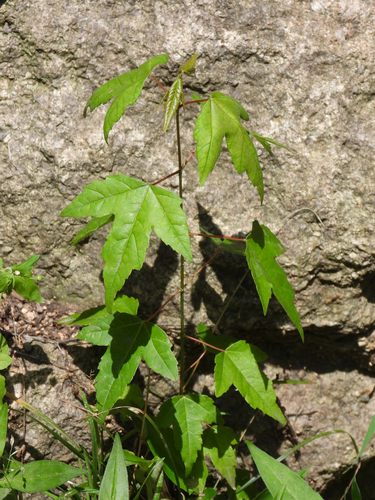
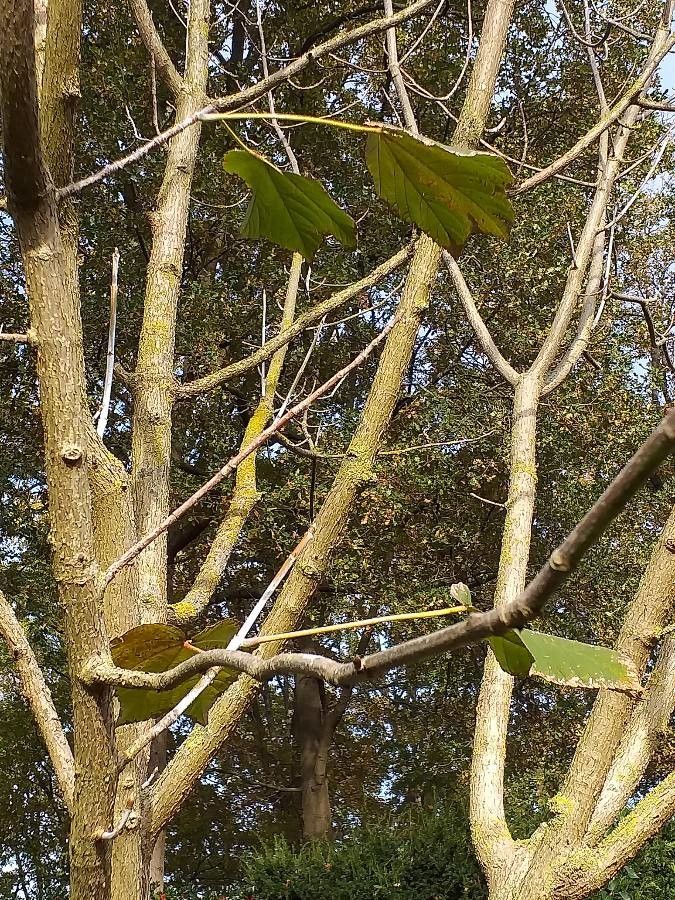
Acer mandshuricum, the Manchurian maple, is a species of maple native to China (southeastern Gansu, Heilongjiang, Jilin, Liaoning, southern Shaanxi), Korea and Russia (Primorsky Krai).
The Manchurian maple is resistant to disease and generally not susceptible to illnesses. As for care, this plant is fairly low-maintenance. Planted outdoors, it needs little watering, and larger specimens usually do not require pruning. Smaller plants, however, should be pruned after they finish blooming. Manchurian maplet is appropriate for anyone with outdoor space, like a garden or deck, and does not demand extensive experience in plant care.
How to keep Acer Mandshuricum.
Light
Manchurian maple occurs naturally in habitats like forest understories or rocky sites, where it grows under natural shade. It prefers partial sun but can adjust to either full sun or full shade, reflecting its versatile and hardy nature.
Water
The Manchurian maple flourishes in moist soil, especially during the summer, when it’s essential to prevent leaf scorch and drop. Seedlings might need daily watering during this time to ensure they remain healthy. In the spring and fall, adjust the watering schedule according to the weather conditions. During the winter, water sparingly to avoid drying out the soil. Garden seedlings, in particular, require careful watering during their early stages of growth.
Temperature
Manchurian maple shows strong adaptability to a range of climate conditions, whether in scorching summers or chilly winters. Nevertheless, it has an optimal temperature range for growth. When temperatures get excessively high, the plant is susceptible to heat and humidity stress, which can lead to its death. In areas where temperatures approach the lower limit of its cold tolerance, it is important to provide insulation to protect the plant.
Fertilizer
Timing is vital when fertilizing a Manchurian maple. Apply fertilizer in early spring and continue once a month until early summer. Fertilizer promotes attractive blooms and supplies energy during both dormant and active growth periods.
Pruning
The Manchurian maple is a deciduous tree admired for its graceful form and vibrant autumn colors. To maintain its health and beauty, prune in early spring to remove any dead or crossing branches. This improves light and air circulation. Regular pruning helps keep the tree healthy and visually attractive. For additional care tips, consult horticultural guides.
Botanical profile.
- Plant Type
- Tree
- Life Cycle
- Perennial
- Genus
- Acer
- Family
- Sapindaceae
- Hardiness Zone
- 3-7
- Mature Height
- 29.87 m
- Mature Spread
- 9.14 m to 11.89 m
- Leaf Color
- Green
- Leaf Type
- Deciduous
- Flower Color
- Yellow, Green
- Flower Size
- 0.51 cm to 0.76 cm
- Bloom Time
- Early spring, Mid spring
- Planting Time
- Spring, Summer
- Harvest Time
- Late summer, Early fall, Mid fall
Other names.
Reader questions.
What are the sunlight requirements for a Manchurian maple?
The Manchurian maple (Acer mandshuricum) thrives under specific sunlight conditions. For optimal growth, it requires full sun, which is defined as having more than 6 hours of sunlight daily. However, it can also tolerate partial sun, meaning it can grow with about 3-6 hours of sunlight each day. It's important to observe how sunlight moves through your garden throughout the day. Carefully choosing a planting location that provides a perfect balance of light and shade will ensure the happiness and health of your Manchurian maple.
What is the name of the plant?
The plant is named Manchurian maple.
What is the botanical name of the Manchurian maple?
The botanical name of the Manchurian maple is Acer mandshuricum.