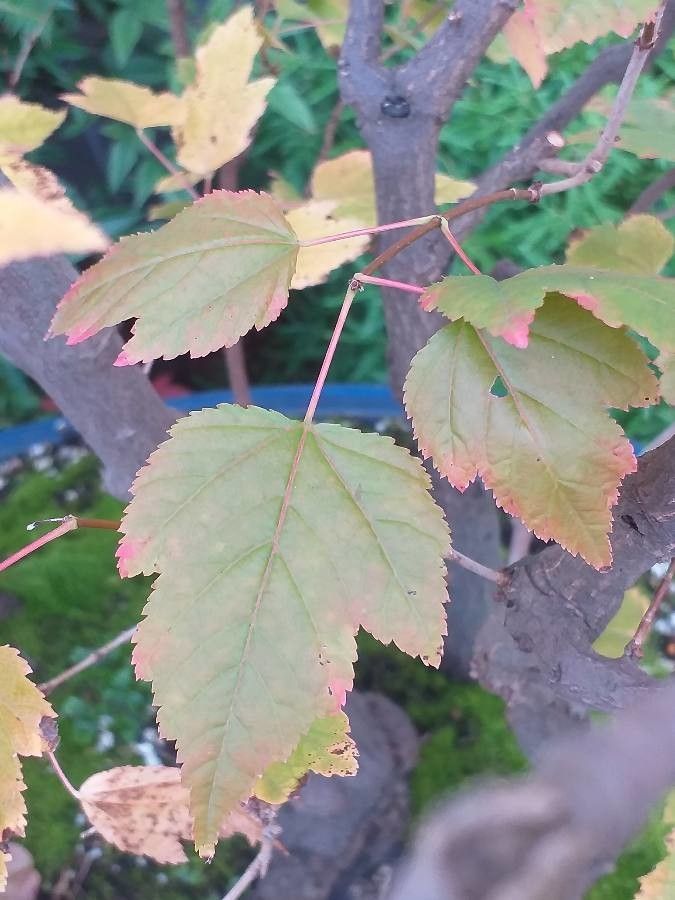
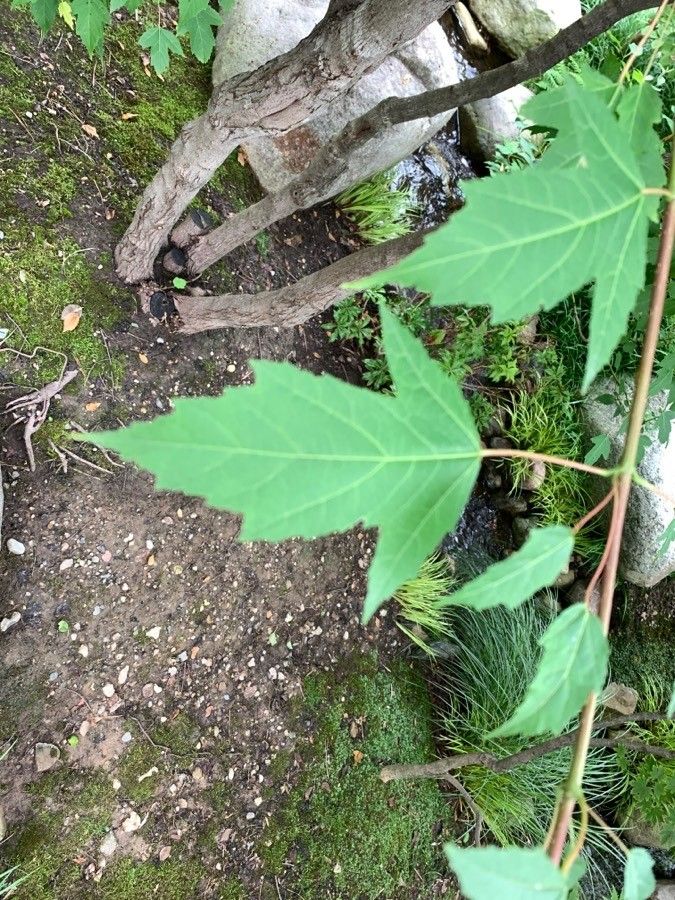
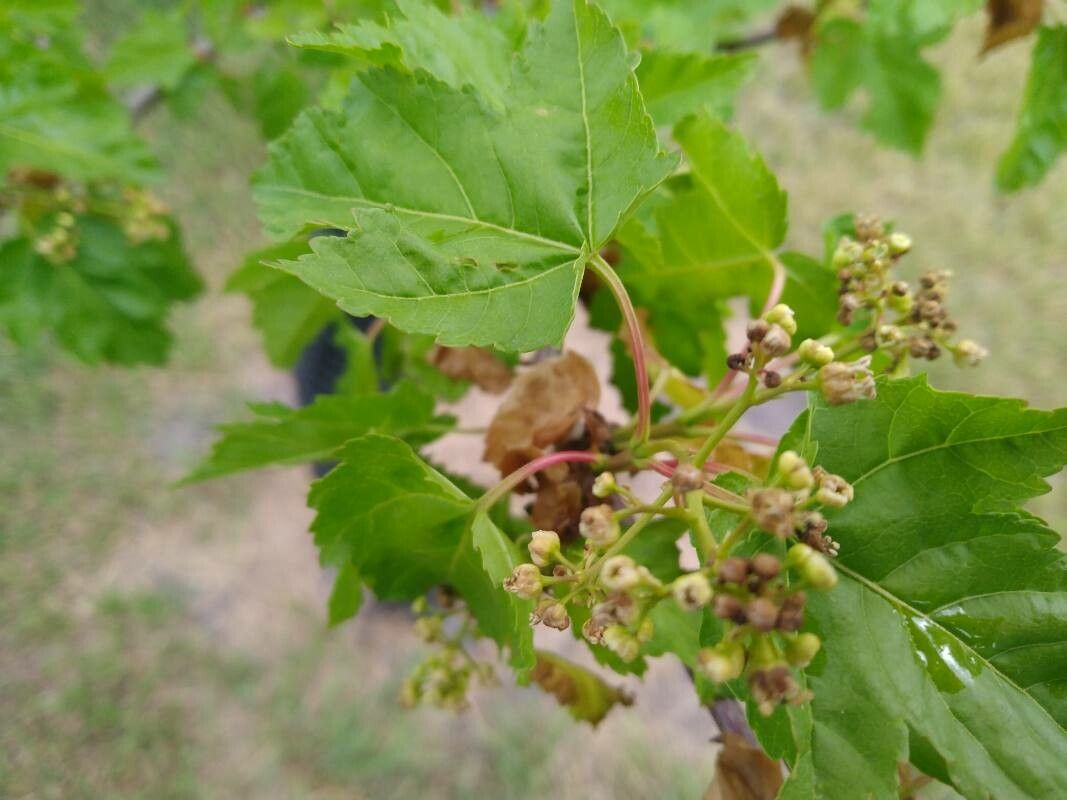
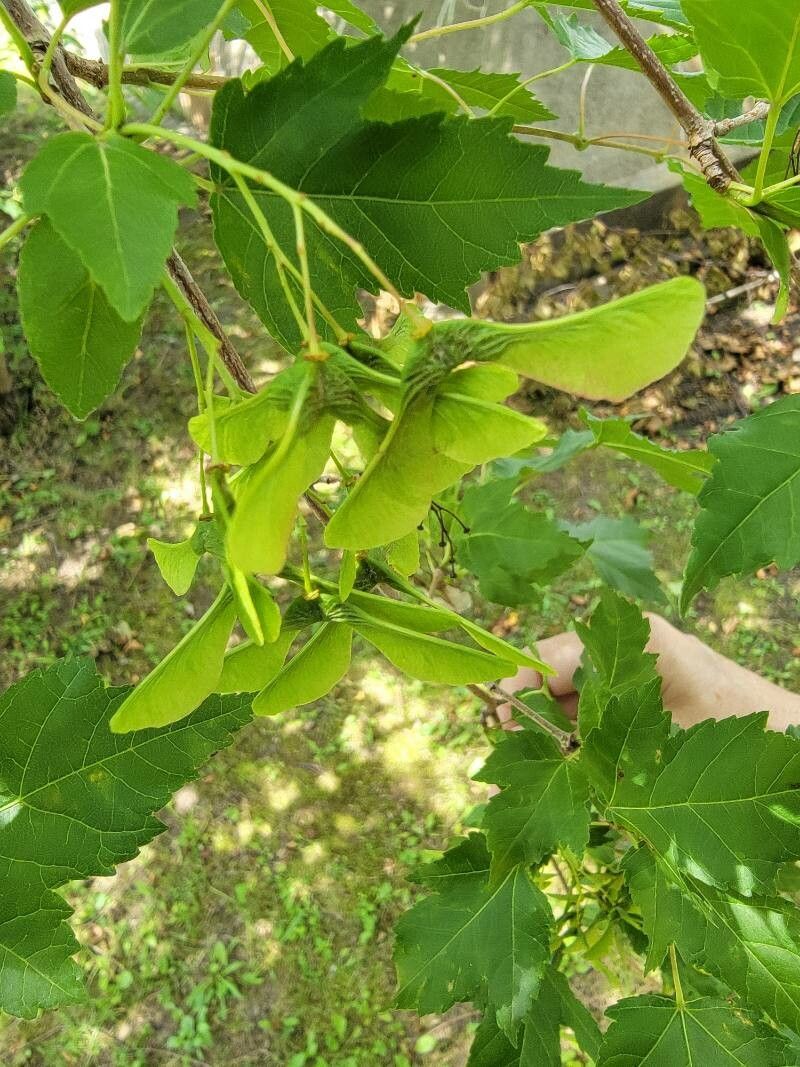
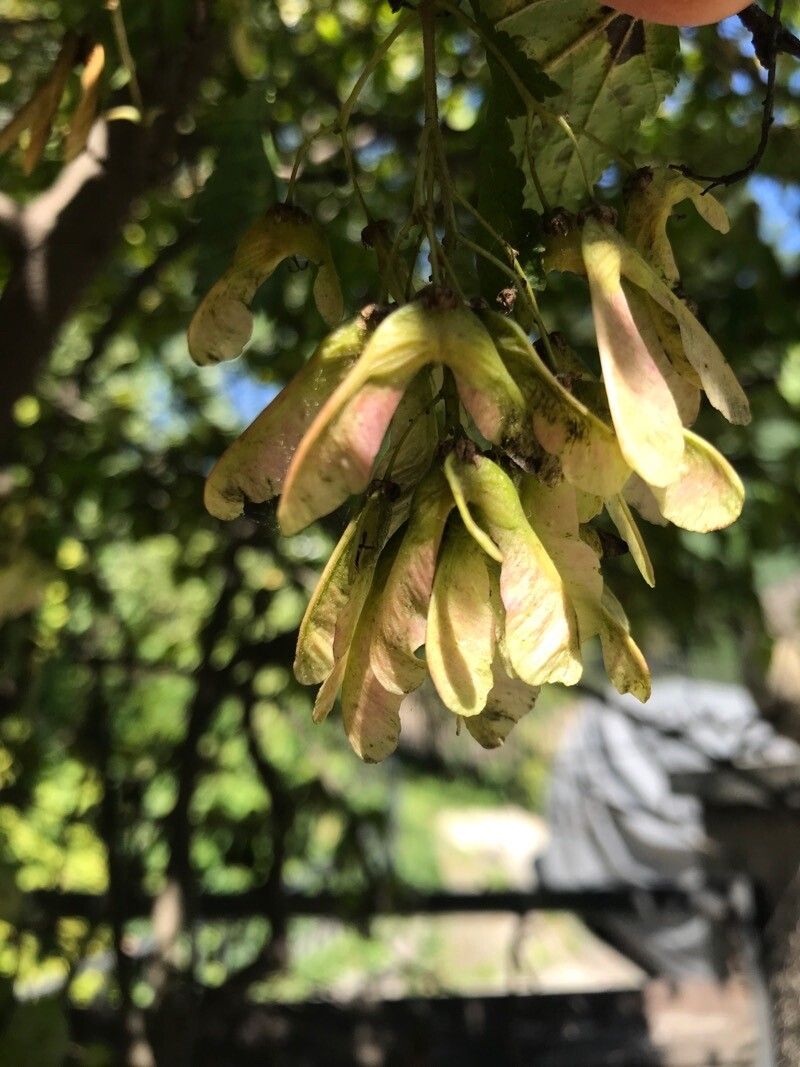
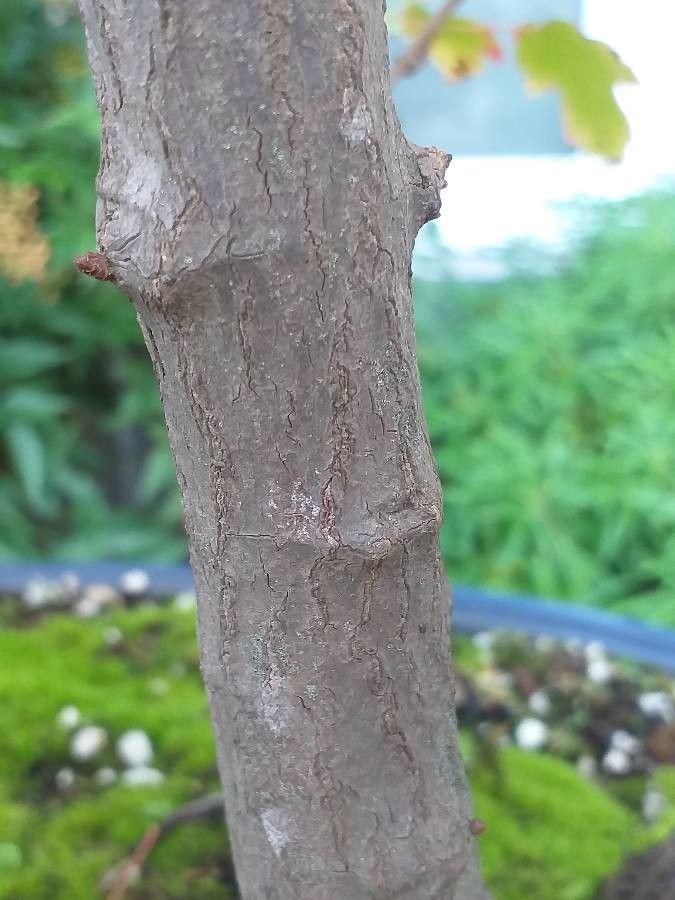
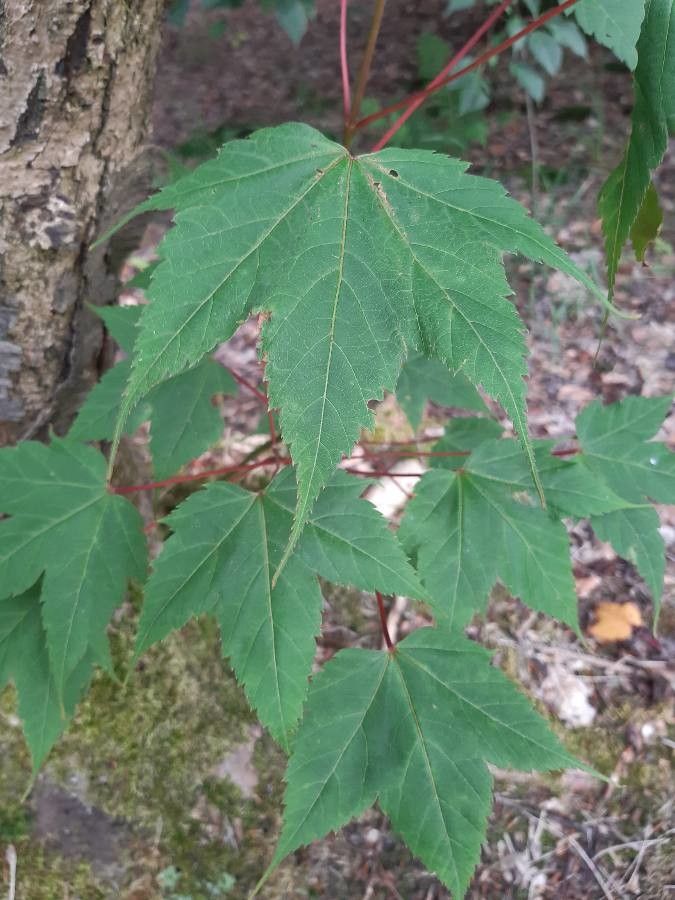
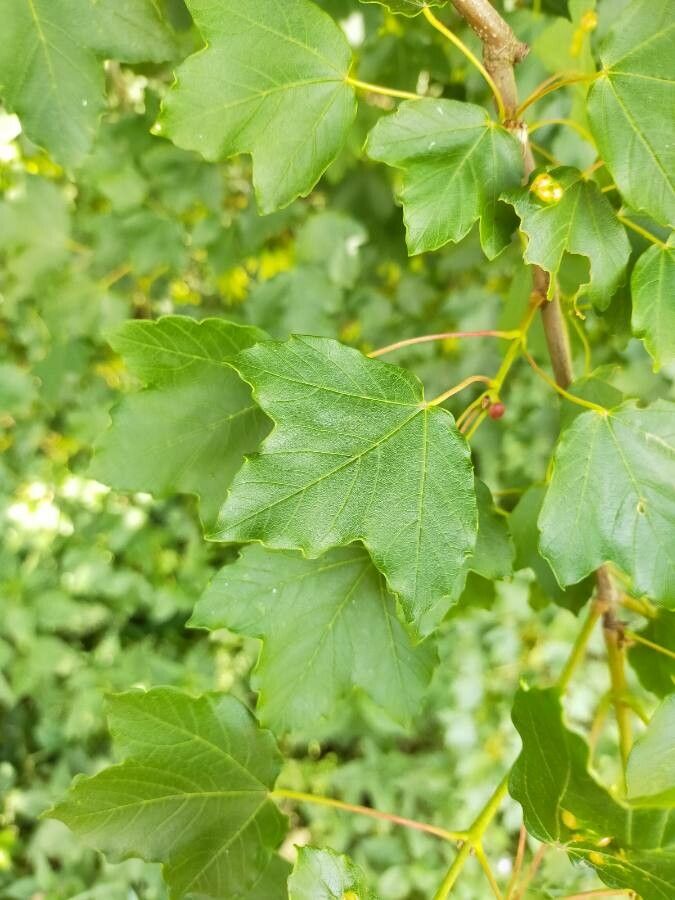
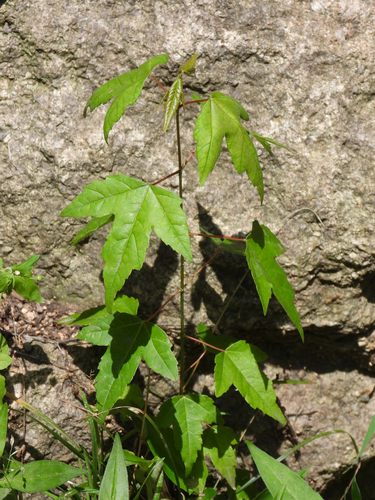
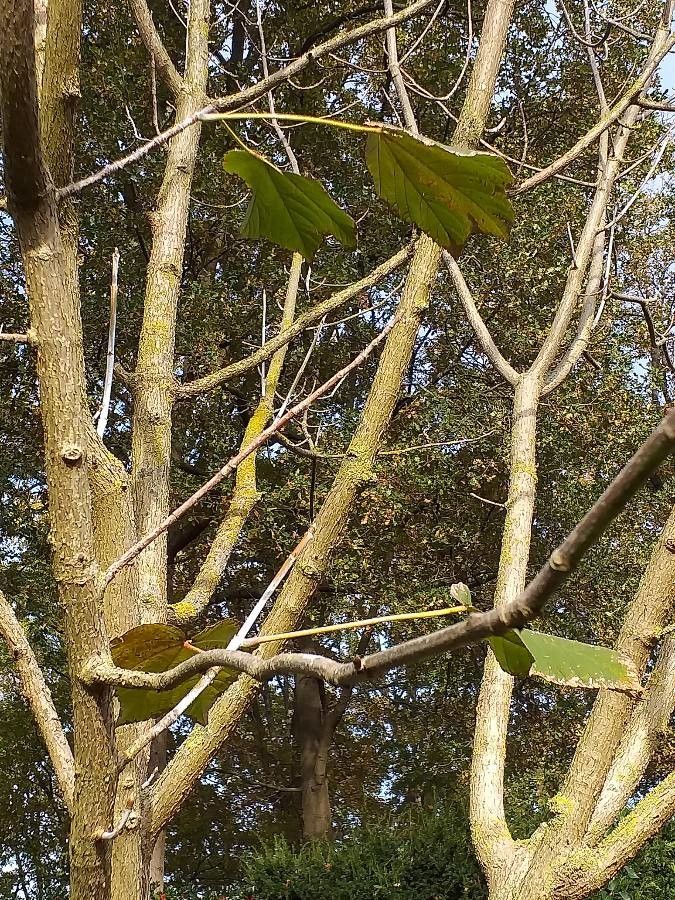
Acer ginnala, the Amur maple, is a plant species with woody stems native to northeastern Asia from easternmost Mongolia east to Korea and Japan, and north to the Russian Far East in the Amur River valley. It is a small maple with deciduous leaves that is sometimes grown as a garden subject or boulevard tree.
Amur maple shows good resistance to disease and is generally not susceptible to illnesses. With regard to care, this plant is fairly low-maintenance. When grown outdoors it needs only minimal watering, and larger specimens typically do not require pruning. Smaller plants, however, should be pruned after they have bloomed. Amur maplet is appropriate for anyone with an outdoor area, such as a garden or deck, and does not require a lot of care experience.
How to keep Acer Ginnala.
Light
Amur maple grows best in places with plenty of sunlight, which encourages healthy growth and development. It can also tolerate locations that receive only moderate light. The species originated in habitats with abundant light. Too much or too little light can negatively affect its health and growth.
Water
If about 2-4 inches of soil feels dry, then it’s time to water your shrub. Amur maple trees prefer moist soil, so a deep watering once or twice a week will be sufficient. You may need to up the watering frequency as these trees are only moderately drought tolerant.
Temperature
Amur maple's temperature needs align with a temperate climate. It does best in temperatures from 32 to 95 °F (0 to 35 °C). In winter it can endure lows down to −22 °F (−30 °C). In summer it favors warmer temperatures.
Fertilizer
Fertilize your Amur maple in early spring to encourage healthy growth. Regular feeding boosts the tree’s overall health, producing vigorous growth, increased resilience to harsh conditions, and enhanced resistance to pests and disease. Follow a specific fertilization schedule to keep the foliage vibrant, deeply colored, and lush in appearance.
Pruning
Your Amur maple tree can remain a multi-trunked shrub or shaped as a hedge. Alternatively, you can prune the lower branches around a central trunk to train it as a small tree. This species can be invasive depending on the area, so they may require regular pruning to keep it in check.
Toxicity
Unlike other maple tree varieties, the Amur maple tree is non-toxic and safe for people and pets.
Further reading →
The toxicity and danger assessments provided are for reference only. We do not assure their accuracy, so it's crucial not to depend on them. Seek professional advice when necessary for accurate guidance.
Botanical profile.
- Plant Type
- Tree, Shrub
- Life Cycle
- Perennial
- Genus
- Acer
- Family
- Aceraceae
- Hardiness Zone
- 2-9
- Mature Height
- 3.05 m to 10.06 m
- Mature Spread
- 4.57 m to 6.1 m
- Leaf Color
- Green, Red
- Leaf Type
- Deciduous
- Flower Color
- White, Yellow, Green, Cream
- Flower Size
- 0.51 cm to 0.76 cm
- Bloom Time
- Late spring, Early summer
- Planting Time
- Spring, Autumn
- Harvest Time
- Mid summer
- Native Area
- Russia, Japan, Koppen, South Korea, China
Other names.