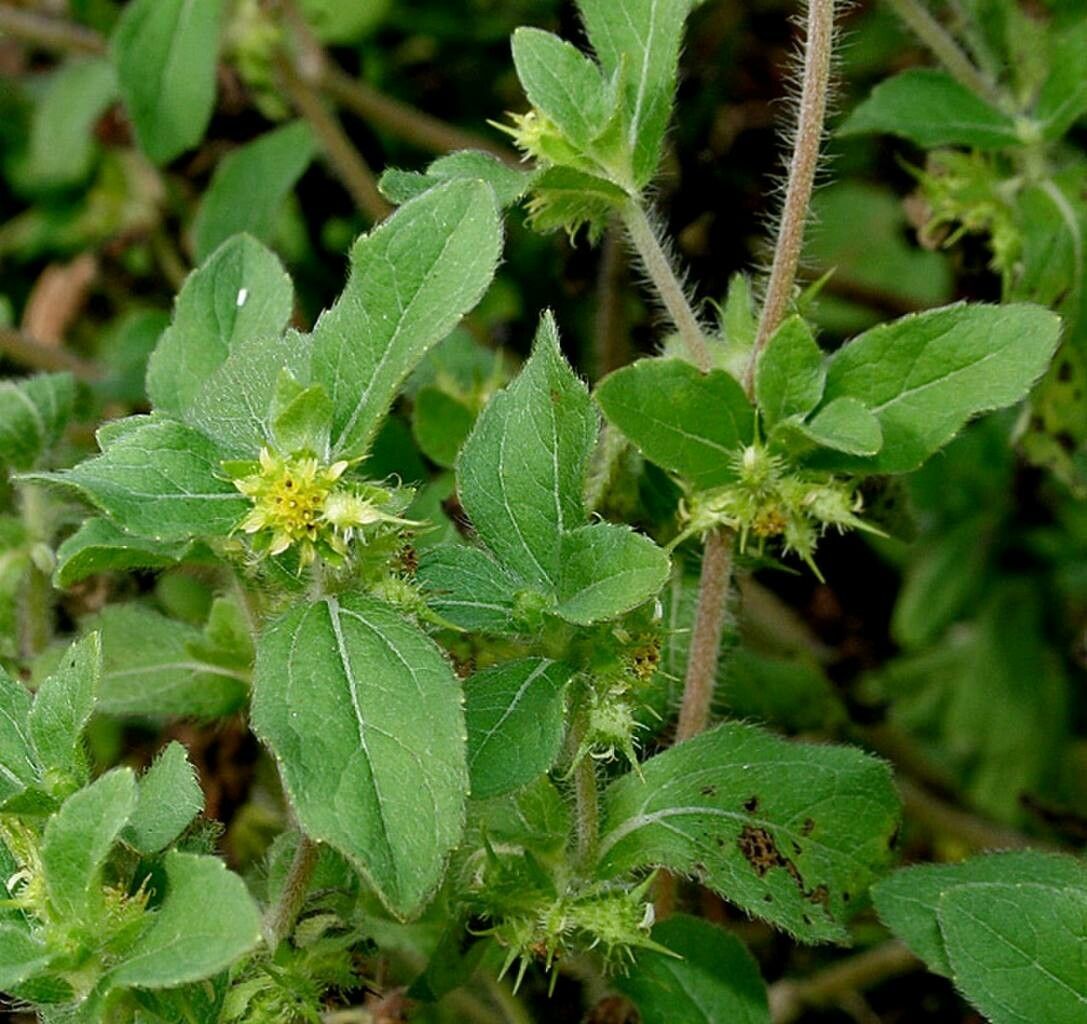
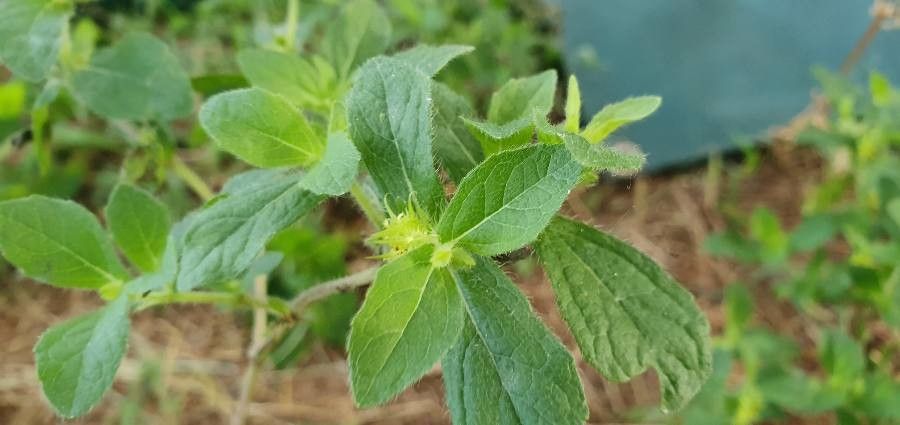
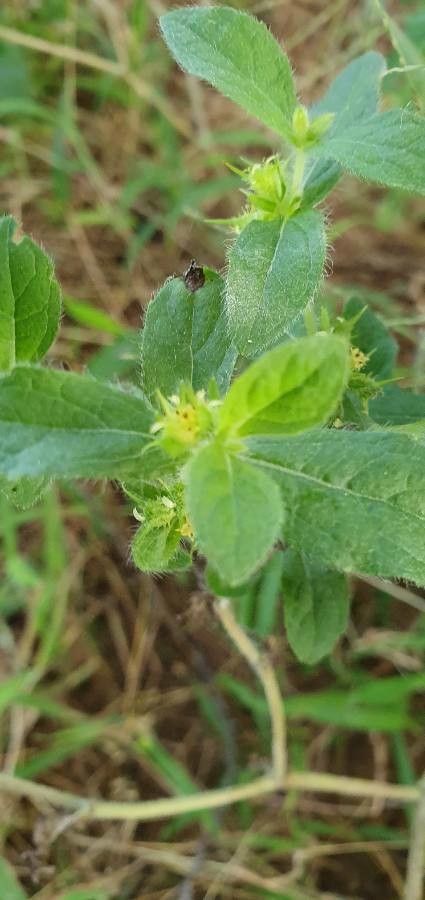
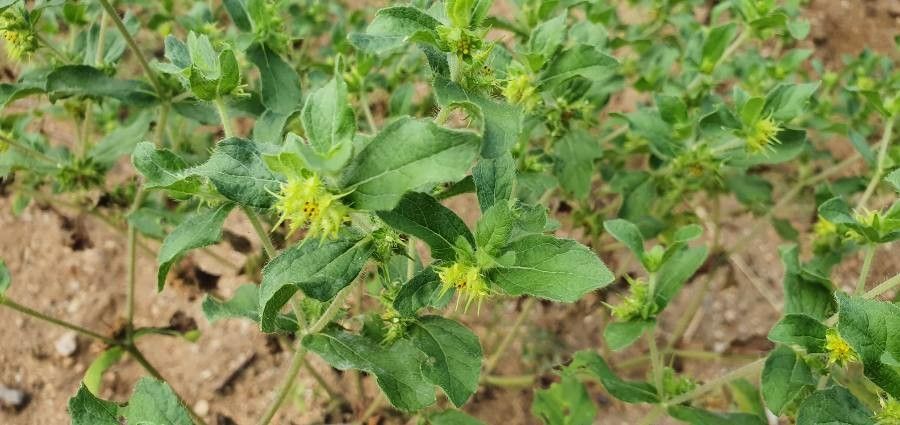
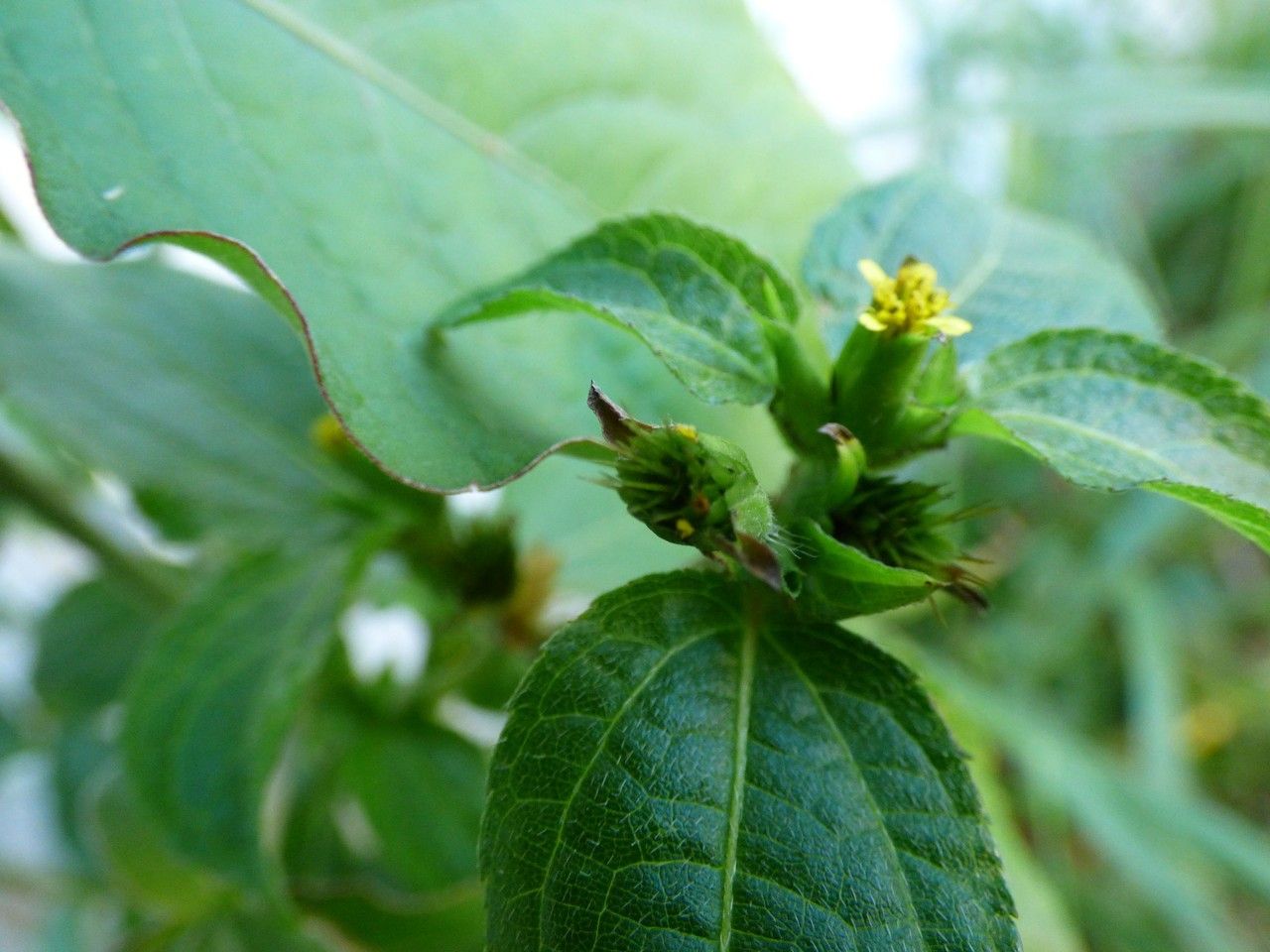
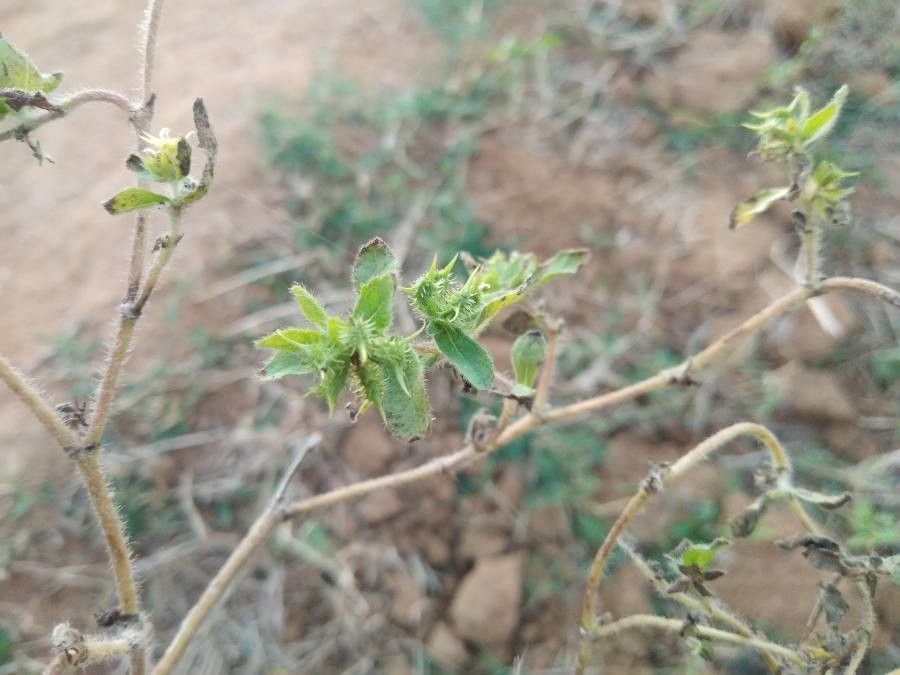
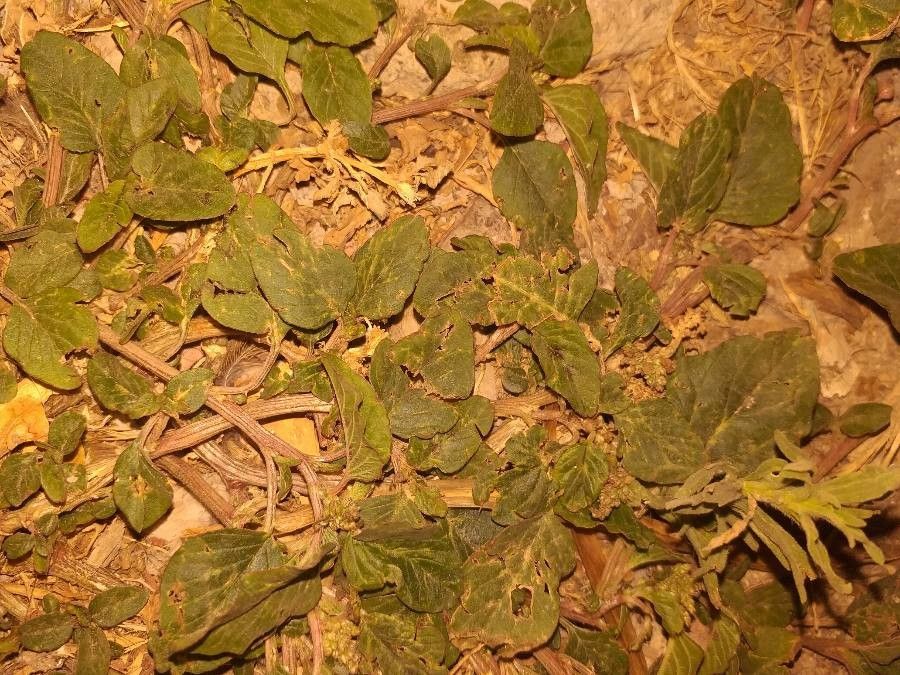
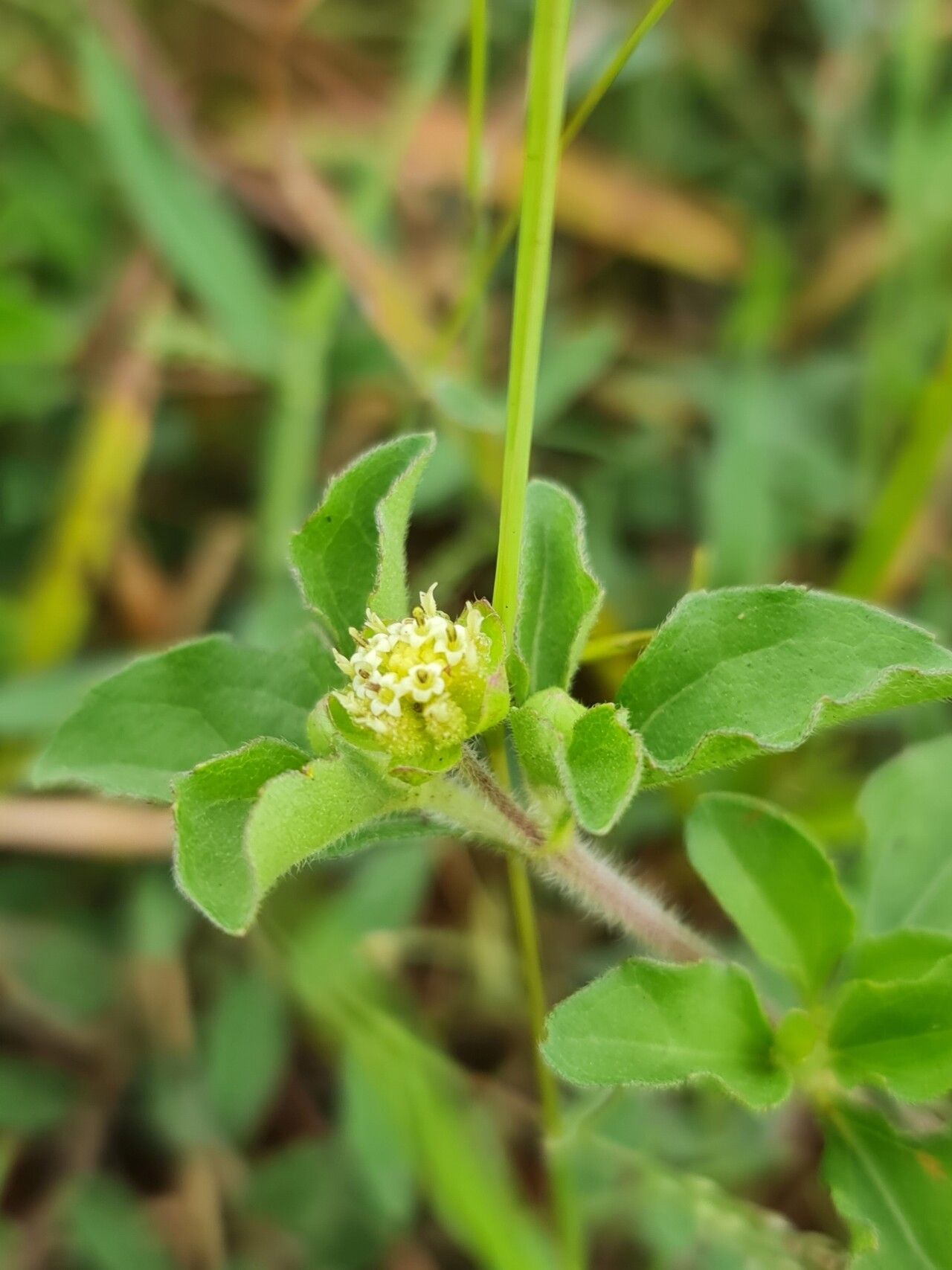
Acanthospermum hispidum (bristly starbur, goat's head, hispid starburr, starbur) is an annual plant in the family Asteraceae, which is native to Central and South America. This plant is cited as a weed in cotton culture in Brazil, and it is also used as a medicinal plant. It is also naturalized in many scattered places in Eurasia, Africa, and North America It is naturalized in Australia and is a declared weed in Western Australia.
Hispid starburr is fairly resistant to disease and generally does not tend to develop illnesses. That said, it can be vulnerable to pests and diseases present in its surroundings. Such infections are typically not severe. Regarding upkeep, the plant needs moderate maintenance. Regular pruning is necessary to preserve a good appearance and encourage healthy growth. Applying fertilizer can also help promote flowering. Hispid starburr is suitable for anyone with outdoor space, such as a garden or patio, and does not require much plant-care experience. It may need extra attention when grown indoors.
How to keep Acanthospermum Hispidum.
Light
Hispid starburr comes from sunny, open habitats and does best in full sun. It can tolerate partial sun but favors direct sunlight for optimal growth. This plant, which can be annual or biennial, is noted for its sun-loving nature.
Water
The Hispid Starburr, a plant native to tropical regions, thrives in consistently moist environments and requires regular weekly watering. However, it's important to avoid waterlogging. While the plant can tolerate short dry spells, using rainwater during the growing season can better meet its natural hydration needs.
Temperature
Hispid starburr naturally grows best in conditions with temperatures from 68 to 100 °F (20 to 38 ℃). They tolerate milder temperatures throughout different seasons.
Fertilizer
Hispid starburr benefits from regular, light applications of fertilizer to encourage healthy leaf growth. You should fertilize Hispid starburr about once a month during the summer. Nitrogen is essential for foliage, and providing nitrogen-rich sources helps Hispid starburr thrive.
Pruning
The hispid starburr plant benefits from regular pruning to maintain its health and appearance. Important techniques include removing dead stems and shaping the plant to improve airflow. Prune from early to late spring to encourage growth and manage its spread. Be sure to dispose of the pruned material properly to prevent self-seeding.
Botanical profile.
- Plant Type
- Herb
- Life Cycle
- Annual, Perennial
- Genus
- Acanthospermum
- Family
- Asteraceae
- Hardiness Zone
- 10-11
- Mature Height
- 34 cm to 55 cm
- Mature Spread
- 30 cm to 61 cm
- Leaf Color
- Dark Green
- Leaf Type
- Semi-evergreen
- Flower Color
- Yellow, Green
- Flower Size
- 0.51 cm
- Bloom Time
- Summer, Early fall, Mid fall
- Planting Time
- Spring, Summer
- Harvest Time
- Late summer, Fall, Early winter
- Native Area
- Cuba, Paraguay, Argentina, Honduras, Guatemala, Bolivia, Venezuela, Guyana, El Salvador, Nicaragua, Suriname, Costa Rica
Other names.
Reader questions.
How should I water my Hispid starburr?
To water Hispid starburr, you have several options. You can use a garden hose, a watering can, or any other common watering tool. This plant is not too particular about the type of water it receives, so rainwater, tap water, or filtered water are all fine. It's best not to water this plant from above as it can harm the leaves and flowers and potentially cause disease. The ideal way to water Hispid starburr is with a drip irrigation system that evenly delivers water to the soil. If you have a container-grown Hispid Starburr, you can use a cup, watering can, or tap water to directly water the soil.
What is the ideal temperature range for Hispid Starburr?
Hispid starburr thrives in environments with temperatures ranging from 68 to 100 °F (20 to 38 °C), adjusting well in milder temperatures across different seasons. It is a heat-loving plant, and cold temperatures can be harmful. During the autumn, it's advisable to bring outdoor-grown Hispid starburr indoors, placing it near a bright window but at a certain distance from heaters to prevent harm. Maintaining temperatures above 20°C during winter is beneficial for the plant's growth, while temperatures approaching 5°C can be detrimental.
What do I do if I give my Hispid starburr too much or too little water?
To prevent underwatering the Hispid starburr, it's simple: water it more frequently when you see that it's lacking moisture. Overwatering, on the other hand, can be much worse if not caught early. It can cause diseases that lead to the plant's decline and eventual death. To avoid this, choose a location for the plant that gets plenty of sunlight to dry out the soil and has good drainage to prevent water from pooling. If you overwater a potted Hispid starburr, consider changing the pot. The previous container may have had poor drainage or not enough drainage holes. When repotting the overwatered plant, make sure to use loose soil and a pot that drains well.
How should I care for Hispid Starburr in low temperatures?
Hispid starburr is not tolerant of low temperatures and thrives best when the temperature is above 20°C. During winter, it is crucial to keep the plant above 5°C. Exposure to temperatures below 1°C can cause the leaves to lighten in color, and after frost damage, the color can turn brown or black, with symptoms such as wilting and drooping. To manage this, trim off the frost-damaged parts and immediately move the plant to a warm environment indoors for cold protection. Placing the plant near a south-facing window ensures ample sunlight, and it's important to avoid placing the plant near heaters or air conditioning vents to prevent excessive dryness.
How much should I water my Hispid starburr?
To keep your Hispid starburr healthy, it's important to water it regularly. During the growing season, you should water it once a week starting in spring. As the weather gets warmer, you may need to water it two to three times a week. However, be careful not to overwater it, as that can harm the plant. Regardless of how often you water, make sure the soil remains moist but not wet. If you have a Hispid starburr in a pot, you'll need to water it more frequently. Potted plants can dry out faster, so plan to water them a few times a week. In contrast, in-ground plants only need to be watered once a week.
What are the best practices for Hispid Starburr care in high temperatures?
During summer, Hispid starburr should be kept below 38°C. When temperatures exceed 43°C, the plant can become more susceptible to sunburn, with the leaves lightening in color. To help the plant recover, trim away the sunburned and dried-up parts. Move the plant to a location that provides shade during the midday and afternoon sun. Watering the plant in the morning and evening can help keep the soil moist and support the plant's health in high temperatures.
How much water does my Hispid starburr plant need?
To figure out how much water your Hispid starburr needs, there are a few approaches you can take. One method is to feel the soil and water until the top six inches are moist. Another option is to use a specific measurement, like two gallons per week, depending on the temperature and how quickly the soil dries. However, following strict guidelines can lead to overwatering if your plant needs less. When growing Hispid starburr in a container, a different method is needed. You should water enough to moisten all dry soil layers, which can be determined by sticking your finger in the soil or noticing a slight trickle of water coming out of the drainage holes.
How can I know if I'm giving enough water to my Hispid starburr?
Avoiding overwatering your Hispid starburr can be challenging because of their deep roots that require weekly moistening. However, these plants are highly prone to root rot, which can cause browning. Unlike underwatering, overwatering is more common and can lead to wilting and dry leaves if left untreated for too long.
How do I water my Hispid starburr throughout the year?
The water needs of your Hispid starburr will increase as the season progresses. In spring, water once a week. As summer arrives, you may need to water your Hispid starburr more frequently, sometimes up to three times a week. This is particularly important for starburr plants in containers, as the soil in containers tends to dry out faster in warm weather. In autumn, when the temperature cools down and the sun is less intense, your Hispid starburr may need less water while still blooming.
How do I water my Hispid starburr when it is growing at different stages?
Throughout the year, Hispid starburr goes through different growth stages, each with varying water requirements. Starting from a seed, it is important to provide ample water during the germination phase, ensuring consistent moisture in the soil. As the plant sprouts above the soil, it will require slightly less water. Once mature, watering once a week is sufficient. However, during the flower development stage, it may be necessary to increase the watering slightly for better growth.
What's the difference in how you water Hispid starburr inside and outside?
Hispid starburr plants usually prefer outdoor growing for a few reasons. Firstly, they tend to grow tall, which can be challenging to accommodate indoors. Secondly, these plants require more sunlight than what most indoor locations can provide. However, if you manage to create a suitable indoor growing space, keep in mind that you may need to water your Hispid starburr more frequently compared to outdoor conditions. This is because indoor environments, typically drier due to HVAC units, can cause the soil in containers to dry out faster compared to the ground.