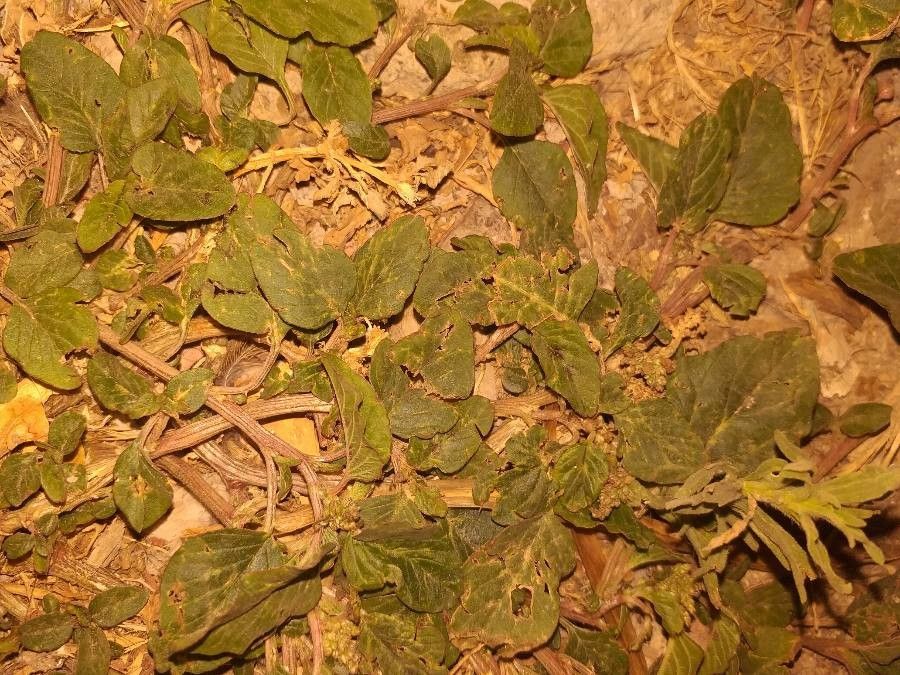
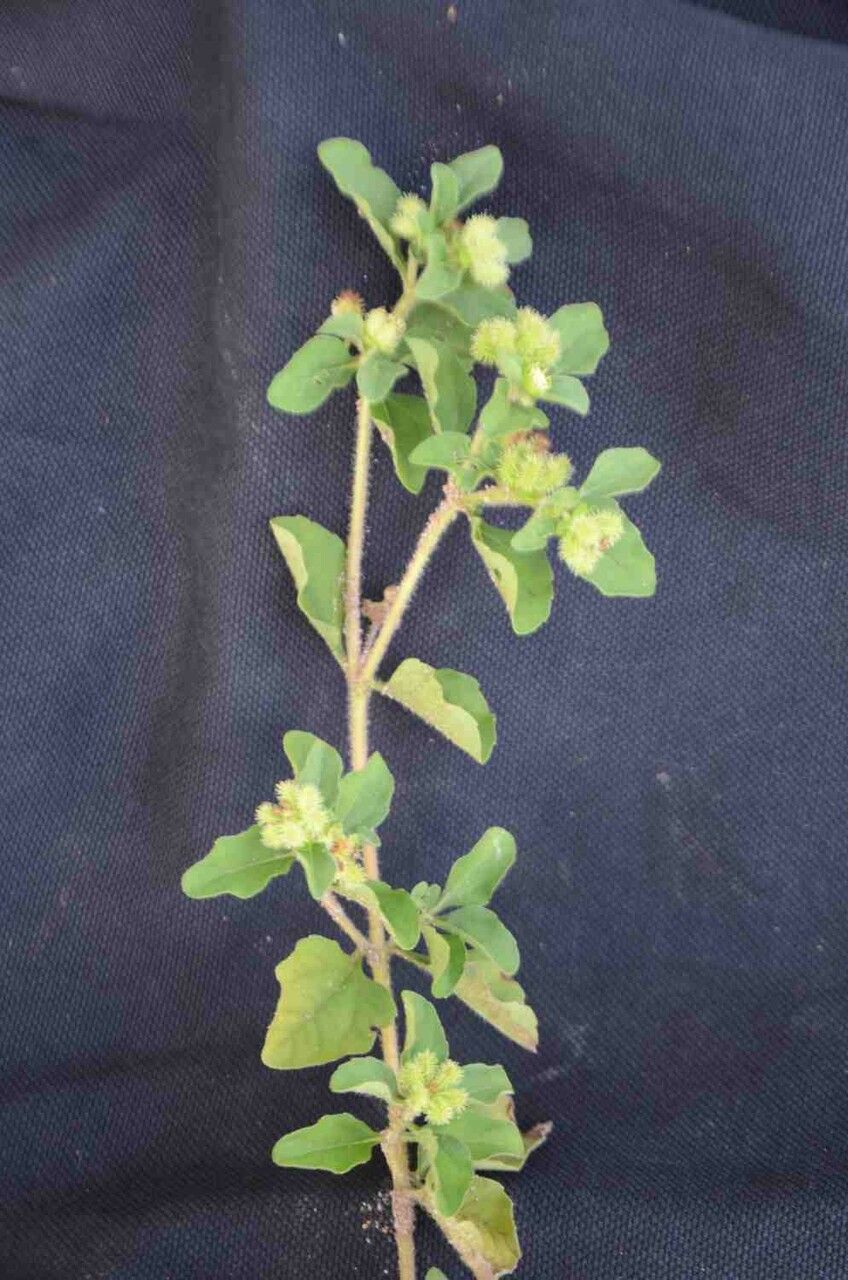
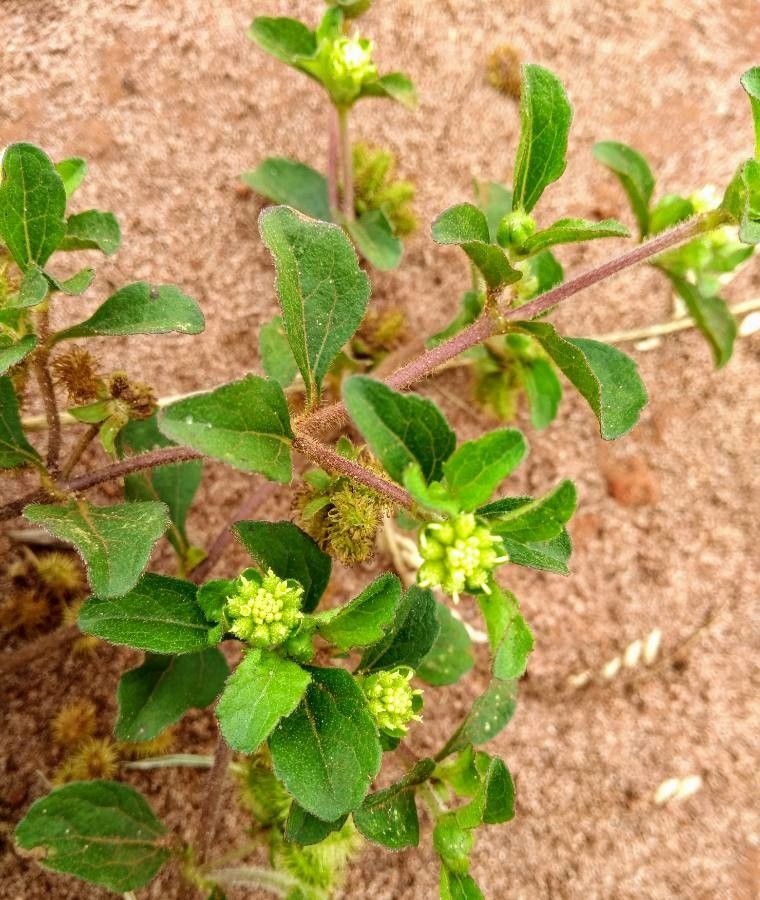
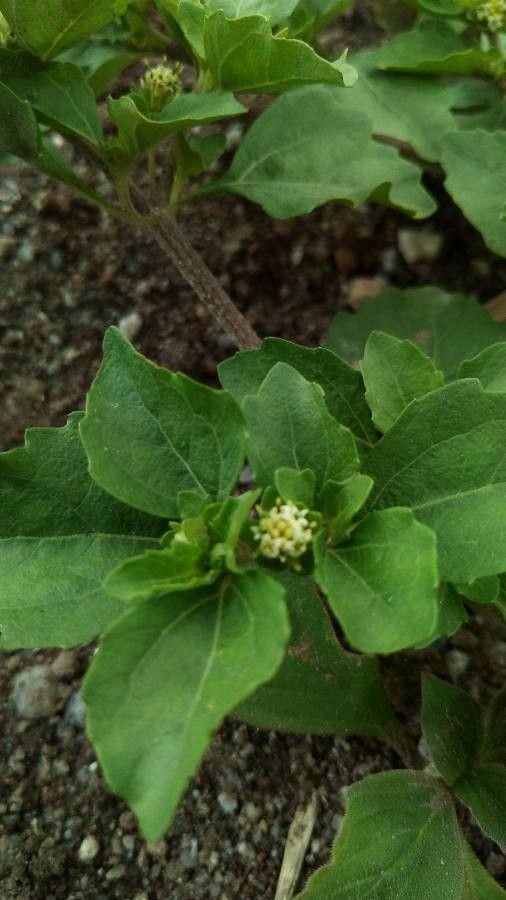
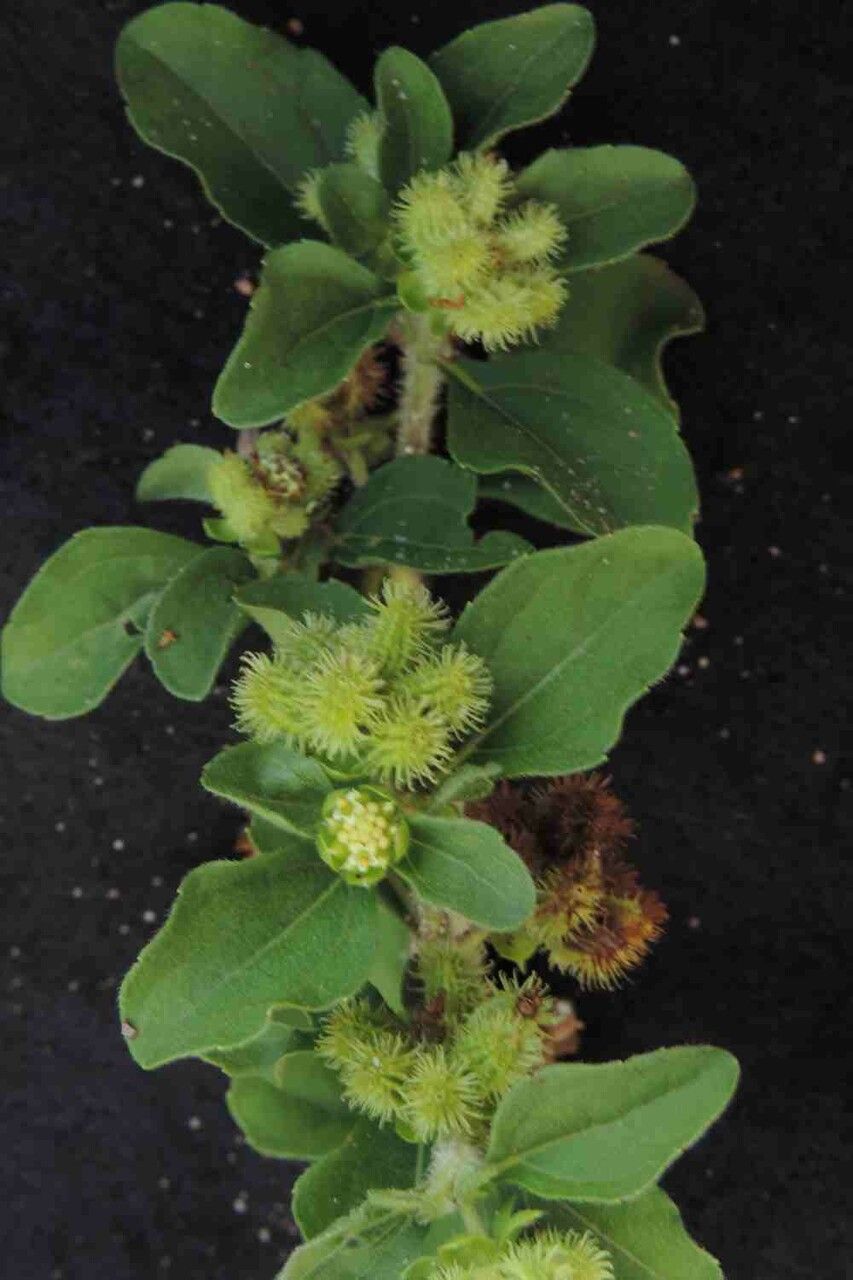
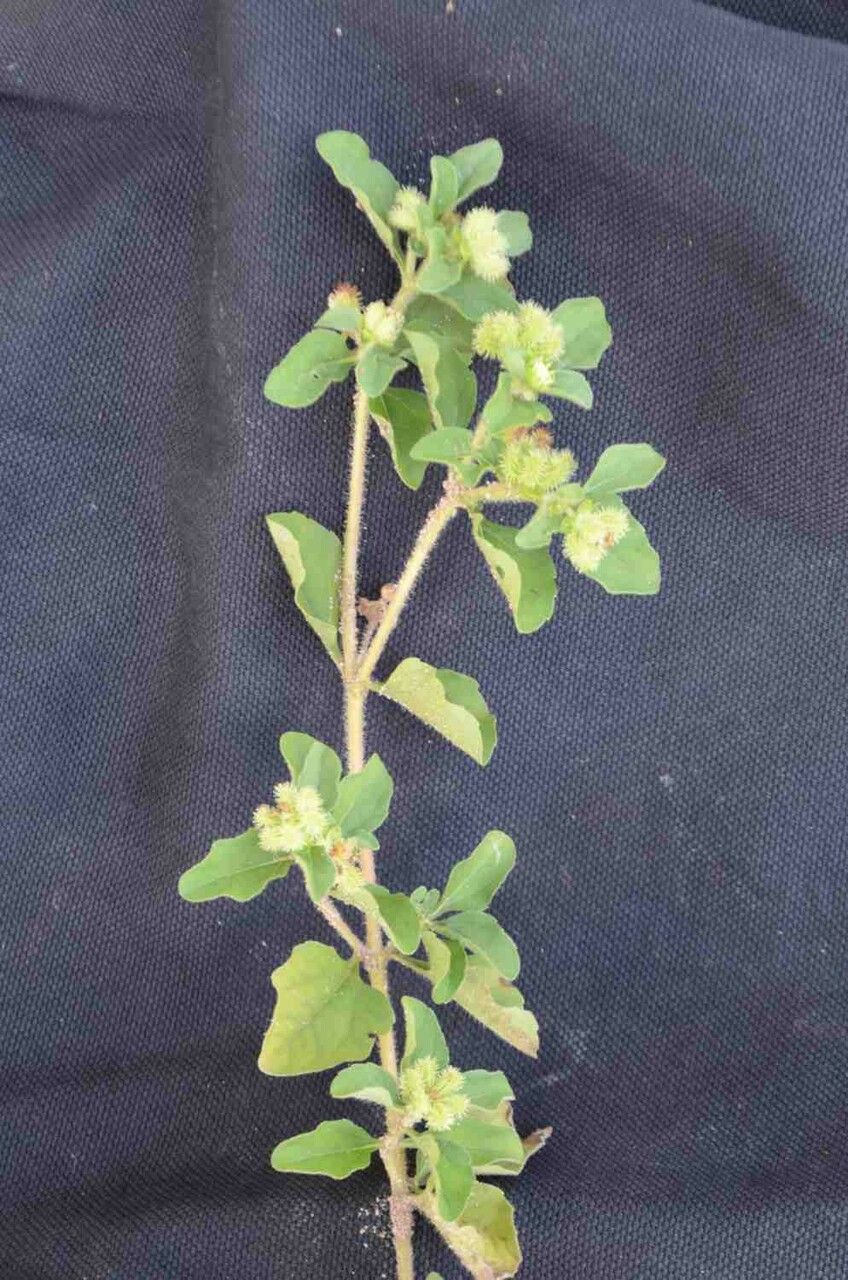
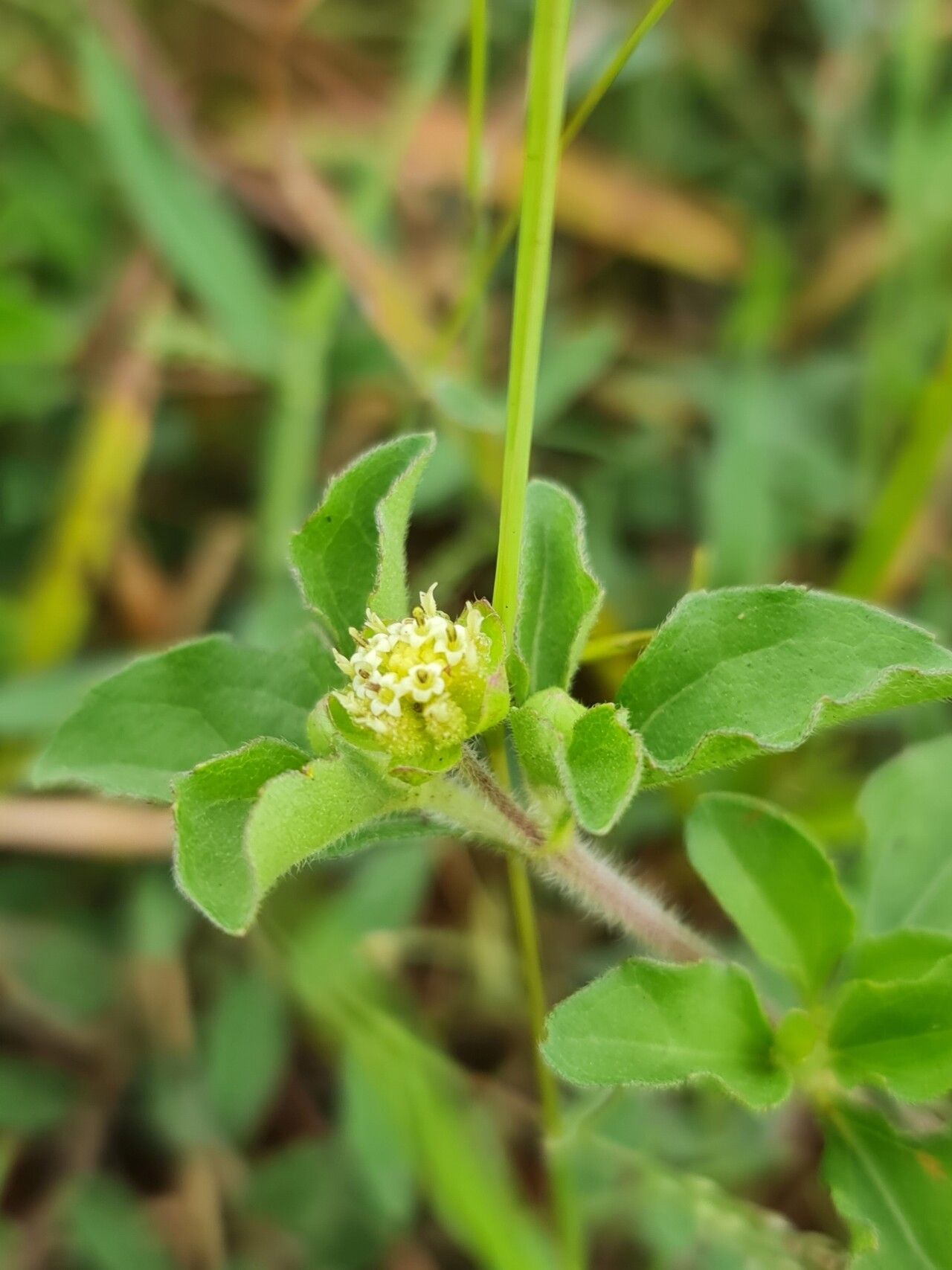
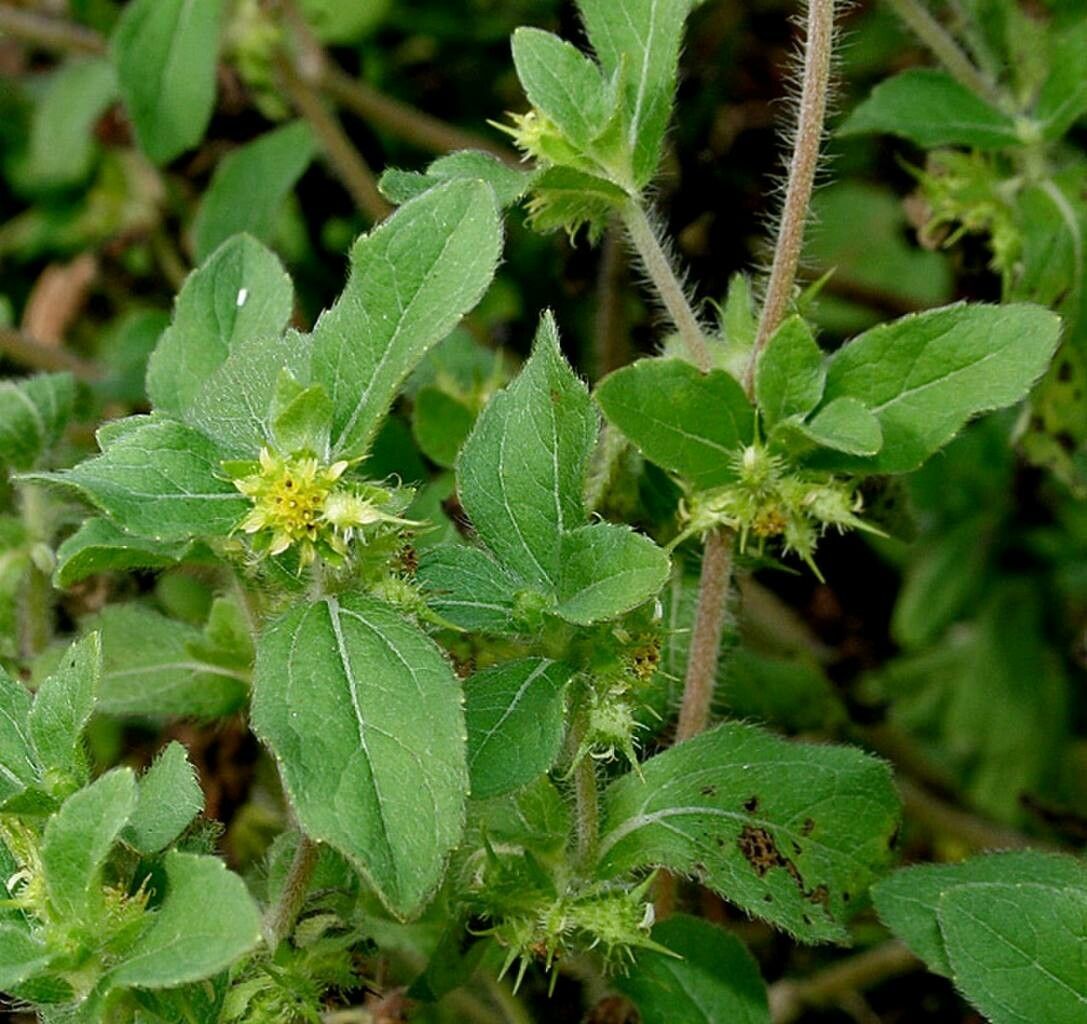
Acanthospermum australe, commonly known as Southern Starbur or Spiny Broomweed, is a flowering plant from the Asteraceae family. Native to South America, it thrives in various habitats such as grasslands, savannas, and disturbed areas.
The plant can grow up to 1 meter tall and features spiny stems with deeply lobed, alternate leaves. Its small, yellow flowers, each with five petals arranged in a star shape, give it a distinctive appearance. The fruit of the plant is an achene equipped with spines, which can easily attach to clothing or animal fur.
Indigenous people have used Acanthospermum australe for medicinal purposes to treat ailments like fever, coughs, and skin infections. Additionally, the plant holds potential agricultural value due to its insecticidal properties.
However, Acanthospermum australe can be invasive, spreading quickly through seeds dispersed by animals or wind. Its rapid growth and competition with native plants for resources can create ecological imbalances.
In summary, while Acanthospermum australe is notable for its unique physical characteristics and medicinal uses, it requires careful monitoring when introduced to new environments outside its natural range to mitigate its invasive tendencies.
Paraguayan starbur has strong resistance to disease and is generally unlikely to suffer from illnesses. That said, it can be vulnerable to pests and diseases found in its environment. When infections do occur, they are typically mild. Regarding care, this plant requires a moderate level of maintenance. It should be pruned regularly to preserve a neat appearance and support healthy growth. Applying fertilizer can also encourage blooming. Paraguayan starbur is appropriate for anyone with outdoor space, such as a garden or patio, and does not demand extensive gardening experience. If cultivated indoors, it may need more attentive care.
How to keep Acanthospermum Australe.
Light
Paraguayan starbur comes from bright, open habitats where it flourishes in full sun. It can tolerate some partial shade but prefers direct sunlight for best growth. This plant, grown as an annual or biennial, is recognized for its sun-loving character.
Water
Originating from regions with irregular rainfall, the Paraguayan starbush efficiently retains water. It thrives with moderate moisture and typically needs to be watered twice a week. This resilience supports its growth both indoors and outdoors. However, it requires special attention during its active growing season for optimal development.
Temperature
Paraguayan starbur displays good temperature adaptability, able to endure higher heat and considerable temperature fluctuations. In hot conditions, attention should be given to watering and providing suitable shade to avoid sunburn. Conversely, Paraguayan starbur is relatively sensitive to low temperatures; although it can tolerate a certain amount of cold, very cold conditions can cause frost damage.
Fertilizer
Paraguayan starbur benefits from regular, dilute applications of fertilizer to encourage healthy leaf growth. You should fertilize Paraguayan starbur roughly once a month during the summer. Nitrogen is essential for the foliage, and providing nitrogen-rich sources helps Paraguayan starbur thrive.
Pruning
The Paraguayan starbur is a low-growing plant characterized by its star-shaped burrs. To promote growth, enhance airflow, and control its spread, it is best to prune this plant from early to late spring. Be sure to remove dead stems and thin out dense areas, using clean tools to prevent the spread of pathogens. Regular pruning keeps the plants healthy and easy to manage.
Botanical profile.
- Plant Type
- Herb
- Life Cycle
- Annual, Perennial
- Genus
- Acanthospermum
- Family
- Asteraceae
- Hardiness Zone
- 8-11
- Mature Height
- 30 cm to 61 cm
- Mature Spread
- 30 cm to 49 cm
- Leaf Color
- Green, Dark Green
- Leaf Type
- Semi-evergreen
- Flower Color
- Yellow
- Flower Size
- 0.51 cm to 0.76 cm
- Bloom Time
- Summer, Early fall, Mid fall
- Planting Time
- Spring, Summer
- Harvest Time
- Late summer, Fall, Early winter
- Native Area
- Uruguay, Colombia, Paraguay, Argentina, Bolivia, Venezuela, Peru, Guyana, Brazil, Ecuador, Suriname
Other names.