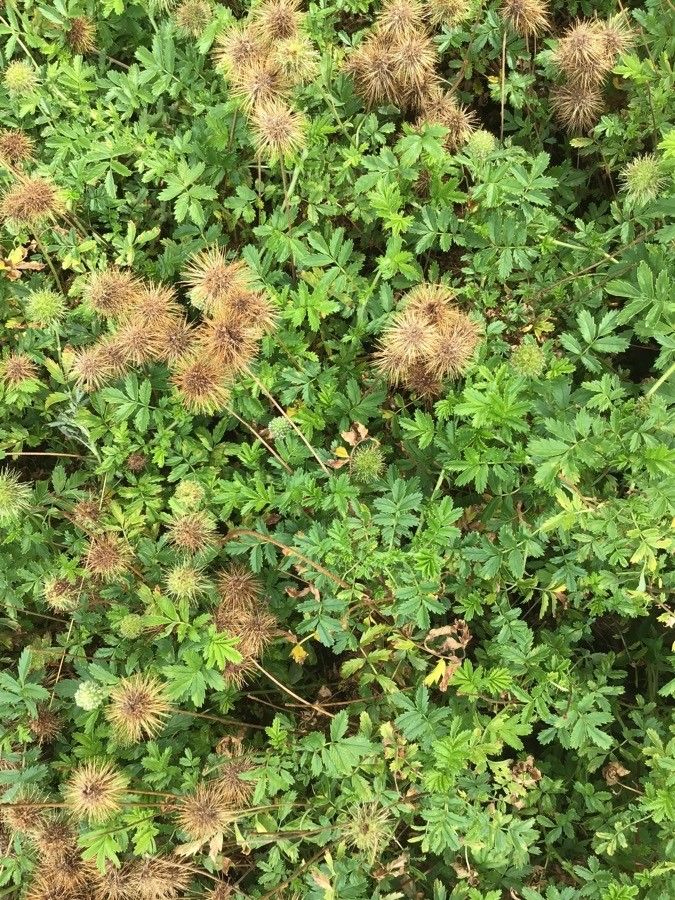
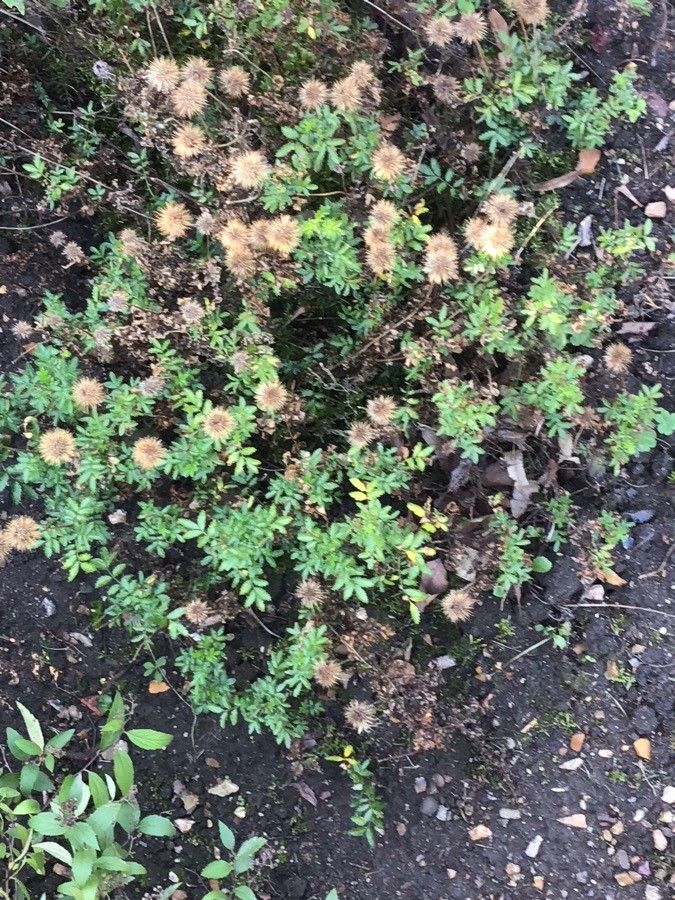
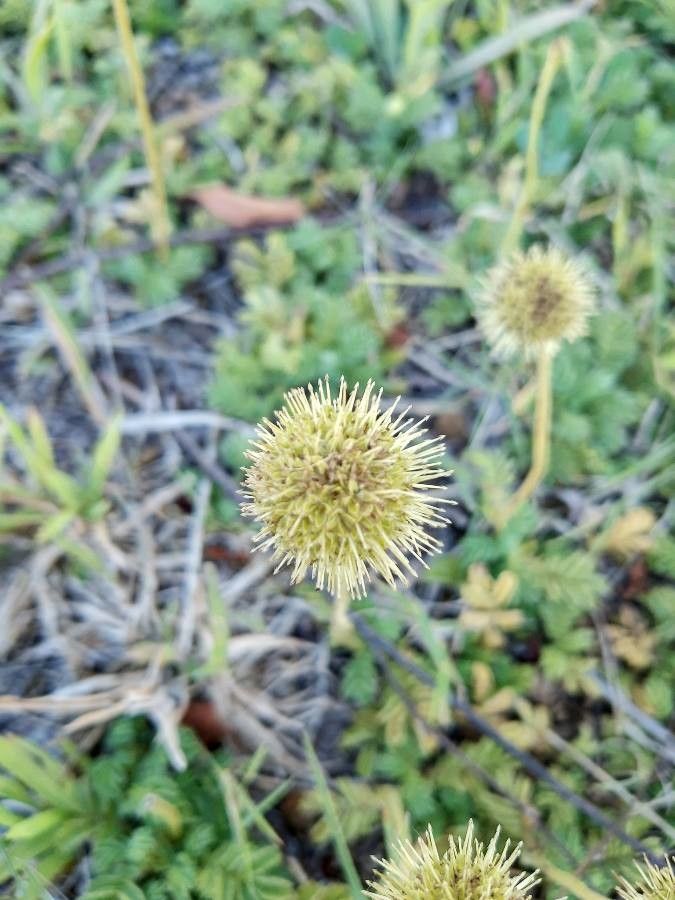
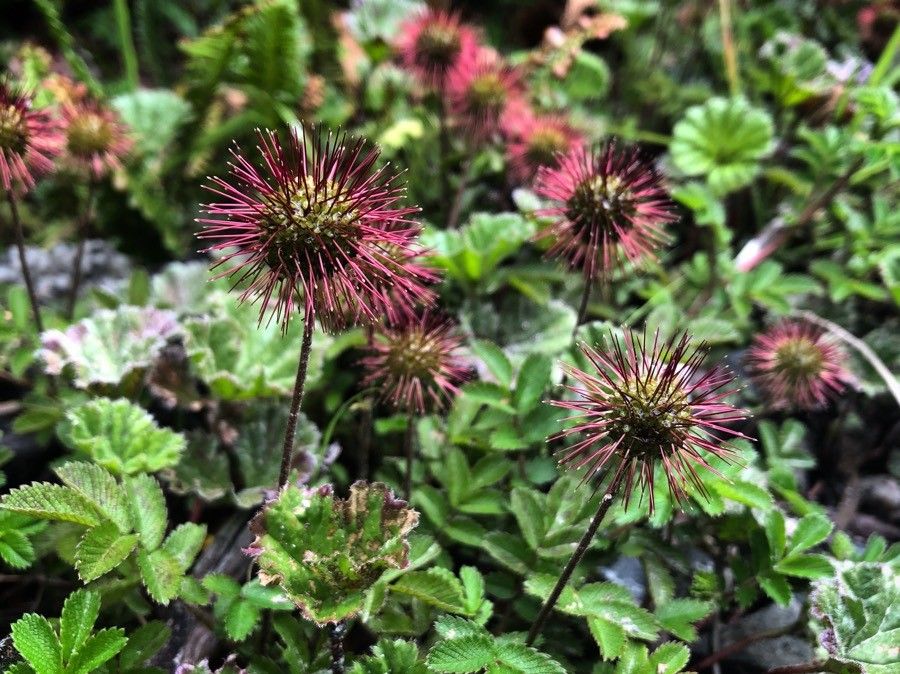
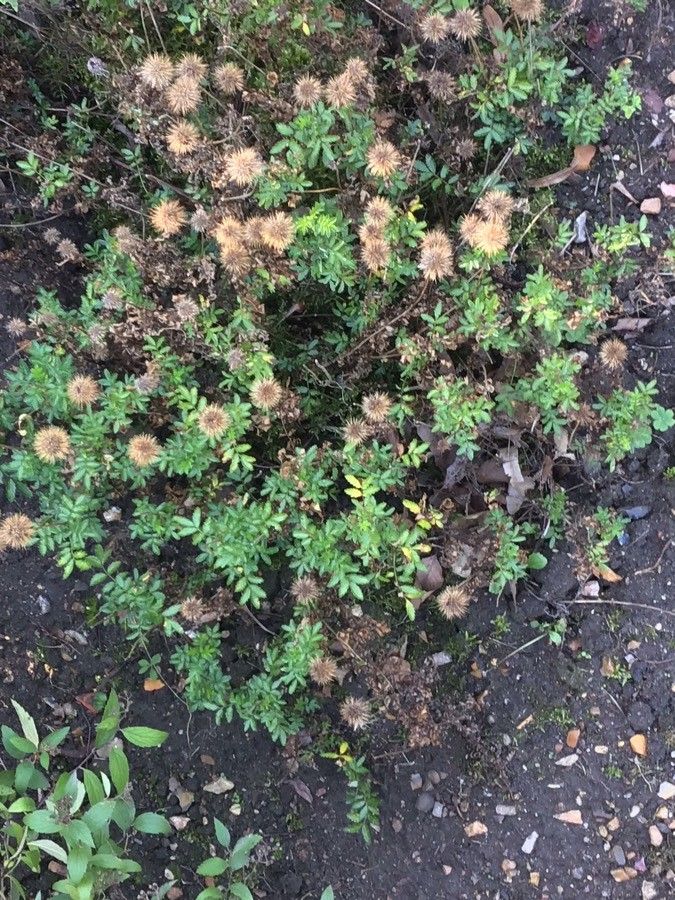
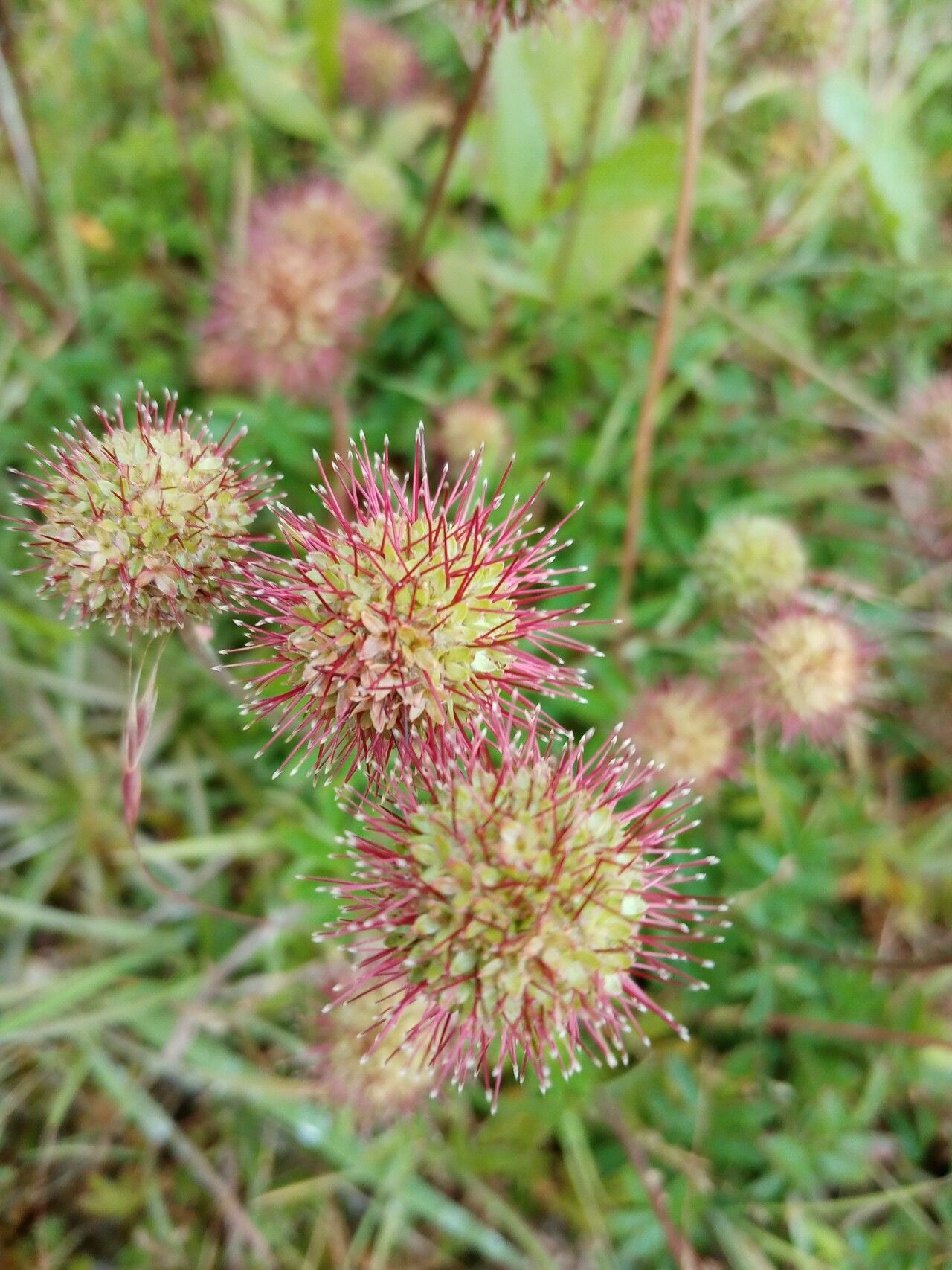
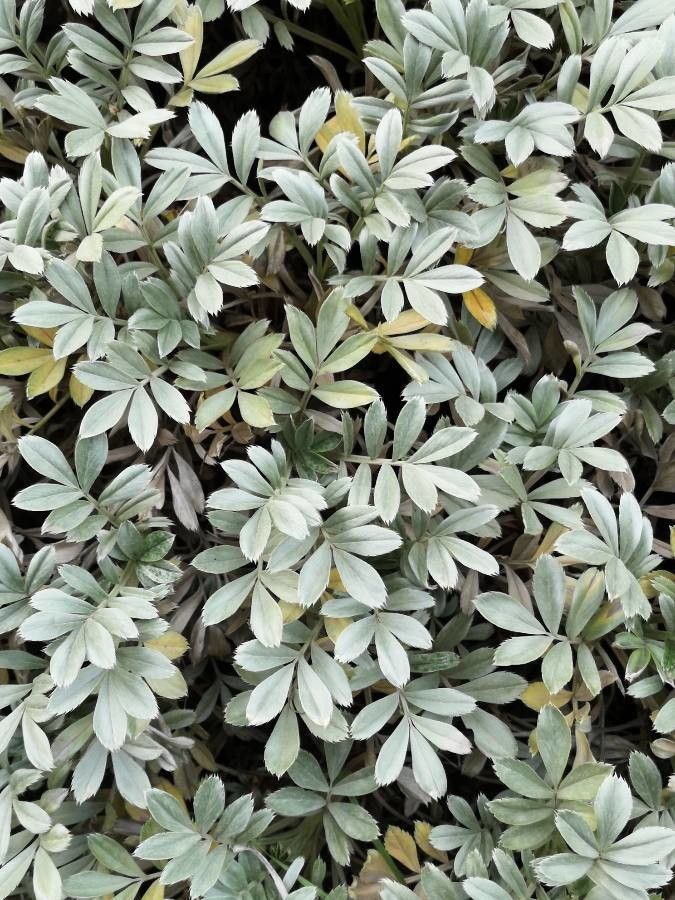
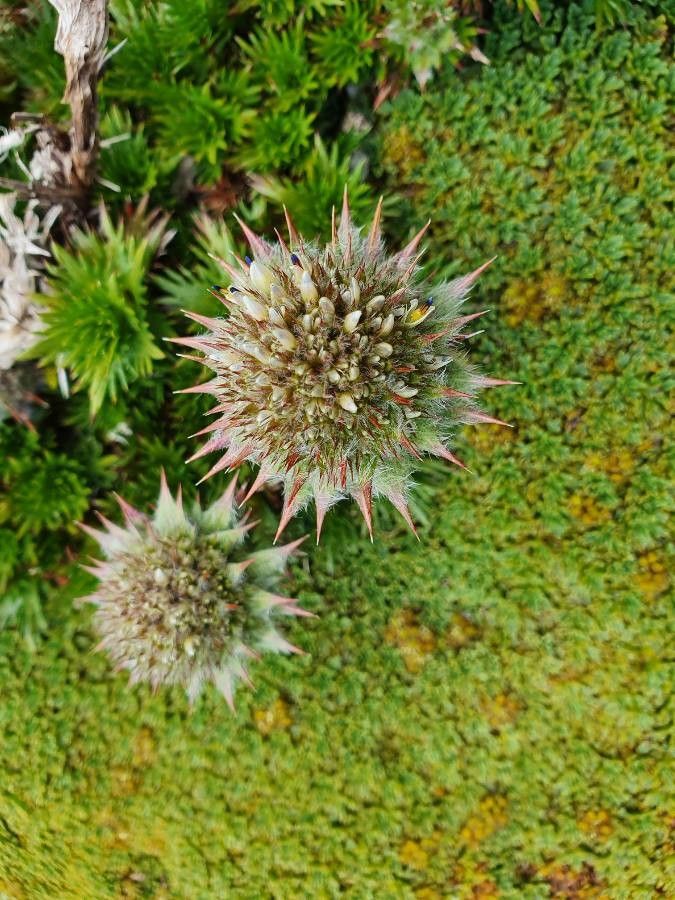
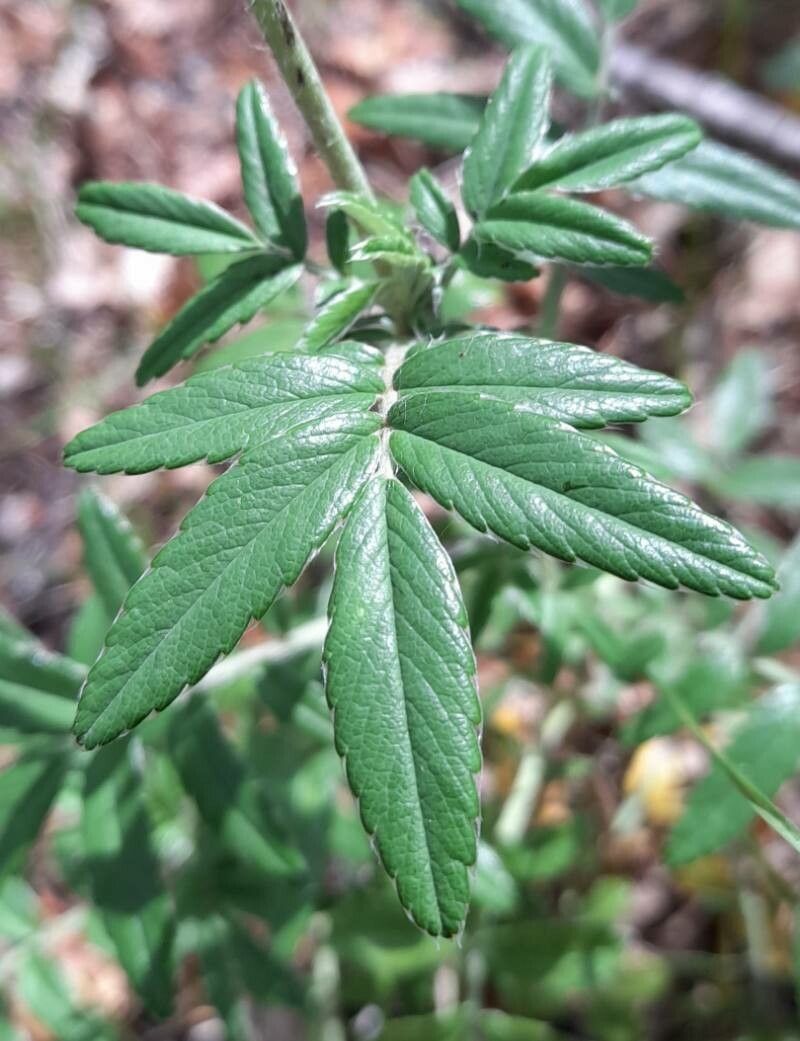
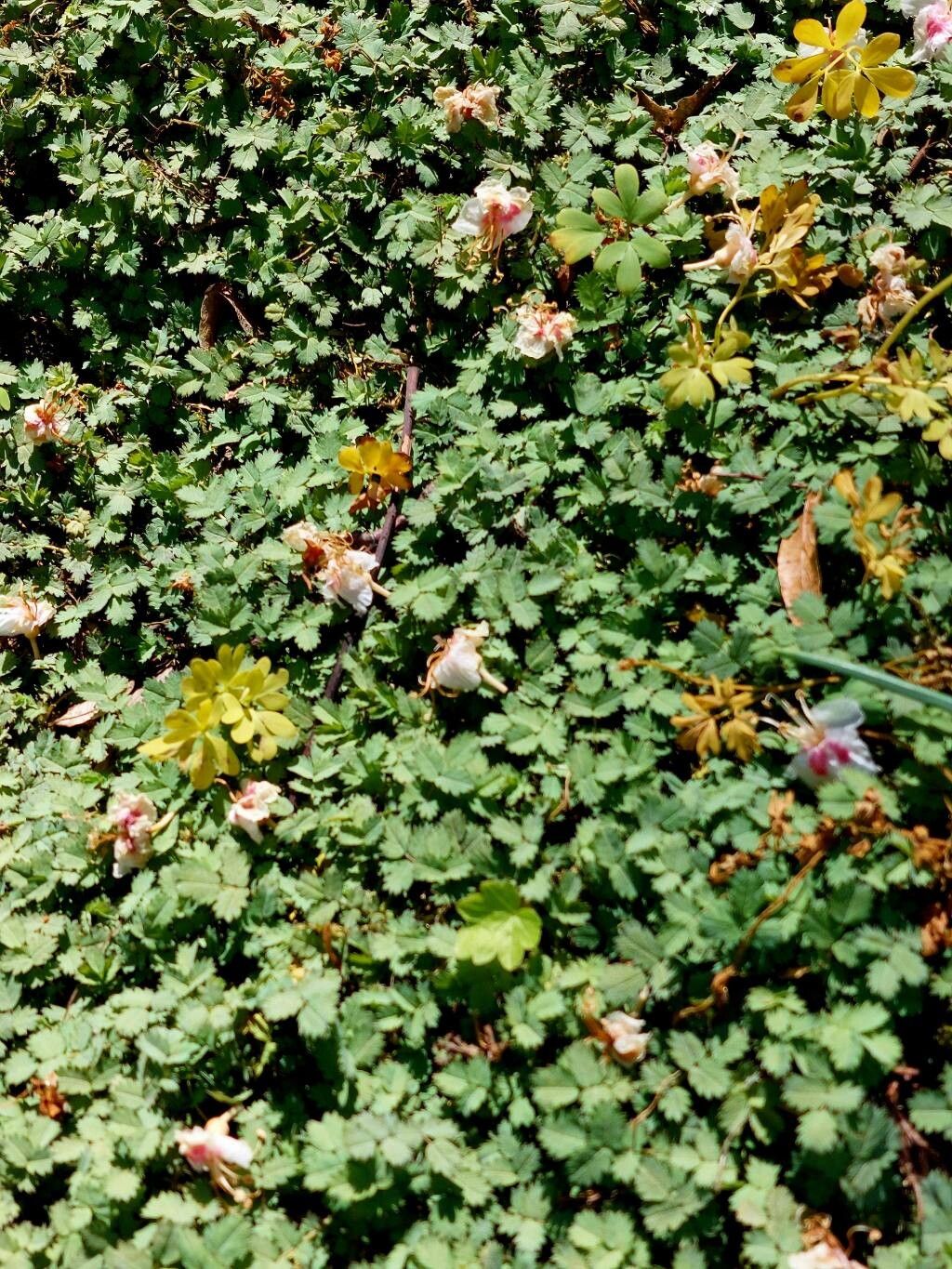
Acaena novae-zelandiae, commonly known as red bidibid, bidgee widgee, buzzy and piri-piri bur, is a small herbaceous, prostrate perennial, native to New Zealand, Australia and New Guinea, of the family Rosaceae.
Pirri-pirri bur is fairly disease-resistant and generally not prone to illnesses. However, it can be affected by pests or diseases present in its environment. These outbreaks are usually mild. In terms of care, the plant requires moderate maintenance. It should be pruned regularly to preserve a neat appearance and support healthy growth. Fertilizing can also help encourage flowering. Pirri-pirri bur is suitable for anyone with outdoor space, such as a garden or patio, and does not demand extensive care experience. It may need more attention when grown indoors.
How to keep Acaena Novae Zelandiae.
Light
Pirri-pirri bur does best where it gets abundant sunlight all day and can tolerate areas with moderate daylight, though that reduced light may limit its growth. Originating from open habitats, this plant requires plenty of sun for healthy development, while too little or too much light can cause stunted growth or leaf damage.
Water
Originating from temperate regions, the pirri-pirri bur thrives in environments with moderate moisture, requiring consistent soil hydration but can tolerate short periods of dryness. To maintain optimal moisture levels, it should be watered weekly. Although typically grown outdoors and adaptable to various conditions, the pirri-pirri bur is sensitive to overwatering, which can negatively impact its growth cycles.
Temperature
Pirri-pirri bur is native to temperate regions and thrives at temperatures between 50 and 89.6 °F (10 and 32 ℃). To ensure optimal growth, seasonal adjustments to temperature may be necessary to align with these preferences.
Fertilizer
Usually one fertilizer application in spring is enough for Pirri-pirri bur, though multiple feedings can increase growth. Feed every month to six weeks. Fertilization improves leaf appearance and function, helping maintain even color and a healthy texture. It also encourages root development and nutrient uptake for the plant’s long-term health.
Pruning
The Pirri-pirri bur is a low-growing evergreen ground cover known for its burrs, which can attach to animals and fabric. To encourage new growth, control its spread, and enhance its appearance, prune the plant from early to late spring. Focus on trimming back any damaged or overgrown stems.
Botanical profile.
- Plant Type
- Herb
- Life Cycle
- Perennial
- Genus
- Acaena
- Family
- Rosaceae
- Hardiness Zone
- 6-8
- Mature Height
- 10 cm
- Mature Spread
- 49 cm
- Leaf Color
- Green
- Leaf Type
- Evergreen, Deciduous
- Flower Color
- White, Purple, Blue, Red, Brown
- Flower Size
- 1.02 cm
- Bloom Time
- Early summer, Mid summer
- Planting Time
- Spring, Summer, Autumn
- Harvest Time
- Late summer, Early fall
- Native Area
- New Zealand
Other names.
Reader questions.
How should I water my Pirri-pirri bur plant?
To properly care for the Pirri-pirri bur, use room temperature filtered water. Tap water may have harmful particles, so filtered water is preferable. This plant is used to warm conditions, so avoid using cold water as it can be a shock. Instead of watering from above, pour your filtered room temperature water directly onto the soil until it is completely soaked. This helps the roots absorb the necessary nutrients and continue spreading through the soil.
Why should I put fertilizer on my Pirri-pirri bur?
The main structure of the Pirri-pirri bur is made up of its leaves. Fertilization is important for the health and appearance of these leaves. Proper fertilization will result in consistent color and a healthy texture of the leaves. Fertilization also benefits the plant's roots, both by encouraging the growth of new roots and by maintaining the existing ones. This not only promotes the current health of the plant, but also enhances its ability to absorb nutrients from the soil in the future.
What are the sunlight requirements for pirri-pirri bur?
Pirri-pirri bur requires full sun, meaning it thrives best with more than 6 hours of sunlight daily. It can also grow under partial sun conditions, which would be about 3-6 hours of sunlight. However, it is crucial to ensure the plant gets the right balance of light and shade for optimal growth, as highlighted by the advice to watch how sunlight moves through your garden to find the perfect spot for your plants.
What is Pirri-pirri bur and where is it native to?
Pirri-pirri bur, botanically known as Acaena novae-zelandiae, is native to temperate regions. It is a plant that requires temperatures between 50 to 89.6 °F (10 to 32 °C) to thrive, showing a strong cold resistance. This means that it can typically withstand the cold without needing special frost protection measures during winter, although it prefers not to be exposed to conditions colder than -25°C.
What should I do if I give my Pirri-pirri plant too much or too little water?
Both overwatering and underwatering can harm the health of your Pirri-pirri bur plant, but overwatering is more common and has more severe consequences. When the plant receives too much water, its stems and leaves may droop and change color from green to yellow. Overwatering for a long time can also lead to diseases like root rot, mold, and mildew, which can be fatal for the plant. Underwatering is less likely to happen because the Pirri-pirri bur has good drought tolerance. However, it's still possible, and in this case, you will notice that the leaves become brittle and brown. It's crucial to recognize the signs of overwatering early and take action when caring for your Pirri-pirri bur. Some diseases caused by overwatering, like root rot, may not be reversible if you wait too long. If you notice early signs of overwatering, reduce your watering schedule right away. It's also a good idea to check the soil quality where your plant grows. If the soil doesn't drain well, replace it with a loose and well-draining potting mix. On the other hand, if you see signs of underwatering, simply water more frequently until the signs improve.
What is the ideal time to fertilize my Pirri-pirri plant?
If you choose to grow your Pirri-pirri bur outdoors each year, when the plant starts to produce new growth in early spring, it's a good time to begin fertilizing. Usually, a single application of fertilizer is sufficient, but if you want to really maximize its growth, you can fertilize multiple times throughout the spring and early summer, spacing out each feeding about once every month to a month and a half.
How can artificial lighting be used for pirri-pirri bur indoors?
When natural sunlight is insufficient, especially in winter or less sunny spaces, artificial lighting can be a vital solution for growing pirri-pirri bur indoors. LED lights are recommended because they can provide specific wavelengths needed for the plant. Full sun plants need 30-50W/sq ft, partial sun plants require 20-30W/sq ft, and full shade plants should get 10-20W/sq ft of artificial light. The light source should be placed 12-36 inches above the plant to mimic natural sunlight, for a duration that mimics natural daylight hours, usually 8-12 hours per day.
How should Pirri-pirri bur be cared for during the winter?
During winter, Pirri-pirri bur doesn't usually require special frost protection thanks to its strong cold resistance. However, if temperatures are expected to dip below -25°C, it's important to take measures to protect the plant from the cold. This can include covering the plant with soil or straw. Additionally, watering the plant abundantly before the first freeze in autumn is recommended to ensure the soil stays moist and enters a frozen state, helping to prevent drought and water scarcity for the plant during the colder months.
How frequently should I water my Pirri-pirri bur?
To determine if your potted Pirri-pirri bur plant needs water, simply stick your finger in the soil. If the top two to three inches of soil feel dry, it's time to water it. The same method applies if you have planted your Pirri-pirri bur outdoors in the ground. If the first few inches of soil have dried out, it needs watering. Typically, during spring and early fall, you should water this plant about once a week using this method. However, during hot weather, you may need to water it twice a week or more. However, it's worth noting that mature and well-established Pirri-pirri burs can tolerate drought quite well.
When is it not a good idea to add fertilizer to my Pirri-pirri bur plant?
During late fall and winter, your Pirri-pirri bur will go into a dormant phase and stop growing. It is best not to fertilize it during this time. In spring and summer, if you decide to fertilize multiple times, start reducing the amount as summer comes closer since the growth rate of your Pirri-pirri bur will also slow down. In general, it's not a good idea to fertilize your Pirri-pirri bur when the weather is excessively hot or the soil is extremely dry. Fertilizing in these conditions can stress your Pirri-pirri bur and cause it to die prematurely.
What are the symptoms of inadequate lighting for pirri-pirri bur?
Symptoms of light deficiency in pirri-pirri bur include smaller new leaves, leggy or sparse growth, faster leaf drop, slower or no new growth, and lighter-colored new leaves. These indicators can help determine if the plant needs more light. Additionally, chlorosis (yellowing of leaves), sunscald, leaf curling, wilting, and leaf scorching are symptoms related to excessive sunlight exposure. Observing these symptoms can guide in adjusting the plant's exposure to light for its health and growth.
What should be done if Pirri-pirri bur experiences low temperatures?
Pirri-pirri bur is known for its cold tolerance, thriving best in temperatures above 10°C. If winter temperatures are kept above -15°C, the plant generally does well, but temperatures below -25°C can lead to a decrease in sprouting or even no sprouting during springtime without any noticeable changes during winter. If such issues occur, it is advised to remove any parts of the plant that have failed to sprout in the spring.