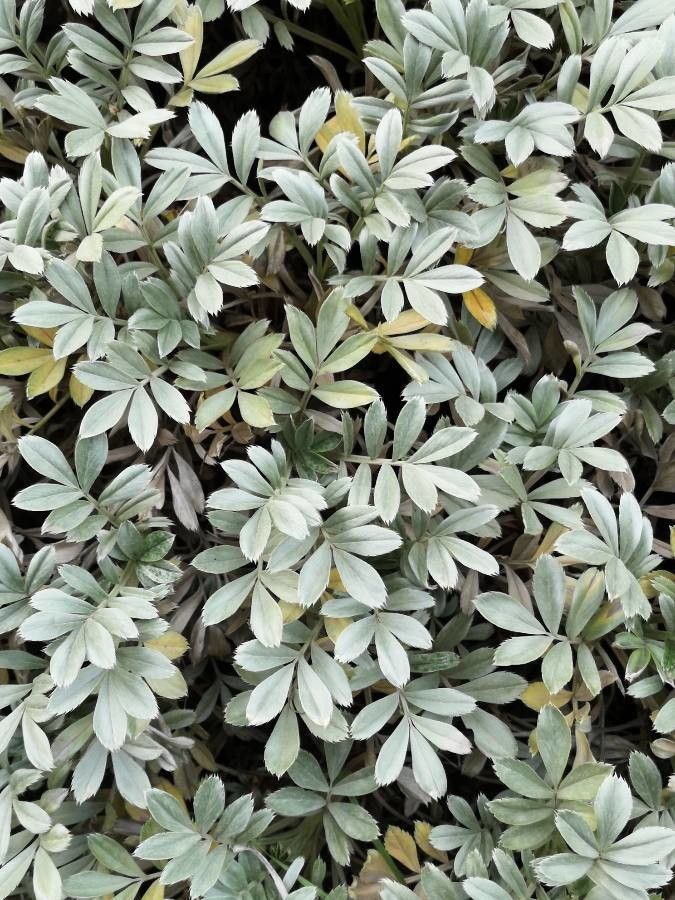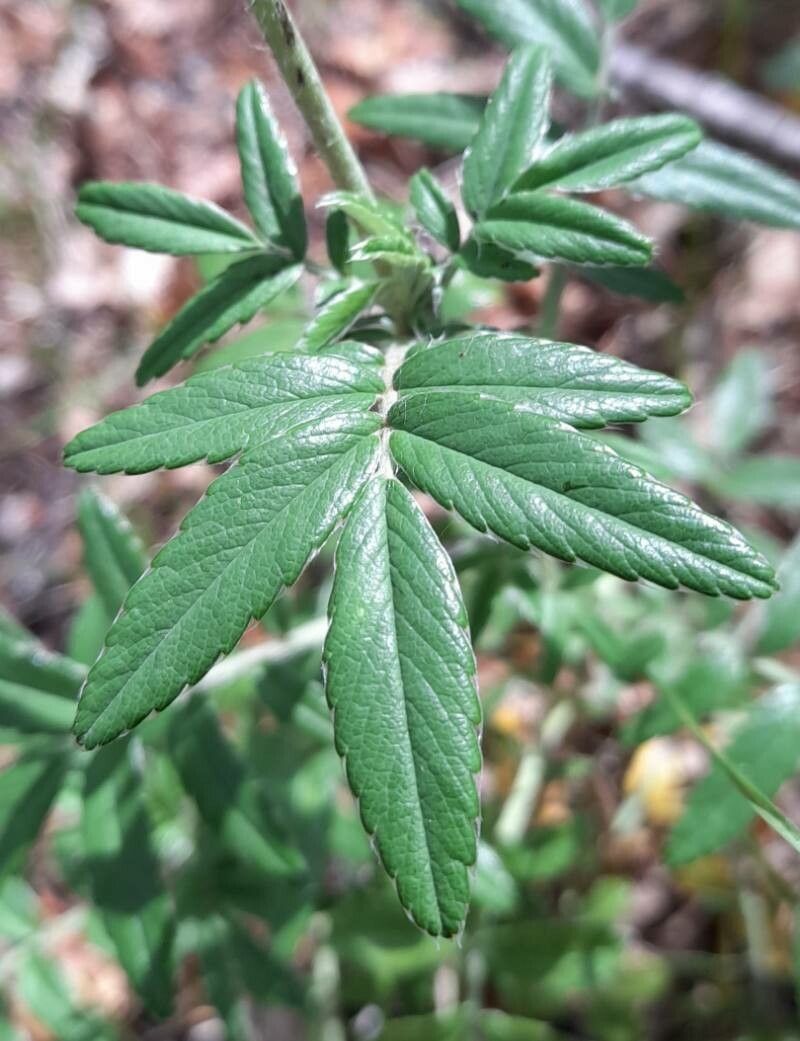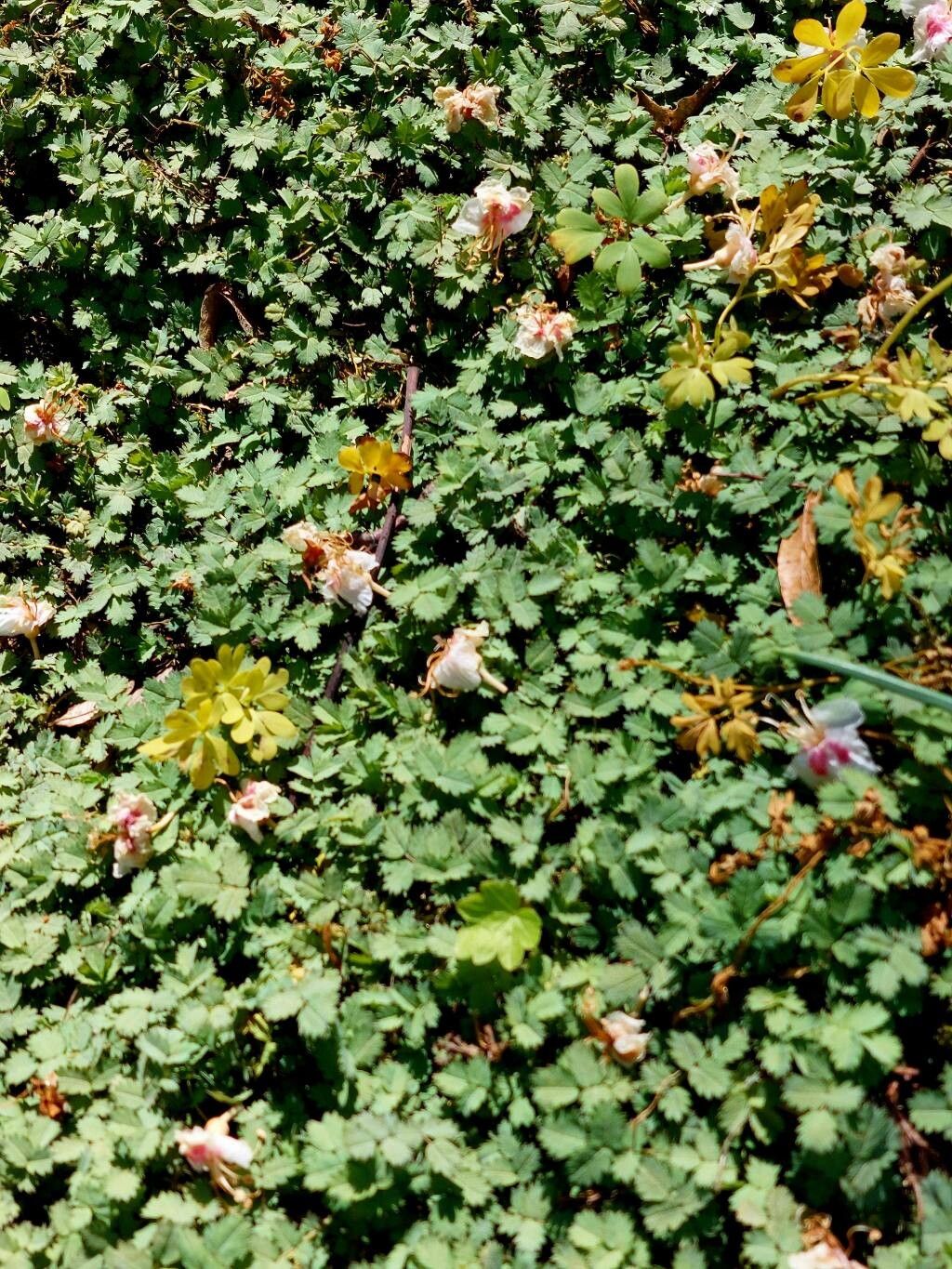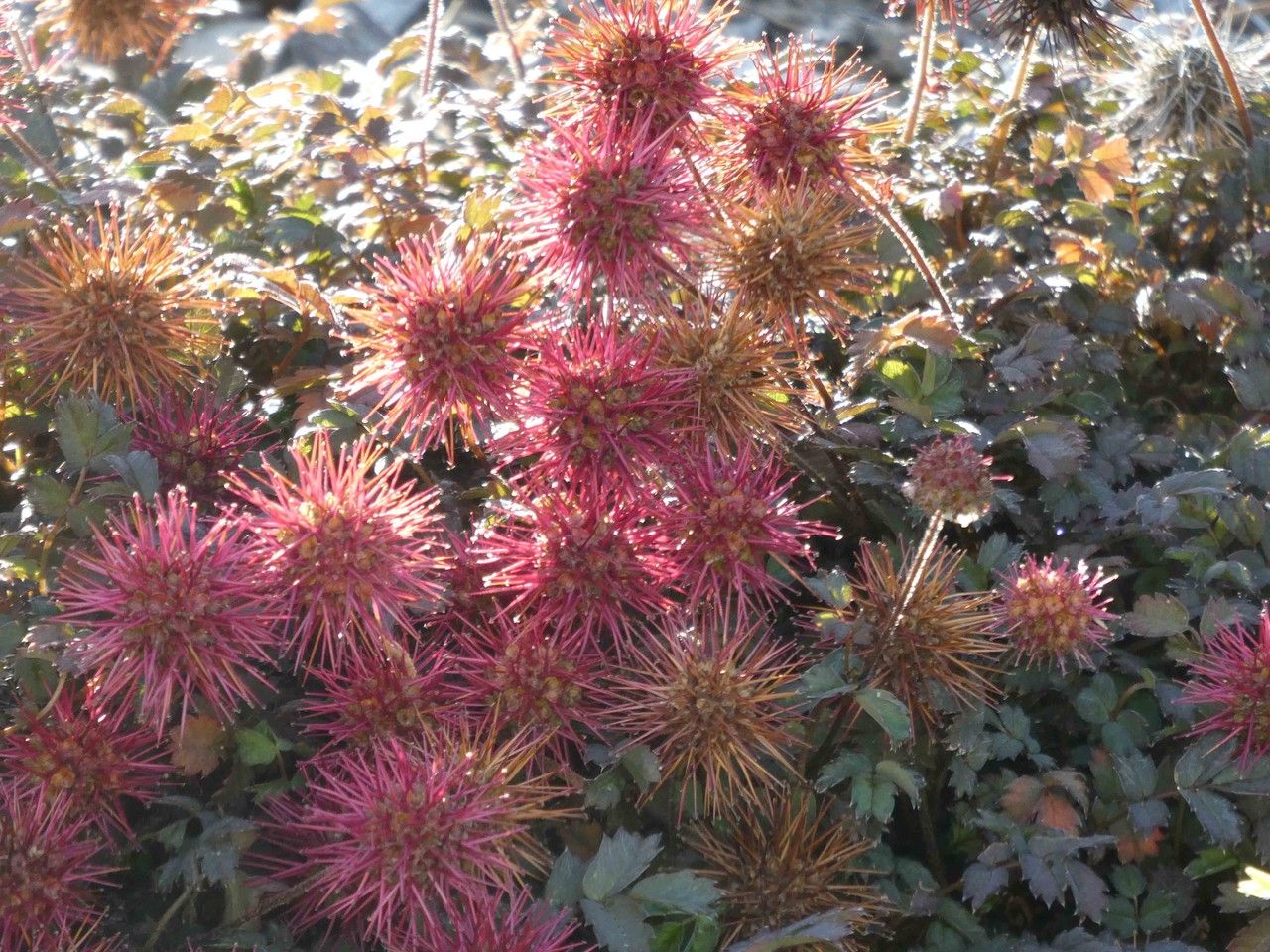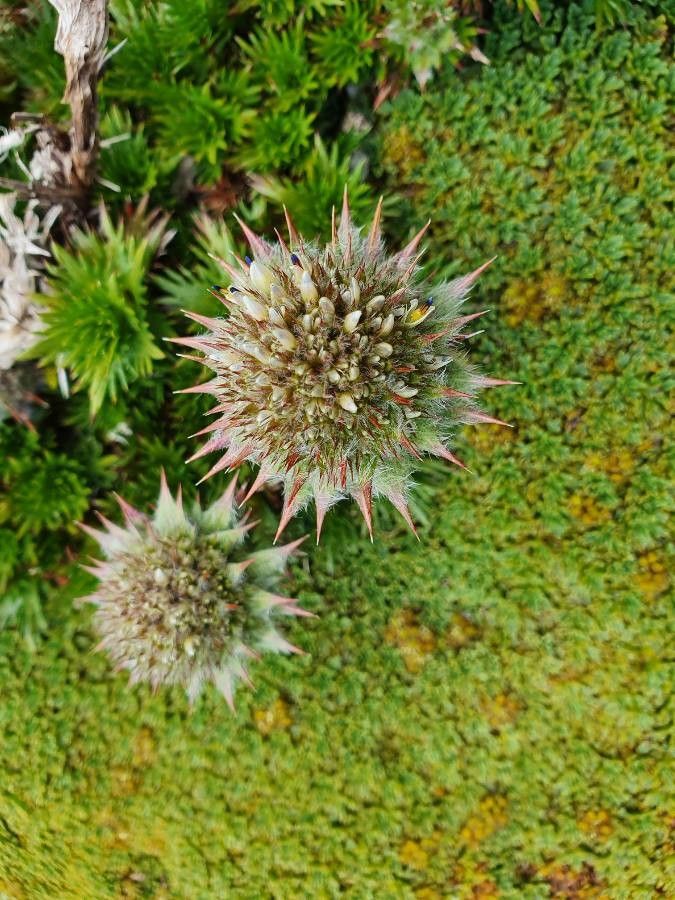
Acaena anserinifolia, the bidibidi, hutiwai, or piripiri, is a species of plant, endemic to New Zealand. It has been introduced to the United Kingdom and Ireland. Known for its distinctive hooked seeds which easily attach to clothing and animals, bidibidi can be used to make a tea, used by both Māori and Pākehā settlers in New Zealand, as well as in ointments for wounds and medical purposes.
Pirri-pirri bur is fairly disease-resistant and generally not prone to illnesses. However, it can be affected by pests or diseases present in its environment. These outbreaks are usually mild. In terms of care, the plant requires moderate maintenance. It should be pruned regularly to preserve a neat appearance and support healthy growth. Fertilizing can also help encourage flowering. Pirri-pirri bur is suitable for anyone with outdoor space, such as a garden or patio, and does not demand extensive care experience. It may need more attention when grown indoors.
How to keep Acaena Anserinifolia.
Light
Pirri-pirri bur does best where it gets abundant sunlight all day and can tolerate areas with moderate daylight, though that reduced light may limit its growth. Originating from open habitats, this plant requires plenty of sun for healthy development, while too little or too much light can cause stunted growth or leaf damage.
Temperature
Pirri-pirri bur is native to temperate regions and thrives at temperatures between 50 and 89.6 °F (10 and 32 ℃). To ensure optimal growth, seasonal adjustments to temperature may be necessary to align with these preferences.
Fertilizer
Usually one fertilizer application in spring is enough for Pirri-pirri bur, though multiple feedings can increase growth. Feed every month to six weeks. Fertilization improves leaf appearance and function, helping maintain even color and a healthy texture. It also encourages root development and nutrient uptake for the plant’s long-term health.
Pruning
New Zealand bur benefits from early spring pruning as it helps remove dead or damaged stems, promotes new growth, and stimulates flower production. To encourage a dense form, trim any leggy branches. Be sure to use clean, sharp tools to prevent damage and maintain the plant's health and appeal in the garden.
Botanical profile.
- Plant Type
- Herb
- Life Cycle
- Perennial
- Genus
- Acaena
- Family
- Rosaceae
- Hardiness Zone
- 6-8
- Mature Height
- 10 cm
- Mature Spread
- 49 cm
- Leaf Color
- Green
- Leaf Type
- Evergreen, Deciduous
- Flower Color
- White, Purple, Blue, Red, Brown
- Flower Size
- 1.02 cm
- Bloom Time
- Early summer, Mid summer
- Planting Time
- Spring, Summer, Autumn
- Harvest Time
- Late summer, Early fall
- Native Area
- New Zealand