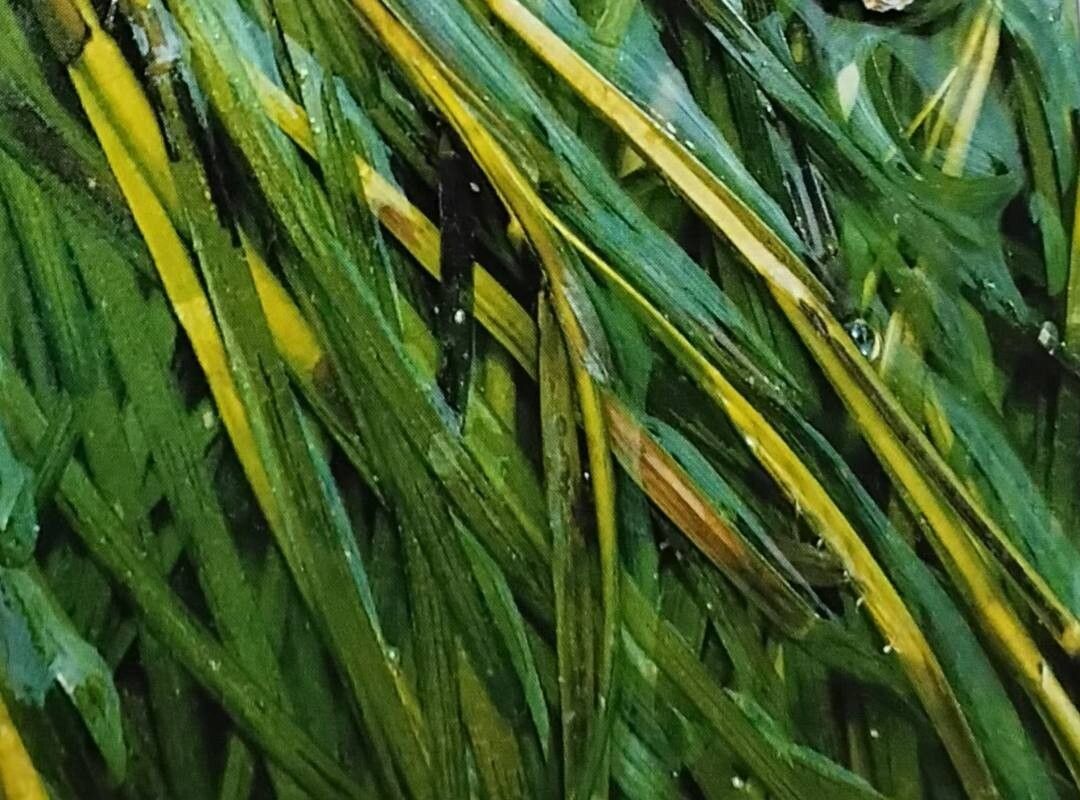
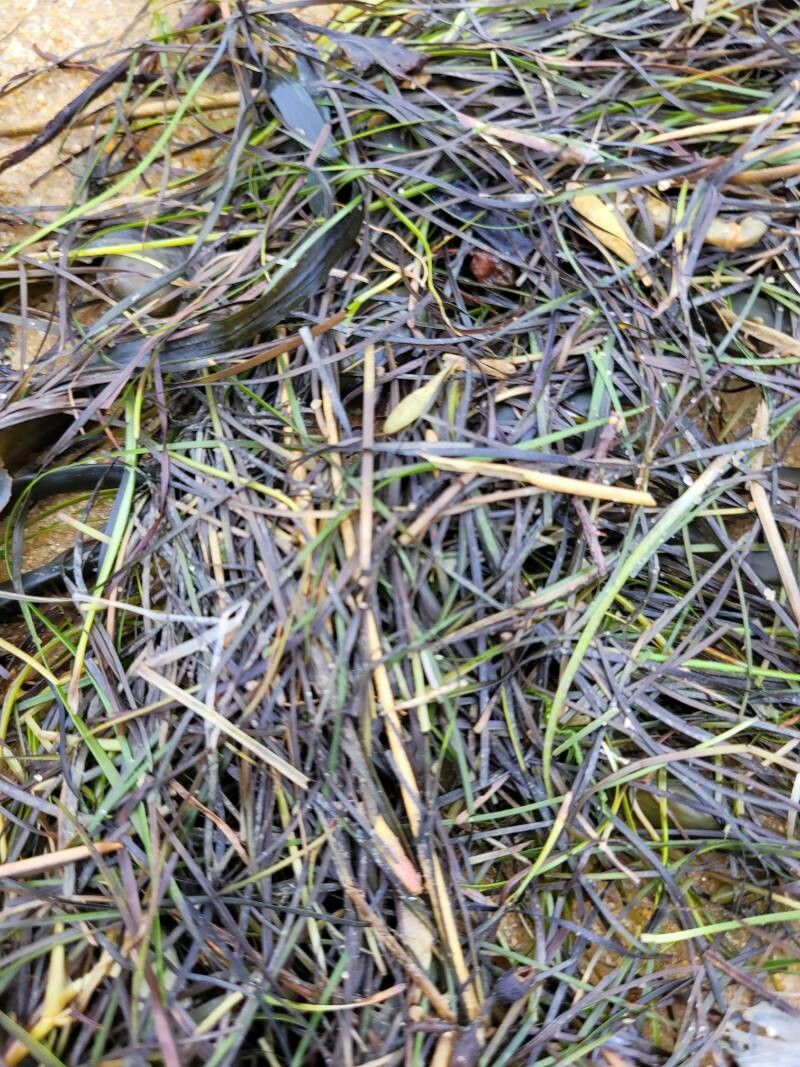
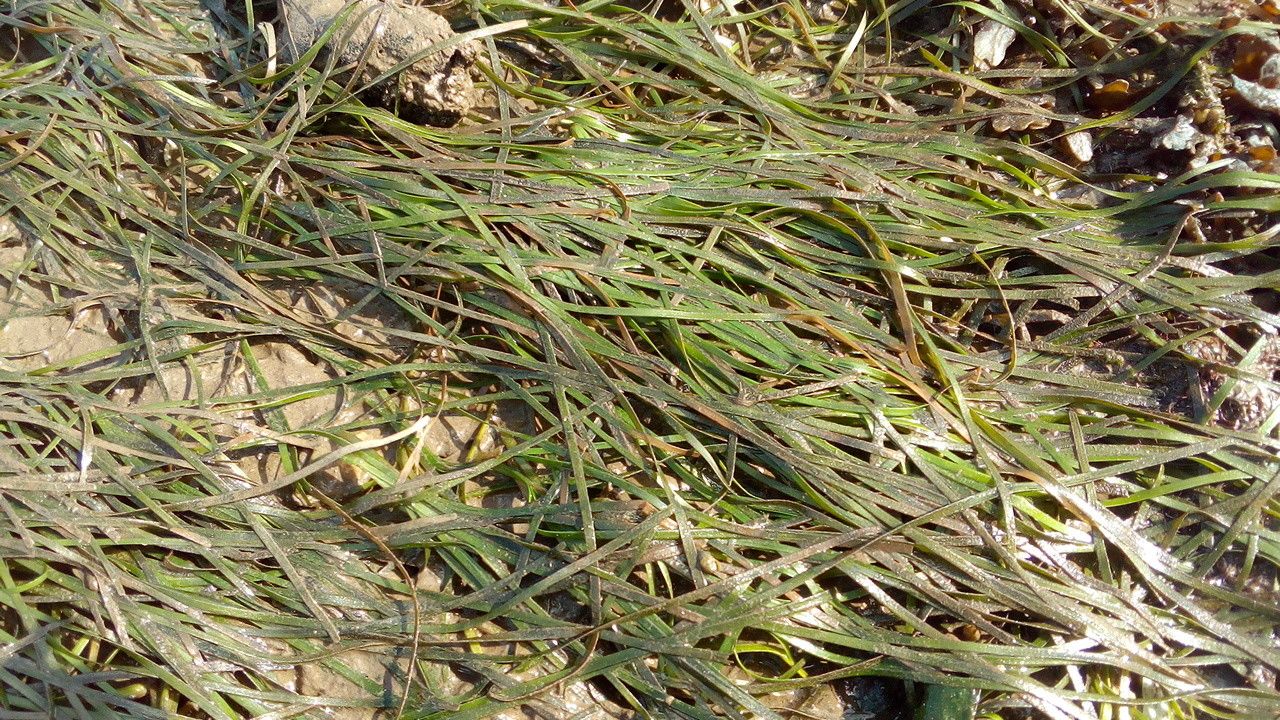
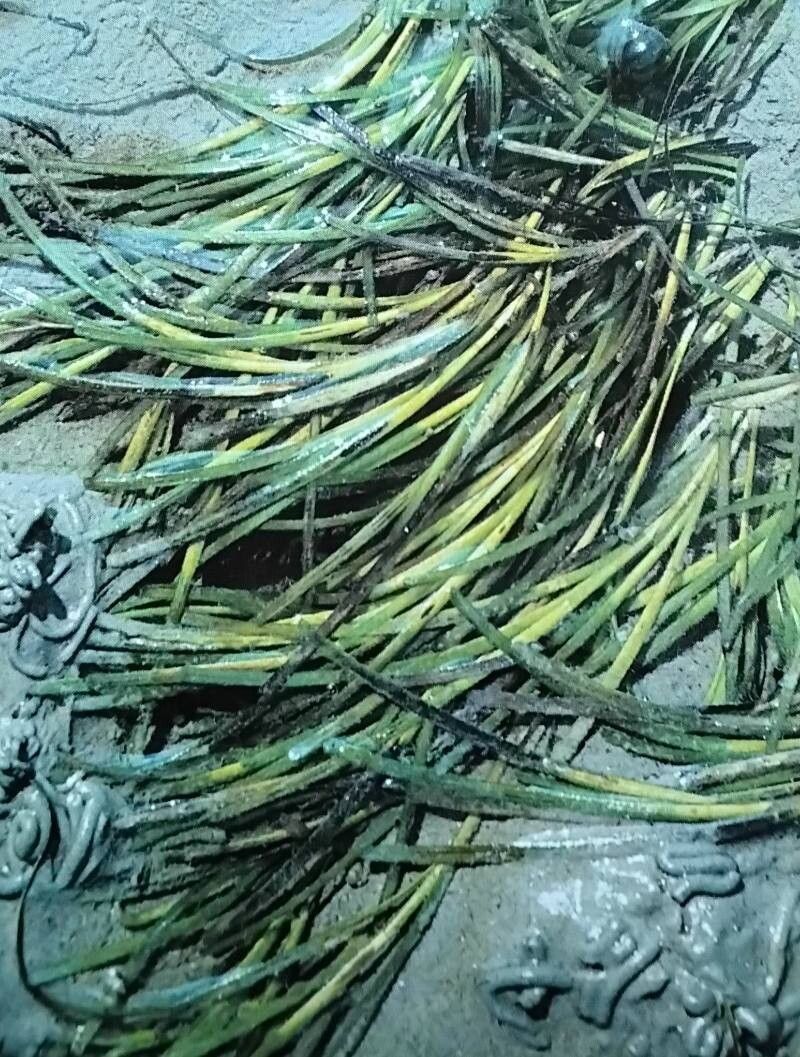
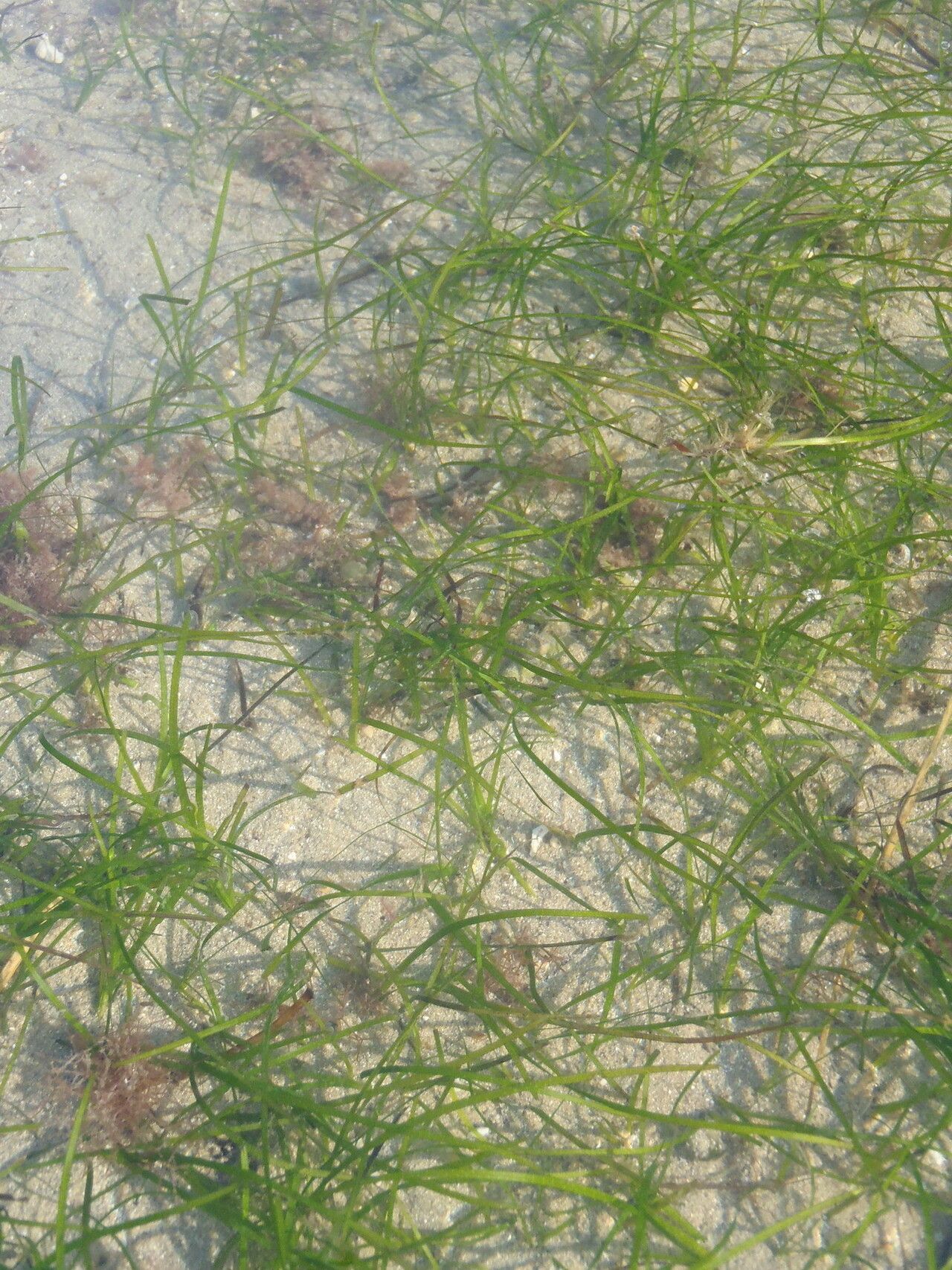
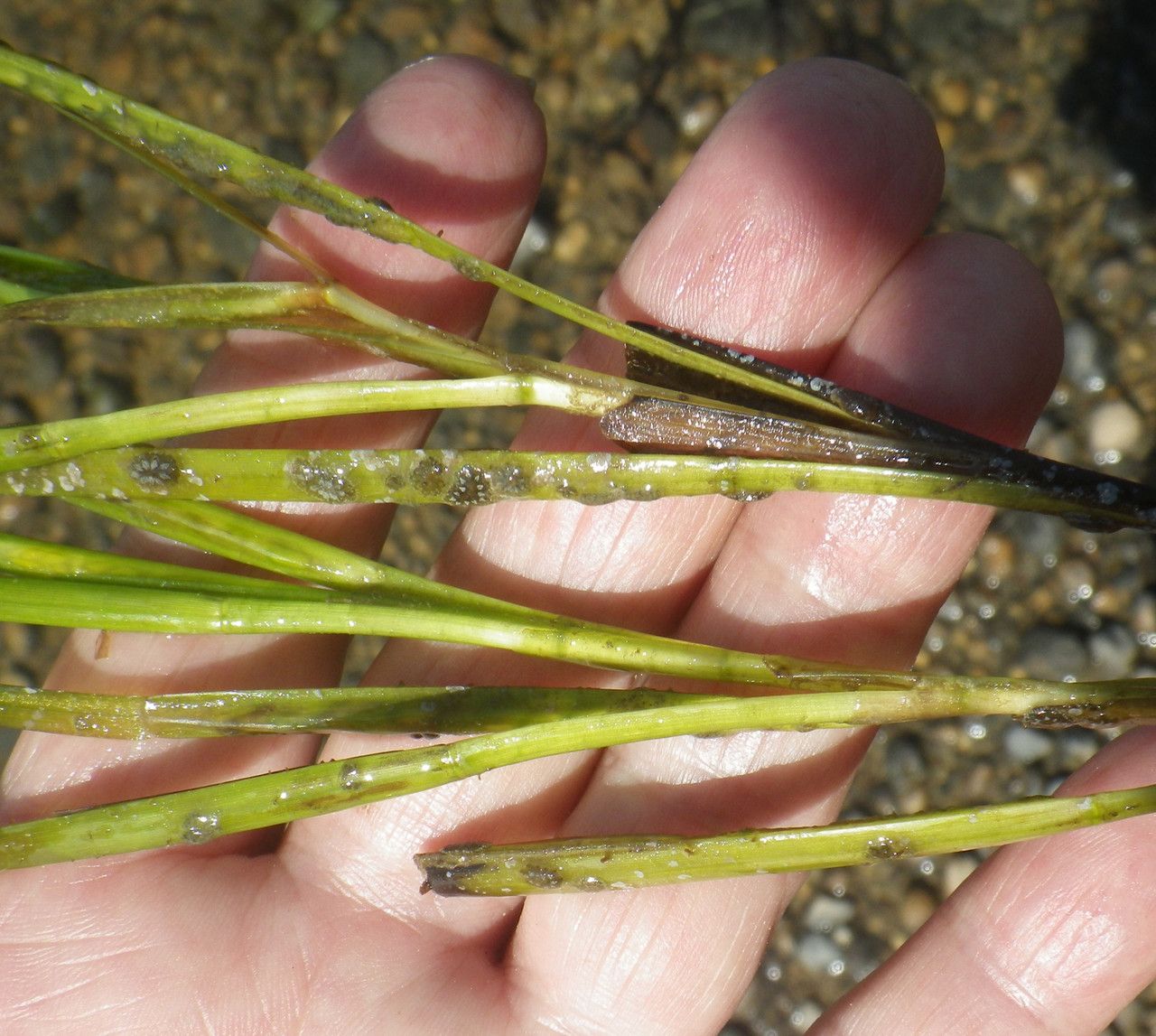
Zostera noltii is a species of seagrass known by the common name dwarf eelgrass. It is found in shallow coastal waters in north western Europe, the Mediterranean Sea, Black Sea, Caspian Sea and Aral Sea and on islands in the Atlantic off the coast of northwest Africa. It is an important part of the intertidal and shallow subtidal ecosystems of estuaries, bays and lagoons.
Dwarf eelgrass has strong disease resistance and typically does not suffer from illnesses. However, it can be vulnerable to pests and pathogens present in its surroundings. Such infections are usually minor. In terms of care, this plant is moderately demanding. It should be trimmed regularly to maintain an attractive appearance and healthy growth. Applying fertilizer can also help encourage flowering. Dwarf eelgrass is suitable for anyone with outdoor space, like a garden or patio, and does not require extensive plant-care experience. It may need more attention if grown indoors.
How to keep Zostera Noltii.
Light
Dwarf eelgrass is found in bright, sunlit habitats, such as the shallow margins of ponds and lakes. It favors full sun, although it can tolerate partial sun as well.
Water
Dwarf eelgrass is a plant that naturally grows in marine meadows, thriving in salty waters due to its high salt tolerance. It requires minimal watering—about once a week. When found outdoors, dwarf eelgrass plays a crucial role in coastal ecosystems. It helps stabilize sediment, oxygenates the water, and provides habitat for marine life.
Temperature
Dwarf eelgrass can adjust to a wide range of temperatures, but its occurrence can still be constrained by different mixes of water and heat conditions. It does best in warm summer climates with sufficient rainfall or watering. Long stretches of cloudy, rainy weather or sustained high temperatures can make Dwarf eelgrass more likely to die. In winter, giving proper protection from cold can increase the plant’s survival rate.
Pruning
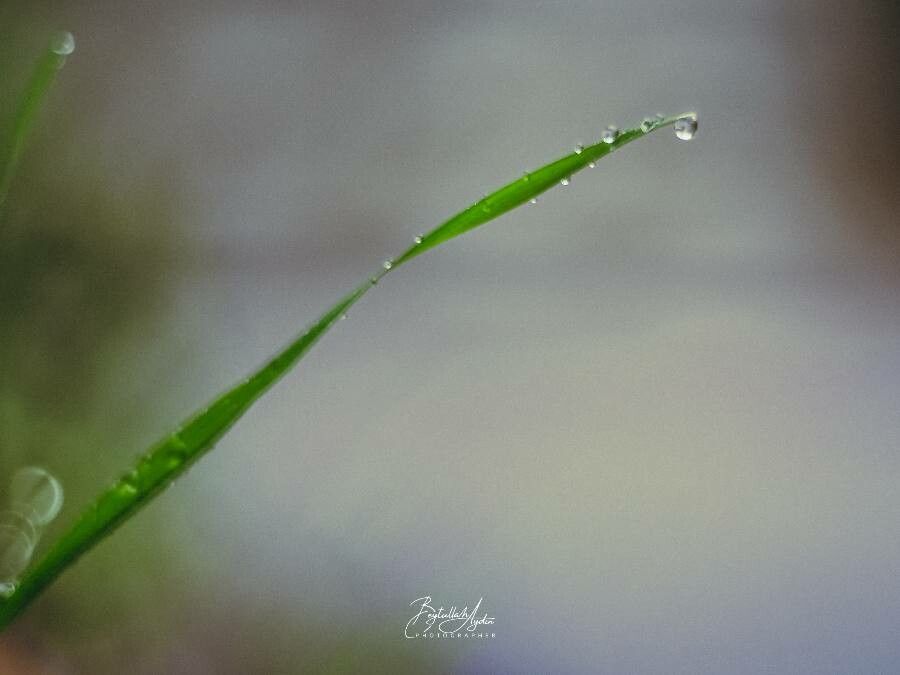
Dwarf eelgrass has slim, grass-like leaves and grows well in salty environments. To promote healthy growth, trim any dead or damaged leaves in the spring, being careful not to stress the plant too much. Regular pruning helps maintain the plant's density, which is crucial for supporting aquatic ecosystems. For more detailed care instructions, refer to horticultural guides.
Botanical profile.
- Plant Type
- Herb, Grass
- Life Cycle
- Perennial
- Genus
- Zostera
- Family
- Zosteraceae
- Hardiness Zone
- 8-11
- Mature Height
- 20 cm to 49 cm
- Mature Spread
- 10 cm to 30 cm
- Leaf Color
- Olive Drab, Sea Green
- Leaf Type
- Evergreen
- Bloom Time
- Early summer, Mid summer
- Planting Time
- Spring, Summer, Autumn
- Harvest Time
- Late summer, Early fall
Other names.