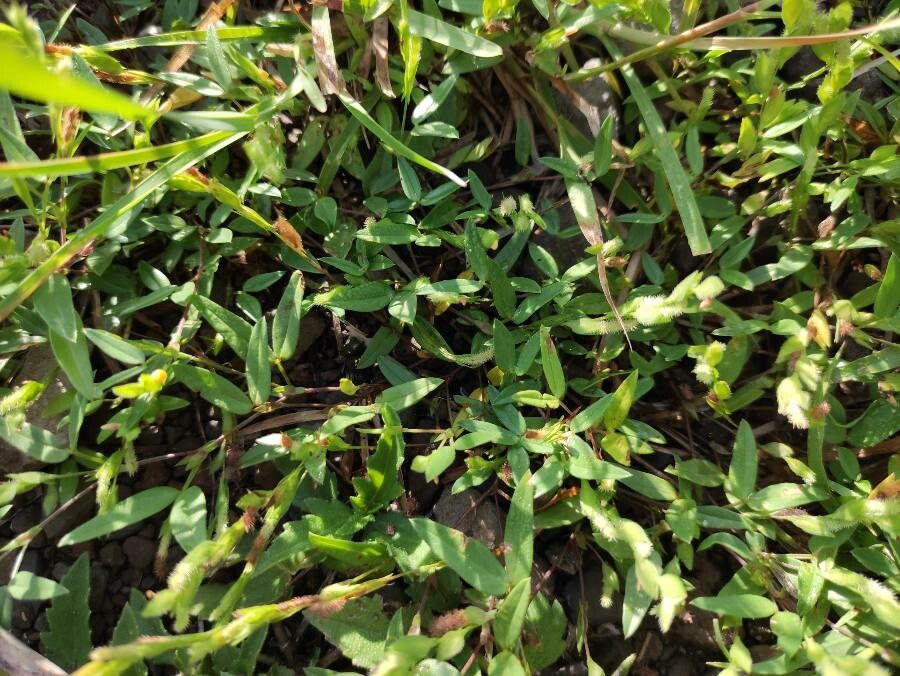
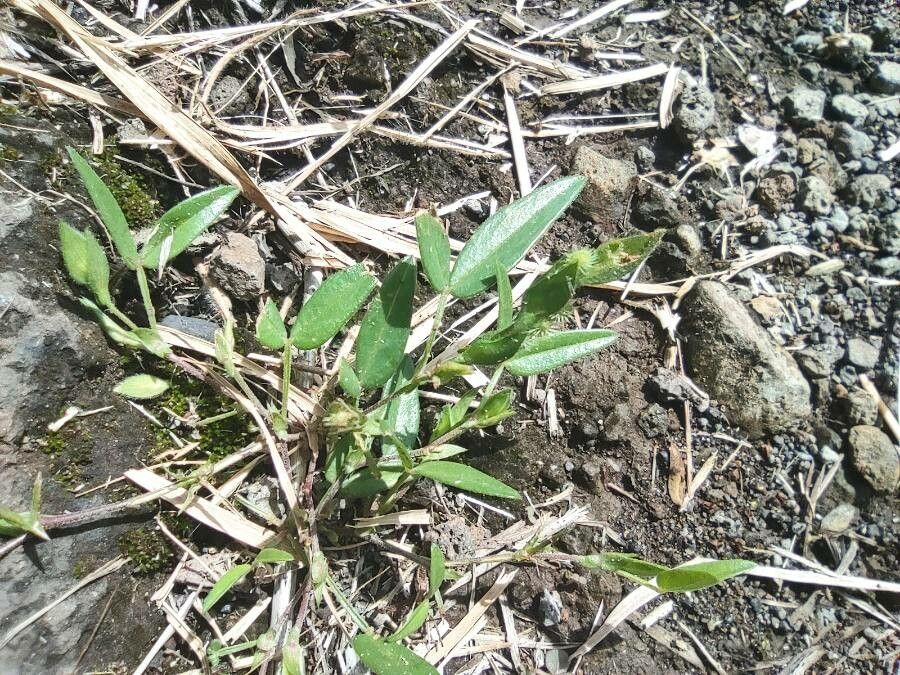
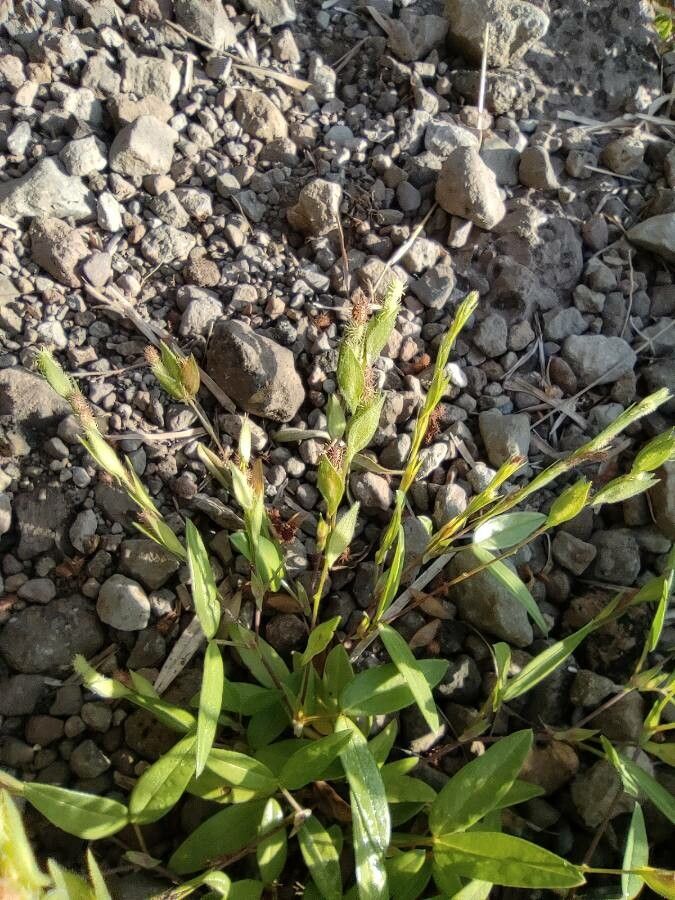
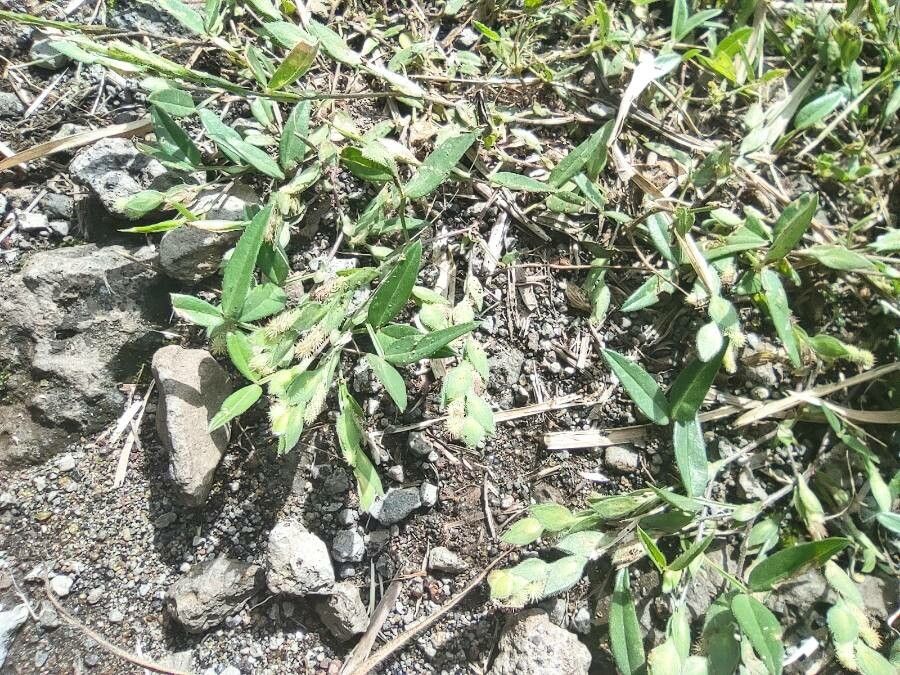
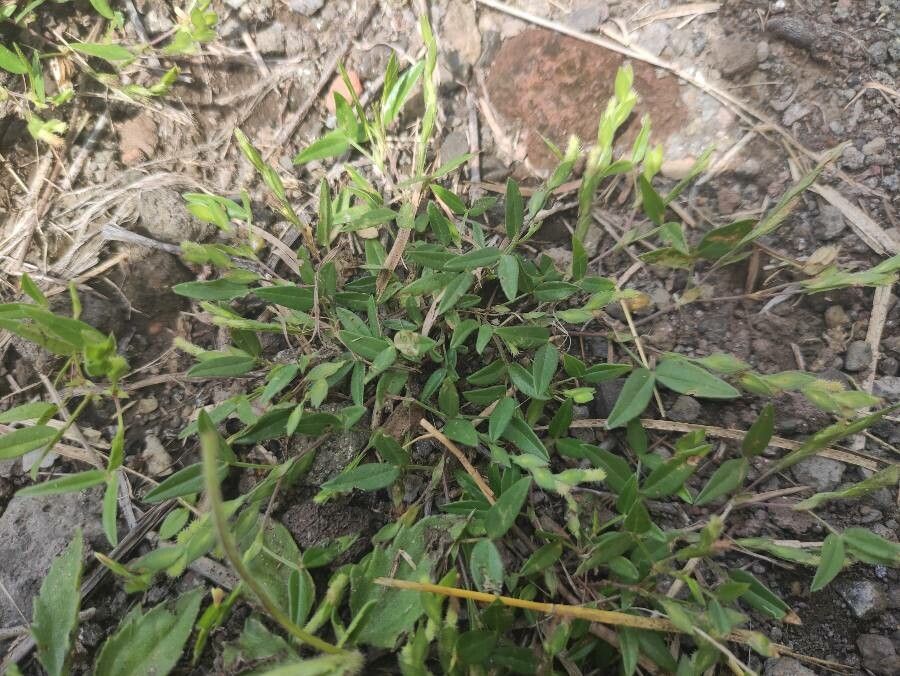
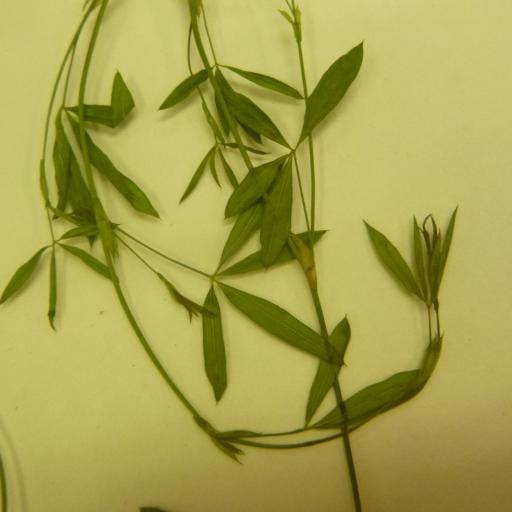
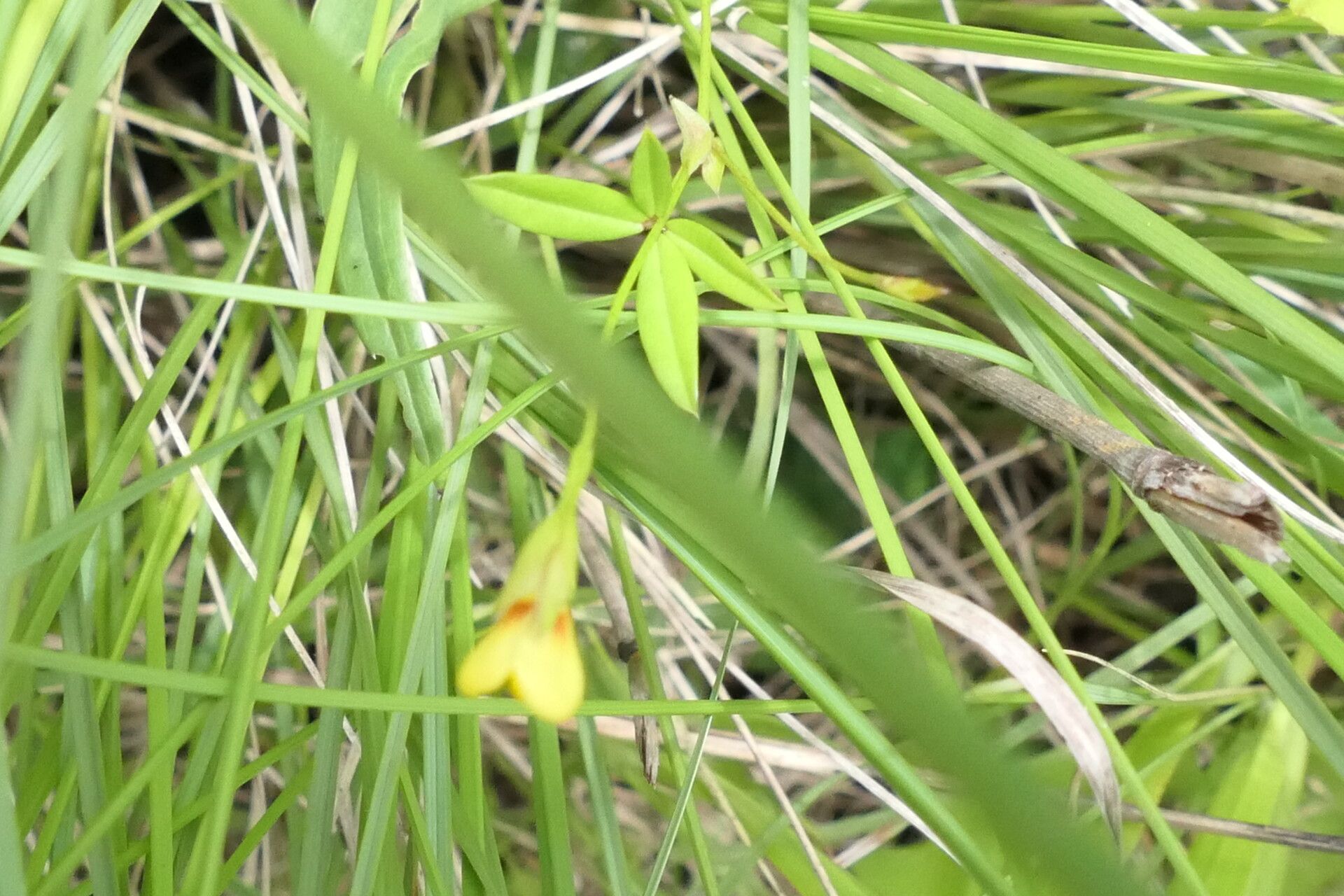
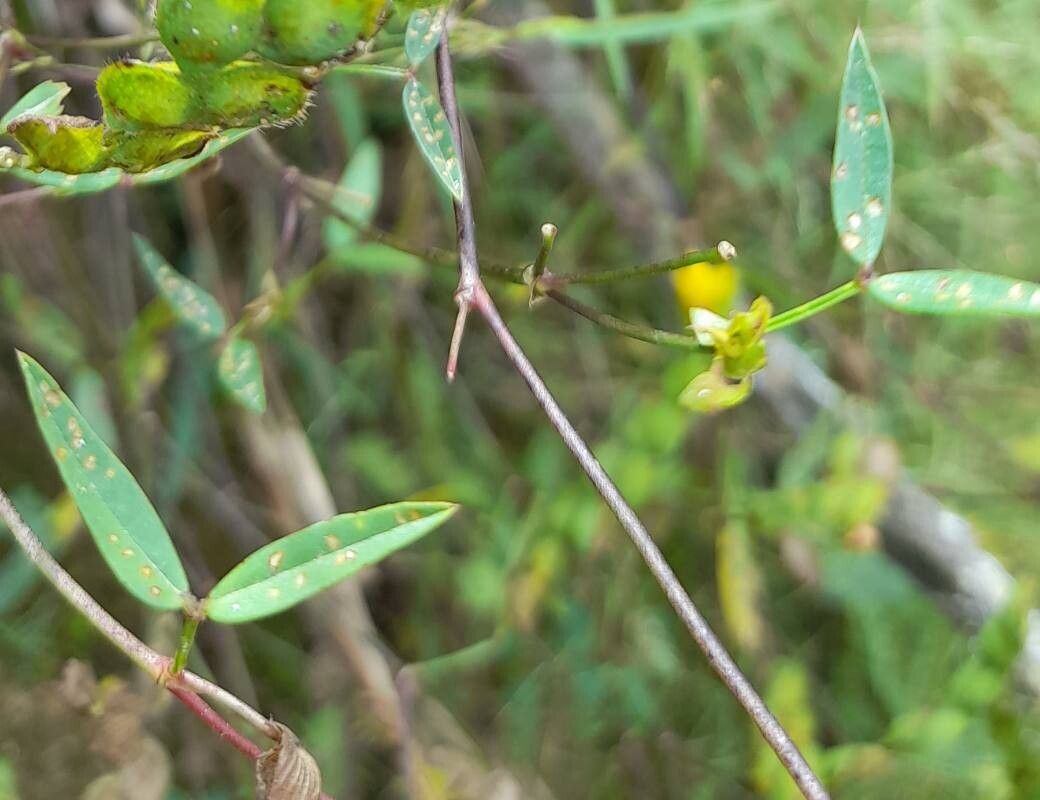
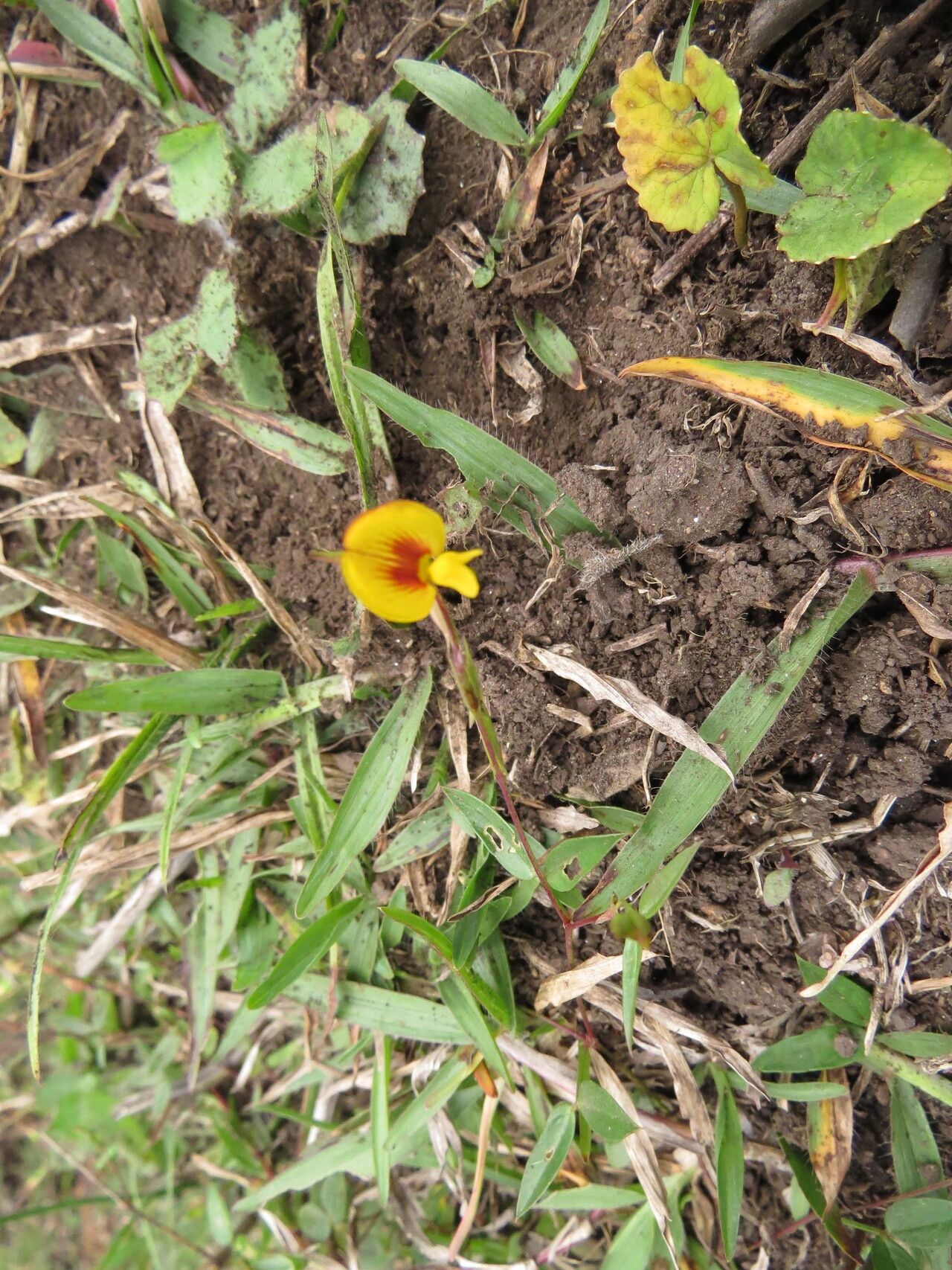
Zornia gibbosa is a small herb with 2-foliolate leaves and lance-shaped leaflets marked with black glands. Its yellow flowers are enclosed in leafy bracts and borne in spikes of four. The pods are 3–6 jointed and densely prickly. It is native across a wide area of tropical and subtropical Asia, from Pakistan and India to Japan and New Guinea.
Grasslike zornia has strong disease resistance and is usually not prone to illnesses. However, it can be vulnerable to pests and diseases present in its environment. Such infections are typically not severe. Regarding care, this plant requires moderate upkeep. It should be pruned regularly to maintain a neat appearance and healthy growth. Fertilizing can also help encourage flowering. Grasslike zornia is appropriate for anyone with an outdoor area, like a garden or patio, and does not demand extensive care experience. It may need more attention when cultivated indoors.
How to keep Zornia Gibbosa.
Light
Grasslike zornia is a sun-loving, perennial herbaceous plant that comes from open habitats and commonly grows in meadows and grasslands. It prefers full sun but can also tolerate partial sun conditions.
Temperature
Grasslike zornia comes from tropical areas, where the climate is usually warm and humid. Consequently, it is adapted to high heat and moisture. It does not tolerate sudden temperature shifts and prefers a constant thermal environment, so avoiding indoor temperature fluctuations is important. It typically cannot withstand cold and needs warmer conditions to grow. If the ambient temperature becomes too low, the plant may stop growing or even die.
Fertilizer
Grasslike zornia needs the most fertilizer during its active growth period, which falls mainly in spring, summer, and early fall. Fertilization supplies essential nutrients the soil may lack, supporting healthy root and stem development and maintaining attractive foliage, a notable characteristic of this plant.
Pruning
To promote healthy growth in grass-like zornia, prune from early to late spring. Removing dead stems during this time improves airflow and reduces the risk of disease, which helps the plant develop denser foliage and more abundant flowers. Pruning during this period aligns with the plant's natural growth cycle, enhancing its vigor, resilience, and overall aesthetic appeal.
Botanical profile.
- Plant Type
- Herb
- Life Cycle
- Perennial
- Genus
- Zornia
- Family
- Fabaceae
- Hardiness Zone
- 9-11
- Mature Height
- 20 cm to 49 cm
- Mature Spread
- 30 cm to 49 cm
- Leaf Color
- Green
- Leaf Type
- Evergreen
- Flower Color
- Yellow
- Flower Size
- 2.03 cm to 6.35 cm
- Bloom Time
- Summer, Early fall, Mid fall
- Planting Time
- Spring, Summer, Autumn
- Harvest Time
- Late summer, Fall, Early winter
- Native Area
- Nepal, Sri Lanka, India, Indonesia, Cambodia, Vietnam, Myanmar, Japan, Bhutan, Pakistan, Laos, Thailand, China
Reader questions.
What sunlight conditions do grasslike zornia plants require?
Grasslike zornia, scientifically known as Zornia gibbosa, is a sun-loving perennial herb that thrives in full sunlight, requiring above 6 hours of direct sunlight a day. However, it can also tolerate partial sun conditions, needing about 3-6 hours of sunlight daily. When planning where to place your zornia plants, observe the movement of sunlight through your garden to choose locations that provide an ideal balance of light and shade, ensuring the plants' well-being.
How can artificial lighting support grasslike zornia plants indoors?
For grasslike zornia plants grown indoors where natural sunlight may be insufficient, particularly during winter or in less sunny spots, artificial lighting can be crucial for optimal growth. Selecting the right type of light is essential, with LED lights being a popular choice because they can be adjusted to offer specific wavelengths needed by plants. Full sun plants benefit from 30-50W/sq ft of artificial light, partial sun plants require 20-30W/sq ft, while full shade plants need 10-20W/sq ft. The light source should be placed 12-36 inches above the plant to simulate natural sunlight, and most plants will need 8-12 hours of light daily to thrive.
What signs indicate a grasslike zornia plant is not getting enough light?
When a grasslike zornia plant doesn't receive adequate light, several symptoms can manifest. These include smaller new leaves compared to older ones, leggy or sparse growth due to longer spaces between leaves or stems, premature leaf drop as the plant conserves resources, and a halt or slow down in new leaf production. Leaves might also appear lighter in color, indicating a deficiency in chlorophyll and essential nutrients. Addressing these signs promptly by adjusting the plant's exposure to light can help restore its health.
How should you treat grasslike zornia plants that are exposed to too much sunlight?
Overexposure to sunlight can cause symptoms such as chlorosis, where leaves lose their green color, sunscald that damages leaves or stems, leaf curling as a defense mechanism against excessive light, wilting due to increased water loss, and leaf scorching, characterized by brown, dry patches on leaves. Solutions include gradually moving plants to sunnier spots to avoid shock and using shade structures or protective coverings to manage light exposure effectively. For indoor plants, ensuring a balance of natural and artificial light can prevent these issues.
What steps can you take to improve light conditions for your grasslike zornia, both indoors and outdoors?
Improving light conditions involves several strategies depending on whether the plant is indoors or outdoors. Indoors, you can gradually move the plant each week towards a sunnier location, ideally near a south-facing window, or use artificial lighting, such as a desk or ceiling lamp on for at least 8 hours a day, or professional grow lights. Outdoors, consider moving your plants to better-lit spots gradually to avoid sunburn, and if necessary, prune nearby trees or bushes that might be blocking sunlight. Additionally, for ground plants, reducing obstructions like tall structures or dense foliage, and transplanting smaller plants to sunnier locations during their dormant periods, can significantly improve sunlight access.