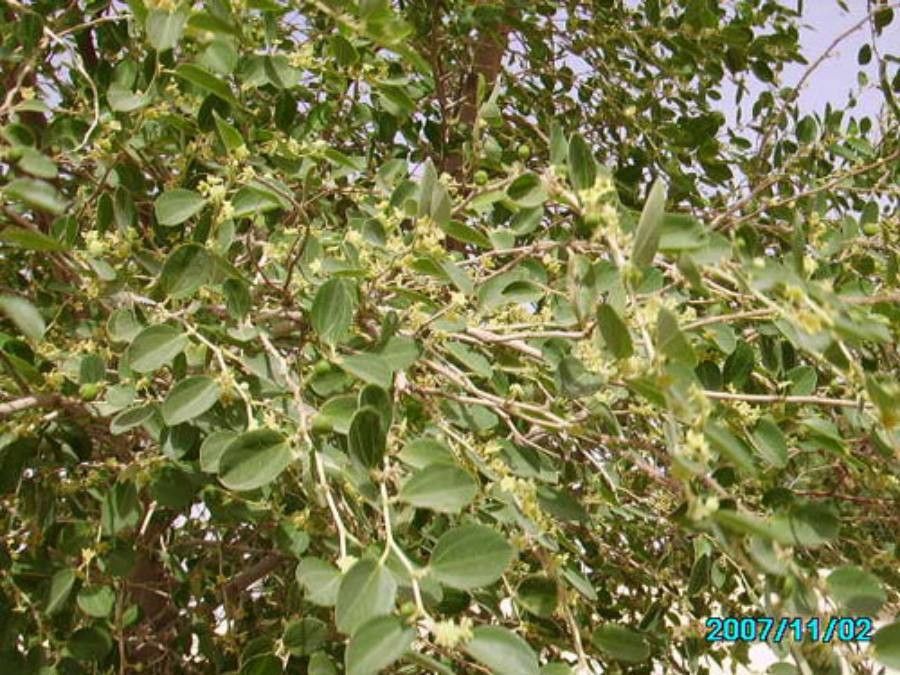
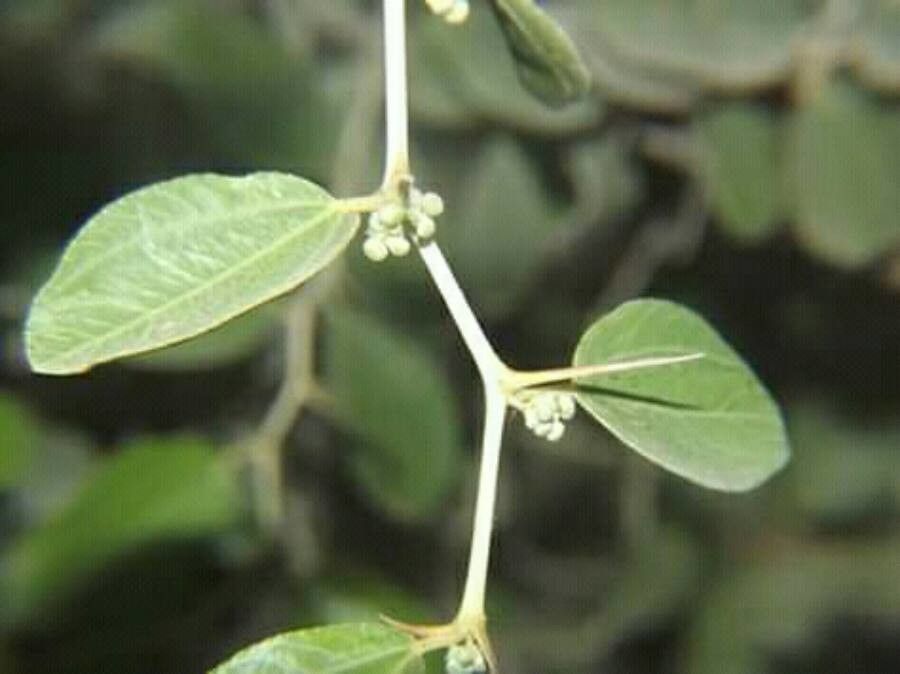
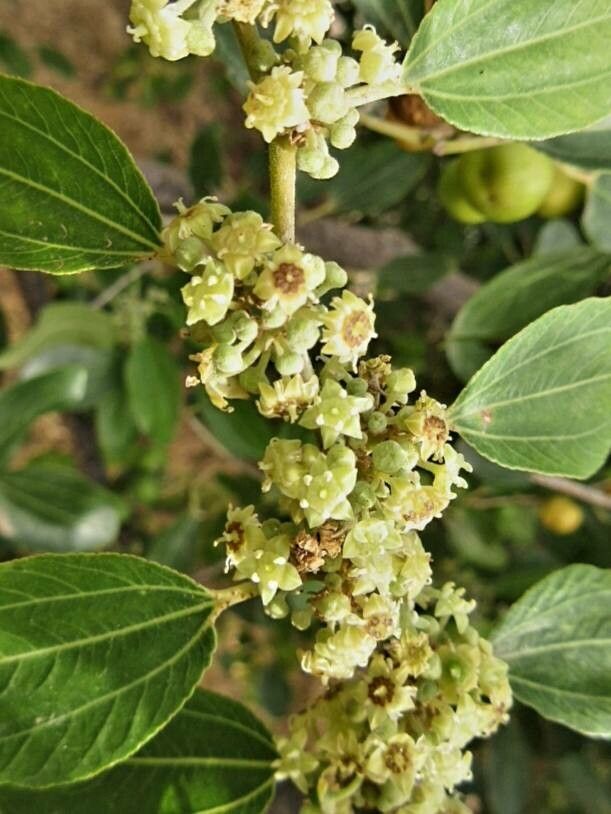
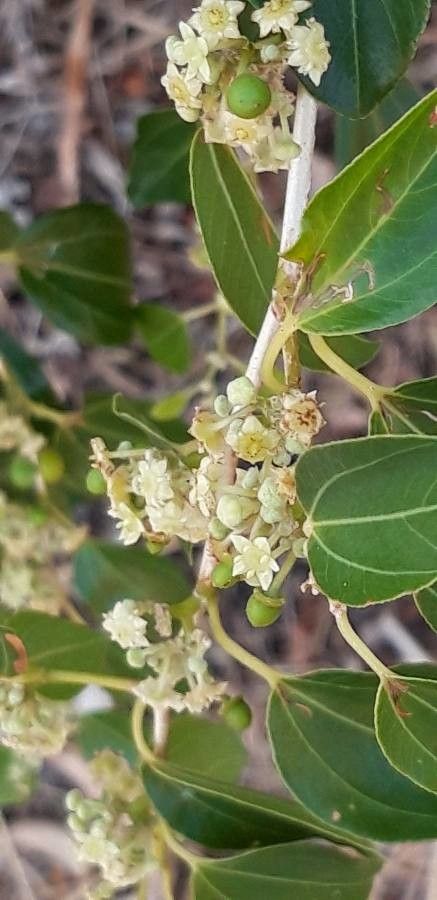
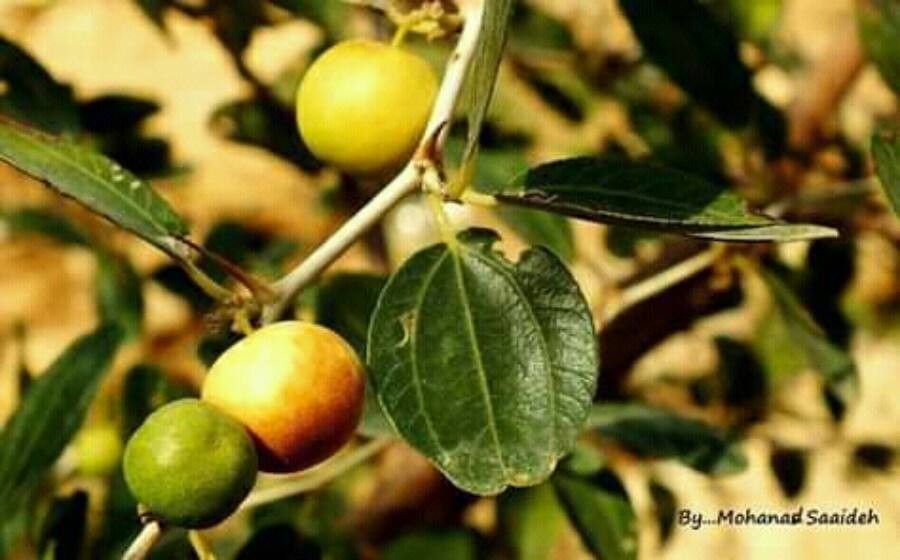
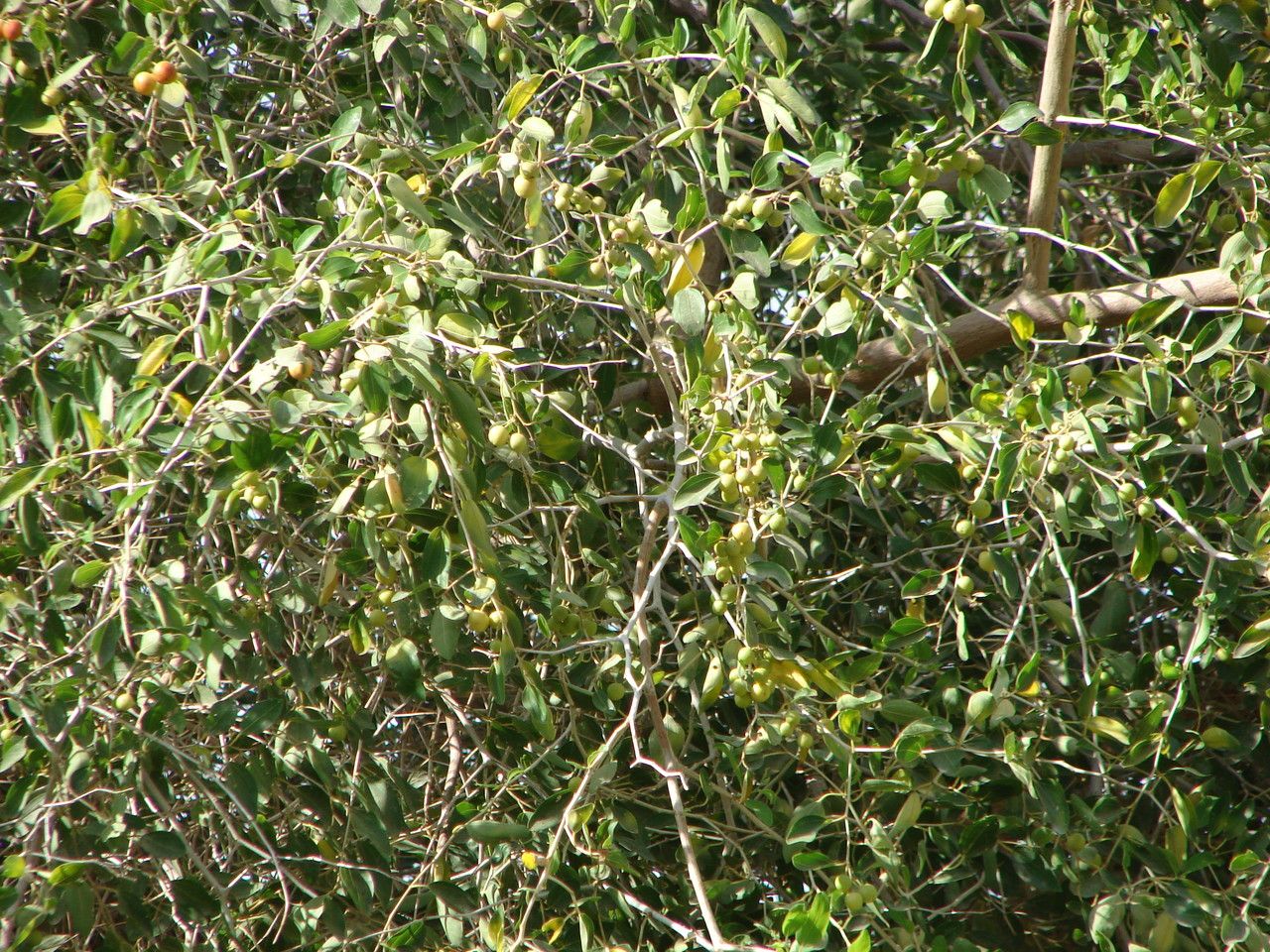
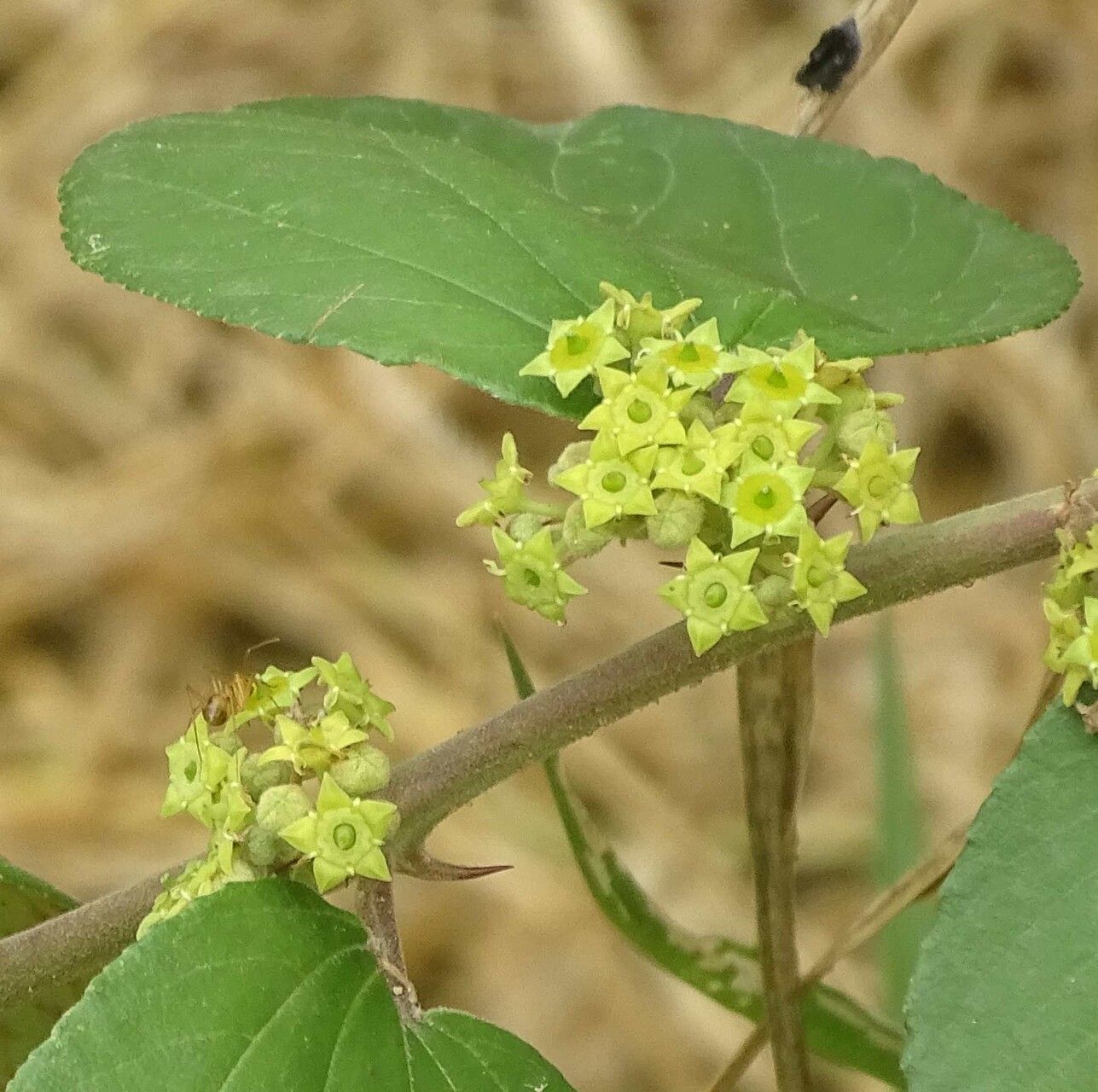
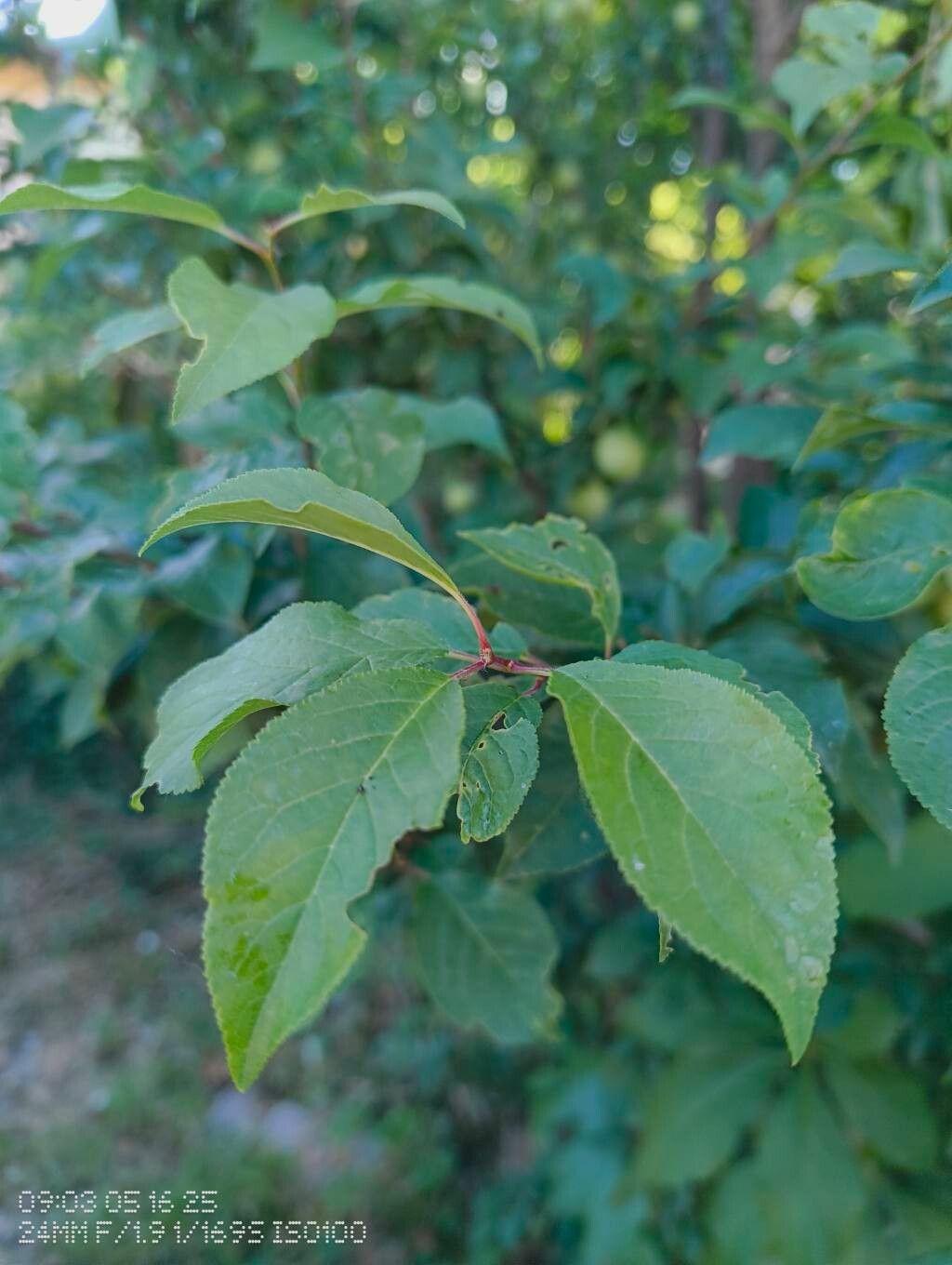
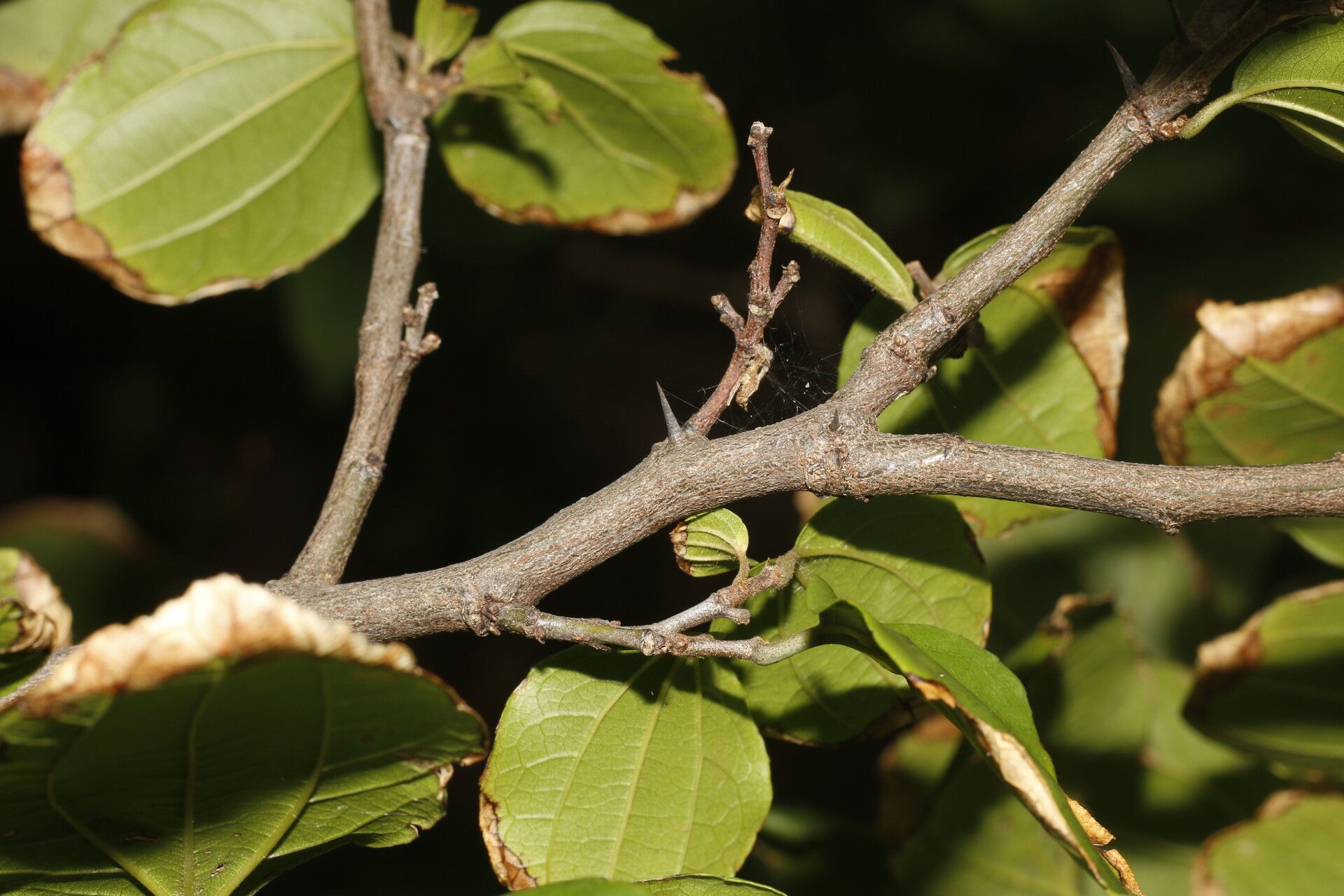
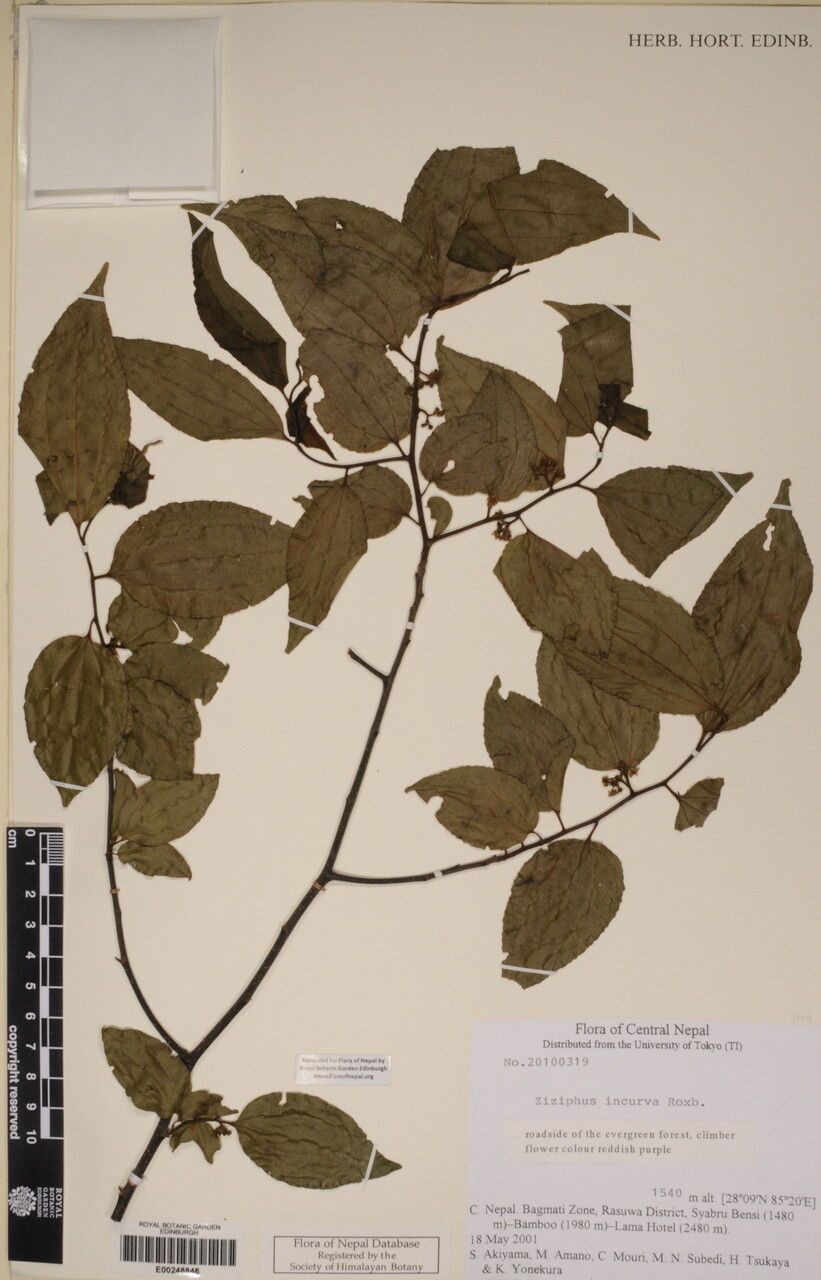
Ziziphus spina-christi, known as the Christ's thorn jujube, is an evergreen tree or plant native to northern and tropical Africa, Southern and Western Asia. It is native to the Levant, East Africa, Mesopotamia and some tropical countries. Fruit and leaves from the tree were used in preparing ancient Egyptian foods and cultural practices.
Jerusalem thorn is disease-resistant and generally not vulnerable to illnesses. In terms of care, the plant is fairly low-maintenance. When grown outdoors it needs little watering, and larger plants typically do not require pruning. Smaller plants, however, should be pruned after they have finished blooming. Jerusalem thorn is appropriate for anyone who has outdoor space, such as a garden or deck, and it does not demand a great deal of care experience.
How to keep Ziziphus Spina Christi.
Light
Jerusalem thorn grows best when it receives ample sunlight. Such light encourages its growth and overall health. Native to places with abundant sun, it has adapted to tolerate those conditions well. However, too little light can restrict its growth, while excessive exposure may cause damage and scorching.
Temperature
Jerusalem thorn is commonly found in locations where temperatures range from 59 to 95 °F (15 to 35 ℃). The plant prefers this temperature band for optimal growth. If situated in colder regions, it may need a gentle heat source in winter to ensure its survival through different seasons.
Fertilizer
Proper timing matters when fertilizing the Jerusalem thorn. Fertilize in early spring and then every month until early summer. Fertilizer promotes attractive blooms and supplies energy both during dormant periods and active growth.
Pruning
To ensure the Christ's-thorn thrives, it's important to prune it carefully in early spring. This involves removing dead branches and shaping the plant. Pruning enhances air circulation, encourages healthy growth, prevents diseases and pests, and boosts fruit production. Be sure to use clean, sharp tools for precise cuts to keep your Christ's-thorn both attractive and productive.
Botanical profile.
- Plant Type
- Tree
- Life Cycle
- Perennial
- Genus
- Ziziphus
- Family
- Rhamnaceae
- Hardiness Zone
- 7-10
- Mature Height
- 3.05 m to 3.96 m
- Mature Spread
- 4.88 m
- Leaf Color
- Green
- Leaf Type
- Deciduous
- Flower Color
- Yellow
- Flower Size
- 0.51 cm to 0.76 cm
- Bloom Time
- Early summer, Mid summer
- Planting Time
- Spring
- Harvest Time
- Mid summer, Late summer
- Native Area
- Tajikistan, Turkey, India, Montenegro, Cyprus, Bulgaria, Armenia, Greece, Croatia, Slovenia, Lebanon, Uzbekistan, Russia, Serbia, Afghanistan, Iraq, Syria, Italy, Spain, Iran, Albania, Azerbaijan, Romania, Turkmenistan, France
Other names.
Reader questions.
What are the sunlight requirements for growing Christ's-thorn?
Christ's-thorn, or Ziziphus spina-christi, thrives in various sunlight conditions. For optimal growth, it requires full sun, which means the plant should receive above 6 hours of sunlight daily. However, it can also grow well in partial sun, with about 3-6 hours of sunlight. It's important to observe the movement of sunlight in your garden to find spots that offer the right mix of light and shade, ensuring the best environment for your Christ's-thorn plant.