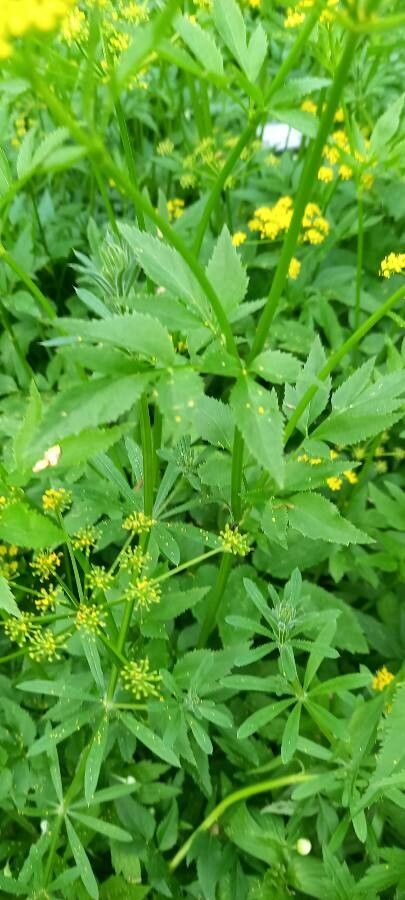
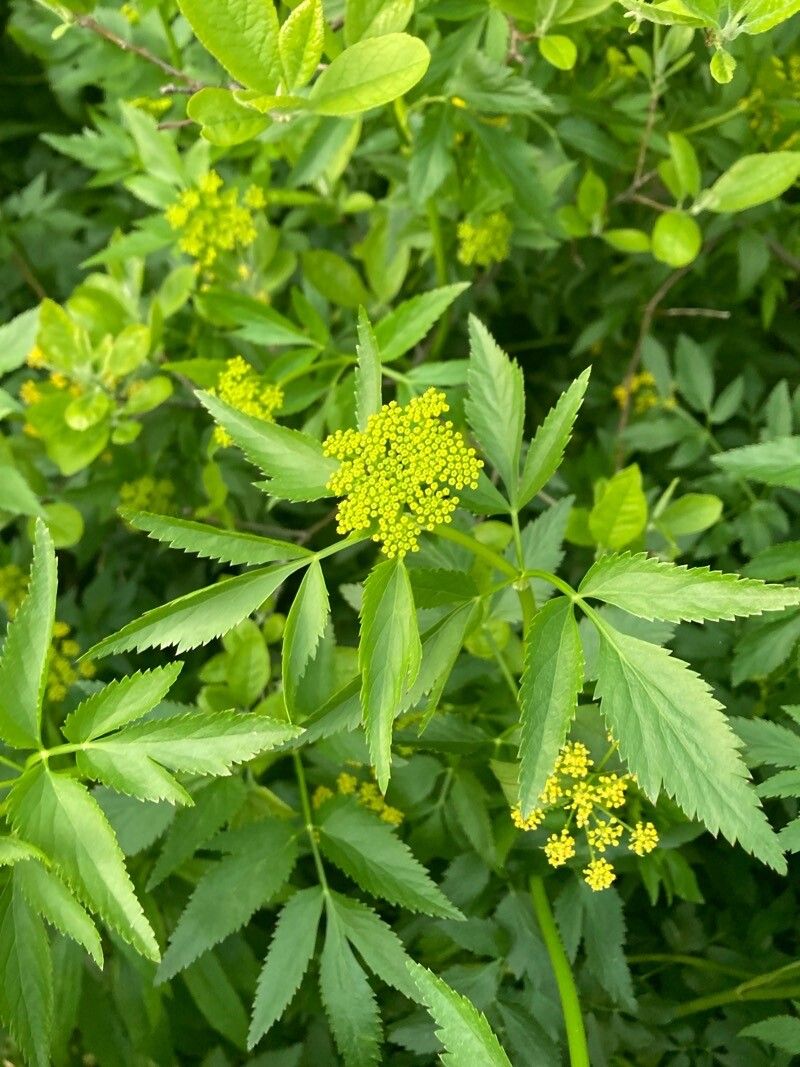
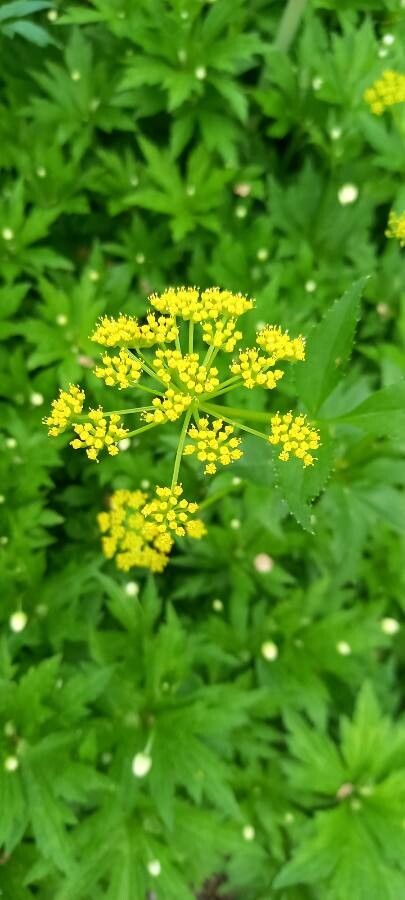
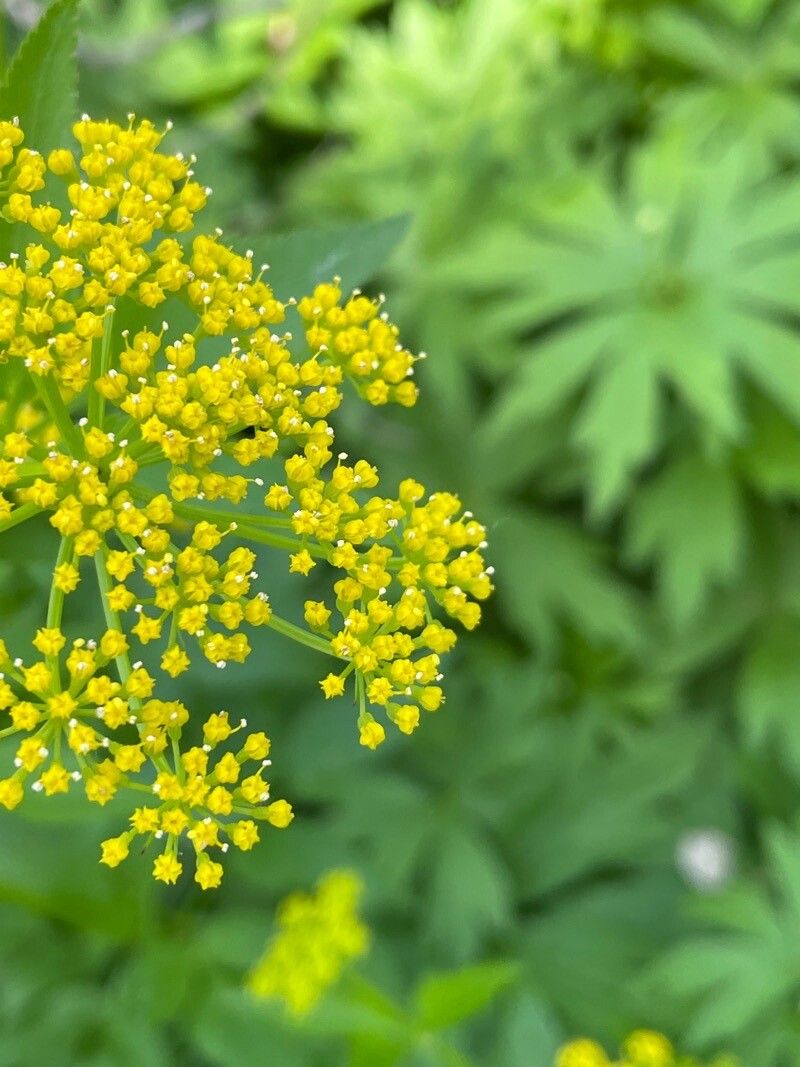
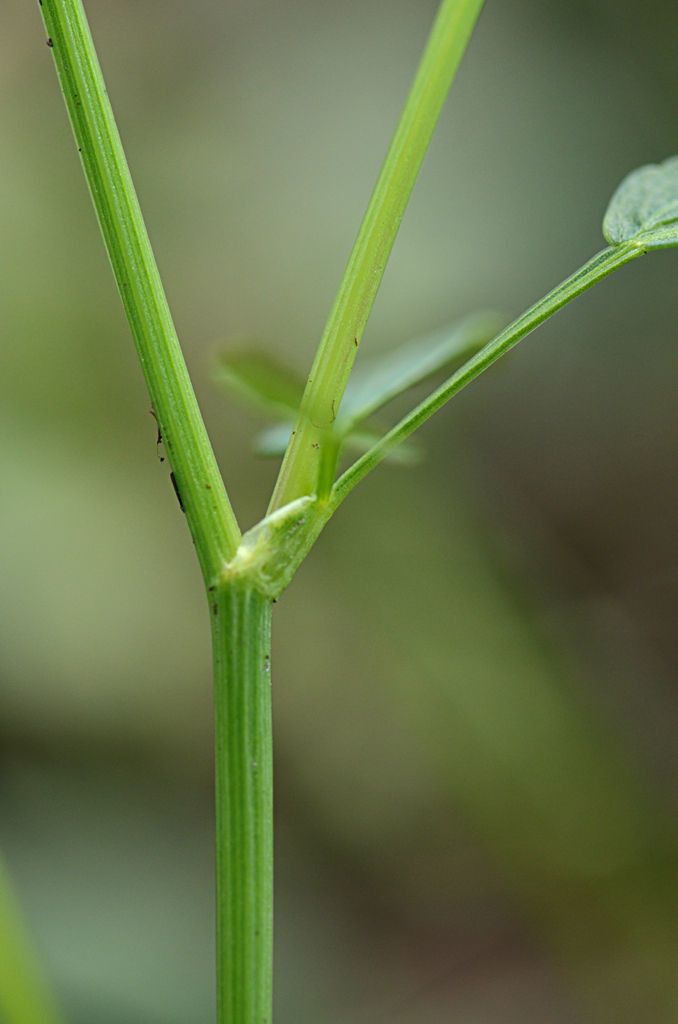
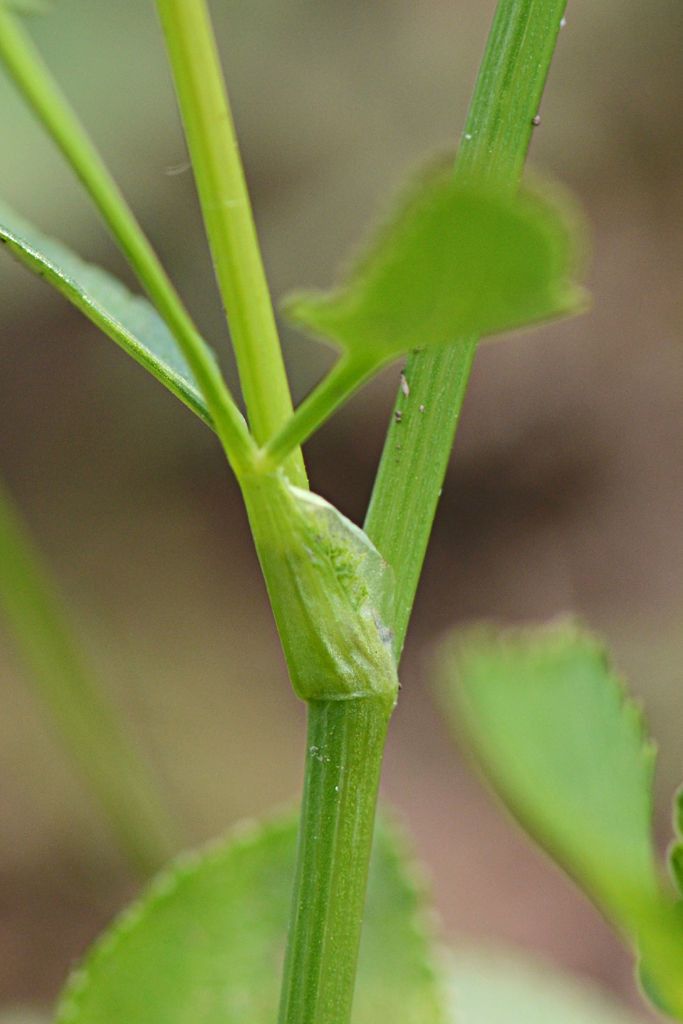
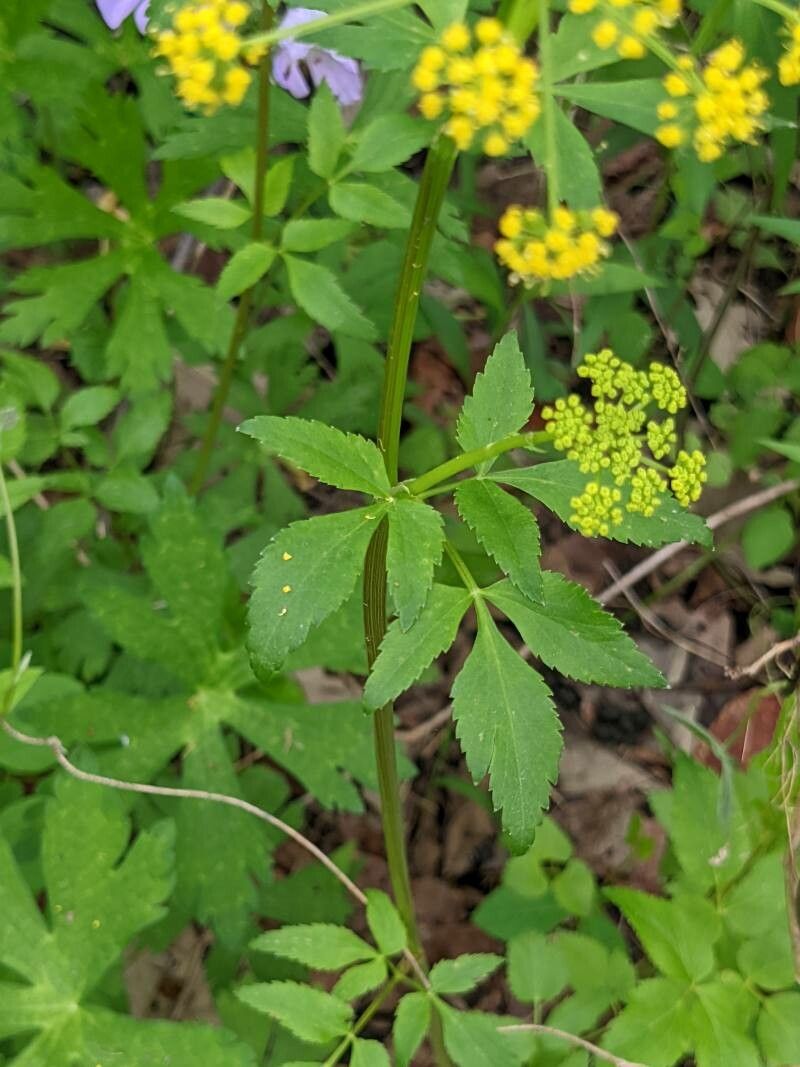
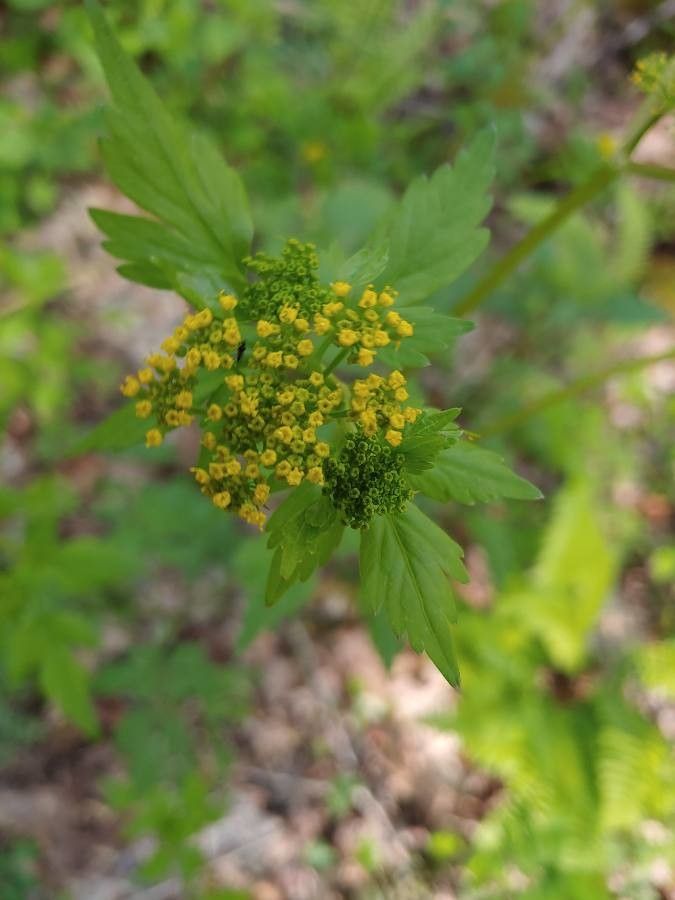
Zizia aptera is a flowering plant native to North America. Its common names include meadow zizia, golden alexanders, heart leaved golden alexanders, and prairie golden alexanders.
Meadow zizia has good disease resistance and is generally not prone to illnesses. However, it can be affected by pests and diseases present in its surroundings. These infections are typically not serious. Regarding care, this plant requires moderate maintenance. It should be pruned regularly to keep a neat appearance and support healthy growth. Applying fertilizer can also help encourage flowering. Meadow zizia is well suited to anyone with outdoor space, such as a garden or patio, and does not demand extensive care experience. It may need more attention when grown indoors.
How to keep Zizia Aptera.
Light
Meadow zizia does best in areas that are mostly exposed to sunlight throughout the day. Receiving plenty of rays promotes healthy growth, although it can survive with fewer hours of sun. Both stages of its life cycle benefit from abundant light, but excessive exposure can cause damage. Native to open grasslands, meadow zizia shows good tolerance for varied light conditions.
Water
Meadow zizia, native to temperate climates, thrives in environments with consistent moisture and well-drained soil. To maintain the right balance between drought resistance and proper hydration, it's beneficial to water the plant weekly. Although typically cultivated outdoors, meadow zizia flourishes during its active growing season, especially with the help of seasonal rainfall.
Temperature
Meadow zizia comes from habitats with temperatures between 41 and 89.6 °F (5 to 32 ℃). This generally makes warmer seasons more suitable. If temperatures fall, keeping the plant indoors or in a greenhouse can help it grow.
Fertilizer
The best time to fertilize a Meadow zizia is in early spring, as it comes out of dormancy and begins active growth. Fertilizing supplies essential nutrients for healthy development. Although Meadow zizia requires relatively little fertilizer, an annual application can improve its survival and encourage better, longer-lasting flowers.
Pruning
Meadow zizia showcases bright yellow flowers and attractive foliage. For healthier growth and to maintain its shape, prune the plant in early spring by removing any dead stems. Regular thinning improves airflow, which helps prevent disease. Additionally, pruning after the plant has flowered can boost its vigor and encourage more abundant blooms in future seasons.
Botanical profile.
- Plant Type
- Herb
- Life Cycle
- Perennial
- Genus
- Zizia
- Family
- Apiaceae
- Hardiness Zone
- 4-8
- Mature Height
- 30 cm to 91 cm
- Mature Spread
- 30 cm to 46 cm
- Leaf Color
- Green
- Leaf Type
- Deciduous
- Flower Color
- Yellow
- Flower Size
- 2.54 cm
- Bloom Time
- Mid spring, Late spring
- Planting Time
- Spring, Summer
- Harvest Time
- Early summer, Mid summer
Other names.
Reader questions.
How should I water my Meadow zizia plant?
To properly water the Meadow zizia plant, it is advisable to use filtered water at room temperature or slightly warmer. Tap water should be avoided as it may contain harmful particles. This is because the Meadow zizia plant is accustomed to a warm environment and cold water may have a negative impact. Additionally, it is recommended to not water the plant from above as it can lead to problems with the foliage. Instead, it is best to thoroughly water the soil with the filtered room temperature water until it is completely saturated. This practice benefits the plant by providing moisture to the roots and aiding in nutrient absorption.
Why should I add fertilizer to my Meadow zizia?
Fertilization is important for the Meadow zizia because it provides key nutrients for its growth. While the overall fertilization needs for the Meadow zizia are relatively low, annual fertilization can be very beneficial. It helps the plant stay alive and may improve the quality and longevity of its flowers. To ensure your Meadow zizia looks its best, it is recommended to continue with annual fertilization.
What are the sunlight requirements for Meadow zizia?
Meadow zizia thrives best in environments that are predominantly exposed to sunlight throughout the day. Full sun, defined as over 6 hours of direct sunlight, encourages healthy growth. It can, however, survive with partial sun, about 3-6 hours of sunlight. Although Meadow zizia is quite versatile and can adapt to various lighting conditions, originating from open grasslands, it has a commendable tolerance for varied light conditions. It's essential to observe the pattern of sunlight movement through your garden to ensure spots chosen for your plants have the ideal balance of light and shade.
What is the optimal temperature range for Meadow Zizia?
Meadow zizia thrives in temperatures ranging from 41 to 89.6 °F (5 to 32 °C), which typically suggests it prefers warming seasons. The plant has strong cold resistance, meaning special frost protection measures are usually not necessary during winter. However, for regions where winter temperatures might drop below -30°C, it's important to take additional cold protection steps, such as covering the plant with soil or straw. To prepare for winter, watering the plant abundantly before the first freeze in autumn is recommended to ensure the soil remains moist and enters a frozen state. This preparation helps prevent drought and water scarcity for the plant during the colder months and early spring.
What should I do if I give my Meadow zizia too much or too little water?
Overwatering is a more common problem for Meadow zizia and can cause wilting, yellowing, and diseases like root rot, mold, and mildew. Underwatering is less common but can result in brittle, brown leaves. It's important to notice signs of overwatering early to prevent irreversible damage. Reduce watering immediately if signs appear and consider improving soil drainage. In contrast, underwatering can be easily corrected by watering more regularly.
When should I fertilize my Meadow zizia?
The best time to fertilize a Meadow zizia is in late winter to early spring as it exits its dormant phase and starts actively growing. Fertilizing during this time promotes healthy growth and gives the plant a great start for the season. Fertilizing in the fall is also possible but not as beneficial. Avoid fertilizing in the summer and winter seasons.
How can artificial lighting be used for Meadow zizia?
When natural sunlight is insufficient, especially in winter or less sunny spaces, artificial lighting becomes a critical solution for Meadow zizia's growth. Suitable artificial light can help indoor plants grow faster and healthier. LED lights are recommended for their ability to provide specific wavelengths needed by plants. For optimal growth, full sun plants require 30-50W/sq ft of artificial light, partial sun plants 20-30W/sq ft, and full shade plants 10-20W/sq ft. The light source should be placed 12-36 inches above the plant to mimic natural sunlight, and the duration should match the natural daylight hours, usually 8-12 hours per day.
How does Meadow Zizia react to temperatures below -25°C?
Meadow zizia is notably cold-tolerant and typically shows no significant changes during winter when the temperature is above -25°C. However, when temperatures fall below -30°C, the plant may experience a decrease in sprouting or even fail to sprout during spring. To mitigate these effects, it's recommended to remove any parts of the plant that have failed to sprout in spring.
How often do I need to water my Meadow zizia plant?
If your Meadow zizia plant is in a pot, the best way to check if it needs water is to stick your finger into the soil. If the top two to three inches of soil feel dry, it's time to water it. If you have your Meadow zizia plant in the ground, you can use the same method to check the soil moisture. If the first few inches of soil are dry, it's time to water. Normally, you will need to water this plant once a week during spring and early fall. However, during hot weather, you may need to water it twice a week or even more. It's important to note that mature Meadow zizia plants have the ability to tolerate drought well.
When is the best time to not fertilize my Meadow zizia plant?
To avoid overfertilization and complications, it is best to only fertilize your Meadow zizia during late winter and early spring. One annual feeding during this time is sufficient due to its low fertilization needs. However, if you missed fertilizing in spring, it is permissible to feed the plant in fall. It is important to refrain from fertilizing during the rest of the growing season, including winter when the plant is in a dormant growth phase and does not put forth new growth.
What are the symptoms of inadequate lighting for Meadow zizia?
Meadow zizia displays several symptoms when exposed to inadequate lighting, including smaller new leaves, leggy or sparse growth, faster leaf drop, slower or stopped new growth, and lighter-colored or irregularly colored new leaves. In cases of excessive sunlight, symptoms may include chlorosis, where leaves lose their green color, sunscald with damages from intense sunlight exposure, leaf curling as a defense mechanism against excessive sunlight, wilting due to increased water loss, and leaf scorching characterized by dry, crispy leaf edges. These symptoms indicate a need to adjust the plant's light exposure.
What should be done if Meadow Zizia experiences high temperatures above 32°C?
During the summer, it's crucial to ensure that Meadow zizia is not exposed to temperatures above 32°C. Exceeding 35°C can lead to lighter leaf colors, curling leaves, susceptibility to sunburn, and, in severe cases, the whole plant may wilt and dry out. To protect Meadow zizia from these conditions, you should trim away any sunburned or dried-up parts of the plant. Additionally, relocating the plant to a shaded area or using a shade cloth to provide protection from midday and afternoon sun is beneficial. Watering the plant in the morning and evening to maintain soil moisture is also advisable.