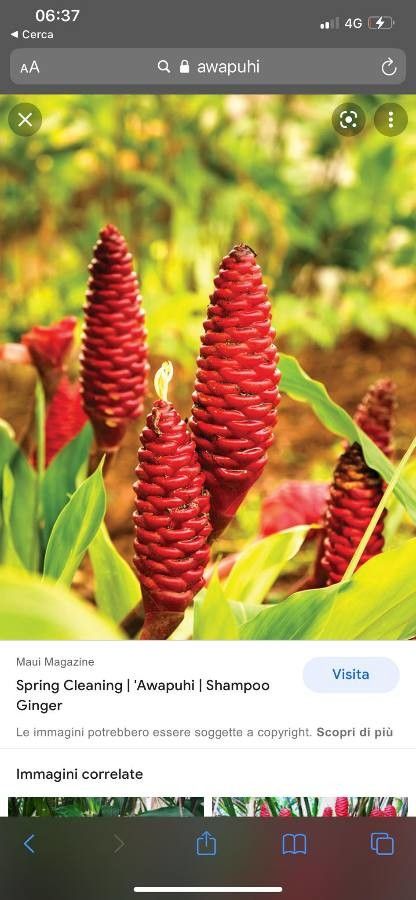
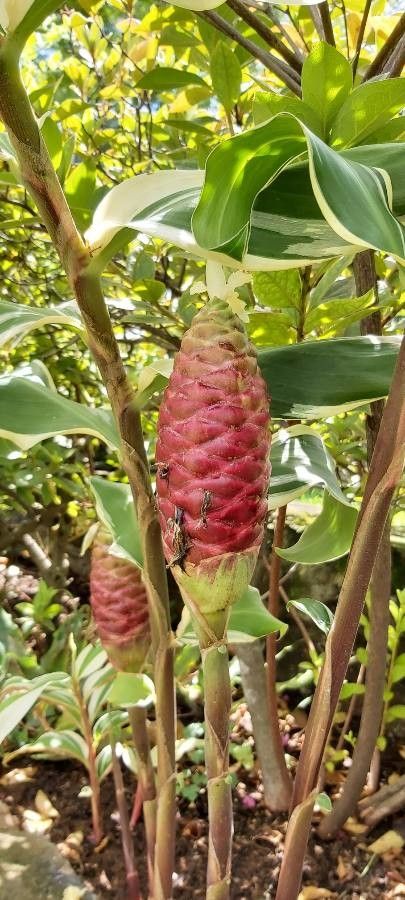
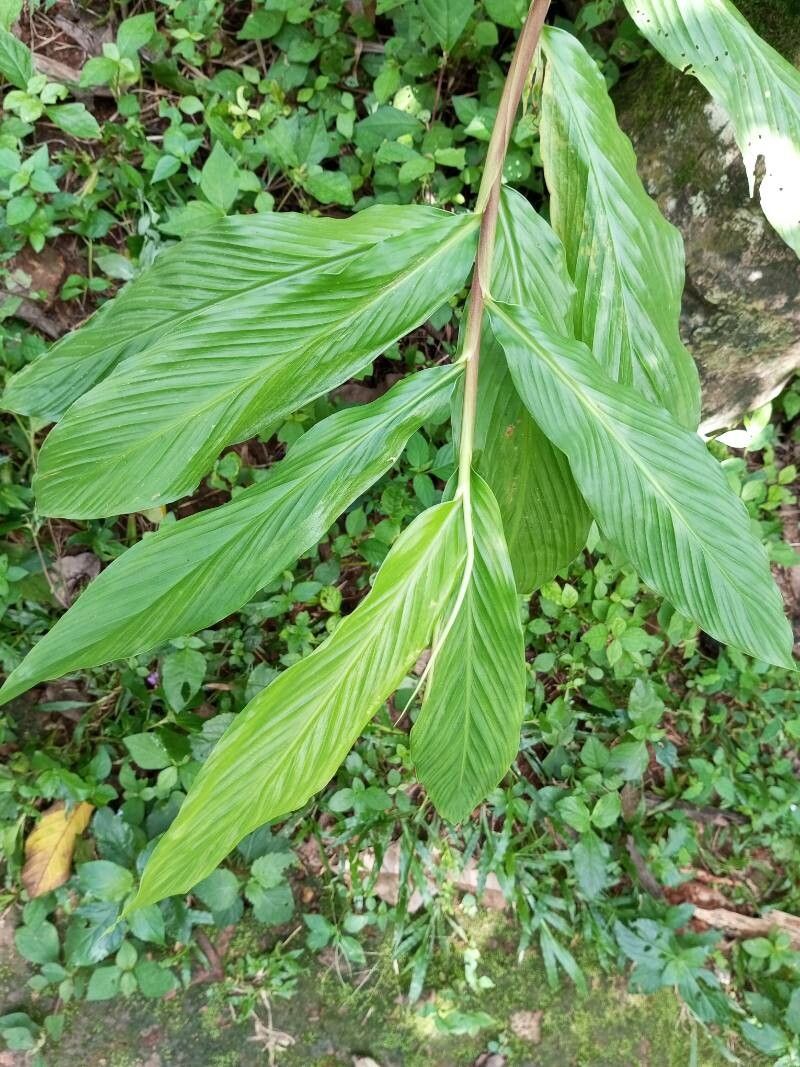
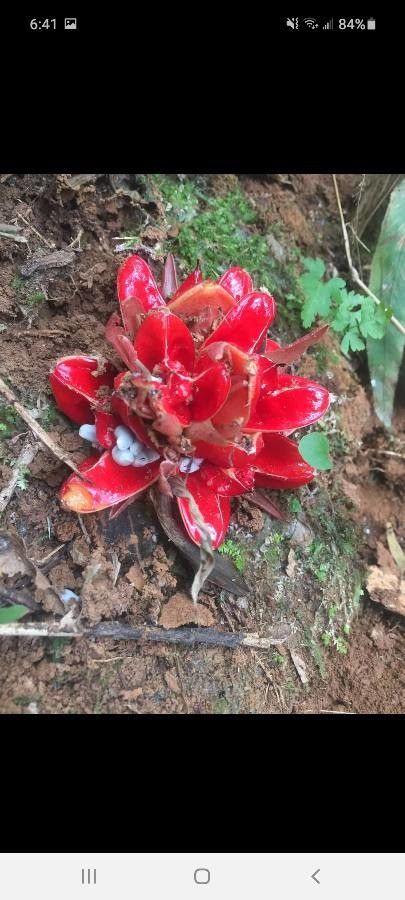
Zingiber zerumbet, commonly known as bitter ginger or shampoo ginger, is a perennial herbaceous plant belonging to the Zingiberaceae family. Native to Southeast Asia, it is found in countries including India, Malaysia, and Indonesia.
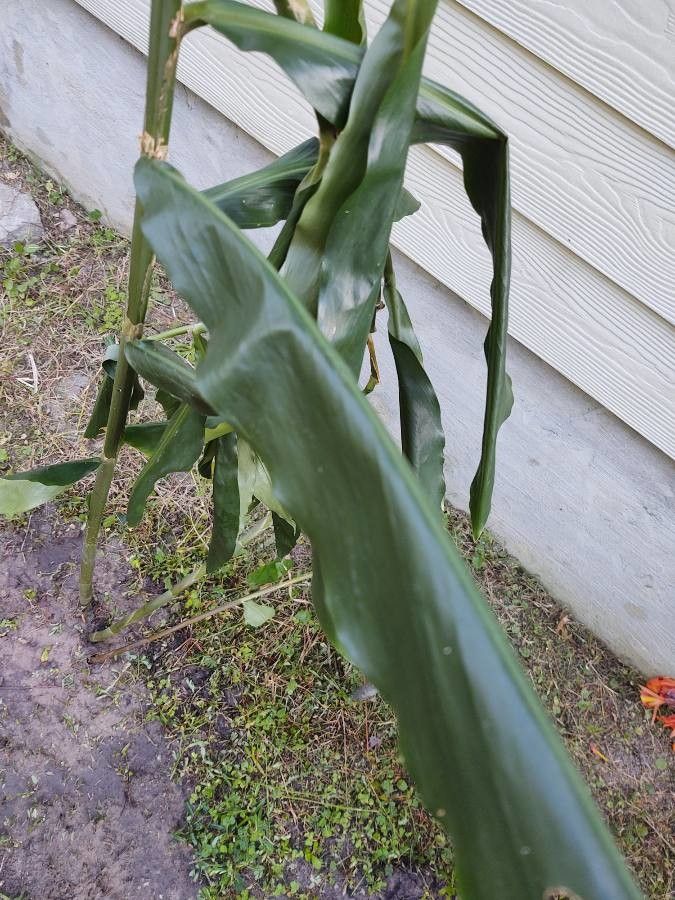
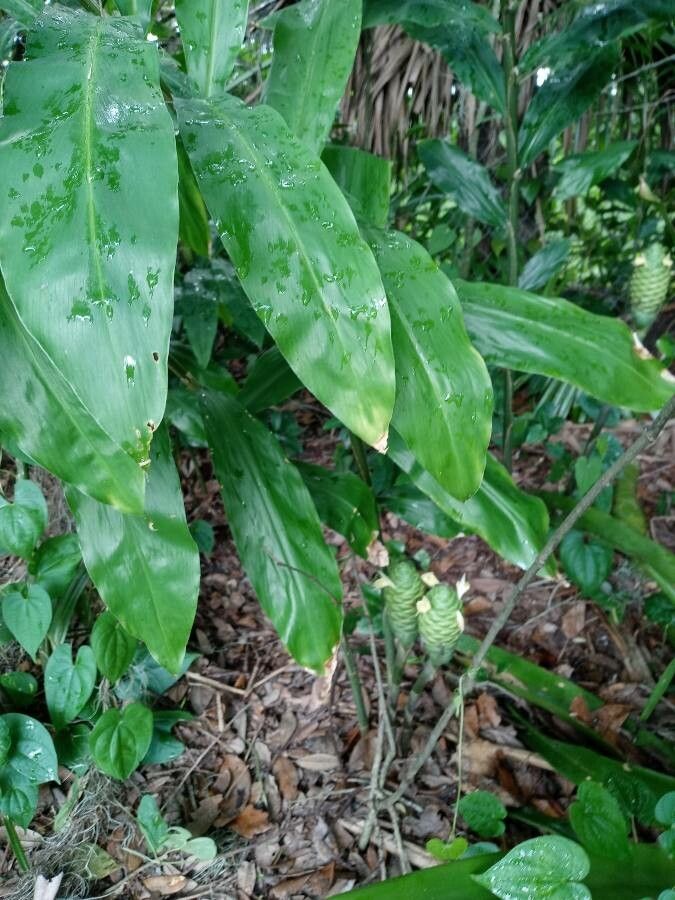
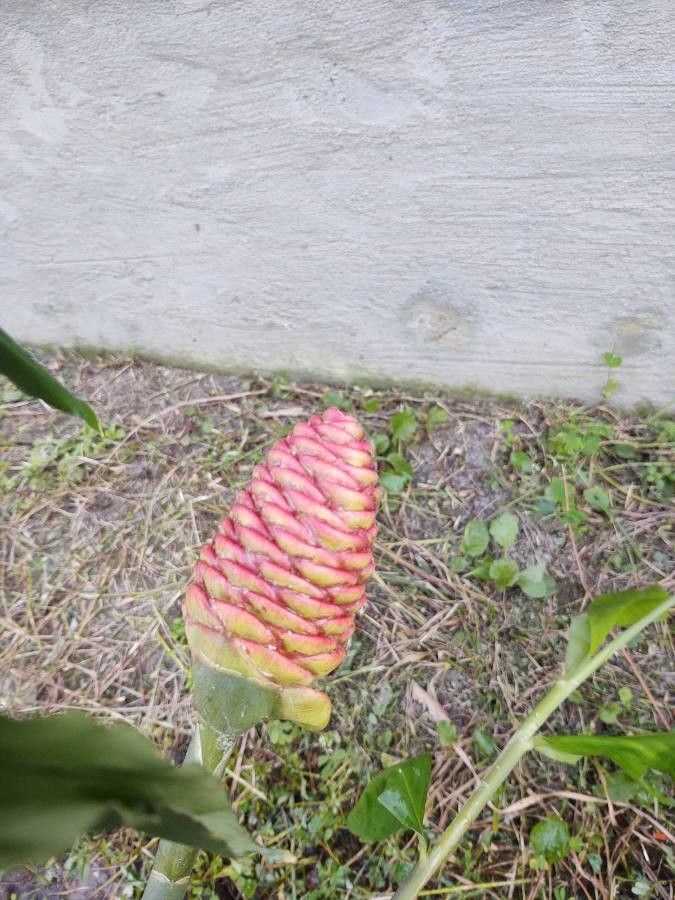
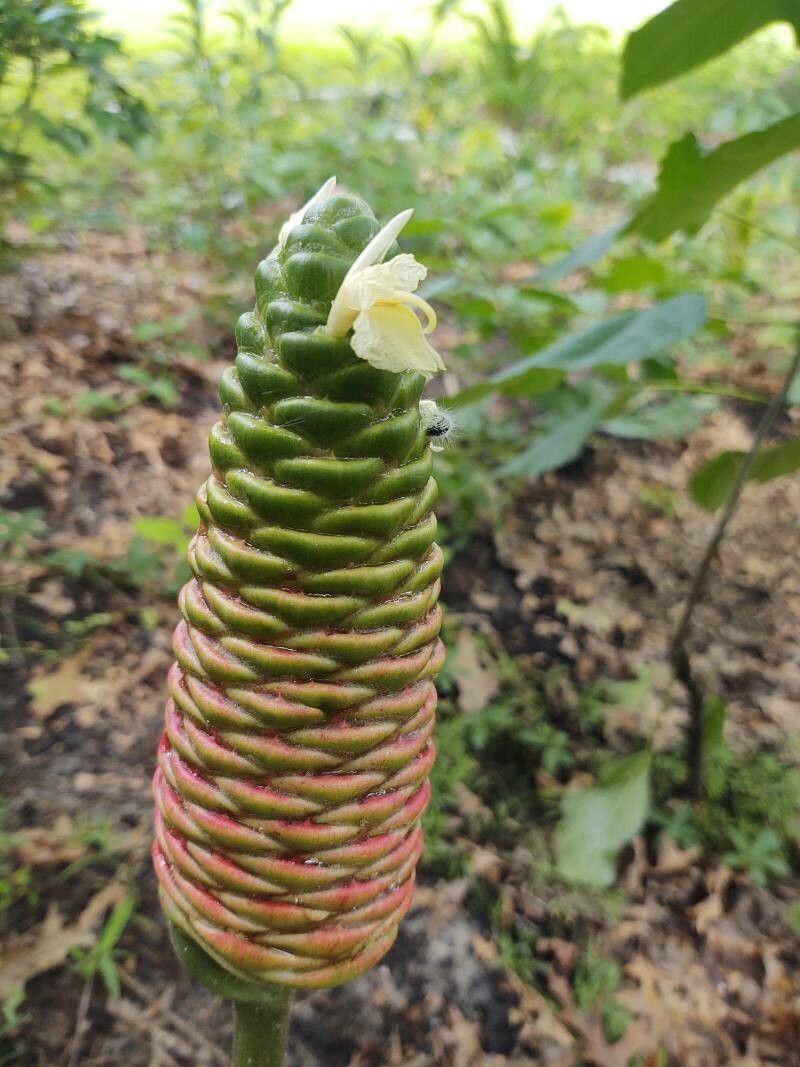
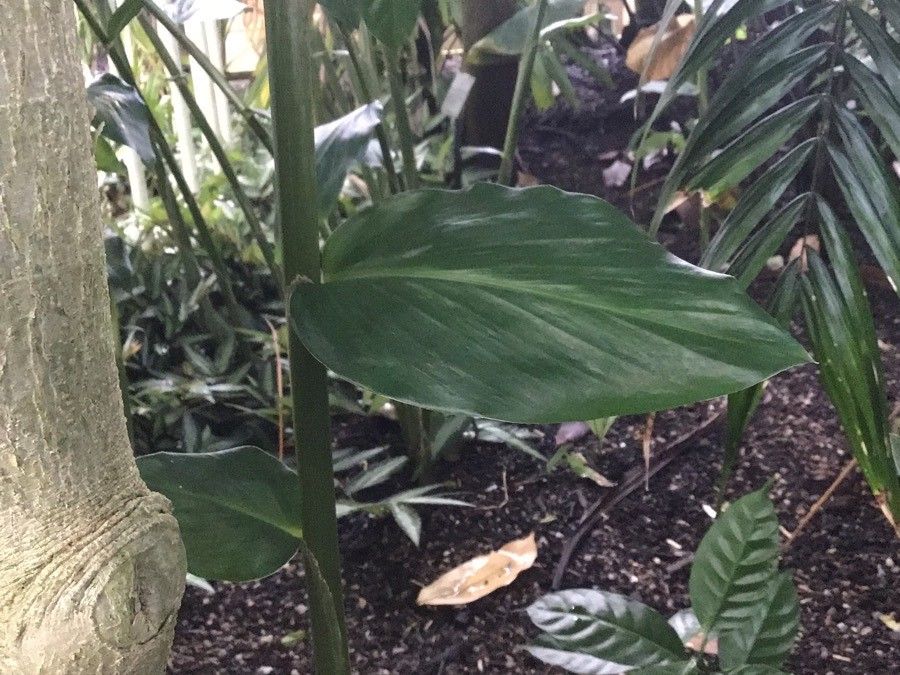
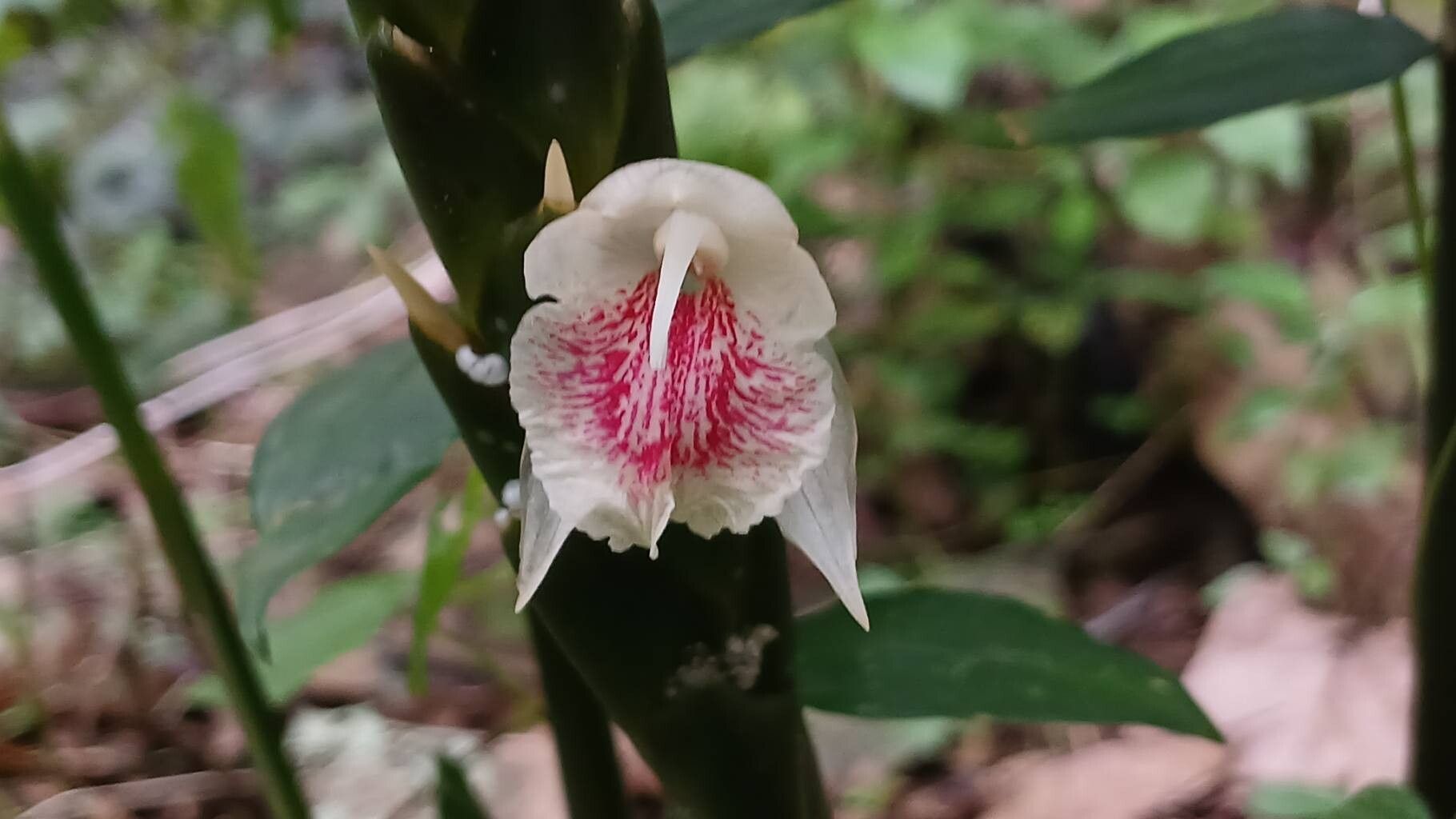
The plant can grow up to 2 meters tall and features long green leaves arranged alternately on the stem. Its flowers are cone-shaped, with yellow-green petals and red stamens that extend from the tip of the cone.
Zingiber zerumbet has been used for centuries in traditional medicine due to its anti-inflammatory properties. The plant's rhizomes contain essential oils, such as zingerone, which gives it a spicy aroma similar to ginger.
Apart from its medicinal benefits, Zingiber zerumbet is also utilized in culinary applications. The rhizomes can be grated or sliced thinly and added to dishes such as curries or stir-fries, imparting a unique flavor.
Overall, Zingiber zerumbet is a versatile plant with both medicinal and culinary uses, making it an important part of Southeast Asian culture.
Bitter ginger has good resistance to disease and is generally not susceptible to illnesses. However, it can be affected by pests and diseases present in its environment. Such infections are typically not severe. Regarding care, this plant demands moderate maintenance. It should be pruned regularly to preserve an attractive appearance and support healthy growth. Applying fertilizer can also encourage flowering. Bitter ginger is appropriate for anyone with outdoor areas like a garden or patio and does not require extensive gardening experience. It may need more attention when grown indoors.
How to keep Zingiber Zerumbet.
Light
Bitter ginger flourishes in locations with moderate light, similar to a canopy that filters strong sunlight. It can tolerate greater sun exposure, but excessively intense light can be detrimental. Its growth stages do not require different sunlight conditions. The species' native habitat presents this type of light-filtering environment.
Water
Bitter ginger thrives in tropical regions with high humidity and consistent moisture. It prefers to be watered weekly, although it can withstand short periods of dryness. This plant is best suited for outdoor cultivation in warm climates, where it benefits from natural rainfall and flourishes during its growing season with lush foliage.
Humidity
This plant needs special care because it loves high humidity levels of 60-80% or more. The best way to achieve this is by placing a humidifier near the plant. Daily misting is also essential! Make sure the room has good ventilation.
Temperature
Bitter ginger grows best at temperatures of 68 to 95 ℉ (20 to 35 ℃). In its natural habitat, this plant flourishes in tropical and subtropical areas that remain warm year-round. In colder seasons, the ambient temperature can be managed by bringing it indoors or using heat lamps.
Fertilizer
The best time to fertilize Bitter ginger is in early spring, as it comes out of dormancy and begins active growth. Fertilizing supplies essential nutrients for healthy growth. Although Bitter ginger needs relatively little fertilizer, applying it annually can improve its survival and encourage better, longer-lasting flowers.
Pruning
To ensure healthy growth of bitter ginger, it's best to prune it in early spring. Removing dead stems at this time helps to boost new growth. Cut the stems back to their base to shape the plant and encourage new shoots. This not only improves air circulation but also reduces the risk of disease and promotes flowering. For effective maintenance, always use clean, sharp tools.
Pot & Repot
When repotting Bitter ginger, select a pot 1–2 inches (2.5–5.1 cm) larger that has ample drainage. Use a well-draining potting mix. Repot in spring or fall, making sure the root ball sits slightly lower than the rim of the flower pot. Water thoroughly after repotting and place it in a warm spot with indirect sunlight.
Botanical profile.
- Plant Type
- Herb
- Life Cycle
- Perennial, Annual
- Genus
- Zingiber
- Family
- Zingiberaceae
- Hardiness Zone
- 9-10
- Mature Height
- 1.22 m
- Mature Spread
- 1.83 m
- Leaf Color
- Green
- Leaf Type
- Semi-evergreen
- Flower Color
- Yellow
- Flower Size
- 3.05 cm to 6.35 cm
- Bloom Time
- Late spring, Early summer, Mid summer
- Planting Time
- Spring
- Harvest Time
- Mid summer, Late summer
- Native Area
- India, Malaysia, Cambodia, Vietnam, Myanmar, Philippines, Bangladesh, Laos, Brunei, Thailand, China
Other names.
Reader questions.
How should I water my Bitter ginger plant to keep it healthy?
When watering the Bitter ginger, it's important to use filtered water at room temperature. Tap water may have harmful particles, so filtered water is preferred. The Bitter ginger is native to warm environments, so using cold water can be a shock. Additionally, avoid overhead watering as it can cause issues with the leaves. Instead, gently pour the filtered room temperature water onto the soil until it is completely soaked. This helps moisten the roots and allows them to spread and absorb nutrients effectively.
Why should I use fertilizer on my Bitter ginger plant?
Fertilization is important for the Bitter ginger because it provides necessary nutrients for the plant's overall growth. Despite having relatively low fertilization needs, annual fertilization can greatly benefit the Bitter ginger. It helps keep the plant alive and promotes the production of better flowers that last longer. Therefore, those who want their Bitter ginger to look its best should make sure to fertilize it annually.
What are the sunlight requirements for bitter ginger?
Bitter ginger requires moderate levels of light, similar to filtered light in its natural habitat, and can also tolerate more sun exposure. However, excessive light intensity may harm its health. It thrives in conditions of partial to full sun, needing about 3-6 hours of sunlight for 'Partial sun' and above 6 hours for 'Full sun'. It's important to watch how sunlight moves through your garden to ensure plants receive the perfect balance of light and shade, ensuring their happiness and optimal growth.
What temperature range is ideal for Bitter Ginger?
Bitter ginger thrives best in a temperature range of 68 to 95°F (20 to 35°C). It is well suited for tropical and subtropical climates where warm temperatures prevail year-round. To maintain optimal growth conditions in cooler seasons, it can be beneficial to move the plant indoors or use heat lamps. Bitter ginger has some degree of cold tolerance, generally not requiring special measures if temperatures stay above 0°C. However, if temperatures are forecasted to dip below freezing, temporary cold protection should be implemented by wrapping the plant with materials like plastic film or fabric, which should be removed once temperatures rise.
What can I do if I give too much or too little water to my Bitter ginger plant?
Overwatering is a more common problem for Bitter ginger plants and can cause wilting, yellowing, and diseases like root rot, mold, and mildew. Underwatering is less likely but can result in brittle, brown leaves. It's important to recognize the signs of overwatering early and reduce watering immediately. If the soil drains poorly, replace it with a well-draining mix. If underwatering is the issue, simply water more regularly until the plant improves.
When should I add fertilizer to my Bitter ginger plant?
The best time to fertilize a Bitter ginger is in late winter to early spring when it's transitioning from dormancy to active growth. Fertilizing during this time promotes healthy growth and sets the plant up for a successful season. Fertilizing in early spring is preferred, but it's also acceptable to fertilize in the fall. However, it's not recommended to feed the Bitter ginger in summer or winter.
How do I use artificial lighting for indoor bitter ginger plants?
Indoor bitter ginger plants require adequate lighting for optimal growth, especially when natural sunlight is insufficient, such as in winter or less sunny spaces. Artificial lights, including LED lights, are beneficial, providing the specific wavelengths of light that plants need. For full sun plants, 30-50W/sq ft of artificial light is needed; partial sun plants need 20-30W/sq ft, and full shade plants require 10-20W/sq ft. The light source should be placed 12-36 inches above the plant, mimicking natural sunlight, and most plants need 8-12 hours of light per day to promote faster, healthier growth.
How does Bitter Ginger respond to low temperatures?
Bitter ginger possesses a moderate tolerance to low temperatures but performs best when kept above 20°C. Keeping it above 0°C during winter is advisable. If exposed to temperatures below -5°C, the leaves may droop, with the possibility of recovery in mild cases. However, severe cold exposure can cause leaves to wilt and eventually fall off. The recommended solution for frost damage includes trimming off the frost-affected parts and wrapping the plant with non-woven fabric or cloth to protect it from low temperatures and cold wind.
How frequently do I need to water my Bitter ginger plant?
Determining when to water your Bitter ginger plant depends on whether it is in a pot or grown in the ground. For potted plants, the most accurate way is to check the soil moisture by inserting your finger. If the top two to three inches of soil are dry, it is time to water. If your Bitter ginger is planted outdoors, you can use the same method. When the first few inches of soil are dry, it indicates the need for watering. Typically, during spring and early fall, watering once a week is sufficient. However, during hot weather, you may need to increase watering to twice or more per week. It's worth noting that mature and well-established Bitter ginger plants can withstand drought and require less frequent watering.
When is it not a good idea to fertilize my Bitter ginger?
To properly fertilize your Bitter ginger, it is best to do so in late winter or early spring. This plant doesn't require much fertilization, so a single annual feeding is sufficient. It's important to avoid overfertilization by not continuing to fertilize during spring, summer, and fall. However, if you missed fertilizing in spring, it is permissible to feed the plant in the fall. Additionally, there is no need to fertilize the Bitter ginger during winter. During this time, the plant enters a dormant phase with no new growth, so fertilization is not recommended.
What are the symptoms of light deficiency in bitter ginger?
Symptoms of light deficiency in bitter ginger include smaller new leaves compared to mature ones, leggy or sparse growth, faster leaf drop, slower or no new growth, lighter-colored new leaves, and conditions such as chlorosis, sunscald, leaf curling, wilting, and leaf scorching. These symptoms indicate poor light conditions, excessive sunlight, or insufficient sunlight, affecting the plant’s ability to photosynthesize and maintain healthy growth.
What should be done if Bitter Ginger is exposed to high temperatures?
During the summer, it is important to ensure that Bitter ginger is kept below 35°C. Exposure to temperatures above 41°C can lead to a discoloration of the leaves, drying and withering of leaf tips, leaf curling, and increased susceptibility to sunburn. To mitigate damage from high temperatures, trim away sunburned and dried-up parts. Relocate the plant to a shaded area or use a shade cloth to protect it from the harsh midday and afternoon sun. Additionally, watering the plant in the morning and evening helps keep the soil adequately moist.