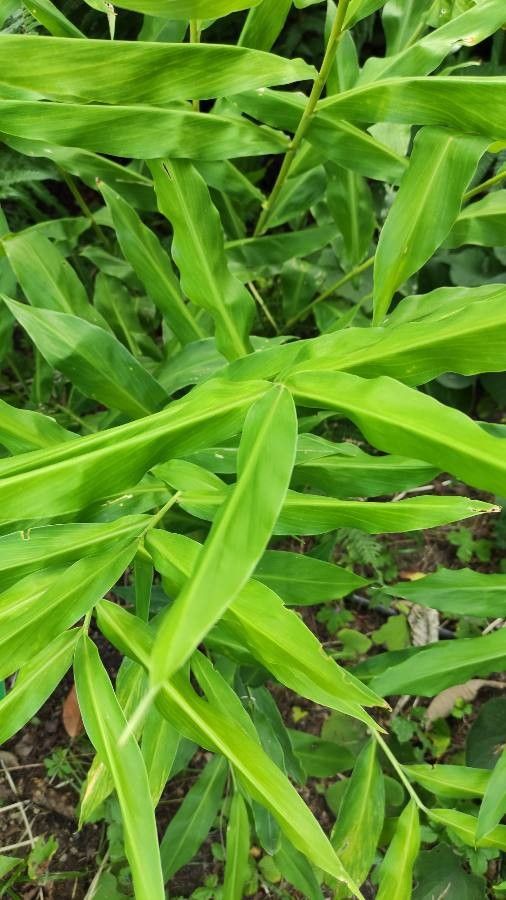
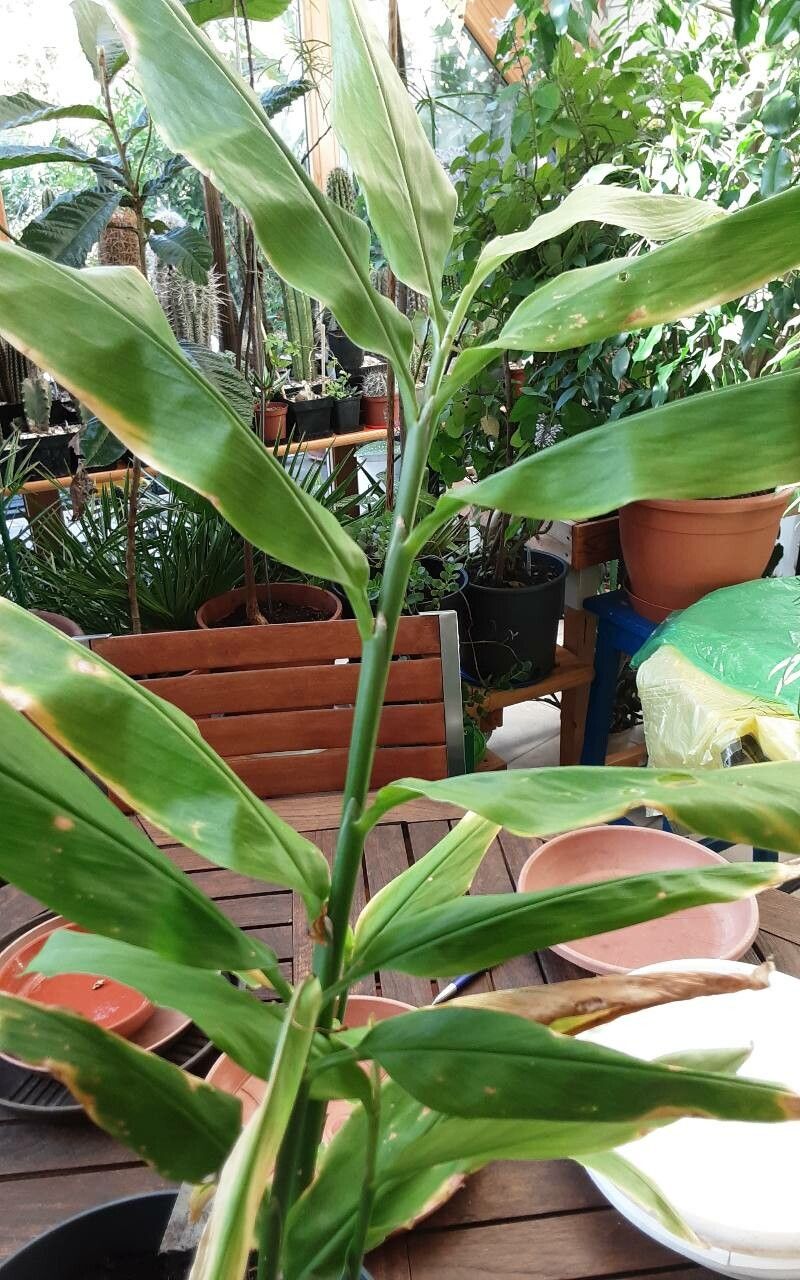
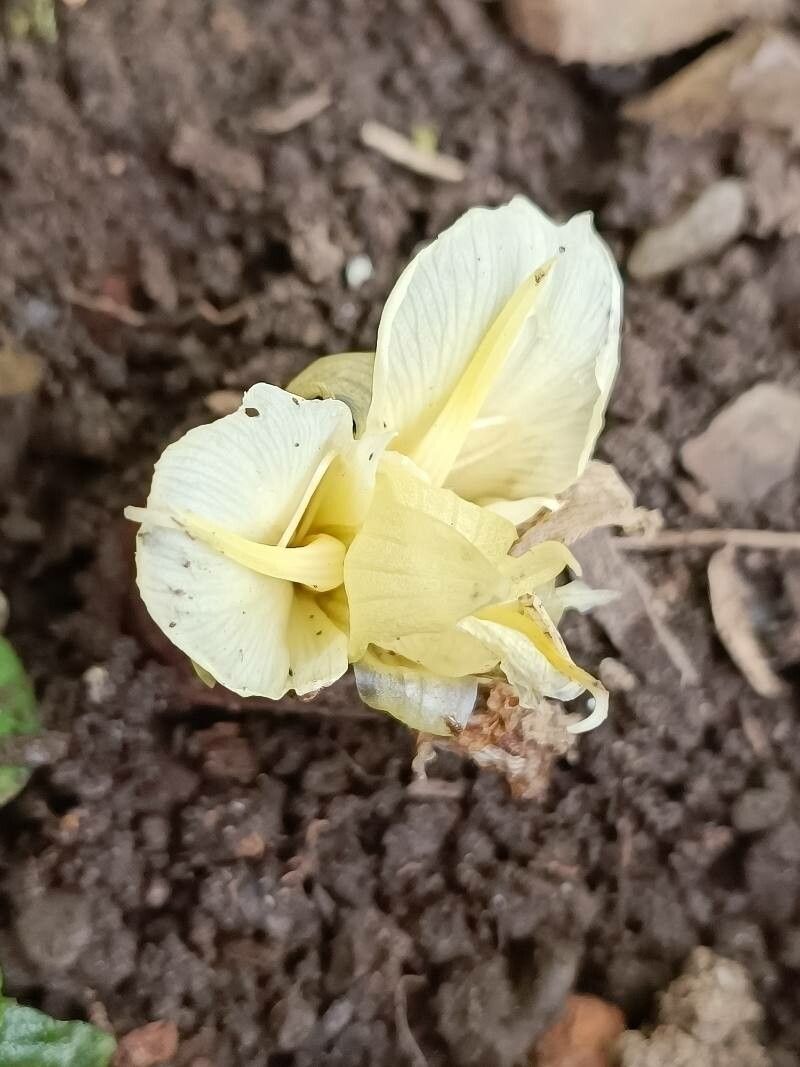
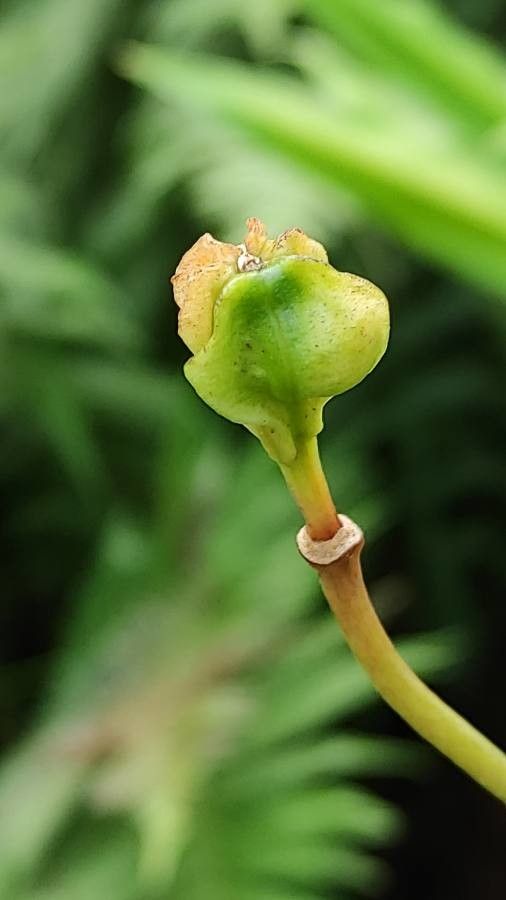
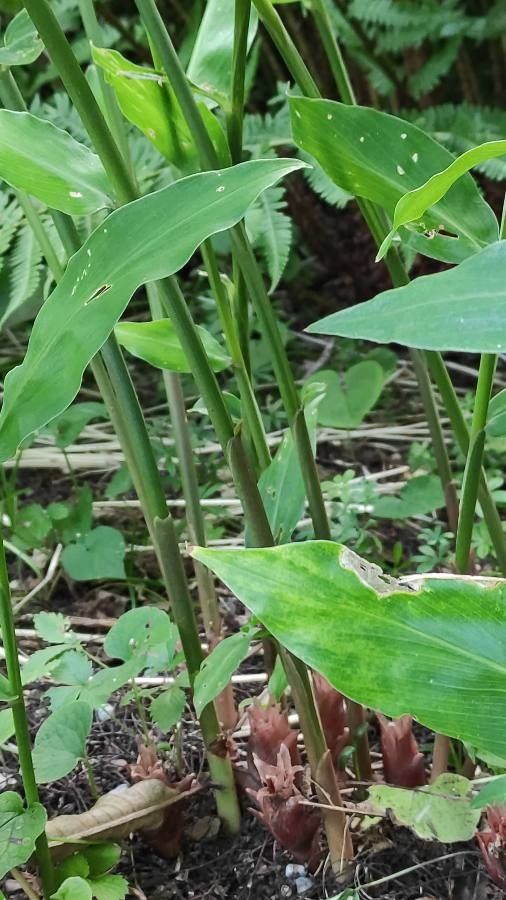
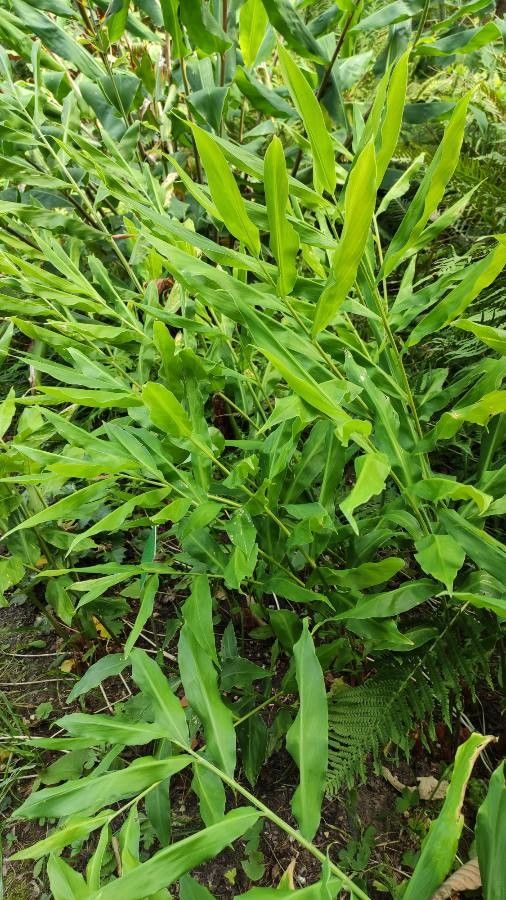
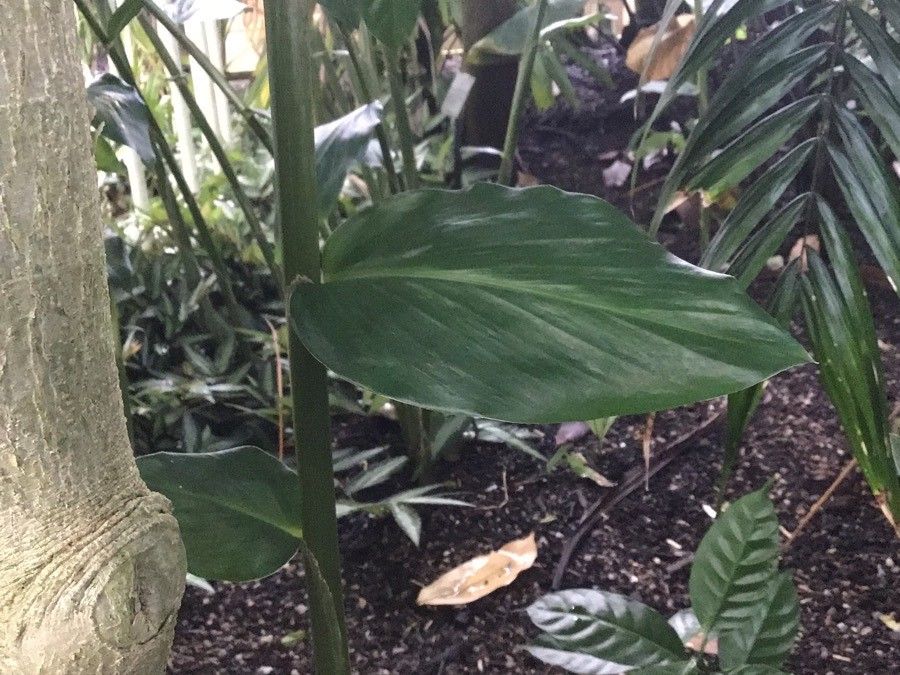
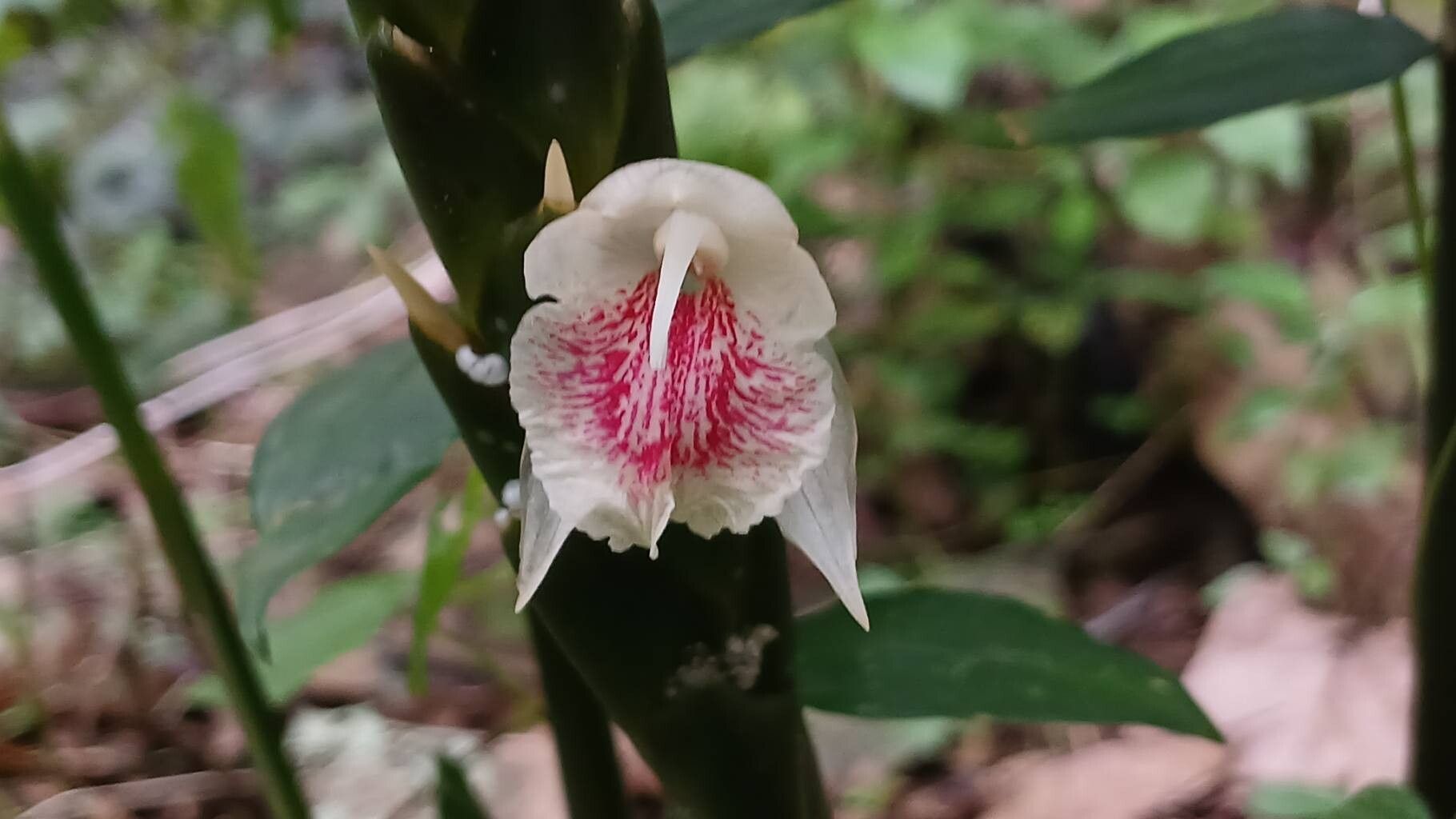
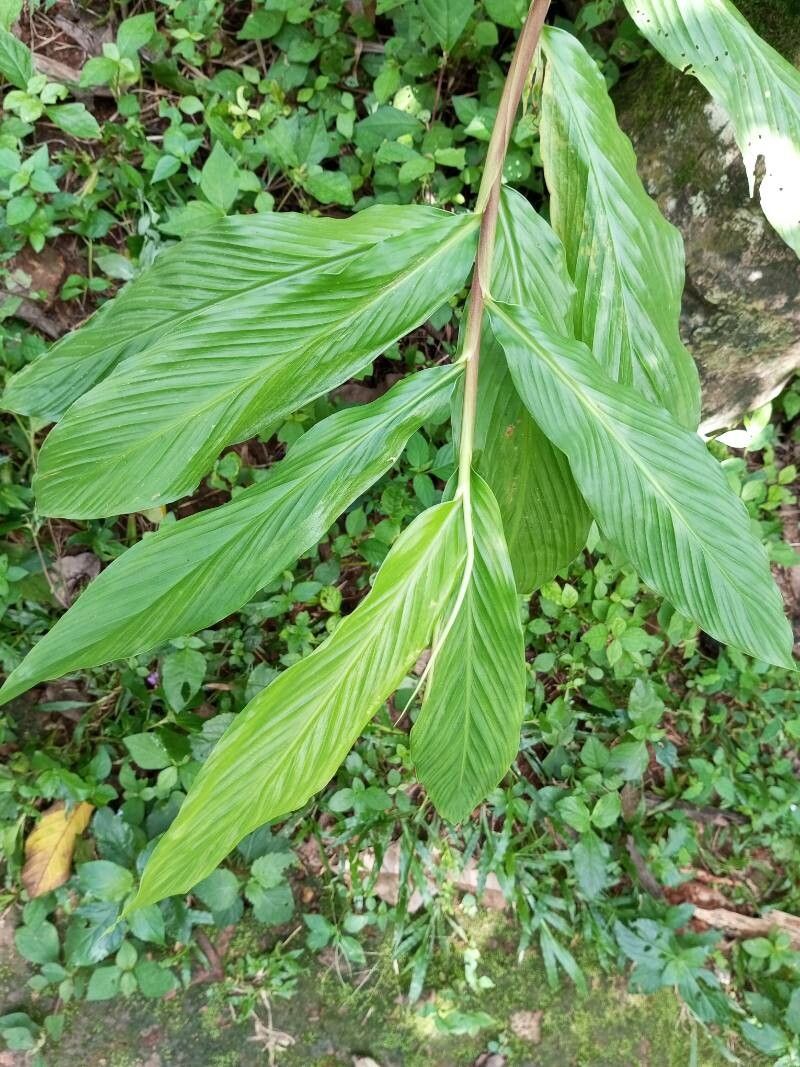
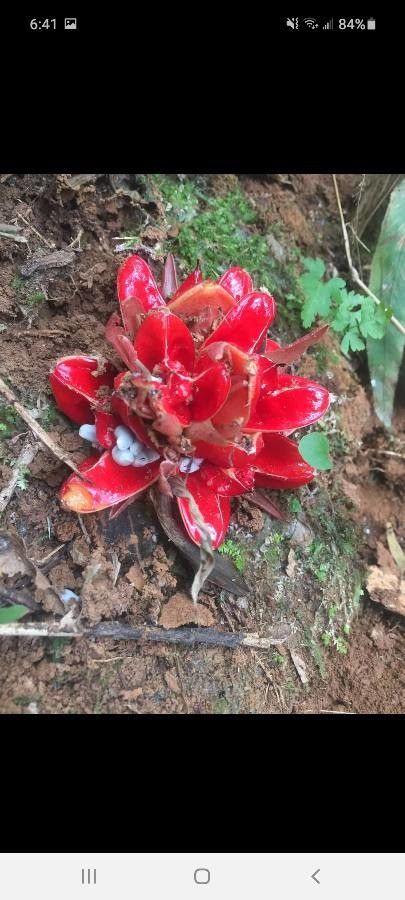
Myoga, myoga ginger or Japanese ginger (myōga (茗荷)) is the species Zingiber mioga in the family Zingiberaceae. It is a deciduous herbaceous perennial native to Japan, China, and the southern part of Korea. Only its edible flower buds and flavorful shoots are used in cooking. The flower buds are finely shredded and used in Japanese cuisine as a garnish for miso soup, sunomono, and dishes such as roasted eggplant. In Korean cuisine, the flower buds are skewered alternately with pieces of meat and then are pan-fried.
Japanese ginger is fairly resistant to disease and generally does not get sick easily. Nonetheless, it can be affected by pests and pathogens present nearby. Such infections are normally mild. In terms of care, this plant needs moderate maintenance. Regular pruning is required to keep its appearance neat and to support healthy growth. Fertilizing can also help encourage flowering. Japanese ginger suits anyone with outdoor space, like a garden or patio, and does not demand much plant-care experience. It may need more attentive care when grown indoors.
How to keep Zingiber Mioga.
Light
Japanese ginger prefers moderate sunlight, leaning toward full light because it originally grew along forest edges. Too much sun can scorch the leaves, while insufficient light can restrict optimal growth. Its light requirements can vary with different life stages.
Water
Japanese ginger, native to East Asian forests, thrives best in consistently moist soil and requires weekly watering to support its growth. Although it prefers outdoor environments, mulching around the plant is beneficial. Mulch helps retain moisture, mimicking its natural leaf litter habitat. This practice ensures the plant stays well-hydrated without the risk of either drought or waterlogging.
Temperature
Japanese ginger originates from cool climates and does best at temperatures from 50 to 77 °F (10 to 25 ℃). Being native to temperate areas, it can adjust to cooler seasons when needed. Making gradual temperature changes across seasons is ideally beneficial.
Fertilizer
Early spring, when Japanese ginger is coming out of dormancy and beginning active growth, is the best time to fertilize it. Fertilizer supplies essential nutrients for healthy growth. Although Japanese ginger has relatively low fertilization needs, applying fertilizer once a year can boost its survival and encourage better, longer-lasting flowers.
Pruning
Japanese ginger is a clump-forming perennial known for its edible flower buds. To encourage fresh growth, prune dead leaves in early spring and thin out dense clumps to enhance airflow. Make sure to use clean, sharp shears to cut the stems at the base. Consistent annual pruning supports healthier plants and promotes vigorous growth.
Pot & Repot
Repot Japanese ginger every 2 to 3 years in early spring. Be sure to leave 2 to 3 inches of space around the root ball to allow for growth. Keep the soil consistently moist, but avoid overwatering. Provide indirect light to help the plant recover gently. With these care guidelines, you can ensure optimal health for this easy-to-manage culinary plant.
Botanical profile.
- Plant Type
- Herb
- Life Cycle
- Perennial
- Genus
- Zingiber
- Family
- Zingiberaceae
- Hardiness Zone
- 6
- Mature Height
- 1.22 m
- Mature Spread
- 40 cm
- Leaf Color
- Green
- Leaf Type
- Deciduous
- Flower Color
- White
- Flower Size
- 3.05 cm to 5.08 cm
- Bloom Time
- Mid summer, Late summer
- Planting Time
- Spring
- Harvest Time
- Early fall, Mid fall
- Native Area
- Japan, China
Other names.
Reader questions.
What are the sunlight requirements for Japanese Ginger?
Japanese ginger requires moderate sunlight exposure, favoring closer to full light exposure due to its native habitat at forest edges. This plant needs about 3-6 hours of sunlight for partial sun exposure, and above 6 hours for full sun exposure. However, excessive sun might result in leaf scorch, while insufficient light could hinder optimal growth. It's crucial to watch how sunlight moves through your garden and choose spots that offer a balance of light and shade, ensuring the plant's well-being.
What is Japanese ginger and where is it native to?
Japanese ginger, also known by its botanical name Zingiber mioga, is native to cool climates. It flourishes in temperatures ranging from 50 to 77 °F (10 to 25 °C), indicative of its preference for temperate regions. This plant is adept at adapting to cooler seasons, benefitting from gradual temperature adjustments across different seasons.
How does artificial lighting support Japanese ginger's growth indoors?
When natural sunlight is not enough, especially in winter or less sunny spaces, artificial lighting becomes crucial for the growth of Japanese ginger indoors. Adequate lighting is essential, and LED lights are a popular choice because they can be customized to provide the specific wavelengths plants need. Full sun plants require 30-50W/sq ft, partial sun 20-30W/sq ft, and full shade 10-20W/sq ft of artificial light. The light source should be placed 12-36 inches above the plant and kept on for 8-12 hours per day to mimic natural daylight.
How does Japanese ginger adapt to cold temperatures and what are the recommended winter care steps?
Japanese ginger is highly cold-tolerant and does not require extra measures for frost protection during winter. However, it is advised to water the plant generously before the first freeze of autumn. This ensures the soil remains moist as it enters a frozen state, helping to prevent drought and water scarcity during the winter and early spring months.
What symptoms indicate Japanese ginger is not receiving enough light?
Japanese ginger may show several symptoms when it doesn't get enough light, including smaller new leaves, leggy or sparse growth, accelerated leaf drop, slower or halted growth, paler new leaves, chlorosis, and sunscald. Leaf curling, wilting, and leaf scorching are additional signs, particularly under excessive sunlight. These symptoms showcase the plant's struggle with either too little or too much light exposure.
What should be done if the winter temperature drops below -25°C for Japanese ginger?
Although Japanese ginger is extremely cold-tolerant, it's important to ensure that winter temperatures stay above -25°C. If temperatures fall below this threshold, there may not be noticeable changes during winter, but issues such as a decrease in sprouting or no sprouting at all could occur in spring. If this happens, it's recommended to remove any parts of the plant that have failed to sprout in spring.
What solutions can improve light conditions for Japanese ginger?
To optimize light conditions for Japanese ginger, indoor plants can be shifted gradually to sunnier spots until they receive the ideal 3-6 hours of direct sunlight daily. Using artificial light, like desk or ceiling lamps for at least 8 hours daily or investing in grow lights, can also help. For outdoor plants, moving them to a sunnier location step by step weekly helps them adapt without getting sunburned. If plants are grounded and suffering from light obstruction, consider reducing these obstructions, like pruning branches or moving smaller plants to sunnier spots during their dormant period for better light exposure and growth.
How does Japanese ginger react to high temperatures and what are the suggested solutions?
Japanese ginger does not tolerate high temperatures well. Growth stops and the plant becomes more susceptible to rot when temperatures exceed 25°C. To mitigate this, trim away any sunburned and dried-up parts. Move the plant to a cooler location that is shaded from the midday and afternoon sun or use a shade cloth. Additionally, water the plant in the morning and evening to maintain soil moisture.