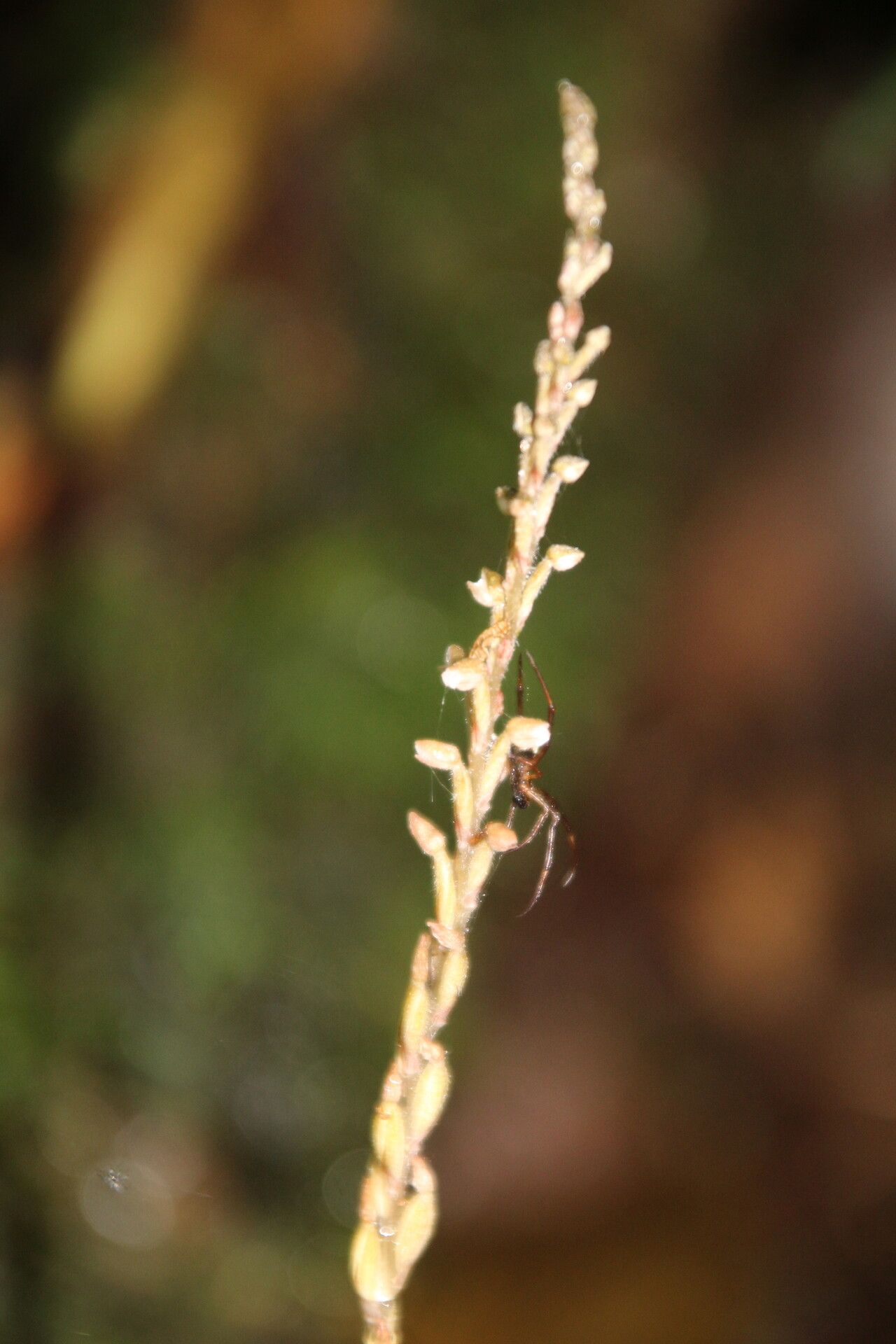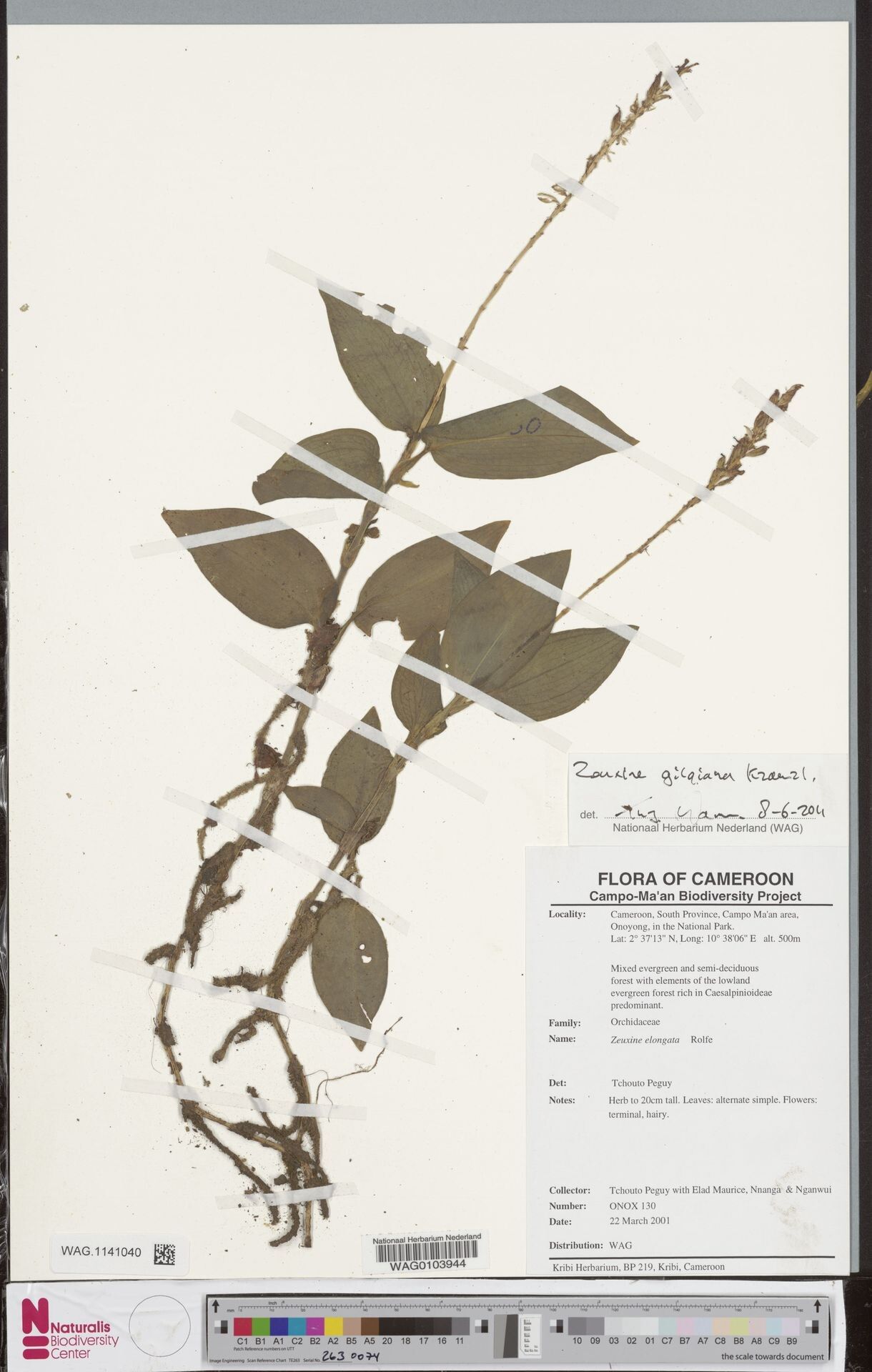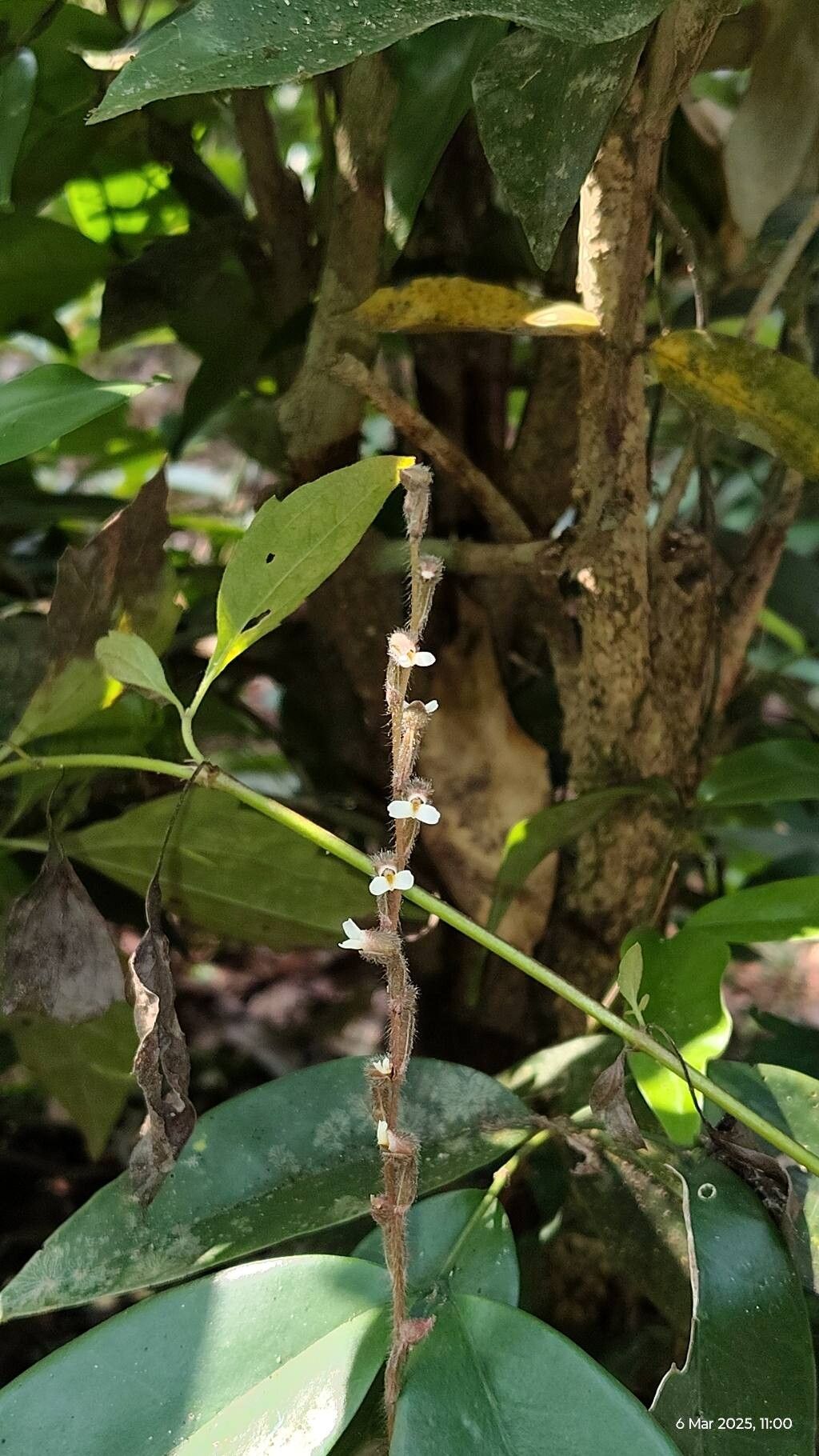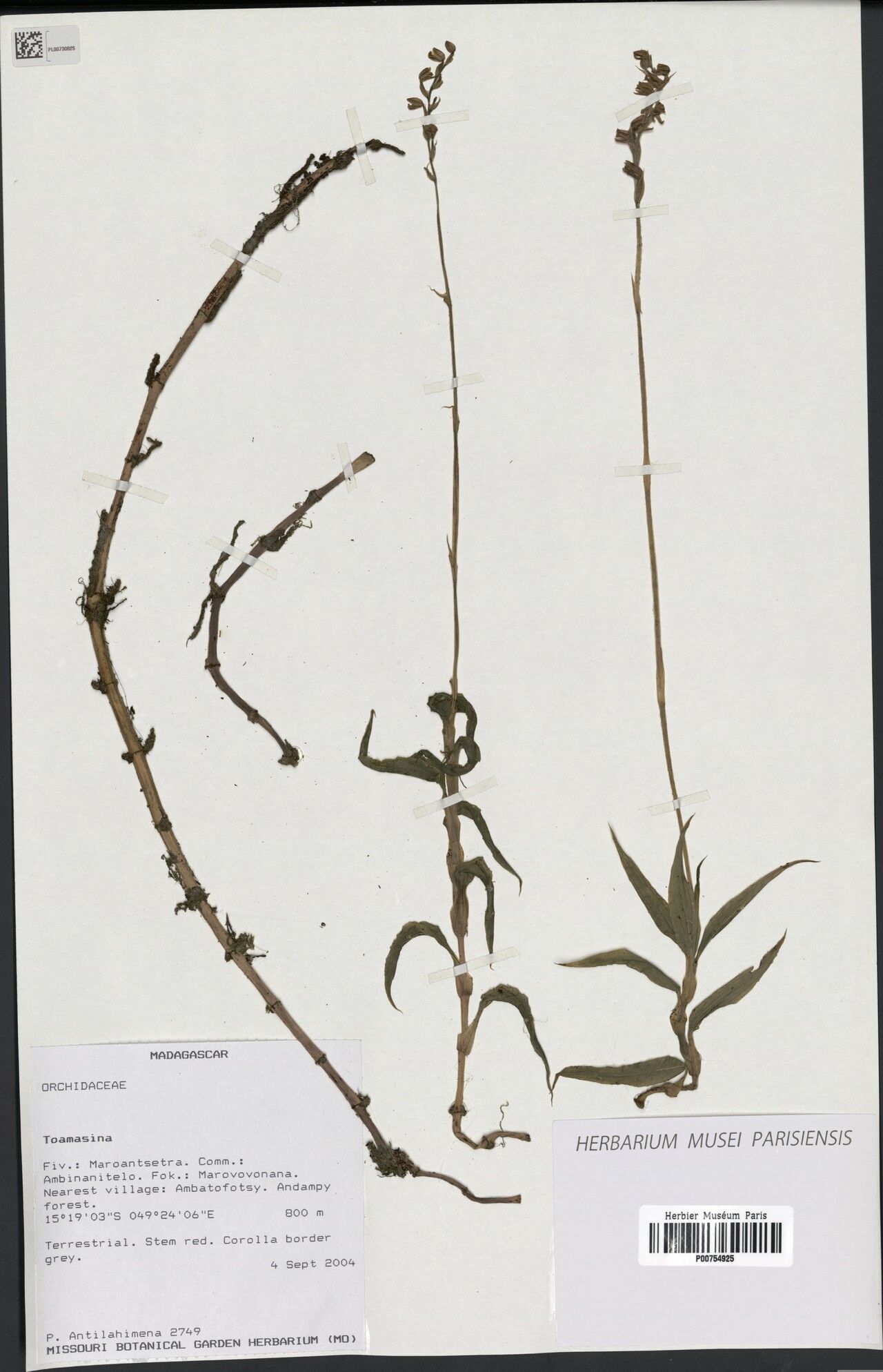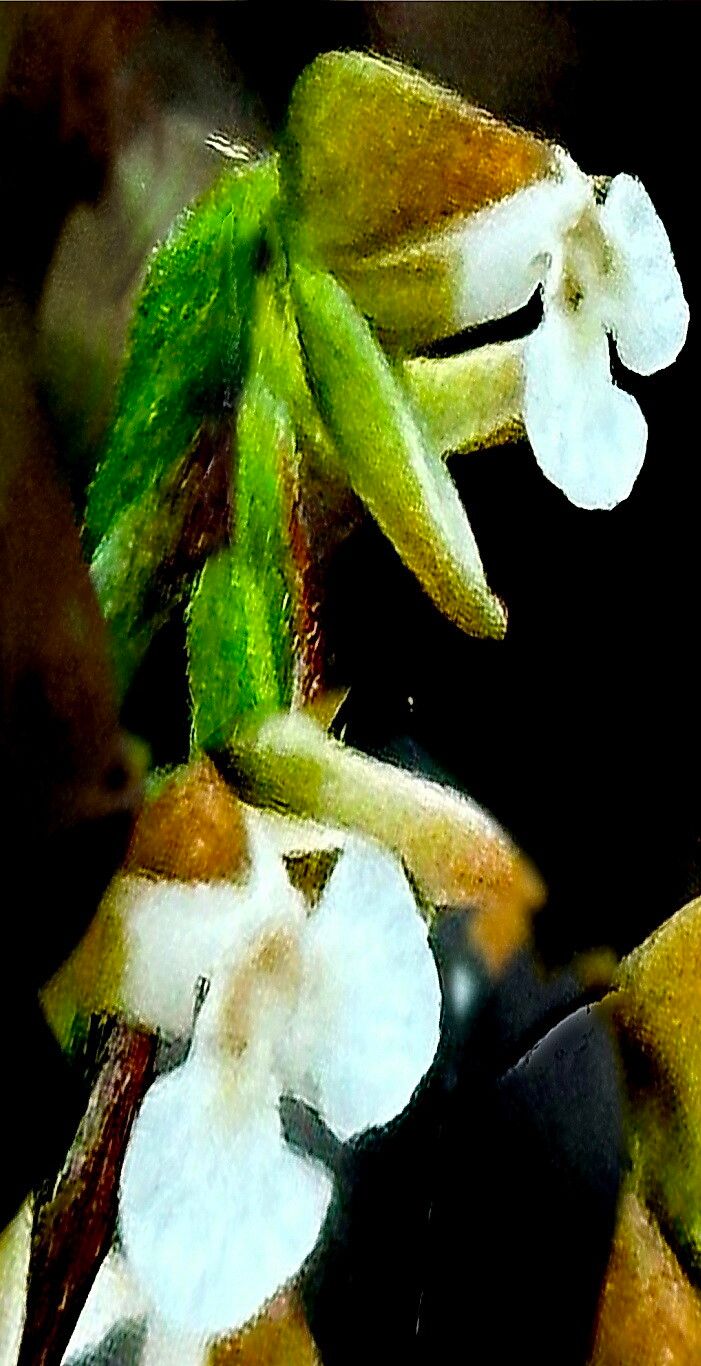
Nerved zeuxine is generally resistant to disease and is affected by relatively few insect pests. Its care level is considered difficult because it requires a high-humidity yet well-ventilated environment with minimal harmful pathogens. Overwatering can cause root rot. Cultivating Nerved zeuxine is suitable for everyone, but keeping it healthy and getting it to flower again requires more growing experience.
How to keep Zeuxine Nervosa.
Light
The Nerved Zeuxine flourishes naturally in habitats like forest underlayers or rocky terrains where it typically receives indirect sunlight. Its optimal lighting conditions are semi-sunlight, although it can easily acclimatize to either entirely sunny or entirely shady environments, showcasing its adaptable and robust characteristics.
Temperature
The nerved zeuxine plant flourishes in balmy settings. It thrives in mild to high temperatures provided they aren't overly hot and humid. While sunlight aids in heating the plant and facilitating the blossoms, too much direct sunlight during the summer months could result in sunburn. Hence, monitoring the level of sunlight it gets during this period is critical. The plant typically struggles in cool climates, hence it needs sufficient shielding and warm conditions throughout the winter to avoid frost damage.
Fertilizer
Correct fertilization is essential for the health and aesthetics of Nerved zeuxine. In summer, nourish the Nerved zeuxine and continue to do so on a monthly basis throughout this season. Nutrients provide the energy for growth and upkeep of plant structures. Enriching the soil stimulates the flower show of the Nerved zeuxine, guaranteeing top quality blossoms.
Botanical profile.
- Plant Type
- Herb
- Life Cycle
- Perennial
- Genus
- Zeuxine
- Family
- Orchidaceae
- Hardiness Zone
- 10-12
- Mature Height
- 20 cm to 40 cm
- Mature Spread
- 5 cm to 15 cm
- Leaf Color
- Green
- Leaf Type
- Deciduous
- Flower Color
- White, Yellow
- Flower Size
- 0.25 cm to 0.25 cm
- Bloom Time
- Summer
- Planting Time
- Spring
- Harvest Time
- Late summer, Early fall, Mid fall
- Native Area
- Nepal, Sri Lanka, India, Cambodia, Vietnam, Myanmar, Japan, Philippines, Bhutan, Bangladesh, Laos, Thailand, China