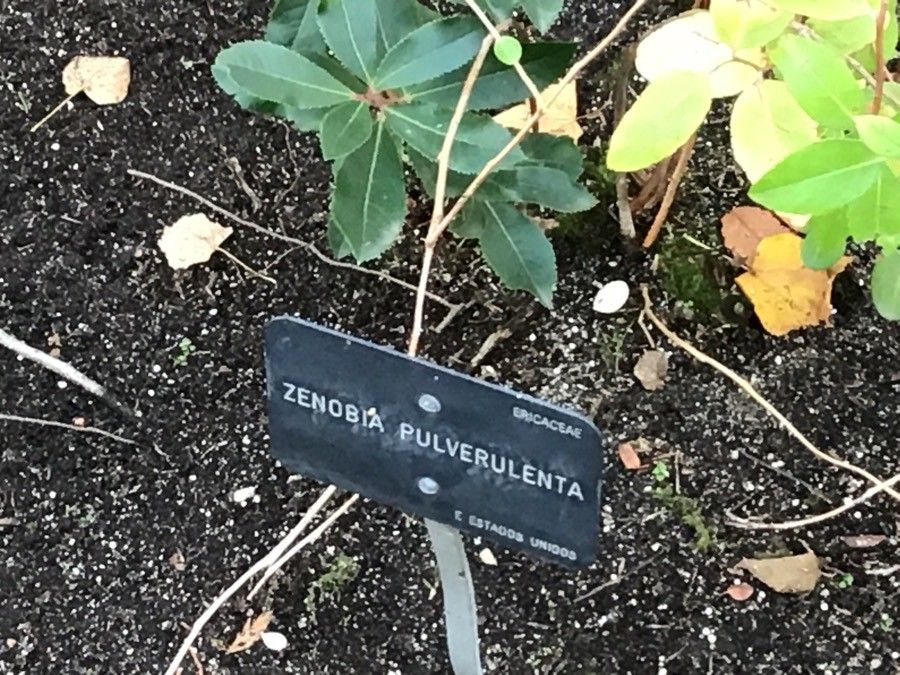
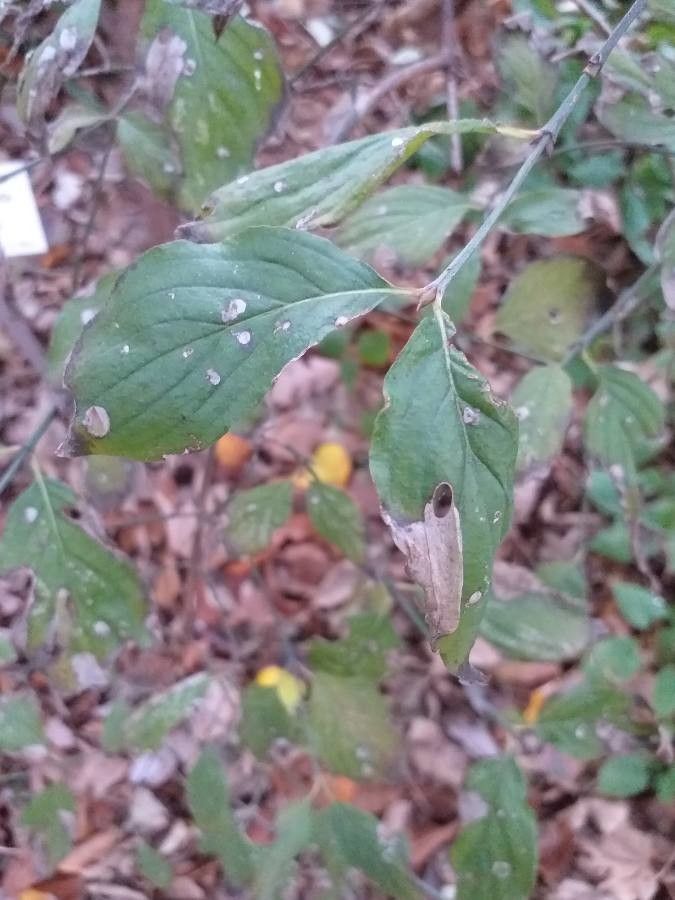
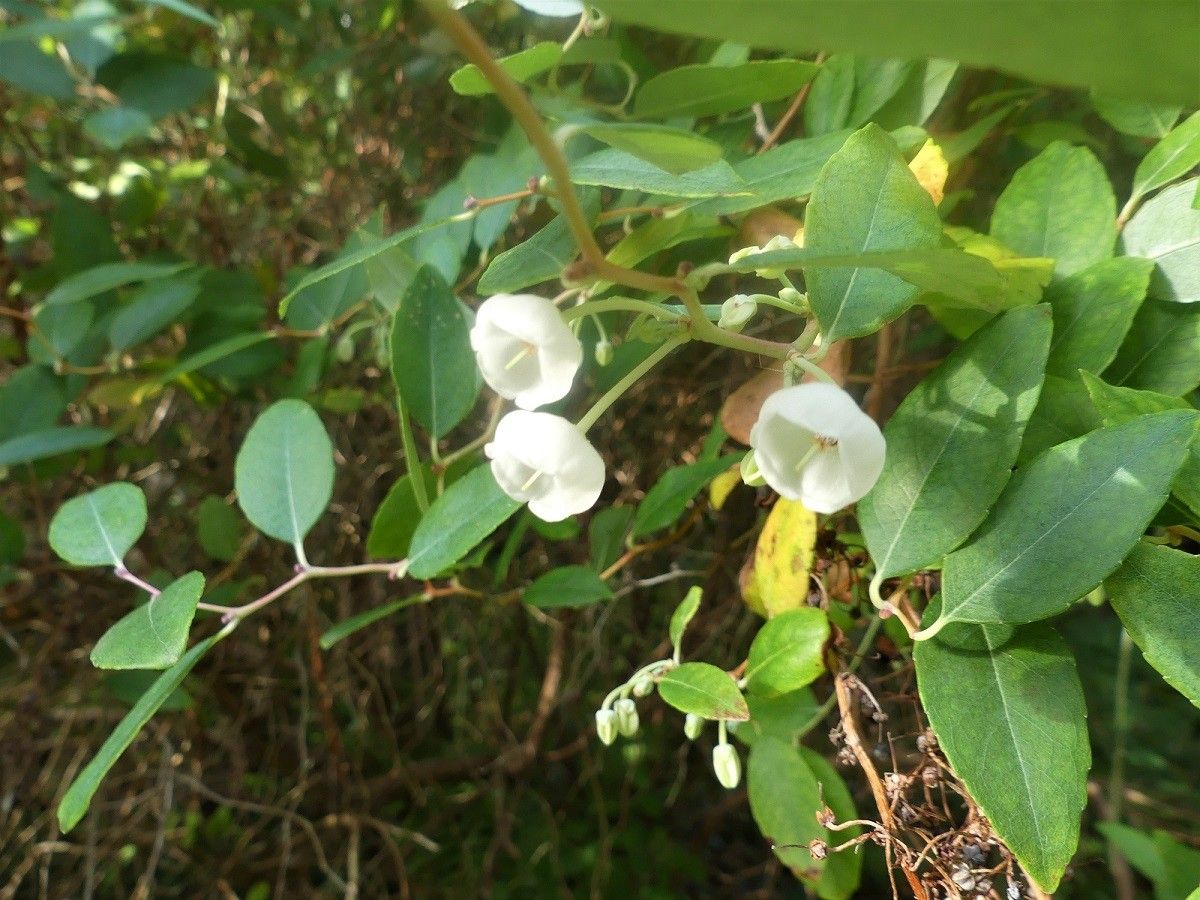
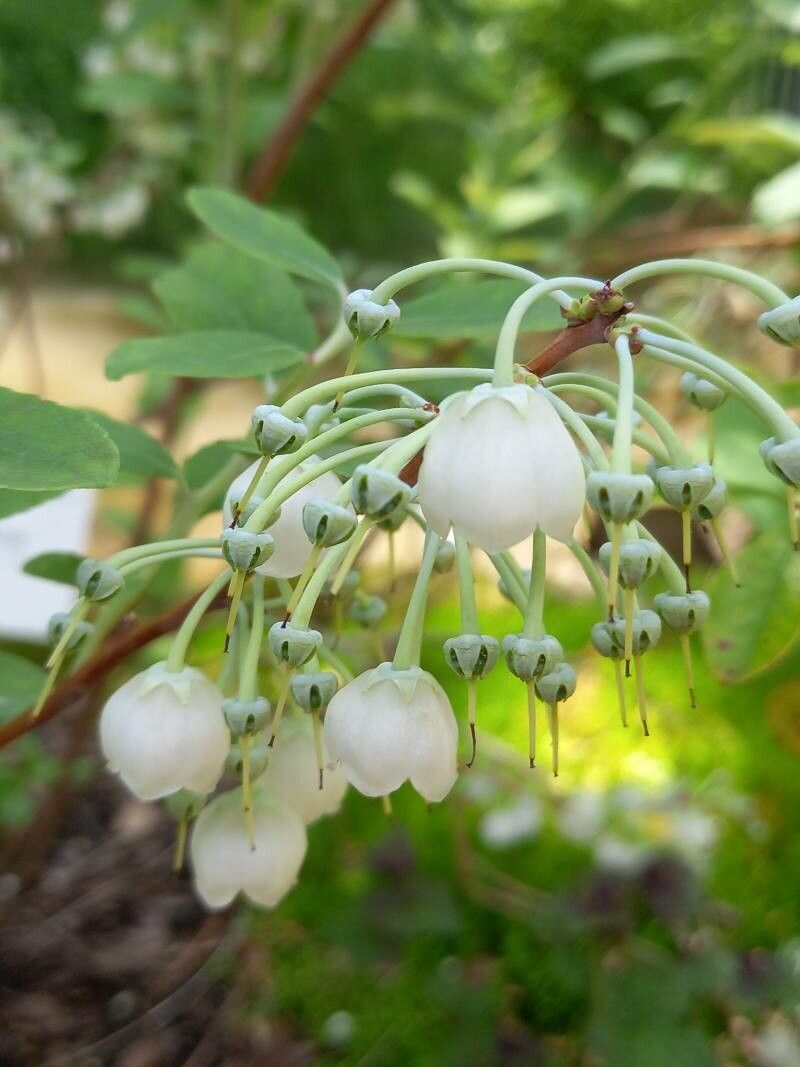
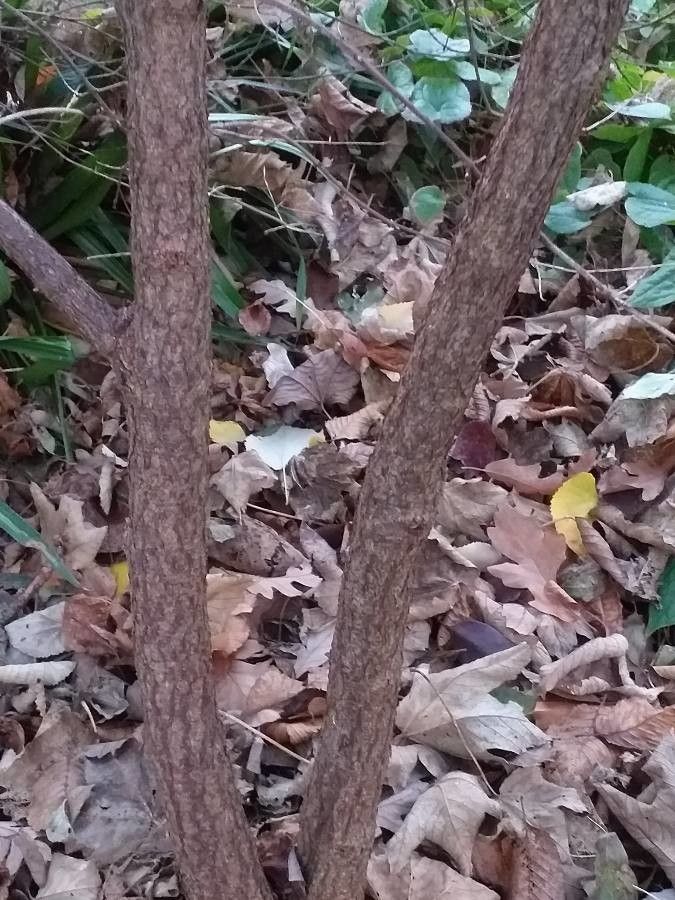
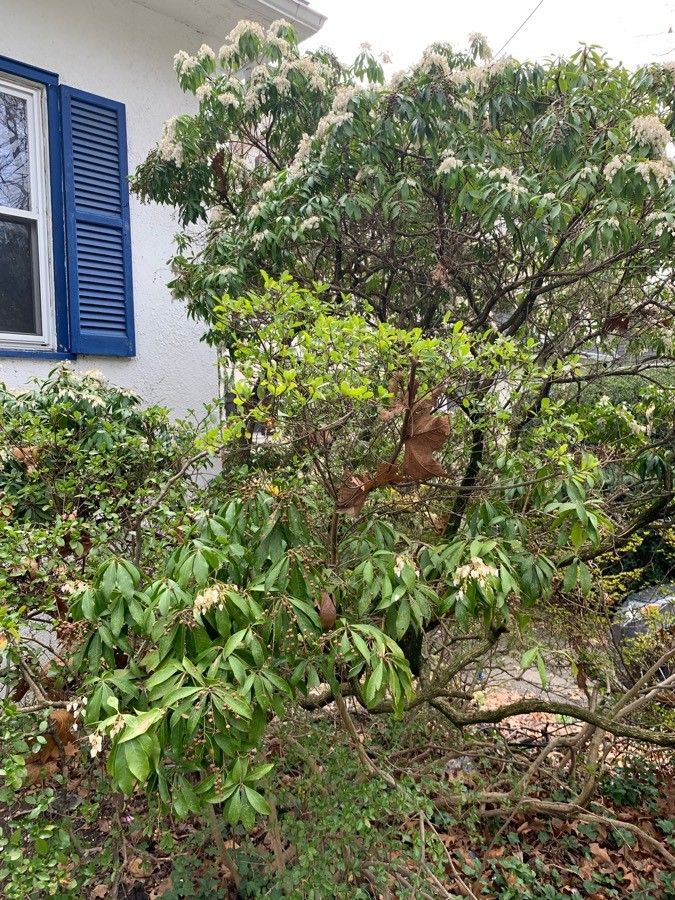
Zenobia pulverulenta, the honeycup, is a North American species of shrubs, in the genus Zenobia, in the family Ericaceae. It is native to coastal plain of the Southeastern United States, in North Carolina, South Carolina, and Virginia.
Honey-cup shows strong resistance to disease and is generally not easily affected by illnesses. Regarding care, this plant is fairly low-maintenance. Planted outdoors it needs little watering, and larger specimens usually do not need pruning. Smaller plants, however, should be pruned after they have finished blooming. Honey-cupt is appropriate for anyone with an outdoor area, such as a garden or deck, and does not require extensive care experience.
How to keep Zenobia Pulverulenta.
Light
Honey-cup comes from open habitats, such as sunny meadows and forest edges, that provide ample light. It thrives in Full Sun but can also tolerate Partial Sun, adapting well to various sunlight conditions.
Water
Honey-cup flourishes in moist, acidic environments and needs regular watering to stay hydrated, although it should not be overwatered. It is capable of adapting to dry periods by receiving water every 1 to 2 weeks. Growth is affected by rainfall, so it's important to provide extra water during the active growing season to ensure the best foliage and blooms.
Temperature
Honey-cup shows strong adaptability to a range of climate conditions, from blistering summers to frosty winters. That said, it does have a preferred temperature range for healthy growth. If temperatures climb too high, the plant can suffer from heat and humidity stress, which may kill it. In areas where temperatures approach the lower threshold of its cold tolerance, providing insulation to protect the plant is important.
Fertilizer
Timing is essential for fertilizing Honey-cup. Start fertilizing in early spring and continue monthly until early summer. Fertilizer promotes attractive blooms and supplies energy during both dormant periods and active growth.
Pruning
Prune the honey-cup plant in early spring to remove dead wood and thin out crowded branches. This promotes better air circulation and allows more light to reach the plant. Strive for an open, vase-like structure to encourage healthy growth and abundant blooms. Always use clean tools to prevent disease, and focus on maintaining the plant’s shape while avoiding overgrowth.
Botanical profile.
- Plant Type
- Shrub
- Life Cycle
- Perennial
- Genus
- Zenobia
- Family
- Ericaceae
- Hardiness Zone
- 5-9
- Mature Height
- 0.91 m to 3.05 m
- Mature Spread
- 0.91 m to 2.13 m
- Leaf Color
- Green, Blue
- Leaf Type
- Deciduous
- Flower Color
- White
- Flower Size
- 2.54 cm
- Bloom Time
- Mid spring, Late spring
- Planting Time
- Spring, Summer
- Harvest Time
- Summer
Other names.
Reader questions.
What are the sunlight requirements for Honey-cup plants?
Honey-cup plants, also known as Zenobia pulverulenta, originate from sunny meadows and forest edges, thriving in conditions ranging from full sun to partial sun. Full sun refers to areas that receive more than 6 hours of sunlight daily, while partial sun areas get about 3-6 hours of sunlight. It's important to watch how sunlight moves through your garden to find spots that offer the perfect balance of light and shade, ensuring your plants' happiness and optimal growth.
How can artificial lighting support Honey-cup plant growth indoors?
When natural sunlight is insufficient, especially during winter or in less sunny spaces, artificial lighting can be crucial for Honey-cup plant growth indoors. LED lights are recommended due to their ability to be customized to provide specific wavelengths needed by plants. For full sun plants, 30-50W/sq ft of artificial light is needed, for partial sun plants 20-30W/sq ft, and for full shade plants 10-20W/sq ft. Ensure the light source is 12-36 inches above the plant to mimic natural sunlight and provide 8-12 hours of light daily to promote healthier, faster growth.
What are the symptoms of light deficiency and excessive sunlight exposure in Honey-cup plants?
Honey-cup plants exhibit various symptoms when exposed to suboptimal lighting or excessive sunlight. Light deficiency can lead to small leaves, leggy or sparse growth, faster leaf drop, slower or no new growth, lighter-colored new leaves indicating a lack of chlorophyll and essential nutrients. Excessive sunlight can cause chlorosis, sunscald, leaf curling, wilting, and leaf scorching, negatively impacting the plant's ability to photosynthesize and overall health.
What solutions are recommended for Honey-cup plants experiencing insufficient sunlight or overexposure?
For Honey-cup plants struggling with insufficient sunlight, gradually moving them to a location with at least 6 hours of direct sunlight daily is advised. This can be achieved by using a south-facing window or artificial lighting for indoor plants, ensuring curtains are open during the day. For outdoor plants, avoid sudden changes in light intensity to prevent sunburn. Reducing obstructions, such as pruning trees or transplanting to sunnier locations, can also help. Note that parts of the plant affected by low sunlight may not recover, but new growth will be healthy with increased light exposure.