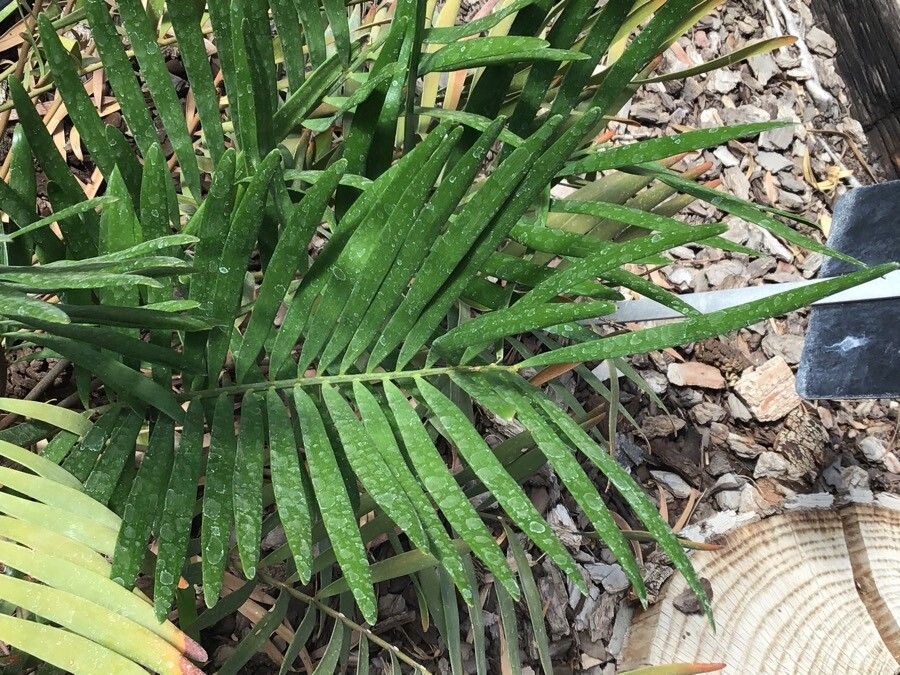
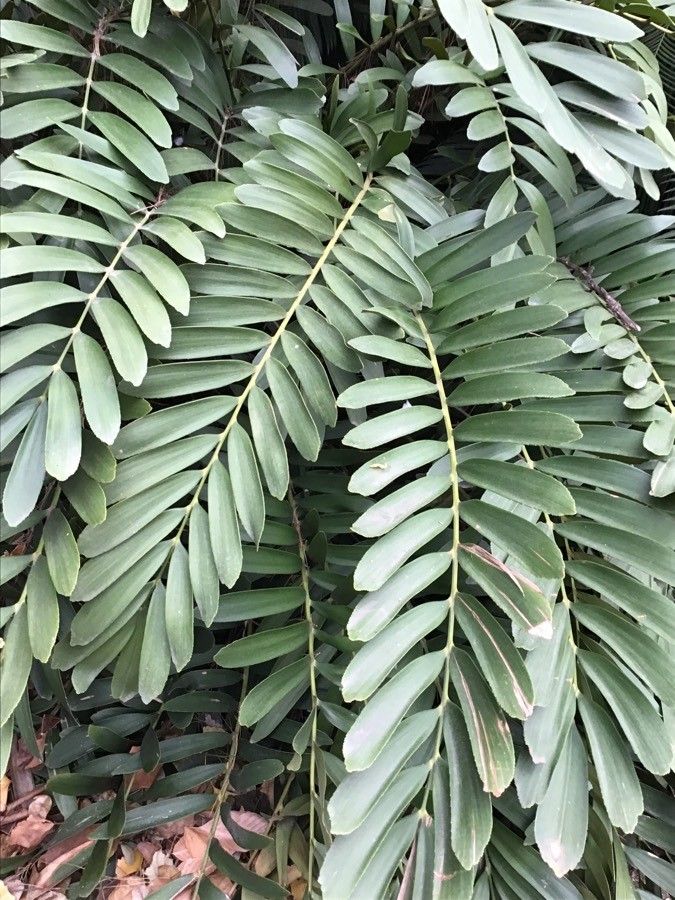
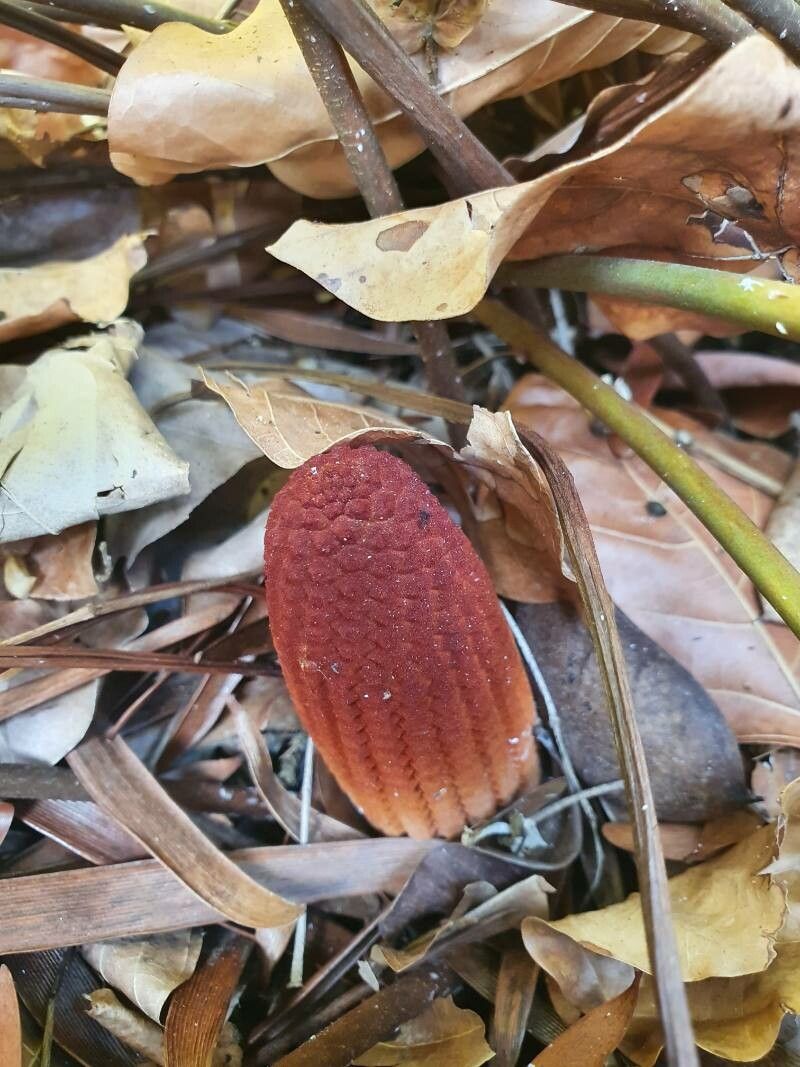
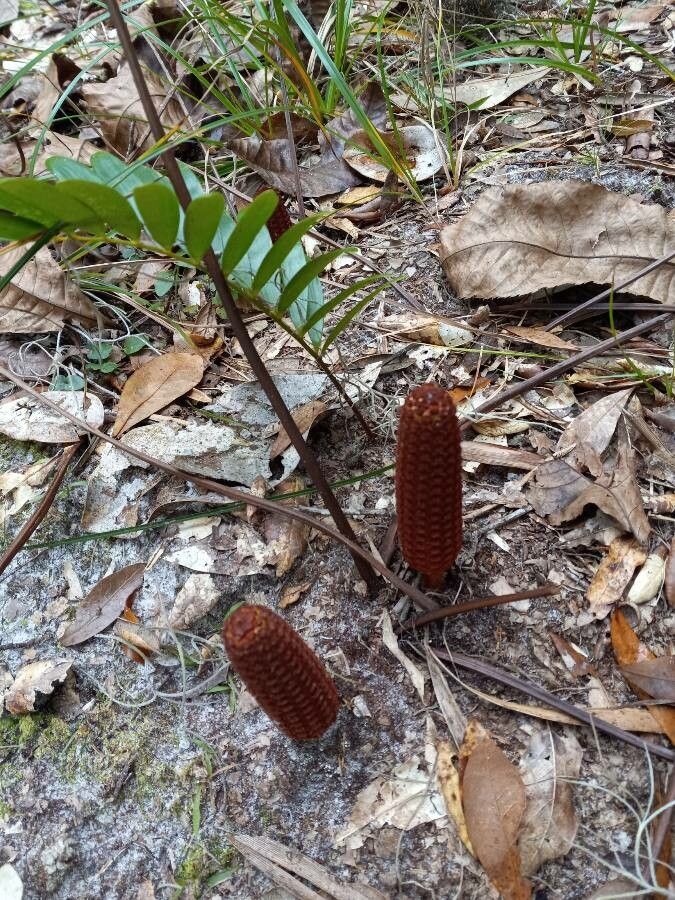
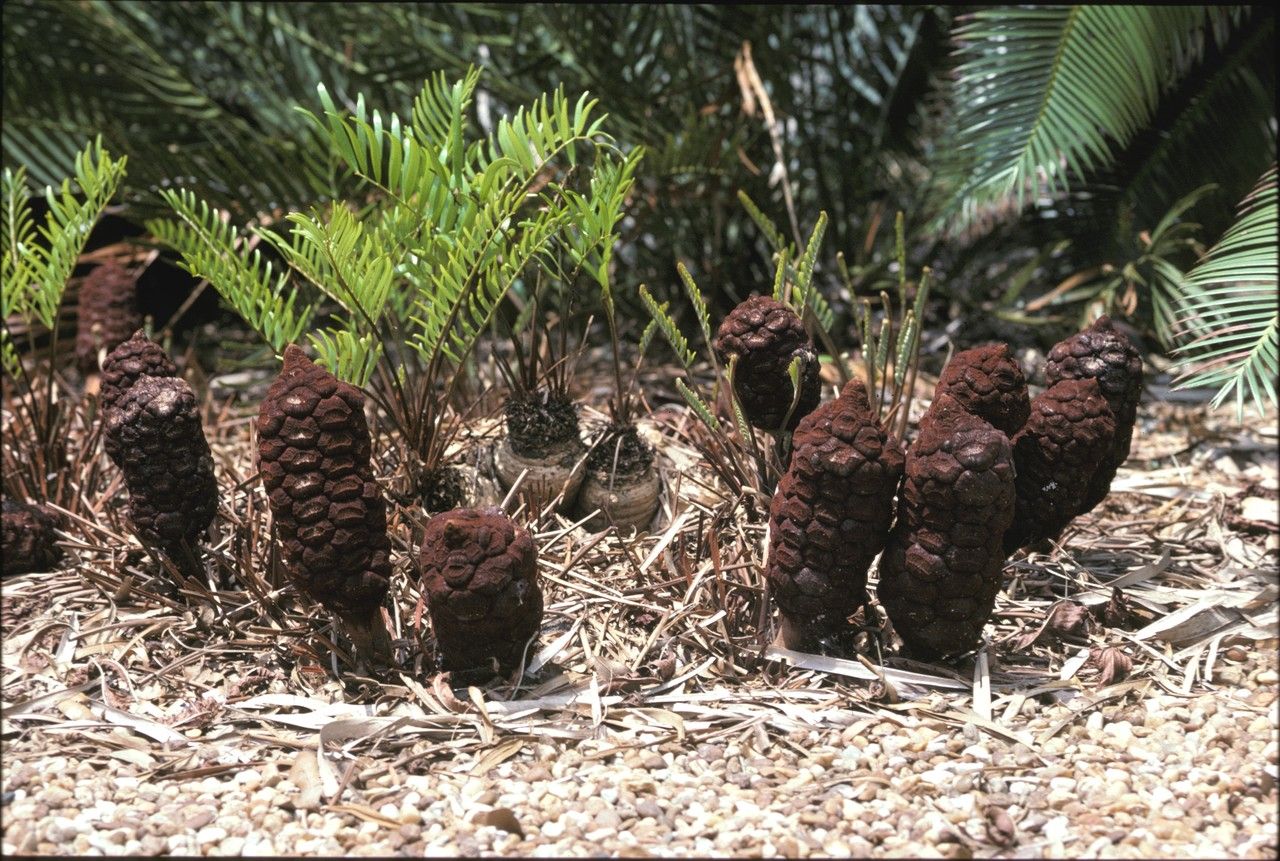
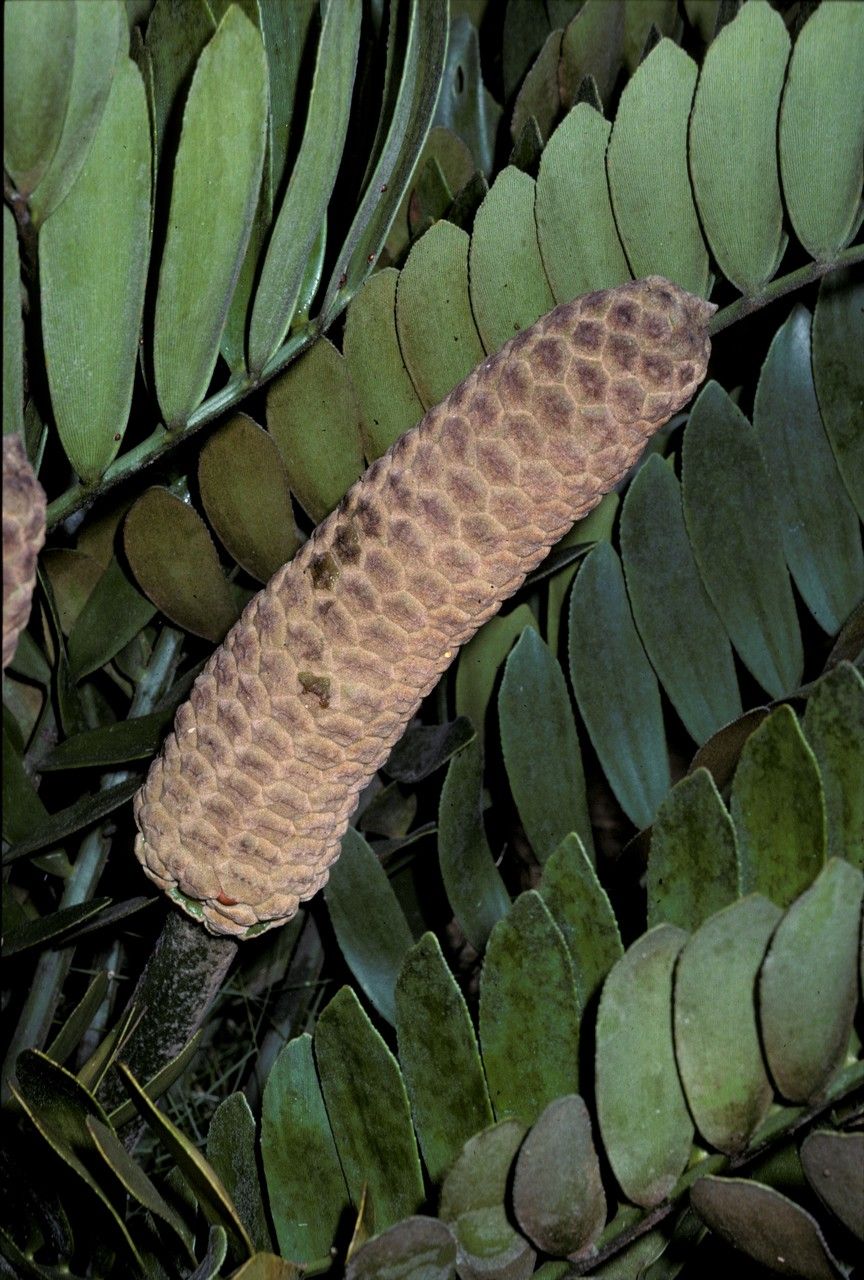
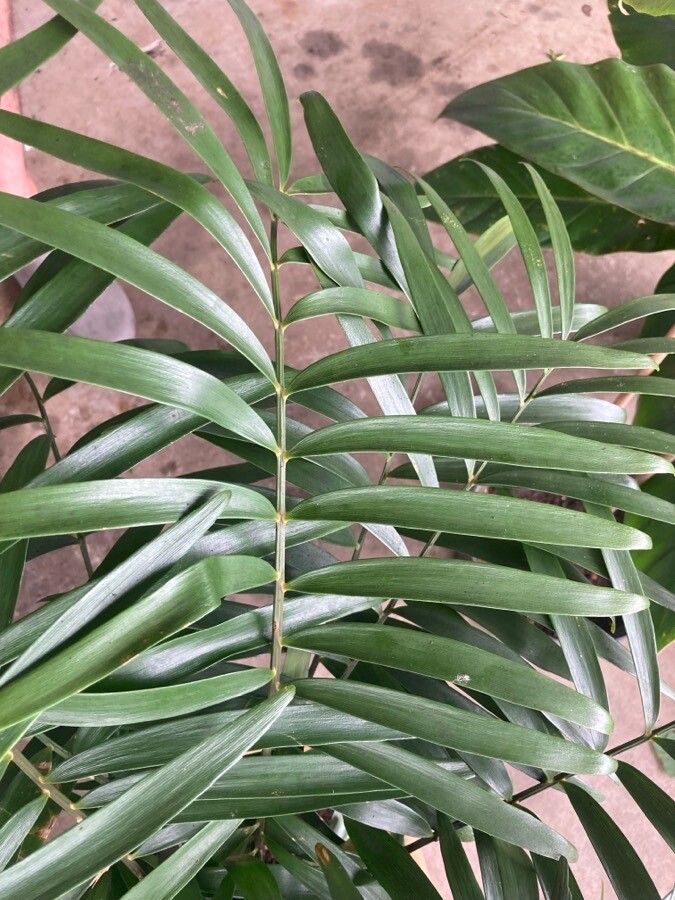
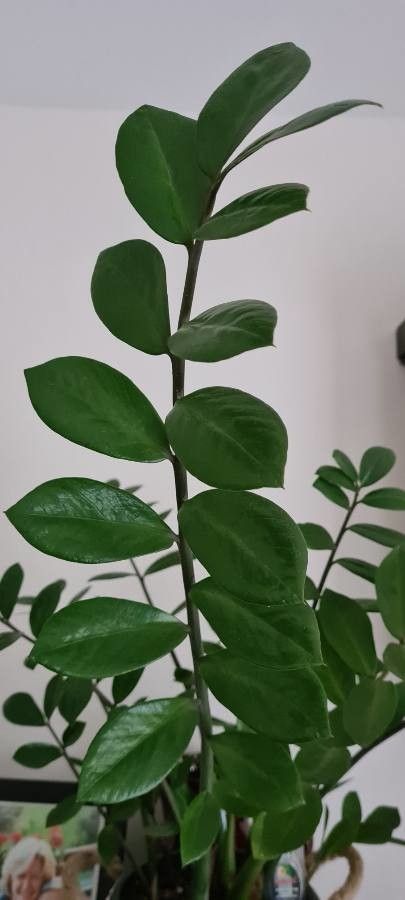
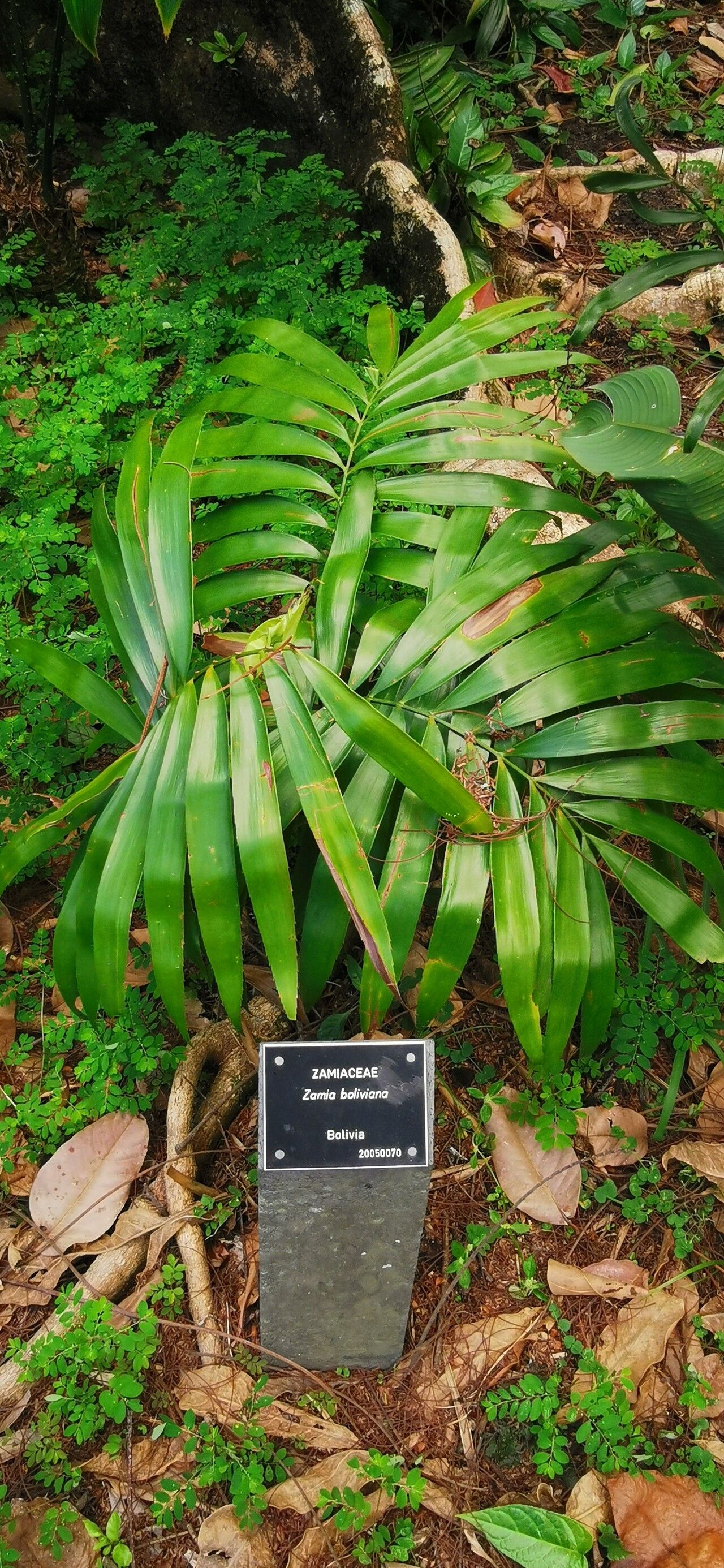
Zamia pumila, commonly known as coontie or Florida arrowroot, is a small cycad native to the southeastern United States. This slow-growing plant typically reaches a height of 2-3 feet and spreads out to form clumps. It features dark green, glossy leaves that are pinnate and extend up to 3 feet long. These leaves are stiff, leathery, and have pointed tips.
Zamia pumila is dioecious, meaning it has separate male and female plants. Male plants produce cone-like structures called strobili, which release pollen into the air, while female plants generate large seed cones.
Historically, coontie was an important source of starch for Native Americans, who used it for both food and medicine. Today, it is primarily cultivated as an ornamental plant in gardens or used in landscaping due to its attractive foliage.
Zamia pumila thrives in well-drained soil with partial shade but can tolerate full sun if provided with sufficient water. Once established, it also withstands drought conditions, although it does not fare well in areas with high humidity or heavy rainfall.
Overall, Zamia pumila is a distinctive and fascinating cycad species that enhances any garden's aesthetic appeal while also holding cultural significance in its native range of Florida and surrounding states.
Botanical profile.
- Plant Type
- Shrub
- Life Cycle
- Perennial
- Genus
- Zamia
- Family
- Zamiaceae
- Hardiness Zone
- 9-11
- Mature Height
- 30 cm to 91 cm
- Mature Spread
- 1.52 m
- Leaf Color
- Green
- Leaf Type
- Evergreen
- Flower Color
- Red, Brown
- Bloom Time
- Mid spring, Late spring, Early summer
- Planting Time
- Spring, Autumn
- Harvest Time
- Mid summer
- Native Area
- Bahamas, Cuba
Other names.