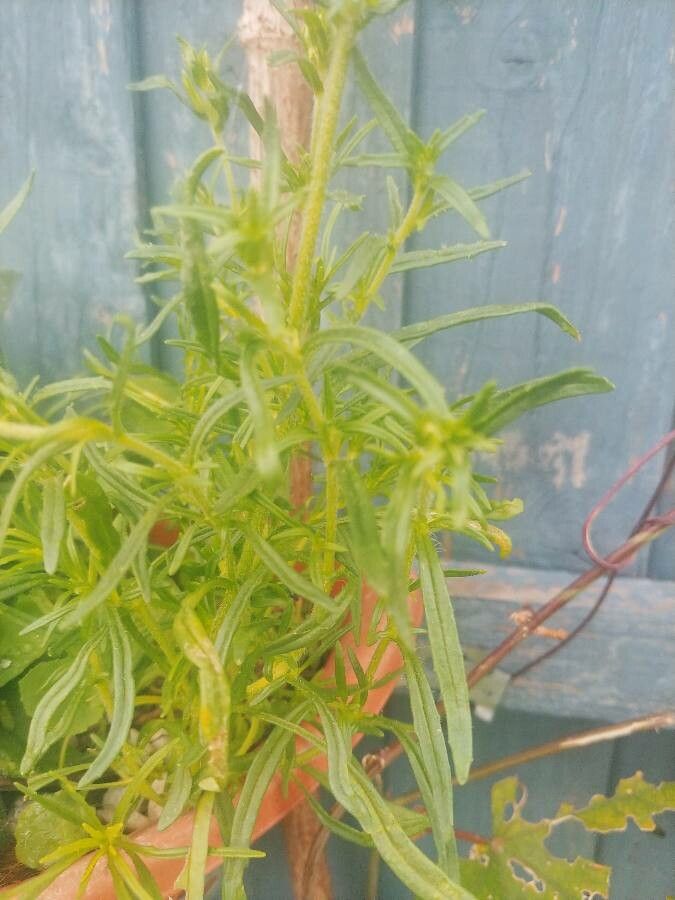
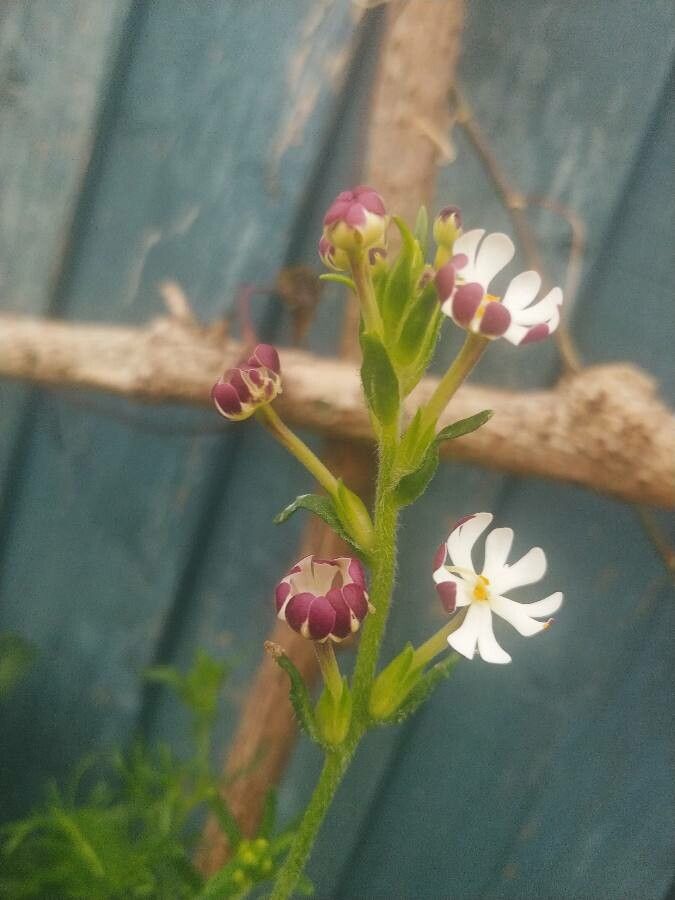
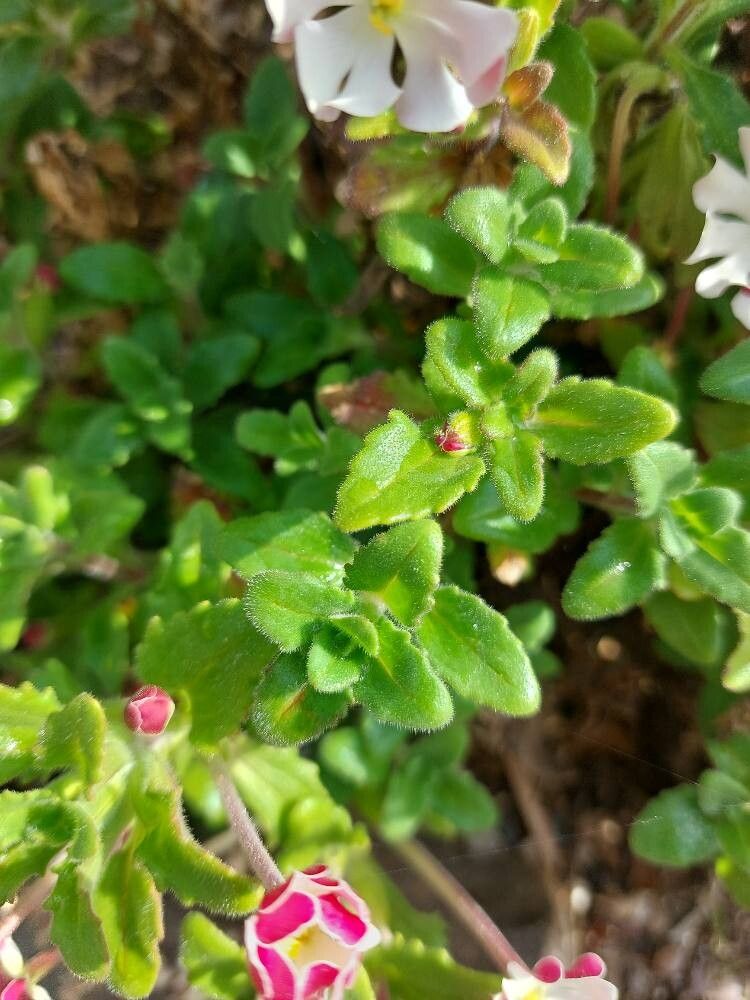
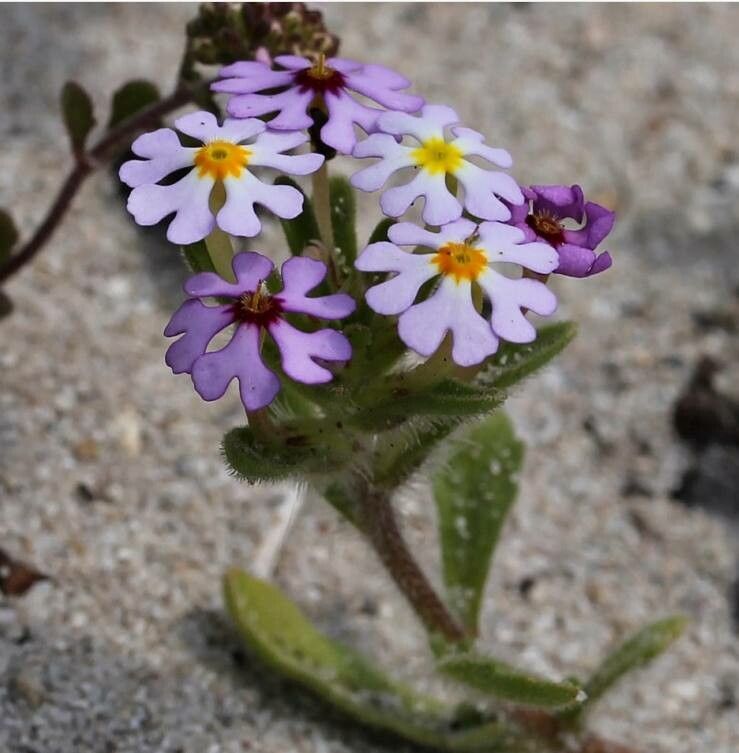
Midnight candy is fairly resistant to disease and typically does not suffer from many illnesses. Still, it can be vulnerable to pests and diseases present in its environment. Such infections are generally mild. Regarding care, this plant needs a moderate amount of maintenance. It should be pruned on a regular basis to preserve a tidy appearance and healthy growth. Applying fertilizer can also encourage it to flower. Midnight candy is well suited to anyone who has outdoor space, like a garden or patio, and does not demand extensive care experience. It may need additional attention when cultivated indoors.
How to keep Zaluzianskya Capensis.
Light
Midnight candy strongly prefers full sun, which encourages vigorous growth. Native to regions with plentiful sunlight, the plant does best in similar lighting. Too little sun can harm its health and development, while excess sunlight is usually tolerated and does not cause damage.
Water
Midnight candy is native to the arid regions of South Africa and is known for its excellent drought tolerance. It requires only minimal watering, about once a week. This plant thrives in rock gardens and xeriscapes, as it has the ability to effectively store water, making it an ideal choice for water conservation environments.
Humidity
This plant will thrive in moderate humidity, which is probably the level in your home. However, misting it a few times a week can be very beneficial. Make sure the room has good ventilation.
Temperature
Midnight candy is well adapted to temperature, able to withstand high heat and wide temperature fluctuations. In hot weather, care should be taken with watering and providing suitable shade to prevent sunburn. However, Midnight candy is less tolerant of low temperatures; it can endure some mild cold, but very cold conditions can cause frost damage.
Fertilizer
When most of Midnight candy's blooms have fully opened, resume fertilizing. At the peak of bloom production, apply fertilizer every three to four weeks, weather permitting. Then, when Midnight candy begins producing fewer new blooms, stop fertilizing; there's no point in feeding the plant when it can't produce additional blooms.
Pruning
To help your midnight candy plant thrive, it's important to prune it carefully. The best time to do this is from early to late spring. Start by removing any dead stems and leggy growth. This encourages the plant to grow bushier, improves airflow, and enhances flowering. Make sure to use clean tools to prevent disease. This will ensure healthier and more abundant blooms.
Botanical profile.
- Plant Type
- Herb
- Life Cycle
- Annual, Biennial
- Genus
- Zaluzianskya
- Family
- Scrophulariaceae
- Hardiness Zone
- 9-11
- Mature Height
- 20 cm to 30 cm
- Mature Spread
- 20 cm to 30 cm
- Leaf Color
- Green, Gray
- Leaf Type
- Evergreen
- Flower Color
- White, Pink
- Flower Size
- 2.03 cm to 3.05 cm
- Bloom Time
- Late spring, Summer, Early fall
- Planting Time
- Spring, Summer
- Harvest Time
- Mid summer, Late summer, Fall
- Native Area
- South Africa
Reader questions.
What are the sunlight requirements for Midnight Candy (Zaluzianskya capensis)?
Midnight Candy, known scientifically as Zaluzianskya capensis, thrives in conditions where it can receive full exposure to the sun, generally needing above 6 hours of sunlight daily. This full sun requirement underscores its strong affinity for environments abundant with sunlight, mirroring its native habitat conditions. While it tolerates and even thrives in abundant sunlight, too much shade or insufficient sunlight can adversely affect its health and growth. It's advised to carefully observe how sunlight moves through your garden to find spots that offer an ideal balance of light and shade, ensuring the plant's well-being.
How can artificial lighting be used for Midnight Candy when natural sunlight is insufficient?
In conditions where natural sunlight is insufficient, especially during winter or in less sunny spaces, artificial lighting serves as a crucial alternative for Midnight Candy's growth. Optimal growth can be achieved by using artificial lights, such as LED lights, which can be customized to provide specific wavelengths needed by the plant. For full sun plants like Midnight Candy, an intensity of 30-50W per square foot is recommended. The artificial light source should be placed 12-36 inches above the plant to mimic natural sunlight as closely as possible. Additionally, ensuring the plant receives 8-12 hours of light daily is essential for mimicking natural daylight hours and promoting healthier growth.
What are some common symptoms of inadequate lighting for Midnight Candy?
When Midnight Candy is grown indoors under inadequate lighting, it may exhibit various symptoms signaling light deficiency. Such symptoms include smaller new leaves, leggy or sparse growth due to extended spaces between stems or leaves, faster dropping of older leaves to conserve resources, and slower or entirely halted new growth. Leaves may also develop lighter colors or irregular patterns indicative of insufficient sunlight, which impacts chlorophyll and nutrient levels. Excessive sunlight can cause issues like chlorosis, where leaves lose their green color, sunscald, presenting as pale or necrotic areas on the plant, leaf curling as a defense against excessive sunlight, wilting due to increased water loss and leaf scorching characterized by brown, dry edges on leaves.
What solutions are recommended for dealing with insufficient or excessive sunlight for Midnight Candy?
To address insufficient sunlight, gradually moving Midnight Candy to a sunnier spot, ensuring it receives at least 6 hours of direct sunlight daily, is advisable. A south-facing window can provide maximum sunlight exposure, or alternatively, using artificial light like desk lamps or grow lights for at least 8 hours daily can supplement light needs. For outdoor plants, it's crucial to acclimate them to brighter conditions by gradually moving them to sunnier locations each week to avoid sunburn. If sunlight is being obstructed, identifying and minimizing obstructions, such as pruning trees that cast shade, can improve sunlight access. In cases where the plant is small enough, transplanting it during its dormant period to an area with ample sunlight and good drainage can also be beneficial. It's important to note that parts of the plant already affected by insufficient light may not recover, but new growth will be healthy with increased light exposure.