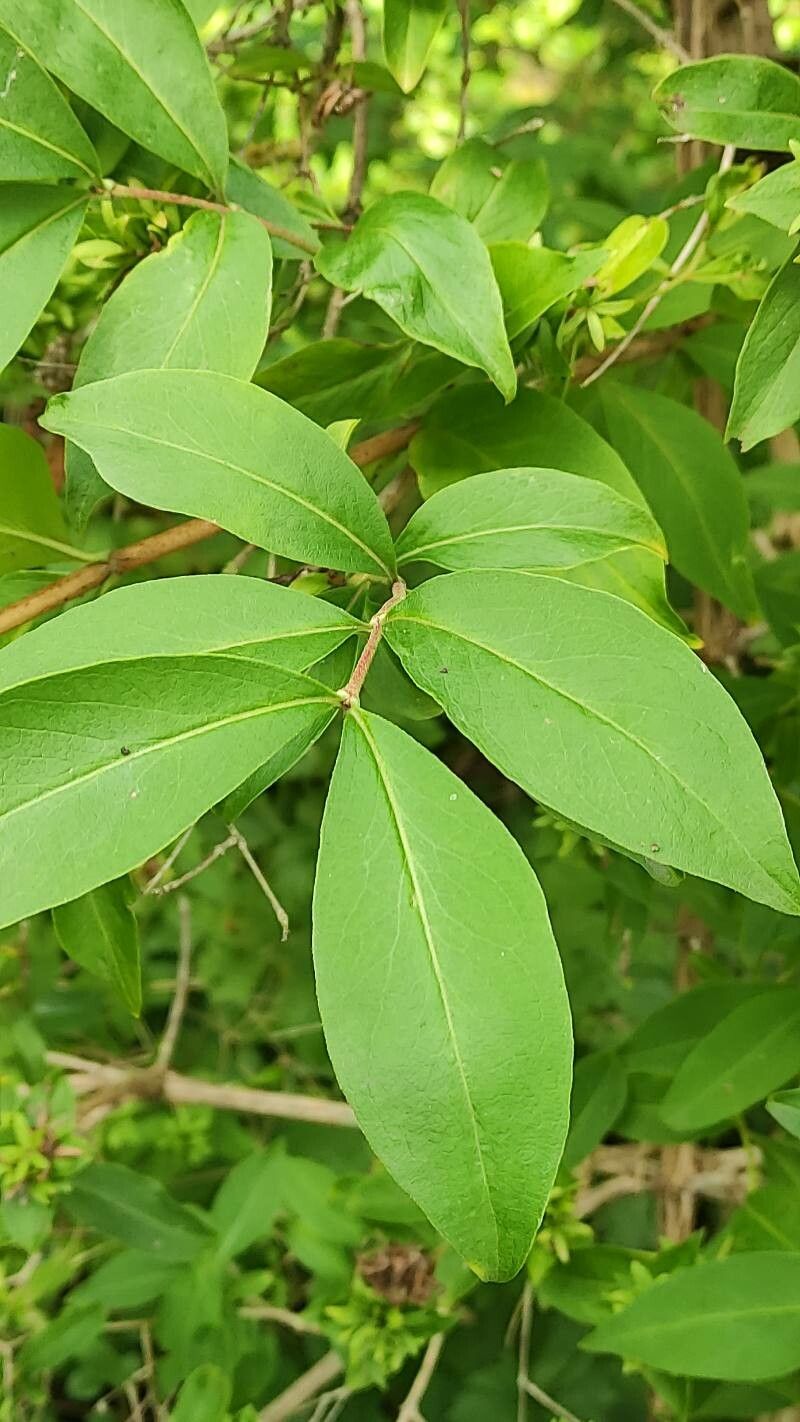
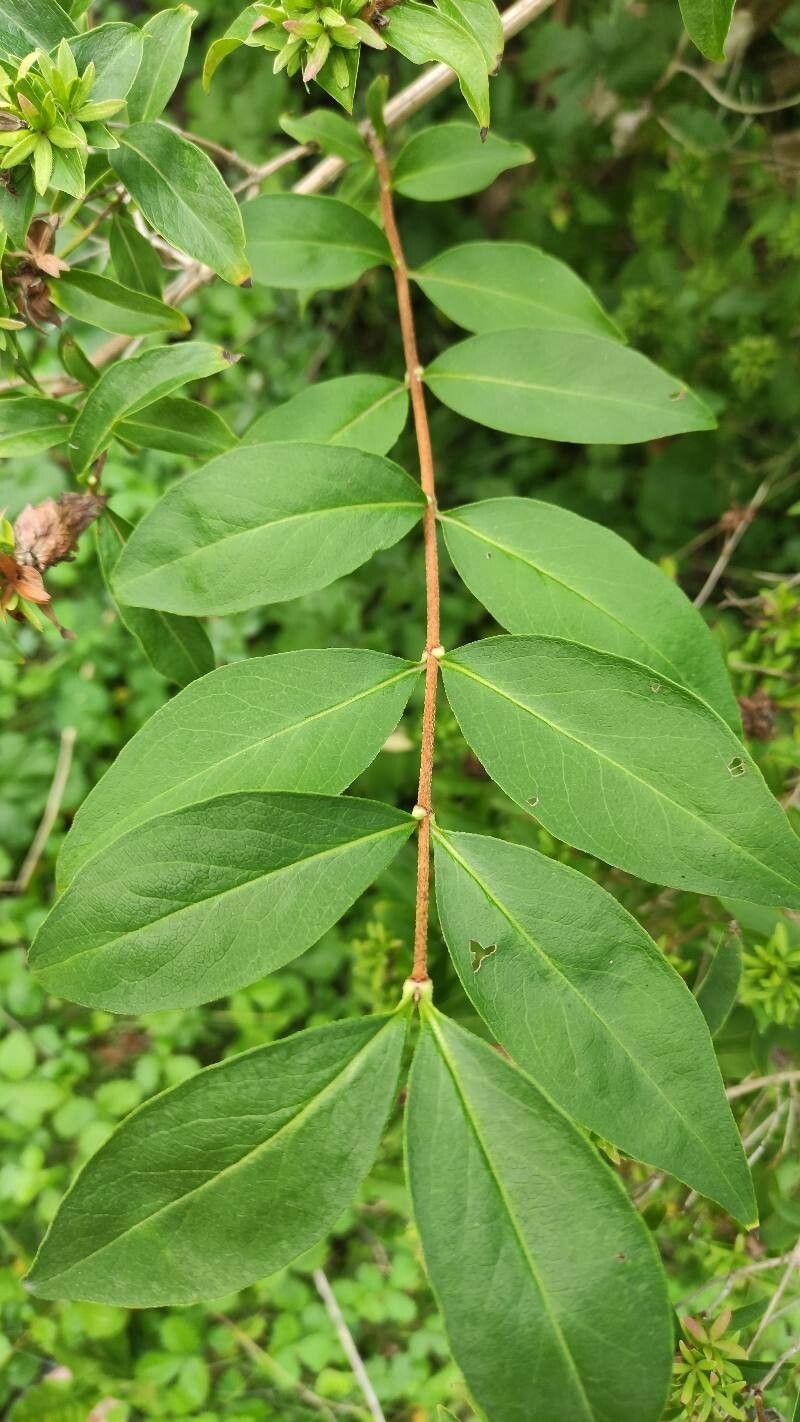
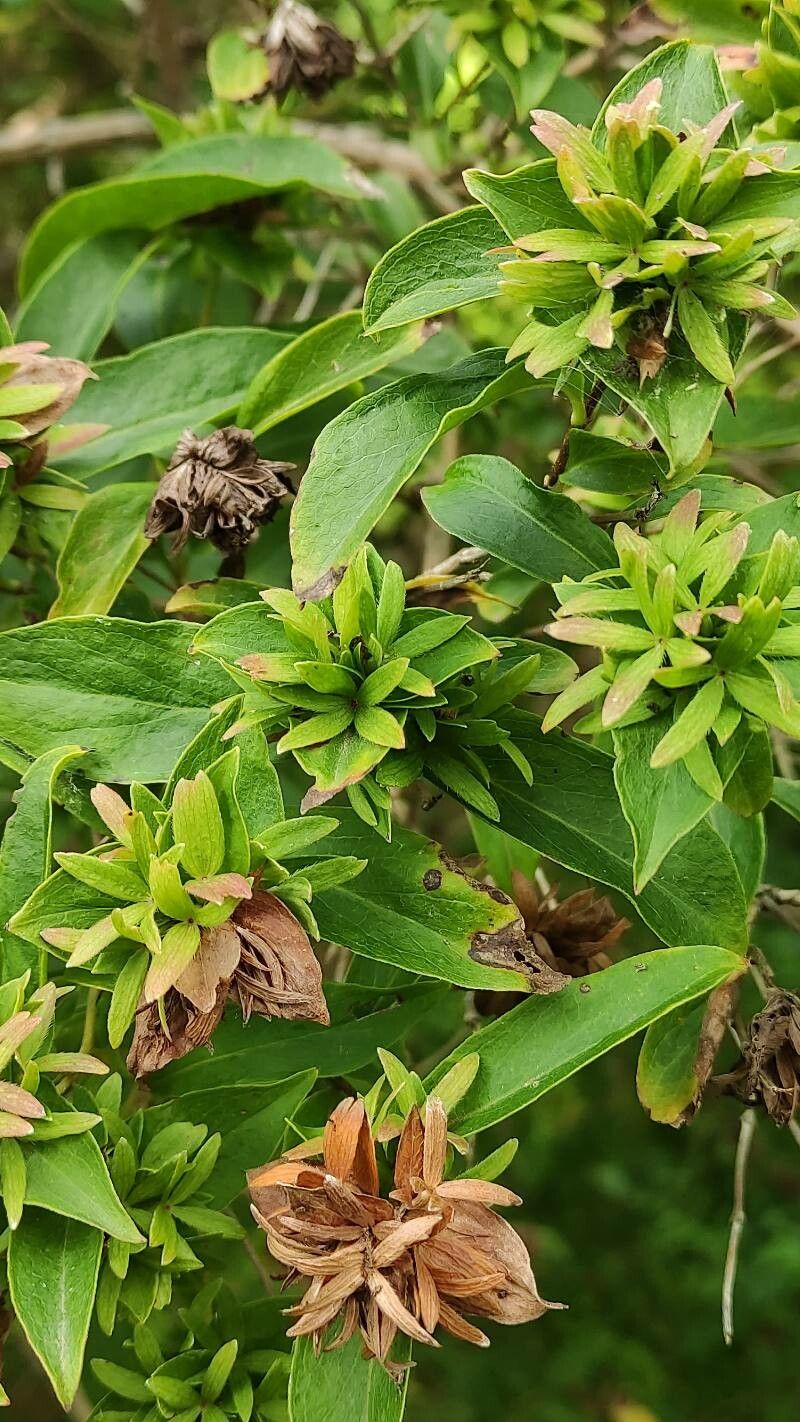
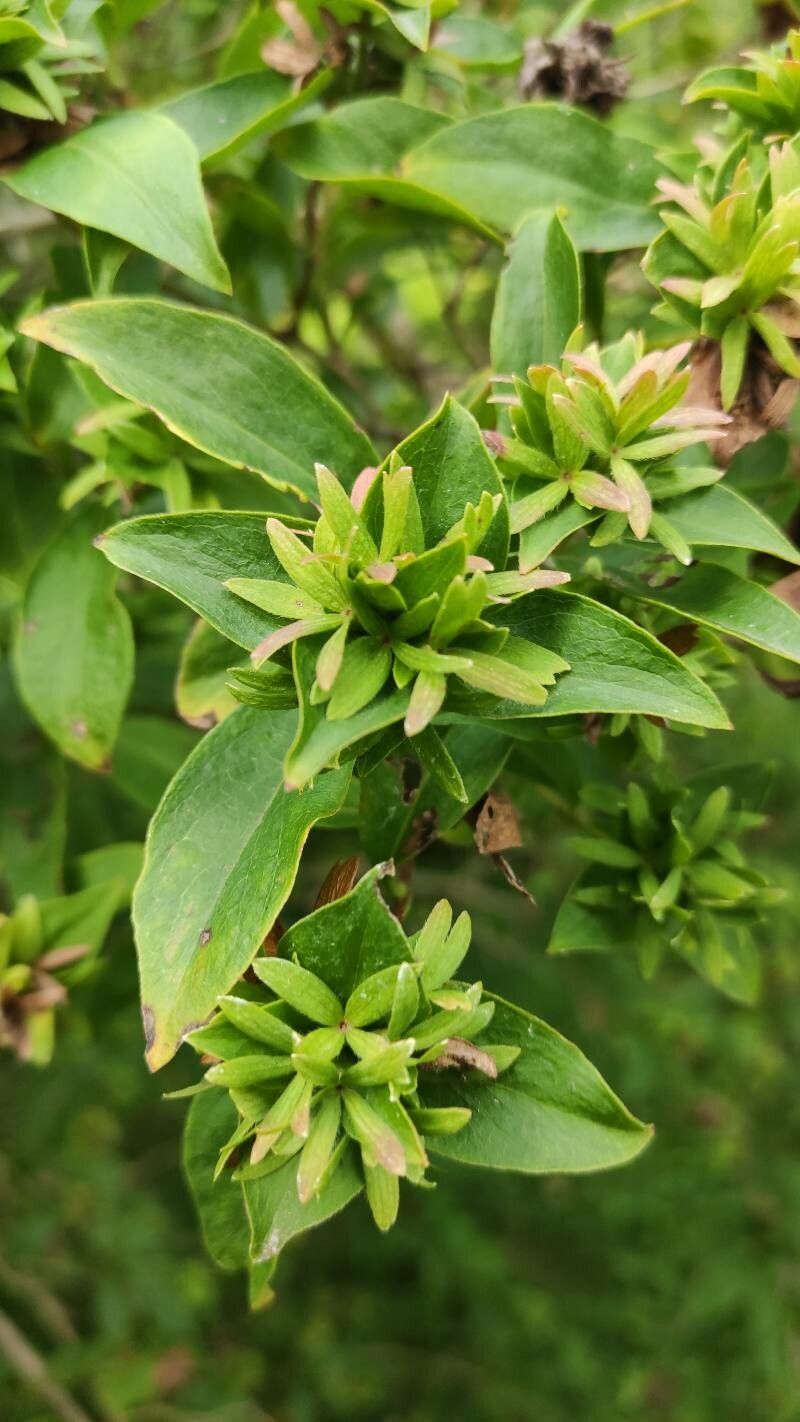
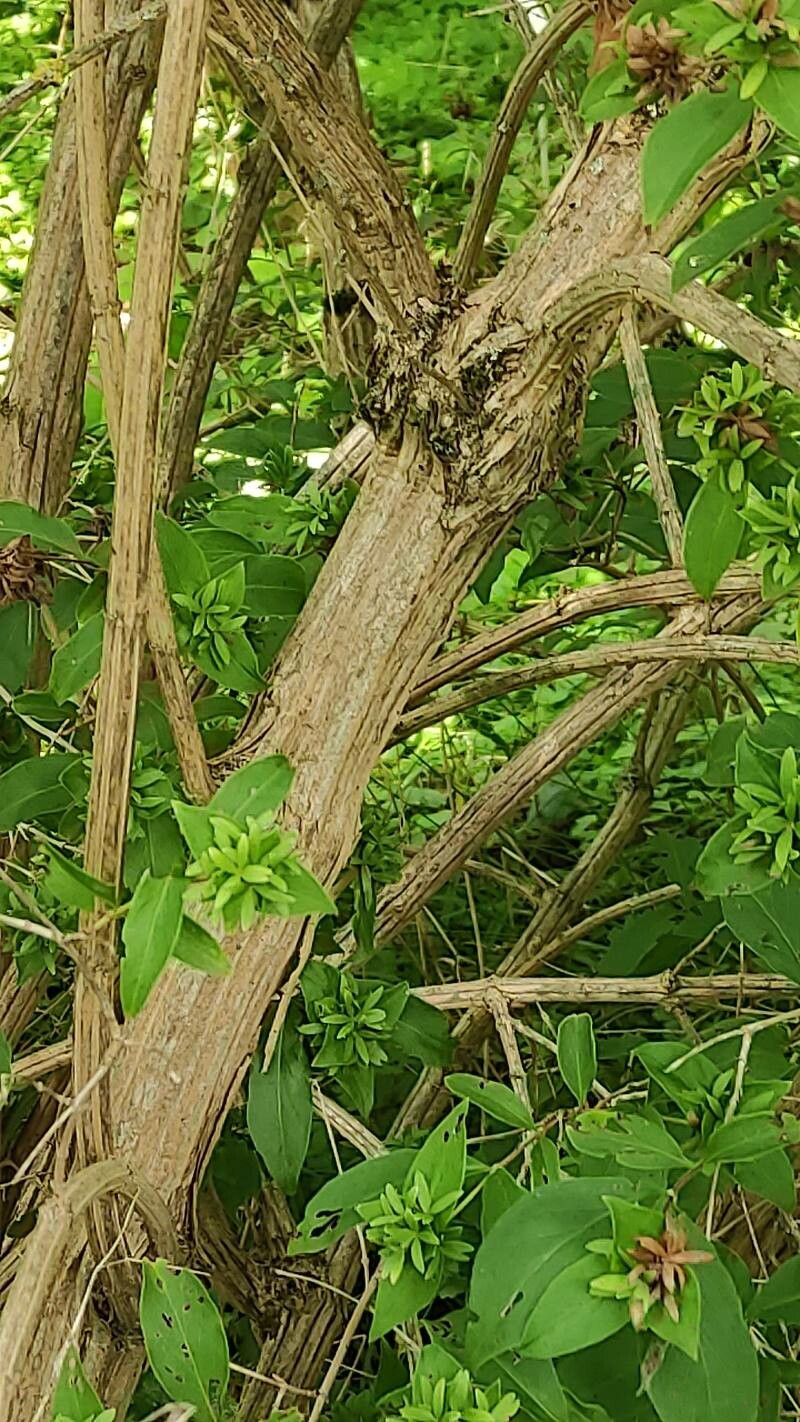
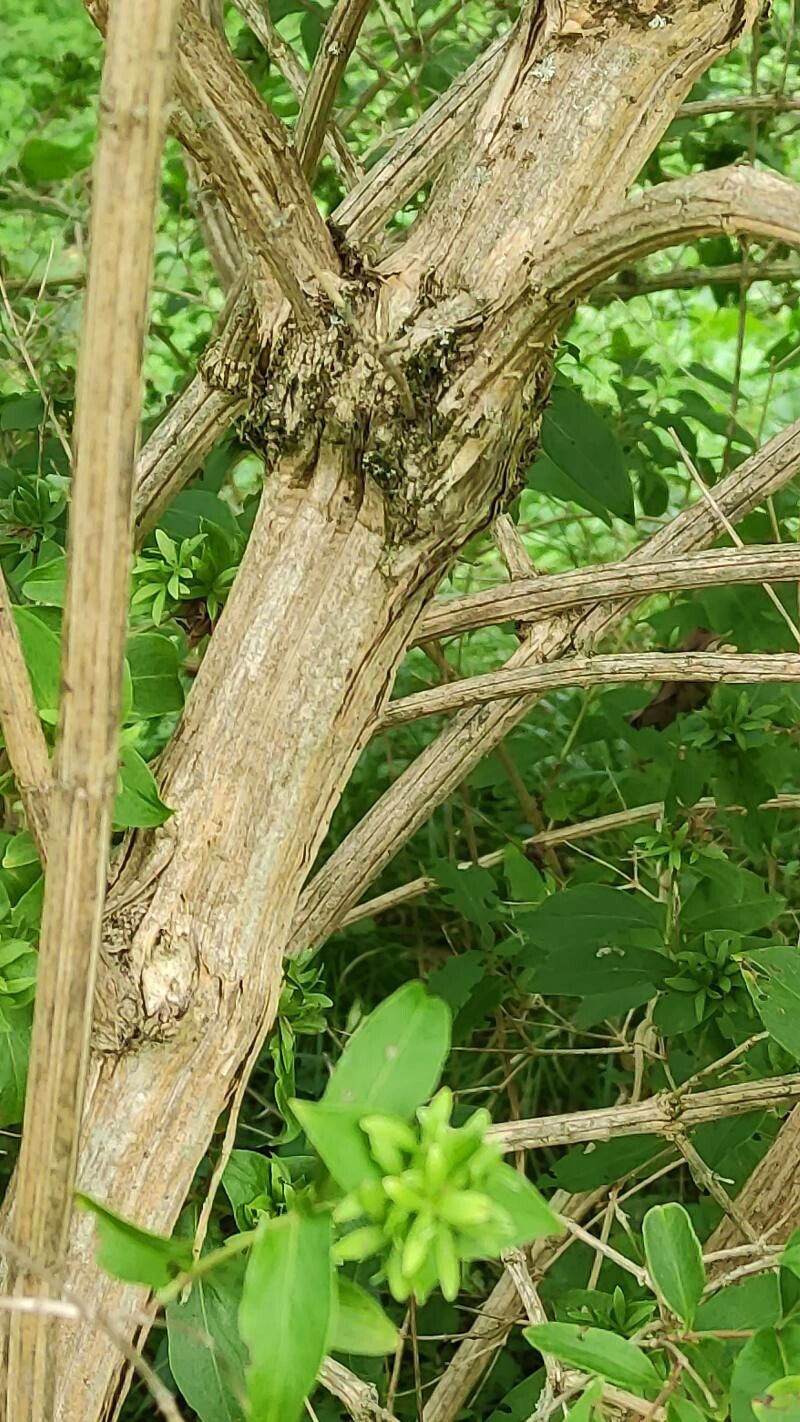
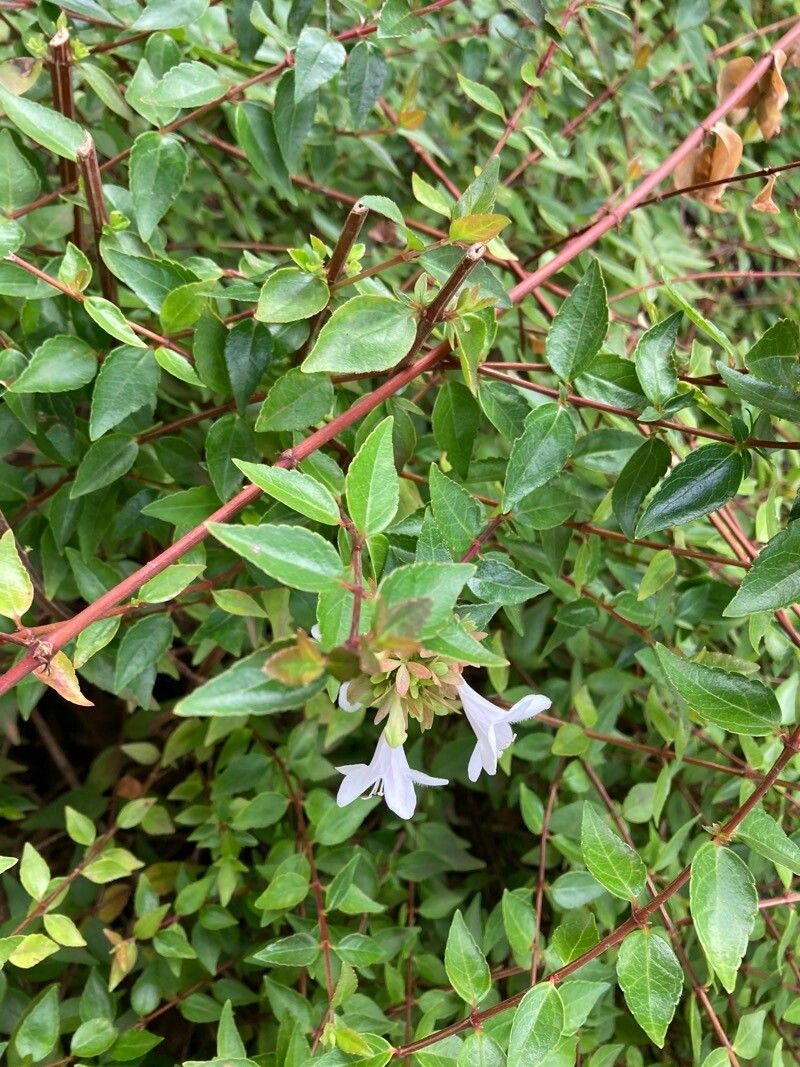
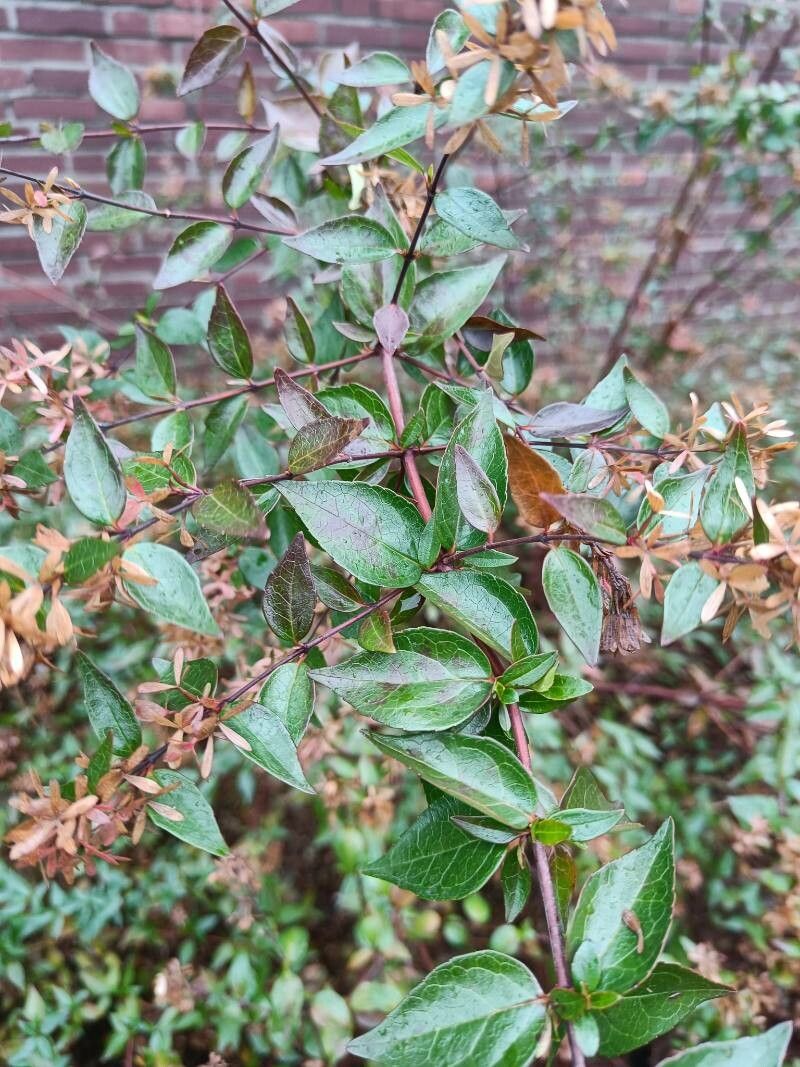
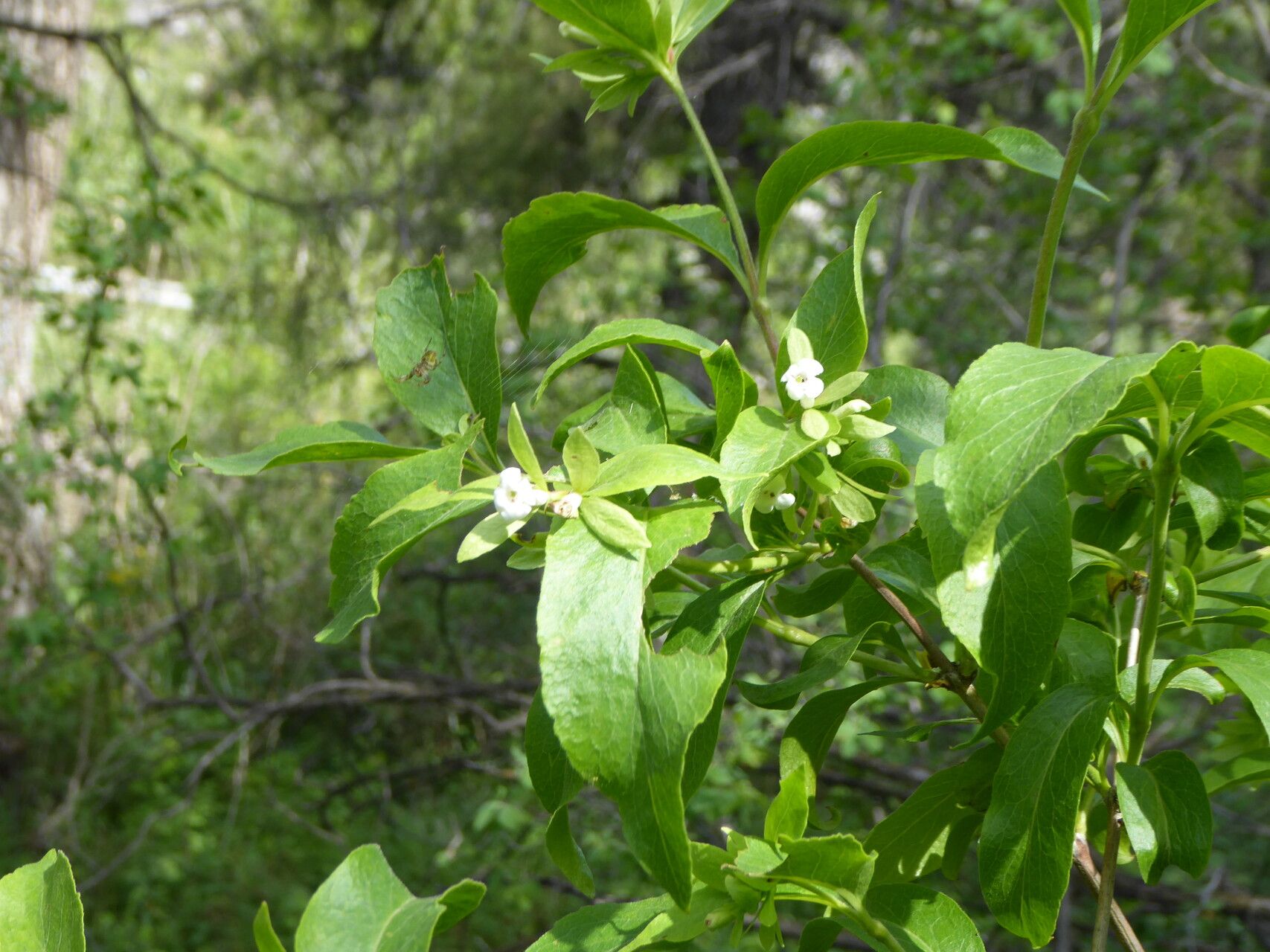
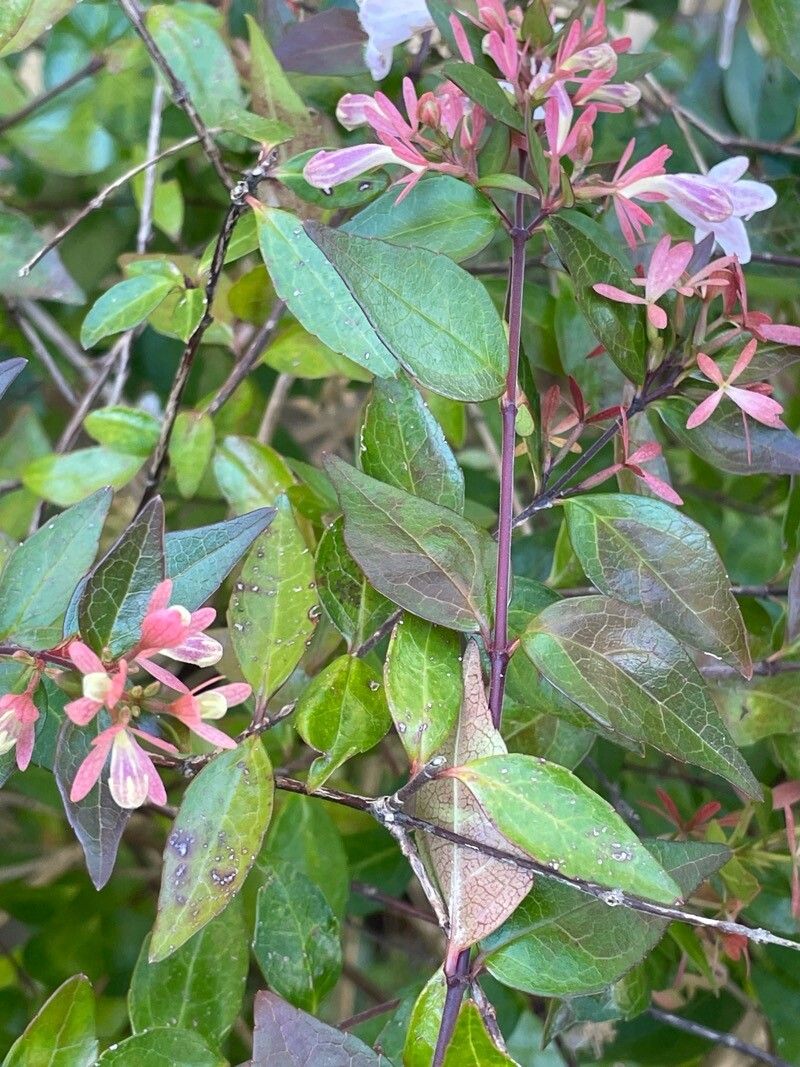
Fragrant Abelia resists disease well and is generally not susceptible to illnesses. Regarding care, this plant is fairly low-maintenance. When grown outdoors it needs little watering, and larger specimens usually do not require pruning. Smaller specimens, however, should be trimmed after they finish blooming. Fragrant Abeliat is suitable for anyone with an outdoor area, such as a garden or deck, and does not require extensive care experience.
How to keep Zabelia Tyaihyoni.
Light
Fragrant Abelia is native to habitats like forest understories or rocky sites, where it grows in natural shade. It prefers partial sun but can adjust to full sun or deep shade, showing its versatile, hardy character.
Water
Zabelia tyaihyoni comes from regions with inconsistent moisture and thrives when watered every 1-2 weeks, allowing the soil to partially dry out between waterings. Its moderate drought tolerance and ability to adapt to different seasons make it resilient and suitable for a variety of outdoor environments.
Temperature
Fragrant Abelia is highly adaptable to a variety of climatic conditions, tolerating both blistering summers and cold winters. It nonetheless has an optimal temperature range for growth. When temperatures become too high, the plant is susceptible to heat and humidity stress, which can lead to its death. In areas where temperatures approach the lower limit of its cold tolerance, it's important to provide insulation to protect the plant.
Fertilizer
Timing matters when feeding Fragrant Abelia. Apply fertilizer in early spring and repeat monthly up to early summer. Fertilizer encourages attractive blooms and supplies energy during both dormant periods and active growth.
Pruning
Zabelia tyaihyoni is known for its attractive foliage and blooms. To keep the plant healthy and looking its best, prune it in early spring. This helps remove dead branches and improves the plant's shape, airflow, and sunlight exposure, all of which reduce the risk of disease. Regular pruning encourages vibrant growth and abundant flowering. For the best results, use clean, sharp tools to make precise cuts, which will ensure a strong structure and long-lasting ornamental beauty.
Botanical profile.
- Plant Type
- Shrub
- Life Cycle
- Perennial
- Genus
- Zabelia
- Family
- Caprifoliaceae
- Hardiness Zone
- 5-9
- Mature Height
- 1.22 m to 1.83 m
- Mature Spread
- 1.22 m to 1.83 m
- Leaf Color
- Red, Green, Orange
- Leaf Type
- Semi-evergreen
- Flower Color
- White, Pink
- Flower Size
- 1.02 cm to 1.52 cm
- Bloom Time
- Early summer, Mid summer
- Planting Time
- Spring, Summer
- Harvest Time
- Late summer, Early fall, Mid fall
- Native Area
- Koppen, South Korea
Other names.