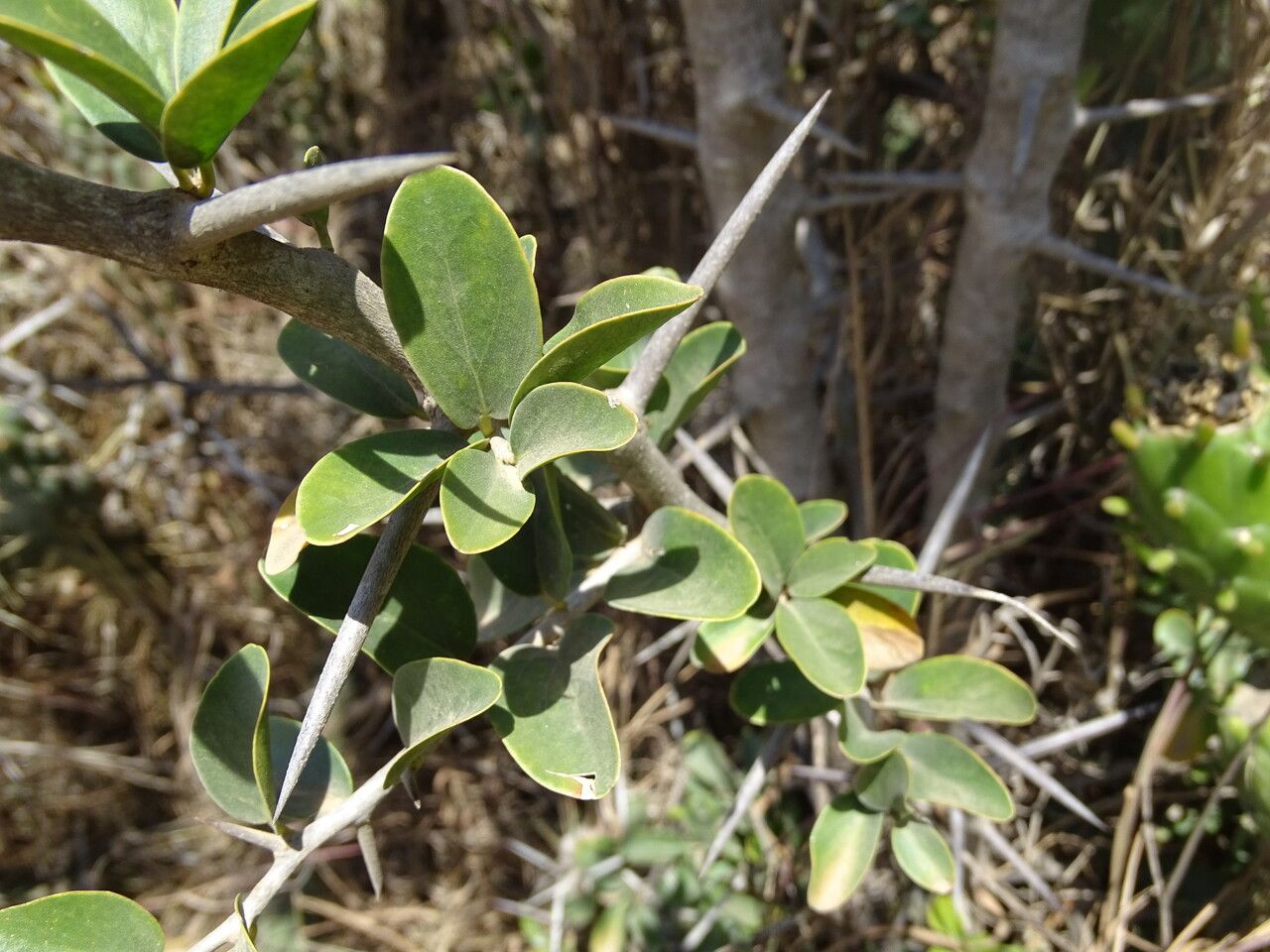
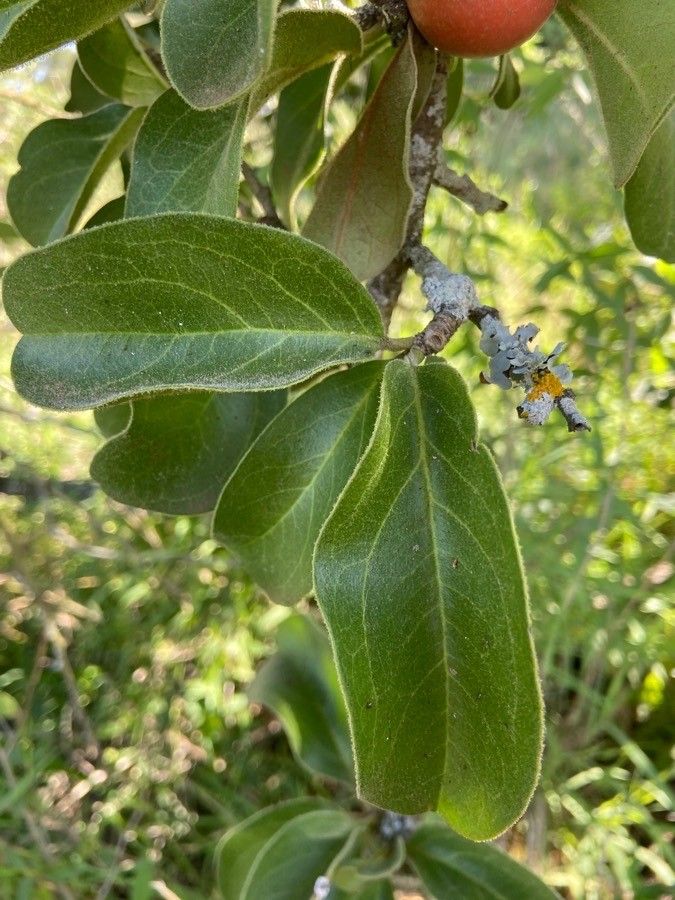
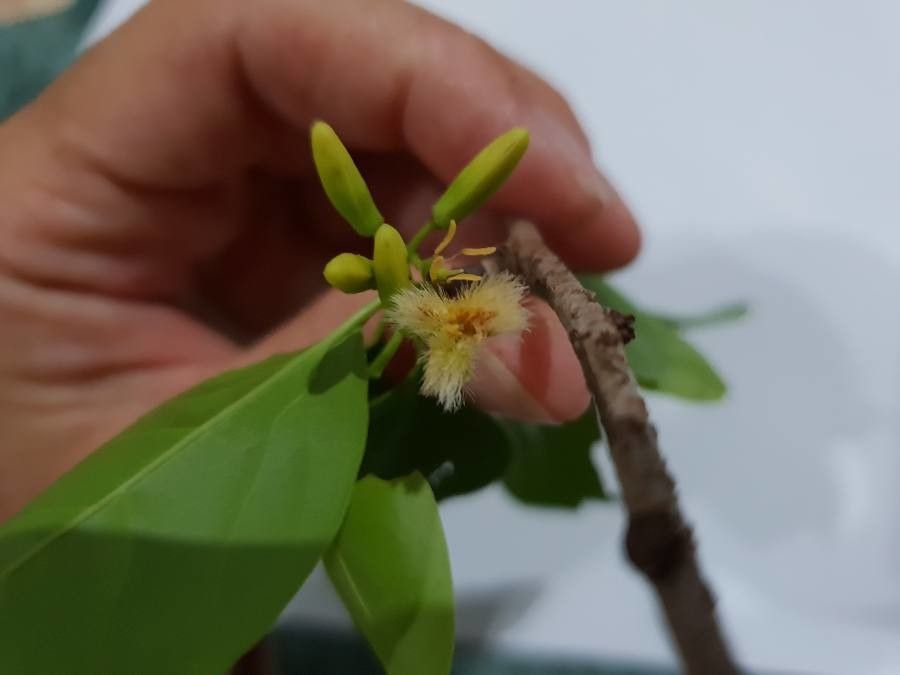
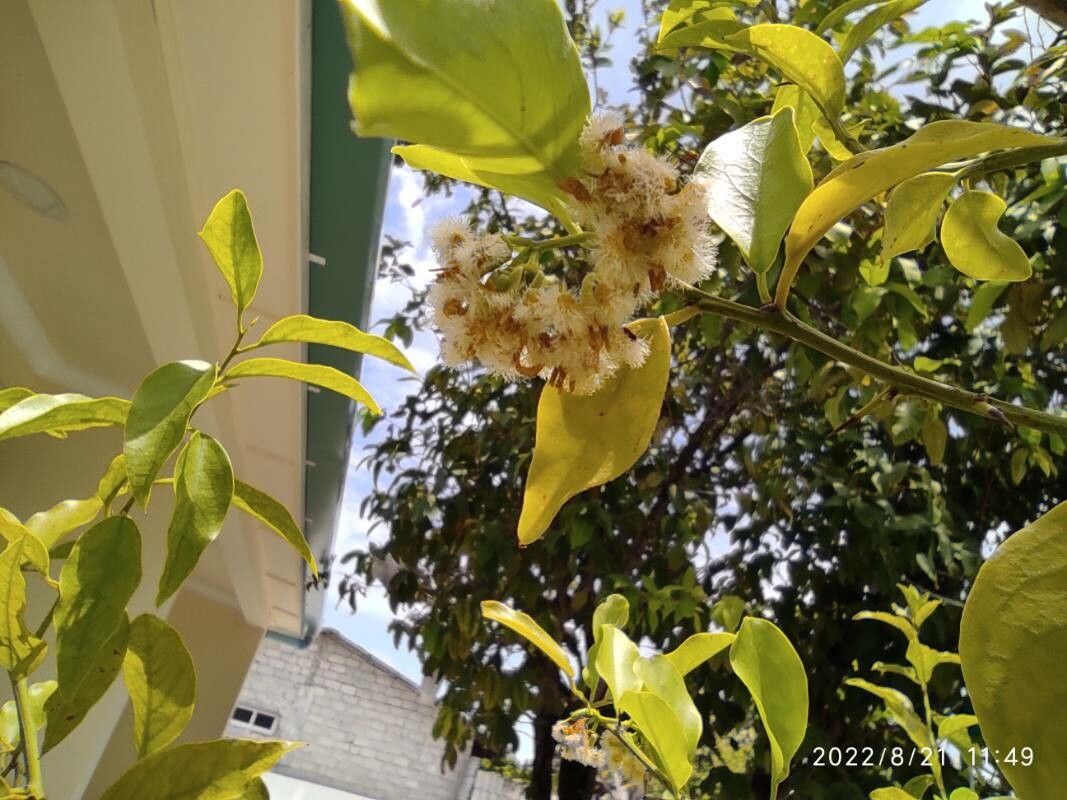
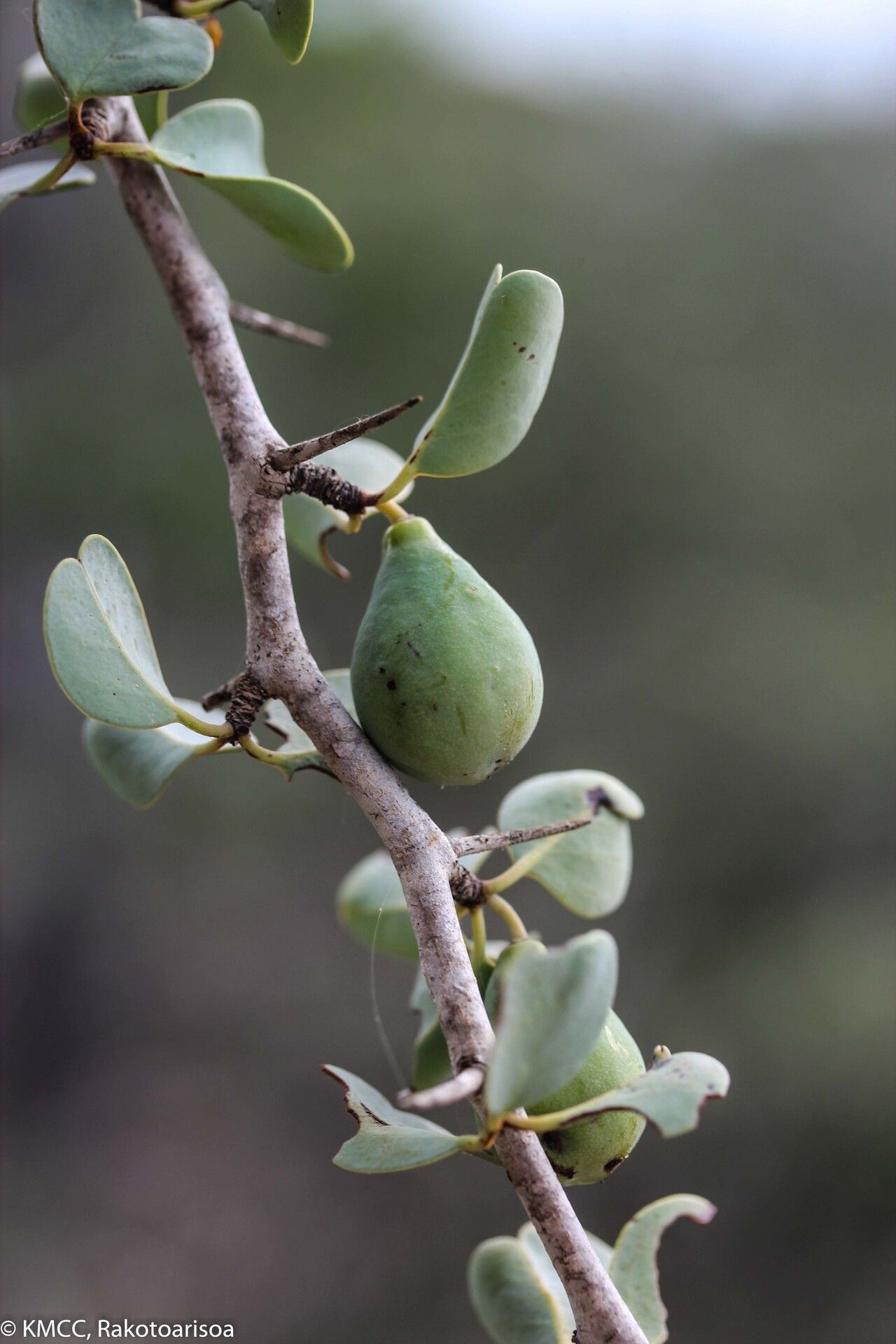
Ximenia americana, commonly known as tallow wood or sea lemon, is a small to medium-sized tree that belongs to the Olacaceae family. Native to tropical regions of Africa and South America, this versatile tree can be found in various habitats, including savannas, forests, and coastal areas.
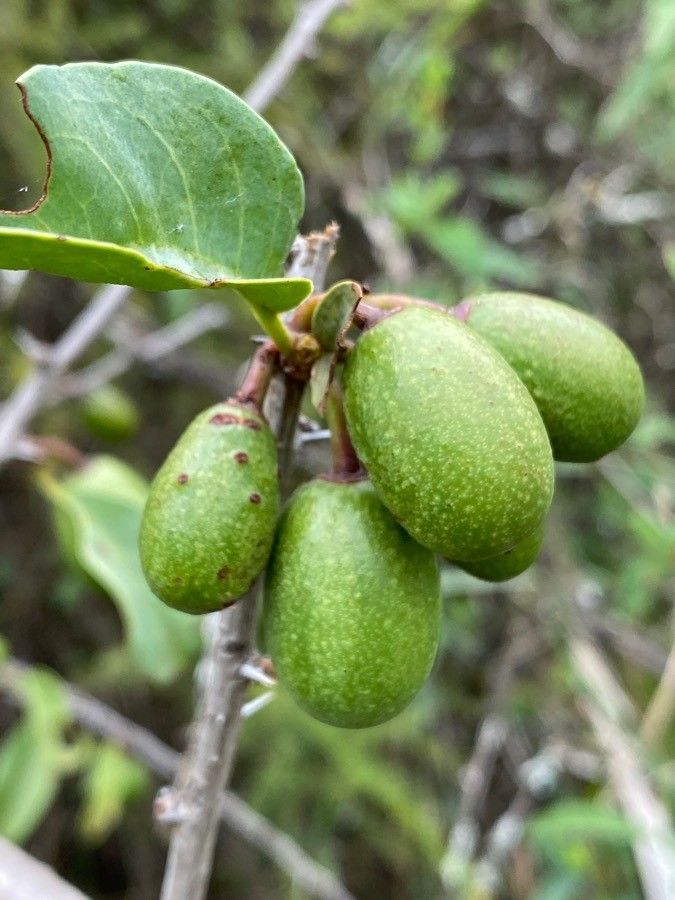
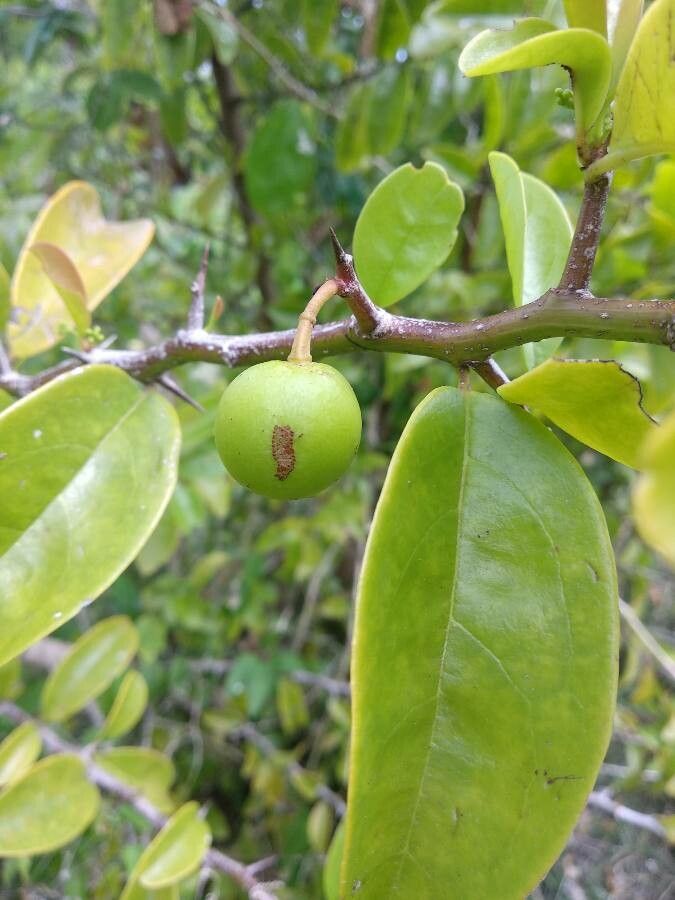
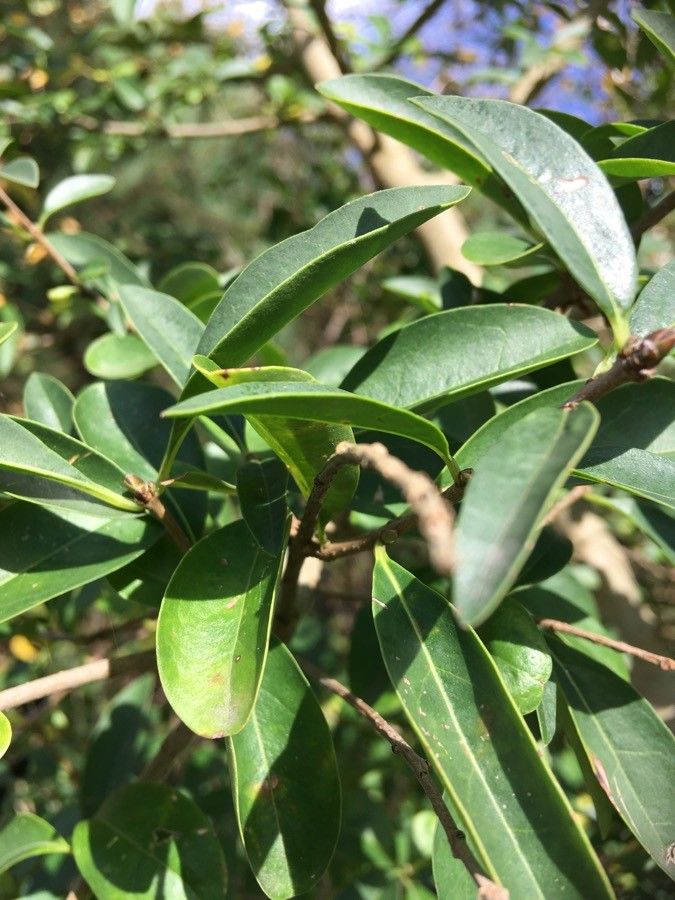
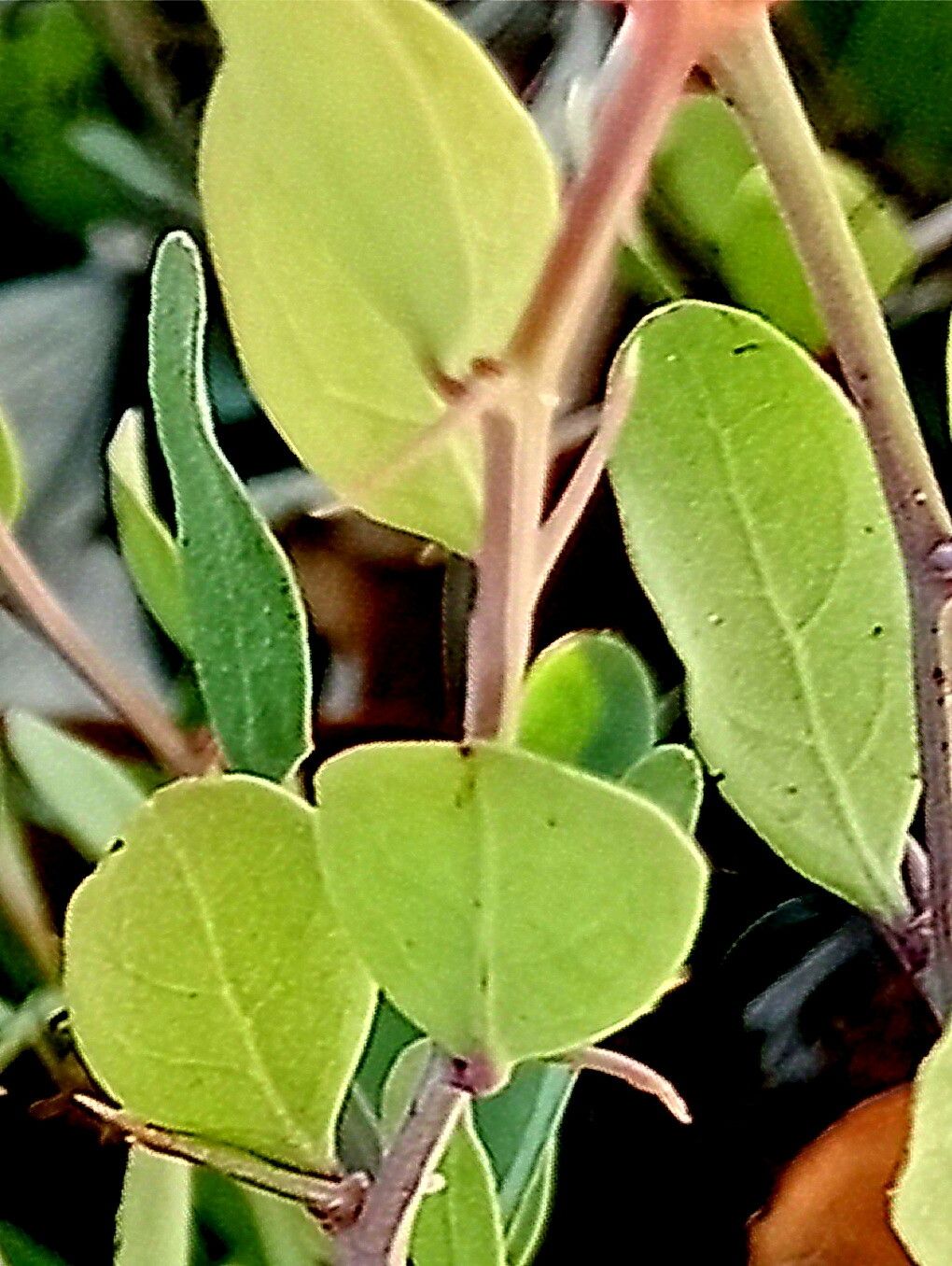
The tree features a dense crown of dark green leaves, which are oval-shaped with pointed tips. Its bark is rough and greyish-brown. The fruit of Ximenia americana is a small yellow or orange drupe containing a single seed.
Traditionally, this plant has been used for various medicinal purposes, such as treating fever, diarrhea, dysentery, skin infections, and wounds. The fruit pulp can also be used to make jams or fermented beverages.
Ximenia americana is valued for its hardy wood, which is suitable for making furniture or tools. It is also used in traditional African medicine due to its anti-inflammatory properties.
Overall, the Ximenia americana plant holds significant importance due to its medicinal properties and its role as a food source for wildlife, such as birds. The fruits are rich in nutrients, including vitamins C and A, as well as minerals like calcium and potassium.
Tallow wood shows strong resistance to disease and is usually not susceptible to health issues. In terms of maintenance, this plant is fairly low-maintenance. Planted outdoors, it needs only minimal watering, and larger specimens typically do not require pruning. Smaller specimens, however, should be trimmed after they finish flowering. Tallow wood is appropriate for anyone with an outdoor area, like a garden or deck, and does not call for extensive care experience.
How to keep Ximenia Americana.
Light
Tallow wood is a plant that does best in settings with plentiful sunlight, producing optimal growth. It also tolerates locations with softened light. Too much or too little light can affect its vigor. These light preferences are connected to the environment where the plant originated.
Water
Tallow wood flourishes in subtropical and tropical environments and demonstrates drought tolerance once established. Ideally, it should be watered every two weeks, with additional irrigation necessary during dry periods to maintain healthy foliage and support fruiting. While natural rainfall is beneficial, tallow wood is primarily grown outdoors.
Temperature
Tallow wood is well suited to temperate climates, performing best in a temperature range of 68 to 100 °F (20 to 38 ℃). In colder seasons, consider using a heat source or adding insulation to meet its warmth requirements.
Fertilizer
Prefer organic fertilizers (e.g., fish emulsion, compost) over chemical fertilizers for Tallow wood. Give young plants higher nitrogen and phosphorus in spring. Incorporate compost or fertilizer before or after planting. For mature plants, apply a balanced fertilizer or one that addresses specific deficiencies in spring. Nutrient deficiency causes small leaves, short branches, yellow or bronze foliage, acidic fruits, premature fruit drop, and splitting.
Pruning
Tallowwood is a resilient, drought-tolerant shrub or small tree known for its yellow flowers and edible fruits. To maintain its health and productivity, prune it from early to late spring. Remove any dead branches and thin out the canopy to improve air circulation, increase fruit yield, and prevent diseases. Be careful to avoid heavy pruning, as it can stress the plant.
Botanical profile.
- Plant Type
- Tree, Shrub
- Life Cycle
- Perennial
- Genus
- Ximenia
- Family
- Olacaceae
- Hardiness Zone
- 9-11
- Mature Height
- 2.13 m to 3.96 m
- Mature Spread
- 10 cm
- Leaf Color
- Green, Dark Green
- Leaf Type
- Evergreen, Deciduous
- Flower Color
- White
- Flower Size
- 0.25 cm to 0.76 cm
- Bloom Time
- Late spring, Summer, Early fall
- Planting Time
- Spring, Summer, Autumn
- Harvest Time
- Late summer, Fall, Early winter
- Native Area
- Sri Lanka, Burkina Faso, Belize, India, Mexico, Guatemala, Nigeria, Guinea-Bissau, Uganda, Tanzania, Fiji, Benin, Sierra Leone, Indonesia, Cameroon, Mozambique, Ethiopia, Central African Republic, Malawi, Honduras, Philippines, Panama, Chad, China, Colombia, Togo, El Salvador, Senegal, Eswatini, Côte d'Ivoire, Ecuador, Costa Rica, Gambia, Somalia, Angola, Malaysia, Namibia, Rwanda, Eritrea, Kenya, Niger, Jamaica, Zimbabwe, Mali, Cuba, Equatorial Guinea, Burundi, Liberia, Venezuela, Brazil, Ghana, Botswana, Congo, South Africa, Zambia, Sudan, Guinea, Bahamas, Bolivia, Vietnam, Myanmar, Guyana, Nicaragua, Singapore, Thailand, Gabon
Other names.
Reader questions.
How should I water my Tallow wood tree?
Your Tallow wood doesn't require a specific watering method, so you can use any regular watering tool like a watering can, hose, or even a cup. It's important to water the plant by directly applying the water to the soil. Make sure to distribute the water evenly to all parts of the root system. Using filtered water is recommended, as tap water may have harmful particles. Also, using water that is at or slightly above room temperature is ideal, as very cold or hot water can be a bit of a shock to the Tallow wood. However, this plant usually responds well to any type of water you give it.
Why do I have to put plant food on my Tallow wood?
If the soil in your area is rich, you may not need to fertilize. However, if the soil lacks nutrients, a Tallow wood will struggle to produce enough leaves, flowers, and fruits. To determine nutrient levels, a soil test is recommended. Nutrient deficiency in Tallow wood can result in small leaves, short branches, yellowing or bronze leaves, and less flavorful fruits due to increased acidity. Certain nutrient deficiencies can also cause early fruit drop or splitting.
What are the sunlight requirements for Tallow wood?
Tallow wood (Ximenia americana) thrives under conditions where it receives a generous amount of sunlight. It prefers full sun, which means it requires above 6 hours of sunlight per day, but it can also tolerate partial sun, meaning about 3-6 hours of sunlight. Proper sunlight exposure is crucial for the optimal growth of Tallow wood, though it shows resilience in slightly shaded environments. Over or underexposure to sunlight can significantly affect the plant's health. Observing how sunlight moves through your garden will help in choosing spots that provide a perfect balance of light and shade, ensuring the well-being of your plants.
What climate is ideal for Tallow wood?
Tallow wood thrives in temperate climates, with an ideal temperature range being between 68 to 100 °F (20 to 38 °C). It loves warmth and requires some form of heat source or insulation during cooler seasons to maintain its growth. In areas where temperatures drop below its preferred range, it's crucial to provide additional warmth, especially through the colder months to ensure its wellbeing.
What should I do if I give too much or too little water to my Tallow wood?
When it comes to outdoor plants, especially newly planted ones or seedlings, they are vulnerable to not getting enough water. Remember to water them sufficiently for a few months when they are small or recently planted. Once the roots are established, Tallow wood trees can rely on rain most of the time. If you have Tallow wood planted in pots, overwatering tends to be more common. If you accidentally overwater your Tallow wood, you should act quickly to address the situation. First, stop watering the plant immediately to minimize the impact of overwatering. Then, remove the Tallow wood from its pot and check the roots. If no root rot is found, you can return the plant to its container. However, if there are signs of root rot, trim the affected roots and consider applying a fungicide. Lastly, make sure to repot the Tallow wood in well-draining soil. On the other hand, if your Tallow wood is not getting enough water, you should simply increase your watering frequency. Underwatering is usually an easy problem to solve. When a plant is underwatered, its leaves may droop, dry out, and fall off. However, the leaves will regain their fullness fairly quickly after receiving sufficient water. Therefore, it's important to adjust your watering schedule promptly when you notice signs of underwatering.
When should I fertilize my Tallow wood tree?
To promote the growth of young Tallow wood, use fertilizers with higher nitrogen and phosphorus content for stronger root and leaf development. It is recommended to apply fertilizer during the spring of the first growing season. It is also beneficial to add compost or another fertilizer to the soil either before or after planting. For mature plants, use a balanced fertilizer or one that targets specific soil deficiencies in your area every few years during the spring and summer as needed. It is important to avoid fertilizing Tallow wood during autumn or winter.
How can artificial lighting benefit indoor Tallow wood plants?
Indoor Tallow wood plants may require artificial lighting to achieve optimal growth, particularly when natural sunlight is insufficient, such as in winter or in spaces that do not receive enough sunlight. Artificial lights can provide the necessary wavelengths of light for healthy plant growth. LED lights are recommended due to their customizability to fit specific plant needs. Full sun plants need 30-50W/sq ft, partial sun plants need 20-30W/sq ft, and full shade plants need 10-20W/sq ft of artificial light. The light source should be placed 12-36 inches above the plant to mimic natural sunlight effectively. Furthermore, mimicking natural daylight hours by keeping the lights on for 8-12 hours per day can promote healthier and faster growth.
What should I do with Tallow wood in the autumn and winter?
During the autumn, it is advisable to bring Tallow wood plants grown outdoors inside to protect them from the cold. They should be placed near a bright window to continue receiving sufficient light but be kept at a distance from heaters to avoid overheating or drying out. Throughout the winter, maintaining temperatures above 20°C is key to the plant's health, as any exposure to temperatures approaching 0°C can cause significant harm.
How frequently should I give my Tallow wood water?
Most naturally-growing outdoor plants can thrive with just rainfall. However, if your area lacks rain, give your plants enough water every 2 weeks in the spring and fall. In the summer, you'll need to water them more frequently. In the winter, when plants grow slower and require less water, water them sparingly or not at all. If your Tallow wood is young or newly planted, water it more often to help it establish and become drought tolerant. For potted plants, there are two main ways to determine how often to water your Tallow wood. The first option is to follow a set watering schedule, such as once a week or every other week. However, keep in mind that this may not account for the specific growing conditions of your Tallow wood. Another option is to check the moisture in the soil. Wait until the top two to four inches of soil, about ⅓ to ½ depth of the pots, have completely dried out before watering again. Be aware that during summer, your Tallow wood will require more water than the predetermined schedule suggests.
When is not a good time to fertilize my Tallow wood tree?
To ensure the health of Tallow wood, it is advised to avoid fertilizing after pruning, when the tree is experiencing disease or insect issues, or when it is generally stressed. Fertilizer only addresses nutrient deficiencies in the soil and cannot resolve other underlying problems that may impact the Tallow wood. Therefore, accurately diagnosing the issue is important to avoid mistakenly adding fertilizer when there may be another root cause. In addition, it is best not to fertilize Tallow wood during winter or during excessively hot and dry periods in the summer.
What are the symptoms of light deficiency in Tallow wood?
When Tallow wood does not receive adequate sunlight, especially indoors during winter or in poorly lit rooms, several symptoms can manifest. These include the development of smaller new leaves than the older ones, leggy or sparse growth where the spaces between leaves or stems become longer, leading to a stretched and weak appearance, and accelerated leaf drop as the plant tries to conserve resources. The plant may also experience slower or no new growth, as well as lighter-colored or pale new leaves, indicating a lack of chlorophyll and essential nutrients. Chlorosis, sunscald, leaf curling, wilting, and leaf scorching are other symptoms that can occur due to light deficiency or excessive sunlight exposure.
How does Tallow wood react to low temperatures?
Tallow wood prefers warm environments and does not tolerate cold well. When temperatures dip below 20°C, particularly to -5°C or lower, it can experience adverse effects such as lightening of leaf color. Following frost damage, leaves may turn brown or black, and the plant might show signs of wilting and drooping. In such cases, it's necessary to trim off the frost-damaged parts and move the plant to a warmer spot indoors, preferably near a south-facing window for ample sunlight, while avoiding placing it too close to heating sources that can dry out the air.