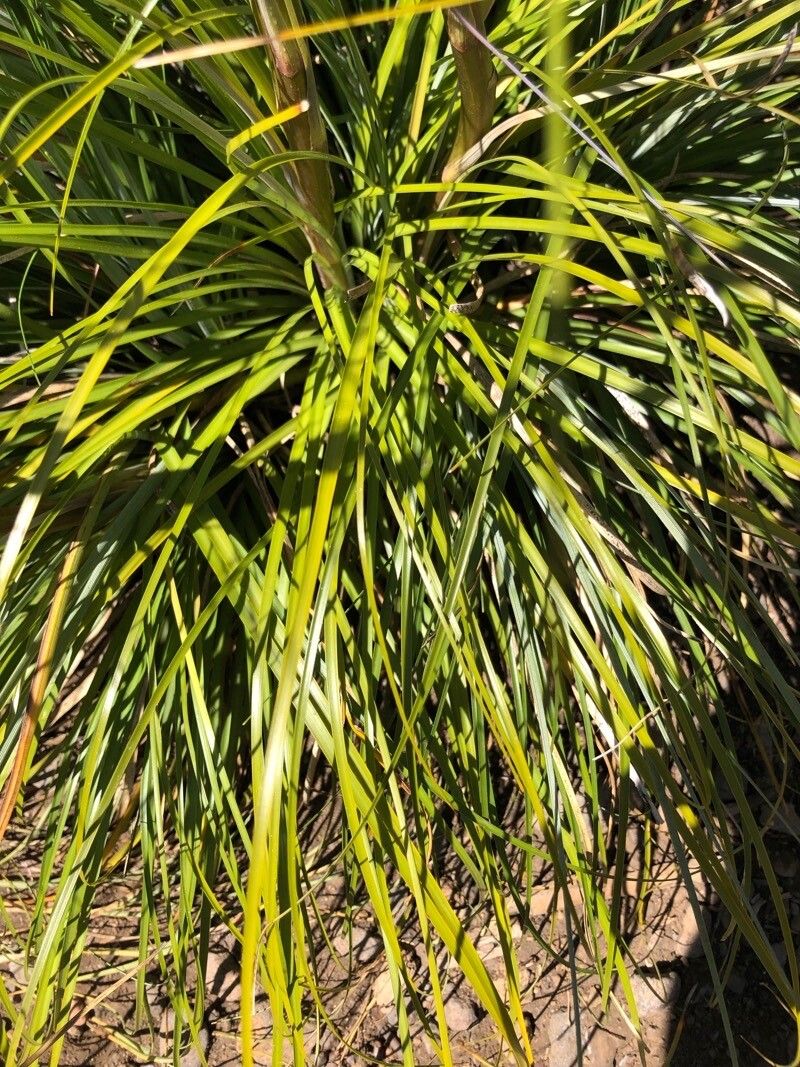
Xerophyllum asphodeloides, commonly known as turkey beard or mountain lily, is a perennial herb native to North America. Belonging to the Melanthiaceae family, it thrives in diverse habitats including meadows, forests, and rocky slopes.
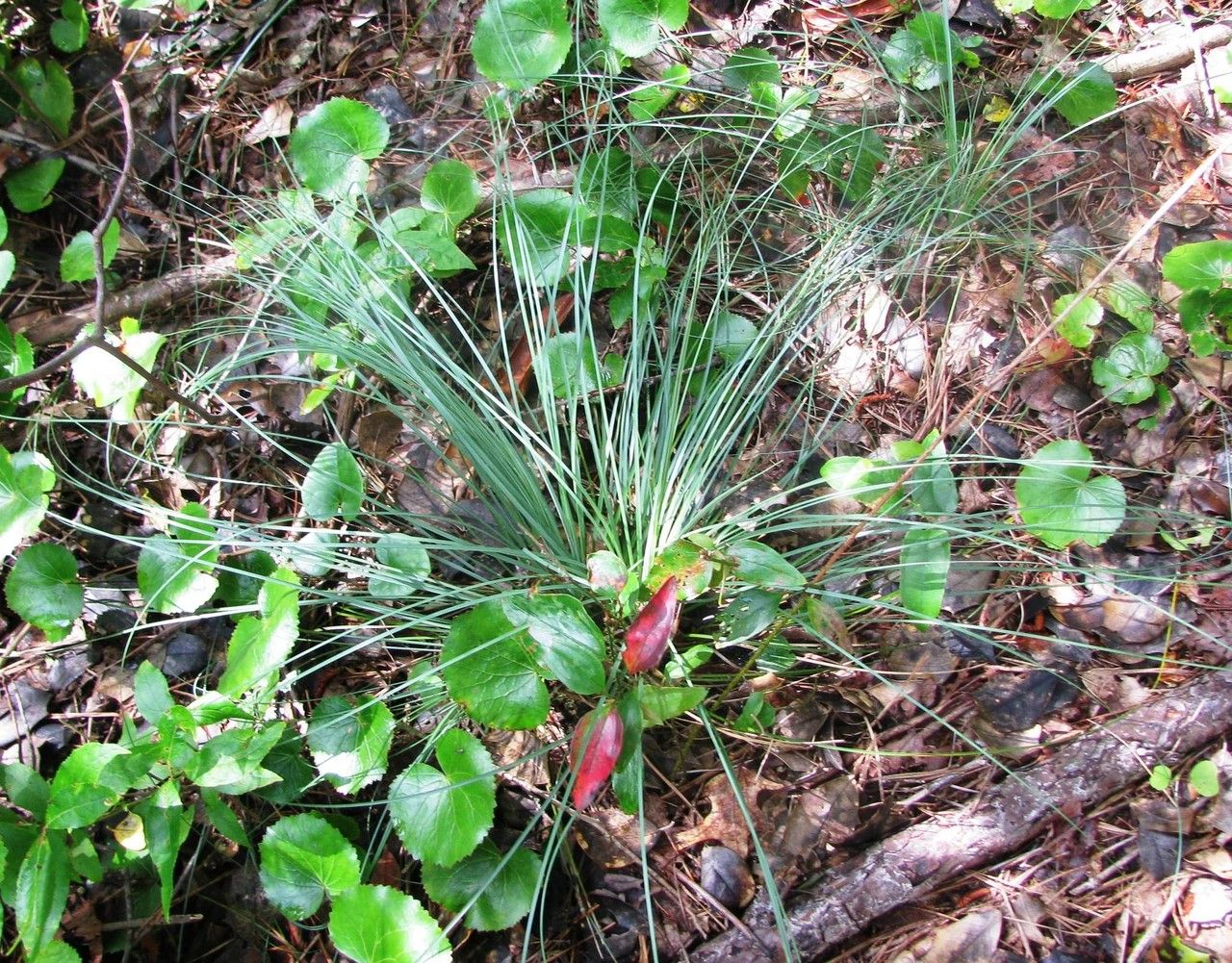
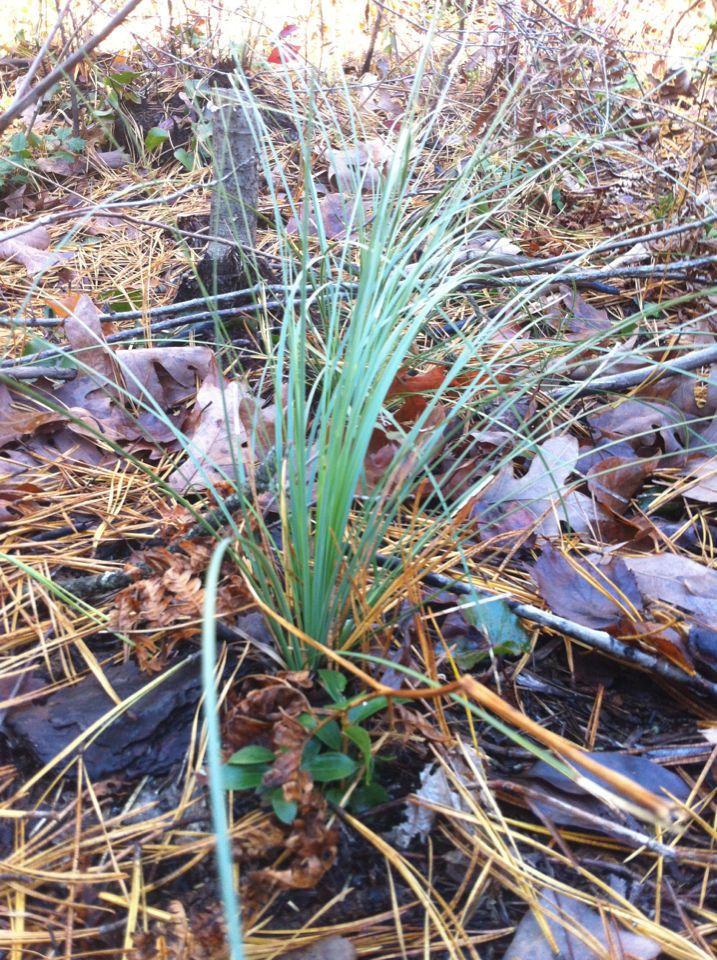
The plant features long, narrow leaves that can reach up to 60 cm in length, arranged in a basal rosette. These leaves are tough and leathery with sharp edges, which help reduce water loss through transpiration.
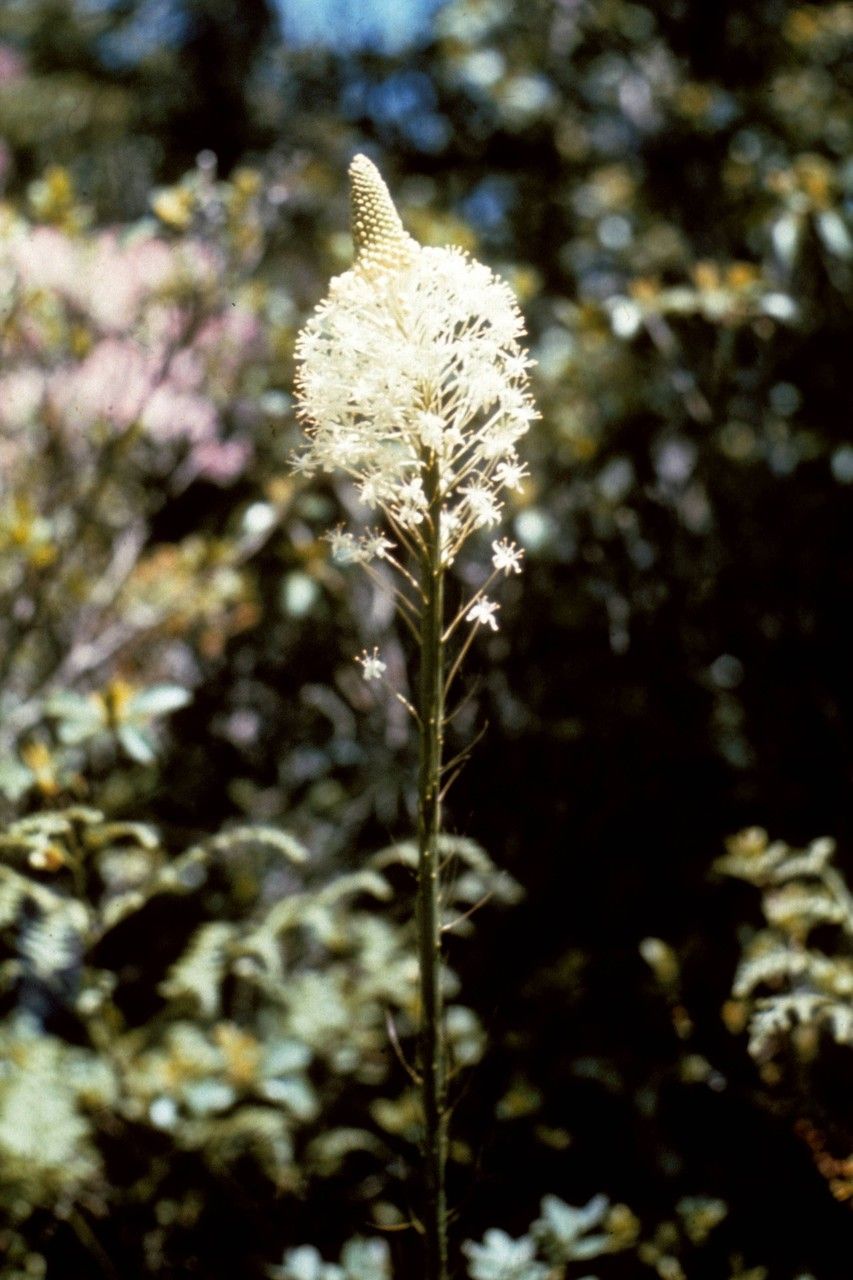
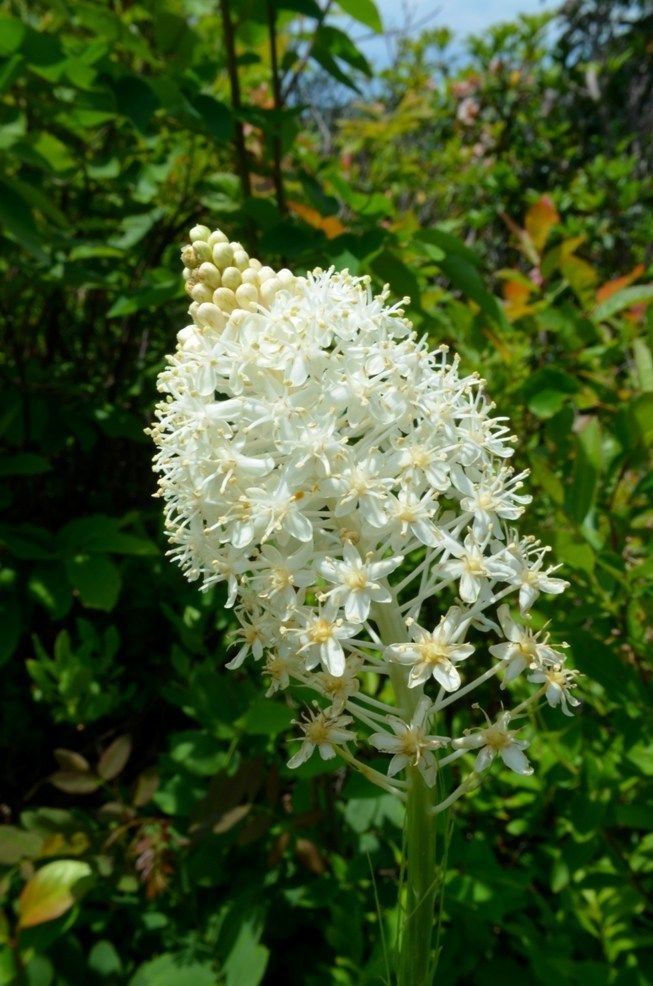
From June to August, the turkey beard blooms with tall spikes of small white flowers. Each flower has six petals and yellow stamens protruding from the center. The entire plant can grow up to 1 meter tall.
Native Americans have used Xerophyllum asphodeloides for medicinal purposes, such as treating coughs, colds, and fevers. Its tough leaves were also employed in basket-making.
In summary, Xerophyllum asphodeloides is a remarkable plant with unique adaptations for surviving dry environments. It also holds cultural significance due to its traditional uses by Native Americans.
Eastern turkeybeard shows strong resistance to disease and is generally not prone to illnesses. However, it can be vulnerable to pests and diseases present in its environment. These infections are typically not serious. For care, this plant needs moderate maintenance. It should be pruned regularly to preserve a neat appearance and support healthy growth. Fertilizing can also help encourage flowering. Eastern turkeybeard is well suited for anyone with outdoor space, such as a garden or patio, and does not demand extensive care experience. It may need more attention if kept indoors.
How to keep Xerophyllum Asphodeloides.
Light
Eastern turkeybeard originates from habitats like forest understories and rocky sites where it grows in natural shade. It prefers partial sun but will tolerate full sun or full shade, showing its versatility and hardiness.
Temperature
Eastern turkeybeard can tolerate a wide range of temperatures, though its distribution may still be limited by particular combinations of moisture and heat. It grows best in warm summer conditions with sufficient rainfall or irrigation. Extended periods of cloudy, rainy weather, as well as prolonged high temperatures, can raise the chance of Eastern turkeybeard dying. In winter, appropriate protection from cold can increase the plant's survival rate.
Fertilizer
The best time to fertilize an Eastern turkeybeard is in early spring, as it comes out of dormancy and begins active growth. Fertilizing supplies essential nutrients needed for healthy growth. Although Eastern turkeybeard has relatively low fertilizer requirements, applying fertilizer annually can improve its survival and encourage better, longer-lasting flowers.
Pruning
Eastern turkeybeard is characterized by its tufted foliage and white flowers. For optimal growth, prune the plant in early spring to remove any dead leaves. After the flowers have bloomed, trim back the flowering stems to enhance the plant's vigor and shape. Always use sterilized pruners to prevent the spread of disease.
Botanical profile.
- Plant Type
- Herb
- Life Cycle
- Perennial
- Genus
- Xerophyllum
- Family
- Melanthiaceae
- Hardiness Zone
- 4-9
- Mature Height
- 0.61 m to 1.52 m
- Mature Spread
- 30 cm to 61 cm
- Leaf Color
- Dark Green
- Leaf Type
- Evergreen
- Flower Color
- White
- Flower Size
- 1.02 cm to 1.52 cm
- Bloom Time
- Late spring, Early summer
- Planting Time
- Spring, Summer
- Harvest Time
- Mid summer, Late summer
Other names.
Reader questions.
What is the common name of Xerophyllum asphodeloides?
The common name of Xerophyllum asphodeloides is Eastern turkeybeard.
What botanical name is given to Eastern turkeybeard?
The botanical name given to Eastern turkeybeard is Xerophyllum asphodeloides.